Empowering Europe’s rural future

Cohesion Policy Alliance - News 2020

CEMR urges inclusive, place-based vision for rural territories 


As the European Union shapes its long-term vision for rural areas, the Council of European Municipalities and Regions (CEMR) calls for a fresh, inclusive approach that recognises rural territories as vibrant, diverse, and essential to Europe’s sustainable future. 

In a context shaped by post-COVID realities, demographic shifts, and the need for climate resilience, CEMR stresses that rural areas must no longer be seen as peripheral or left behind. Over 50% of Europeans live in rural or peri-urban territories, yet these areas still face gaps in investment, connectivity, and access to services. 

CEMR’s position lays out a clear path forward: 

  • Shift the narrative: Rural areas are not just agricultural zones in decline, but places of opportunity, well-being, and innovation. A positive and modern image must be promoted across all levels of government. 
  • Invest in connections: Better transport links, broadband access, and energy infrastructure are key to rural inclusion. Public investment must step in where market failures persist. 
  • Strengthen local governance: Municipalities and regions are best placed to tailor solutions to their rural communities. They must be true partners in designing and delivering EU and national policies. 
  • Support rural services and quality of life: Equal access to health, education, culture, and mobility is crucial to prevent depopulation and ensure territorial cohesion. 
  • Target EU funding more effectively: Cohesion Policy, CAP, Horizon Europe, and recovery instruments must better support rural-specific needs, with simplified access for small municipalities. 
  • Foster youth engagement and gender equity: Making rural areas attractive for young people, women, and families will require tailored policies and investment in social infrastructure. 

CEMR calls on the EU, Member States, and institutions like the OECD and Council of Europe to take these principles seriously and to build rural policies that are integrated, inclusive, and future-focused. From tourism and energy to local governance and public services, rural areas must be seen as full contributors to Europe’s social and territorial fabric. 

Read the position paper here 

For more information, contact: 

Localising the 2030 Agenda 

Agenda 2030 - News

How local and regional governments and their associations are driving sustainable development 


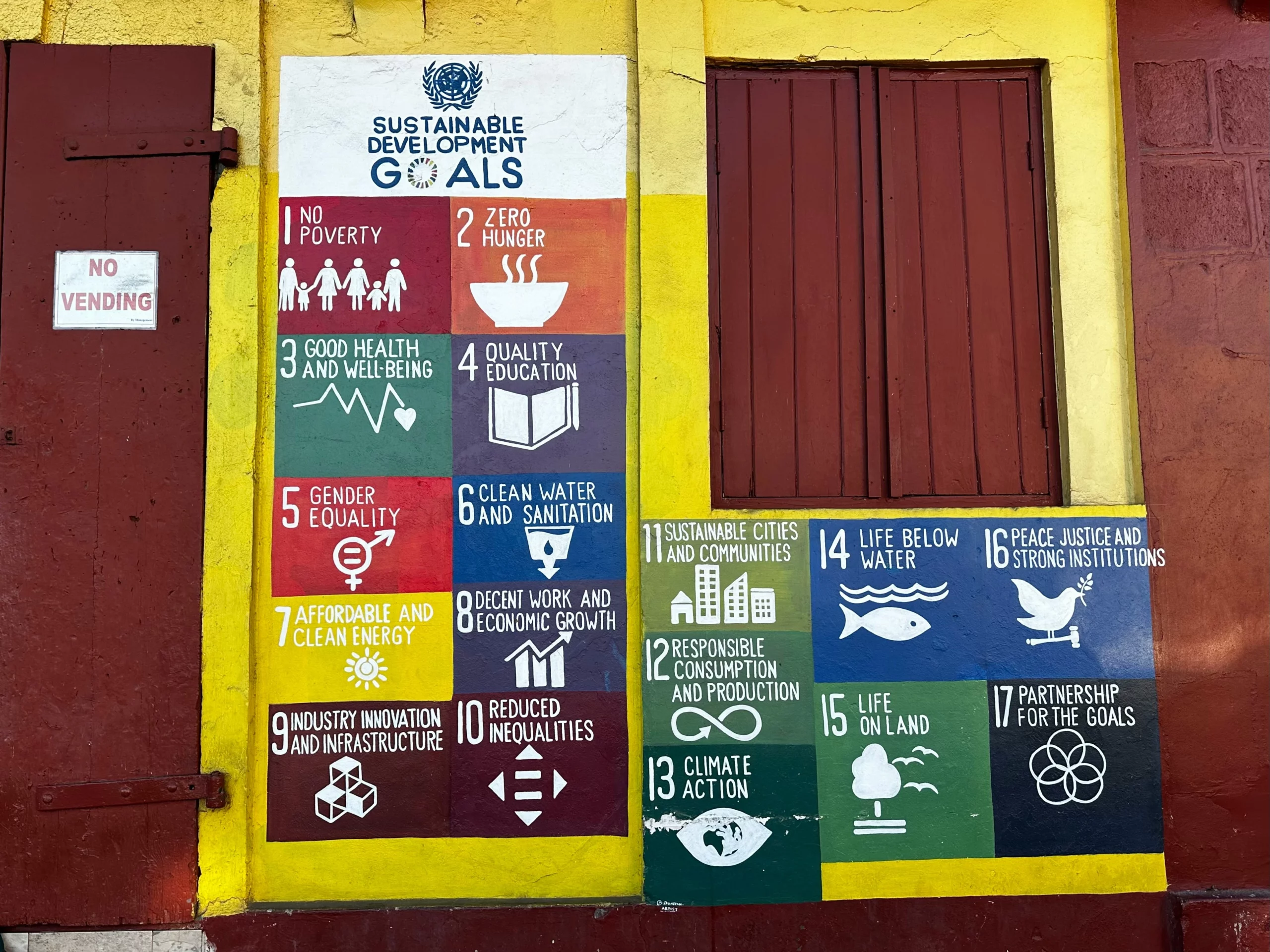
The 2030 Agenda for Sustainable Development, adopted by all UN Member States in 2015, laid out an ambitious global roadmap for peace, prosperity, people, and the planet. Its 17 Sustainable Development Goals (SDGs) are universal in nature but require deeply localised responses to be effectively achieved. 

Local and regional governments (LRGs), and the associations that represent them are at the frontline of this challenge. They have the democratic mandate, institutional legitimacy, and daily proximity to citizens to implement sustainable solutions tailored to local realities. This article explores the critical role these governments and their national associations play in bringing the 2030 Agenda to life across Europe and beyond. 

The Role of LRGs and Their Associations 
Local and regional governments are uniquely positioned to translate global goals into tangible public policies and services. Whether it’s improving access to education, ensuring clean water, fostering inclusive economies, or promoting environmental protection, the SDGs intersect directly with their mandates. 

However, the successful localisation of the SDGs requires not only local action but also strong national coordination and multilevel governance. That’s where national associations of LRGs come in. They serve as intermediaries between municipal and national levels, raising awareness, building capacity, and advocating for policy coherence and the resources necessary for implementation. 

A Framework for Transformation 
For LRGs, the 2030 Agenda is more than a checklist, it’s a strategic and transformative framework that enables long-term thinking, breaks down silos across departments, and connects various stakeholders. When well-integrated, the SDGs improve how public services are delivered and empower communities to engage meaningfully in decision-making processes. 

A New Decade of Action and Challenge 
Despite early progress, the world is not yet on track to meet the SDGs by 2030. The COVID-19 pandemic has added new complexity, strained local budgets and exacerbated inequalities. Yet the pandemic also highlighted the vital role of LRGs in crisis response, ensuring healthcare access, food security, education continuity, and social protection. 

The recovery period offers a chance to “build back better” by placing the SDGs at the core of reconstruction efforts. The UN Secretary General has emphasised the 2030 Agenda as a guiding principle for a resilient, inclusive, and green recovery. In this context, national associations of LRGs become even more essential to facilitate dialogue, share knowledge, and advocate for the tools local governments need to succeed. 

The decade ahead will be decisive. The COVID-19 crisis may have disrupted momentum, but it has not undermined the fundamental relevance of the 2030 Agenda. On the contrary, it has reaffirmed the importance of public services, local resilience, and inclusive governance, values that are deeply embedded in the SDGs. 

Local and regional governments, supported by their associations, are essential actors in this journey. They are adapting, experimenting, and collaborating to deliver sustainable results, even amid uncertainty. Their work shows that global agendas only become real when rooted in local action. 

Going forward, stronger partnerships across sectors and governance levels are needed to ensure no place and no person is left behind. Multi-level and multi-sector cooperation will be vital to address the growing challenges ahead and to seize the opportunities that lie in sustainable, equitable recovery. 

In short, if the SDGs are to be met, they must be localised and that starts with empowering the actors who are closest to the people. 

Read the study here 

For more information, contact: 

Lessons from the COVID19 Pandemic

COVID recovery - News

Local and regional governments need stronger support, recognition, and autonomy in times of crisis


As Europe continues to grapple with the long-term consequences of the COVID-19 crisis, the Council of European Municipalities and Regions (CEMR) highlights the vital role of local and regional governments during the pandemic and the urgent need for stronger multilevel governance and financial resilience.

From the earliest days of the pandemic, local and regional authorities were at the frontline: managing public health measures, ensuring social services, maintaining education and local transport, and supporting vulnerable groups. They also had to cope with increased expenditure while facing plummeting revenues, a phenomenon CEMR described as the “scissor effect.” Despite their efforts, many municipalities and regions received little compensation or recognition for their critical role.

In light of these challenges, CEMR has outlined ten key recommendations to ensure more effective responses in future crises and support long-term resilience:

  1. Recognition of essential services
    Local and regional governments must be acknowledged as essential actors in crisis management. Their competences, funding, and resources must be guaranteed and reinforced, with better alignment of policies across government levels.
  2. Equal access to EU recovery tools
    Municipalities and regions should be directly involved in shaping and implementing national recovery plans, particularly in the context of the Recovery and Resilience Facility. This means ensuring equal access to EU funds, simplification of procedures, and stronger monitoring mechanisms.
  3. Flexible financial frameworks
    The EU fiscal rules need to evolve. CEMR calls for more flexibility for local and regional governments in borrowing and investment, especially for long-term sustainable projects. Debt incurred for these purposes should be excluded from deficit calculations under the Stability and Growth Pact.
  4. Stronger digital transition
    The pandemic highlighted the digital divide across Europe. More investment is needed to strengthen local digital infrastructure and capacity, especially in rural and underserved areas. Local and regional authorities must play a central role in the EU’s digital transition.
  5. Health, care, and social services
    Municipalities and regions are often responsible for delivering or coordinating health and care services. They must be involved in national health policy planning, with proper resources and long-term investment to ensure quality and accessibility.
  6. Support for local economies
    Cities and regions played a key role in supporting local businesses and workers during the crisis. The EU and Member States must ensure that economic recovery policies reach the local level and that municipalities can take proactive measures to protect local economies.
  7. Strengthening social cohesion
    COVID-19 amplified existing inequalities. Local authorities are best placed to address social exclusion, support vulnerable groups, and reinforce community resilience, but need adequate funding and policy support.
  8. Better governance
    The pandemic exposed the weaknesses of top-down crisis responses. Multilevel governance, subsidiarity, and the partnership principle must be strengthened to ensure effective cooperation and faster, more tailored solutions.
  9. Green recovery
    Recovery funds and policies must prioritise sustainability. Local governments are already implementing the Green Deal at ground level, through sustainable mobility, energy-efficient buildings, and green public spaces. Their role must be formally supported in EU policy and funding instruments.
  10. Crisis preparedness
    Europe must develop better tools for future emergencies. This includes building the capacity of local administrations, sharing best practices, and ensuring municipalities have access to critical resources when crises hit.

Conclusion
The COVID-19 pandemic has been a stress test for European governance and local governments passed it with resilience and determination. Now, CEMR urges EU institutions and Member States to turn these lessons into action. By strengthening the role, autonomy, and resources of local and regional authorities, Europe can better prepare for the next crisis and deliver a fair, green, and inclusive recovery for all.

Read the position paper here 

For more information, contact: 

COVID impact on local finances 

COVID 19 finances - News

A Europe-wide snapshot of the pandemic’s fiscal impact on municipalities and regions, and what support is still missing  


The COVID-19 pandemic placed local and regional governments at the frontline of public health response in Europe. While ensuring safety, maintaining essential services, and supporting vulnerable populations, these governments were simultaneously burdened with spiralling costs and plummeting revenues. A survey conducted by the Council of European Municipalities and Regions (CEMR) in May 2020 offers critical insight into the financial distress faced by cities and municipalities across 17 European countries. 

The survey reveals a dual pressure on local and regional finances: soaring expenditures, primarily for personal protective equipment, sanitation, and social support and sharp declines in revenue due to reduced economic activity. Tax revenues, municipal service fees, and income from the cultural and tourism sectors were severely impacted. For example, Bulgaria saw a 41% decrease in municipal income from its own sources, and Austria faced estimated municipal revenue losses between €900 million and €2 billion. 

While local authorities acted swiftly, organising food deliveries, providing accommodation for healthcare workers, and ensuring online education, support from national governments was slow and often insufficient. Although a few countries, like Estonia and Germany, implemented meaningful aid measures, most national support was delayed, limited, or only promised in future budget cycles. 

Many governments, like in France and Sweden, pledged support, but uncertainty remains about the long-term sustainability of subnational budgets. Furthermore, the varied structure of local financing systems across Europe means that the financial impact differs widely between countries and even among municipalities within the same country. 

The CEMR report makes it clear: without timely and adequate support from national and European levels, local and regional governments risk losing the capacity to invest in recovery and sustainable development. To prevent a prolonged post-pandemic investment slump, EU funds, especially from the Recovery and Resilience Facility, must be made directly accessible to local authorities. 

Only by empowering municipalities can Europe hope to achieve its long-term goals for resilience, cohesion, and sustainability. Now is the time for stronger multilevel cooperation and for the EU to acknowledge the central role of local and regional governments in shaping recovery. 

Read the study here 

For more information, contact: 

Just transition mechanism analysis 

Impact Goal - Climate

The Just Transition Mechanism urges stronger local partnerships and clearer funding priorities 


The EU’s ambition to become the first climate-neutral continent by 2050 is taking shape through the European Green Deal and its financing arm: the Just Transition Mechanism (JTM). In its policy analysis, the Council of European Municipalities and Regions (CEMR) acknowledges the value of this tool while calling for stronger local engagement and better alignment with existing cohesion funds. 

The JTM, made up of the Just Transition Fund, a dedicated InvestEU scheme, and a public sector loan facility via the EIB, aims to support the territories most affected by the transition to a green economy, particularly those dependent on carbon-intensive industries. 

CEMR welcomes: 

  • The creation of new financial tools tailored to the social and economic impacts of decarbonisation, especially the Just Transition Fund, with its €7.5 billion proposal. 
  • Inclusion of the JTF in Cohesion Policy, which ensures the application of the partnership principle and opens space for dialogue with local and regional governments in the design of transition plans. 
  • The focus on NUTS 3 level, allowing targeted support to local realities and better alignment with community needs. 
  • Technical assistance and peer exchange platforms can empower municipalities to replicate successful models and accelerate climate-neutral transitions. 

However, CEMR expresses concern over: 

  • Budget uncertainty: With Member States resisting increases to the EU’s overall budget, there’s a risk the JTF will simply reallocate existing cohesion funds, limiting its added value. 
  • Overlap with existing cohesion goals: Much of the JTF’s focus, green investment, upskilling, and digitalisation, is already covered by current ESIF priorities (PO2 and PO4). Its distinct impact must be clarified. 
  • Thematic constraints on cohesion funds: Requirements to reallocate ERDF and ESF+ funds to the JTF may reduce resources available for other local development priorities. 

For CEMR, local and regional governments must remain central actors in this transition. Their involvement is key not only in planning and implementation but also in ensuring that no territory is left behind as Europe moves toward a greener, fairer future. 

Read the position paper here 

For more information, contact: 

Strong Budget, Strong Cohesion 

Cohesion Policy Alliance - News 2021

CEMR urges EU leaders to secure an ambitious long-term budget that empowers local and regional governments 


As EU leaders prepare to decide on the next Multiannual Financial Framework (MFF), the Council of European Municipalities and Regions (CEMR) calls for a robust budget and a cohesion policy that keeps local and regional governments at its core. 

The need for an ambitious MFF 

CEMR stresses that ambitious European goals, sustainable development, the Green Deal, and social inclusion, cannot be delivered without a strong budget. Any further cuts to cohesion policy, such as those recently proposed, would undermine Europe’s ability to meet its commitments. Local and regional governments, as the key actors implementing EU policies on the ground, rely on a timely agreement to ensure a smooth transition to the next funding period. 

Just Transition and partnership 

CEMR welcomes the creation of a Just Transition Fund to support regions in the shift towards a low-carbon economy. However, these new measures must come with additional funding, not at the expense of cohesion policy. Equally vital is the Partnership Principle, which guarantees that municipalities and regions are directly involved in programming and implementing EU funds. This principle must remain a cornerstone of cohesion policy. 

Europe’s ambitions will only succeed if local and regional governments have the tools to deliver them. A strong MFF, safeguarded cohesion funding, and reinforced partnership are the foundations of a Europe closer to its citizens. 

Read the position paper here 

For more information, contact: 

Global goals into local action  

Localising SDGs study - News

How local and regional government associations turn global goals into local action 


The 2030 Agenda for Sustainable Development and its 17 Goals are often seen as a global framework, but their success depends on local action. Nearly two-thirds of the SDGs must be implemented at the local level, making municipalities, regions, and their associations crucial actors in bringing this agenda to life. 

Local and regional government associations (LRGAs) act as bridges between citizens and higher levels of governance. They support awareness-raising, provide technical expertise, and advocate on behalf of local governments at the national, European, and international levels. Their proximity to communities allows them to translate abstract global objectives into tangible improvements in daily life, from better public services and climate action plans to gender equality policies and local economic development. 

Since the first CEMR-PLATFORMA study in 2018, the role of associations in localising the SDGs has grown significantly. Many are now actively involved in monitoring, reporting, and international advocacy, including through contributions to the UN’s High-Level Political Forum. Voluntary Local Reviews (VLRs) and decentralised cooperation projects have become powerful tools to highlight progress, inspire others, and ensure that local voices are heard on the global stage. 

At the same time, challenges remain. Municipalities and their associations still struggle with limited resources, lack of data, and uneven awareness across regions. In particular, gaps persist between Northern/Western Europe, where SDG implementation is more advanced, and Central/Eastern Europe, where awareness and uptake are still developing. To make the 2030 Agenda truly transformative, multi-level collaboration and inclusive partnerships are essential. 

Despite these hurdles, LRGAs continue to push boundaries. By fostering cooperation between cities and regions, they strengthen international solidarity, enhance capacity-building, and adapt services to better reflect sustainability goals. They are not only localising the SDGs but also giving them credibility and momentum in Europe and beyond. 

In short, associations of towns and regions are proving that the SDGs are more than a global vision: they are a practical tool for creating sustainable, inclusive communities, driven by partnerships and citizen engagement. 

Read the study here 

Check the infographic here 

For more information, contact: 

The future of EU cohesion policy

Cohesion Policy - News Section

CEMR opens dialogue on reforming EU Cohesion Policy post-2020 to better support local and regional development


The Council of European Municipalities and Regions (CEMR), representing over 100,000 local and regional authorities across Europe, has launched an early contribution to the debate on the future of EU Cohesion Policy. With discussions on the post-2020 Multiannual Financial Framework already underway, CEMR stresses the importance of adapting Cohesion Policy to ensure it continues delivering economic, social and territorial cohesion for all communities. 

CEMR proposes three possible scenarios: maintaining the current system, introducing incremental improvements such as simplification and stronger partnerships, or pursuing a more fundamental reform through the creation of a single territorial development fund. These options aim to make Cohesion Policy more effective, accessible, and transparent. 

At the core of its opening statement, CEMR outlines five guiding principles for reform: 

  1. Integrated and simplified – moving beyond silos towards more coherent funding instruments. 
  1. Inclusive – ensuring stronger bottom-up partnerships and local ownership. 
  1. Result-oriented – focusing on impact and outcomes rather than only expenditure. 
  1. Relevant and flexible – aligning priorities with territorial realities and avoiding excessive thresholds. 
  1. For all territories – safeguarding equitable support, especially for less developed regions. 
  2. This statement marks the beginning of a dialogue between CEMR, its members, and the EU institutions. By placing local and regional governments at the heart of the debate, CEMR seeks to shape a Cohesion Policy that is more integrated, inclusive and effective, ensuring no territory is left behind in the next programming period. 

Read the position paper here 

For more information, contact: 

Europe’s democratic future 

European Parliament - News

The 2019 European elections highlight progress in participation, diversity, and gender balance, but also the need for stronger local involvement in shaping EU policies 


The European elections of May 2019 marked a turning point for democracy in the European Union. With more than 400 million citizens called to vote, turnout reached 51%, the highest since 1979, signalling renewed interest in EU politics. Yet, the debate within the Council of European Municipalities and Regions (CEMR) underlined that more must be done to sustain citizen engagement and strengthen local governments’ role in shaping European policies. 

The new European Parliament is more diverse than ever, reflecting a broader range of political views. This diversity will influence the Union’s legislative agenda and policy outcomes. Progress has also been made on gender equality, with women now making up 40% of Members of the European Parliament, up from 36% in the previous mandate. 

Still, challenges remain. Increasing citizens’ interest in Europe requires targeted outreach, particularly towards young people, through communication channels they use and trust. Local and regional governments are key to bridging the gap between European institutions and citizens’ daily lives. Strengthening their role in the EU’s decision-making process is essential for the effective preparation, financing, and implementation of policies. 

Looking ahead, the new Parliament is expected to continue work on the Multi-Annual Financial Framework (MFF) and embed the Sustainable Development Goals into EU legislation. A gender-balanced approach in filling top positions within both the Parliament and the European Commission is also vital to ensuring fair and inclusive representation. 

The 2019 elections opened a new chapter for the European Union. Higher participation, improved gender balance, and a more diverse Parliament are encouraging signs, but further efforts are needed to build trust, foster inclusion, and give local governments a stronger voice. By working together, the EU and its citizens can ensure that Europe’s democratic future is both representative and resilient. 

Read the position paper here 

For more information, contact: 

The future of public services 

People Europe - News

Simpler EU rules needed to empower local service delivery 


Local and regional governments are central to ensuring quality public services across Europe, from transport to childcare and broadband. Yet complex EU rules on competition and procurement are increasingly challenging their ability to deliver these services effectively. 

That’s the core message of the Council of European Municipalities and Regions (CEMR)’s position paper, Strong Public Services through Local Governments

As Europe reflects on its future, CEMR urges policymakers to recognise local governments not as a problem, but as part of the solution. From climate action to social cohesion, local services are key to implementing EU goals on the ground. However, this contribution risks being undermined by overregulation and limited local autonomy. 

“European rules should enable, not obstruct, local governments in meeting community needs,” the paper argues. 

CEMR highlights the need to: 

  • Respect subsidiarity and local self-government; 
  • Simplify procurement and state aid procedures; 
  • Allow local authorities to support their economies through ‘buy local’ criteria; 
  • Improve legal clarity for public-public cooperation; 
  • Reform litigation-heavy procurement processes. 

Despite burdensome procedures, cross-border procurement remains rare, pointing to a mismatch between regulatory effort and actual impact. A more flexible, proportionate system would support innovation and help local governments better serve their communities. 

Read the position paper here 

For more information, contact: