“Right to Stay” strategy

Right to Stay strategy news

CEMR calls for a place-based “Right to Stay” strategy

468 words
2–3 minutes

In its contribution to the European Commission’s call for evidence on the upcoming “Right to Stay” strategy, the Council of European Municipalities and Regions (CEMR) calls for a politically ambitious, place-based framework that puts local and regional governments at the centre of Europe’s response to territorial, social, economic and demographic imbalances.

For CEMR, the right to stay means that people must be able to live, work and thrive in the place of their choice: whether in a city, a town or a rural area, without being forced away by lack of public services, economic opportunity, poor connectivity or rising living costs.

This is not just a matter of territorial cohesion. It is also a question of fairness, democracy and trust in the European project. If the EU wants to respond to growing territorial inequalities, it must start by investing in the places people call home and by recognising the governments closest to citizens as strategic partners.

In its response, CEMR underlines that there can be no right to stay without access to services, housing and opportunity. Across Europe, too many territories still face shortages in healthcare, education, mobility, childcare, energy and digital infrastructure. At the same time, rising housing costs are pushing people out of cities, while many rural and shrinking areas continue to suffer from depopulation and underinvestment.

CEMR therefore calls on the EU to strengthen support for services of general interest, affordable housing and integrated territorial development. It also stresses the need to create enabling conditions for local economic opportunities in every territory, including through better transport and digital connectivity, support for entrepreneurship, and action to tackle labour shortages in key local public services.

CEMR also highlights the growing importance of climate resilience, sustainable mobility and local energy production for territorial attractiveness and energy security. Investments in adaptation, renewable energy and accessible transport must therefore be part of any credible Right to Stay agenda.

For CEMR, Cohesion Policy must be the main delivery tool of the future strategy. In the next EU budget, the Right to Stay should be recognised as a clear strategic objective, backed by strong funding, integrated territorial instruments and genuine partnership with local and regional governments in the design of national and regional plans.

CEMR also calls for the Right to Stay to be embedded in EU governance, including through the European Semester and stronger territorial impact assessments. Europe cannot continue to shape policies for territories without systematically involving the authorities responsible for delivering them.

The message is clear: the right to stay will only be real if the EU gives territories the means to remain attractive, affordable, connected and resilient. That requires political ambition, long-term investment and a genuine multilevel partnership with local and regional governments.

For more information, contact:

Statement on public procurement

Public procurement services news

Call on European institutions to safeguard public-public cooperation and in-house provision in the Revision of the Public Procurement Directives 

313 words
1–2 minutes

Public-public cooperation and in-house provision are essential tools enabling local and regional governments to organise, deliver, and manage public services directly — whether through cooperation with other public authorities or through entities under their control — without resorting to external operators.  

The Council of European Municipalities and Regions (CEMR) released a statement in which it expresses its strong opposition to calls and proposals that further restrict public-public cooperation and in-house provision in view of the upcoming Revision of the EU Public Procurement Directives.  

In this new statement, CEMR argues that public-public cooperation and in-house provision are firmly grounded in the EU Treaties, the Public Procurement Directives, and the case law of the Court of Justice of the European Union. Local and regional governments must retain the freedom to choose the delivery model that best serves their communities — including direct provision and cooperation with other public authorities.  

CEMR also takes aim at the notion that public-public cooperation or in-house provision harms competition. There is no evidence to support that claim; if anything, these models can improve efficiency, support investment, and strengthen essential public services for citizens.  

Additionally, at a time of growing geopolitical uncertainty, cybersecurity risks, and growing pressure on public services, local authorities cannot afford to lose the flexibility to organise critical services in-house or through trusted public partnerships.  

CEMR calls to the European institutions for greater legal certainty — not further restriction — in the revision of Article 12 of the Public Procurement Directive, while safeguarding the right of local and regional governments to organise public services according to local needs and democratic choices.  

To complement this information, you can also read here CEMR’s position paper setting out what local and regional governments need from the revision of the 2014 Public Procurement Directives. 

For more information, contact:

Reaction to the EU procurement rules

Public Procurement news

CEMR calls for a simpler, fairer revision of the EU public procurement directives, putting local realities at the centre of the reform

517 words
2–3 minutes

Local and regional governments (LRGs) are Europe’s largest public investors, spending more than €3 trillion a year through procurement. From care services to construction, from digital tools to energy infrastructure, every euro spent through public contracts has a direct impact on citizens’ daily lives. Yet the rules governing how LRGs buy are growing increasingly fragmented, complex, and out of sync with local realities.

As the European Commission prepares to revise the 2014 Public Procurement Directives, CEMR has adopted a position paper setting out what LRGs need from the reform. The message is clear: the revision must prioritise simplicity, flexibility, and subsidiarity instead of adding new layers of mandatory obligations to already overstretched towns, cities and regions.

A flexible framework that works for all

Most LRGs in Europe are small, operating with limited legal, technical, and administrative capacity. The current framework, scattered across more than 60 EU sectoral legislative acts, was not designed with them in mind. CEMR calls for a directive-based approach that preserves flexibility, and for EU-level clauses on environmental, social, and innovation considerations to remain voluntary. A comprehensive review mechanism should consolidate procurement obligations across sectoral legislation to eliminate contradictions and reduce the burden on contracting authorities.

Higher thresholds, fewer unnecessary procedures

EU procurement thresholds have not been changed in over a decade, despite significant inflation and rising costs. As a result, an ever-growing number of public purchases are now subject to full EU-level procedures, despite no real cross-border interest. Indeed, direct cross-border procurement accounts for just around 2% of all contract awards. CEMR calls for a substantial increase in thresholds, in line with cumulative inflation since 2014, alongside an automatic indexation mechanism to prevent the same problem from recurring.

Made-in-Europe and strategic goals must not come at local cost

CEMR supports the Commission’s broader ambitions on European competitiveness and strategic autonomy, goals that matter equally to LRGs who depend on resilient supply chains. However, a “Made in Europe” approach will significantly increase costs for contracting authorities if applied broadly. LRGs must not be penalised when EU supply is unavailable and must not be responsible for verifying complex supply chain origin documentation. That responsibility should lie with economic operators, supported by EU-level certification.

Protecting public-public cooperation and in-house provisions

LRGs regularly collaborate across boundaries to pool resources and deliver services more efficiently, especially in rural or low-capacity areas. Yet, Article 12 of the current directive remains too restrictive and unclear, creating legal uncertainty for many legitimate forms of public-public cooperation and in-house arrangements. CEMR therefore calls for a broader and clearer exemption for genuine cooperation between public authorities, and for in-house procurement to be protected from market-oriented interpretations, allowing LRGs to retain the democratic discretion to organise and deliver public services in the way that best serves their communities.

CEMR will continue to engage actively with the European institutions throughout the revision process to ensure that the voices of local and regional governments shape the outcome of this crucial reform.

For more information, contact:

Training on Strategic Foresight

AI - News Section

CEMR and EUI join forces to prepare leaders for future challenges


CEMR has teamed up with the European University Institute (EUI) to offer a dedicated training on Strategic Foresight, designed for professionals working across public institutions and local and regional government networks. The course will take place online on 22 April, 28 April and 5 May 2026, followed by a three-day in-person residential segment in Brussels on 11, 12 and 13 May 2026. Participants are expected to attend both the online sessions and the face-to-face training, which together include around 25 hours of interactive learning. 

The course gives practical tools to better anticipate change, assess long-term risks and opportunities, and make more informed policy decisions in uncertain methods can support planning, governance and everyday strategic work. 

The training offers public officials, NGO staff and professionals across sectors a practical opportunity to sharpen their strategic skills and exchange with peers from across Europe. It forms part of CEMR’s broader work to strengthen the capacity of local and regional governments and connect its network with leading European knowledge institutions such as the EUI. 
 
More information and registration details are available on the EUI website.

For more information contact:

Digital local and regional governments

Digital transition - News 2022

How Europe’s municipalities and regions can drive an inclusive, secure and people-centred digital transformation


Local and regional governments are at the heart of Europe’s digital transformation. As the public authorities closest to citizens, they deliver services such as healthcare, education, transport, social support and broadband deployment, all increasingly shaped by EU digital legislation. Their role is essential to ensure that digitalisation remains inclusive, sustainable and accessible to everyone. Yet many local and regional governments still face major obstacles: unequal access to digital infrastructure, insufficient financial and human resources, cybersecurity risks, and widening gaps in digital skills.

Across Europe, disparities in connectivity and digital access disproportionately affect rural and remote areas, low-income households and vulnerable groups. These inequalities threaten territorial cohesion and limit citizens’ ability to participate fully in digital society. To make digital public services truly accessible, digital solutions must follow inclusive design principles and remain complemented by in-person service options for those who cannot or prefer not to use digital channels.

Cybersecurity has become an increasing concern as local authorities manage sensitive public data and critical infrastructure, often without sufficient expertise or funding to meet growing EU requirements such as those under the NIS2 Directive. Smaller municipalities, in particular, lack the resources to implement robust cybersecurity measures, respond to incidents or comply with complex regulatory frameworks. Reinforced cooperation, simplification of rules and sustainable financial support are essential to strengthen local resilience.

Skills development remains another pressing challenge. To implement new EU digital policies, including those related to artificial intelligence, interoperability and data governance, local administrations need staff trained to oversee digital systems, maintain human oversight, and ensure ethical, transparent and fair use of technologies. At the same time, strengthening digital literacy among citizens through lifelong learning and community-based initiatives helps build trust, inclusion and participation. Cooperation between municipalities and across regions also accelerates innovation and avoids fragmentation by enabling the exchange of best practices and common solutions.

A Call for Stronger EU Support

To ensure a fair, secure and inclusive digital transition, CEMR calls on European institutions to reinforce investment in digital infrastructure, especially in underserved regions; provide technical and financial support for accessible digital public services; maintain non-digital access to essential services during the transition; facilitate public-private partnerships to expand connectivity; and offer tailored guidance, capacity-building and long-term funding to help local and regional governments strengthen their cybersecurity and digital skills. Europe’s digital future depends on empowering the actors closest to citizens: its municipalities, cities and regions!

Read the position paper here

For more information, contact:

Workshop on social dialogue

Lab event - News

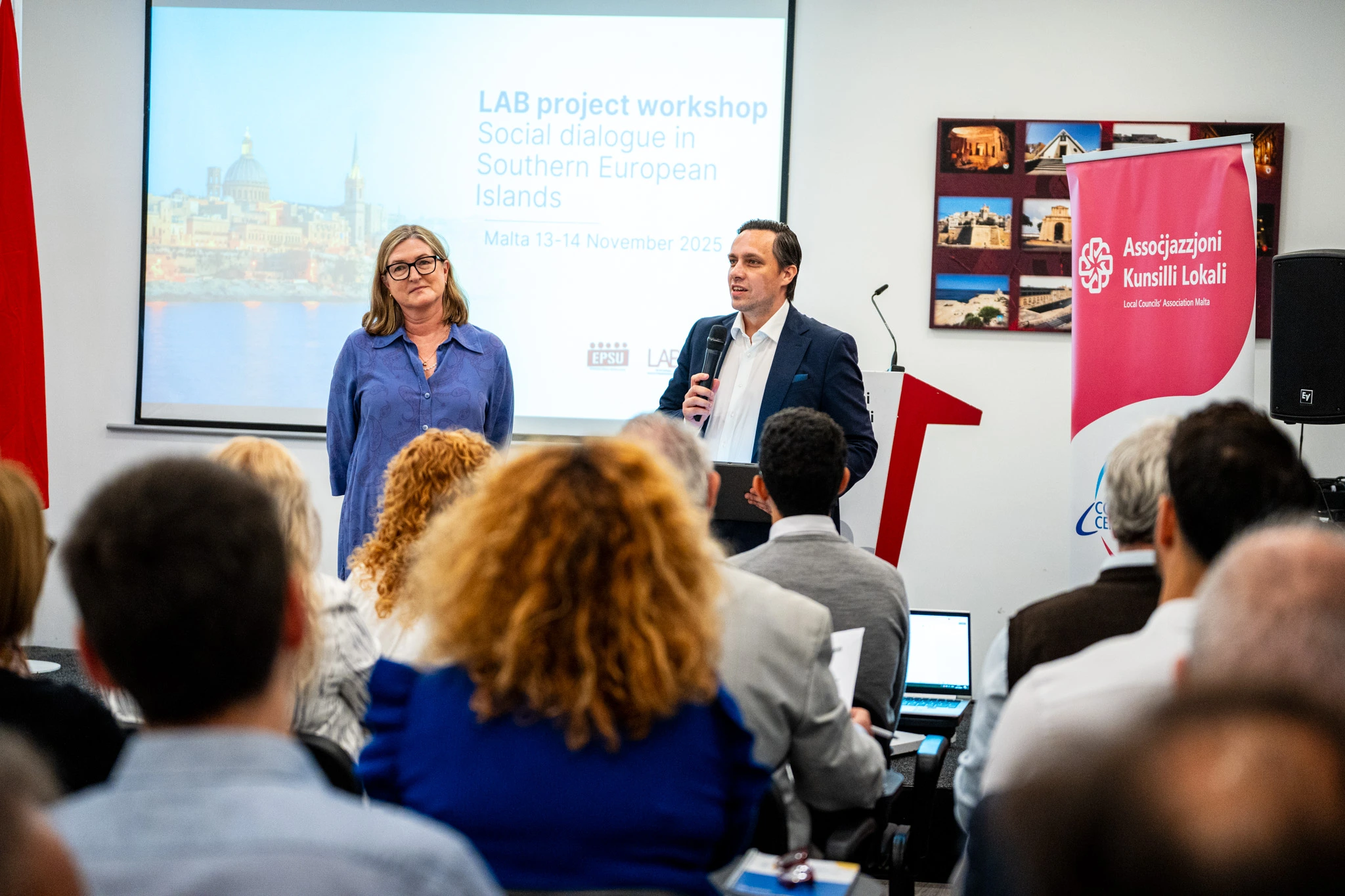
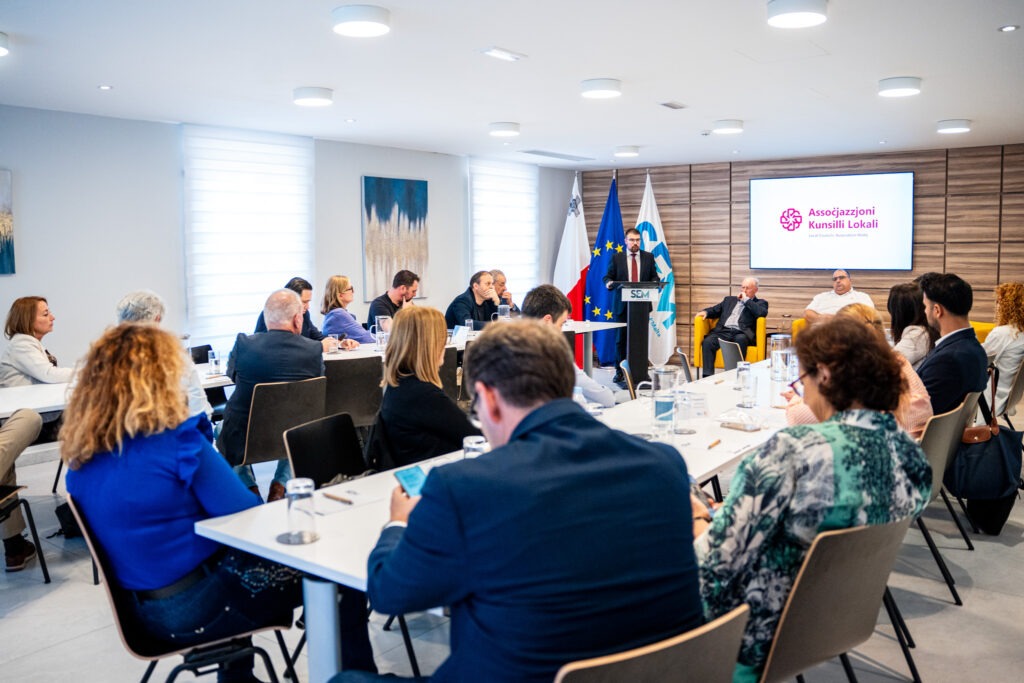
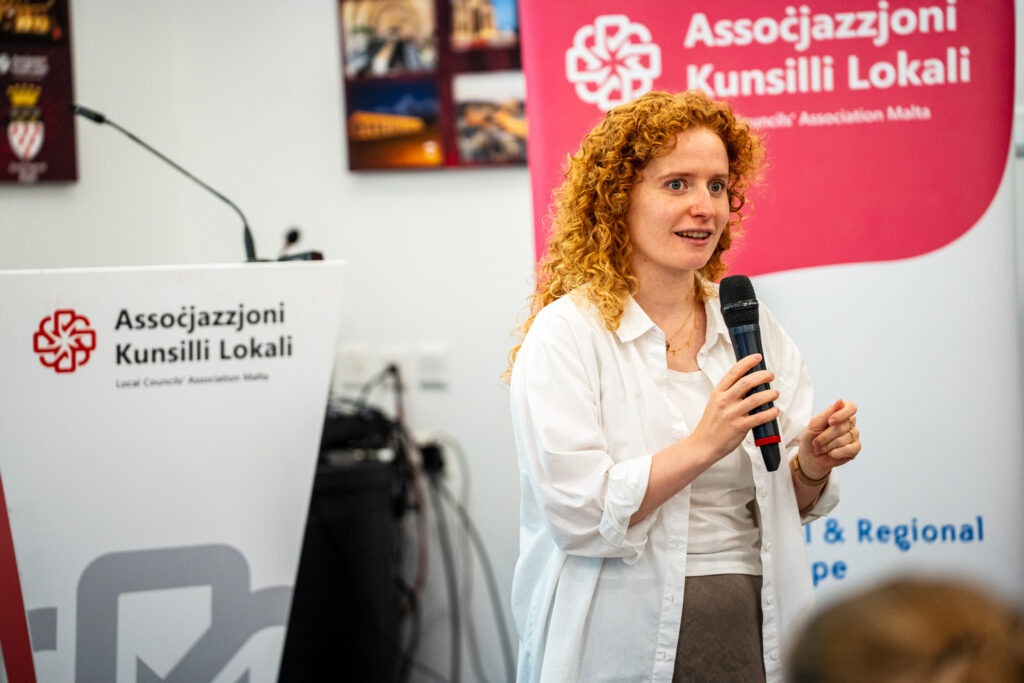
CEMR-EPSU Workshop on social dialogue in Southern European Islands


CEMR and EPSU hosted a workshop in Malta focusing on social dialogue in Southern European islands. The event brought together participants from Malta, Cyprus and Greece to discuss current challenges and opportunities for national and EU level social dialogue.

Social dialogue means all types of negotiation, consultation or exchange of information between, or among, representatives of governments, employers and workers, on issues of common interest relating to economic, employment and social policy.

The workshop included interventions by the Head of the European Commission’s Representation in Malta, Maria-Elena Despot and the Director General of the Department for Industrial and Employment Relations in Malta, Diane Vella Muscat. It also featured a meeting with the Maltese government’s representative to the Malta Council for Economic and Social Development, Rodrick Zerafa.

The workshop featured examples of best practices for social dialogue by speakers from Germany, Estonia and Sweden. These included German practices to ensure staff retention and upskilling in collective bargaining agreements to address the need for new skills arising from the green and digital transition.

A representative from the Swedish trade union TCO presented the Swedish labour market model as an example of effective social dialogue leading to industrial peace and a high level of collective agreement coverage.

In their presentation on the digital transition in Estonian local governments, the Association of Estonian Cities and Rural Municipalities highlighted that “the digital transition can become a driver for dialogue, because it affects everyone’s work”.

This workshop marks the first of three regional events organised under the LAB project, an EU-funded initiative led by CEMR and EPSU. The project aims to strengthen social dialogue across Eastern and Southeastern Europe, candidate countries and Southern European islands by equipping local and regional social partners with the tools and knowledge to engage constructively at both national and EU levels.

These regions often experience challenges to active participation in national and EU level social dialogue due to limited capacities of the social partners and underdeveloped social dialogue frameworks. Social dialogue is becoming an increasingly important tool to address not only employment and social policy, but also to find inclusive and effective solutions to other challenges, such as the green and digital transitions. 

For more information, contact:

Public procurement to local realities

European Union - News

CEMR Releases New Position Paper on Public Procurement: A Call for More Flexibility and Less Bureaucracy


CEMR has officially released its position paper on public procurement, outlining key changes needed to ensure a procurement system that truly works for local and regional governments.

As the largest public investors and contracting authorities in the EU, local and regional governments (LRGs) play a crucial role in delivering essential public services. However, the current public procurement framework remains too complex, rigid, and burdensome, limiting their ability to act efficiently and effectively.

CEMR’s position paper highlights three key areas for reform:

  • Greater flexibility to adapt procurement to local needs
  • Simplified rules to reduce administrative burdens
  • Stronger support for SMEs to foster local economic growth

The document serves as a clear call to action for EU policymakers, urging them to shape a procurement framework that respects the autonomy of local governments while ensuring efficient public service delivery.

For more information, contact:

Local, social, digital – digitalisation impact

Digital transition - News 2022

A joint CEMR–EPSU project explores how digitalisation is transforming local and regional governments across Europe and its impact on workers, services and governance 


Digital transformation is reshaping local public services across Europe, from how services are delivered to how public employees work and engage with citizens. To understand these changes and support effective responses, the Council of European Municipalities and Regions (CEMR) and the European Public Service Union (EPSU) launched a joint project: “Local, Social, Digital”, co-funded by the European Commission and implemented between 2023 and 2024. 

This initiative explored the challenges, opportunities and impact of digitalisation in local and regional governments (LRGs), with a particular focus on working conditions, skills development, social dialogue, and inclusive governance. 

At the heart of the project is a comprehensive research report prepared by an independent expert, based on desk research, interviews with national CEMR and EPSU affiliates, and key insights from international conferences and webinars held in Cagliari, Tallinn and online. 

The research revealed a wide range of digital practices and challenges across European LRGs. Digital tools are enhancing flexibility, accessibility and efficiency, but also raising important questions around workers’ rights, surveillance, data privacy, and fair access to training and upskilling. The study also found growing awareness around the gendered impact of digitalisation, particularly following the COVID-19 pandemic. 

Key themes included: 

  • Telework and hybrid work: The shift to remote working has been widely adopted, but requires clearer frameworks on rights, disconnection, and workplace safety. 
  • Digital skills and employment: There is a pressing need to train and support public employees in using digital tools, with strong involvement from both trade unions and employers. 
  • Ethics and AI: The use of Artificial Intelligence in local governance raises new ethical challenges and calls for stronger social partner dialogue. 
  • Smart cities and services: Digitalisation of public services must remain people-centred, focusing on inclusiveness, accessibility, and transparency. 

Many national and local social partners have already launched strategies, tools and agreements to manage this transformation, including practical guidelines, awareness-raising events and training programmes. 

As Europe enters its Digital Decade, local and regional governments stand at the forefront of this transformation. The “Local, Social, Digital” project reinforces the crucial role of social dialogue in managing digital change, ensuring fair working conditions, and promoting inclusive public services. 

CEMR and EPSU call for continued EU support and structured collaboration among employers, trade unions and institutions to empower local administrations in navigating digital change, sustainably, socially, and with dignity. 

Read the study here

For more information, contact: 

Funding local services first

Funding and investment in Local Regional Governments must be protected


Europe’s sectoral social dialogue partners for local and regional government unions are concerned about the review of the EU’s economic governance rules.

The Council of European Municipalities and Regions (CEMR) and the European Federation of Public Service Trade Unions (EPSU) are concerned that the proposed reduction in public spending will negatively impact the essential services provided by local and regional governments.

The EU institutions are currently reforming the EU economic governance frameworkBruegel Institute calculations indicate that several member states will have to reduce public spending in 2025 and in the coming years, often in the billions of euros, under this mandate.  

This would not be the first time the EU sets indications to member states to reduce public spending. The effects of such measures have strongly impacted funding for local and regional governments and, therefore, their ability to provide quality services to citizens. Local governments are first responders to the immediate needs of citizens – they deliver services that allow all our communities to thrive. From public administration to housing and social services, from firefighters to waste collection: underfunding means jeopardising the delivery and quality of services to citizens.

Insufficient funding for local and regional governments exacerbates inequalities and disparities across regions and municipalities, as well as between rural and urban areas. Without adequate resources, local and regional authorities struggle to address pressing issues such as unemployment, labour and skills shortages, working conditions, social inclusion, and the digital and green transition.

Moreover, reductions in public spending hit women harder. Underfunding contributes to the persistence of the gender pay gap in the EU, given that the majority of workers in the sector are women often low pay. In addition, women are more reliant on local public services.

Furthermore, local and regional governments ensure democracy and equal access for all citizens. With just two months until European elections, it is important to recall that underfunding local governments means underfunding our democracies.

We urge European policymakers to carefully assess the implications the economic governance framework reform will have on local and regional governments in the EU. The impact of these rules cannot hinder the ability of local and regional governments to fulfil their mandates and provide essential services to citizens. As sectoral social partners in local and regional governments, we are committed to continue supporting the implementation of the European Pillar of Social Rights towards a social Europe for all. This economic reform must not constrain this European ambition.

We expect economic governance rules that protect the funding and investment that Local and Regional Governments require to serve their communities with the services which Europe’s citizens deserve.

Read the statement here

For more information, contact:

CEMR report of 2021 

Meet Local Leaders - News

Report on the publications, knowledge-sharing, advocacy and communications in 2021 


The Council of European Municipalities and Regions (CEMR) is pleased to present its 2021 Activity Report, which provides an overview of the organisation’s main actions and achievements over the year. Guided by the 2021–2030 multiannual strategy and the 2021–2022 work programme, CEMR focused its work on four objectives: 

  1. Policies and advocacy 
  1. Knowledge sharing and capacity-building 
  1. Pan-European campaigns and visibility 
  1. Internal organisation and sustainability 

All actions were aligned with the aim of advancing the Sustainable Development Goals (SDGs) across Europe’s territories. 

Shaping European and Global Agendas 

Throughout 2021, CEMR actively influenced European initiatives and alerted members to upcoming developments affecting local and regional governments. Activities included: 

  • Monitoring EU initiatives on recovery, resilience, and international cooperation. 
  • Engaging in structured dialogues on cohesion policy, rural development, disability rights, and urban development. 
  • Providing input that shaped OECD analyses, Council Conclusions, and the European long-term vision for rural areas. 
  • Publishing position papers and resolutions on gender equality, migration, the Fit for 55 energy package, water, and digitalisation. 

At the international level, CEMR deepened cooperation with UCLG, the Global Taskforce, OECD, and the Congress of Local and Regional Authorities. 

Building Knowledge and Capacity 

To strengthen understanding of EU policies and empower members to act, CEMR: 

  • Produced publications and webinars, including a new edition of the TERRI Report on decentralisation reforms. 
  • Organised workshops on member participation in national and European processes. 
  • Delivered capacity-building through externally funded projects in areas such as EU funding, climate adaptation, gender equality, migration, and SDG implementation. 

Raising Visibility and Engaging Citizens 

2021 was also a year of celebrations: 

  • 70th anniversary of CEMR and the 15th anniversary of the Equality Charter brought together 500 participants online. 
  • Pan-European campaigns were launched for Europe Day, SDG Day, and equality, highlighting the voices of local leaders and women in politics. 
  • CEMR ensured visibility for its spokespersons through social media, interviews, videos, and participation in international events. 

In numbers: 

  • Over 120 articles published in English and French. 
  • More than 650 tweets reaching 1 million views. 
  • 14 newsletters delivered to the network. 

Strengthening Internal Organisation 

CEMR took concrete steps to become a more sustainable, inclusive, and resilient organisation: 

  • Two online Policy Committee meetings gathered 170 elected representatives to adopt policy positions and validate the strategy. 
  • A new Secretary General selection process was launched. 
  • Internal processes were modernised with digital templates, e-signatures, and reduced paper use. 
  • Staff received training on project management, budget monitoring, public speaking, and team collaboration. 

Milestones and Campaign Highlights 

  • Advocated for local governments to be included in post-COVID recovery plans (#CohesionAlliance). 
  • Shared local leaders’ visions for the Conference on the Future of Europe
  • Continued the #Power2Her and #LocalEquality campaigns on gender equality. 
  • Helped secure recognition of the multilevel cooperative model in the Glasgow COP26 agreement

2021 was a year of adaptation, resilience, and influence for CEMR. Despite the challenges of the pandemic, the network succeeded in shaping European debates, amplifying the voice of local and regional governments, and strengthening internal capacities. With a stronger foundation and renewed strategy, CEMR continues its mission to empower Europe’s municipalities and regions to lead sustainable change. 

Read the study here

For more information, contact: