
Study on how local and regional governments apply the SDGs

ADD ME project

Just out: New study on how towns, regions and their associations bring international ambitions to territorial realities


Four years into Agenda 2030, it is clearer than ever that a global shift requires local action. But how are local and regional governments, and their associations, paving the way towards sustainable development? Find out more in the new study carried out by the Council of European and Municipalities (CEMR) and PLATFORMA.

This study entitled “How local & regional government associations bring the SDGs to life” highlights how towns and regions are bringing international ambitions to territorial realities.

The 10 recommendations of this study are there to take towns and regions one step closer to better localise the SDGs. The study also shows that no less than 73% of the European countries surveyed are now developing local indicators to assess the implementation of the SDGs.

Towns and regions are “tailoring, mainstreaming and living” the SDGs

One year on, local and regional government associations have not just been implementing policies in service of the goals, they are tailoring, mainstreaming and living them. Local and regional government associations are increasingly being recognised as the torchbearers in embracing the 2030 Agenda,” said Frédéric Vallier, Secretary General of CEMR, lead partner of PLATFORMA.

The clock is ticking – we only have around ten years left before we hit 2030. We need all hands on deck! Until then, we should be proud of what Europe’s cities and regions have already achieved,” added Stefano Bonaccini, President of CEMR, AICCRE & Emilia Romagna Region (Italy).

This new study is based on a joint survey conducted by CEMR, PLATFORMA and United Cities and Local Governments (UCLG) sent out to national associations of local and regional governments. It is a follow up of the 2018 study entitled “Sustainable Development Goals – How Europe’s towns and regions are taking the lead”.

More about #LocalizingSDGs

  • Local and regional governments represented in New York

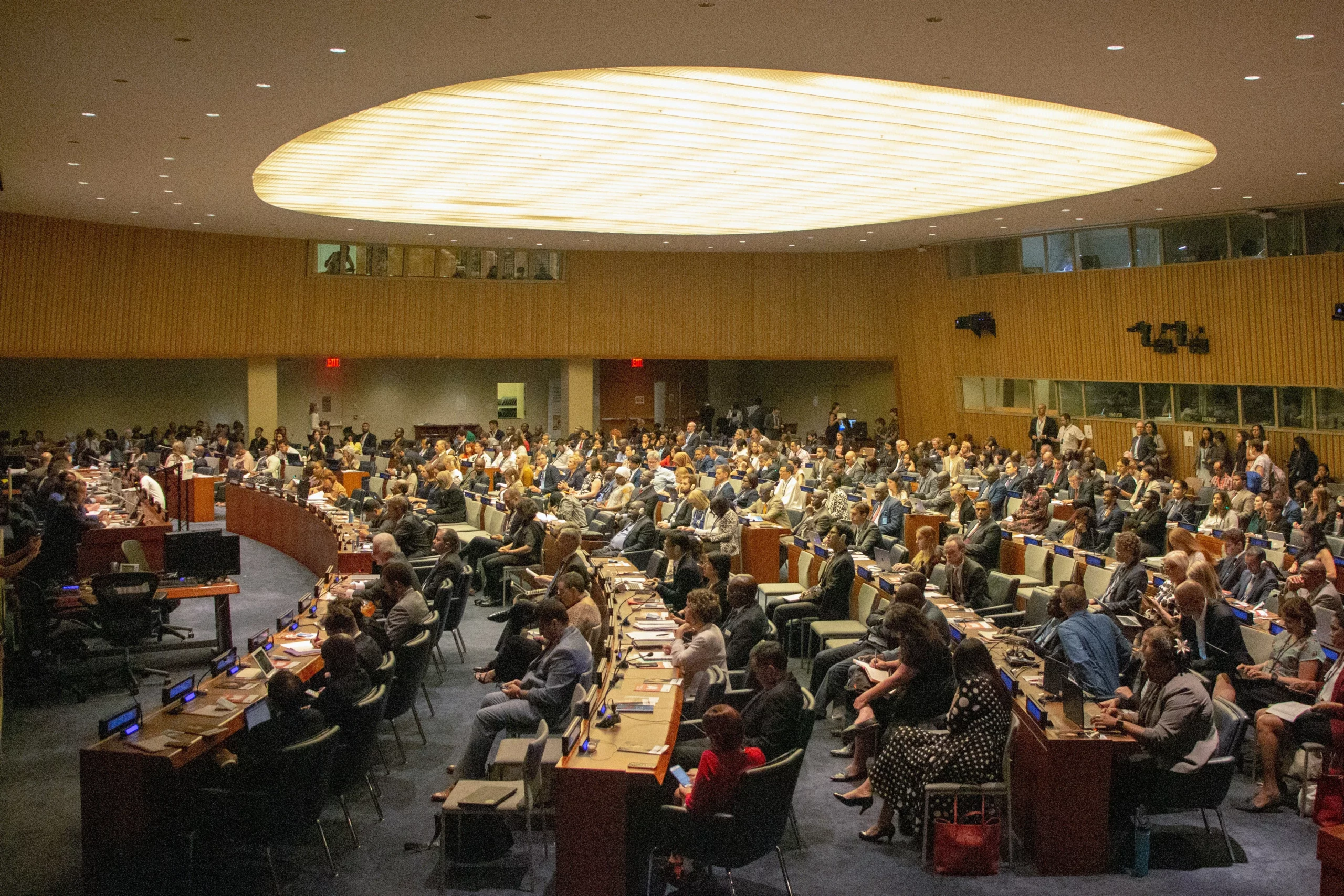
European local and regional leaders from a CEMR-PLATFORMA delegation are calling to accelerate climate action and the localisation of UN Global Goals at the UN General Assembly.

Read more

  • Engaging citizens in Global Sustainable Development

PLATFORMA is presenting the 4th edition of the European Days of Local Solidarity (EDLS) at the Europeaid InfoPoint Lunchtime Conference “Cities & regions: engaging citizens in Global Sustainable Development” on Wednesday 25 September 2019, 12:30-14:00.

Read more & register

CEMR Congress on SDGs

Ten years ahead of the SDGs global deadline, CEMR invites you to its congress on SDGs in Innsbruck, from 6 to 8 May 2020. One of a kind, the congress will bring together the whole SDG family in one place: mayors, local and regional leaders, national governments, etc.

Read the interview with the Mayor of Innsbruck, Georg Willi.

Note to the editor:

25 September is the Global Day to act for SDGs: it marks the 4th anniversary of the adoption of the 2030 Agenda for Sustainable Development by Heads of State and Government. But even though the 17 Sustainable Development Goals (SDGs) were launched by the United Nations, the targeted beneficiaries are citizens and its primary implementers are local and regional governments.

For more information, contact:

Global goals into local action  

Localising SDGs study - News

How local and regional government associations turn global goals into local action 


The 2030 Agenda for Sustainable Development and its 17 Goals are often seen as a global framework, but their success depends on local action. Nearly two-thirds of the SDGs must be implemented at the local level, making municipalities, regions, and their associations crucial actors in bringing this agenda to life. 

Local and regional government associations (LRGAs) act as bridges between citizens and higher levels of governance. They support awareness-raising, provide technical expertise, and advocate on behalf of local governments at the national, European, and international levels. Their proximity to communities allows them to translate abstract global objectives into tangible improvements in daily life, from better public services and climate action plans to gender equality policies and local economic development. 

Since the first CEMR-PLATFORMA study in 2018, the role of associations in localising the SDGs has grown significantly. Many are now actively involved in monitoring, reporting, and international advocacy, including through contributions to the UN’s High-Level Political Forum. Voluntary Local Reviews (VLRs) and decentralised cooperation projects have become powerful tools to highlight progress, inspire others, and ensure that local voices are heard on the global stage. 

At the same time, challenges remain. Municipalities and their associations still struggle with limited resources, lack of data, and uneven awareness across regions. In particular, gaps persist between Northern/Western Europe, where SDG implementation is more advanced, and Central/Eastern Europe, where awareness and uptake are still developing. To make the 2030 Agenda truly transformative, multi-level collaboration and inclusive partnerships are essential. 

Despite these hurdles, LRGAs continue to push boundaries. By fostering cooperation between cities and regions, they strengthen international solidarity, enhance capacity-building, and adapt services to better reflect sustainability goals. They are not only localising the SDGs but also giving them credibility and momentum in Europe and beyond. 

In short, associations of towns and regions are proving that the SDGs are more than a global vision: they are a practical tool for creating sustainable, inclusive communities, driven by partnerships and citizen engagement. 

Read the study here 

Check the infographic here 

For more information, contact: 

Climate action in African cities 

Africa - Press

Lessons from the Covenant of Mayors in Sub-Saharan Africa on energy, adaptation and resilience 


The Covenant of Mayors in Sub-Saharan Africa (CoM SSA) is a landmark initiative launched by the European Union in 2015 to strengthen local governments’ response to climate change, promote access to clean energy, and build long-term urban resilience. With over 200 signatory cities and a strong support network of partners, the initiative has empowered local authorities to develop Sustainable Energy Access and Climate Action Plans (SEACAPs) based on their own priorities and challenges. 

At a concluding workshop held in Cape Town, participants from pilot cities, non-funded signatories, and local experts gathered to reflect on their experiences, share lessons learned, and chart the way forward for climate action at the local level. 

A bottom-up approach to climate action 
The CoM SSA approach is rooted in the understanding that cities, especially in Sub-Saharan Africa, are uniquely positioned to implement climate policies that are both ambitious and inclusive. Through support in planning, training, technical assistance and data collection, cities were equipped to address three central themes: mitigation, adaptation and access to affordable energy. 

Energy access remains one of the region’s most pressing challenges, with only 32% of the population having access to electricity. Yet despite low carbon emissions compared to global averages, African cities are disproportionately vulnerable to the impacts of climate change. This makes the integration of climate and development priorities not only desirable, but essential. 

Key lessons from the ground 
The workshop highlighted a set of practical insights for future projects: 

  • Climate planning must be institutionalised across all levels of government to ensure continuity and avoid fragmentation. 
  • Political backing is vital: champions within local councils can significantly boost project success. 
  • Data collection is fundamental, but often difficult. Cities need targeted support to overcome technical and bureaucratic hurdles. 
  • Stakeholder inclusion, especially at the early stages, is key to making plans locally relevant and actionable. 
  • Behaviour change within institutions and communities is as important as infrastructure investment. 
  • Training local officials and developing tailored communication strategies are essential to securing long-term buy-in. 
  • Journalists and the media can play a crucial role in building public understanding, but they also need to be supported and trained. 

The transition to low-carbon, climate-resilient cities in Sub-Saharan Africa is urgent, and the CoM SSA programme has laid a solid foundation for this transformation. However, participating cities stressed that they are not ready to continue alone. Continued support for capacity-building, funding, and guidance through the next phases of SEACAP implementation is essential. 

To meet global climate goals and reduce inequality, both bottom-up and top-down approaches must work together. Local governments need stronger backing from national authorities and the international community to bridge the gap between policy ambition and service delivery. 

Ultimately, the experience of CoM SSA cities shows that climate action in Africa must be collaborative, context-specific, and inclusive, because the future of climate resilience lies in empowering those who are closest to the challenge. 

Read the study here 

For more information, contact: 

Water framework and floods directive 

Floods - News

Balancing high environmental goals with realistic implementation, funding, and stronger local involvement 


The Water Framework Directive (WFD), in force since 2000, is one of the EU’s most ambitious environmental laws, aiming for good status of all EU waters by 2027. While progress has been made, challenges such as climate change, pollution, and increasing pressure on water resources demand a renewed and practical approach. In its response to the EU’s fitness check, the Council of European Municipalities and Regions (CEMR) underline the importance of keeping high ambition while ensuring realistic implementation for local and regional governments (LRGs). 

Key Messages 

  1. Maintain ambition, improve delivery 
    The WFD has led to clear improvements in Europe’s waters and should be continued. While full achievement by 2027 may not be possible everywhere, the Directive remains a vital tool. Environmental goals must be preserved, supported by realistic intermediate targets and achievable management cycles. 
  1. Adjust without lowering ambition 
    LRGs stress the need to adapt the WFD to 21st-century challenges such as land-use changes, climate impacts, and new pollutants. The Directive should move towards a more realistic framework, reflecting natural and historical influences on water quality. 
  1. Better harmonisation with other EU policies 
    Water protection cannot be addressed in isolation. The WFD must align with related legislation, including the Drinking Water Directive, Urban Wastewater Treatment Directive, and rules on water reuse. Agriculture, industry, and transport have major impacts on water quality, requiring stronger links with the Common Agricultural Policy, REACH, and strategies to reduce nitrates, pesticides, and pharmaceuticals in water. 
  1. Stronger local involvement and governance 
    Municipalities, as the level of government closest to citizens and water bodies, must be more involved in water governance. LRGs are best placed to enforce measures, raise awareness, and apply flexible, site-specific solutions. This aligns with SDG 6.5 on integrated water resources management. 
  1. Simplification and funding 
    Implementation of the WFD is often too complex and administratively burdensome for municipalities and water operators. Reporting requirements should be simplified, and EU or national funding must accompany new obligations to ensure effective delivery. 
  1. Polluter Pays Principle 
    A stronger source-control approach is needed. Responsibility for water quality should not fall solely on municipal treatment plants but be shared across all polluters. Applying the “polluter pays” principle will create transparency, fairness, and stronger engagement from all stakeholders. 
  1. More flexible derogations 
    The current rules on exemptions are too rigid, often blocking socially important projects like new wastewater treatment plants. CEMR calls for clearer and more balanced derogation rules, allowing essential societal developments while safeguarding water protection. 

 
CEMR’s position is clear: the WFD has proven its value and must remain ambitious, but reforms are needed to reflect new challenges, reduce administrative burdens, and empower local governments. By ensuring flexibility, proper funding, and shared responsibility, Europe can better safeguard its waters while supporting sustainable development at local and regional levels. 

Read the position paper here 

For more information, contact: 

Financing climate action in Africa

Africa - News Section

New guide helps African cities unlock funding to implement their sustainable energy and climate plans 


As cities across Sub-Saharan Africa face mounting climate threats, they are also increasingly expected to lead the response. Rapid urbanisation, vulnerability to extreme weather, and growing emissions underscore the urgent need for robust local climate action. Yet financing remains a critical hurdle. 

To address this, a new publication supported by the Covenant of Mayors in Sub-Saharan Africa (CoM SSA) offers a practical overview of climate finance options available to local governments. It focuses on helping cities develop and implement their Sustainable Energy Access and Climate Action Plans (SEACAPs), a cornerstone of the CoM SSA initiative. 

While numerous funding mechanisms and instruments exist, from global climate funds to development grants and blended finance models, many remain inaccessible to local authorities. Complex application processes, lack of technical capacity, and a mismatch between financing requirements and city realities are key barriers. 

The publication identifies actionable pathways forward. Among them: 

  • Clearer guidance on eligibility and technical criteria for accessing major funding streams. 
  • Support for project preparation, including technical assistance and capacity building. 
  • The need for intermediary institutions, such as subnational development banks, to channel finance to the local level. 
  • Improved national frameworks to enable direct municipal access to funds and attract private sector investment. 
  • Community-based and innovative financing models, such as cooperatives, crowdfunding, and microfinance, to mobilise local capital. 

The guide also encourages governments and donors to strengthen partnerships with local authorities, recognising their key role in meeting national and global climate goals. 

Ultimately, the success of SEACAP implementation depends not only on access to finance but also on inclusive planning, local ownership, and sustained political will. Empowering cities with the tools and resources to act will be essential for climate resilience and sustainable development across the region. 

Read the study here 

For more information, contact: 

Talanoa for climate action 

Covenant of Mayors in Africa - News

Inclusive dialogues in Africa driving cooperation to strengthen and raise ambition of national climate commitments 


Urban areas contribute up to 70% of global greenhouse gas emissions and are highly vulnerable to climate impacts. Cities in Africa, already hotspots of climate risk, are therefore central to achieving the goals of the Paris Agreement. Recognising this, the Cities and Regions Talanoa Dialogues have emerged as an innovative approach to align national, subnational, and international actors in raising climate ambition. 

The concept of Talanoa, originating in Pacific Island traditions, emphasises open, inclusive, and participatory dialogue. First introduced in the UNFCCC process at COP23, it provides a safe space for stakeholders to reflect, share experiences, and identify pathways forward. ICLEI, together with the Global Covenant of Mayors and UN-Habitat, launched the Cities and Regions Talanoa Dialogues in 2018 to bring this ethos into climate policy discussions. 

By the end of 2018, more than 60 dialogues in 40 countries were held, including eight in seven African countries, convening local leaders, youth organisations, investors, and development agencies. These dialogues addressed three guiding questions: 

  1. Where are we? – assessing current national and local commitments. 
  1. Where do we want to go? – linking climate action to SDGs and urban development policies. 
  1. How do we get there? – identifying joint models for financing, governance, and implementation. 

In Africa, the Talanoa ethos resonated strongly. Participants pointed out similar local traditions of collective storytelling and decision-making, such as oxungt in Namibia. This cultural grounding reinforced the importance of making global frameworks relevant to local realities. 

Key lesson: for NDCs to be both credible and ambitious, regular multi-level engagement is essential. National governments must work hand in hand with municipalities, regional authorities, and civil society to mobilise the technical, financial, and policy resources required for implementation. 

The Talanoa Dialogues in Africa have shown that inclusive storytelling is not just a cultural tradition, it is a practical pathway to more ambitious climate action. 

Read the study here 

For more information, contact: 

Towns leading global change  

Sustainable Development Goals - News

How Europe’s towns and regions are turning global sustainability goals into everyday reality 


Since the adoption of the 2030 Agenda for Sustainable Development, it has become increasingly clear that towns and regions are at the forefront of making the global goals a reality. Local and regional governments are responsible for many of the services that directly affect citizens’ lives, education, housing, transport, waste management, and health. Their actions, often taken without reference to international frameworks, already contribute to creating more sustainable communities. 

The Council of European Municipalities and Regions (CEMR) and PLATFORMA highlight the central role of local governments not just as service providers but also as policy shapers, awareness raisers, and partnership builders. By engaging citizens and other stakeholders, municipalities are uniquely placed to embed sustainability principles in everyday governance. 

To support and strengthen this work, four clear recommendations emerge: 

  1. Increase participation – raise awareness among citizens and encourage greater involvement in sustainability initiatives. 
  1. Ensure coherence – integrate local governments into national strategies to avoid fragmented approaches. 
  1. Build capacity – provide technical tools and knowledge so municipalities can implement goals effectively. 
  1. Support partnerships – back international cooperation and exchange between towns and regions to reinforce solidarity. 

Progress is visible, but challenges remain: insufficient resources, difficulties in collecting local data, and the need for stronger national frameworks. Despite these obstacles, municipalities are proving to be powerful drivers of sustainable change. From inclusive policies to decentralised cooperation, they are demonstrating that building a sustainable future must begin at the local level. 

The global goals are not about imposing new tasks on towns and regions, but about offering a common framework and shared language. Europe’s municipalities are showing that sustainability is not abstract: it is local, practical, and essential for the well-being of communities today and tomorrow. 

Read the study here 

For more information, contact: 

How Europe is taking the lead on SDGs

Localising SDGs - News

Just out: New study on how to assess the UN Global Goals on the ground


Towns and regions still lack the financial resources to monitor the implementation of the Sustainable Development Goals (SDGs). This is one of the problems identified by associations of local and regional governments in a ground-breaking study carried out by PLATFORMA and the Council of European Municipalities and Regions (CEMR) on the evaluation of the actions taken to localise the UN Global Goals.

This study, entitled “Sustainable Development Goals – How Europe’s town and regions are taking the lead”, highlights the main challenges identified by associations of towns and regions, the top three being the lack of financial resources, the lack of data available at the local level and the lack of training.

But this fresh study is not only about identifying obstacles, it also collects good practices taken by associations and makes concrete recommendations on how to monitor the local implementation of the SDGs at domestic and international level. This includes the nomination of local SDG ambassadors, the setting of indicators or awareness raising campaigns.

The study was presented today in New York, at the 2018 UN High-Level Political Forum on Sustainable Development, an 8-day meeting with a central role in the follow-up and review of the 2030 Agenda for Sustainable Development.

Representing CEMR and PLATFORMA, the Mayor of Soria (Spain), Carlos Martínez Mínguez, explains: “Today, cities represent the global leadership which allows people to be at the core of the 2030 Agenda.”

He adds: “There is no doubt that towns and regions, national governments, the European Union and international institutions can overcome obstacles together to achieve the localisation of the SDGs. However, local and regional governments need support, both financially and technically. This is the role that associations of towns and regions are playing, but they can’t achieve this alone.”

For Carlos Martínez, the study shows that by working closer together, everybody wins: on the design, implementation and monitoring of national SDG strategies. He also also called on all EU Member States to follow the Spanish example and include next year a chapter on local governments’ actions to localise SDGs in their Voluntary National Reviews to the UN.

This publication is also available in French.

Background

Based on a survey sent out to national associations of local and regional governments, this study complements the Global Task Force’s 2nd Report to the High-Level Political Forum 2018, to which CEMR and PLATFORMA have also contributed.

This study was developed in the framework of the Strategic Partnership Agreement signed between CEMR-PLATFORMA and the European Commission.

For more information, contact:

Review of clean vehicles directive

Mobility - News section

Rethinking EU Clean Vehicles Rules: Why CEMR Calls for Flexibility, Funding, and Local Autonomy 


With road transport accounting for nearly a quarter of Europe’s greenhouse gas emissions, the EU is pushing for cleaner mobility solutions across all sectors. But in its current form, the proposed revision of the Clean Vehicles Directive could undermine the very public transport systems it aims to green. The Council of European Municipalities and Regions (CEMR) raises serious concerns about the directive’s scope, rigid procurement quotas, and potential to impose disproportionate costs on local and regional governments. 

Rather than empowering local authorities, the directive risks creating new financial burdens, administrative complexity, and counterproductive outcomes, such as reduced services or higher fares that could drive citizens away from public transport. 

Key messages include: 

  • Public authorities are not the problem. Local public transport is already among the cleanest transport modes. Efforts must focus more on vehicle manufacturers and private transport operators, not just municipalities. 
  • Procurement must remain flexible. While green public procurement should be encouraged, mandatory environmental or social criteria for public contracts would conflict with the subsidiarity principle and public procurement law. Local governments must retain the freedom to balance cost, service needs, and environmental goals. 
  • Technology neutrality is essential. The directive should avoid favouring specific technologies. Instead, a life-cycle emissions approach should guide definitions of “clean vehicles,” including real-driving emissions and biofuels. Special-purpose vehicles such as snow ploughs and waste trucks should be excluded. 
  • Quotas may backfire. Mandatory targets for clean vehicle procurement risk creating a vicious cycle: higher costs for local authorities may lead to service cuts, higher fares, and reduced public transport use, ultimately undermining climate goals. 
  • Funding must follow ambition. The transition to cleaner fleets requires substantial investment. CEMR calls for EU support, including a “golden rule” exempting public transport investment from Maastricht deficit rules, and more targeted funding. 
  • Reporting must be simplified. New national-level monitoring and reporting rules must not overload the over 100,000 local authorities across the EU. CEMR urges a streamlined, risk-based approach to limit bureaucracy. 

Ultimately, CEMR opposes the directive in its current form and urges amendments that respect local autonomy, enable cost-effective transition, and support sustainable transport without penalising the public sector already leading the way. 

Read position paper here

For more information, contact:

EU strategy on climate change

Climate Change - News

Why Local Governments Must Be Central to the EU’s Climate Resilience Strategy


As the EU evaluates its 2013 Adaptation Strategy, the Council of European Municipalities and Regions (CEMR) highlights a critical gap: climate resilience cannot succeed without fully involving local and regional governments. In its response to the Commission’s consultation, CEMR stresses that municipalities are already adapting to the effects of climate change, but current EU and national frameworks fail to empower them with the resources, recognition, and flexibility they need.

From floods and droughts to infrastructure strain, local authorities are on the frontlines of climate impacts. Yet too often, policies are shaped top-down, with insufficient consultation and support for those who must implement solutions on the ground. CEMR calls for a strengthened multi-level governance model, dedicated funding streams, and enhanced city-to-city cooperation to ensure the EU’s adaptation ambitions translate into effective, community-driven action.

Read the position paper here

For more information, contact: