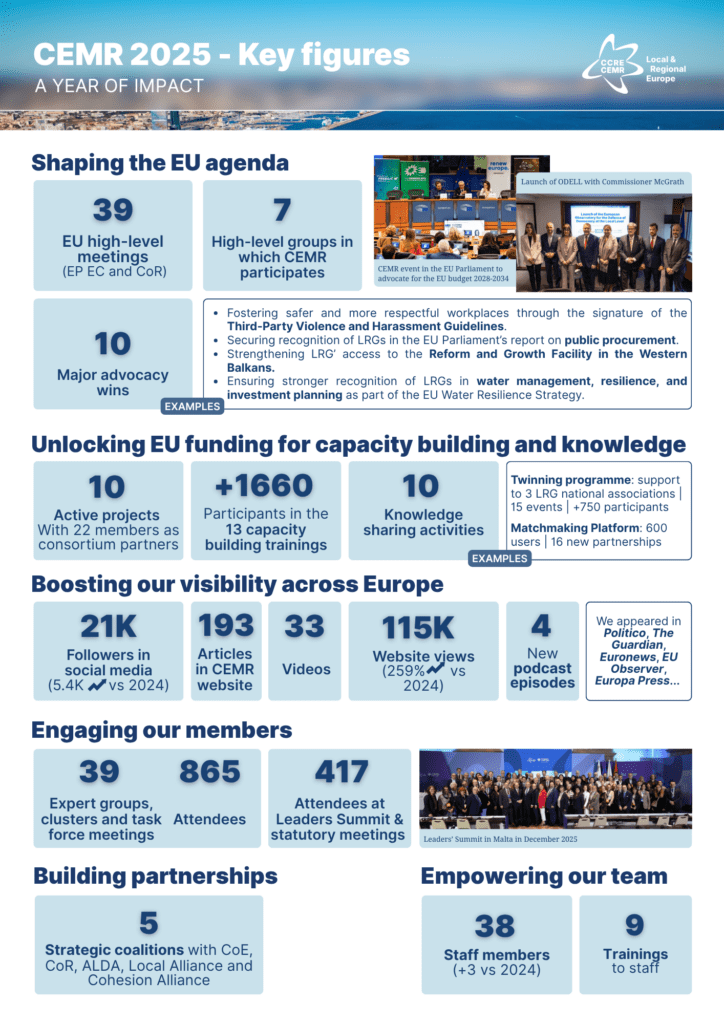
The year 2025 was a period of many activities and a great impact at the local and international levels.
We are truly grateful to our members, partners and donors for their continued trust, commitment and collaboration throughout that year.
Local and regional governments are essential to tackle Europe’s most urgent and day-to-day challenges, and through CEMR, we have worked together to ensure that European local voices remain present, heard, and influential in EU and global debates.
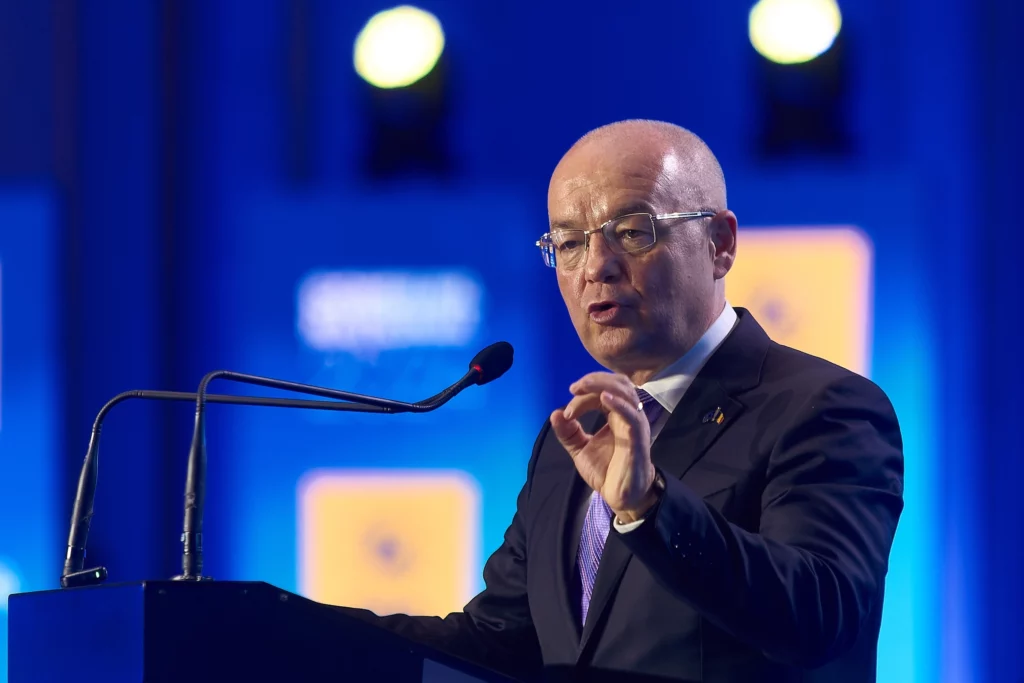
Meet the Local Hero: Emil Boc. From national leadership to local transformation — and a call to put cities at the heart of Europe’s future
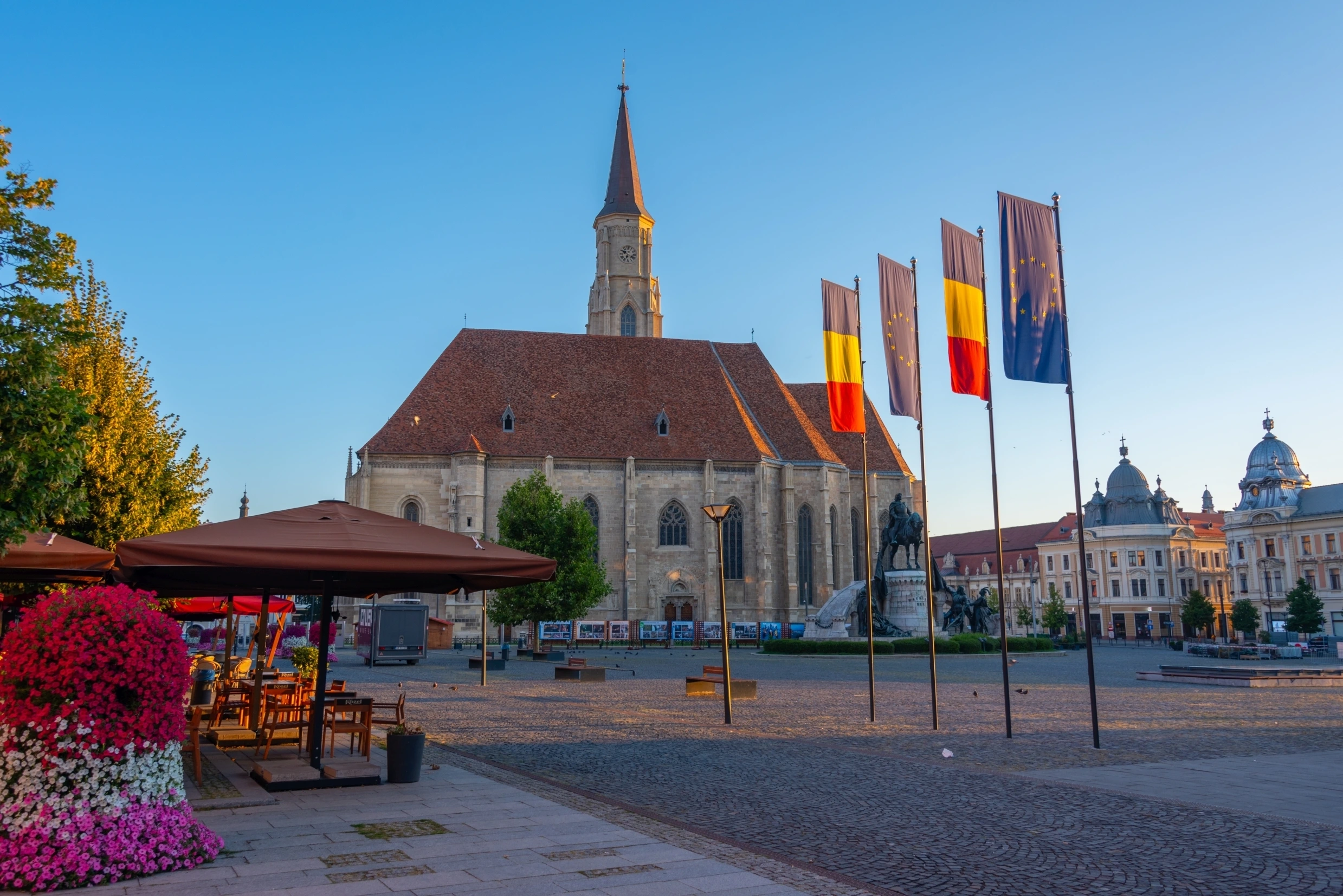
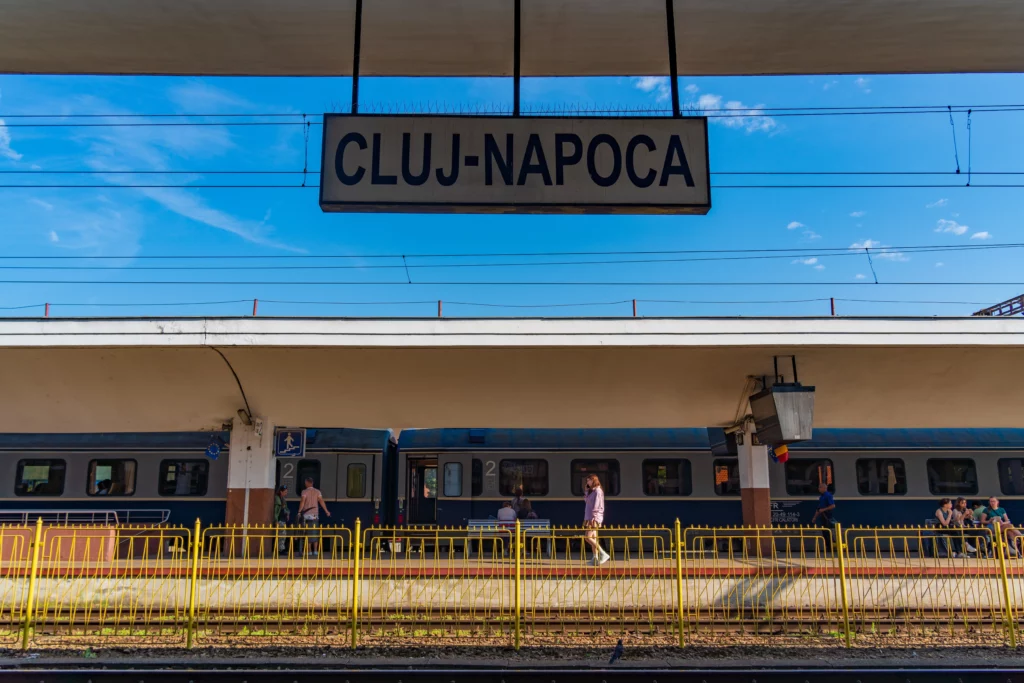
For Emil Boc, leadership has never been confined to a single level of governance. A former Prime Minister of Romania until 2012 turned long-serving mayor of Cluj-Napoca since then, his career reflects a rare continuity between national vision and local delivery.
Today, as Europe debates its next budget, Boc’s message is direct: without cities and regions at the table, the European project risks losing both effectiveness and legitimacy.
From Prime Minister to Mayor: why vision comes first
Boc’s years as Prime Minister fundamentally reshaped how he approaches local governance.
“The first lesson,” he explains, “is that no country — and no city — can develop without a clear vision, followed by a strategy and a concrete plan.”
Returning to Cluj-Napoca after his time in national office, he applied this logic with precision. The city identified its competitive advantage — universities, education, and innovation — and built a development model around a knowledge-based economy.
But beyond economic strategy, Boc insists leadership is about more than administration:
“A leader is not just there to keep the lights on or clean the streets. You need a long-term vision, and the discipline to follow it.”
Turning Cluj-Napoca into a pro-European city
Over the past two decades, Boc has overseen a profound transformation.
Once considered one of the most Eurosceptic cities in Romania, Cluj-Napoca — a city of around 300,000 inhabitants in the northwest of the country, with a dynamic, university-driven and innovation-based economy — is now, in his words, “the most pro-European city in the country.”
This shift did not happen overnight. It was built “day by day,” by embedding what Boc calls a European way of life: openness, tolerance, and cooperation — combined with strategic use of EU funds.
The results are visible everywhere: infrastructure, schools, public transport, and urban regeneration. For Boc, these are not abstract policies but tangible proof of what Europe delivers.
“If someone asks me why Europe matters,” he says, “I just go outside. The schools, the roads, the parks — they are there because of European funding.”
At the core of this transformation is a simple idea: freedom to stay.
“People should not be forced to leave their city or country for economic reasons. Europe must guarantee not only freedom of movement, but also the freedom to build a life at home.”
This message resonates particularly strongly in Romania, a country that has experienced one of the largest waves of emigration within the European Union. Since the early 2000s, millions of Romanians — many of them young, educated, and highly mobile — have left to study and work abroad, seeking better economic opportunities and living conditions. While this mobility reflects one of the EU’s core freedoms, it has also created deep territorial imbalances, with cities and regions losing talent at a critical stage of their development.
What’s at stake in the next EU budget
As negotiations intensify over the next Multiannual Financial Framework, Boc warns that the role of cities and regions is far from secure.
His concern is not rhetorical — it is structural.
First, he argues that local governments must move from consultation to real decision-making power: “We want to be at the table, not on the menu.”
A key issue is how the European Commission plans to introduce so-called “regional checks.” Without legal weight, Boc fears these could become a box-ticking exercise rather than a genuine partnership.
His proposal is clear: a binding subsidiarity clause, ensuring that municipalities and regions are involved at every stage — from design to implementation and evaluation — and can reject national plans that ignore them.
Second, he pushes back against proposals to merge cohesion policy funding with other priorities, particularly agriculture.
“These are two pillars of the European Union. If they are put in the same pot, cities and regions risk losing out.”
Third, Boc insists that cohesion policy must remain universal. Limiting access only to less-developed regions would weaken Europe’s ability to address inequalities across all territories.
“Cohesion is the glue that keeps Europe together — and that glue is needed everywhere.”
Finally, he calls for dedicated regional chapters in national plans to ensure that local perspectives are not sidelined.
From climate to defence: investing in cities is investing in Europe
For Boc, the debate about the EU budget ultimately comes down to credibility.
“Europe has the vision. Now it needs the resources to deliver.”
He points to climate policy as a concrete example. Cities are expected to lead the transition — including initiatives like climate-neutral urban development — but without sufficient funding, ambitions risk remaining theoretical.
At the same time, he highlights the growing interconnection between policy areas. Investments in urban infrastructure, such as metro systems, serve multiple purposes: sustainability, mobility, and even resilience in times of crisis.
“Look at how metro systems are used in emergencies,” he notes. “This is not just climate policy — it is also about security and preparedness.”
A Europe built with its cities
Boc’s argument is ultimately political as much as financial.
The European Union, he says, cannot be reduced to negotiations between capitals.
“It is not just a union of states. It is a union of municipalities, regions, and cities.”
Excluding them from decision-making would not only weaken policy outcomes but also erode the diversity and cohesion that define Europe itself.
As the EU looks ahead to 2034 and beyond, Boc’s message is a warning — and a roadmap:
Without strong local governments, there is no strong Europe.
CEMR collects data and evidence on the evolving nature of local and regional governments’ competences and responsibilities for TERRI study
CEMR is preparing the next edition of its flagship study on structures and competences, which examines how local and regional governments across Europe are organised and how their responsibilities change over time. The study, publication foreseen in autumn 2026, will explore recent reforms affecting municipalities and regions, and assess their impact on the effectiveness of public service delivery.
A core focus of the new edition will be housing policy, a growing priority for CEMR members. The study will examine housing as a key competence for local and regional governments, with a particular emphasis on how they balance housing demand and supply, and how governance arrangements influence policy implementation on the ground.
CEMR members are invited to contribute to the survey, with responses due by 4 May, to support the analysis underpinning the study.
CEMR is currently looking for a web agency to update the European Charter for Equality website
CEMR is looking for an agency or independent developers to update the European Charter for Equality website to improve the users’ journey and experience, as well as the design and SEO, under WordPress.
The designated contractor will work collaboratively with the CEMR communications team.
The housing crisis has become one of the defining societal challenges of the 21st century, affecting communities across Europe: from major cities to rural areas, and reshaping social, economic, and demographic realities. Rising housing costs, homelessness, and chronic underinvestment are undermining equality, cohesion, and sustainability. Addressing this emergency requires integrated, place-based solutions that link housing with services, mobility, jobs, and quality of life. As frontline actors, local and regional governments must be recognised as key partners in Europe’s response, working with national and EU institutions to deliver affordable, sustainable, and inclusive homes for all.
Europe’s housing crisis is felt most sharply where people live, work and study. On 9 April 2026, CEMR’s Housing Task Force brought together local and regional perspectives on how to measure affordability and how to respond to short‑term rentals and accelerate housing delivery.
The discussion comes at a pivotal moment as the European Commission’s European Affordable Housing Plan has placed housing firmly on the EU agenda, and preparations are underway for an Affordable Housing Act aimed at supporting public authorities in addressing pressure in “areas under housing stress”, including through measures linked to short‑term rentals. With the European Parliament also intensifying its work on the housing crisis, the political momentum is clearly rising.
Affordability beyond a single number
A key takeaway following an exchange with Sandra Di Biaggio, Research and Policy Manager at ESPON for a presentation on the project Housing4All, was that affordability is multidimensional. It cannot be reduced to prices alone: income and residual income matter, but so do energy bills, mobility costs, access to services and housing quality. Participants also stressed that data gaps, including limited harmonised income data at the local level, can make comparisons difficult, reinforcing the need for place‑based analysis.
Tailor-made policy mixes
The Task Force discussion underlined that no single instrument can fix affordability everywhere. Housing pressures vary widely from urbanisation and tourism to student demand and financialisation, alongside supply constraints such as rising costs and construction capacity. This calls for policy mixes adapted to local realities, where EU action adds value by enabling conditions (investment, legal clarity, better data, smart simplification) rather than prescribing uniform solutions.
Short‑term rentals and local autonomy
On short‑term rentals, participants highlighted the need for legal certainty for local governments when adopting policies on short-term rentals, without undermining local competence. Overly rigid definitions in the norm risk limiting local capacity to act, especially if rules apply only within narrowly defined “stress areas”. At the same time, better enforcement of existing tools and clearer guidance on what is compatible with EU law could strengthen local action.
Building faster and better. Finally, the Task Force discussed how industrialisation, standardisation and digitalisation in construction, alongside renovation, circularity and energy performance, could speed up delivery while supporting Europe’s climate objectives.
CEMR will continue to bring local and regional perspectives into the EU debate as work progresses towards the Affordable Housing Act (expected for the end of 2026).
CEMR partners with 28Digital to provide AI training for local and regional governments
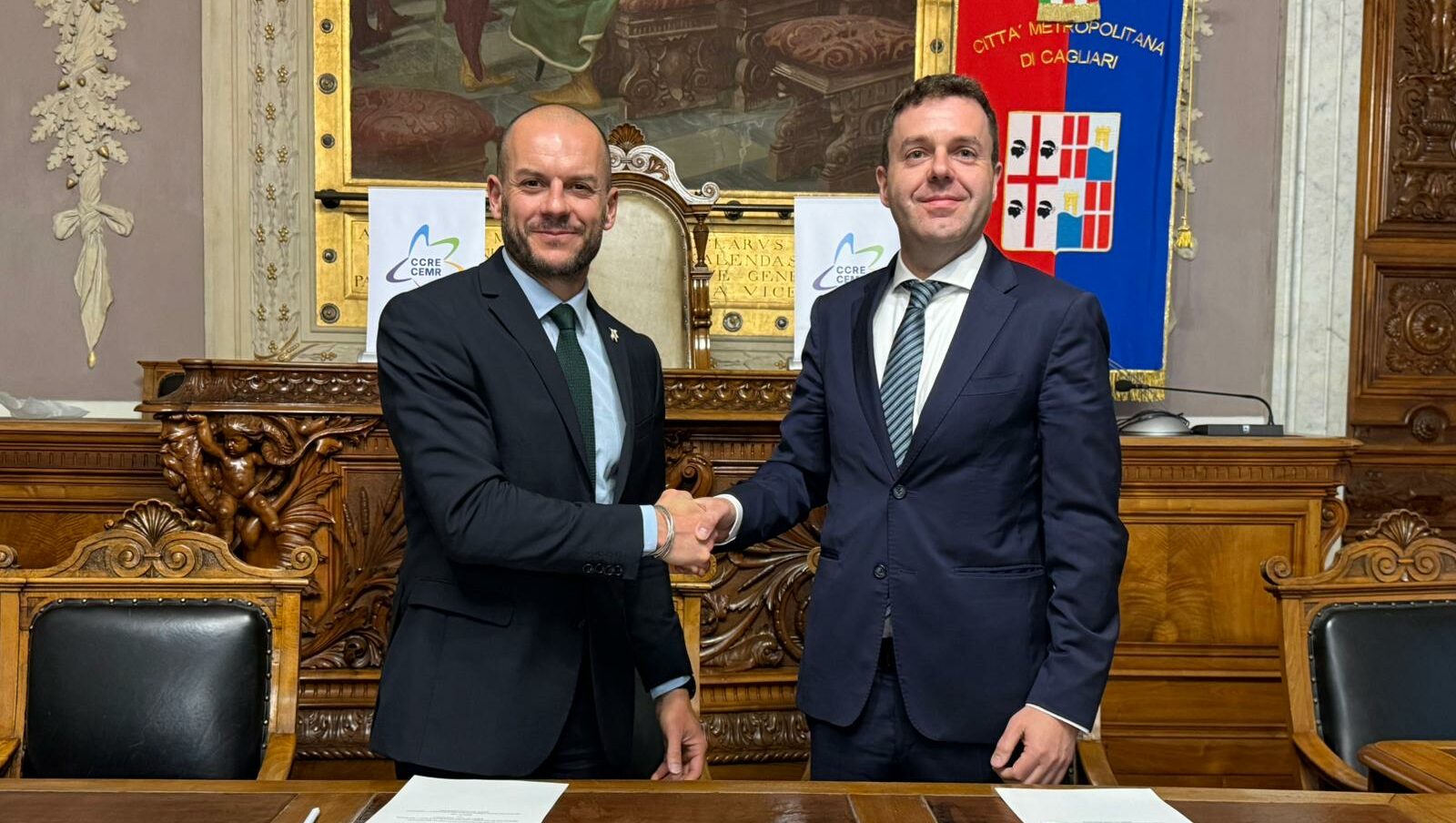
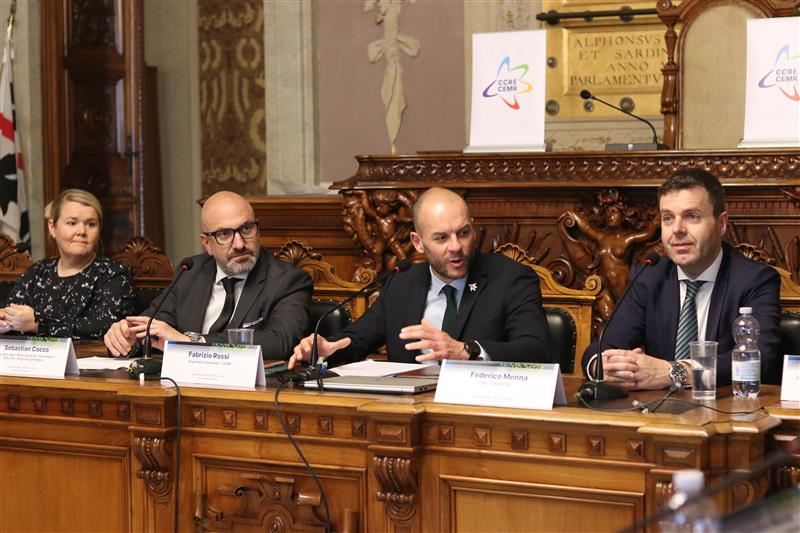
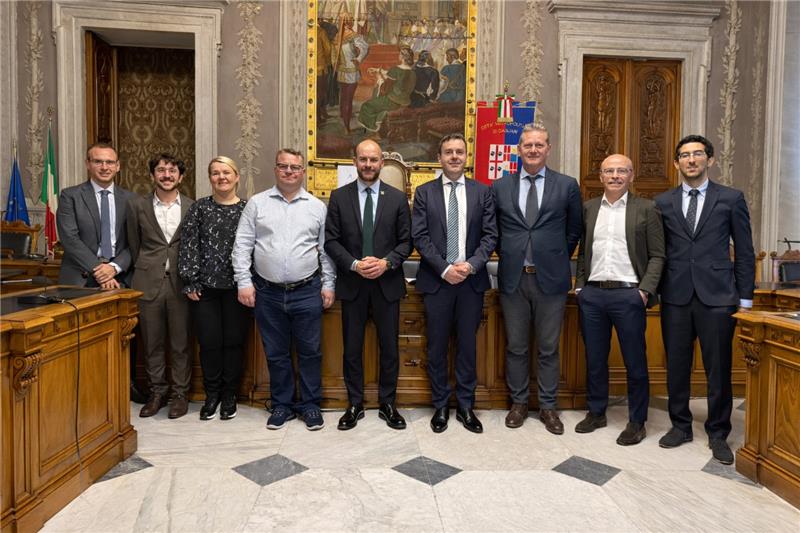
Local and regional leaders gathered in Cagliari to discuss the growing political impact of artificial intelligence (AI) at the roundtable “Opportunities and Challenges of Artificial Intelligence for Local and Regional Governments”, hosted at Palazzo Regio.
Organised by the Council of European Municipalities and Regions (CEMR) together with AICCRE, PLATFORMA and 28DIGITAL, the event focused on how AI is reshaping public services, democratic participation and multilevel governance.
Speakers stressed that while AI offers significant opportunities for innovation, it also raises key political issues such as transparency, accountability, and fairness.
During the gathering, participants also learnt about concrete initiatives supporting local leaders in the digital transition, including the project “Empowering Local Leaders through AI”, as well as 28DIGITAL’s work on education, skills and capacity-building for public administrations, presented by experts from Gofore, 28DIGITAL and Politecnico di Milano.
The roundtable that followed was moderated by Fabrizio Rossi, Secretary General of CEMR, and included contributions from Piero Comandini, President of the Regional Council of Sardinia;Massimo Zedda, Mayor of the Metropolitan City of Cagliari; and Federico Menna, CEO of 28DIGITAL.
A central outcome of the event was the signing of a Memorandum of Understanding between CEMR and 28DIGITAL, launching a new training programme on AI for local elected representatives. The initiative aims to strengthen political competence and informed decision-making on AI at a territorial level.
Commenting on the agreement, Jork Cardeneo,CEMRspokesperson on digitalisation, underlined the importance of political leadership:
“If local leaders are expected to govern AI responsibly, they must first understand it. This memorandum marks a decisive step towards empowering elected representatives to lead the digital transition, rather than merely react to it.”
The Cagliari meeting confirmed the role of cities and regions as key political actors in ensuring that AI supports more democratic, inclusive, and innovative governance.
The country profiles offer a short overview of national models of (decentralised) development cooperation frameworks in selected EU Member States. The aim is to provide insights into specific mechanisms and modalities of analysed national frameworks and identify enabling factors as well as challenges related to practical implementation, focusing on the role and opportunities for local and regional governments and their associations.
Based on the study, the Belgian framework for Decentralised Development Cooperation (DDC) is characterised by:
1) Municipal associations are central to DDC in Belgium. Brulocalis, Association of Flemish Cities and Municipalities (VVSG), and the Union of Cities and Municipalities of Wallonia (UVCW) act as key intermediaries in coordinating funded programmes and serving as the primary source of support and guidance for municipalities.
2) Focus on long-term cooperation with selected partners. Sustained partnerships help to ensure the effectiveness and added value of cooperation. There is a prioritisation of the least developed countries and fragile contexts.
3) Awareness-raising of Belgian citizens about international solidarity. Belgian actors, in partnership with NGOs, actively contribute to informing citizens about development cooperation-related topics through awareness-raising and education activities at home.
This article is part of a series of 7 Country Profiles examining DDC frameworks across Europe. The fifth edition, focusing on France, will be published in July. Stay tuned!
Read the Country Profile of Belgium, available in four languages:
You can find the rest of Mindcraft’s publications here.
CEMR encourages Belgian authorities to strengthen the role of Local and Regional Governments in development policy, not only as implementers, but also as strategic partners helping shape a more resilient, inclusive and effective development agenda.
This publication is produced within the Bridging and Mapping Knowledge Gaps in Decentralised Cooperation (Mindcraft), funded by the German Federal Ministry for Economic Cooperation and Development (BMZ) and supported by the Deutsche Gesellschaft für Internationale Zusammenarbeit (GIZ).
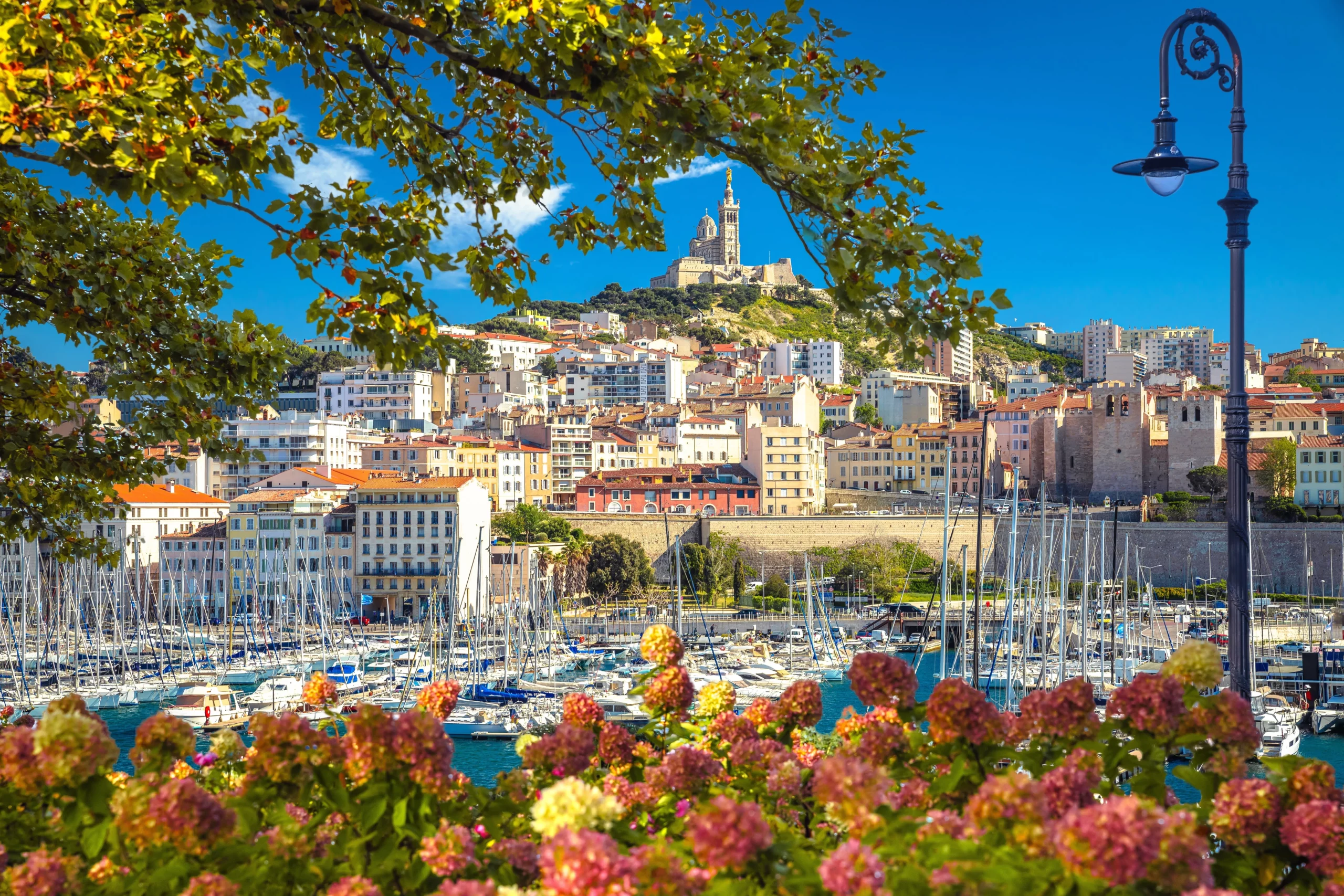
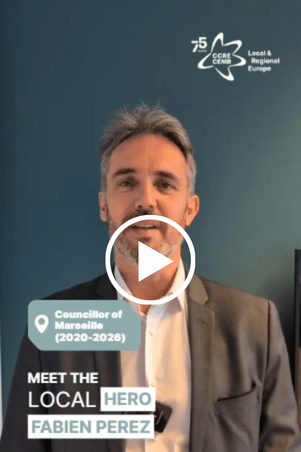
Meet the Local Hero: Fabien Pérez, building Marseille a climate-neutral city
Marseille’s path to climate neutrality
Marseille is in the middle of a major ecological transformation — one that began in 2020, when climate action was placed firmly at the centre of the local political agenda. This renewed momentum emerged at the same time as Europe was strengthening support for cities taking the lead on climate neutrality, creating the right moment for Marseille to accelerate its transition.
The city recognised that its challenges were multidimensional. Reducing greenhouse gas emissions, adapting to climate change or addressing energy poverty were among the urgent priorities. Local leaders understood that climate action could not be separated from social realities.
In February 2026, ahead of the French local elections, we interviewed Fabien Pérez, then Marseille’s councillor responsible for European Funds, to learn more about this experience.
Connecting local vision with European ambition
In 2022, Marseille was selected from 377 candidates to join the 100 cities part of the “EU Mission: Climate-neutral and smart cities”, a moment that Fabien Pérez describes as “the start of a new chapter in Marseille’s ecological transition”.
Two years later, in 2024, the city officially received the “100 climate-neutral cities” label after an evaluation by the European Commission. The distinction not only strengthens the city’s visibility at the European level but also provides access to technical expertise and dedicated funding to accelerate decarbonisation — crucial steps on the path towards Europe’s 2050 climate neutrality goal.
A collective process: building a shared Climate City Contract
One of the cornerstones of this transformation is Marseille’s Climate City Contract, drafted in collaboration with the Aix‑Marseille‑Provence Metropolis, the Region Sud and more than 250 private actors. As Pérez explains, “the Climate City Contract was prepared with citizens, enterprises, associations… a collective roadmap to decarbonise the territory by 2030”.
Behind this roadmap lies a political choice: to move away from a top‑down vision and instead build a shared strategy that tackles various topics such as mobility, building, renewable energy, circular economy and waste, nature in the city, urban agriculture, sea and coastline or education.
The elaboration of the contract also created a new sense of momentum across the territory — a desire to transform the city and accelerate the transition, matched with the need to secure and coordinate the necessary financial resources.
Climate action rooted in Marseille’s realities
Marseille’s ecological transition is shaped by the unique challenges of its territory. Like many European cities, road transport is a major source of emissions. But Marseille also faces additional pressure from industrial activities surrounding the city, emissions linked to air transport or food supply chains, and the geographical reality of being a major port.
Being part of the Mediterranean region also makes this city extremely vulnerable to the effects of climate change. As Pérez explains, Marseille regularly faces extreme weather events, soil fragility, and a coastline that is already evolving — and will continue to change in the coming years. These vulnerabilities have forced the local government to think long‑term and to get ready for tomorrow’s challenges.
Social urgency is another defining factor. Combating energy poverty has become not only an environmental priority but also a way to build social cohesion and support residents in tangible, meaningful ways. “The ecological transition must go hand in hand with social justice”, says Pérez.
From planning to action: relevant projects on the ground
The European label has already helped unlocking new funding for Marseille’s transition. Around €6 million are being invested in concrete, community-centred initiatives, including:
A neighbourhood outreach programme (€600,000), sending ambassadors into key districts to work directly with residents and companies on ecological initiatives.
Jet cities project, supporting changes in employment and skills caused by green transition (€1.5 million).
The “Poséidon” project (€400,000), promoting renewable energy, heat recovery systems and energy‑efficient renovation.
The PeriAsty project (€1.2 million), supporting the transition of Europe’s peri-urban areas towards climate-neutral, sustainable and resilient environments in areas such as mobility.
Additional support via the ELENA mechanism, helping finance large scale retrofits of public buildings and the expansion of renewable energy solutions.
These early projects illustrate how Marseille is moving from planning to delivery — and how European support can help local authorities turn long-term strategies into visible action.
Under the umbrella of the Metropole Aix-Marseille-Provence, the city has been involved in the EU Missions Adaptation to Climate Change, another initiative in which CEMR is involved, with a budget of €999,000 budget for a project combining public and private partnerships to reduce CO₂ emissions.
A Mediterranean city that can inspire Europe
Marseille’s initiative in this field, combined with its geography and identity, makes it a compelling example for other European cities. As a major Mediterranean hub with diverse communities and a complex socio‑climatic landscape, it faces many of the shared challenges that cities across Europe are dealing with.
This is why Pérez emphasises the city’s wider relevance:
“Bring forward representative cities like Marseille, with a Mediterranean port, can inspire other cities in Europe to move towards carbon neutrality”.
Marseille is proving that climate neutrality is not only an environmental imperative, but also an opportunity to rethink governance, strengthen social cohesion and build a shared vision for the future. Its initiative shows how cities are already delivering results aligned with the global objectives of achieving the climate neutrality goal by 2050.
—
Marseille is a member of CEMR’s French association AFCCRE.
Local leaders’ climate academy: co‑creating justice‑centred climate action
On 25 and 26 March, CEMR, together with UCLG and PLATFORMA, hosted the Local Leaders’ Climate Academy, an online training and exchange space for local and regional leaders committed to advancing climate action rooted in justice, equality, and participation.
Held under the title “Co‑Creating Climate Action: Justice‑Centred Leadership for Local and Regional Governments”, the Academy brought together elected officials, practitioners, youth representatives, and experts to explore how local governments can translate climate commitments into inclusive, locally grounded action.
Putting justice at the centre of climate leadership
Opening the Academy, Fabrizio Rossi, Secretary General of CEMR, underlined the need for local leaders to move beyond fragmented climate responses and instead co‑create solutions that address climate change alongside social and gender inequalities.
On the second day, Pablo Fernández, Assistant Secretary‑General for Partnerships at UCLG, presented UCLG’s global learning strategy, emphasising city diplomacy and co‑creation as key tools for implementation. He stressed that inclusive capacity‑building — particularly involving youth and women — is central to accelerating progress on the Sustainable Development Goals, including the ongoing review of SDG 11.
Learning from local practice
Throughout the two days, the Academy showcased concrete examples of justice‑centred climate action led by cities and territories:
In Catalonia, municipalities are collaborating on collective renewable energy purchasing to reduce emissions and costs.
Dublin shared its work on systemic climate finance approaches to address organisational barriers to investment.
Athens presented the co‑creation of its Climate Contract, including a Youth Climate Assembly and support for 30 youth‑led projects.
International partnerships were highlighted, such as the long‑standing cooperation between Cologne (Germany) and Indigenous communities in Yarinacocha (Peru), and the Bio Plateau project promoting community‑based water management in the Guyana Shield.
Youth voices and global perspectives
The Academy was shaped by keynote interventions from Marcele Oliveira, Youth Climate Champion for COP30, and Mark M. Akrofi, Research Fellow at AISESA. Their contributions stressed the importance of engaging vulnerable communities, addressing environmental racism, and integrating intergenerational justice into local climate planning.
Their reflections echo broader debates on climate justice, including those shared in the PLATFORMA interview “Climate justice starts where people live”, which explores why locally rooted approaches are essential to fair and effective climate action.
Climate adaptation and multi-level cooperation: the Climate Chance session
On 26 March 2026, a dedicated session organised by Climate Chance brought climate adaptation to the centre of the discussions, highlighting the growing impact of floods, droughts, heatwaves and wildfires across European territories, and the need to act now.
Opening the session, Ronan Dantec, President of Climate Chance and CEMR spokesperson on climate, stressed that tackling climate risks requires collective effort: “Climate change affects Europe with floods, droughts, heatwaves, and wildfires impacting communities and economies. Building resilience requires collaboration between governments, businesses, insurers, investors, and civil society.”
The exchange focused on the challenges ahead for climate adaptation and on how multi‑level governance, cross‑sector cooperation, and improved financing and risk‑sharing mechanisms can strengthen resilience. The session also contributed reflections to the forthcoming EU Integrated Framework on Climate Adaptation, expected in late 2026, and featured expert input from Dr. Christiana Photiadou of the European Environment Agency.
Want to know more?
Do you want to know more about our Local Leaders’ Climate Academy?
CEMR, together with Platforma, and in collaboration with 28DIGITAL (formerly EIT Digital), is launching a short survey on Artificial Intelligence (AI) training needs and priorities for local and regional governments and their associations across Europe.
This survey, which takes approximately 5 to 7 minutes to complete, aims to gather insights on needs, priorities, and learning preferences. The results will help shape an AI training programme tailored to the expectations of local and regional authorities and their representative associations.
CEMR kindly invites our member associations to share the questionnaire with the following profiles:
CEMR member associations and their networks (towns, regions, associations)
Elected officials
Civil servants at the local or regional level
IT and digitalisation experts
The survey is open until 8 April. Each respondent is invited to complete the questionnaire individually through the following link.