Modernising working time rules

Labour - News Section

Balancing worker protection with flexibility and legal clarity in local public service delivery under the Working Time Directive


The Council of European Municipalities and Regions (CEMR) has responded to the European Commission’s public consultation on the review of the Working Time Directive (WTD), urging the EU to prioritise legal certainty and respect for local autonomy in any future reform. 

Unchanged since 2003, the current Directive no longer fully reflects today’s labour realities, especially for local and regional governments as major public employers. While modernisation is welcome, CEMR warns against overreach: the Directive should focus strictly on health and safety, without encroaching on broader employment issues that fall outside the EU’s remit, such as wages, work-life balance, or new working patterns. 

In its response, CEMR reaffirms key positions first set out in its 2011 position paper, which remain relevant today. It calls for: 

  • Flexibility for social dialogue: Local social partners are best placed to find tailored solutions through bargaining and agreements that balance worker protection with service continuity. 
  • Clear limits to scope: The Directive must not expand into areas that are either outside EU competence or not directly related to health and safety. 
  • Legal certainty: Any revision should result in simpler, clearer rules that avoid legal ambiguity and reduce the administrative burden on local authorities. 

CEMR further stresses that the review must take full account of the impact on local and regional governments’ ability to provide uninterrupted public services, especially in sectors like emergency care and civil protection, where flexible working patterns are essential. 

CEMR concludes that no legislative initiative should proceed before the publication of detailed impact assessments and a full analysis of the public consultation. In the meantime, it stands ready to engage in open and constructive dialogue with EU institutions to ensure a balanced approach that works for all levels of governance. 

Read the position paper here 

For more information, contact: 

Decentralised cooperation

Ukraine people - News

Stronger together: 6 EU and Ukrainian municipalities join forces to tackle common challenges


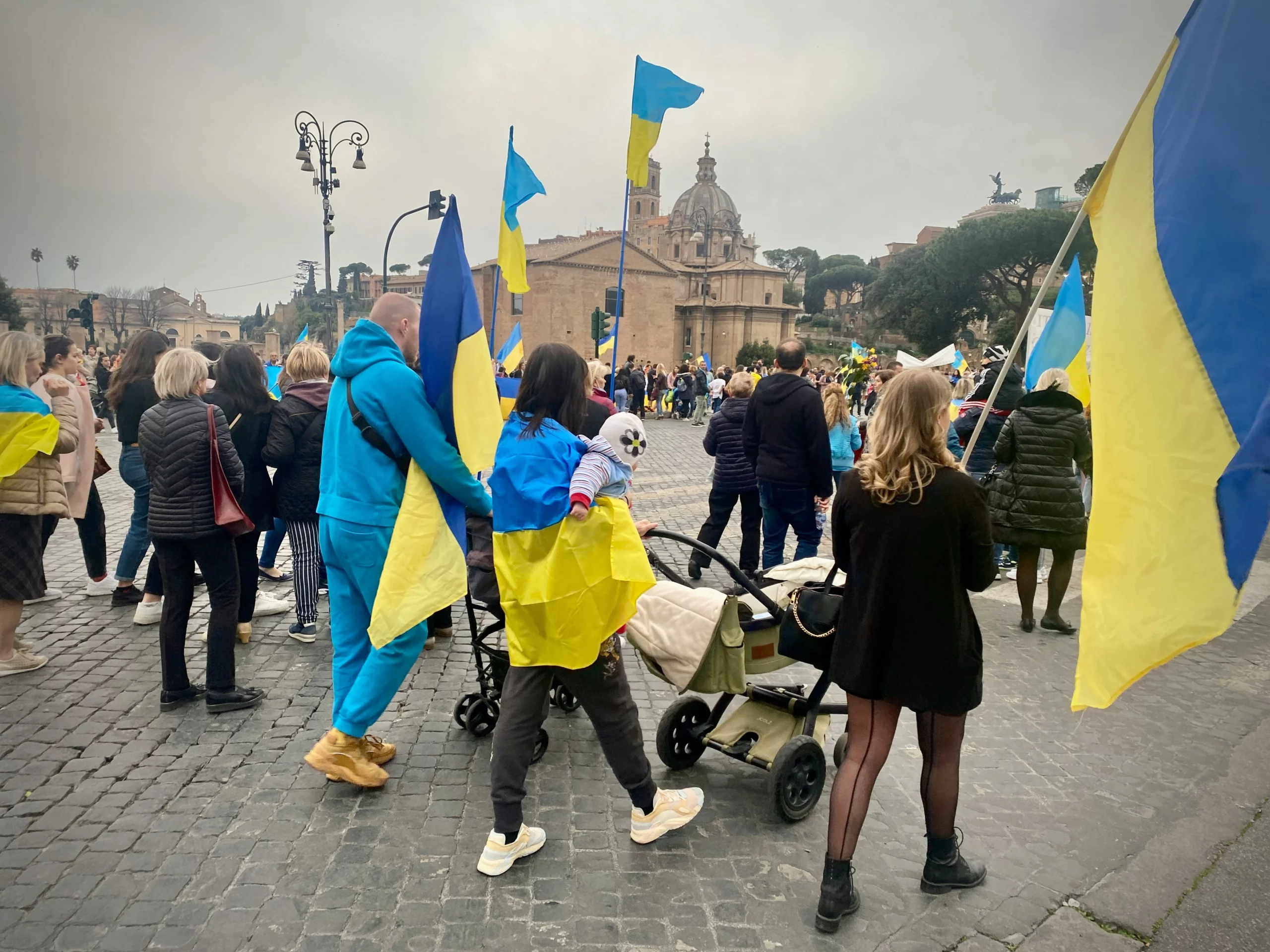
Decentralised cooperation: it’s not just a phrase, but the reality of local governments coming together to tackle concrete problems. Six municipalities from Ukraine, Poland, Latvia and Estonia met last month to kick-start their partnerships as part of the CEMR-PLATFORMA project Briges of Trust. The communities discussed possibilities for future cooperation in a wide variety of areas, including business and investment, tourism and cultural heritage.

On 8 November 2021, the cities of Kakhovka (Ukraine) and Narva (Estonia) held their first meeting online. Kakhovka is located in the south of Ukraine on the banks of the Kakhovka reservoir, formed by the city’s hydroelectric dam. Narva, Estonia’s third-largest city, is on the lower reaches of the Narva River on the border with Russia.

These two communities face a number of common challenges, including developing social support infrastructure for aging populations, loss of young talent to emigration and the need to attract investment. The municipalities will engage in joint activities and knowledge exchange to find solutions to these problems.

Fostering tourism in mountainous regions

On 10 November, officials from the Polish spa town of Polanica-Zdrój and the Ukrainian mountain resort of Polyanytsya presented their communities and discussed joint areas for cooperation and exchange of best practices.

The similarities between the two communities are not limited to their names. Both are popular tourist destinations located in mountainous regions. They share similar challenges in terms of improving tourist infrastructure, nature protection and waste management. In addition, Polyanytsya would like to improve sewage and water management systems as well as attract additional funding for local development.

Capitalising on culture

On 12 November, a productive exchange took place between Chuhuyiv, a district capital in eastern Ukraine, and the Latvian city of Kuldiga. The two communities are interested in business cooperation and promotion of art and culture. Both want to preserve and promote their rich historical heritage and are putting citizens at the centre of their activities.

Kuldiga, a former Hanseatic city, is implementing a programme to preserve the authenticity of its old town, aiming to become a UNESCO World Heritage site. Chuhuyiv, birthplace of the reknowned realist painter Ilya Repin, holds the annual International Repin Plein Air painting event, which has become a meeting place for artists from across Europe.

The partners will continue to develop their cooperation through a series of online meetings. In spring and summer 2022, the Ukrainian municipalities will visit their EU partners to learn best practices and apply them in their own communities.

Welcoming Europe

Refugees - News

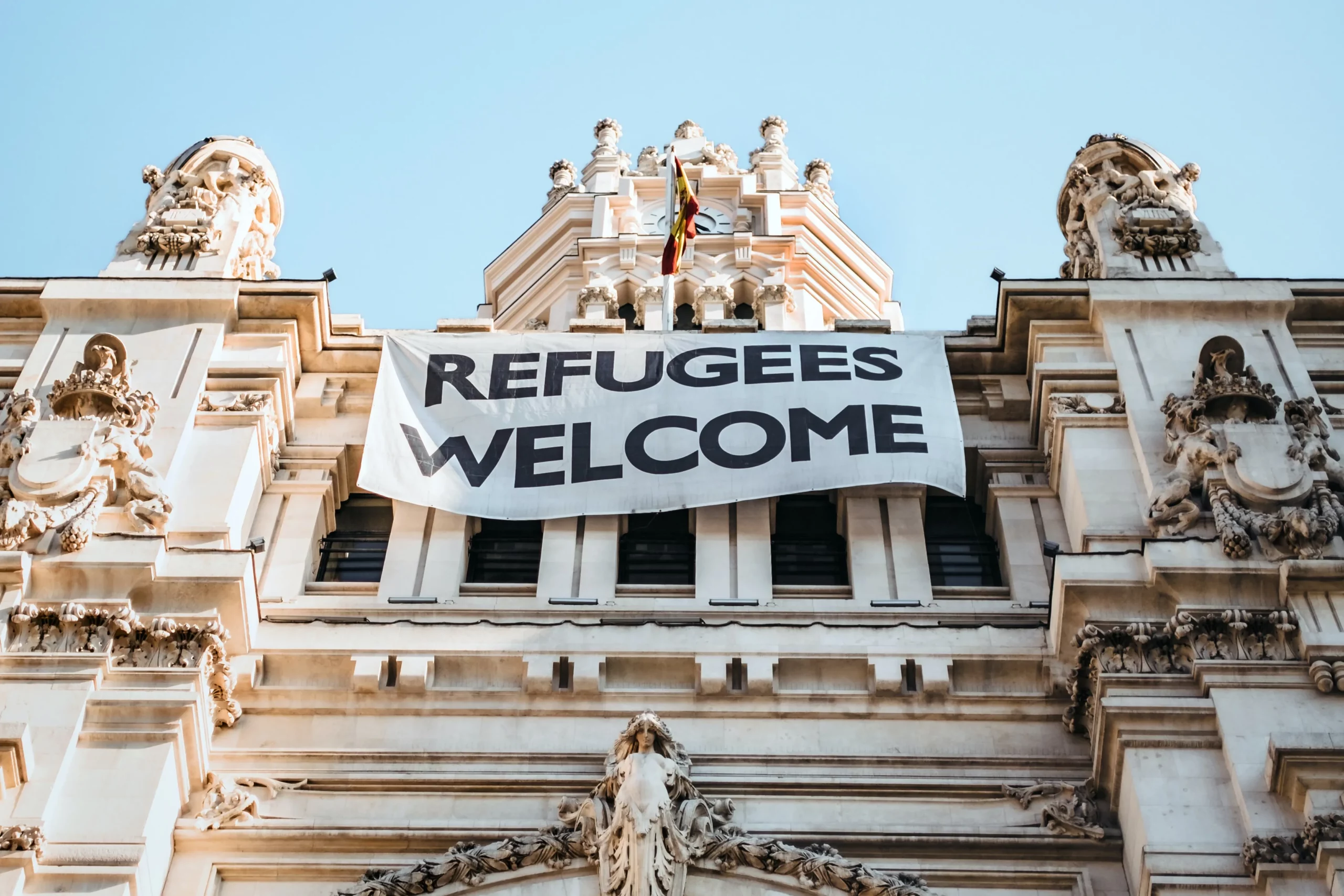
Interview with the mayor of Capaci: “I dream of an inclusive and welcoming Europe”


Migration is a global phenomenon with a strong local impact. Cities bear the burden the migration crisis by receiving newcomers – sometimes providing life-saving support – but also reap the long-term benefits of successful integration. This applies to cities and islands across Europe, in particular in southern Italy.

Ahead of International Migrants Day (18 Dec) we spoke with Pietro Puccio, the CEMR spokesperson on migration and the mayor of Capaci, a Sicilian city taking part in the IncluCities project to improve migrant integration and build more inclusive cities. He shared with us his town’s experience welcoming newcomers, as well his vision of a united Europe that is open and inclusive.

How have Capaci and the Palermo district been affected by migration in recent years? What tools can local communities and local governments use when the main responsibilities and competences are with national governments?

When the responsibilities fall to national governments, local authorities have little room for maneuver. Despite this, we can achieve a lot by mobilising all the local associations through their widespread and active volunteers. In our region for instance, an important solidarity network has been created.

Capaci and Palermo have perhaps been on the margins of immigration in recent years. The main arrival routes have been elsewhere, such as Agrigento, Lampedusa, Ragusa and Syracuse, from where immigrants have been directly relocated to other places.

However, the Port of Palermo also continues to experience significant arrivals. The volunteer associations are playing a fundamental role there in receiving immigrants. Through their work we were able to provide a meaningful response to the rising number of new arrivals. 

You have often said that we should move from the emergency management of receiving immigrants to structured practices of inclusion and integration of newcomers in our societies. Looking at the EU’s migration and asylum policy, and in particular in light of the recent events in Afghanistan, it appears that the EU is trying to keep the migration issue at its external borders. What do you think about this management approach? 

Maintaining the migration emergency at the borders is an illusion. It’s unrealistic. There will be more and more emergencies in the world, simply dictated by the climate crisis. We pass from one emergency to another in Syria, Libya, then Afghanistan…

Europe can do it better. It doesn’t need “gendarmes” at the borders, nor agreements with the illegitimate Libyan government or with Turkey’s Erdogan. If we want to eliminate the shame and the indignity of the reception camps in the Balkans and elsewhere, if we really want to provide a response that looks beyond immediate emergencies, we should build a structured common response at the European level. If Europe doesn’t do it, nobody will. 

United Cities and Local Governments (UCLG) launched the debate on the Charter of Lampedusa, where local and regional governments are reshaping a notion of citizenship that should be defined around dignity, human rights, peace and collective memory, regardless of the status of people on the move. What do you think of this new form of “inclusive local citizenship” UCLG is developing with its members?

Europe is the cradle of world civilisation and must start over based on human dignity and respect for the human rights of all. But there is also a great economic advantage. Let me give you an example: in our area there is a municipality nearby, Balestrate, with hectares of land that are now planted with mangoes. Mangoes are typically a tropical fruit but due to climate change, the weather conditions in Sicily have become appropriate to grow mangoes. The new arrivals can be new consumers. Thus immigration can create new opportunities and new jobs. If Europe wants to provide a general response, it should focus on decent work, job opportunities and respect for human rights.

What is the main thing that Capaci could learn in the IncluCities project? What is the most necessary change that you’d like to start developing in your city?

Capaci is a town with an ancient welcoming culture, but in recent years this culture has been somewhat lost. Fear has taken over, the concern of having a neighbour who is a bit different. By taking part in IncluCities I hope the city will return to being as welcoming as we once were, no longer afraid of those with a different skin colour, those of a different religion or political orientation. I believe that this is a great and unique opportunity for our city. The first thing I would like to see is newcomers no longer hiding inside their homes, but walking around, playing with their children in squares, socialising in public places, also meeting with the citizens of Capaci. This is the most beautiful change I wish for this city.

What is your greatest dream as an Italian citizen and mayor of Capaci for the future of Europe? What role do you think migration should play in the Conference on the Future of Europe?

The theme of immigration is central in the global context. Just look at what’s happening in South America, at the border with the United States of America or every day here in Europe. The topic must have an important, leading role in the discussion at the Conference on the Future of Europe

I dream of the Europe that our founding fathers – Altiero Spinelli, Schuman – dreamed of; a Europe that is inclusive, where everyone can have the right to citizenship and respect for their human rights. The pandemic, which is unfortunately still ongoing, has taught us one crucial thing: how much we need each other. Only if each of us gets vaccinated can we beat COVID. If there is an unvaccinated part of the community, we can’t win. We are all connected.

My dream is that we work together for a Europe that is an inclusive, tolerant, welcoming place. A federal Europe where no one is left behind, where every citizen matters and each opinion counts. The future of Europe is my dream!

Empowering local Europe since 1951  

Democracy, diversity, and sustainability at the heart of CEMR 


Since its founding in 1951, the Council of European Municipalities and Regions (CEMR) has worked to promote a peaceful, democratic, and united Europe. Rooted in local self-government and citizen participation, CEMR brings together municipalities, counties, and regions across 41 countries, giving local democracy a strong voice at European and international levels. 

Our Values 

CEMR stands on three core pillars: 

  • Local democracy: Protecting municipal autonomy, human rights, and the rule of law. 
  • Sustainability: Guiding action through the United Nations’ Global Goals. 
  • Diversity: Promoting gender balance, inclusiveness, and respect for differences. 

With a team of 40 professionals in Brussels, representing a dozen nationalities and speaking 15 languages, CEMR embodies the European mosaic it serves. 

A History of Local Leadership 

CEMR was born in 1951 when 56 mayors from six countries gathered in Geneva to lay the foundations of a united Europe from the bottom up. Their early efforts focused on town twinning, fostering reconciliation through exchanges and cultural ties. Today, with some 20,000 twinnings across Europe, this remains the continent’s most widespread form of cooperation. 

CEMR also pioneered the push for local autonomy, adopting the European Charter of Municipal Liberties in 1953, which later inspired the Council of Europe’s European Charter of Local Self-Government. 

In 1984, CEMR officially added “Regions” to its name, reflecting its advocacy for decentralisation and the growing importance of regional governance. 

What We Do Today 

CEMR’s mission is organised around four “Ps”: People, Places, Planet, and Partnerships

  • Advocacy: Representing local and regional interests to the EU, the Council of Europe, OECD, and the United Nations. CEMR works to ensure that 70% of EU laws affecting municipalities and regions take account of local realities. 
  • Knowledge: Sharing expertise and producing ground-breaking studies on local democracy, equality, climate action, migration, and finance. 
  • Partnerships: Leading externally funded projects on sustainable development, integration, climate, and democracy, including initiatives such as PLATFORMA, IncluCities, and the Covenant of Mayors. 
  • Communication: Reaching citizens, members, and global partners through campaigns, media work, and digital platforms. 

Looking Ahead 

Marking its 70th anniversary in 2021, CEMR reflected on past achievements while preparing for future challenges. In an age of polarisation, climate change, and digital transformation, the organisation continues to champion local democracy as the bedrock of peace and progress. 

As former CEMR President Valéry Giscard d’Estaing once urged Europe’s young people: “Today, power is there for the taking! It is the power to act, to bring on the future and to organise it.” 

Read the study here 

For more information, contact: 

Climate change

Climate Change - News

Commission invites cities to take part in ”100 Climate-Neutral and Smart Cities by 2030”


It’s time to turn the tide of climate change… This, at least, is the European Commission’s ambition with its new call addressed to cities to join the mission “Climate-Neutral and Smart Cities”.

The aim of this call: to achieve 100 climate-neutral and smart European cities by 2030 and to enable all European cities to follow suit by 2050.

“Joining the mission will put the selected cities right at the innovation forefront of the transition towards climate neutrality”, reads the Commission’s website. As the fight against climate change increasingly turns to deployment of solutions, cities are best placed to be the early adopters of the policies to get to climate neutrality. In the process, it will allow them to deliver multiple benefits to their communities in terms of reduced air and noise pollution, less congestion, lower energy bills and healthier lifestyles.

Reacting to this, CEMR Adviser in charge of environment and mobility, Axelle Griffon, said: “This Mission is undoubtedly a great way to provide technical and financial support to the selected cities in their transition towards climate neutrality. But there are thousands of other municipalities and regions pulling in the same direction to do more to tackle environmental and climate challenges. A higher climate ambition comes with responsibility for delivering it and we hope they will also receive support, regardless of their size. Furthermore, the Commission should make sure to strengthen synergies and connect the dots between existing initiatives involving local and regional governments such as the Covenant of Mayors.

Cities can register for the call for expression of interest. They can respond to the call until 31 January 2022. After assessment by independent experts, the Commission will announce the list of selected participant cities by April 2022. The first cities will be able to start working on their Climate City Contracts with the support of the Mission Platform as soon as the selection process is completed.

The launch of the call took place at the Conference on European Missions at the Committee of the Regions and marks the first milestone in the implementation of the mission.

Ljubljana Agreement

Cohesion Alliance - News 2021

Green light for a renewed Urban Agenda for the EU


This is a major achievement of the Slovenian Presidency: EU Ministers responsible for Urban Development adopted the Ljubljana Agreement on 26 November 2021. By doing so, EU Member States and the European Commission commit to the continuation of the Urban Agenda for the EU and set new modalities for its implementation. CEMR has been closely associated with the preparation of this agreement. 

The ministerial meeting was attended by the European Commissioner for cohesion and reforms, Elisa Ferreira. She reiterated her support for the Urban Agenda and insisted on the need for changing paradigm towards a sustainable lifestyle, which is the objective of the Green Deal, and to which EU funds contribute. She also pointed the urban-rural linkages and inter-dependencies between urban centres and their surrounding rural peripheries “They need each other to develop in a sustainable way”. 

Together with Krzysztof Hetman, the Vice-Chair of the European Parliament REGI Committee, representatives of Eurocities and of the Committee of the Regions, CEMR spokesperson for territorial cohesion and regional councillor of Tuscany, Ilaria Bugetti seized this opportunity to recall the importance of synergies between EU funds, especially at urban and territorial level: “Synergy between Cohesion funds and Recovery Plans is needed. Never before the principle of proximity and territoriality has been so important in the interest of our citizens”. She emphasised the need for good cooperation between all levels in the programming of EU funds.

What does this agreement mean for local governement?

The Urban Agenda for the EU was launched in 2016 with the Pact of Amsterdam. It was the start of a completely new way of working on urban issues whereby cities of all sizes, ministries and European Commission’s directorate general gather together in thematic partnerships to discuss concrete issues such as public procurement, climate adaptation, digital transition or migrants integration.

Today with the Ljubljana Agreement, the Member States, the European Commission and local and regional governments representatives agree on a new work programme for the Urban Agenda. In this document some key aspects for CEMR are included:

The role of smaller and medium sized cities is clearly stated with the willingness to involve them in the thematic partnerships, and to better communicate on the achievements of the urban agenda. It is also worth noting that the role of national associations of municipalities and regions in supporting municipalities, but also to participate in the thematic partnerships is recognised. 

In 2022 the municipalities and regions will have to answer a call for interest to join future partnerships. The Commission will bring some dedicated support such as expertise or communication means. Member States in particular agree to bring additional financial or capacity to support the participation of smaller and medium sized municipalities in the partnerships.

Finally, the Ljubljana Agreement also includes the proposals of CEMR and Eurocities for four new themes: Cities of equalities; urban food; greening cities; sustainable tourism.

What’s next?

The French Presidency starting on 1st January 2022 agreed to launch two new partnerships on greening cities and sustainable tourism. First, an ex-ante assessment will be carried to better define the scope, relevance of the timeline and identify key stakeholders and EU policies relevant for these two themes. Then (mid or end 2022) a call for interest should be launched to select the cities who will join thematic partnerships. For the next themes (cities of equality and urban food), the process should be launched in 2023.

Additional links

press release

Ljubljana Agreement

Multi-annual work-programme for the Urban Agenda for the EU

CEMR tweet

Eastern Partnership

People Europe - News

Don’t miss the 3rd edition of the EU-Eastern Partnership Local Leaders’ Forum


The 2021 EU-EaP Local Leaders Forum will focus on the Local Public Administration and Decentralisation Reform as a booster for sustainable and inclusive development.

Decentralisation reforms in Eastern Partnership (EaP) countries (Georgia, Moldova and Ukraine) have increased the role of local governments in key strategic sectors and while significant progress has been made, major challenges remain in terms of political commitment and advancing the fiscal dimension of trends.

Against this backdrop, the Network of Associations of Local Authorities of South-East Europe (NALAS), in cooperation with the Latvian Association of Local and Regional Governments (LALRG), the Association of Local Authorities in Lithuania (ALAL), CEMR and PLATFORMA, organises this 3rd Forum online on 7 December 2021, from 10:00 to 14:00 (CET).

Local leaders from the Eastern Partnership and the European Union countries will hear about the future post 2020 Eastern Partnership priorities and the EU support: how to build a cooperation framework on local level which would promote effective governance and institutional reforms in EaP countries such as public administration and decentralisation processes in order to reinforce local democracy.

Register for the event before 1 December 2021. The working languages are English, Ukrainian, Georgian and Romanian (with simultaneous interpretation).

Follow the conversation on Twitter with #EaPLocal.

Bringing Equality Closer to Home 

UCLG people banner

2021 Report – CEMR Charter15 Reflection Process 


The European Charter for Equality of Women and Men in Local Life, developed by CEMR, is both a political commitment and a practical tool enabling local and regional governments to integrate gender equality into all aspects of policy and administration. Since its launch in 2006, nearly 2,000 signatories across 36 countries have joined the initiative. 

Marking 15 years in 2021, CEMR initiated a reflection process to ensure the Charter remains relevant, inclusive and fit for the future. The process culminated in a set of recommendations to revitalise and adapt the Charter, supported by the EU’s CERV programme

Key Activities and Participation 

  • 6 online workshops (June–November 2021) 
  • 5 interviews with national gender focal points 
  • 75 participants from 21 countries, including local authorities, associations, and civil society. 

Workshop Themes & Findings 

1. Employment & Economic Development (September 2021) 

Gender gaps persist in pay, part-time work, and parental leave. The Charter update should reinforce equality in employment practices, particularly relevant to local governments as employers. 

2. Climate, Urban Space & Sustainable Development (October 2021) 

There is a demand to strengthen Article 25 on urban planning by including monitoring and evaluation tools, and to align with SDG 5 through the Charter’s indicators. 

3. Violence Against Women and Girls (November 2021) 

Updates should better address violence prevention, include children (especially girls) as victims, and consider the complex issue of honour-based violence

4. Communication, Stereotypes & International Cooperation (June 2021) 

The Charter must adopt an intersectional perspective without weakening its gender focus and show how gender equality benefits men and boys as well. 

5. Multiple Discrimination & Intersectionality (September 2021) 

A call to inclusively reflect diverse experiences of discrimination, guided by approaches like Sweden’s: “always gender, but never gender alone.” 

6. Public Services & Administration (September 2021) 

The Charter should be made more actionable at the local level. COVID-19 showed the need for gender-sensitive crisis planning to avoid backsliding on equality. 

Next Steps 

Based on the rich input from this process, an updated version of the Charter will be developed in 2022. This will ensure that it continues to serve as a dynamic tool for gender equality, adaptable to modern challenges, while respecting the commitments of existing signatories. 

Read the study here 

For more information, contact: 

Revitalising the Equality Charter 

Gender Charter - News

CEMR’s 15-year reflection process sets the stage for a renewed push to advance gender equality in Europe’s local and regional life 


2021 marked the 15th anniversary of the European Charter for Equality of Women and Men in Local Life, a milestone moment to celebrate achievements, reflect on lessons learned, and chart a course for the future. Initiated by CEMR in 2006, the Charter has grown into a powerful instrument for advancing gender equality at the local level, now embraced by nearly 2,000 signatories in 36 countries. 

The anniversary served not only to honour progress but also to examine how the Charter can evolve to remain relevant and impactful for today’s and tomorrow’s local governments. 

To mark the occasion, CEMR launched a wide-ranging reflection process. A series of six online workshops was held between June and November 2021, involving Charter signatories, national associations, gender focal points and other stakeholders. Five in-depth interviews complemented these to deepen the analysis. 

The process revolved around four key areas: 

  • Recognising achievements: Highlighting the tangible improvements in local equality made possible by the Charter; 
  • Reflecting on relevance: Considering how to modernise the Charter and connect it with broader policy frameworks; 
  • Celebrating commitment: Acknowledging the people and organisations driving real change on the ground; 
  • Revitalising tools: Gathering practical insights and suggestions to strengthen the Charter’s implementation. 

Participants emphasised that while the Charter remains a strong and valuable framework, its language, accessibility, and visibility could be improved. There was broad support for clearer, more inclusive, and action-oriented language. Concerns about legal implications for current signatories were addressed with a proposed solution: allowing signatories to either reconfirm or upgrade their commitment, while still validating earlier engagements. 

The 15-year review reaffirms the Charter’s relevance and potential as a living document. CEMR has now put forward a set of concrete recommendations to enhance its clarity, inclusivity and usability, ensuring it remains a cornerstone for gender equality at the local and regional level: 

  • Simplify the language and prioritise clarity and accessibility; 
  • Use assertive, action-driven phrasing to emphasise commitments; 
  • Improve translation quality in coordination with national associations; 
  • Adapt language to gender-inclusive norms, particularly in gendered languages. 

As the Chair of the Standing Committee for Equality put it: 

“Beyond chapters and clauses lies a common goal: bringing equality closer to home.”

Read the study here 

For more information, contact: 

Boosting public investment capacities 

COVID19 finances - news

Rethinking EU economic governance to empower local investment and drive sustainable recovery 


The COVID-19 crisis has reshaped Europe’s economic landscape and highlighted the essential role played by local and regional governments. From enforcing public health measures to supporting vulnerable communities, municipalities and regions have borne the brunt of the pandemic’s immediate and long-term impacts, often while facing steep declines in revenues. 

As the EU reflects on the future of its economic governance, the Council of European Municipalities and Regions (CEMR) urges a rethink of the Stability and Growth Pact to better align it with today’s realities and tomorrow’s challenges. 

Local governments account for nearly half of public investment in the EU, yet current fiscal rules often restrict their capacity to finance long-term projects. CEMR’s position paper identifies several ways the framework could evolve to support recovery, green and digital transitions, and social inclusion. These include: 

  • Stronger multi-level governance and genuine consultation with local authorities in EU economic coordination; 
  • Greater fiscal flexibility to support sustainable and long-term local investments; 
  • Addressing the investment backlog through accessible financing and capacity building; 
  • Establishing a dedicated European municipal and regional investment facility within the EIB to boost green and digital development; 
  • Ensuring that local-level contributions to the EU Green Deal are not blocked by rigid budget rules. 

Reforming EU economic governance is an opportunity to recognise and unleash the potential of Europe’s cities and regions. A more balanced, investment-friendly approach will strengthen resilience, equity and sustainable growth across the Union. 

Read the position paper here 

For more information, contact: