Local leaders at the World Urban Forum

WuF 2024 - News

World Urban Forum 12 in Cairo: Local governments driving sustainable urban transformation 


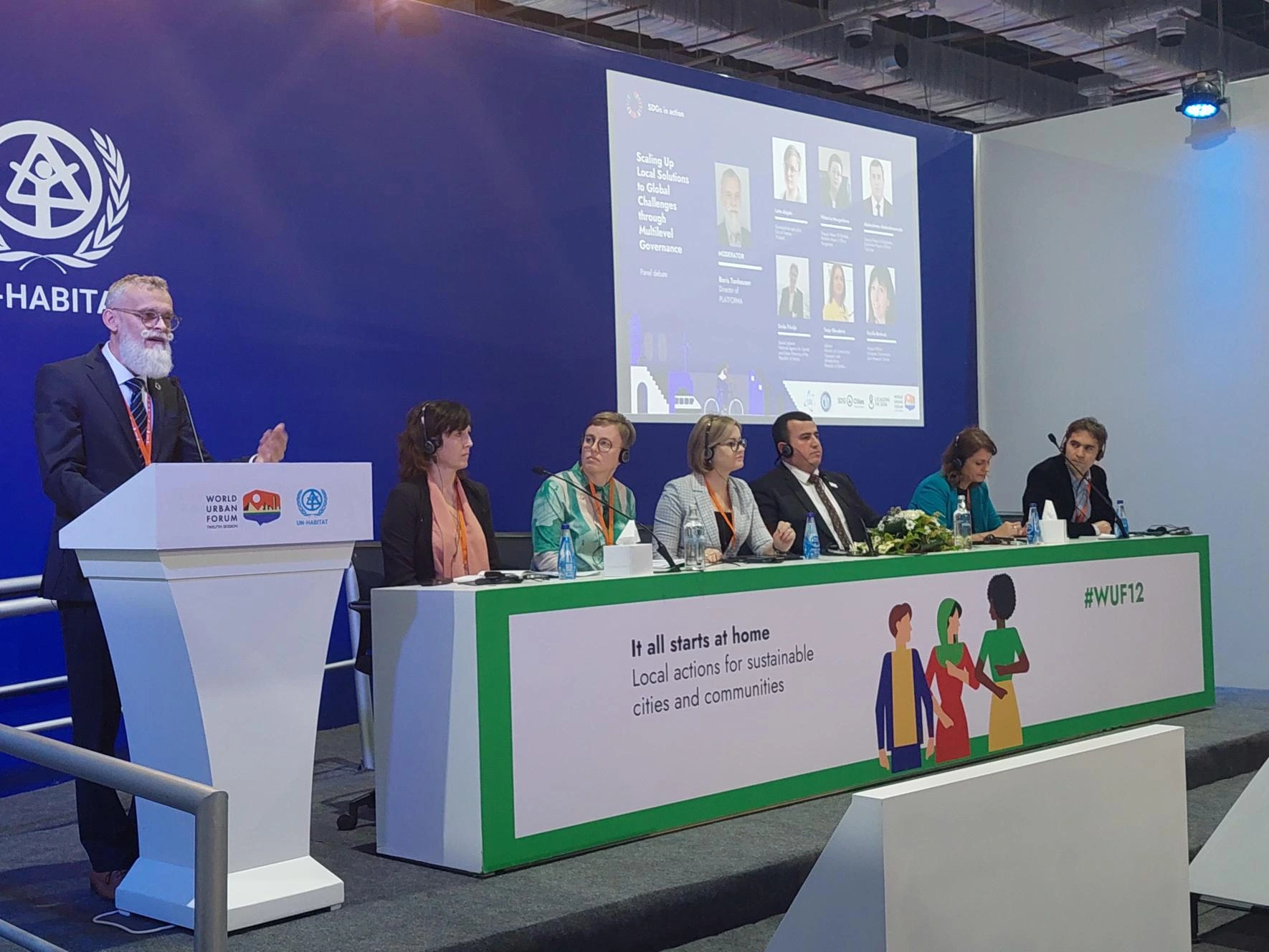
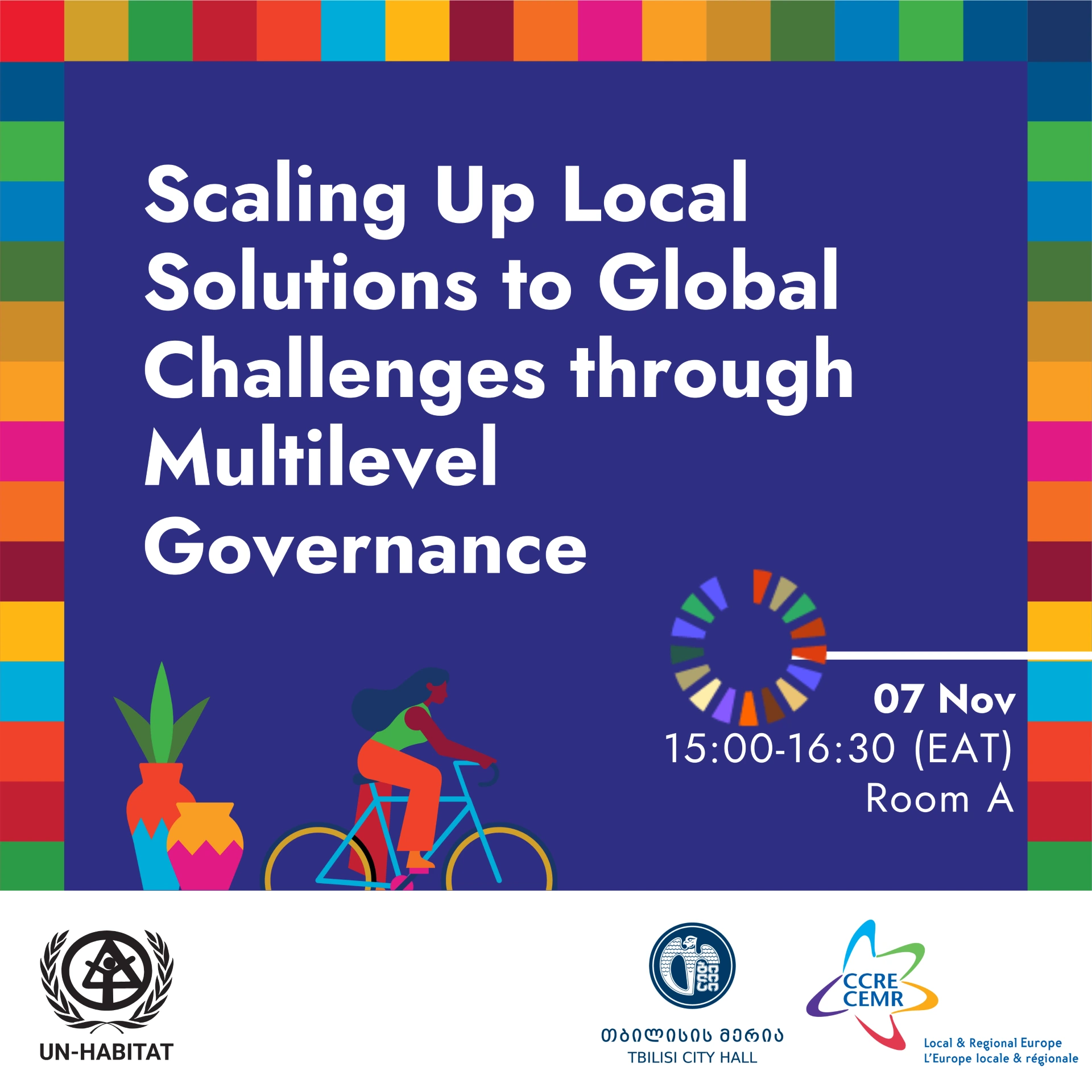
At the 12th World Urban Forum in Cairo, CEMR’s session brought together representatives from cities such as Tbilisi, Bishkek, Dushanbe, Niš and Vantaa, to share their experiences in advancing sustainable urban development through Voluntary Local Reviews (VLRs). These exchanges underscored the vital role of local governments in translating the Sustainable Development Goals (SDGs) into actionable strategies that deliver tangible results. 

Co-hosted with UN-Habitat, the city of Tbilisi, the Reference Framework for Sustainable Cities (RFSC), and the European Commission Joint Research Centre (JRC), the session showcased examples of the new generation of action oriented VLRs, innovative tools like the RFSC’s self-assessment platform and EC JRC’s analysis of VLRs published to date. These resources empower cities to align their urban strategies with the SDGs and measure progress with precision. 

Moderated by Boris Tonhauser, Director of PLATFORMA, the discussions explored how VLRs enable cities to address pressing challenges, including water management, air pollution, and data gaps while enhancing their strategies through citizen engagement and evidence-based decision-making. By leveraging these tools and processes, cities are not only refining their local plans but also contributing to broader global goals with concrete actions. 

The session highlighted the essential role of multilevel governance and cross-sector innovation in addressing sustainability challenges beyond 2030. Key recommendations included revisiting SDG goals with a bottom-up perspective, prioritising cultural and citizen participation, and strengthening partnerships and support for cities engaged in VLR processes. 

As the 2030 deadline for the SDGs approaches, the discussions reaffirmed the transformative power of local governments to lead global efforts. Through collaboration, peer learning, and the use of practical tools such as the RFSC, CEMR and its partners continue to support resilient, inclusive, and climate-neutral cities.  

WUF12: Over 25,000 participants from 182 countries.  

The 12th World Urban Forum in Cairo set new records, with over 25,000 participants from 182 countries gathering to exchange ideas and solutions under the theme “It All Starts at Home.” The event concluded with the unveiling of the Cairo Call to Action, a document capturing the Forum’s key messages and proposed strategies for addressing urban challenges. By emphasising multilevel governance, citizen engagement, and innovative tools, WUF12 reaffirmed the transformative power of local action in shaping inclusive, resilient, and sustainable cities. As the baton passes to Azerbaijan for WUF13, the momentum from Cairo serves as a powerful reminder of the critical role cities play in tackling global challenges. 

Matchmaking Platform

CEMR launches a Matchmaking Platform for Twinning cooperation during the Leaders’ Summit in Karlsruhe


  • CEMR launches a new Matchmaking Platform to promote city-to-city cooperation and international partnerships during the Leaders’ Summit in Karlsruhe, Germany
  • The Bridges of Trust Community is launched in partnership between CEMR and U-Lead to foster new partnerships and support international municipal cooperation
  • The CEMR Leaders’ Summit gathered over 200 international leaders from across Europe, emphasising collaboration for sustainable and inclusive development

The Council of European Municipalities and Regions (CEMR) unveiled an innovative Matchmaking Platform to enhance city-to-city and local cooperation during its Leaders’ Summit in Karlsruhe. This high-profile event gathered over 200 international leaders, representing towns, regions, and cities from EU and Ukranian countries.

The platform, building on CEMR’s seven-decade legacy of town twinning, allows municipalities, cities, and regions to form partnerships sending a matching request to potential peers across Europe in just a few minutes.

First introduced at the Ukraine Recovery Conference in Berlin and now open to all local governments in Europe, the platform is also meant to strengthen partnerships with Ukrainian municipalities to secure its vital recovery support and advance through its integration into the EU.

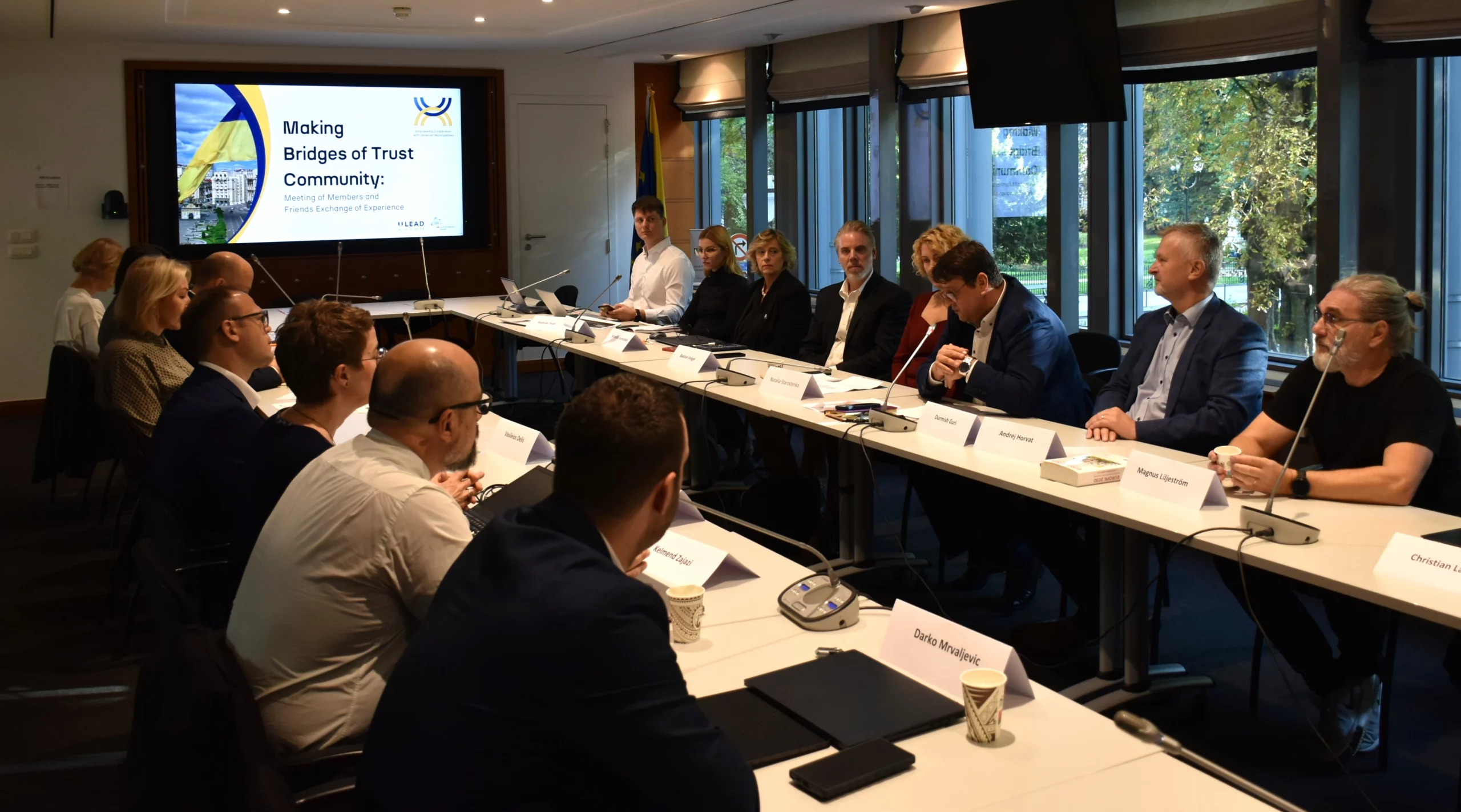
Building on its long-standing collaboration with Ukrainian local governments, CEMR in partnership with U-Lead with Europe have announced the creation of the Bridges of Trust Community. The project’s positive impact expanded beyond its initial scope, demonstrating the need for wider engagement and collaboration.

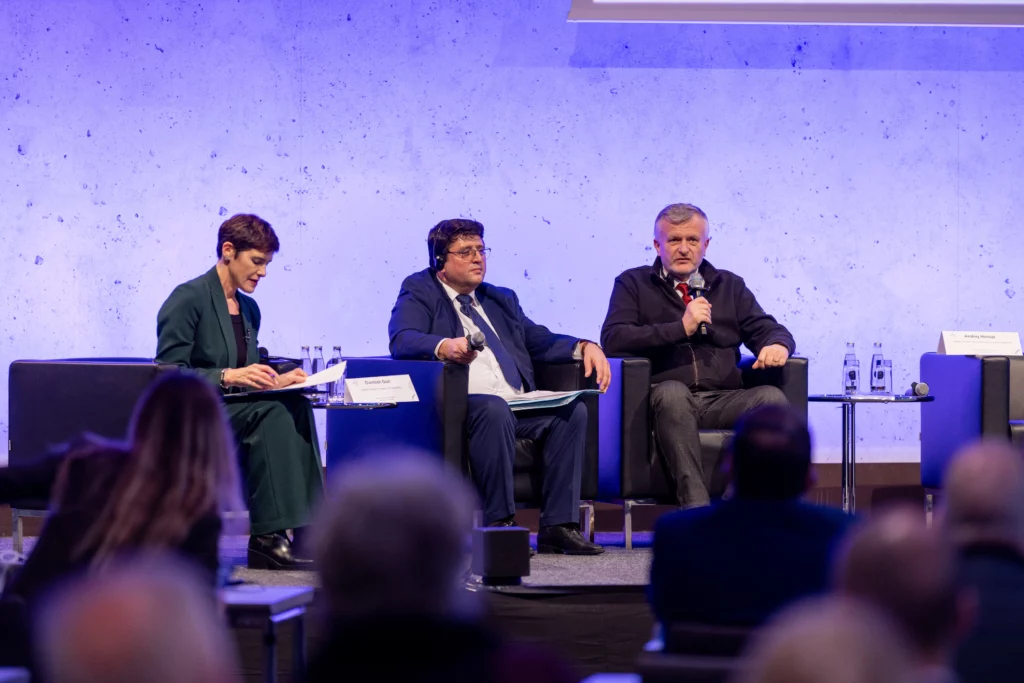
CEMR President Gunn Marit Helgesen underlined the Matchmaking Platform strategic importance: “Local leaders are at the forefront when it comes to adopting the acquis communautaire — the foundational laws of the EU. It is crucial to support them in this process to ensure it is carried out equitably, avoiding future disparities between urban and rural communities”.

Christoph Schnaudigel, CEMR Co-President, RGRE President and Mayor of Karlsruhe, highlighted: “City-to-city cooperation has already shown its power as a tool for post-war reconstruction, reconnecting people divided by war and cultural gaps, and fostering peace. Today, we are committed to putting our network at the service of every town in Europe, small or large, to connect, share experience, and work on their dream projects together.”

Stefano Poretti, Councillor of Arconate, Italy, a city twinned with the Ukranian city of Zlatopil, emphasized the Bridges of Trust impact: “In a time of growing geopolitical uncertainty, local governments remain steadfast in promoting cooperation and solidarity. Thanks to Bridges of Trust, we have exchanged knowledge and experiences that will leave a lasting mark on my political journey.”

Media opportunities:
Journalists can interview key participants, including mayors and local leaders, and explore the matchmaking platform in detail.

Register to the Platform – here

Funding opportunities for Ukraine 

Ukraine's recovery - News

EU and Member State programmes supporting municipalities in Ukraine’s recovery and cooperation with European partners 


In the face of Russia’s invasion and its devastating social and economic consequences, European Union and Member State funding programmes have become lifelines for Ukrainian municipalities. These mechanisms provide not only financial support but also technical expertise and institutional backing, helping local authorities address urgent needs, rebuild services, and strengthen community resilience. 

This guide was developed by the Council of European Municipalities and Regions (CEMR), in cooperation with the U-LEAD with Europe Programme and CEMR’s National Associations, under the Bridges of Trust initiative. It brings together key funding opportunities available to both Ukrainian and European municipalities, offering a practical starting point for collaboration and joint recovery projects. 

The initiatives highlighted stem from training sessions organised with Ukrainian and European partners. These covered project design and development, EU funding instruments, and the implications of Ukraine’s EU accession process. By leveraging existing EU programmes, municipalities can reinforce partnerships, promote local growth, and deliver tangible benefits for their citizens. 

Recognising Ukraine’s strategic path towards EU membership, the European Commission has committed to extending funding mechanisms to Ukrainian municipalities, ensuring they can access resources alongside their European peers. In addition, the Ukraine Facility Programme (2024–2027) is being developed as a central financing instrument for recovery and development. 

To support applicants, the guide provides practical resources: 

  • CEMR’s Guide on 2021–2027 EU Funding, explaining how to use the Funding and Tender Portal and submit strong project proposals. 
  • The PLATFORMA Handbook for local leaders and civil servants, offering step-by-step guidance on preparing applications, managing partnerships, and implementing EU-funded projects. 

As a living document, this guide will continue to be updated with new funding streams and opportunities. It seeks not only to provide access to financial resources but also to strengthen trust and cooperation between Ukrainian and European municipalities, laying the foundations for a shared European future. 

Read the study here 

For more information, contact: 

CEMR at COP29

Local Governments Driving Climate Solutions on the Global Stage


At the 29th UN Climate Change Conference (COP29) in Baku CEMR showcased the indispensable role of Local and Regional Governments (LRGs) in global climate action. Through advocacy, strategic dialogue, and direct engagement with Ministers, Governors, Parliamentarians, Multilateral Development Banks, and UN agencies, CEMR cemented its position as a key player in advancing sustainable urban development and combating climate change.

Local and Regional Governments: A Cornerstone of Climate Action

Local and regional governments are uniquely positioned to address climate challenges. Managing 68% of public climate investments, they are on the frontlines of adaptation and mitigation efforts. Yet, these governments often remain excluded from key international decision-making processes. At COP29, CEMR sought to change this by advocating for LRGs to be fully integrated as strategic partners in shaping climate policies.

CEMR also underscored the importance of multilevel governance. This approach, combining local, regional, and national collaboration, ensures that climate strategies are both inclusive and effective. By engaging in over 170 events, CEMR and the LGMA Constituency showcased how cities and regions lead innovative climate solutions, including sustainable infrastructure, green financing, and community resilience initiatives.

CEMR Delegation in Action

CEMR’s political leadership took centre stage during COP29. Marianne Overton, Vice President of CEMR, and Clifford Galea, a member of our Young Elected Officials Committee member, participated in high-profile sessions, emphasising local governments’ role in climate justice and finance. Key moments included:

  • Panel on Multilevel and Multistakeholder Climate Solutions: Clifford Galea highlighted the urgency of channelling direct funds to local governments, stating, “Efficient climate action starts with empowering those closest to the communities impacted.”
  • Roundtable on Financing Urban Climate Action: Marianne Overton called for innovative financial mechanisms to ensure accessible funding for sustainable urban projects and ecosystem restoration

Efficient climate action starts with empowering those closest to the communities impacted.”

 Advocating for Loss and Damage Response

One of the summit’s most critical topics was the establishment of an effective framework for addressing Loss and Damage. CEMR, together with the LGMA Constituency, endorsed the Call to Action on Loss and Damage, initiated by United Cities and Local Governments (UCLG). This initiative demands equitable resource distribution, North-South collaboration, and the inclusion of subnational governments in funding mechanisms. Notably, the call prioritizes the needs of marginalized communities and the integration of local knowledge into global climate strategies.

CEMR’s endorsement reflects its commitment to securing direct access to the Loss and Damage Fund for local governments, particularly in vulnerable regions. This advocacy reinforces the message that addressing climate crises requires collaboration at all levels of governance.

 Why Local and Regional Governments Matter

The urgency of including LRGs in climate governance cannot be overstated. As the level of government closest to communities, they have the knowledge and capacity to implement tailored solutions that address local realities. This perspective aligns with the broader recognition at COP29 that achieving the Paris Agreement’s goals requires the active involvement of all governance levels.

 Looking Ahead: COP of Cities

The outcomes of COP29 mark a significant step forward with greater recognition for the work of cities in the COP process, but the journey toward equitable climate governance is far from over. While COP29 is about to end, hope is there for cities to play a central role next year in Belem (Brazil). All traffic lights are green: “COP30 has to be the COP of the cities, because climate is central in connecting people”, said Ambassador Antonio Da Costa e Silva, chief international adviser at the Brazilian Ministry of Cities.

Let’s hope national leaders received the message.

Local Governments at COP 29

COP 29 - Baku 2024

CEMR and PLATFORMA at COP29: Advocating for Local and Regional Government Involvement


As COP29 unfolds in Baku, Azerbaijan, the Council of European Municipalities and Regions (CEMR) and PLATFORMA have taken a significant stand to amplify the voices of local and regional governments (LRGs). Building on years of commitment to sustainable urban development and climate action, these organizations are once again underlining the indispensable role LRGs play in addressing climate change and achieving the 2030 Sustainable Development Goals (SDGs).

Local and regional governments have sent more than 100+ political leaders and mobilized more than 500 delegates to advance city and regional climate goals at COP29. The delegation of the LGMA Constituency will be one of the largest at COP29. Delegates will participate in more than 170 events across the negotiations space, plenary sessions, Pavilions and Green Zone.

On Monday 18 November 15-16:30 local time CEMR and PLATFORMA will gather local leaders for a political meeting where they will think about the most urgent steps following September’s Summit of the Future.

On Tuesday 19 CEMR spokesperson on climate Marianne Overton and Young Elected Official Committee member Clifford Galea will take the floor during an official side event co-organised with PLATFORMA, the UN Sustainable Development Solutions Network (SDSN) and the SDG Academy on “Combating climate change across generations: reinforcing global to local policy action for education”.

On Wednesday 20 Clifford Galea will take part in the Roundtable on Nature, Health and Agriculture in Cities, while Marianne Overton will attend the roundtable on Financing Urban Climate Action.

Why Local and Regional Governments Matter

LRGs are at the forefront of climate action, managing approximately 68% of public investments related to climate and energy. Their unique positioning allows them to efficiently respond to local needs, implement innovative climate strategies, and foster community resilience. Despite this, CEMR and PLATFORMA note that these governments often remain excluded from critical international climate discussions and decision-making processes.

CEMR and PLATFORMA stress the importance of multi-level governance that integrates LRGs into global frameworks. Their participation at COP29 aims to shift the perception of LRGs from mere implementers to strategic partners capable of co-designing and executing climate and sustainability policies.

Key Messages for COP29

  1. Enhanced Multi-Level Governance: Effective climate action requires structured dialogue, diplomacy, and accountability mechanisms involving LRGs. Without their inclusion, policies risk being disconnected from the realities on the ground.
  2. Resource Allocation and Support: CEMR and PLATFORMA advocate for an enabling fiscal framework that recognizes the diversity of LRGs and supports tailored solutions for decarbonization. This is vital to unlock the full potential of local governments in climate adaptation and mitigation.
  3. Capacity Building and Cooperation: To foster impactful climate action, LRGs must have access to capacity-building programs, technology transfer, and collaborative opportunities. Platforms like the Covenant of Mayors and EU Development Education programs are essential for promoting vertical and horizontal partnerships.
  4. SDG Localisation: The localisation of SDGs is integral to reaching climate objectives. With only 17% of SDGs on track globally, CEMR and PLATFORMA emphasize that local-level engagement and tailored public policies are critical for accelerating progress.

Looking Ahead

CEMR and PLATFORMA’s advocacy at COP29 aims to pave the way for more robust, inclusive, and effective climate policies that recognize LRGs as pivotal partners. Through strategic dialogue and collaboration, these bodies are committed to ensuring that local and regional perspectives are not just heard but actively integrated into climate and sustainable development strategies.

Are you in Baku and want to meet CEMR and PLATFORMA members?

Get in touch with Eva Banos de Guisaola

Moldova’s path to Europe

Moldova - News 2024

How Local Governments and International Networks Strengthen Moldova’s European Path and why this matters even more after the Referendum 


CEMR Secretary General Fabrizio Rossi offered heartfelt congratulations to Moldova following the results of last week’s referendum on EU accession. Moldovan citizens narrowly approved constitutional changes reflecting a commitment to joining the EU, with 50.46% voting “Yes” and 49.54% voting “No.”   

“We understand how significant this is for you and your daily efforts. Please know that we at CEMR have been standing by your side and advocating for it from the beginning, and we share in your joy. “- stated Mr.Rossi.  

In response to Russia’s invasion of Ukraine and Moldova’s accelerated reform efforts, the EU granted Moldova candidate status in June 2022. By December 2023, the European Council decided to open accession negotiations, and the first intergovernmental conference in June 2024 officially commenced the process, signifying Moldova’s significant progress toward EU membership. 

CEMR engagement with Moldovan Local Government and the Association CALM: 

Local and Regional cooperation has played an important role in this process. Indeed, since 2015, the Congress of Local Authorities from Moldova (CALM) has partnered with PLATFORMA to strengthen Moldova’s role in the European landscape and build local resilience through sustainable governance. CALM has become a trusted and engaged ally, representing Moldova’s local governments in development discussions and promoting international collaboration within the Neighbourhood East cluster.  

“The role of local authorities in this context is essential, and the membership support processes must guarantee them the means to ensure with responsibility, integrity, and autonomy the provision of local public services to their citizens” – continues CEMR Secretary General Fabrizio Rossi.  

In this perspective, technical cooperation, and exchanges of experience between communities in the EU and candidate countries, or among the candidate countries, constitute an essential tool to enable adapted and pragmatic implementation of the regulatory framework and local public services in compliance with EU standards.  

CEMR and PLATFORMA, since 2015, have delved into critical themes for Europe’s future exploring issues of democracy, sustainable development, and the EU enlargement process. For instance, under the Eastern Partnership programme, our members have longstanding decentralised cooperation activities with Moldovan counterparts.  

PLATFORMA and CALM partnership:  

In August, Lithuania’s association ALAL organised a local-to-local seminar in Moldova promoting youth participation in governance, aiming to build leadership capacity through international cooperation. Similarly, in September, leaders from France and Moldova gathered in Grenoble for the first forum on decentralised Franco-Moldovan cooperation. Organised by the French Association of the Council of European Municipalities and Regions (AFCCRE) under the PLATFORMA Eastern Neighbourhood programme, the event, “Choosing Europe: Decentralisation as a Driving Force Behind the Franco-Moldovan Partnership,” brought together around forty elected officials, reinforcing the links between both nations and highlighting decentralisation’s role in Moldova’s EU accession process. 

On 28 November, local leaders from Georgia, Moldova, and Ukraine will join the EU-Eastern Neighbourhood Local Leaders Seminar in Brussels. This event, organised with SALAR International (part of the Swedish Association of Local Authorities and Regions) and PLATFORMA, will offer a critical opportunity for dialogue with the European Commission and other leaders on the challenges facing local governments across Europe. You can register for the seminar here. 

Local and regional governments, supported by associations such as CALM, play a vital role in Moldova’s EU journey. Their commitment to decentralised cooperation and alignment with EU standards strengthens Moldova’s democratic institutions and helps meet citizens’ aspirations for a European future. 

Why does this matter?  

On 3 November, Moldovan citizens will return to the polls for the second round of the presidential election. Pro-European candidate Maia Sandu led the first round with 41% of the vote, while her opponent, Aleksandr Stoianoglo—backed by the pro-Russian Socialist Party—surprised many with 26%. Sandu now faces a challenging runoff as opposition forces may rally around Stoianoglo. This election could overturn the results of the 20 October referendum, committing local leaders even more crucial to safeguard the hard-won progress achieved so far to bring Moldova closer to the EU.  

Interested in CEMR and PLATFORMA’s work in the Eastern Neighbourhood countries?  

You may want to check the PLATFORMA SGA4 2023-2026 Eastern Partnership Cluster, a hub of collaborative action and regional growth and see how you can get involved! 

Our activities include: 

  • Thematic Cluster Meetings: Regular sessions to set strategies, share updates, and align priorities for Eastern Partnership policies and initiatives. 
  • Advocacy and Policy Work with EU Institutions: Engaging with EU bodies to shape policies, advocate for local government interests, and support integration efforts. 
  • Country Coordination Meetings: National meetings to align activities, share best practices, and strengthen cooperation among local authorities. 
  • Study Visits: Exchange programs where local leaders can learn from peers, enhancing skills and building capacity for effective policy implementation. 
  • Seminars: Workshops to deepen knowledge, foster partnerships, and tackle challenges in local governance. 

Get in touch to learn more about how you can be part of this initiative!

Public Conference on environmental resilience

Environment - News section

“Managing the Future for Environmental Resilience”


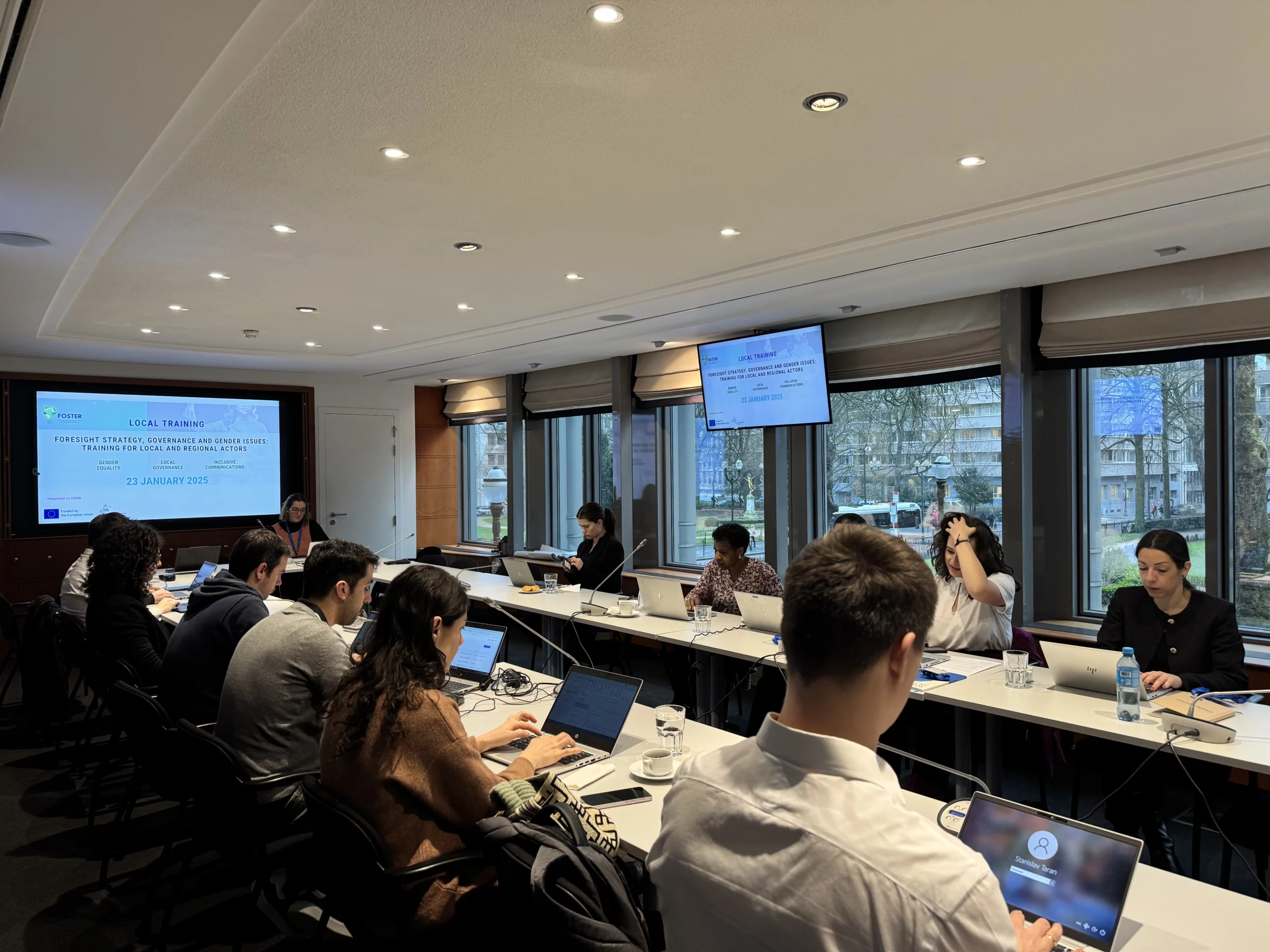
CEMR and ALDA are pleased to announce the Public Conference “Managing the Future for Environmental Resilience”, organised on October 9th, from 11.00 to 17.00. The conference will be a chance to exchange in an interactive way how to overcome the preference for short-term solutions when it comes to local management of climate change and planning for more prepared and participatory environmental governance.

The conference provides an interactive platform to explore how to overcome short-termism in local climate management, with a focus on future-oriented and participatory environmental governance. It will begin with a keynote speech from the European Environment Agency, followed by a panel debate titled “Local and Regional Policy Making for a Sustainable Future,” featuring institutional speakers discussing the challenges facing European cities and innovative approaches to addressing climate change. In the afternoon, experts will share insights on strategic foresight and key elements for future-oriented climate policies, including decentralised cooperation, participatory policymaking, and non-formal education.

Register here and join us on the 9th of October!

The FOSTER project aims to contribute to the development of governance frameworks that can effectively and inclusively address future environmental challenges at the local level, by fostering strategic foresight and preventative local management of climate change-related phenomena. It is a two-year project funded by the CERV – Citizens Equality Rights and Values programme of the European Union

Local, social, digital – digitalisation impact

Digital transition - News 2022

A joint CEMR–EPSU project explores how digitalisation is transforming local and regional governments across Europe and its impact on workers, services and governance 


Digital transformation is reshaping local public services across Europe, from how services are delivered to how public employees work and engage with citizens. To understand these changes and support effective responses, the Council of European Municipalities and Regions (CEMR) and the European Public Service Union (EPSU) launched a joint project: “Local, Social, Digital”, co-funded by the European Commission and implemented between 2023 and 2024. 

This initiative explored the challenges, opportunities and impact of digitalisation in local and regional governments (LRGs), with a particular focus on working conditions, skills development, social dialogue, and inclusive governance. 

At the heart of the project is a comprehensive research report prepared by an independent expert, based on desk research, interviews with national CEMR and EPSU affiliates, and key insights from international conferences and webinars held in Cagliari, Tallinn and online. 

The research revealed a wide range of digital practices and challenges across European LRGs. Digital tools are enhancing flexibility, accessibility and efficiency, but also raising important questions around workers’ rights, surveillance, data privacy, and fair access to training and upskilling. The study also found growing awareness around the gendered impact of digitalisation, particularly following the COVID-19 pandemic. 

Key themes included: 

  • Telework and hybrid work: The shift to remote working has been widely adopted, but requires clearer frameworks on rights, disconnection, and workplace safety. 
  • Digital skills and employment: There is a pressing need to train and support public employees in using digital tools, with strong involvement from both trade unions and employers. 
  • Ethics and AI: The use of Artificial Intelligence in local governance raises new ethical challenges and calls for stronger social partner dialogue. 
  • Smart cities and services: Digitalisation of public services must remain people-centred, focusing on inclusiveness, accessibility, and transparency. 

Many national and local social partners have already launched strategies, tools and agreements to manage this transformation, including practical guidelines, awareness-raising events and training programmes. 

As Europe enters its Digital Decade, local and regional governments stand at the forefront of this transformation. The “Local, Social, Digital” project reinforces the crucial role of social dialogue in managing digital change, ensuring fair working conditions, and promoting inclusive public services. 

CEMR and EPSU call for continued EU support and structured collaboration among employers, trade unions and institutions to empower local administrations in navigating digital change, sustainably, socially, and with dignity. 

Read the study here

For more information, contact: 

Reflections on the Pact for the Future

European Union - News


Local & Regional Governments are in, but still far from where they should be


The inclusion of Local and Regional Governments (LRGs) in the recently adopted Pact for the Future, particularly in Article 83, represents a significant milestone. This article acknowledges their crucial role and calls on the UN Secretary-General to offer recommendations on engaging with local and regional authorities to advance the 2030 Agenda, especially by localising the Sustainable Development Goals (SDGs).

However, this achievement is only the beginning. Realising the full potential of LRGs in global governance requires continued effort. Below are five key takeaways that reflect the pact’s impact on the local leadership community.

Cities and Local Governments on the Global Stage

The adoption of this text reflects widespread recognition of the vital role cities and local governments play in building a sustainable future. The conversation has shifted from questioning their relevance to focusing on collaboration to drive progress across all levels. This shift is crucial for advancing the 2030 Agenda and promoting sustainable development for all.

The Growing Movement for Local Governance

Engagement with the UN Secretary-General and other key stakeholders highlights the increasing momentum behind the movement advocating for LRGs’ unique role. Unlike civil society organisations, local governments have distinct mandates and constituencies, making their contributions essential for shaping a sustainable future.

The Global Task Force Model: A Proven Approach

Global challenges—whether securing peace, reducing inequalities, addressing water scarcity, or reforming food systems—require coordinated action across all levels of government. The Global Task Force of LRGs has proven effective in uniting agendas and coordinating advocacy on issues that transcend borders and jurisdictions.

Recognition is Progressing, But Still Limited

While LRGs’ inclusion in the text is a positive step, their role remains largely focused on implementing SDGs. It is essential that local and regional governments are recognised not only as implementers but also as full partners in shaping policies that affect the future of our communities.

Challenges to Local Democracy

There are growing concerns about the future of local democracy, as autocratic regimes and centralising reforms threaten the autonomy of local governments. Reduced powers and budget cuts jeopardise the sustainability of local democracy. Although the current UN Secretary-General supports local governance, the post-2025 landscape remains uncertain, posing risks to local self-government.

What to watch

While the Pact for the Future marks a crucial milestone, much work is still needed to achieve full recognition and empowerment of LRGs. Now is the time to press forward, ensuring our voices continue to shape global and national agendas for the future of our communities.

EU-Ukrainian Cooperation

Ukraine flag - News section

CEMR project on European-Union & Ukrainian municipal cooperation – Building bridges and creating trust


Cooperation between EU member states and Ukrainian municipalities has always been of crucial importance to promote growth, understanding and cultural exchange. Since the outbreak of full-scale Russian aggression in Ukraine, cooperation has taken on a new urgency and intensity.

Russia’s military pressure is enormous. The energy infrastructure has been deliberately destroyed; people lack electricity and heating. Autumn and winter are approaching. The Council of European Municipalities and Regions (CEMR) is, therefore, significantly strengthening the efforts of European municipalities and regions to support Ukrainian partners. CEMR is working with its national associations, including the Association of Ukrainian Cities, with the support of the U-LEAD with Europe programme.

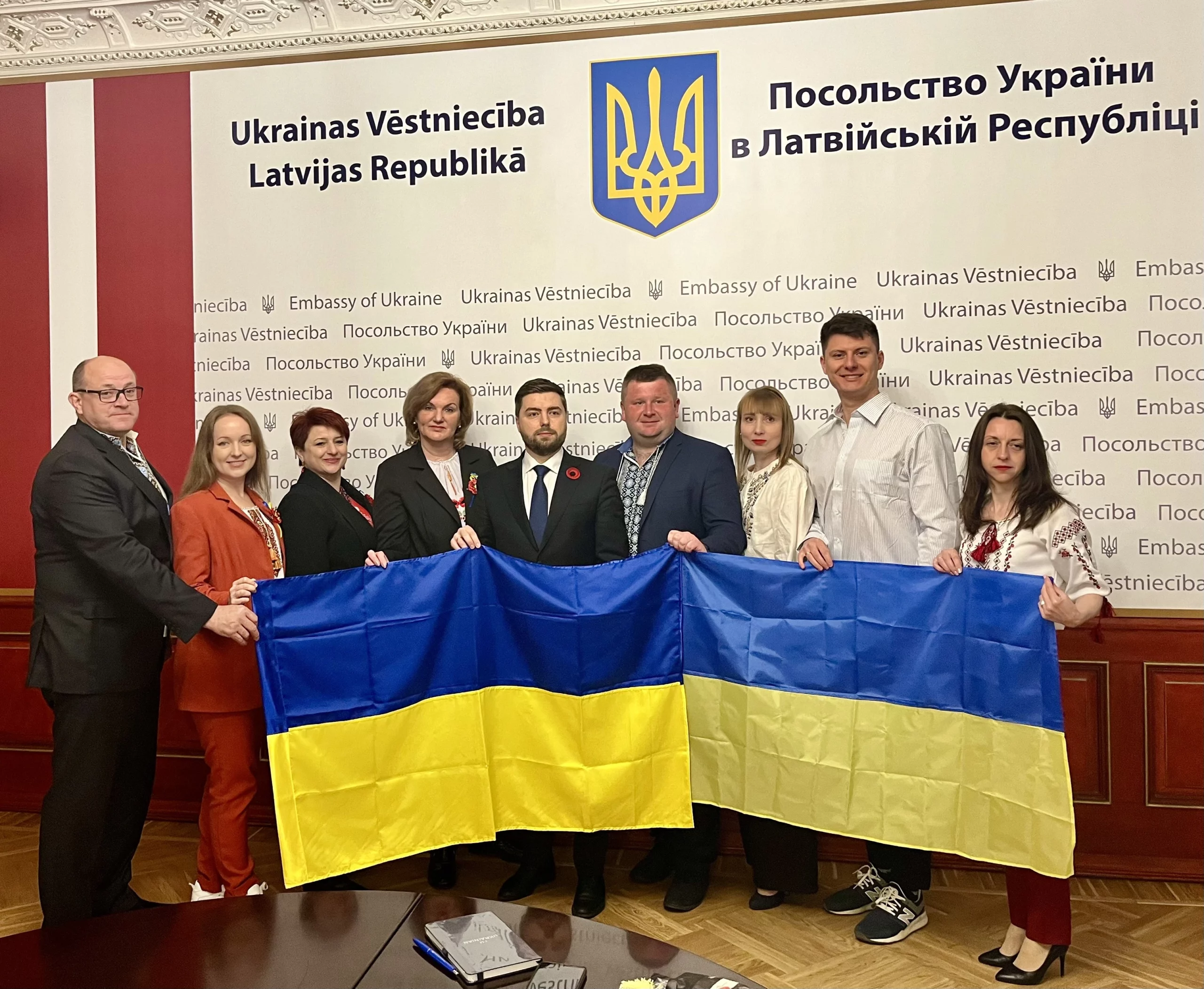
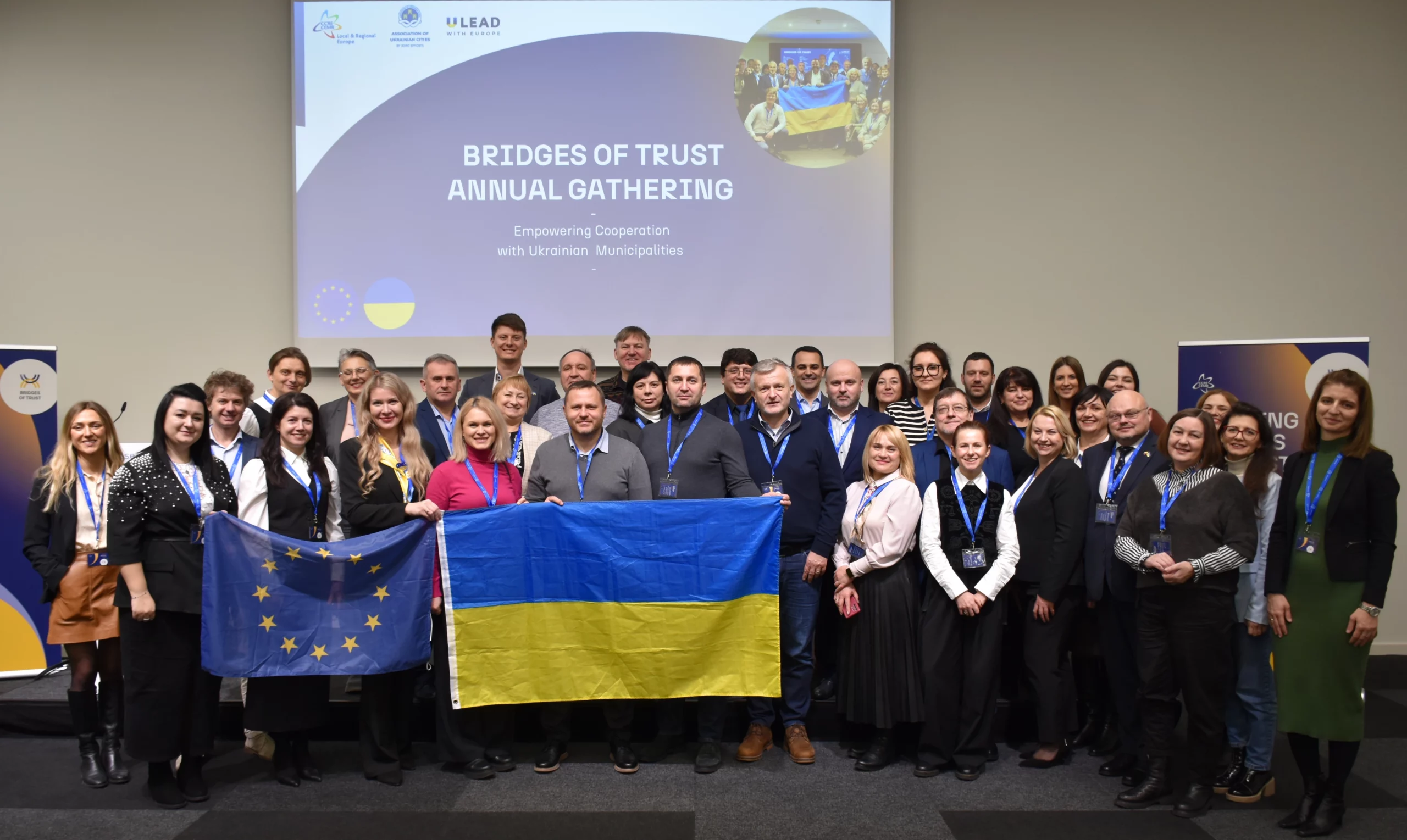
The “Bridges of Trust” (BoT) project connects small and medium-sized Ukrainian municipalities with municipalities in the EU, making it easier for them to gain experience in international cooperation.

This creates bilateral exchanges between mayors and experts. New partnerships are formed and existing ones gain resilience. Since then, study visits have taken place, and the municipalities are now jointly developing projects to address the immediate needs of Ukrainian municipalities and share knowledge about good practices for current challenges.

Shared expertise – not only in crisis management

This exchange of experience is a win-win situation for both sides. For example, the European partners gain expertise in disaster prevention, crisis management, and social cohesion. Their Ukrainian partners have become very good at finding quick solutions to life-threatening situations, and they offer their colleagues the opportunity to learn from their ability to adapt quickly.

Since November 2022, as part of “Bridges of Trust”, 30 municipalities from ten regions of Ukraine have established partnerships with 30 municipalities from the European Union, including France, Italy, Latvia, Poland, Sweden, Slovenia, Spain, the Czech Republic and Hungary. These partnerships have developed 48 project proposals addressing key issues such as water supply, wastewater treatment, reconstruction of hospitals and cultural facilities, waste management, alternative energy sources, construction of shelters and the integration of internally displaced persons. Here are a few examples:

Bácsalmás (Hungary) and Byshiv: Water for life

The Hungarian municipality of Bácsalmás has joined forces with Byshiv (Kyiv region), where only eleven per cent of households have a centralised water supply and wastewater disposal system. The Russian war of aggression has made this situation even worse. As six waterworks were damaged, there is no clean water in schools, kindergartens, cultural centres, health and educational facilities.

The project jointly developed by Byshiv and Bácsalmás is therefore dedicated to the construction of a new water supply and wastewater management infrastructure to provide the entire population with clean drinking water and discharge their wastewater. This collaboration addresses basic human needs and also gives the population a sense of hope in the midst of the current destruction. The municipality of Bácsalmás is also benefiting: it is gaining valuable experience in crisis management under previously unknown conditions.

Kekava (Latvia) and Novyi Bilous: Reconstruction of education

Novyi Bilous and Kekava developed the project idea “NB 2.0: Education Renovation” as a result of study visits and exchange within the framework of “Bridges of Trust”. The aim is to create safe and appropriate school conditions and thus improve the learning environment for children, young people and teachers. This includes the renovation of damaged buildings, the construction of shelters and the training of teachers in psychological counselling.

In this way, the partners ensure that school lessons can continue despite the chaotic war conditions, that children and young people regain a sense of normality and security and are allowed to develop well – as human capital for the country.

Sundbyberg (Sweden) and Vasylkiv: Support for internally displaced young people

The Swedish municipality of Sundbyberg and Vasylkiv in the Kyiv region is dedicated to meeting the needs of over 7,000 internally displaced persons, including almost 2,000 young people. They aim to stabilise the mental health of these young people through social rehabilitation, psychological support and art therapy.

The young people also learn about the social infrastructure and historical sights of the community so that they can integrate more easily into society and develop a sense of belonging. This initiative aims to alleviate the effects of war trauma and enable young people to build a future for themselves despite the ongoing war.

San Sebastian (Spain) and Kremenchuk: Warmth in winter

San Sebastian has teamed up with Kremenchuk in the Poltava region to tackle a key problem: Heating. Russian missile attacks have destroyed the city’s main heating supply, affecting 180,000 people. The cooperation focuses on building a diversified heat generation and supply system so that the city can be supplied with heat even in the harsh Ukrainian winters.

In addition, “heat centres” are to be set up and equipped with individual heating systems, thus creating a lifeline for the population.

Financial challenges

These partnerships are confronted with various challenges. Many war-related obstacles stand in the way of efficient cooperation. However, they are also a catalyst for joining forces and a space where priorities for reconstruction are set. One current priority is the restoration of vital critical infrastructure.

As a fundamental part of the “Bridges of Trust” project, the municipalities are therefore looking for co-financing opportunities, leveraging EU funding and building capacities for the implementation of projects. However, despite the support from European partners, there is a lack of funding for direct local reconstruction. It is still difficult to secure funding for important and quickly realisable projects for the local population.

However, the security risks posed by daily shelling and missile attacks by Russia are deterring investors. The local and regional authorities in Ukraine and the EU are therefore placing great expectations in the joint national efforts to ensure a just peace in Ukraine and enable the realisation of the planned projects.

Looking ahead

The partnerships already in place are a sign of hope and resilience and show that solidarity, trust and mutual support can point the way to the future and contribute to a stronger Europe, even in the most difficult times. At the recent Ukraine Recovery Conference in June 2024, key areas for future cooperation were highlighted, including sustainable recovery practices, crisis management training and the integration of digital technologies to improve municipal services. The European and Ukrainian partner municipalities are determined to continue working together in these areas.

In order to make progress here, European municipalities and regions that have not yet been active in Ukraine are encouraged to register on CEMR’s Matchmaking Platform (https://partnerships.ccre-cemr.org/) to develop new partnerships with Ukrainian municipalities in particular, as well as with municipalities from other European countries. This call is also aimed at municipalities wishing to expand their networks. With common efforts, Ukraine can rebuilt back better, and Europe can be better equipped and prepared for current geopolitical turbulences.

Info

  • CEMR: Bridges of Trust

https://ccre.org/activites/view/45

  • U-LEAD with Europe

https://u-lead.org.ua/en

  • Matchmaking platform landing page of the CEMR

https://partnerships.ccre-cemr.org