Decentralised Cooperation report #2

Decentralised Cooperation Mindcraft

Decentralised Development Cooperation Report #2: A European overview

372 words
2–3 minutes

Following the first Decentralised Development Cooperation Report (DDC Report #1), this second Report (DDC Report #2) draws on the same Europe-wide survey to continue offering a pan-European overview of how local and regional governments (LRGs), their associations, and civil society actors engage in international cooperation. 

While DDC Report #1 presented a general overview of reported decentralised development cooperation (DDC), this second report digs deeper into the opportunities and challenges shaping decentralised cooperation and looks at the results that DDC partnerships aim to achieve. It also showcases a selection of DDC projects, offering illustrative examples of what effective partnerships and activities look like in practice. 

Where does Europe stand when it comes to DDC? 

The second DDC Report highlights: 

  1. Funding drives engagement, but limited capacities hold it back. Available funding and linguistic, cultural or historical ties (both 56.75%) are the top drivers of involvement in DDC. Yet, limited capacities (78.37%) and limited or inconsistent funding opportunities (54. 05%) appear as the biggest challenge for scaling up. 
  1. Similar goals in focus. Respondents most frequently selected the following three results that their DDC partnerships aim to achieve in both partner and home territories:  empowering local leaders and stakeholders, improving local public services, and strengthening local governance. Which one takes priority, though, differs depending on the territory in focus. 
  1. A lasting commitment. The majority of respondents (78.38%) plan to continue cooperating with their DDC partners, pointing out that decentralised cooperation is seen as a long-term investment rather than a one-off exercise. 

This report is part of a wider series of Mindcraft publications on decentralised development cooperation, including Country Profiles on DDC frameworks. You can find the rest of Mindcraft’s publications here. 

Read the full Mindcraft DDC Report #2, available in English, French, Spanish, and German.  

Discover Mindcraft DDC Report #1 here. 

CEMR encourages European and national authorities to strengthen the role of LRGs in development policy, not only as implementers, but also as strategic partners helping shape a more resilient, inclusive, and effective development agenda. 
This report is produced within the Bridging and Mapping Knowledge Gaps in Decentralised Cooperation (Mindcraft), funded by the German Federal Ministry for Economic Cooperation and Development (BMZ) and supported by the Deutsche Gesellschaft für Internationale Zusammenarbeit (GIZ).  

For more information, contact: 

Reaction: Housing Simplification Act

Housing Simplification Act

CEMR calls for clearer, more coherent and flexible EU rules to help cities, towns and regions deliver affordable housing

852 words
4–5 minutes

Europe urgently needs more affordable, sustainable, and inclusive housing. Yet cities, towns and regions working to deliver new homes increasingly face overlapping rules, lengthy procedures, legal uncertainty and limited investment capacity.

The Council of European Municipalities and Regions (CEMR) provided feedback on existing EU law impacting housing policies, especially at local level. In its response to the European Commission’s call for evidence on housing simplification, CEMR sets out how the European Union can remove unnecessary barriers while protecting essential social, environmental and democratic objectives.

Local and regional governments play a decisive role in housing through spatial planning, permitting, local services, infrastructure, and territorial development. They must therefore be fully involved in the design, implementation, and evaluation of any future European housing simplification measures. EU action should support locally adapted solutions, respect subsidiarity and strengthen the capacity of towns, cities and regions to act, not replace local decision-making with new layers of European requirements.

Simplification, not deregulation

Many EU rules affecting housing pursue legitimate public-interest objectives. Problems arise when requirements from different policy areas overlap, follow incompatible timelines, or impose disproportionate administrative burdens.

Housing projects can be affected simultaneously by procurement, state aid, fiscal, energy, environmental, and construction rules. Their combined effect can increase costs, delay investment, and require local governments to seek expensive external legal or technical expertise.

CEMR is therefore calling for a more coherent regulatory framework, with better-aligned definitions, datasets, deadlines, and digital systems. Simplification should focus on removing duplication and resolving conflicts between rules, while maintaining environmental protection, building quality, social safeguards, and meaningful public participation.

Unlock local investment in affordable housing

Towns, cities and regions cannot respond to housing shortages if public investment continues to be constrained by fiscal and state aid rules that do not adequately recognise the long-term value of affordable housing.

CEMR calls for affordable and energy-efficient housing expenditure to be treated as long-term public investment rather than ordinary current spending. The state aid framework should also provide greater legal certainty and flexibility for municipal and public-interest housing projects.

In particular, procedures related to entrustment, overcompensation controls, and earmarking obligations should be made clearer and more proportionate. Local governments, including smaller towns, should be able to implement housing measures without routinely depending on costly external expertise.

Make public procurement faster and more proportionate

Public procurement rules are another significant source of delay and administrative cost. As construction prices rise, more housing projects fall within complex EU-wide procurement procedures, even where there is little realistic cross-border interest.

CEMR proposes higher procurement thresholds that better reflect current construction and service costs. Its response also calls for greater flexibility to negotiate directly with a contractor following an unsuccessful procedure and to modify contracts when circumstances change after an award.

A simpler and more flexible framework would reduce delays, lower compliance costs, and help local governments bring affordable housing projects forward more quickly.

Align energy, environmental and housing objectives

EU energy rules should better enable local energy sharing, the use of nearby renewable energy and residual heat, and more flexible allocation of grid capacity for projects serving a clear public interest.

Closely connected legislation, including rules on energy efficiency, renewable energy and building performance, should operate as a coherent whole. Rather than prescribing detailed administrative procedures, the EU should promote open standards, interoperable data, and digital permitting systems that can be adapted to national and local administrative structures.

Greater legal certainty is also needed in applying the Birds and Habitats Directives and the Nature Restoration Regulation. CEMR calls for clearer assessment of thresholds, proportionate procedures for low-risk projects, and more flexible approaches to environmental compensation. These changes should improve planning certainty without weakening biodiversity objectives.

Build the capacity to deliver and renovate

Regulatory reform alone will not solve Europe’s housing shortage. Higher productivity in construction and renovation is equally important.

CEMR calls for investment in skills, training, innovation and local administrative capacity, particularly in small and medium-sized municipalities. Better labour mobility and recognition of qualifications could help address workforce shortages, while greater harmonisation of construction standards could reduce fragmentation and support innovative, circular and climate-resilient building methods.

Europe must also look beyond new construction. Renovation, retrofitting and the adaptive reuse of vacant buildings can increase supply, revitalise neighbourhoods and reduce environmental impacts. Making these projects easier to finance, permit and implement should be a core part of the simplification agenda.

Put local and regional governments at the centre

Housing pressures differ sharply from one territory to another. They may be driven by tourism, demographic change, land scarcity, infrastructure gaps, construction costs, depopulation, or shortages of affordable and social housing. Aligned with CEMR’s reaction to the Affordable Housing Act, the definition and related rules for areas under housing stress should be revised.

There can therefore be no single regulatory shortcut that works everywhere. The EU should provide enabling conditions through investment, legal clarity, interoperable systems and smart simplification, while leaving local and regional governments the flexibility to develop solutions suited to their communities.

For more information, contact:

EU budget campaign – Finland

Miikka Lonnqvist

The advocacy work of our national associations: the case of Finland

396 words
2–3 minutes

As negotiations on the next EU long-term budget move forward at both European and national levels, CEMR is calling for a stronger role for local and regional governments in defining the priorities of this new EU budget.

Miikka Lönnqvist, City Councillor of Hollola (Finland) and representative of the Association of Finnish Local and Regional Authorities (Kuntaliitto), sets out what the association wants to see in the next EU budget: fair competition for businesses; investment in innovation; greater weight to security, preparedness and resilience at local level; and sustainable growth reaching every town, city and region, not just national capitals. Kuntaliitto is also pushing for local governments to have a significant role in designing and implementing the EU budget, not simply receiving it.

This advocacy campaign of the EU budget is not only happening in Brussels. The Association of Finnish Local and Regional Authorities (Kuntaliitto) has taken its message directly to national decision-makers, engaging with parliamentary committees in the Finnish Parliament and participating in discussions with Finland’s Prime Minister’s Office and national ministries as the country’s position on the EU budget takes shape. Alongside this, Kuntaliitto has worked with municipalities, cities and local governments across Finland to build and promote a common national position on the EU budget.

Kuntaliitto’s call to fellow associations across Europe is to do the same: engage in the budget negotiations as early as possible and make sure the local voice is heard by those designing and implementing the new EU budget at national level.

Our views on the current EU budget proposal

CEMR calls for stronger guarantees for multilevel governance and partnership, greater flexibility for local governments, and a budget that reflects today’s challenges: from climate adaptation and housing to digital services and territorial cohesion.

The message behind the campaign is simple: when local and regional governments are involved from the start, Europe delivers better results for citizens.

Read CEMR’s position paper on the next EU budget

CEMR’s EU budget campaign centres on one simple truth: When local and regional governments are involved from the start, Europe delivers better results for its citizens.

This is how democracy works — through cooperation, partnership and decisions made close to the people they affect.

Join us in defending that principle.

Learn more about the CEMR EU budget campaign

For more information, contact:

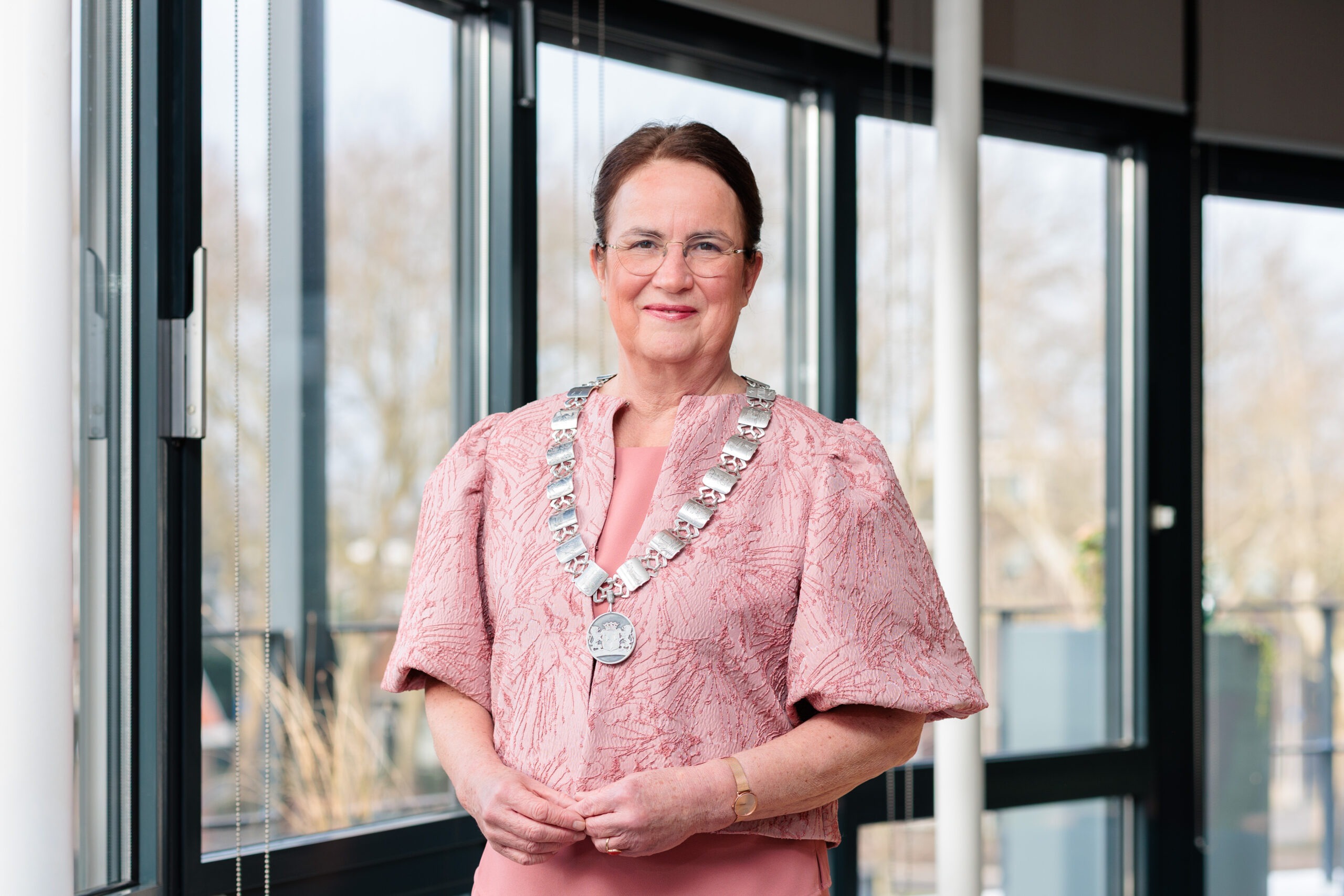
Meet Ellen van Selm (Purmerend)

Meet the Local Hero: Ellen van Selm, merging the best of the local and the European politics

807 words
3–5 minutes

In this edition of Local Heroes, we speak to Ellen van Selm, Mayor of Purmerend (The Netherlands), about the city’s challenges, her goals and achievements as a mayor, as well as what connects her town to Brussels.

A city shaped by water and growth

Purmerend is a town of 100,000 inhabitants just north of Amsterdam, part of the city’s wider metropolitan area. Its roots, however, lie in a very different landscape.

“Purmerend used to be a small market town in a very watery area,” van Selm explains. “Farmers from the surrounding wetlands came here to trade their agricultural products, livestock and fish.” When the lakes and wetlands around it were reclaimed, the town became an important food-producing region for Amsterdam and later, thanks to its proximity to the capital, an increasingly attractive place to live.

That proximity still shapes daily life. A steady flow of commuters travels between Purmerend and Amsterdam, and the town has grown rapidly since the 1970s. For van Selm, that growth is also the municipality’s biggest challenge today. “We also want to remain a town where people know each other, where there is room for nature, culture and community, and where people feel at home,” she says. “Our biggest challenge is not simply to build more houses, but to grow in a way that strengthens the quality of life and preserves the identity of Purmerend and [the nearby municipality], Beemster.”

In the Netherlands, mayors are not elected

Being a mayor in the Netherlands, van Selm points out, differs from the role in many other European countries. Unlike many of her European colleagues, she was not elected by residents but appointed by the Crown. Dutch municipalities are governed jointly by the mayor, the Aldermen, who serve in the Netherlands as the executive and administrative officers of a local municipality, and an elected city council, each with distinct responsibilities.

“I don’t have my own election programme that I want to implement,” she says. “I see my role as bringing people together, creating connections, and making sure that the interests of our residents are heard in our democratic process.”

Three initiatives stand out for van Selm. The first is Purmerend’s regional deal, a genuine partnership between the municipality, the national government in The Hague, and local NGOs, all investing together in the region’s future.

The second is the town’s children’s mayor programme. “It gives children in Purmerend a real voice and teaches them that they can make a difference,” she says. “My aim is to make sure that their voices are heard as well.”

The third is safety, a legally assigned part of her role as mayor. Purmerend has worked to make neighbourhoods safer following incidents involving explosions, and to make public spaces feel safer for women.

From Purmerend to Brussels, and back

Van Selm’s local role and her European work, as a member of the Dutch delegation to the European Committee of the Regions and of its COTER Commission are, in her words, “two sides of the same coin.”

“What I experience locally informs my work in Brussels, and what I learn in Brussels comes back to my municipality.” Through COTER, she is closely involved in discussions on the future of the EU budget and cohesion policy, topics that can sound abstract, but which she sees translated directly into local impact. In Purmerend, European Social Fund support has helped sustain the municipality’s labour market programme, run through a local social development organisation, giving it continuity from year to year and room to innovate.

That two-way exchange extends beyond the Committee of the Regions. Van Selm also takes part in European city networks such as the New Towns Alliance, exchanging experience with towns facing similar pressures around housing, the energy transition, the labour market and social inclusion. As Purmerend is part of Association of Netherlands Municipalities (VNG), Van Selm is also CEMR Spokesperson on Housing.

“What works in one city can inspire solutions in another,” she says. “Policy becomes meaningful when it reaches people and communities locally and local experiences become even more valuable when we share them with other cities and use them to shape European policy.”

Staying close, looking outward

Asked what matters most for a mayor today, van Selm points to balance: staying close to residents while keeping a broader view. “You need to stay close to your residents, listen to them, understand what makes your municipality unique, and protect that sense of identity. But at the same time, don’t only look inward, ask what your municipality can contribute to the country, to Europe, and to the other regions and networks you work in.”

–

Pumerend is a member of the CEMR National Association of Netherlands Municipalities (VNG).

For more information, contact:

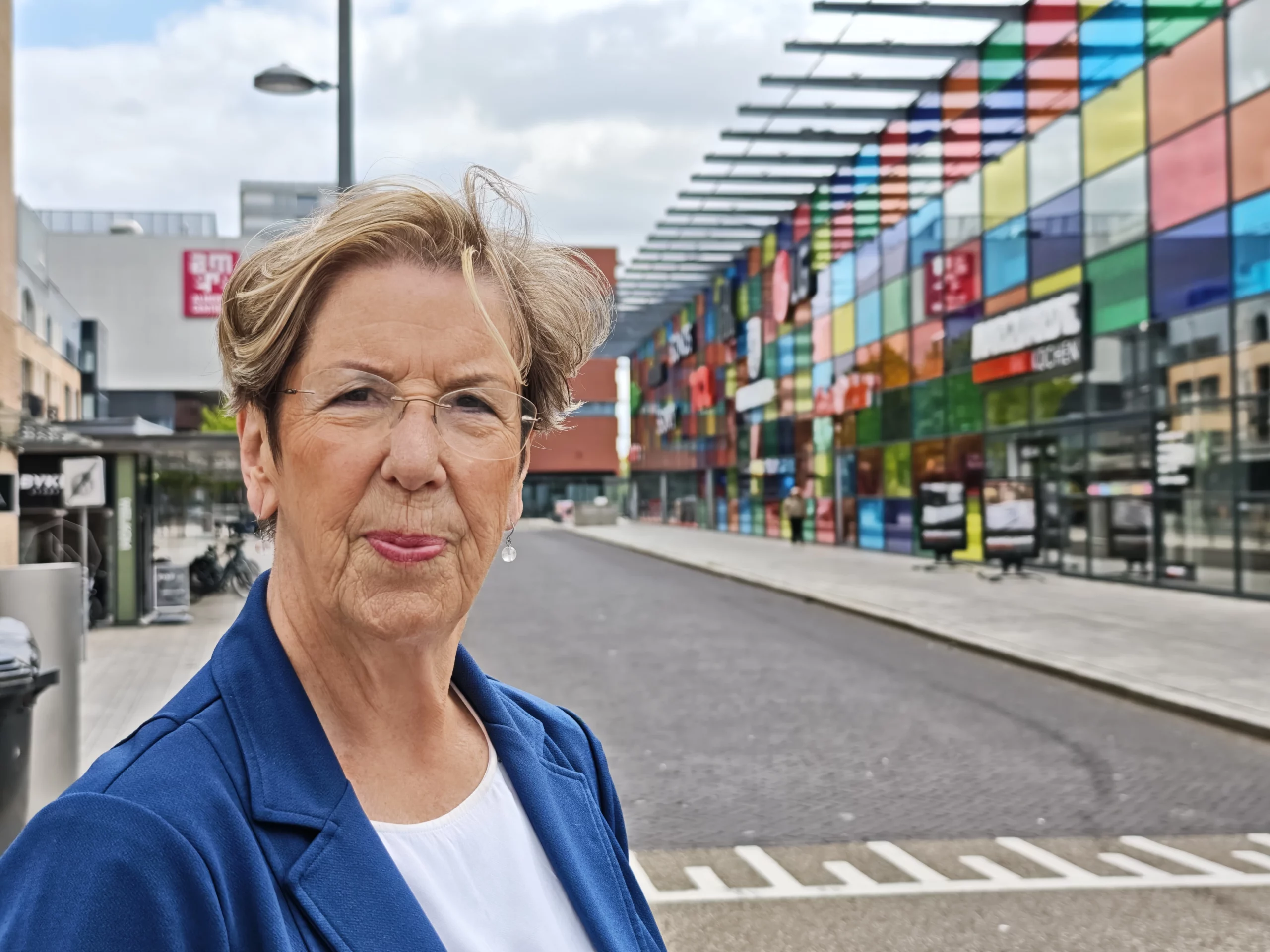
Voices of our 75-year history: Annemarie Jorritsma

Anne Marie Jorritsma

Annemarie Jorritsma: “The local level is where citizens meet their government”

786 words
3–5 minutes

Annemarie Jorritsma is a prominent figure in Dutch politics. She served as the Netherlands’ first female Deputy Prime Minister (1998-2022), later chaired her party’s group in the Senate, and spent many years as Mayor of Almere (2003-2015), a period she describes as “the most important” of her political career. Throughout her career, she was also the first female CEMR President (2013-2015).

In this interview, recorded in Almere, Jorritsma reflects on how the European Commission’s understanding of local and regional governments has evolved over the years. She also shares her views on the progress of gender equality in politics and explains why politicians at every level should never lose sight of the local level.

A stronger seat at Europe’s table

Asked about her major achievement during her period as CEMR’s President, Jorritsma does not point to a single decision or campaign. Instead, she highlights a shift in attitude: local and regional governments are now taken far more seriously by the European Commission than they once were.

In her view, it used to be only the Council and Member States who mattered in Brussels. That has changed. Today, she says, there is a growing recognition that European policy cannot work without the support of local and regional governments, since a town, city or region cannot survive without its national government, and a country cannot manage alone without Europe.

She sees the war in Ukraine as having sharpened that understanding further, pushing countries to recognise that they cannot face today’s challenges alone. Still, she notes with some regret that it so often takes a crisis to bring that lesson home.

Naming the gender gap, and closing it

Jorritsma was the first woman to hold the office of Deputy Prime Minister in the Netherlands, though she says she rarely thought of it in those terms at the time; she simply worked hard and tried to outperform the men around her. Looking at the wider picture today, she is candid that progress on gender equality in politics has stalled, and in some respects is slipping backwards. The Netherlands has still never had a female prime minister, and even in Europe, where a woman leads the European Commission, she points out that sexism has not disappeared.

She recalls one achievement with particular pride: as chair of her party’s group in the Senate, she reached a 50-50 balance between men and women. Once achieved, she says, people quickly assumed it was simply normal, but she warns that without continued effort, that balance can just as easily be lost again. It is a lesson she is determined to act on, by pushing her party to bring more young women into politics and into the education that prepares them for it.

The local level is where it all begins

For Jorritsma, local government is not a stepping stone to something more important; it is where the real work of democracy happens. Most citizens will never meet a government minister, she notes, but they will meet their mayor or visit their local council. It is at that level that people encounter their government directly.

What frustrates her is how many politicians, once they move to the national stage, forget the local level they came from. She hopes that in the years ahead, the influence of local government on national decision-making will grow stronger, building on the progress she believes has already been made, but which still has a long way to go.

Lessons from an international network

Reflecting on her years at CEMR, Jorritsma describes it as a source of constant learning. Every country does things differently, and sharing those experiences, and the practical tools other local leaders use, was, she says, one of the things she valued most.

She recalls a particular lesson from her time as Mayor of Almere: that leaders of large cities can learn a lot from the mayors of small towns, who tend to stay much closer to their inhabitants, going out to meet people rather than waiting for them to make an appointment. She made a point of doing the same, keeping her network among the city’s residents strong rather than retreating behind an office door.

Being Mayor of Almere, she says, was the most important part of her entire political career, and she hopes mayors across Europe come to feel the same way about their own local roots, and that national politicians learn to see it that way too.

*Jorritsma served as president of the Association of Netherlands Municipalities (Vereniging van Nederlandse Gemeenten) starting in January 2008 until June 2015, representing the interests of Dutch local governments during her tenure as Mayor of Almere.

For more information, contact:

State of the Union: Local Alliance letter

Climate Change News

Local Alliance calls for a stronger role for towns, cities and regions in EU reforms ahead of SOTEU

342 words
1–2 minutes

A day ahead of President Ursula von der Leyen’s State of the European Union (SOTEU), CEMR has joined Local Alliance, which comprises seven other leading European networks of local and regional governments including ACR+, Climate Alliance, Energy Cities, Eurocities, FEDARENE, ICLEI Europe and POLIS, in a joint letter reaffirming support for a more competitive, resilient and cohesive Union, while raising a clear warning about the direction EU reforms are taking.

The letter recalls the summer’s wildfires and heatwaves, during which towns, cities and regions coordinated evacuations, sheltered residents and led recovery efforts. It is a reminder, Local Alliance writes, that cities and regions are not mere implementers of EU policy: they carry out close to 70% of EU legislation and account for around 68% of climate-significant public investment across the EU and OECD countries.

The signatories warn that the Commission’s envisaged restructuring of its services, the next Multiannual Financial Framework and ongoing simplification efforts risk removing both the institutional dialogue and the financial channels through which local and regional governments engage with the Union. Streamlining EU governance is welcome, the Local Alliance stressed, but not if it comes at the cost of centralisation, weaker locally led transitions, or a thinner territorial dimension in EU policy and funding.

The letter also points to the local dimension of Europe’s other priorities: security, economy and enlargement, noting that towns, cities and regions integrate people fleeing war, sustain partnerships with Ukrainian towns that will matter even more during reconstruction, and are where enlargement will ultimately be felt by citizens in candidate countries.

The ask is simple. The Local Alliance calls on President von der Leyen to use her State of the Union address to reaffirm the Commission’s commitment to local and regional governments as trusted, indispensable partners with a strong Commission service that engages with them directly, and an EU budget that gives them the investment and capacity to deliver for every community.

For more information, contact:

Joint letter on Climate Resilience

Letter on Climate resilience

Joint letter to President von der Leyen on Climate Resilience

600 words
3–4 minutes

After a series of natural disasters this summer, CEMR joins 30+ organisations call on the front line of floods, droughts, wildfires, mate disasters.  

Two days ahead of the State of the European Union address, the Council of European Municipalities and Regions (CEMR) has joined more than 30 organisations representing local and regional governments, sustainable farmers, water providers, healthcare providers and financial service providers in an open letter to European Commission President Ursula von der Leyen. The letter urges her to make nature-based solutions the first line of defence against climate disasters, and to embed this ambition in the upcoming European Framework for Climate Resilience. 

A summer that exposed Europe’s vulnerability 

The letter follows a summer that broke heat records and once again exposed how unprepared Europe is for the climate it already faces. Western Europe recorded its hottest June–July period since records began, with severe wildfires sweeping across the continent. At least 35,000 excess deaths have been linked to this summer’s back-to-back heatwaves, a figure that does not even include August, meaning the true toll is likely higher still. 

For local and regional governments, who are on the front line of responding to floods, droughts, wildfires and heatwaves, these are not abstract statistics. They translate directly into strained emergency services, damaged infrastructure, and communities left exposed. 

Restoring nature to restore resilience 

The signatories point to a common root cause behind Europe’s intensifying climate risks: the degradation of landscapes, soils and water systems. Wetlands, floodplains, peatlands, healthy soils, coastal ecosystems and forests naturally store water, recharge aquifers, regulate temperatures and buffer extreme events. Yet, these systems have been steadily lost or degraded across the continent, leaving communities exposed to increasingly volatile cycles of flooding, drought and heat. 

The letter calls the Commission to: 

  • Make the systemic integration of nature-based solutions a key priority in the legislative part of the European Framework for Climate Resilience;  
  • Provide legal incentives and financing mechanisms so that Member States manage landscapes and water systems to prioritise resilience, including national targets for natural water retention delivered through locally driven approaches that reflect territorial needs and capacities. 

This last point matters greatly for CEMR’s members: it recognises that effective climate adaptation must be designed and delivered at the local and regional level, where the knowledge of territorial needs and the capacity to act actually sit. 

A moment for action 

“Europe’s recent summers have shown that climate resilience can no longer be treated as a problem for the future. The Commission has acknowledged the vital role that nature-based solutions play in protecting communities and ecosystems from climate disasters. With the interservice consultation on the European Framework for Climate Resilience expected to begin before the end of September, now is the moment to ensure that this recognition is translated into the legislation itself,” said Claire Baffert, Senior EU Policy Officer, Water & Climate Change Adaptation at WWF EU, speaking on behalf of the 30+ signatories. 

President von der Leyen has herself acknowledged the stakes: in her State of the Union speech last year, she warned that climate change is making summers hotter, harsher and more dangerous, and that Europe must radically step up its efforts on resilience, adaptation and nature-based solutions. In July, she confirmed in writing to MEPs that nature-based solutions play an essential role in adapting to heatwaves, droughts, and floods. 

CEMR and its co-signatories are now calling on the Commission to turn that recognition into law and to give local and regional governments the tools, incentives and financing they need to lead the way. 

For more information, contact:

Reaction: EU Affordable Housing Act 

EU Affordable Housing Act

Local flexibility must remain at the heart of EU Housing

1,128 words
5–7 minutes

The European Commission has shared its proposal for an Affordable Housing Act, introducing a common EU framework for assessing and justifying housing-related measures at the local level. The proposal aims to provide greater legal certainty for public authorities while explicitly recognising that housing policy remains primarily a national, regional and local competence.  

The legislative proposal is accompanied by a Recommendation on Housing Affordability and Supply in Areas under Housing Stress, introducing the concept of affordable housing areas and proposing measures to address housing stress. 

CEMR welcomes the publications as important milestones in the growing recognition of housing as a European challenge that requires action at all levels of governance. Local and regional governments are on the frontline of addressing housing affordability and availability, and CEMR has consistently advocated for a framework that strengthens their ability to act while respecting territorial diversity.  

However, despite CEMR repetitive efforts indicating the importance of flexibility and strengthened capacity for local and regional governments, the Commission’s main solution to address housing affordability is a standardised definition for housing stress at EU level.  

While CEMR positively takes note of repeated recognition of regional and local competences in the proposal, the reliance on “competent authorities” under Article 4 in the Housing Act raises concerns for local and regional governments. That is because, according to this terminology, it is left to the discretionary interpretation of each Member State. The use of the terminology continues throughout the Recommendation, suggesting significant decision-making power and responsibility at the level of a “competent authority”.  

A common definition of housing stress 

Throughout its advocacy, CEMR has pushed to keep the Affordable Housing Act flexible enough to reflect Europe’s varied housing realities. In its recommendations to the Commission, CEMR argued for a place-based approach that preserves local assessment mechanisms rather than imposing a single, uniform definition of housing stress. 

Yet despite leaving room for “competent authorities” to decide what action is necessary, Article 6 in the Act still sets out a common EU methodology for determining when an area qualifies as being under housing stress. 

Under the proposed rules, an area can only be classified as experiencing housing stress if three conditions are met: the price-to-income ratio stands at 8 or higher, that ratio has risen over the past decade, and the pressure shows no sign of easing over the next three years. 

CEMR has repeatedly pointed out that this fairly narrow lens risks missing the bigger picture. Housing stress takes many forms across Europe and can’t always be reduced to a single affordability indicator. Pressures may come from tourism, supply shortages, demographic shifts, land constraints, planning and permitting bottlenecks, infrastructure gaps, or a simple shortfall in affordable and social housing. 

This nuance does appear in the proposal’s explanatory sections, in the Recommendation, and in comments made at the press conference. But it largely fades from view in the operative provisions themselves, where housing stress is defined almost exclusively through price and income indicators.  

What’s more, experience suggests local authorities often have legitimate public-interest reasons to act that go beyond affordability alone: environmental nuisance, for instance and the proposal makes no room for these.

Ellen van Selm (CEMR spokesperson on Housing and Mayor of Purmerend (The Netherlands)):

’We are pleased to see the efforts of the EC to support solving the housing crisis. However, we encourage the Commission to create a more beneficial framework for local and regional authorities. By introducing a rigid definition of housing stress, increasing burdens to deliver proof while data is not always available, and focusing repeatedly on short-term rentals, the Affordable Housing Act limits the place-based and innovative solutions that local and regional governments need. In practice, this makes it more difficult for towns, cities and regions to act proactively when housing pressures emerge.’’ 

A range of measures available to authorities 

The proposal largely reflects what CEMR has been asking for: giving local and regional governments the flexibility to deploy different interventions depending on local circumstances. Under the conditions set out in the Regulation, “competent authorities” would be able to restrict short-term rentals in non-primary residences and regulate the acquisition or use of land and residential property for purposes other than primary living. The proposal also allows for territorial targeting and differentiated approaches. 

Still, CEMR has consistently stressed that local authorities need to be able to act before housing pressures spiral out of control and, on this front, concerns remain. Article 9 requires authorities to prove that an activity has had an adverse effect on housing affordability or availability for at least three years before any restrictive measures can be introduced. For many local governments, this could place an additional burden on authorities and delay action to address housing pressures early enough.  

On streamlining, the Recommendation proposes creating Housing Acceleration Areas, to be identified by the “competent authority.” These zones would benefit from a unified permitting timeframe and, where relevant, tacit approval. But CEMR warns this approach doesn’t adequately account for local realities, which are shaped by complex legislative frameworks and need to be assessed case by case.  

The legislative proposal also seeks to clarify how housing measures interact with existing Internal Market legislation, including the Services Directive, with the aim of giving public authorities greater legal certainty and reducing the risk of litigation. Even so, CEMR warns that the Affordable Housing Act could end up doing the opposite for municipalities, adding extra difficulty and legal uncertainty around the burden of proof required across the different frameworks. 

Looking ahead 

The Affordable Housing Act represents a significant step in building a clearer EU framework for housing-related measures and includes several elements long advocated by local and regional governments. The Commission Recommendation indicates recognition of the importance of subsidiarity and rightfully promotes a holistic understanding of the challenges that are faced at the local level.  

However, important questions remain regarding the proposed definition of housing stress, the allocated responsibility to ‘competent authority’, the practical feasibility of making the right assessments, and the reduced flexibility for authorities to address broader forms of housing pressure that are not fully reflected in affordability indicators alone.  

Beyond the Affordable Housing Act and its action on securing the legality of local and regional housing policies, CEMR highlights that addressing the housing crisis will also require massive investments capacities. In this respect, discussions on the future of the Multiannual Financial Framework and Cohesion Policy should reflect the political attention given to housing and enable adequate support for local action to address the housing crisis. 

CEMR will continue to engage with the European institutions throughout the legislative process to ensure that the final legislation provides local and regional governments with the flexibility, legal certainty and practical tools needed to respond effectively to Europe’s diverse housing challenges.

For more information, contact:

Call for proposals – Graphic Designer

Call for Proposals BoT - News 2023

Call for proposals: Design and develop a visual identity and branding concept for the CEMR Congress

216 words
1–2 minutes

The Council of European Municipalities and Regions (CEMR) is seeking a graphic designer to develop the visual identity and branding of the CEMR Congress 2027, taking place in Cluj-Napoca, Romania, from 9 to 11 June 2027.

Working closely with CEMR’s Communications Team, the selected designer will create the Congress branding and visual concept, ensuring a consistent look and feel across all communication materials, digital assets and event spaces.

What are we looking for?

We are looking for a designer, studio or agency with proven experience in event branding and visual communication. The assignment includes the development of the Congress visual identity, brand guidelines, promotional materials, digital assets, stage branding, signage, accreditation materials and other event-related designs.

The selected contractor will also liaise with local suppliers and production companies to ensure the successful delivery of all branded materials.

How to apply

Interested applicants should submit:

  • A portfolio of relevant work;
  • A financial proposal (excluding VAT);
  • References from previous clients;
  • Legal and tax registration documents.

Applications must be sent in a single PDF to communications@ccre-cemr.org by 20 September 2026, 23:59 CEST.

Budget

The maximum budget available for this assignment is €12,000 (excluding VAT).

For full details, please consult the call for proposals document.

For more information, contact:

Europe’s housing agenda must start locally  

Cities, towns and regions call for investment, smart simplification and local autonomy as Europe steps up its response to the housing crisis

791 words
3–5 minutes

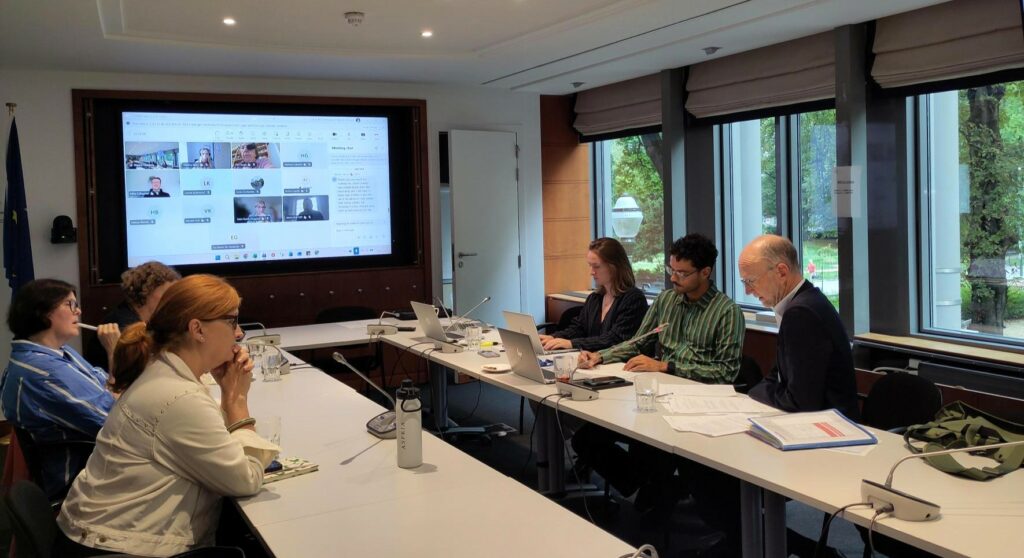
Europe’s housing initiatives will only succeed if they reflect the realities faced by cities, towns, and regions. This was the central message from the latest meeting on 3 September of the CEMR Housing Task Force, which brought together participants from 12 national associations of local and regional governments, alongside representatives of the Irish government and the European Commission. 

During the meeting, CEMR Task Force members exchanged experiences from across Europe and discussed two major initiatives expected to shape the EU housing agenda: the forthcoming Affordable Housing Act and the Housing Simplification Package. The discussion enabled CEMR members to provide early feedback directly to EU policymakers and help prepare CEMR’s contribution to the European Commission’s ongoing call for evidence on housing simplification.

Housing: high on the European agenda 

The meeting opened with an exchange on the housing priorities of the Irish Presidency of the EU. Ireland plans to build on the political momentum generated by previous presidencies, with housing supply, affordability and homelessness among the priorities under discussion. Participants also heard about plans for stronger European cooperation, including a pan-European housing investment platform and the recently established European Housing Alliance, which aims to promote networking and the exchange of good practices. 

CEMR members stressed that local and regional governments must have a meaningful place in this emerging European architecture, including in ministerial discussions and stakeholder events. They also expressed strong interest in financial solutions capable of supporting long-term public and affordable housing investment, such as revolving funds.

Simplify delivery is not deregulation 

The European Commission’s forthcoming Housing Simplification Package, expected in the second quarter of 2027, offers an opportunity to remove unnecessary costs, delays, and inconsistencies affecting housing delivery. EU rules on procurement, State aid, environmental assessment, energy performance, taxation, and construction standards can all influence what local and regional governments are able to deliver. 

CEMR Task Force members nevertheless cautioned that simplification must not become deregulation. Environmental protection, building quality, and citizen participation remain essential. The objective should be to resolve conflicts and duplication between policies while preserving their public interest goals. 

Above all, participants called for respect for municipal autonomy over zoning, local taxation, permitting, and development plans. Definitions of affordability, housing stress, and priority groups must reflect local conditions rather than rely exclusively on uniform indicators or datasets that may not capture realities on the ground. 

Direct dialogue on the Affordable Housing Act 

In an exchange with Matthew Baldwin, Deputy Director-General at the European Commission and Head of its Housing Task Force, members discussed how the forthcoming Affordable Housing Act could provide greater legal clarity for public authorities in areas experiencing severe housing pressure. Members welcomed efforts to reduce legal uncertainty but stressed that Member States must allow the competent local and regional authorities to play a decisive role in assessing housing pressure and choosing the appropriate response. 

Short-term rentals are not the sole cause of Europe’s housing crisis. Nevertheless, in some territories, the combined effects of tourism, vacant homes, and insufficient supply can intensify local pressures. Cities need clear and workable legal tools to act where necessary, without new administrative burdens or EU interference in local decisions.

Different housing markets, shared barriers 

The meeting also featured a national roundtable, which showed the diversity of housing markets and challenges across Europe. Members reported ambitious construction targets, rising development costs, high mortgage rates, shortages of public funding, and difficulties financing renovation in lower-value areas. Severe pressure on municipal budgets is also limiting the ability of local governments to build and maintain public and social housing. 

Despite these differences, common priorities emerged: stable and accessible finance, stronger construction capacity, support for renovation, and policy frameworks that allow local authorities to respond to their own housing markets. 

Participants also highlighted the social dimensions of the crisis. Housing policies should better address homelessness and the needs of people at particular risk, including women experiencing domestic violence. Tackling skills shortages in construction, while opening the sector to a more diverse workforce, was identified as another important area for future work.

Turning local expertise into European influence 

The meeting’s conclusions will feed directly into CEMR’s response to the European Commission’s call for evidence on the Housing Simplification Package. By bringing together evidence from its members and maintaining a direct dialogue with the European Commission and Council presidencies, CEMR is ensuring that local and regional experience informs European decisions from their earliest stages. 

As the EU develops its housing agenda, CEMR will continue to advocate for a simple principle: local and regional governments must be trusted, financed, and fully involved if Europe wants to turn housing ambitions into affordable, sustainable, and inclusive homes. 

For more information, contact: