Digital local and regional governments

Digital transition - News 2022

How Europe’s municipalities and regions can drive an inclusive, secure and people-centred digital transformation


Local and regional governments are at the heart of Europe’s digital transformation. As the public authorities closest to citizens, they deliver services such as healthcare, education, transport, social support and broadband deployment, all increasingly shaped by EU digital legislation. Their role is essential to ensure that digitalisation remains inclusive, sustainable and accessible to everyone. Yet many local and regional governments still face major obstacles: unequal access to digital infrastructure, insufficient financial and human resources, cybersecurity risks, and widening gaps in digital skills.

Across Europe, disparities in connectivity and digital access disproportionately affect rural and remote areas, low-income households and vulnerable groups. These inequalities threaten territorial cohesion and limit citizens’ ability to participate fully in digital society. To make digital public services truly accessible, digital solutions must follow inclusive design principles and remain complemented by in-person service options for those who cannot or prefer not to use digital channels.

Cybersecurity has become an increasing concern as local authorities manage sensitive public data and critical infrastructure, often without sufficient expertise or funding to meet growing EU requirements such as those under the NIS2 Directive. Smaller municipalities, in particular, lack the resources to implement robust cybersecurity measures, respond to incidents or comply with complex regulatory frameworks. Reinforced cooperation, simplification of rules and sustainable financial support are essential to strengthen local resilience.

Skills development remains another pressing challenge. To implement new EU digital policies, including those related to artificial intelligence, interoperability and data governance, local administrations need staff trained to oversee digital systems, maintain human oversight, and ensure ethical, transparent and fair use of technologies. At the same time, strengthening digital literacy among citizens through lifelong learning and community-based initiatives helps build trust, inclusion and participation. Cooperation between municipalities and across regions also accelerates innovation and avoids fragmentation by enabling the exchange of best practices and common solutions.

A Call for Stronger EU Support

To ensure a fair, secure and inclusive digital transition, CEMR calls on European institutions to reinforce investment in digital infrastructure, especially in underserved regions; provide technical and financial support for accessible digital public services; maintain non-digital access to essential services during the transition; facilitate public-private partnerships to expand connectivity; and offer tailored guidance, capacity-building and long-term funding to help local and regional governments strengthen their cybersecurity and digital skills. Europe’s digital future depends on empowering the actors closest to citizens: its municipalities, cities and regions!

Read the position paper here

For more information, contact:

Shaping Europe’s migration policies

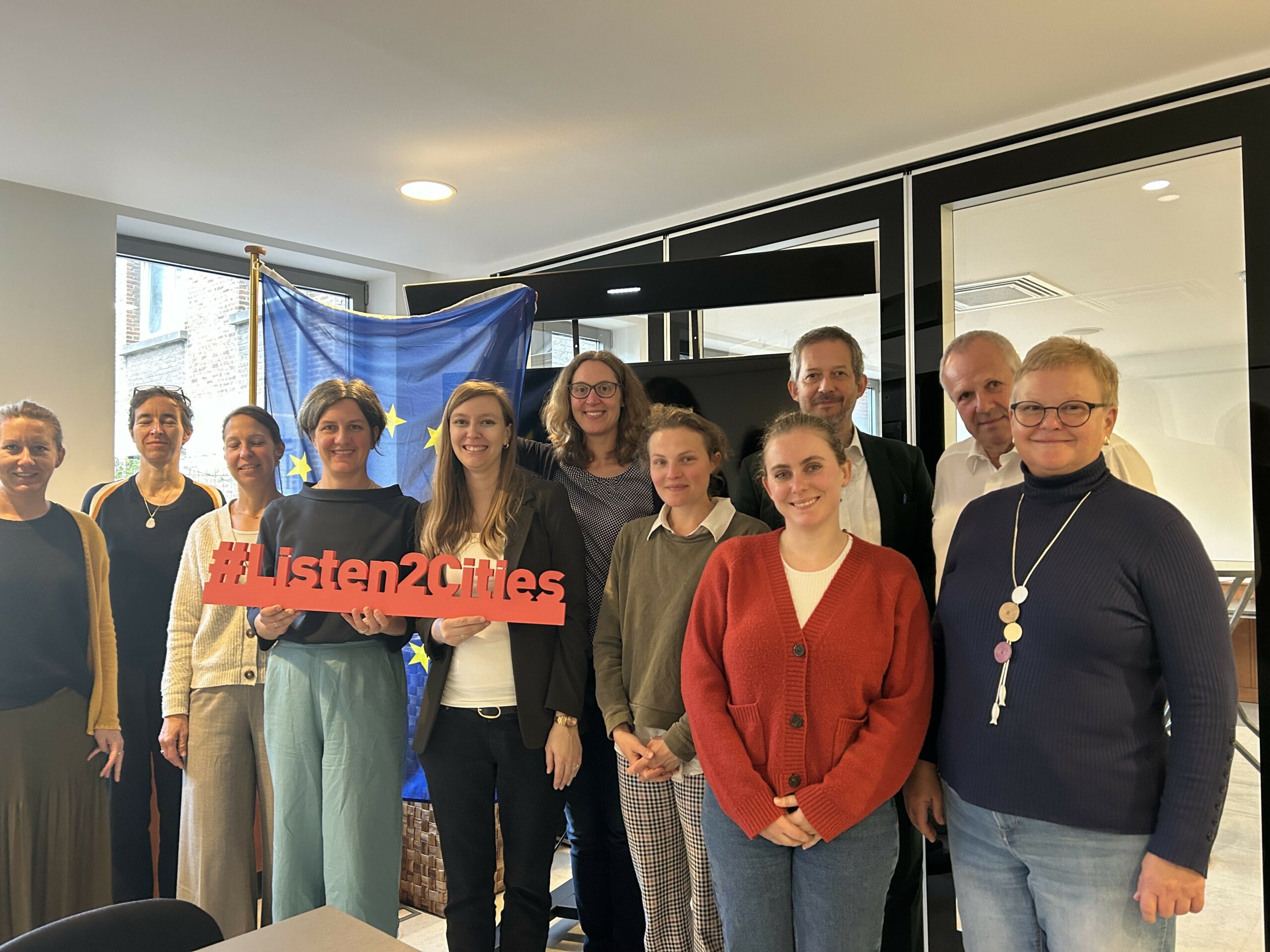
CEMR meets with Baden-Württemberg cities


CEMR met this week with the working group of EU coordinators from the Association of Cities of Baden-Württemberg to discuss the evolving European and national context of migration and integration The exchange took place as EU Member States begin implementing key elements of the Asylum and Migration Pact, raising questions about how local and regional governments (LRGs) will be involved in shaping Europe’s migration governance framework.

The exchange followed CEMR’s renewed focus on migration and integration, building on the organisation’s longstanding commitment to support local and regional governments in this area through key priorities: the EU Asylum and Migration Pact, the Temporary Protection Directive (TPD), the next Multiannual Financial Framework (MFF), housing, and labour market inclusion.

During the meeting, Annelies Coessens, CEMR’s Policy Officer for Equality, Diversity & Migration, outlined the current challenges shaping EU migration policy. While migration remains a central political priority — as reaffirmed in President Ursula von der Leyen’s 2025 State of the Union address — the implementation of the Asylum and Migration Pact still lacks the involvement of local and regional governments (LRGs). This limited coordination, coupled with security-driven national narratives, continues to hinder the development of sustainable, community-based approaches to migration.

Participants shared insights on local realities in Baden-Württemberg, including integration challenges faced by Ukrainian refugees —such as language barriers, childcare shortages, and limited access to employment. These issues particularly affect women, especially single mothers, whose limited access to childcare and job opportunities significantly delays their integration and economic independence. These examples highlighted the disconnect between EU-level policy and local realities, as well as the need for stronger support mechanisms for municipalities working directly with newcomers.

Looking ahead, the discussion turned to the upcoming EU budget negotiations (2028–2034), where migration funds — including AMIF and ESF+ — are expected to be integrated into the National and Regional Partnership Plans (NRPPs). CEMR stressed that LRGs must have a seat at the table when shaping these plans to ensure that EU resources respond to real needs on the ground.

CEMR also highlighted ongoing initiatives supporting local action, including the Bridges of Trust project connecting EU and Ukrainian municipalities, and new twinning partnerships promoting peer learning on migration and integration. The newly launched CEMR Taskforce on Housing was also presented as a key space for collaboration.

This meeting underscored the shared commitment of CEMR and its members to making migration policy work with and for local communities — ensuring that those closest to citizens are central to shaping Europe’s response.

Migration and inclusion start locally

Inclusion and Migration Event 2025

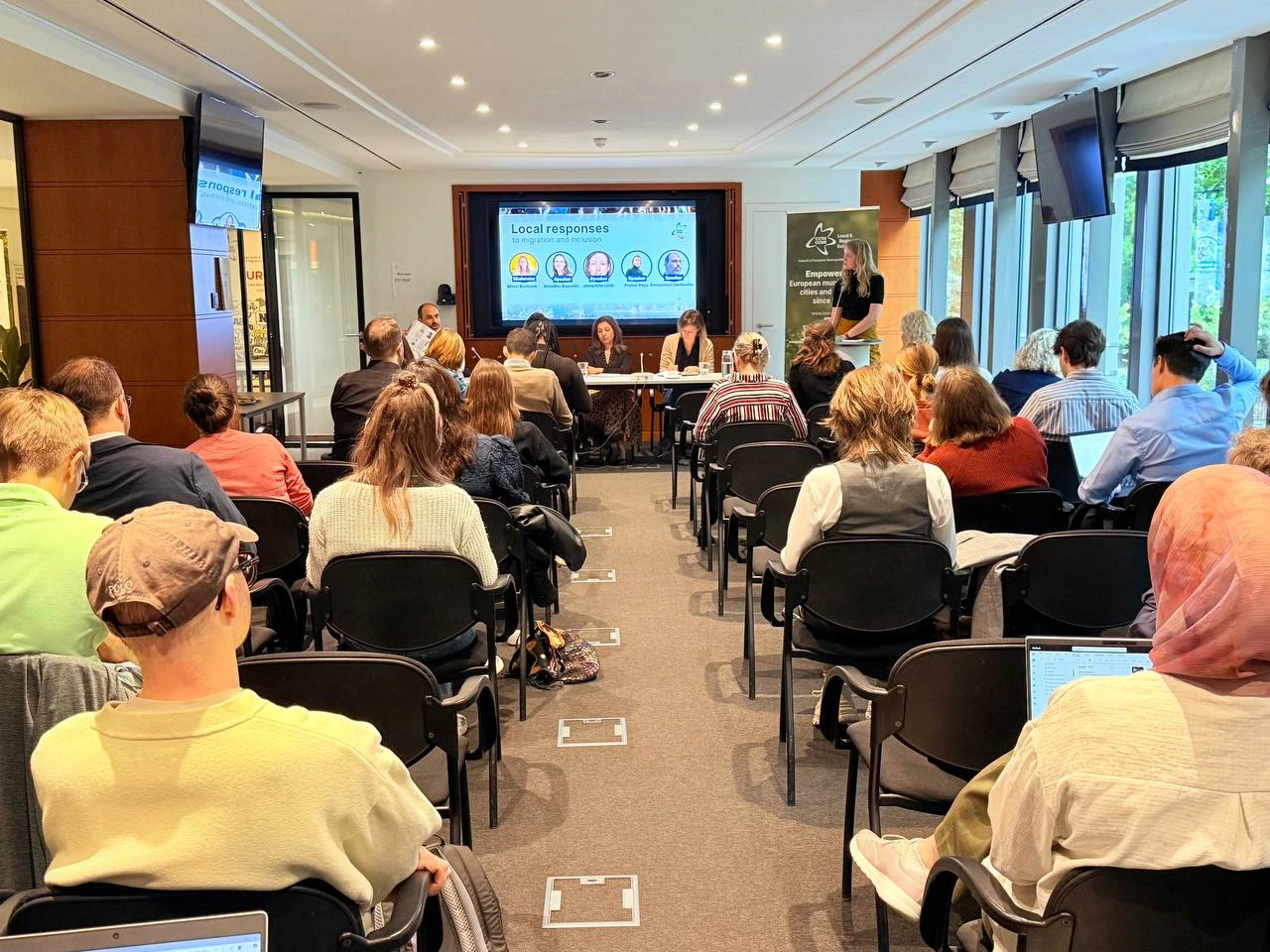
Local responses to migration and inclusion: Challenges and opportunities for local and regional governments


Representatives from CEMR’s national associations of local and regional governments, alongside EU experts and civil society organisations, met on September 17th to discuss how migration policy plays out where it matters most: in Europe’s municipalities and regions. The event “Local responses to migration and inclusion: Challenges and opportunities for local and regional governments” spotlighted the gap between EU policy design and the realities of local and regional implementation.

Local governments at the frontline

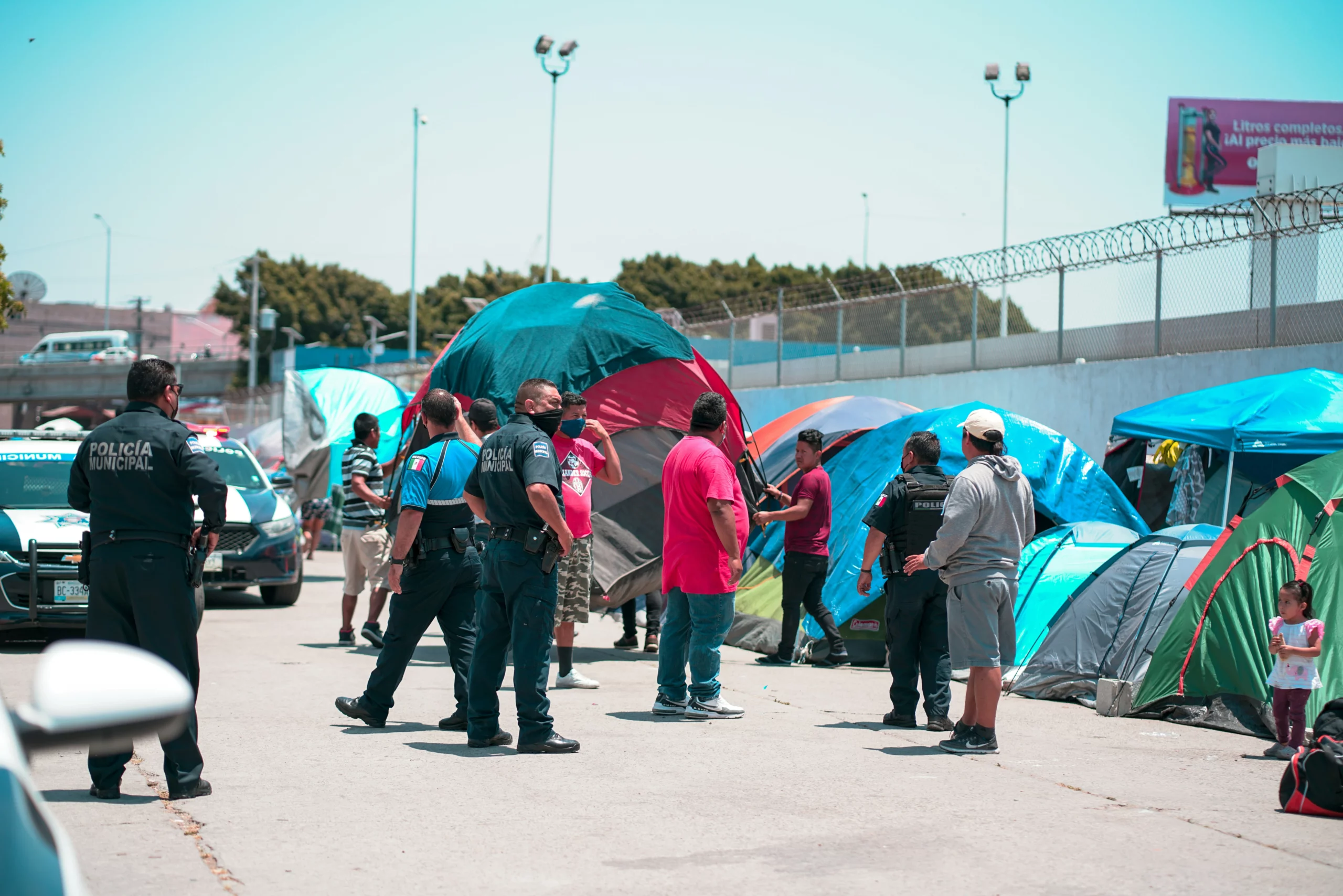
Local and regional governments (LRGs) are on the frontline of migration. They provide shelter, education, healthcare, and pathways to employment, often under pressure and with limited resources. Yet participants underlined that LRGs remain largely absent from the design of the EU’s Pact on Migration and Asylum.

“Policy decisions are taken in Brussels or national capitals, but it is municipalities who face the reality on the ground,” said Emmanouil Dardoufas, from the European Committee of the Regions (CoR). “Local leaders need a real say in shaping migration policy, not just in implementing it.”

Inclusion: the missing piece

Speakers stressed that while the Pact addresses border management and procedures, it is far weaker on integration and inclusion, the very areas where municipalities carry the heaviest responsibilities. “Integration doesn’t stop at six months, or nine”, said Annalisa Buscaini of the European Policy Centre, referring to labour-market access timelines and the support that effective integration requires. She also cautioned that the centralisation of EU funds at the national level risks sidelining municipalities, particularly smaller ones.

The gender dimension: overlooked and urgent

The lack of gender sensitivity in EU migration policy drew particular concern. “The word ‘women’ appears fewer than ten times in the Pact implying that migrant women and girls’ specific needs and challenges are at risk of being overlooked”, noted Frohar Poya from the European Network of Migrant Women. She described unsafe reception conditions where overcrowding, lack of privacy, and inadequate safeguards expose women and girls to violence and exploitation. Without gender-sensitive approaches, she warned, the EU risks perpetuating harm.

Housing and employment: pressing local challenges

Housing shortages and access to the labour market remain among the biggest challenges for municipalities. In Germany and the Netherlands, participants reported that limited housing stock feeds hostile narratives portraying migrants as “taking places” from locals. Employment pathways are also blocked by lengthy waiting periods, cumbersome paperwork, and the non-recognition of foreign qualifications.

“Many migrants are ready to work, but legal and administrative barriers prevent them from doing so. Local governments could play a bigger role as both facilitators and employers,” argued Josephine Liebl of the European Council on Refugees and Exiles (ECRE).

Practice snapshots from across Europe

Participants shared examples of how municipalities are responding despite these pressures:

  • Tailored support for minors in the Canary Islands: individualised care and education plans that include health and socio-emotional assessment and equip them with essential life skills.
  • Local level coordination hub in Athens: the municipality’s centre provides needs-based services and a welcoming environment for minors, as well as facilitates the exchange of know-how between local authorities.
  • Inclusive education for minors in Łódź: school integration of Ukrainian children through native-language educators, cultural activities and additional Polish language lessons.
  • Child participation and facilitated transition into adulthood in Bouches-du-Rhône: the involvement of minors in shaping their support plans and providing feedback on services, and the extension of child services into early adulthood to improve employment prospects.

While contexts differ, these snapshots highlight the creativity of local actors. Yet participants stressed: there is no one-size-fits-all, and national/EU frameworks must allow for local flexibility.

A call for stronger multi-level governance

The debate converged on three core priorities, translated into concrete asks:

  • Integration funding: create direct-to-municipality micro-grants and flexible envelopes accessible to smaller towns; require partnership clauses in national allocation rules.
  • Housing capacity: explore targeted EU funding and state-aid flexibilities for affordable housing linked to local needs assessments; encourage national frameworks that allow municipal co-investment.
  • Employment pathways: pilot earlier labour-market access where feasible; fast-track recognition of foreign qualifications in shortage sectors; streamline local hiring of migrants by LRGs as employers.

Participants acknowledged the need for national authorities to ensure consistent rules and oversight. The challenge, they argued, is to calibrate that with the flexibility local implementers require.

As Merel Bentsink, Chair of CEMR’s Expert Group on Migration and Inclusion (VNG), concluded: “Europe’s cities and regions are ready to do their part. But if we want migration and inclusion policies to work, local voices must be heard and supported.”

For more information, contact:

Position paper on migration 

Migration - News Section

CEMR calls for a human‑centred and inclusive EU migration agenda by empowering local actors 


As Europe continues to navigate complex migration dynamics, the Council of European Municipalities and Regions (CEMR) stresses that migration is lived and managed locally. Cities, towns and regions are the first to welcome newcomers, support vulnerable groups, and build long‑term inclusion. Yet, most of the time, they remain under‑recognised and under‑resourced in EU migration governance. 

With its new position paper, CEMR urges EU institutions and national governments to place local and regional governments (LRGs) at the heart of migration policy. This means shifting from an emergency mindset to a sustainable, human‑centred, and territorially grounded approach. 

CEMR’s key asks 

1. Empower LRGs 

Reinforce their formal role in migration governance, supported by structured multilevel cooperation, predictable funding, and targeted capacity‑building. 

2. Adopt a human‑centred EU migration policy 

Ensure that all asylum and migration measures respect fundamental rights, legal clarity, and the real capacities of municipalities. 

3. Include LRGs in the implementation of the EU Migration and Asylum Pact 

Systematically involve cities and regions in reception, integration, and emergency responses, backed by clear procedures and real-time information. 

4. Sustain coordinated support for Ukrainians under Temporary Protection 

Move from emergency assistance toward long‑term integration, with a focus on housing, employment, and access to essential services. 

5. Strengthen labour‑market inclusion 

Improve skills recognition, reduce administrative burdens, and promote local partnerships with businesses to ease migrants’ path to employment. 

6. Secure long‑term EU funding for inclusion 

Protect and expand AMIF and ESF+ resources in the next Multiannual Financial Framework to enable municipalities to continue innovative integration work. 

By recognising the essential role of local actors, Europe can build a migration agenda that is both effective and true to its values—supportive, inclusive, and grounded in the realities of people and places. CEMR stands ready to work with EU and national leaders to make this shift a reality. 

For more information, please contact:

Inclusion starts locally

Inclusive Migration - News 2023

Key lessons from IncluCities to improve migrant integration through multilevel cooperation 


The IncluCities project, led by CEMR and funded by the EU’s AMIF programme, has shown how local and regional governments (LRGs) can lead inclusive migration policies when equipped with the right tools and support. Over three years, eight cities and six national associations worked together in a mentoring scheme to improve local integration strategies for third-country nationals. 

From needs assessments to action plans and training academies, IncluCities focused on real collaboration between cities and their associations, guided by CEMR. The project clearly demonstrated that peer exchange and coordinated support lead to more effective and sustainable policies. 

Turning Practice into Policy 

Based on the project experience, CEMR outlines seven key recommendations

  1. Adopt a Whole Community approach – Integration policies should benefit all residents, not just newcomers, and promote active local citizenship. 
  1. Promote inclusion over adaptation – Inclusion must be a two-way process involving the whole community, not just the integration of migrants. 
  1. Train entire ecosystems – Sustainable action requires collaboration across municipal services, civil society, and migrant communities. 
  1. Guarantee meaningful participation – Participation must be recognised as a basic right and embedded in local governance structures. 
  1. Support migrant women – Women play a key role in communities and should be at the centre of local inclusion efforts. 
  1. Improve multilevel governance – Stronger cooperation between EU, national, and local governments is vital, along with direct access to funding. 
  1. Create local support networks – Clustered partnerships help cities share knowledge and raise their voice in national discussions. 

Conclusion 

Local and regional governments are essential in managing integration, yet they remain underrepresented in EU policymaking. As the New Pact on Migration and Asylum moves forward, CEMR calls for the full inclusion of local voices in shaping migration policy, especially those of small and medium-sized cities, which are closest to the ground. 

Read the position paper here 

For more information, contact:  

EU directive on gender and domestic violence 

Gender Violence - News 2023

CEMR urges multi-level coordination, victim support, and recognition of women politicians’ safety 


Violence against women and domestic violence remain among the most widespread violations of fundamental rights in Europe. In response to the European Commission’s proposed Directive on combating violence against women and domestic violence, the Council of European Municipalities and Regions (CEMR) has published a position paper calling for a unified and multi-level approach to ensure effective implementation across the EU. 

CEMR welcomes key elements of the Directive, including provisions on safeguarding victims, training professionals, tackling harmful gender stereotypes, and addressing sexual harassment at work. However, the organisation stresses that the Directive must go further to recognise the central role of local and regional governments (LRGs), who are on the frontline of prevention, victim support, and access to justice. 

Among its recommendations, CEMR calls for: 

  • Formal consultation with LRGs in policy design and coordination, ensuring that Article 39 on multi-level response explicitly requires their involvement. 
  • Targeted EU funding for local authorities through programmes such as CERV, ERDF and ESF+, to strengthen prevention, awareness-raising and victim services. 
  • Better data collection, disaggregated by sex, age and region (NUTS 2, NUTS 3, and local level), to tailor policies effectively. 
  • Improved victim support systems, combining both “one-stop” online access and physical centres, with minimum geographic coverage standards. 

The paper also highlights violence against women in politics, noting that harassment and threats against elected representatives undermine democracy itself. CEMR urges the addition of a specific clause under Article 13 on aggravating circumstances for violence against women in public office. 

Finally, CEMR emphasises the importance of prevention, beginning with early education to challenge gender stereotypes, and extending to workplaces where women in public-facing professions are disproportionately exposed to third-party violence. The organisation recommends a dedicated article on cooperation between LRGs and social partners to strengthen workplace protections. 

By adopting a truly coordinated, multi-level approach, the Directive could transform Europe’s fragmented response into a coherent framework that empowers governments at every level to protect women’s rights and safety. 

Read the policy paper here 

For more information, contact: 

European charter for equality  

Gender Equality News

Europe’s towns and regions commit to building fairer societies through the European Charter for Equality 


Equality between women and men is a fundamental right and a cornerstone of democracy. Yet, despite legal recognition, disparities remain in pay, representation, and everyday opportunities across Europe. Recognising the pivotal role of local and regional governments in tackling these inequalities, the Council of European Municipalities and Regions (CEMR) developed the European Charter for Equality of Women and Men in Local Life in 2006. 

By signing the Charter, municipalities and regions make a public commitment to promoting equality across their policies, services and institutions, and to developing Equality Action Plans that transform principles into practice. 

The Charter was drafted with the support of the European Commission and has since become a reference tool for towns and regions seeking to mainstream gender equality. It encourages signatories to act not only within their own administrations but also with local institutions, organisations and citizens. 

Over the years, supporting tools have strengthened their implementation: 

  • An online Observatory launched in 2011 provides resources and examples of good practice. 
  • A toolkit of indicators, developed in 2014, helps monitor and evaluate progress. 
  • A 2022 update, funded by the EU, introduced amendments to strengthen the Charter, clarifying language and emphasising intersectionality under the guiding principle: “always gender, never gender alone.” 

New provisions were also added, including the need to apply a gender lens in crisis management and to address gender perspectives in digitalisation and online life. From 2023 onwards, all new signatories commit automatically to both the original Charter and the 2022 amendments. 

The European Charter for Equality demonstrates how local and regional democracy is crucial for advancing fairness in daily life, whether through housing, transport, health, or political participation. By embedding gender equality into decision-making and governance, towns and regions can both safeguard rights and unlock economic and social potential. 

More than a symbolic document, the Charter is a practical instrument for change, mobilising local authorities across Europe to ensure that equality between women and men is not only a principle on paper but a reality in every community

Read the charter here 

For more information, contact: 

Empowering local Europe 

European Town - News

CEMR unveils its vision for stronger, inclusive and sustainable territories across Europe


The Council of European Municipalities and Regions (CEMR) has launched its political manifesto calling for a more inclusive, resilient, and citizen-driven European Union. With over 41 national associations of local and regional governments behind it, the manifesto sets out a roadmap to bring Europe closer to its citizens, starting from the ground up. 

At its heart are six concrete proposals to reinvigorate European democracy: from establishing permanent citizen panels and annual Europe Day debates in schools, to relaunching town twinning and creating an Erasmus-style programme for civil servants. 

CEMR also stresses that a strong Europe must leave no one and no place behind. It calls for renewed efforts to tackle territorial disparities, address depopulation, and ensure that public services, from education to health, are accessible to all citizens, no matter where they live. 

The manifesto also focuses on key priorities for the coming decade, including: 

  • Citizen participation through inclusive local democracy; 
  • Empowered local climate action, as cities and regions lead Europe’s green transition; 
  • Fair and coordinated migration policies, with strong local support for integration; 
  • Digital transformation that bridges the urban–rural divide; 
  • New forms of town-to-town partnerships, especially beyond the EU’s borders; 
  • And financial means to invest in sustainable local infrastructure and innovation. 

CEMR’s proposals emphasise the urgent need for deeper recognition of local and regional governments in European decision-making. This includes a stronger role for the Committee of the Regions, the creation of a local chamber, and systematic consultation of representative associations like CEMR when shaping EU legislation and strategies. 

By calling for a Europe that is democratic, sustainable, and close to its people, the manifesto is a bold invitation to reimagine the Union from the local level up, with municipalities and regions playing a central role in shaping the continent’s future. 

Read the position paper here 

For more information, contact: 

Bringing Equality Closer to Home 

UCLG people banner

2021 Report – CEMR Charter15 Reflection Process 


The European Charter for Equality of Women and Men in Local Life, developed by CEMR, is both a political commitment and a practical tool enabling local and regional governments to integrate gender equality into all aspects of policy and administration. Since its launch in 2006, nearly 2,000 signatories across 36 countries have joined the initiative. 

Marking 15 years in 2021, CEMR initiated a reflection process to ensure the Charter remains relevant, inclusive and fit for the future. The process culminated in a set of recommendations to revitalise and adapt the Charter, supported by the EU’s CERV programme

Key Activities and Participation 

  • 6 online workshops (June–November 2021) 
  • 5 interviews with national gender focal points 
  • 75 participants from 21 countries, including local authorities, associations, and civil society. 

Workshop Themes & Findings 

1. Employment & Economic Development (September 2021) 

Gender gaps persist in pay, part-time work, and parental leave. The Charter update should reinforce equality in employment practices, particularly relevant to local governments as employers. 

2. Climate, Urban Space & Sustainable Development (October 2021) 

There is a demand to strengthen Article 25 on urban planning by including monitoring and evaluation tools, and to align with SDG 5 through the Charter’s indicators. 

3. Violence Against Women and Girls (November 2021) 

Updates should better address violence prevention, include children (especially girls) as victims, and consider the complex issue of honour-based violence

4. Communication, Stereotypes & International Cooperation (June 2021) 

The Charter must adopt an intersectional perspective without weakening its gender focus and show how gender equality benefits men and boys as well. 

5. Multiple Discrimination & Intersectionality (September 2021) 

A call to inclusively reflect diverse experiences of discrimination, guided by approaches like Sweden’s: “always gender, but never gender alone.” 

6. Public Services & Administration (September 2021) 

The Charter should be made more actionable at the local level. COVID-19 showed the need for gender-sensitive crisis planning to avoid backsliding on equality. 

Next Steps 

Based on the rich input from this process, an updated version of the Charter will be developed in 2022. This will ensure that it continues to serve as a dynamic tool for gender equality, adaptable to modern challenges, while respecting the commitments of existing signatories. 

Read the study here 

For more information, contact: 

Revitalising the Equality Charter 

Gender Charter - News

CEMR’s 15-year reflection process sets the stage for a renewed push to advance gender equality in Europe’s local and regional life 


2021 marked the 15th anniversary of the European Charter for Equality of Women and Men in Local Life, a milestone moment to celebrate achievements, reflect on lessons learned, and chart a course for the future. Initiated by CEMR in 2006, the Charter has grown into a powerful instrument for advancing gender equality at the local level, now embraced by nearly 2,000 signatories in 36 countries. 

The anniversary served not only to honour progress but also to examine how the Charter can evolve to remain relevant and impactful for today’s and tomorrow’s local governments. 

To mark the occasion, CEMR launched a wide-ranging reflection process. A series of six online workshops was held between June and November 2021, involving Charter signatories, national associations, gender focal points and other stakeholders. Five in-depth interviews complemented these to deepen the analysis. 

The process revolved around four key areas: 

  • Recognising achievements: Highlighting the tangible improvements in local equality made possible by the Charter; 
  • Reflecting on relevance: Considering how to modernise the Charter and connect it with broader policy frameworks; 
  • Celebrating commitment: Acknowledging the people and organisations driving real change on the ground; 
  • Revitalising tools: Gathering practical insights and suggestions to strengthen the Charter’s implementation. 

Participants emphasised that while the Charter remains a strong and valuable framework, its language, accessibility, and visibility could be improved. There was broad support for clearer, more inclusive, and action-oriented language. Concerns about legal implications for current signatories were addressed with a proposed solution: allowing signatories to either reconfirm or upgrade their commitment, while still validating earlier engagements. 

The 15-year review reaffirms the Charter’s relevance and potential as a living document. CEMR has now put forward a set of concrete recommendations to enhance its clarity, inclusivity and usability, ensuring it remains a cornerstone for gender equality at the local and regional level: 

  • Simplify the language and prioritise clarity and accessibility; 
  • Use assertive, action-driven phrasing to emphasise commitments; 
  • Improve translation quality in coordination with national associations; 
  • Adapt language to gender-inclusive norms, particularly in gendered languages. 

As the Chair of the Standing Committee for Equality put it: 

“Beyond chapters and clauses lies a common goal: bringing equality closer to home.”

Read the study here 

For more information, contact: