A month of advocacy for Ukraine

Ukraine advocacy - News

From Istanbul to Kyiv, Belgrade, and Brussels, CEMR advanced cooperation with Ukrainian peers and the country’s path toward EU accession


October was a month of steady advocacy and engagement for the Council of European Municipalities and Regions (CEMR), underscoring the central contribution of cities and regions in supporting Ukraine.  
 
Since the early 2000s, CEMR has worked closely with its national associations in Ukraine and has also been deepening ties through initiatives such as Bridges of Trust and SUN4Ukraine, and most recently by launching a digital Matchmaking Platform focused on connecting EU and Ukrainian municipalities. 

Throughout October, CEMR intensified its outreach with local and regional governments, as well as European institutions. Working alongside partners, the organisation sought to consolidate efforts, amplify the impact of its support, and promote practical tools that directly benefit communities (see latest Call for Proposals). Discussions focused on topics such as Chapter 22 “Regional Policy and Coordination of Structural Instruments” in the EU enlargement process, successful municipal partnerships in wartime, Cohesion Policy to address disparities, and aligning Ukraine’s recovery with climate and energy goals through local action.  

Together with its members and partners, CEMR co-organised a series of major events, each reaffirming the importance of local cooperation and resilience in times of war: 

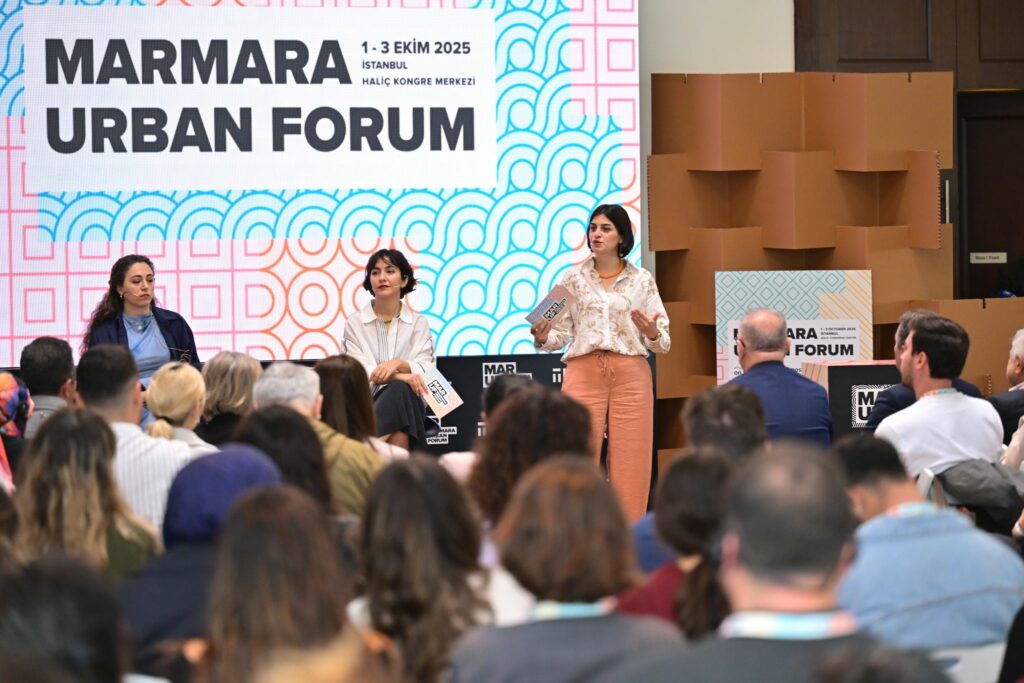
Marmara Urban Forum 
  • Session: “Resilient Local Governance in Wartime – Reform, Decentralisation, and Reconstruction in Ukraine.”  
    Speakers highlighted how decentralisation, stronger local competencies, and international cooperation enable real progress even in wartime. Drawing on lessons from South-East Europe and city partnerships with Ukrainian municipalities, they showed how access to knowledge, tools, and advocacy channels empowers local leaders to influence national decisions and drive recovery as equal partners in rebuilding the country.  
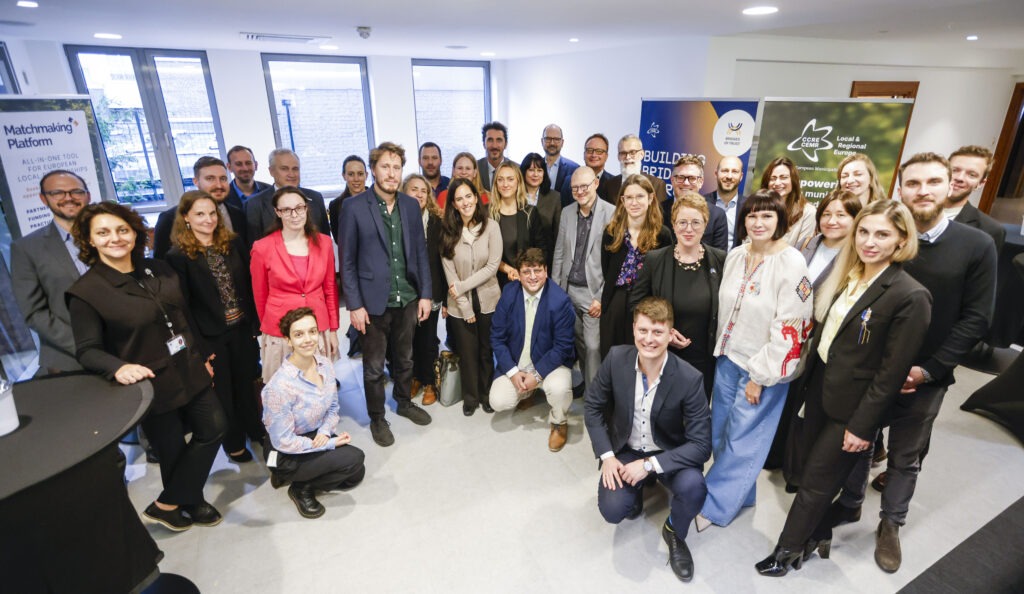
16/10/2025, Brussels – Building Bridges of Trust – COMMUNITY ANNUAL GATHERING © Elio Germani 2025
  • 13 October: Meeting with Ukrainian Mayors Delegation.   
    A delegation of 23 Ukrainian mayors visited CEMR in Brussels for the opening session. The roundtable gave each mayor the opportunity to share experiences from their municipalities and explore initiatives in international partnerships, climate, and smart cities, including PLATFORMA, SUN4Ukraine, the Bridges of Trust Community, and the Matchmaking Platform. The visit aimed to deepen their understanding of EU actors and processes, as well as to learn more about effective advocacy and lobbying. 
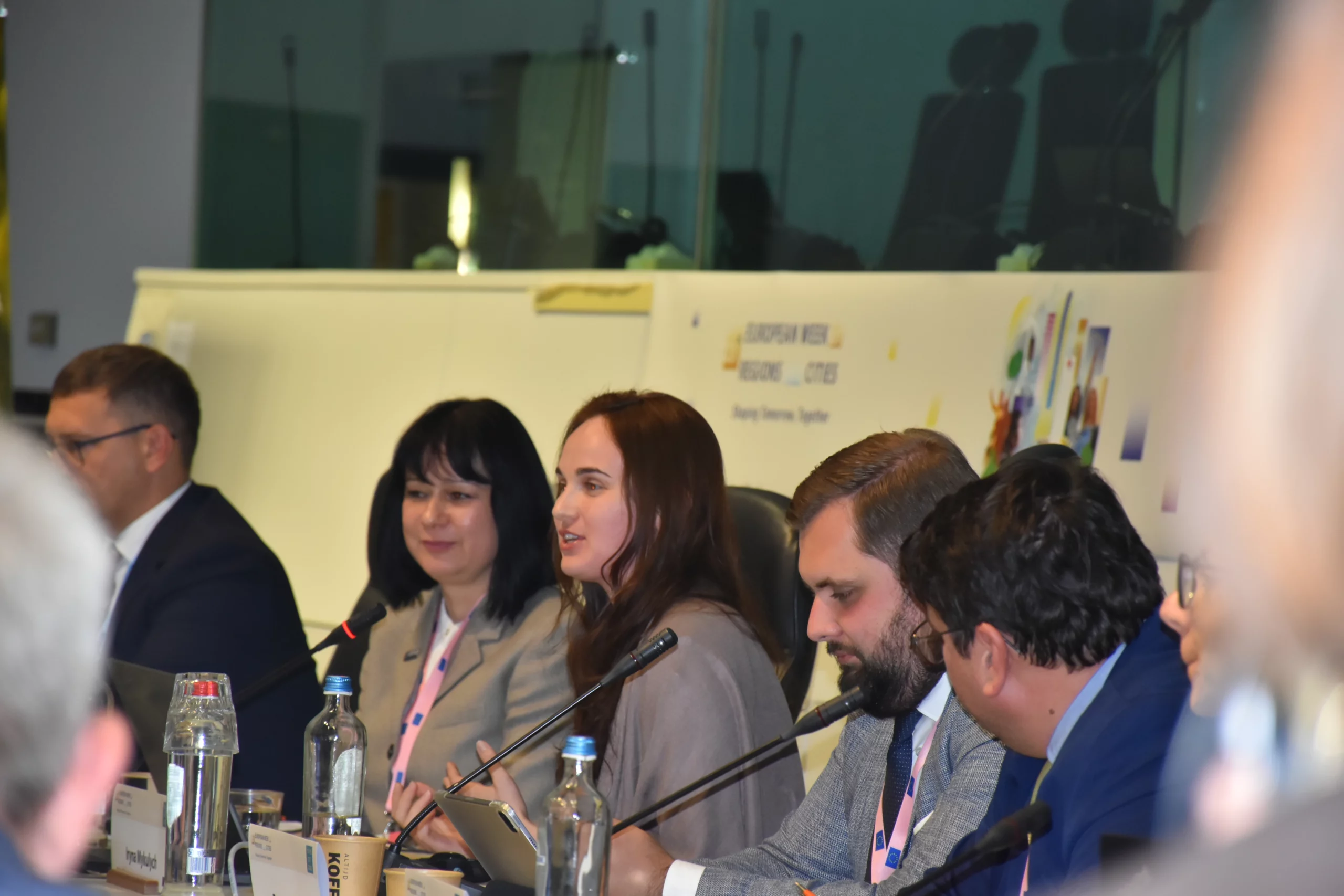
  • 15 October: Political session — “Ukraine’s Path to the EU: Municipalities and Partnerships for Cohesion and Growth.” 
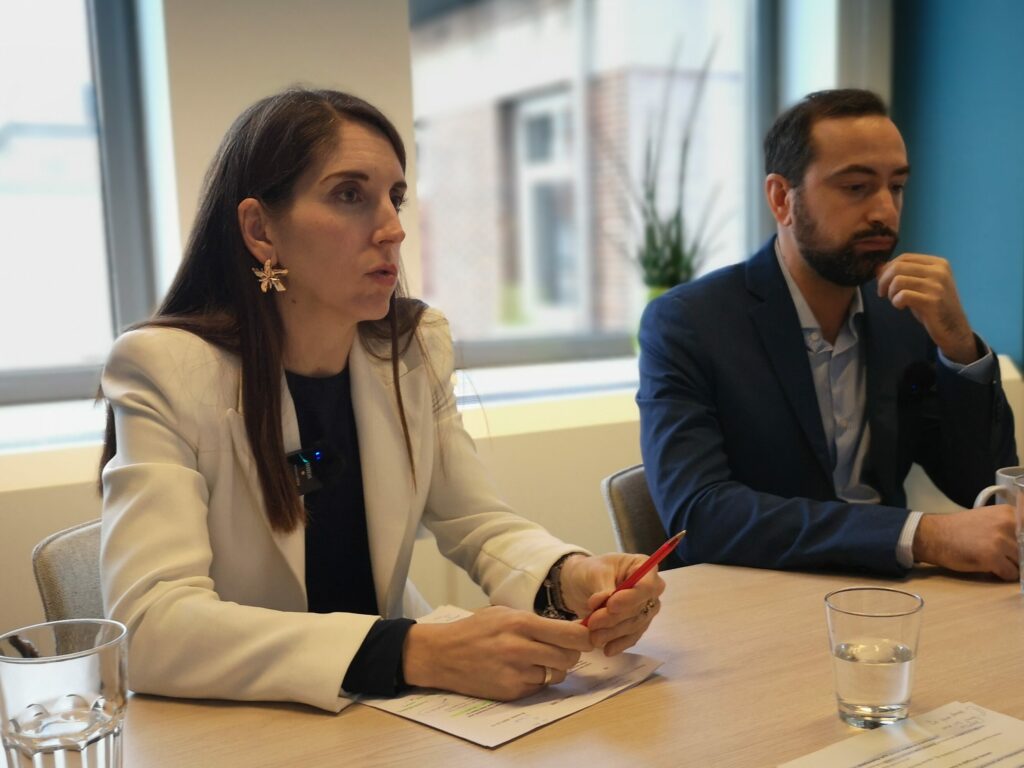
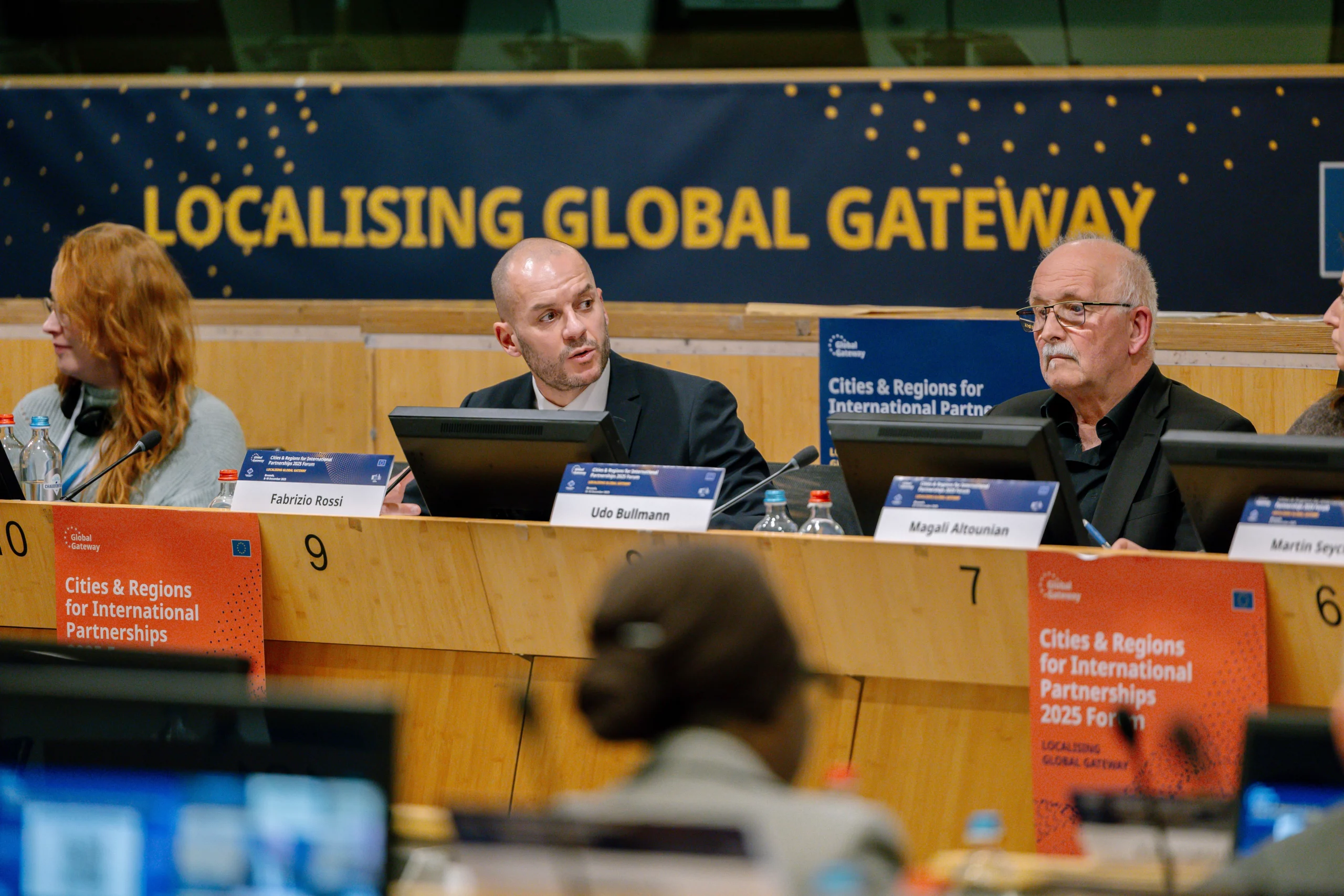
    The room was full at the Committee of the Regions, where four representatives from organisations with diverse missions illustrated how Ukrainian municipalities are actively advancing EU integration, aligning with Chapter 22 requirements while deepening cooperation with their European counterparts. As emphasised during the discussion, local governments are driving reforms and influencing national and European policy, showing that localising accession is crucial for Ukraine’s municipalities to be fully engaged in the EU integration process. 
  • 16 October: Bridges of Trust Community Annual Gathering.  
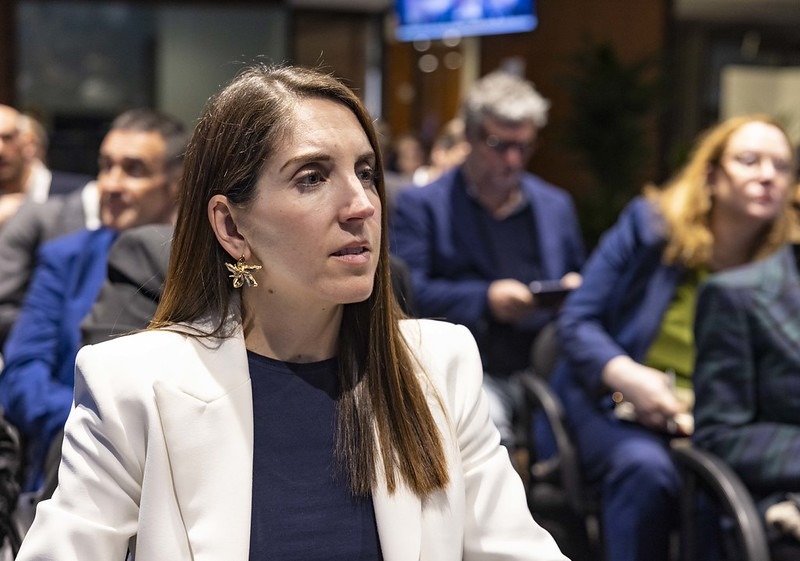
    The European Partnership Hub convened for constructive exchanges aimed at uniting efforts and preventing fragmentation. Over thirty organisations from across Europe participated, all actively engaged in strengthening municipal cooperation between the EU and Ukraine. Notably, all four national associations of Ukrainian cities were represented. 
  • 15–16 October – Kyiv (Ukraine): SUN4Ukraine events 
  • The Multilevel Policy Dialogue brought together Ukrainian and European partners to strengthen multilevel governance processes and align Ukraine’s recovery and EU accession with climate and energy goals. Cities including Rivne, Chernivtsi, Vinnytsia, Konotop, Kalush, Kyiv, and Sumy Region shared how they translate national ambitions into local action. Key national and international institutions actively participated in the discussions.  
  • The Capacity Building sessions equipped 12 Flagship Municipalities to develop their Climate Neutrality Plans, reinforcing local governments’ role in driving a sustainable recovery. 
  • A key highlight was the launch of the SUN4Ukraine Partnership Programme, connecting 12 Ukrainian cities with European Mission Cities under the EU’s “100 Climate-Neutral and Smart Cities” initiative, with Munich and Oslo serving as advisory partners.  
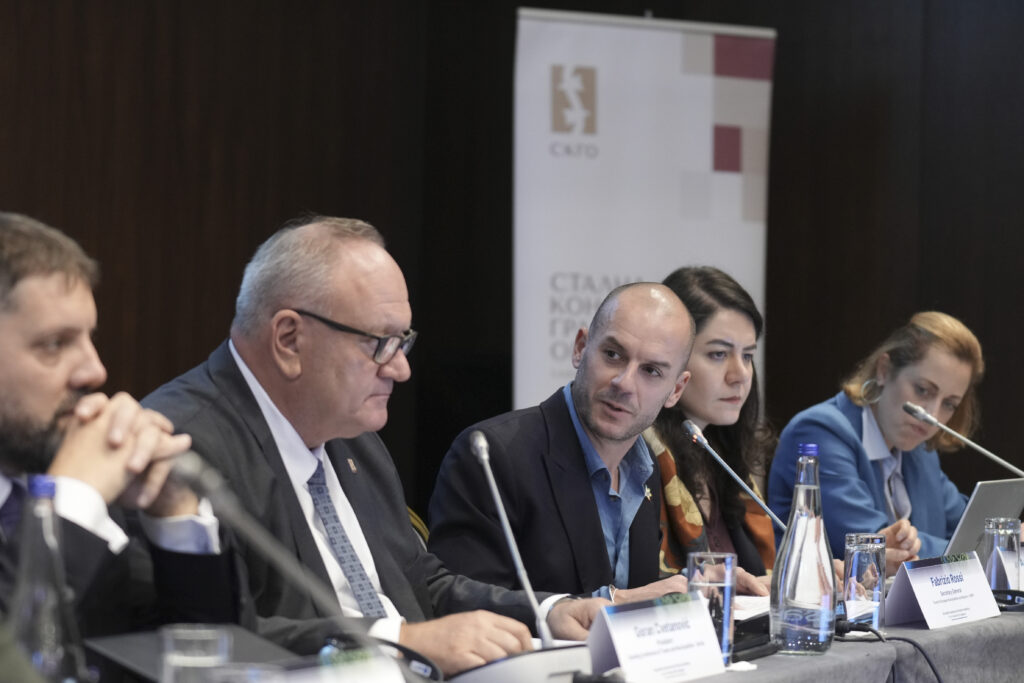
  • 23–24 October – Belgrade (Serbia): CEMR Secretaries General and Directors Meeting 
  • Discussions and exchanges with members focused on opportunities for EU–Ukraine municipal partnerships under the Bridges of Trust call for proposals. Looking ahead, national associations and other partners selected under the Bridges of Trust Community will continue to advance EU–Ukraine municipal partnerships. 

In November, CEMR will continue its advocacy and promotional efforts at the Smart City Expo (4-6 November) and the Salon des Maires Français (18–20 November), where sessions will spotlight international municipal partnerships in Europe and the Matchmaking Platform developed to support them. This all-in-one digital tool connects cities and regions across Europe and already counts over 500 registered Ukrainian municipalities. 
Under SUN4Ukraine, the 12 partnerships between Ukraine and EU cities will meet in Munich on 17-20 November to start their collaborative journey. The moment will also include the second step of the Capacity Building programme to further support the development of Climate Neutrality Plans.  
 
All project partners, including CEMR, will continue facilitating constructive exchanges and supporting partnerships in deepening their cooperation, ensuring that local collaboration remains at the core of Ukraine’s recovery and EU accession efforts. 
 
 For more information, contact:

UCLG World Council in Xi’an

European cities and regions unite for peace and cooperation in Xi’an


As the European section of UCLG, CEMR took part in the UCLG World Council, hosted in Xi’an, and held in synergy with the 10th anniversary of the United Nations Industrial Development Organisation’s (UNIDO) “Bridge for Cities” initiative. Under the motto “Shaping Communities for Current and Future Generations,” the summit brought together more than 300 participants from over 80 cities and local government networks.

The UCLG World Council was also an occasion for European local and regional representatives to engage with counterparts from around the world. During the European caucus meeting, CEMR members exchanged with Bernadia Irawati Tjandradewi, UCLG Asia-Pacific Secretary General, the priorities and potential areas of cooperation, particularly on gender equality.

The opening session, co-organised with UNIDO, reaffirmed the importance of collaboration between cities and international institutions. A joint statement was signed between UCLG, UNIDO and the city of Xi’an to deepen technical cooperation and capacity-building programmes. Speakers underlined that local transformation can only succeed when communities are fully involved as partners, not just beneficiaries.

CEMR also participated in the Bridge for Cities High-Level Plenary, which focused on innovation, sustainable urban development and the contribution of local leadership to global agendas.

During the World Council,  a new call for action open to all local and regional governments was approved. Under the title “Call for action on peace and reconstruction”, it expresses the commitment of local and regional governments to peace, human rights and reconstruction, particularly in territories affected by armed conflict. It builds on the values of the Pact for the Future of Humanity — People, Planet and Government — and highlights the unique role of cities in rebuilding coexistence and social ties.

By representing the European perspective and emphasising the key role of cities, towns and regions in democratic resilience and inclusive development, CEMR helped to reinforce this global movement and reaffirm the role of local governance in shaping peaceful and sustainable societies.

For more information, contact:

Bridges of Trust Community Annual Gathering

Bridges of Trust - Annual Gathering 2025

Third edition of the Bridges of Trust Community Annual Gathering


The third edition of the Bridges of Trust Community Annual Gathering has become a valued moment of collective reflection and strategic coordination for partners committed to supporting Ukraine’s recovery and EU accession. This yearly meeting, initiated in 2023, brings together the actors driving international municipal cooperation with Ukraine to align strategies, build synergies, and create a sustainable and impactful community.

16/10/2025, Brussels – Building Bridges of Trust – COMMUNITY ANNUAL GATHERING © Elio Germani 2025

A community united around a shared mission

Over 40 key actors from across Europe joined forces to exchange on how to strengthen cooperation, consolidate efforts, and explore how the European Partnership Hub can become a driving force for new and existing partnerships between the EU and Ukraine.

From local and regional government associations to EU institutions, NGOs, and international partners, stakeholders engaged in a rich roundtable discussion to present activities, align strategies, and avoid fragmentation. This collective approach aims to ensure that international municipal partnerships remain at the heart of Ukraine’s resilience, reconstruction, and EU accession.

This year’s gathering came just months after the launch of the European Partnership Hub at the Ukraine Recovery Conference 2025 in Rome — a milestone moment responding to the Berlin Call to Action.

16/10/2025, Brussels – Building Bridges of Trust – COMMUNITY ANNUAL GATHERING © Elio Germani 2025

The European Partnership Hub: from initiative to driving force

The European Partnership Hub (EPH) was created to address a critical challenge: despite the unprecedented wave of solidarity across Europe, efforts to support Ukraine remain fragmented, and municipalities often struggle to access the right information and partners at the right time.

Hosted by the Council of European Municipalities and Regions and supported by the U-LEAD with Europe programme, the EPH acts as a one-stop shop for international municipal cooperation, bringing together diverse actors to coordinate initiatives, share knowledge, and support Ukraine’s local governments on their path to EU integration.

Local partnerships at the heart of reconstruction

The gathering also showcased inspiring examples of international municipal cooperation, including the partnership between Venice and Odesa, which has formalised their collaboration through a Memorandum of Understanding. This type of partnership embodies the spirit of the Bridges of Trust initiative — demonstrating how municipalities can be powerful actors of solidarity and drivers of Ukraine’s recovery.

16/10/2025, Brussels – Building Bridges of Trust – COMMUNITY ANNUAL GATHERING © Elio Germani 2025

A heartfelt thank you to the Bridges of Trust Community

The Bridges of Trust Community is built on shared values of cooperation, inclusivity, and beneficiary-centred action. By bringing together implementers, supporters, and beneficiaries in a single, coordinated space, the Community seeks to ensure that efforts are streamlined, impactful, and responsive to the real needs of Ukrainian municipalities and citizens.

A heartfelt thank you to all BoT Community actors for making this gathering a meaningful space for dialogue, inspiration, and collaboration.


Key partners represented included:
U-LEAD with Europe
All-Ukrainian Association of Local Self-Governments “Association of Amalgamated Territorial Communities”
Association of Ukrainian Cities (AUC)
ALDA – European Association for Local Democracy
Centre for European Perspective
CoR – European Committee of the Regions
DIBA
European Commission, DG ENEST 
Energy Cities
Engagement Global / SKEW
Eurocities
Euroservis
GIZ – Deutsche Gesellschaft für Internationale Zusammenarbeit
GMF – The German Marshall Fund of the United States
ICLEI Europe
KDZ – Centre for Public Administration Research (Austria)
Komponent
KS
Latvian Association of Local and Regional Governments (LALRG)
Municipality of Venice
NALAS – Network of Associations of Local Authorities of South-East Europe
PLATFORMA
Swedish Association of Local Authorities and Regions (SALAR)

For more information, contact:

Covenant of Mayors Ceremony on climate and energy

Covenant of mayors - Ceremony 2025

500 European mayors gathered to talk about local climate and energy transition


On 16 October, the EU Covenant of Mayors gathered with more than 500 mayors, local and regional representatives, and EU institutions, in the hemicycle of the European Parliament. 

Organised since the launch of the initiative in 2008, the High-level event is the annual gathering of the Covenant signatories invested in securing a safe and sustainable future for their citizens. As an initiative running for more than 15 years, the EU Covenant is mobilising local leaders all over Europe to plan, act and work with their communities to build a more resilient, prosperous and climate-neutral future. 

Both the EU Covenant and the Ceremony are reaffirming the key role of towns, cities and regions in shaping Europe’s vision and future.

Opening session with high-level European leaders

The Ceremony started with an intervention of the President of the European Parliament, Roberta Metsola, who emphasised that Europe is in all cities and regions, that citizens are building Europe every day.

ollowing her welcome, Ursula Von der Leyen, president of the European Commission, shared that “we are on track to achieve our 2030 targets”. For towns, cities and regions to achieve their climate and energy transition, housing and climate resilience are key policies, which are currently tackled by the European Commission. Von der Leyen also welcomed the delegations of Ukraine and Moldova to the Ceremony, reaffirming their belonging to Europe. 

Finally, the President of the European Committee of the Regions, Kata Tüttő, welcomed the local leaders to the Ceek of Regions and cities, key moment of the year. She highlighted how the Covenant of Mayors is a story of and for mayors, regional leaders and their representatives, by highlighting her personal experience.

Covenant of mayors - Ceremony 2025
Covenant of mayors – Ceremony 2025

Celebrating cities leading the way

The Covenant Ceremony is also the occasion to award the successes of many European Cities, and showcase the inspiring and replicable good practices. From Mechelen in Belgium, to Lappeenranta in Finland and Domokos in Greece, European cities are already leading the path towards climate neutrality. 

Local leaders and institutions in dialogue

Several panels gathered European local leaders, interacting with representatives of the European institutions. Focusing on “Powering Europe with local, clean and affordable energy” or “Protecting Europe from climate risk through local resilience”, European Commissioners Dan Jørgensen and Wopke Hoekstra shared video messages to reinforce the importance of the EU Covenant of Mayors for their portfolios linked with climate or energy.

Closing session: working together for cohesion and resilience

The closing session focusing on “Cities and the EU working together for a prosperous Europe” was attended by European Commission Raffaele Fitto Executive Vice-President for Cohesion and Reforms, who reaffirmed the importance of Cohesion Policy as a key tool for climate-neutral cities. Read here more about the Cohesion Policy in the next EU budget for 2028-2032.

Covenant of mayors - Ceremony 2025
Covenant of mayors – Ceremony 2025

Looking ahead: stronger cooperation needed

Closing the European Week of Regions and Cities, the EU Covenant of Mayors ceremony is the right occasion to meet local leaders, inspiring and inspired, from all over Europe. The Ceremony came at a critical moment for Europe, when the next EU budget is being negotiated. 

Reaffirming the essential role of local and regional governments in delivering the climate and energy transition, the Ceremony highlighted Europe’s security, resilience, and prosperity can only be achieved through close cooperation with its towns, cities, and regions.  

For more information, contact:

Session on Ukraine’s path to the EU

Bridges of Trust - event 2025

Transforming emergency aid into equal cooperation between EU and Ukrainian towns, cities and regions


Amid war-time disruption, Ukraine’s local governments have stepped as frontline problemsolvers and drivers of EU integration. During the European Week of Regions and Cities in Brussels, on October 15th a CEMR-led conversation under the Bridges of Trust (BoT) brought together local leaders, policy experts, and civil society to examine how municipal partnerships can anchor accession and cohesion.  

The takeaway was clear: lasting progress depends on shifting from emergency solidarity to structured cooperation that empowers municipalities to deliver reforms, attract investment, and close regional gaps. 

Why local governments matter 

Ukraine’s municipalities have kept essential services running, coordinated aid, and advanced reforms under extreme pressure. Through BoT and the European Partnership Hub, they are building ties with European peers on projects in education, culture, economic development, and reconstruction. As CEMR’s Director for Projects and Programmes, Durmish Guri explained, success now hinges on moving “from emergency solidarity to mutually beneficial collaboration”. 

Matchmaking for impact 

To turn policy into practice, BoT has launched a Matchmaking Platform that connects every Ukrainian municipality with a European counterpart, enabling concrete joint projects and capacity-building. The platform is designed to reduce fragmentation, align needs with resources, and accelerate cooperation across borders.  

From reform to implementation 

Dmytro Lyvch of Easy Business underscored a dual challenge: advancing structural reforms while financing recovery. Real progress happens locally through municipalities, civil society, and development agencies. Ukraine has adapted to EU Chapter 22 requirements, but gaps persist in horizontal and vertical cohesion, and in institutional and financial frameworks. With regional disparities higher than in many Central and Eastern European countries, targeted interventions are needed to build resilience and competitiveness. 

Lessons from peers 

Ambre Maucorps of the Vienna Institute for International Economic Studies highlighted takeaways from Lithuania and North Macedonia. Lithuania used cohesion policy to tackle disparities with a clear governance model and strong stakeholder input. North Macedonia, after municipal mergers similar to Ukraine’s, benefited from pre-accession funds but still struggles with absorption. The throughline: coordination and flexibility are essential for effective cohesion policy. 

Building capacity, scaling partnerships 

Iryna Mykulych of the NGO Agency for Recovery and Development stressed that durable cooperation often starts with “soft” cultural and educational exchanges that build trust, then evolves into “hard” reconstruction projects. Scaling from municipal partnerships to business and academia can unlock investment, know-how, and long-term outcomes. 

The bottom line 

The event’s conclusion was unambiguous: international municipal cooperation is one of the most effective and sustainable ways to localise EU accession.  

As Durmish Guri noted, “international municipal cooperation is the most effective, sustainable, and the efficient form of collaboration”. Local governments, he added, play a critical role not only in implementing reforms but also in shaping national and European-level policy, underlining the importance of “localizing accession” to ensure Ukraine’s municipalities are fully engaged in the EU integration process.   

Empowering local governments to deliver reforms and shape policy—together with European partners—moves Ukraine from a recipient of solidarity to a co-creator of Europe’s cohesion and growth. That is the promise of BoT’s community-driven approach. 

For more information, contact:

Call for applications – Twinning

EPSU CEMR - News

Call for Applications: Research and Data Analysis Consultancy


The Council of European Municipalities and Regions (CEMR) is seeking a consultant to support the migration of data from the current Twinning website to the new Matchmaking Platform.

The consultant will verify, clean, and standardise data from around 2,500 cities, ensuring accuracy and alignment with the Sustainable Development Goals (SDGs). The assignment will take place over a two-month period in late 2025, with a maximum budget of EUR 13.000.

Applications must be submitted by 27 October 2025 at 12:00 (noon) to application@ccre-cemr.org, with “Data Analyst Expert” as the subject line. Questions may be sent to twinning@ccre-cemr.org by 24 October 2025.

Further details: Twinning | Matchmaking Platform

For more information, read the Terms of Reference here

Decentralised cooperation report

ADD ME project

Decentralised Development Cooperation Report #1: a European overview


The first Decentralised Development Cooperation (DDC) Report provides a unique snapshot of how local and regional governments (LRGs), their associations, and civil society actors engage in international cooperation. Based on a Europe-wide survey), it presents results from 37 contributions from 27 LRGs, 9 associations, and 1 NGO across 11 countries.

The evidence on decentralised cooperation projects and partnerships, collected via the survey will support CEMR and PLATFORMA’s advocacy with stronger knowledge, better coordination, and a deeper understanding of enabling factors and challenges.

The first edition of the DDC Report highlights:

  1. DDC is a priority for many – Over 80% of respondents consider DDC important or very important for their work.
  1. Multi-actor character – Partnerships often involve not just LRGs, but also civil society organisations, educational institutions, public utilities, and in some cases, private sector actors.
  1. Persistent challenges – Limited resources, lack of expertise, and the short-term nature of project-based cooperation remain barriers for scaling up.
  1. Funding outlook – main funding channels include combination of national government funding, own resources, and the European Commission. 𝟮𝟳,𝟬𝟯% 𝗼𝗳 𝗿𝗲𝘀𝗽𝗼𝗻𝗱𝗲𝗻𝘁𝘀 expect their DDC budget share to grow in 2025, suggesting cautious optimism.

This article is part of a new series of reports mapping decentralised development cooperation across Europe. The second report will explore opportunities and challenges for DDC partnerships, effects of implemented DDC activities and provide details of selected DDC projects. Stay tuned!

Read the full Mindcraft DDC Report #1, available in English, French, Spanish, and German.  
 

CEMR encourages European and national authorities to strengthen the role of LRGs in development policy, not only as implementers, but also as strategic partners helping shape a more resilient, inclusive, and effective development agenda.


This report is produced within the Bridging and Mapping Knowledge Gaps in Decentralised Cooperation (Mindcraft), funded by the German Federal Ministry for Economic Cooperation and Development (BMZ) and supported by the Deutsche Gesellschaft für Internationale Zusammenarbeit (GIZ).  

For more information, contact: 

Call for EU-Ukraine municipal partnerships

Ukraine Declaration - News 2025

Call for Proposals: The European Partnership Hub – Towards the Bridges of Trust Community


Since March 2021, CEMR, in cooperation with the Association of Ukrainian Cities (AUC) and with the support of the U-LEAD with Europe Programme with its donors, has been implementing the Bridges of Trust initiative to strengthen municipal cooperation between Ukraine and the EU. What began as a project to build partnerships has now grown into a dynamic community of collaboration and exchange
 
The current phase, Bridges of Trust 3.0 – “Towards the Bridges of Trust Community”, seeks to consolidate and expand these partnerships, enhance capacities, and foster sustainable, long-term cooperation. 

To support this ambition, CEMR is launching a call for proposals to engage National Associations of Local and Regional Governments (LRGAs) or similar organisations from EU Member States as Implementers. Selected service providers will provide expertise and deliver activities in their territories to further develop EU–Ukraine municipal cooperation. 

Objectives of this phase 
The goal is to accelerate the recovery of Ukrainian municipalities and support their integration into the European Union by: 

  • Increasing the involvement of local and regional government associations and their members in international municipal cooperation. 
  • Supporting capacity-building efforts. 
  • Promoting and expanding the Bridges of Trust Community. 

Tasks and activities for participating associations 

  • Organise Online Solidarity Forums
  • Identify and engage new partner municipalities. 
  • Support the Internship Programme TIPS4UA
  • Actively participate in Bridges of Trust events. 
  • Contribute to the development of the Bridges of Trust Community

All tasks and deliverables are to be completed by 31 May 2026 (with possible extension).  
The total fee for delivery of these services shall be up to 14 000 EUR.  

Eligibility criteria 

  • Be a Local and Regional Associations, similar organisation, or expert(s); 
  • Be established in a Member State of the EU (Norway included); 

How to participate 
Interested associations/organisations/experts are invited to submit their application by providing the following information: 

  1. Organisation overview: Provide a brief description of your organisation. Describe your current relationships and engagement with local and regional authorities.
  1. Concept Note
  1. Financial offer

Please submit your application to CEMR’s application email: application@ccre-cemr.org 

Deadline: 6 October 

Evaluation   

The selection of interested associations will be carried out by CEMR, in cooperation with the Association of Ukrainian Cities and the U-LEAD with Europe Programme, based on the eligibility and selection criteria outlined in the Terms of Reference. A total of 15 associations or similar organisations will be selected. Priority will be given to associations from the nine EU countries already involved in Phase 2*, while applications from other eligible countries will also be considered. 

The evaluation will take into account: 

  • Geographical balance across participating countries
  • Prior experiences in working with local governments and municipal cooperation in Ukraine 
  • The potential to develop sustainable international municipal cooperation with Ukraine (based on concept note)

We expect the selected associations/organisations/experts to begin their activities in early November 2025. Applicants will be informed of the selection results by 31 October 2025

*Czechia, France, Hungary, Italy, Latvia, Poland, Slovenia, Spain, Sweden.

Other Links:
Annexe 1 – Concept Note
Annexe 2 – Financial Offer

For more information, contact:

European Week of Regions & Cities 2025

EWRC 2023 - News 2023

CEMR agenda for the European Week of Regions and Cities 


The European Week of Regions and Cities will take place from 13 to 15 October 2025.  

Organised by the European Commission’s Directorate-General for Regional and Urban Policy and the European Committee of the Regions, the European Week of Regions and Cities is the biggest annual Brussels-based event during which cities and regions showcase their capacity to create growth and jobs, implement European Union Cohesion policy, and prove the importance of the local and regional level for good European governance.  

If you are a CEMR member and plan to be in Brussels during this week, please let us know by completing this form so we can contact you regarding visibility opportunities.  

CEMR event organised on the official programme of the European Week of Regions and Cities 

No future of cohesion without representation!

The event will gather high-level representatives of the #CohesionAlliance partners, associations, and the European Committee of the Regions. Together, they will exchange their views on the future of Cohesion Policy and reflect on how far the European Commission’s proposal fosters economic, social and territorial cohesion.

  • Date and time: 15 October 2025, 16:30 – 18:00 CET 
  • Venue: Jacques Delors building, JDE 52

‘Ukraine’s path to the EU: municipalities and partnerships for cohesion and growth’ 

Organised by EasyBusiness, CEMR and the Agency for Recovery and Development, with U-LEAD’s support, this session will focus on Ukraine’s EU accession progress under Chapter 22, municipalities’ pivotal role as ultimate beneficiaries and the power of international municipal partnerships. Acknowledging municipalities’ limited direct experience, the session will highlight how knowledge exchange and collaborative initiatives facilitate vital learning, accelerate EU alignment and crucially contribute to Ukraine’s broader integration and cohesion with the EU, fostering sustainable reconstruction and future growth. 

  • Date and time: 15 October 2025, 16:30 – 18:00 CET 
  • Venue: VMA building – Rue Van Maerlant / Van Meerlantstraat 2, Brussels, VMA23 
  • Register here (until 30 September) 

Other events taking place during the European Week of Regions and Cities (outside the official programme) 

CEMR will also organise or co-organise several events alongside the European Week of Regions and Cities, taking advantage of the presence of numerous local leaders in Brussels. 

Joint event with the Congress – The Charter turns 40: renewing democracy in the digital age 

  • Date and time: 13 October 2025, 14 – 16:30 CET 
  • Venue: ACE events, Avenue d’Auderghem 22, Brussels 
  • Register here 
  • Organisers: CEMR and the Congress of Local and Regional Authorities of the Council of Europe 

2025 marks 40 years since the European Charter on Local Self-Government was opened for signature (the Charter), a milestone document that anchors local democratic governance. In today’s digital age, local democracy is facing unprecedented challenges from disinformation, misinformation, and deliberate efforts to erode trust in public institutions. That’s why CEMR and the Congress of Local and Regional Authorities of the Council of Europe are bringing together policymakers, local leaders, academics, and civil society for a vital discussion on how to build democratic resilience.  
 
This event will spotlight innovative local actions, feature the launch of CEMR’s new report on how local and regional governments are confronting the threats of mis/disinformation, and introduce the New Democratic Pact for Europe, a bold initiative to strengthen democracy for the future.   

Local Alliance: Shaping the next EU budget with cities

  • Date and time: 15 October 2025, 18:30 – 20:30 CET
  • Venue: European Parliament

This high-level evening discussion will bring together mayors, city networks, Members of the European Parliament, and EU officials to debate how cities can shape the next EU budget. The event will spotlight local priorities for the post-2027 Multiannual Financial Framework (MFF), the need for direct access to EU funds, and the importance of ensuring cities and regions are at the heart of Europe’s investment decisions.

Bridges of Trust – Annual gathering 

  • Date and time: 16 October 2025, 13:30 – 19:00 CET 
  • Venue: CEMR, 1 square Meeûs, 1st floor, Brussels 
  • Organisers CEMR, U-LEAD with Europe  

Bridges of Trust’s annual gathering brings together European and Ukrainian municipalities to strengthen cooperation and support Ukraine’s recovery. With local leaders, EU institutions, and partner organisations, the event fosters trust-based partnerships, knowledge exchange, and concrete actions for rebuilding communities and advancing EU integration.   

EU Covenant of Mayors ceremony 2025 

  • Date and time: 16 October 2025, 8:00 – 13:30 CET 
  • Venue: European Parliament 
  • Register here 
  • Organiser: EU Covenant of Mayors 

At a time of mounting geopolitical challenges and accelerating climate risks, the role of Europe’s towns, cities, and regions has never been more vital. This year’s Ceremony will bring together mayors, regional leaders, and top EU decision-makers to discuss how cities and towns are helping secure Europe’s future by providing citizens with clean and affordable energy while strengthening local resilience.   

For over 15 years, the EU Covenant of Mayors has mobilised local leadership across Europe to plan, act and work with communities towards a more resilient, prosperous, and climate-neutral future, making them indispensable allies in shaping Europe’s vision.   

This year’s Ceremony comes at a critical moment for Europe, as new priorities and strategies take shape and gather momentum under the freshly launched EU mandate. The event will shine a spotlight on the essential role of local governments in delivering on these priorities – highlighting how Europe’s security, resilience, and prosperity can only be achieved through close cooperation with its towns, cities, and regions.   

The event will feature high-level speakers, including Ursula von der Leyen, President of the European Commission; Roberta Metsola, President of the European Parliament; Kata Tüttő, President of the European Committee of the Regions; Raffaele Fitto, Executive Vice-President for Cohesion and Reforms, European Commission, along with mayors and regional leaders from across Europe.   

The Ceremony will also honour the winners of the 2025 EU Covenant of Mayors Award, celebrated for their outstanding leadership and achievements in decarbonising heating and cooling at the local level. 

For more information, please contact:

Country profile #2 – Germany

Mindcraft - Germany publication

Country Profile on decentralised development cooperation: the case of Germany


The country profiles offer a short overview of national models of (decentralised) development cooperation frameworks in selected EU Member States. The aim is to provide insights into specific mechanisms and modalities of analysed national frameworks and identify enabling factors as well as challenges related to practical implementation, focusing on the role and opportunities for local and regional governments and their associations.   
 
Based on the study, the German framework for DDC is characterised by:  
 
1. German federal states and municipalities maintain lasting partnerships with their counterparts abroad, generating sustainable impact. Recent German-Ukrainian solidarity partnerships underline DDC’s role in development policy and open paths for trilateral and multilateral cooperation.  

 2. Service Agency Community in One World – SKEW of Engagement Global is the main advisory and grant-providing platform for German LRGs in DDC, supporting project planning, implementation, and international exchange.  

 3. The variety of funding programmes (mainly financed by the Ministry for Economic Cooperation and Development – BMZ, managed via Service Agency Community in One World – SKEW and Deutsche Gesellschaft für Internaztionale Zusammenarbeit – GIZ), designed for specific purposes, enable project-based, thematic cooperation and long-term partnerships. 
 
This article is part of a series of 7 Country Profiles examining decentralised development cooperation frameworks across Europe. The thirs edition, focusing on Spain, will be published in December. Stay tuned!  
 
Read the Country Profile, available in four languages: 

CEMR encourages German authorities to strengthen the role of LRGs in development policy, not only as implementers, but also as strategic partners helping shape a more resilient, inclusive and effective development agenda.  

This publication is produced within the Bridging and Mapping Knowledge Gaps in Decentralised Cooperation (Mindcraft), funded by the German Federal Ministry for Economic Cooperation and Development (BMZ) and supported by the Deutsche Gesellschaft für Internationale Zusammenarbeit (GIZ)

For more information, contact: