CEMR report of 2021 

Meet Local Leaders - News

Report on the publications, knowledge-sharing, advocacy and communications in 2021 


The Council of European Municipalities and Regions (CEMR) is pleased to present its 2021 Activity Report, which provides an overview of the organisation’s main actions and achievements over the year. Guided by the 2021–2030 multiannual strategy and the 2021–2022 work programme, CEMR focused its work on four objectives: 

  1. Policies and advocacy 
  1. Knowledge sharing and capacity-building 
  1. Pan-European campaigns and visibility 
  1. Internal organisation and sustainability 

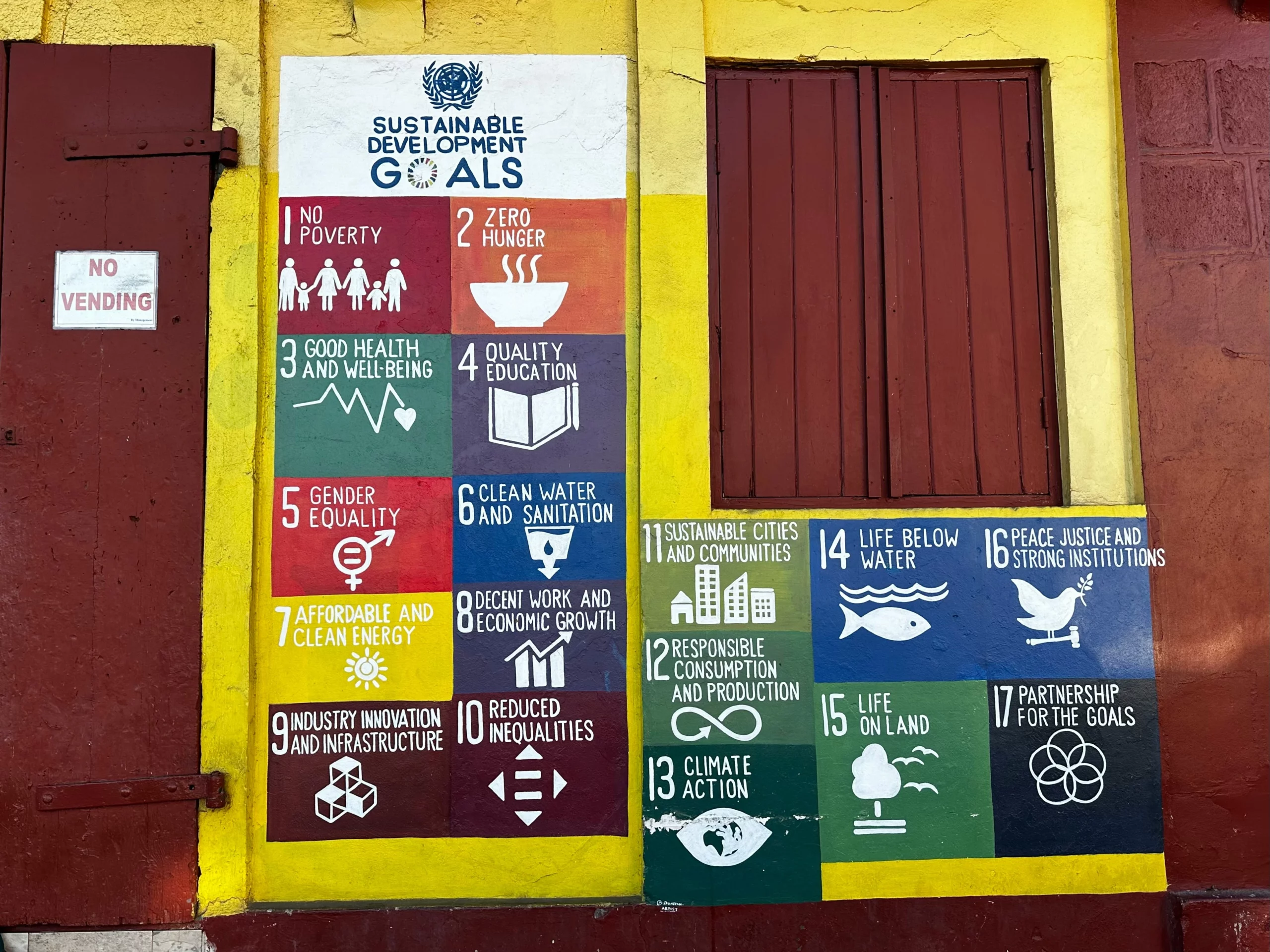
All actions were aligned with the aim of advancing the Sustainable Development Goals (SDGs) across Europe’s territories. 

Shaping European and Global Agendas 

Throughout 2021, CEMR actively influenced European initiatives and alerted members to upcoming developments affecting local and regional governments. Activities included: 

  • Monitoring EU initiatives on recovery, resilience, and international cooperation. 
  • Engaging in structured dialogues on cohesion policy, rural development, disability rights, and urban development. 
  • Providing input that shaped OECD analyses, Council Conclusions, and the European long-term vision for rural areas. 
  • Publishing position papers and resolutions on gender equality, migration, the Fit for 55 energy package, water, and digitalisation. 

At the international level, CEMR deepened cooperation with UCLG, the Global Taskforce, OECD, and the Congress of Local and Regional Authorities. 

Building Knowledge and Capacity 

To strengthen understanding of EU policies and empower members to act, CEMR: 

  • Produced publications and webinars, including a new edition of the TERRI Report on decentralisation reforms. 
  • Organised workshops on member participation in national and European processes. 
  • Delivered capacity-building through externally funded projects in areas such as EU funding, climate adaptation, gender equality, migration, and SDG implementation. 

Raising Visibility and Engaging Citizens 

2021 was also a year of celebrations: 

  • 70th anniversary of CEMR and the 15th anniversary of the Equality Charter brought together 500 participants online. 
  • Pan-European campaigns were launched for Europe Day, SDG Day, and equality, highlighting the voices of local leaders and women in politics. 
  • CEMR ensured visibility for its spokespersons through social media, interviews, videos, and participation in international events. 

In numbers: 

  • Over 120 articles published in English and French. 
  • More than 650 tweets reaching 1 million views. 
  • 14 newsletters delivered to the network. 

Strengthening Internal Organisation 

CEMR took concrete steps to become a more sustainable, inclusive, and resilient organisation: 

  • Two online Policy Committee meetings gathered 170 elected representatives to adopt policy positions and validate the strategy. 
  • A new Secretary General selection process was launched. 
  • Internal processes were modernised with digital templates, e-signatures, and reduced paper use. 
  • Staff received training on project management, budget monitoring, public speaking, and team collaboration. 

Milestones and Campaign Highlights 

  • Advocated for local governments to be included in post-COVID recovery plans (#CohesionAlliance). 
  • Shared local leaders’ visions for the Conference on the Future of Europe
  • Continued the #Power2Her and #LocalEquality campaigns on gender equality. 
  • Helped secure recognition of the multilevel cooperative model in the Glasgow COP26 agreement

2021 was a year of adaptation, resilience, and influence for CEMR. Despite the challenges of the pandemic, the network succeeded in shaping European debates, amplifying the voice of local and regional governments, and strengthening internal capacities. With a stronger foundation and renewed strategy, CEMR continues its mission to empower Europe’s municipalities and regions to lead sustainable change. 

Read the study here

For more information, contact:

Investing in Europe’s future 

Investing in Europe - News

A new EU growth model must empower local services, boost resilience and deliver sustainable investments 


The war in Ukraine and the aftermath of the COVID-19 crisis have placed Europe at a critical crossroads. These overlapping challenges are testing the strength of our democracies, economies and social fabric and call for a bold rethinking of Europe’s economic governance. 

In response, the SGIs Network, bringing together key public service stakeholders, has issued a joint declaration ahead of the Tripartite Social Summit on 23 March 2022. The message is clear: to manage the transition and strengthen the EU’s resilience, Europe must urgently shift towards a more forward-looking, inclusive and investment-oriented growth model. 

A new economic framework 
The current EU fiscal rules are no longer fit for purpose in the face of permacrisis. The declaration calls for a reformed fiscal architecture that reconciles debt sustainability with long-term, growth-enhancing investments. This includes distinguishing productive investments, such as in green infrastructure, digitalisation, healthcare and education, from unproductive spending. 

Empowering local action 
Local and regional governments are essential to achieving a green, digital and fair transition. The declaration stresses the need for their full involvement in implementing the National Recovery and Resilience Plans (NRRPs) and accessing the Next Generation EU funds. Without this multilevel approach, the EU risks missing the full potential of its recovery strategy. 

From temporary response to permanent capacity 
As the NGEU package and current EU budget cycle expire in 2026–2027, the declaration urges leaders to prepare for a longer-term fiscal and investment strategy. A permanent common fiscal capacity will be vital to address future shared challenges, from climate change to geopolitical instability, and avoid deepening inequalities between territories. 

The call from the SGIs Network is not just for more funding, but for better governance and greater solidarity. It is a reminder that investing in public services, social cohesion and local resilience is not a cost. It is the foundation of a stronger, united Europe. 

Read the declaration here 

For more information, contact: 

Empowering local Europe 

European Town - News

CEMR unveils its vision for stronger, inclusive and sustainable territories across Europe


The Council of European Municipalities and Regions (CEMR) has launched its political manifesto calling for a more inclusive, resilient, and citizen-driven European Union. With over 41 national associations of local and regional governments behind it, the manifesto sets out a roadmap to bring Europe closer to its citizens, starting from the ground up. 

At its heart are six concrete proposals to reinvigorate European democracy: from establishing permanent citizen panels and annual Europe Day debates in schools, to relaunching town twinning and creating an Erasmus-style programme for civil servants. 

CEMR also stresses that a strong Europe must leave no one and no place behind. It calls for renewed efforts to tackle territorial disparities, address depopulation, and ensure that public services, from education to health, are accessible to all citizens, no matter where they live. 

The manifesto also focuses on key priorities for the coming decade, including: 

  • Citizen participation through inclusive local democracy; 
  • Empowered local climate action, as cities and regions lead Europe’s green transition; 
  • Fair and coordinated migration policies, with strong local support for integration; 
  • Digital transformation that bridges the urban–rural divide; 
  • New forms of town-to-town partnerships, especially beyond the EU’s borders; 
  • And financial means to invest in sustainable local infrastructure and innovation. 

CEMR’s proposals emphasise the urgent need for deeper recognition of local and regional governments in European decision-making. This includes a stronger role for the Committee of the Regions, the creation of a local chamber, and systematic consultation of representative associations like CEMR when shaping EU legislation and strategies. 

By calling for a Europe that is democratic, sustainable, and close to its people, the manifesto is a bold invitation to reimagine the Union from the local level up, with municipalities and regions playing a central role in shaping the continent’s future. 

Read the position paper here 

For more information, contact: 

Paris agreement at the local level

Renewable Energy - News

Glasgow Climate Pact calls for “multilevel and cooperative action”


“Disappointment” was a word on the lips of many at the closing on the COP26 UN climate conference in Glasgow in Saturday (13 November). The outcomes leave open many questions regarding national governments’ commitments. Local and regional governments were able however to effectively mobilise during the conference. Thanks to their advocacy efforts, the importance of municipalities, regions and “multilevel and cooperative action” is recognised in the new Glasgow Climate Pact.

“We, local and regional governments, should be proud that the Glasgow final agreement includes the multilevel cooperative model as a way forward to achieve the Paris Agreement objectives”, said CEMR Secretary General Frédéric Vallier, who was present at the COP. “This is a real achievement for municipalities and regions, regardless of the conference’smixed overall results.

The final text has been signed off by 197 countries (from the big emitters such as China and the United States to the small island nations). It aims to keep global temperatures at 1.5 °C above pre-industrial levels by the end of the century, the aspiration of the Paris Agreement, but fails to be more ambitious.

Room for improvement

Reacting on social mediaLéonore Moncondhuy, Mayor of Poitiers (France), spokesperson of PLATFORMA and representative of Cités Unies France said: “The Glasgow Pact does not at all measure up to the climate emergency. While it was supposed to ‘save the 1.5 ° C target’, it is once again mortgaging our future by subjecting it to states’ diluted and disingenuous commitments. Without immediate action, soon + 2.7 °C.”

Earlier last week, Moncond’huy met with UN Secretary General Antonio Guterres and UN Executive Director Maimunah Sharif in Glasgow, expressing the need to support local governments as frontline workers on climate challenges. Her arguments were later echoed in plenary by Sadiq Khan, the Mayor of London: “The involvement of cities now is like day and night … nothing compared with the past.”

Local and regional governments and their associations were widely mobilised. CEMR, PLATFORMA and the Global Task Force led by UCLG were well represented at COP26 and co-organised numerous side events and bilateral meetings.

Enabling local climate action

The Glasgow Climate Pact recognises “the urgent need for multilevel and cooperative action” as well as the important role of local and regional governments in realising the Paris Agreement. As highlighted by Steven Heddle, Member of Orkney Islands Council (COSLA) and CEMR spokesperson on territorial development, this will require facilitating local governments’ access to climate finance.

Local governments need revenue, resources and long-term loans. With these tools, we can contribute more to the objective of reducing emissions before 2050”, said Ronan Dantec, CEMR spokesperson on climate, French senator and president of Climate Chance, during one of the sessions.

The Pact includes many other provisions, such as developed countries agreeing to double funding for climate adaptation and a first global commitment to cut methane emissions by 2030.

What’s next

The next COP will take place in Sharm El-Sheikh, Egypt. Africa being the world’s youngest and most rapidly-urbanising continent, COP27 will focus on booming demography, sustainable urbanisation and financing green plans for sustainable low carbon development. The United Arab Emirates (UAE) was selected to host the COP28 in 2023.

More:

For more information, contact:

Fit for 55 – local climate transitions

Climate neutrality - News 2024

The Fit for 55 package must empower municipalities and regions to drive Europe’s energy transition 


The European Union has committed to reaching climate neutrality by 2050, with the interim goal of cutting greenhouse gas emissions by 55% by 2030. To deliver on this ambition, the European Commission presented the Fit for 55 package, a comprehensive set of legislative measures across key sectors such as energy, transport and housing. Among these, the proposed revisions of the Energy Efficiency Directive (EED), Renewable Energy Directive (RED) and the Energy Performance of Buildings Directive (EPBD) will directly affect Europe’s municipalities and regions. 

Local and regional governments at the heart of the transition 
CEMR fully supports ambitious climate and energy targets in line with Europe’s Green Deal and the UN Sustainable Development Goals. Local and regional authorities are already leading the way in driving energy efficiency and renewable energy projects on the ground, as demonstrated by initiatives such as the Covenant of Mayors. By planning, investing and engaging with citizens, they play a central role in delivering the EU’s objectives. 

However, success will depend on empowering local governments with the necessary resources and flexibility. While binding targets on greenhouse gas reduction are welcome, CEMR stresses that national contributions to renewable energy and efficiency should remain indicative. Overly prescriptive rules, such as mandatory renovation rates for public buildings or minimum energy performance standards, risk creating administrative burdens without recognising the diversity of contexts across Europe. Instead, the EU should provide technical, financial and policy support, allowing municipalities and regions to pursue tailored solutions. 

Enabling a fair transition 
CEMR highlights three priorities to strengthen the Fit for 55 framework: 

  • Financial support and flexibility: Adequate funding and capacity-building must accompany implementation, avoiding rigid one-size-fits-all obligations.
  • Integrated approaches: Local governments should be empowered to design neighbourhood- and district-level solutions, reflecting the full life cycle of buildings and energy systems. 
  • Collaboration across levels: Stronger cooperation between EU, national, regional and local levels is essential to ensure effective delivery, knowledge sharing and citizen engagement. 

Local and regional governments are indispensable partners in Europe’s journey to climate neutrality. By recognising their central role and ensuring adequate resources, the EU can enable municipalities and regions to lead fair and sustainable energy transitions, making climate neutrality a reality for citizens across Europe. 

Read the policy paper here 

For more information, contact: 

Local green recovery in Europe 

Climate - News

Discover our infographic and key messages for COP26


After much delay and uncertainty to due to COVID crisis, it’s finally happening: the 26th UN summit on climate change (COP26) is taking place in Glasgow, Scotland, from 31 October to 12 November.

On this occasion, CEMR has prepared an infographic on “Ensuring a local green recovery in Europe: 5 key facts for local implementation of the Paris Agreement”. The visual vividly shows why tackling climate change is a human and environmental necessity and why local and regional action are critical to successfully shift to sustainability.

Do not hesitate to share this infographic far and wide! Please contact us if you would like to localise the infographic in your own language.

Key messages to achieve carbon-neutral territories

We have also prepared 6 key messages as the core of our advocacy on behalf of local and regional governments at the COP26 summit. These messages are:

  1. The Paris Agreement needs to be delivered now covering both mitigation and adaptation at all levels.
  2. Local and regional leadership and action are key to strengthening work at international level within UNFCCC and in collaboration with global partners.
  3. Providing appropriate regulatory frameworks, financial and technical resources is essential for the implementation of Local and Regional Governments’ climate action.
  4. The localisation and territorialisation of the Sustainable Development Goals are fundamental to have a positive impact on the ground.
  5. Climate justice and social equity need to go hand in hand to combat climate change inequalities efficiently.
  6. Resilience and recovery should be the opportunity focus to guide society out of the pandemic crisis.

For more detailed information, discover our position paper: “Ready for COP: Key messages for local led implementation of the Paris Agreement”.

CEMR and PLATFORM at the COP

Discover the list of events at which CEMR and PLATFORMA representatives will be speaking.

European territories localise the SDGs

Climate - News

Hot off the press: “European Territories Localise the SDGs”


From global to local: PLATFORMA and CEMR are proud to present the 2021 edition of our regular series of publications on how municipalities, regions and their associations are making the UN Sustainable Development Goals (SDGs) a reality on the ground.

Entitled European Territories Localise the SDGs: Continuity and Change in Times of COVID-19, this 46-page report is jam-packed with data, infographics, charts and best practices on how local and regional governments are working on the SDGs in Europe and beyond.

Based on data from 39 local and regional government associations in 29 countries, the study provides a succinct overview of the often-diverse situation across the European continent.

Local governments: key to monitoring and cooperation on the SDGs

The report’s findings are clear: an increasing number of local and regional governments and their associations in Europe are taking the lead in implementing what is still seen by many others as ‘just’ a global agenda. Those on the forefront however know how the 2030 Agenda and its SDGs can transform their daily work, policies and public services with inclusive approaches.

Indeed, 15.4% of associations are now more involved in the SDGs than in 2019. Today, over 3/4 associations have sound knowledge of the SDGs and 1/3 use them as a guiding reference.

The SDGs offer a shared vocabulary and goals, enabling local governments to interconnect with other governments and players, ultimately forming links between citizens and the world. Local governments and their associations have a particularly crucial role in promoting cooperation on and monitoring of progress on the SDGs.

84% of associations are involved in some way in national SDG coordination mechanisms. What’s more, around 4/5 associations have taking action on the SDGs’ international dimension and considers that the SDG framework helps development of partnerships with peers (i.e. decentralised cooperation activities around the 2030 Agenda).

The report also highlights the essential role of local government associations have played during the COVID crisis. This has included sharing information with municipalities and regions, capacity-building, advocating for financial support and participating in national consultations.

Recommendations to realise the 2030 Agenda from the bottom-up

We have long known that the ambitious goals of the 2030 Agenda need to be implemented from the bottom-up. The local level is ideal for experimentation, innovation and acceleration of work on the SDGs. However, the right conditions need to be in place to realise this potential.

The report formulates 5 key recommendations:

  • Increase EU and national funding for SDG localisation
  • Promote mutli-level governance, multi-stakeholder partnerships and policy coherence
  • Local and regional governments and their associations should continue peer learning within and outside Europe
  • National governments should increase recognition and support for SDG localisation (notably to monitor progress)
  • Strengthen human resources and capacities on SDG localisation

The report and its key findings will be presented on 29 June at the 12th Annual Meeting of Cités Unies Frances (CUF), on 8 July during a PLATFORMA-CEMR dedicated webinar taking place in the context of the the UN High Level Political Forum on Sustainable Development (HLPF, registration form) and at other local government events.

More information:

For more information, contact:

Localising sustainable goals after COVID19

Localising SDGs - News

How European territories are driving sustainable change amid the Covid-19 crisis 


The Covid-19 pandemic has been a profound shock for municipalities and regions across Europe. Faced with health emergencies, social disruption, and economic slowdown, local and regional governments (LRGs) had to adapt swiftly, protecting essential services, reallocating budgets, and reshaping priorities. Yet, despite the immense challenges, many local authorities did not abandon global commitments. Instead, they turned to the 2030 Agenda for Sustainable Development (SDGs) as a framework to guide recovery and long-term resilience. 

With over 65% of SDGs requiring local implementation, municipalities and their national associations play a decisive role in ensuring progress. Some cities temporarily slowed their SDG-related work, but others actively integrated the Goals into recovery strategies, using them to design inclusive, coherent, and sustainable policies. This approach has strengthened their credibility as leaders in “building back better.” 

National associations of local governments proved to be vital allies. By coordinating efforts, connecting municipalities with resources, and advocating at the national and European levels, they helped ensure that even small and rural communities could advance the SDG agenda. Importantly, awareness and commitment have grown: associations in countries where SDG uptake was once limited are now actively building knowledge, promoting peer learning, and pushing for recognition of local action. 

Another breakthrough is the rise of Voluntary Local Reviews (VLRs) and Voluntary Subnational Reviews, which showcase municipal achievements and give visibility to local actors on the international stage. This not only strengthens city diplomacy but also fosters a shared vocabulary and sense of purpose among local, national, and global partners. 

The Covid-19 crisis has underscored the transformative power of the SDGs: as both a roadmap for sustainable recovery and a catalyst for innovation in governance, partnerships, and service delivery. Still, achieving the Goals requires greater investment and mobilisation of resources. EU initiatives such as the Green Deal, cohesion funds, and Global Europe offer crucial opportunities to scale up local action, alongside new forms of public-private partnerships. 

In short, the SDGs are not an abstract global agenda, they are a practical tool for territories to rebuild stronger, fairer, and greener communities. Even in times of crisis, Europe’s municipalities and their associations are proving that sustainability is not just a long-term ambition, but an immediate necessity. 

Read the study here 

For more information, contact: 

Energy performance in buildings directive

Green City - News Section

CEMR calls for flexible, well-resourced revisions to the EU Energy Performance of Buildings Directive (EPBD)


The European Green Deal aims to make Europe the first climate-neutral continent by 2050, with the revision of the Energy Performance of Buildings Directive (EPBD) as one of its cornerstones. Buildings account for a significant share of Europe’s greenhouse gas emissions, making energy efficiency and sustainable renovation crucial to the Fit for 55 package. In its response to the consultation on the EPBD revision, the Council of European Municipalities and Regions (CEMR) stresses the essential role of local and regional governments (LRGs) in ensuring a successful and fair transition. 

CEMR welcomes the ambition of the European Green Deal but underlines that success depends on proper implementation, adequate financial support, and respect for the principle of subsidiarity. Local and regional authorities are on the frontline of climate action, yet they need flexible frameworks rather than one-size-fits-all obligations. 

Among its key recommendations, CEMR highlights: 

  • Flexibility and subsidiarity: Member States and LRGs should be able to adopt integrated, territorial approaches to emissions reduction, focusing not only on building-level efficiency but also on neighbourhood and system-wide solutions. 
  • Life-cycle perspective: Regulations must take into account emissions from construction materials such as steel and concrete, as well as opportunities for circularity and reuse. 
  • Indicative, not mandatory standards: Minimum energy performance requirements and renovation targets should remain indicative to reflect local contexts, available resources, and socio-economic realities. 
  • Equal treatment of renewable energy: Energy produced on-site and energy delivered via carriers like district heating, renewable gases or electricity grids must be treated on the same footing. 
  • Financing and equity: Investment tools like ELENA must be adjusted to ensure accessibility, particularly for vulnerable households. Measures must avoid creating energy poverty or split incentives between landlords and tenants. 

CEMR also urges the Commission to reduce administrative burdens, ensure consistency between the EPBD, the Renewable Energy Directive (RED) and the Energy Efficiency Directive (EED), and reinforce cooperation across levels of governance. 

Europe’s climate-neutral future depends on a resilient and efficient building sector. Local and regional governments are central actors in achieving this transformation. To succeed, the revised EPBD must provide adequate support, flexibility, and resources while avoiding rigid, burdensome rules. By empowering municipalities and regions to act according to their local realities, the EU can ensure that the green transition delivers both climate impact and social fairness. 

Read the policy paper here 

For more information, contact: 

People first in Europe’s mobility shift

Mobility - News

Sustainable and smart mobility must be built with, not just for, cities and regions


That’s the core message from the Council of European Municipalities and Regions (CEMR) in response to the European Commission’s Sustainable and Smart Mobility Strategy. While CEMR supports the EU’s ambition to link transport policy with the Green Deal and Digital Agenda, it urges stronger recognition of the essential role local and regional governments play in achieving climate and mobility goals. 

CEMR highlights that sustainability cannot come at the expense of connectivity, accessibility, affordability, safety and health. Local authorities must be empowered to strike the right balance between environmental ambition and citizens’ everyday mobility needs, whether in dense city centres, suburbs, or rural areas. 

Key messages from CEMR include: 

  • Partnership across levels of government is vital. Local mobility strategies must be developed in coordination with national and EU institutions, with clear roles, shared responsibilities, and sufficient funding. 
  • Flexible, inclusive planning tools, like Sustainable Urban Mobility Plans (SUMPs), should be strengthened, not standardised. Cities and regions need adaptable frameworks that reflect their unique territorial challenges. 
  • More funding and clearer access are needed for local mobility infrastructure, including investments through the Recovery and Resilience Facility, Connecting Europe Facility, and Horizon Europe mission for 100 climate-neutral and smart cities. 
  • Policy support must go beyond technology. Behavioural change, active mobility, shared mobility and smart spatial planning are just as important as electric vehicles and digital tools. 

CEMR also calls for better regulation on key issues such as alternative fuels, intelligent transport systems, public transport governance, and micromobility. At the same time, it stresses the need for EU-wide data platforms and speed adaptation systems to improve safety and enforcement. 

In short, Europe’s transport transformation will only succeed if local realities shape the road ahead. Sustainable mobility starts where people live, and local governments must have a central seat at the table. 

Read the full position paper  

For more information, contact: