
European elections manifesto of 2019 

EU Elections - News

Stronger EU policies require the full involvement of local and regional governments to ensure democracy, sustainability, and citizen engagement 


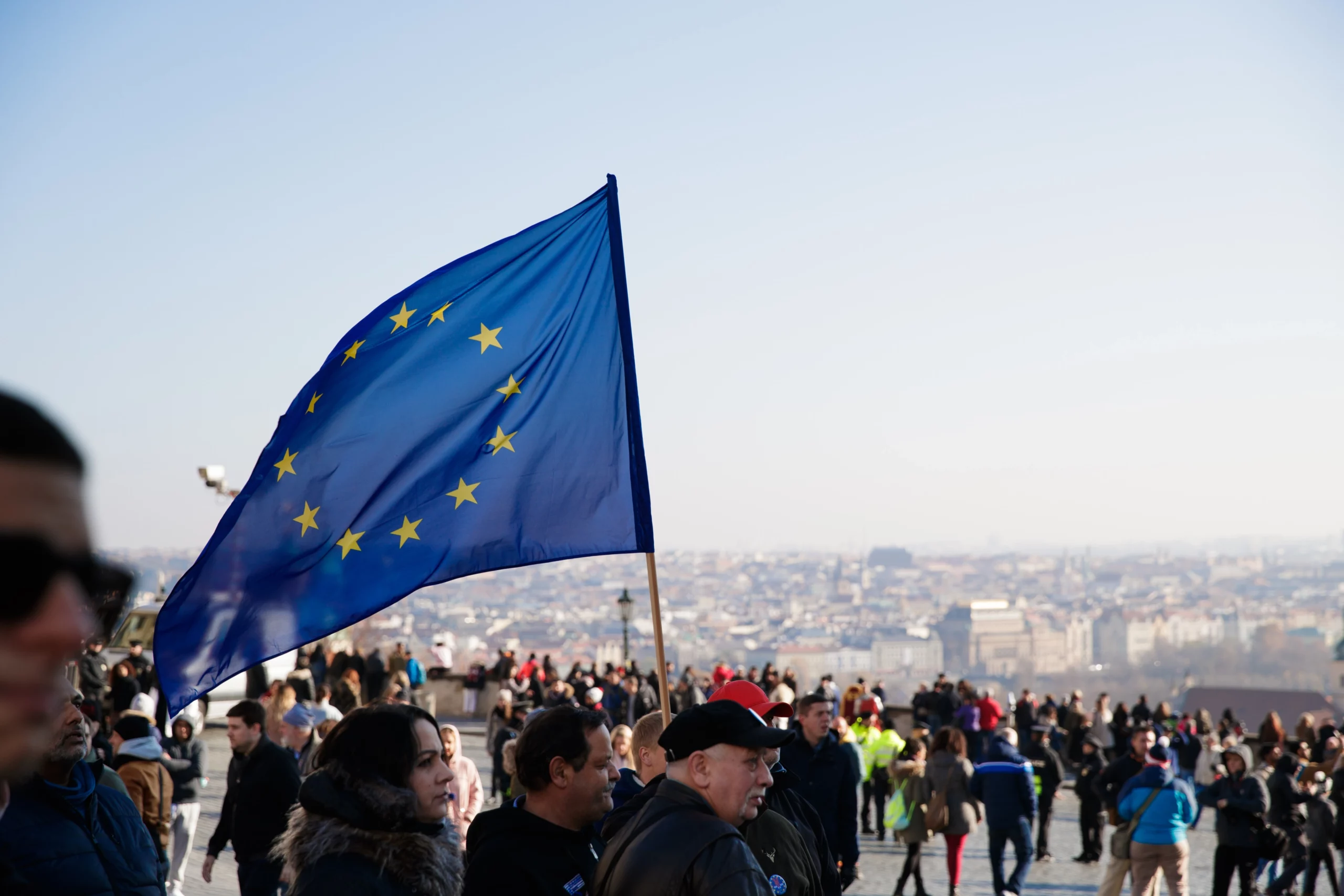
The 2019 European Parliament elections took place at a decisive moment for the Union, marked by global challenges, climate imperatives, and demands for greater transparency. Local and regional leaders stressed that Europe’s future depends on building closer ties between EU institutions and citizens, while ensuring that local governments are recognised as central actors in European governance. 

Local Governments at the Heart of Europe 
Europe’s 130,000 municipalities and regions are indispensable to democracy and public life. They provide services, drive innovation, and implement EU policies on the ground. To meet citizens’ expectations, the EU must adopt governance models that fully recognise the role of local authorities in decision-making, as outlined in Article 4 of the Treaty on the European Union. 

Key Priorities for the Future 
The challenges Europe faces, climate change, sustainable growth, social inclusion, and democratic participation, require a strong partnership across all levels of government. Local and regional leaders have called for: 

  • Strengthened cohesion policy as a central EU priority to reduce inequalities and foster sustainable development. 
  • Citizen-centred democracy, including local dialogues between communities and EU institutions and greater transparency in decision-making. 
  • Education for Europe, such as promoting the EU Charter of Fundamental Rights in schools and ensuring every pupil has the chance to visit EU institutions. 
  • Climate and global commitments, with local governments mobilising to achieve the Paris Agreement and the 2030 Agenda for Sustainable Development. 
  • Inclusive governance, with clearer recognition of the representative role of local associations and easier cooperation across borders, including with UK local governments post-Brexit. 

A stronger European Union can only be built in partnership with its cities, municipalities, and regions. By embedding local governments into EU governance, supporting their projects, and fostering open dialogue with citizens, Europe can remain democratic, resilient, and united in the face of today’s challenges. 

Read the position paper here 

For more information, contact: 

Towns leading global change  

Sustainable Development Goals - News

How Europe’s towns and regions are turning global sustainability goals into everyday reality 


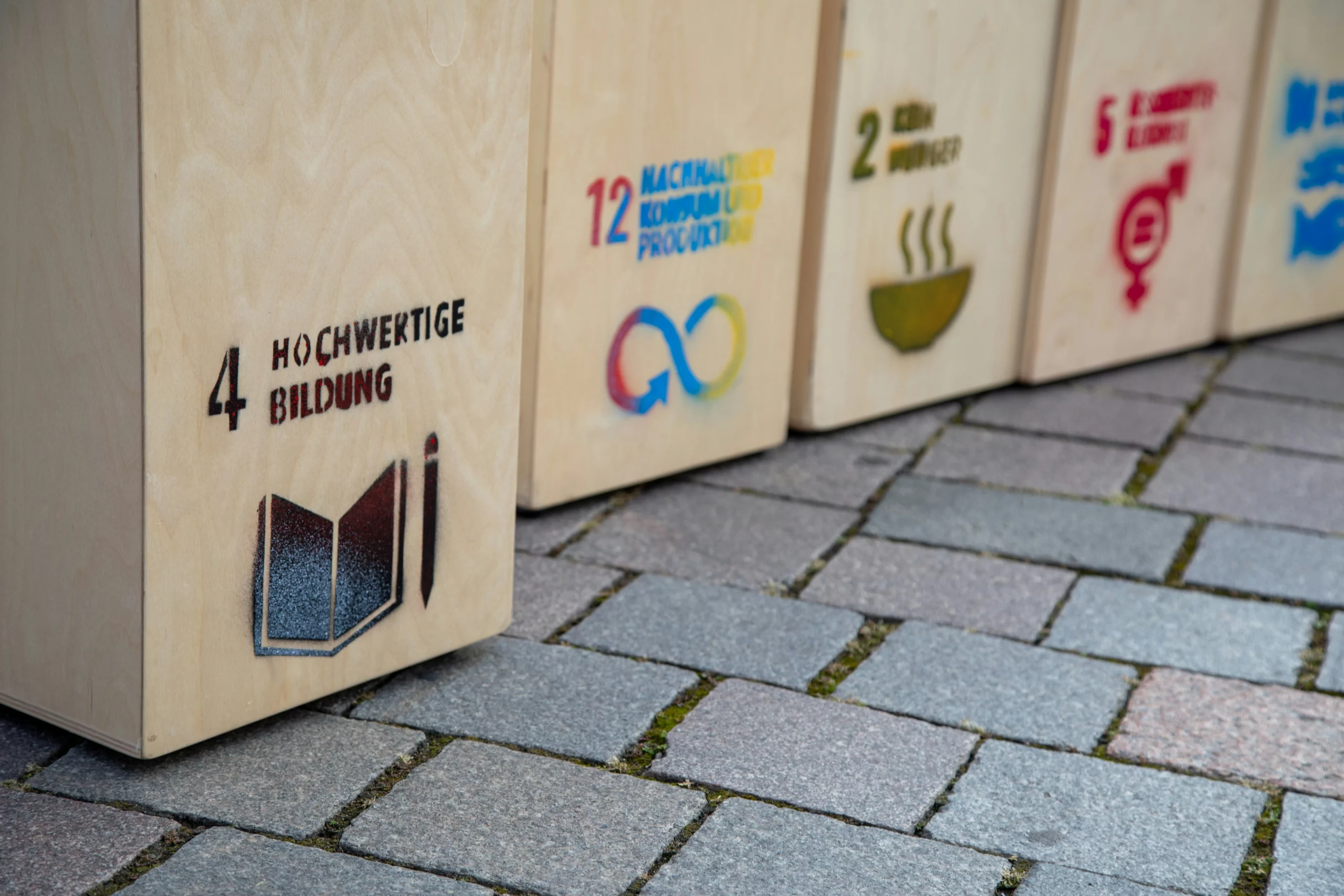
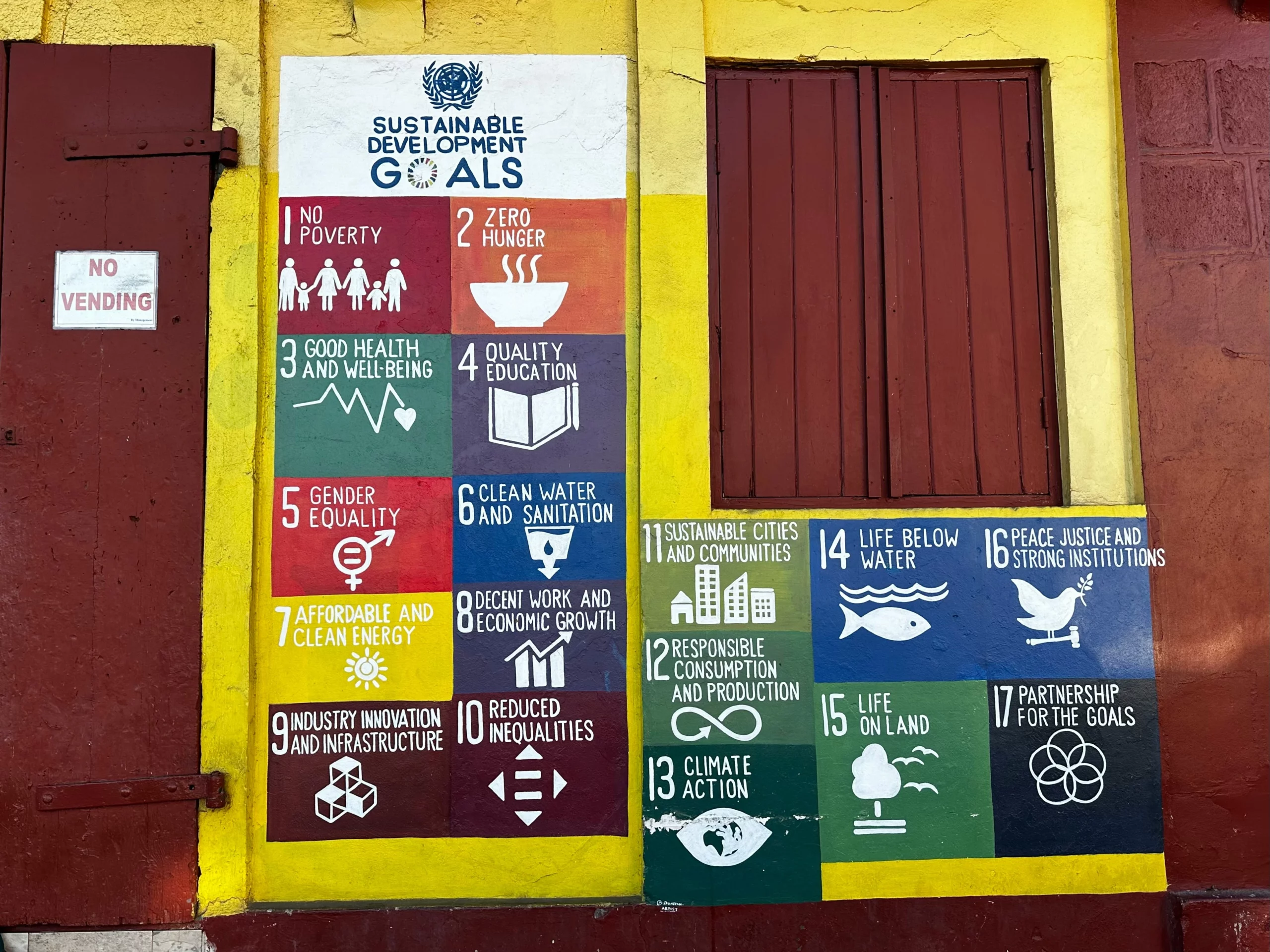
Since the adoption of the 2030 Agenda for Sustainable Development, it has become increasingly clear that towns and regions are at the forefront of making the global goals a reality. Local and regional governments are responsible for many of the services that directly affect citizens’ lives, education, housing, transport, waste management, and health. Their actions, often taken without reference to international frameworks, already contribute to creating more sustainable communities. 

The Council of European Municipalities and Regions (CEMR) and PLATFORMA highlight the central role of local governments not just as service providers but also as policy shapers, awareness raisers, and partnership builders. By engaging citizens and other stakeholders, municipalities are uniquely placed to embed sustainability principles in everyday governance. 

To support and strengthen this work, four clear recommendations emerge: 

  1. Increase participation – raise awareness among citizens and encourage greater involvement in sustainability initiatives. 
  1. Ensure coherence – integrate local governments into national strategies to avoid fragmented approaches. 
  1. Build capacity – provide technical tools and knowledge so municipalities can implement goals effectively. 
  1. Support partnerships – back international cooperation and exchange between towns and regions to reinforce solidarity. 

Progress is visible, but challenges remain: insufficient resources, difficulties in collecting local data, and the need for stronger national frameworks. Despite these obstacles, municipalities are proving to be powerful drivers of sustainable change. From inclusive policies to decentralised cooperation, they are demonstrating that building a sustainable future must begin at the local level. 

The global goals are not about imposing new tasks on towns and regions, but about offering a common framework and shared language. Europe’s municipalities are showing that sustainability is not abstract: it is local, practical, and essential for the well-being of communities today and tomorrow. 

Read the study here 

For more information, contact: 

How Europe is taking the lead on SDGs

Localising SDGs - News

Just out: New study on how to assess the UN Global Goals on the ground


Towns and regions still lack the financial resources to monitor the implementation of the Sustainable Development Goals (SDGs). This is one of the problems identified by associations of local and regional governments in a ground-breaking study carried out by PLATFORMA and the Council of European Municipalities and Regions (CEMR) on the evaluation of the actions taken to localise the UN Global Goals.

This study, entitled “Sustainable Development Goals – How Europe’s town and regions are taking the lead”, highlights the main challenges identified by associations of towns and regions, the top three being the lack of financial resources, the lack of data available at the local level and the lack of training.

But this fresh study is not only about identifying obstacles, it also collects good practices taken by associations and makes concrete recommendations on how to monitor the local implementation of the SDGs at domestic and international level. This includes the nomination of local SDG ambassadors, the setting of indicators or awareness raising campaigns.

The study was presented today in New York, at the 2018 UN High-Level Political Forum on Sustainable Development, an 8-day meeting with a central role in the follow-up and review of the 2030 Agenda for Sustainable Development.

Representing CEMR and PLATFORMA, the Mayor of Soria (Spain), Carlos Martínez Mínguez, explains: “Today, cities represent the global leadership which allows people to be at the core of the 2030 Agenda.”

He adds: “There is no doubt that towns and regions, national governments, the European Union and international institutions can overcome obstacles together to achieve the localisation of the SDGs. However, local and regional governments need support, both financially and technically. This is the role that associations of towns and regions are playing, but they can’t achieve this alone.”

For Carlos Martínez, the study shows that by working closer together, everybody wins: on the design, implementation and monitoring of national SDG strategies. He also also called on all EU Member States to follow the Spanish example and include next year a chapter on local governments’ actions to localise SDGs in their Voluntary National Reviews to the UN.

This publication is also available in French.

Background

Based on a survey sent out to national associations of local and regional governments, this study complements the Global Task Force’s 2nd Report to the High-Level Political Forum 2018, to which CEMR and PLATFORMA have also contributed.

This study was developed in the framework of the Strategic Partnership Agreement signed between CEMR-PLATFORMA and the European Commission.

For more information, contact:

Protecting regional solidarity funds 

Investing in Europe - News

CEMR warns against budget cuts and calls for strong, ambitious cohesion policy at the heart of Europe’s future 


At its Policy Committee meeting in Bilbao (11 June 2018), the Council of European Municipalities and Regions (CEMR) adopted a declaration on the European Commission’s proposal for the Multiannual Financial Framework (MFF). While the proposals maintain cohesion policy interventions in all European regions, CEMR highlights serious concerns about the reduced ambition and risks for Europe’s territories. 

Risks of a reduced budget 

The proposed 7% cut to cohesion policy represents more than a financial adjustment: it risks undermining the EU’s ability to deliver on key priorities such as climate action, social inclusion and economic development. CEMR stresses that cohesion policy is not just another programme, but an objective enshrined in the EU Treaties and central to the Union’s DNA. 

Safeguarding cohesion and partnership 

CEMR calls for cohesion policy to remain focused on territorial, economic and social cohesion, not diluted by unrelated measures such as public administration reforms. It also warns that new provisions risk weakening integrated territorial development by creating further divisions between funding streams such as the ERDF and ESF+. At the same time, local and regional governments must not be penalised for decisions taken at national or EU level within the European Semester. 

A modernised but ambitious approach 

CEMR welcomes efforts towards simplification, flexibility and sound financial management. However, the organisation insists that modernisation cannot come at the cost of ambition. Local and regional governments, the main investors in cohesion policy sectors, must be closely involved in shaping and implementing programmes through strong partnership agreements. 

Looking ahead 

As negotiations continue, CEMR urges that the future cohesion policy reflect the EU’s broader commitments, including the Sustainable Development Goals, climate action and the European Pillar of Social Rights. Europe’s capacity to meet these challenges depends on empowering its municipalities and regions, placing them at the heart of the European project. 

Read the position paper here 

For more information, contact: 

Funding migration integration 

Migration - News Section

How EU funds can better support local and regional governments in managing migration and long-term inclusion 


Migration continues to shape Europe’s future, bringing both challenges and opportunities. While national governments define migration policies, it is local and regional governments that carry the responsibility of welcoming newcomers, providing housing, schools, healthcare, and jobs. Yet, access to EU funds that support integration remains complex and often out of reach for municipalities that need it most. 

Towards Smarter EU Funding 

The post-2020 EU budget framework is an opportunity to rethink how migration funds are designed and accessed. Local governments call for: 

  • More resources for integration: A larger share of the Asylum, Migration and Integration Fund (AMIF) should be earmarked for integration, rising from 20% to at least 30%. 
  • Direct access to funding: Cities and regions should be able to apply directly to the EU for integration projects, especially when dealing with urgent pressures. 
  • Simpler, fairer rules: Current procedures are often overly bureaucratic, leaving small and medium-sized municipalities excluded. Simplification and flexibility would allow more actors to take part. 
  • Block grants and blending facilities: Innovative funding tools combining multiple EU resources (AMIF, ESF, ERDF) with loans or microfinance could deliver integrated, long-term solutions tailored to local realities. 
  • Better coordination: Strengthening the partnership principle would ensure that municipalities are involved in programming, avoiding duplication and ensuring EU resources meet real needs on the ground. 

From Emergency to Long-Term Strategy 

Too often, EU migration funds are designed for short-term emergencies rather than sustainable integration. But integration is not a one-off response; it is a long-term process requiring education, job creation, social cohesion, and community investment. Aligning EU funds with local priorities and recognising integration as a shared responsibility will ensure better outcomes for both migrants and host communities. 

Migration is a European challenge, but its solutions are local. By improving access to EU funds, simplifying procedures, and investing in long-term integration strategies, Europe can empower municipalities and regions to turn migration into a driver of social cohesion and sustainable development. The future EU budget must make this shift a reality. 

Read the position paper here 

For more information, contact: 

Guidelines for gender equality  

UCLG people banner

Updated CEMR-EPSU framework supports inclusive employment and service delivery 


The Council of European Municipalities and Regions (CEMR) and the European Public Service Union (EPSU) have adopted revised guidelines to help local and regional governments strengthen gender equality in the workplace. These updated guidelines replace the original 2007 version, reflecting new social challenges and priorities, such as the effects of austerity policies and demographic change. 

Recognising the central role that municipalities and regions play as employers and service providers, the guidelines provide a practical framework for developing Gender Equality Action Plans (GEAPs). These plans aim to improve working conditions, promote equal career opportunities for women and men, and support a better work-life balance for all staff. 

“Gender equality is essential to create fair and resilient communities. Local governments can lead by example,” state the social partners. 

The revised guidelines: 

  • Encourage positive action and gender mainstreaming in HR and service provision; 
  • Offer templates and checklists to support the creation of tailored local plans; 
  • Promote cooperation between employers, employees, and trade unions; 
  • Align with existing EU legislation and the ILO’s Decent Work Agenda. 

The document also outlines the importance of political backing, training, and long-term commitment to ensure successful implementation. CEMR and EPSU plan to assess the impact of these updated guidelines through the Social Dialogue Committee in 2019. 

For municipalities, county councils, and regions, this tool is an opportunity to foster more inclusive, equitable workplaces while meeting broader European goals on gender equality. 

Read the position paper here 

For more information, contact: 

Extending social protection rights 

Youth employment - News

CEMR highlights challenges and priorities in ensuring fair access to social protection for all forms of employment 


In June 2017, the Council of European Municipalities and Regions (CEMR) responded to the European Commission’s first-phase consultation of social partners on access to social protection within the framework of the European Pillar of Social Rights. CEMR welcomed the initiative but emphasised that further detail is needed to ensure effective and fair implementation across Europe. 

CEMR underlined that while improving access to social protection is beneficial, implementation must remain balanced between workers’ rights and employers’ needs. The organisation cautioned that additional measures, such as parental leave provisions under the Work-Life Balance Directive, may create significant costs for local governments and should be carefully planned. 

A key challenge lies in ensuring similar social protection rights for similar work, while recognising that not all workers lacking access face the same risks. The main issue arises when individuals have no coverage at all, not when they are already protected through another job. 

For self-employed workers, CEMR identified several priority areas for EU action under social protection, including: 

  • sickness and accident-at-work benefits, 
  • old-age and invalidity benefits, 
  • maternity and paternity benefits. 

In terms of employment services, CEMR stressed the importance of strengthening guidance, counselling, training, and reintegration measures to support workers in transition. 

While CEMR agreed that all self-employed workers should, in principle, be included in such an initiative, it pointed out the particular difficulties faced by small and micro-businesses. A tailored approach is needed, with careful assessment of different employment types. 

CEMR reaffirmed that responsibility for social policy and social insurance design remains with Member States, and that self-governance by social partners must be respected. Any EU initiative on access to social protection should therefore act as a framework for guidance and support, while preserving national competencies and diversity. 

Read the position paper here 

For more information, contact: 

Revision of written statement directive 

Social Dialogue - News 2021

New obligations on short-term contracts could burden local employers 


As the European Commission considers revising the Written Statement Directive (91/533/EEC) to reflect the European Pillar of Social Rights, the Council of European Municipalities and Regions (CEMR) calls for a balanced and flexible approach that takes into account the realities of local and regional government employment. 

In its official response to the Commission’s first-phase consultation of the social partners, CEMR acknowledges that the Commission has correctly identified many relevant issues. However, it expresses concern that expanding the scope of the directive, particularly to cover all atypical and short-term work contracts, could result in disproportionate administrative burdens for local authorities. 

“The introduction of written statements for contracts under one month or eight hours would place a burden on employers that is not proportionate to the benefits for employees,” the response notes. 

CEMR stresses that: 

  • Most local government staff already fall under the existing rules; 
  • Local authorities need flexibility in handling casual and supply contracts, especially in sectors like education; 
  • Contractual elements should remain a matter for national decision-making, not EU regulation; 
  • There is a risk in conflating very different work arrangements, such as traineeships, digital platform work, and genuine self-employment. 

While supportive of fair and transparent working conditions, CEMR does not currently support new EU-level legislation in the areas identified and advises further analysis of the impact on public employers. Should EU-level social partners initiate negotiations under Article 155 TFEU, CEMR affirms its willingness to support the process. 

Read the position paper here 

For more information, contact: 

Strengthening work-life balance 

Work Life - News

Improving equality, labour participation, and social cohesion through better policies on leave, childcare, and flexible work 


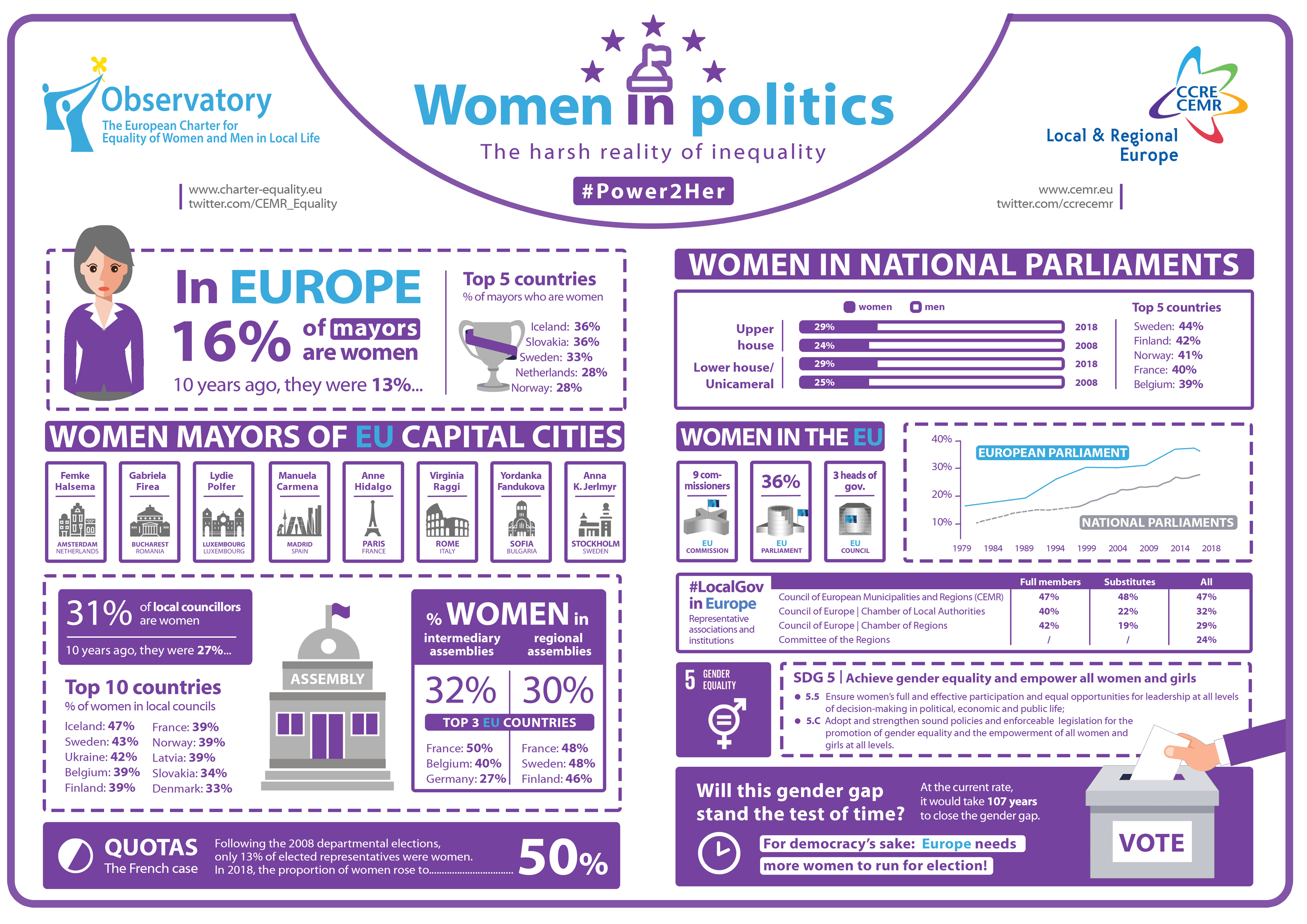
Work-life balance remains one of the most pressing challenges in Europe, with direct implications for gender equality, labour market participation, and social cohesion. Despite progress in recent decades, women remain underrepresented in employment, face higher risks of poverty, and continue to carry a disproportionate share of care responsibilities. Addressing these issues is not only a matter of fairness but also an economic necessity, as women’s employment is a key driver of growth. 

Policies that support better reconciliation of work and family life are crucial to close the gender employment gap. Several measures stand out: ensuring high-quality and affordable childcare, promoting equal sharing of parental leave, developing flexible working arrangements, and adopting gender-sensitive budgeting practices. 

Childcare plays a central role in enabling equal participation in the labour market. Meeting the “Barcelona objectives”, with at least 90% of children between the ages of three and school age having access to childcare, is essential. Investment in childcare infrastructure reduces the burden of informal care, often borne by women, and creates conditions for greater economic independence. 

Equally important are leave provisions. While maternity leave remains a cornerstone, extending its duration may sometimes hinder women’s reintegration into the workforce. Alternatives such as affordable childcare, telework options, or flexible work schemes can provide more balanced solutions. Paternity leave, especially when non-transferable, is vital for promoting equal responsibility between parents, while parental leave policies must go further in encouraging fathers’ participation. Carers’ leave also deserves attention, particularly as ageing populations increase the demand for informal care. 

Flexible working arrangements, including telework, temporary reductions in working hours, and adaptable schedules, can further support families. Properly implemented, they improve retention, motivation, and productivity, while helping both women and men manage family responsibilities. 

Finally, transparency in pay structures and the regular monitoring of gender equality measures at all levels can help reduce persistent wage gaps and ensure progress is visible. Sharing good practices and setting benchmarks allows countries and regions to learn from one another and target actions where they are most needed. 

Work-life balance is not just a matter of private concern but a cornerstone of social and economic development. By strengthening childcare, modernising leave policies, and encouraging flexible and equal working arrangements, societies can ensure greater gender equality, reduce poverty risks, and boost long-term growth. Achieving these goals requires commitment across all levels of governance, with local and regional authorities playing a decisive role in turning principles into everyday realities. 

Read the position paper here 

For more information, contact: 

State ofplay – energy union

Energy Transition - News

Becoming More Energy Efficient: CEMR’s Key Messages for the EU’s Legislative Review on Energy


As the European Union prepares to revise its energy legislation, the Council of European Municipalities and Regions (CEMR) is calling on the EU and national governments to place local and regional authorities at the heart of the energy transition.

Cities and regions across Europe are already taking bold steps to become more energy-efficient, reduce emissions, and build climate-resilient communities. But to succeed, they need enabling legislation, access to funding, and recognition of their existing efforts. The forthcoming reviews of the Energy Efficiency Directive, the Energy Performance of Buildings Directive, and the Renewable Energy Directive are key opportunities to strengthen local involvement and accelerate the green transition.

Four Key Messages from CEMR

1. Governance: Empower Local and Regional Authorities

CEMR urges EU institutions to embrace a shift towards inclusive, multi-level governance. Local and regional governments are no longer just implementers, they are now co-drivers of the energy transition. The EU must ensure that subnational authorities are directly involved in preparing and implementing national energy and climate plans. A bottom-up approach is not only more democratic but also more effective in engaging citizens and delivering tangible results on the ground.

Many local governments have already developed Sustainable Energy and Climate Action Plans through initiatives like the Covenant of Mayors. These efforts show that local leadership is essential to reaching EU targets for 2030, including a 40% reduction in greenhouse gas emissions and a 27% share of renewable energy.

2. Regulation: Promote Flexibility and Policy Integration

CEMR advocates for flexible regulations that acknowledge the diverse realities across Europe. While energy efficiency goals are shared, the path to achieving them must be adaptable to local contexts. The principle of subsidiarity must guide legislation, allowing local governments to balance economic, social, and environmental priorities.

Local authorities must also retain discretion in public procurement, especially when it comes to energy performance requirements. Instead of imposing rigid obligations, the EU should provide guidance and incentives, for instance, by supporting the use of life-cycle costing and encouraging innovation in decentralised energy systems.

3. Financing: Ensure Access to Funding

Ambitious targets demand robust financial support. Cities and regions need accessible and flexible financing tools to renovate public buildings, deploy renewables, and invest in low-carbon infrastructure. CEMR stresses the importance of tailored financial mechanisms, such as off-balance sheet financing and favourable loans supported by the European Investment Bank or Member States.

The EU must also address legal and procedural barriers to joint procurement and bundled investments across municipalities. Initiatives like the CITYnvest project show how collaboration can unlock innovative financing and accelerate energy-efficient renovation.

4. International Cooperation: Strengthen Global Partnerships

CEMR, together with its PLATFORMA partners, champions international cooperation among local and regional authorities. Building on the legacy of strong local governance, these partnerships support low-carbon development worldwide.

CEMR also plays an active role in global advocacy through forums like the UNFCCC COPs and Habitat summits. The international community is increasingly recognising the value of local action, and European cities are leading the way.

Conclusion

CEMR stands ready to support the EU’s energy transition, but success hinges on empowering local and regional governments. With the right governance, flexible regulation, accessible financing, and global collaboration, the EU can deliver a just, effective, and locally driven pathway to a sustainable energy future.

Read the position paper here

For more information, contact: