
EU Delegation study

Mindcraft study on EU Delegations 2026

EU Delegations engagement with local and regional governments: what will it take to make that cooperation more systematic?

447 words
2–3 minutes

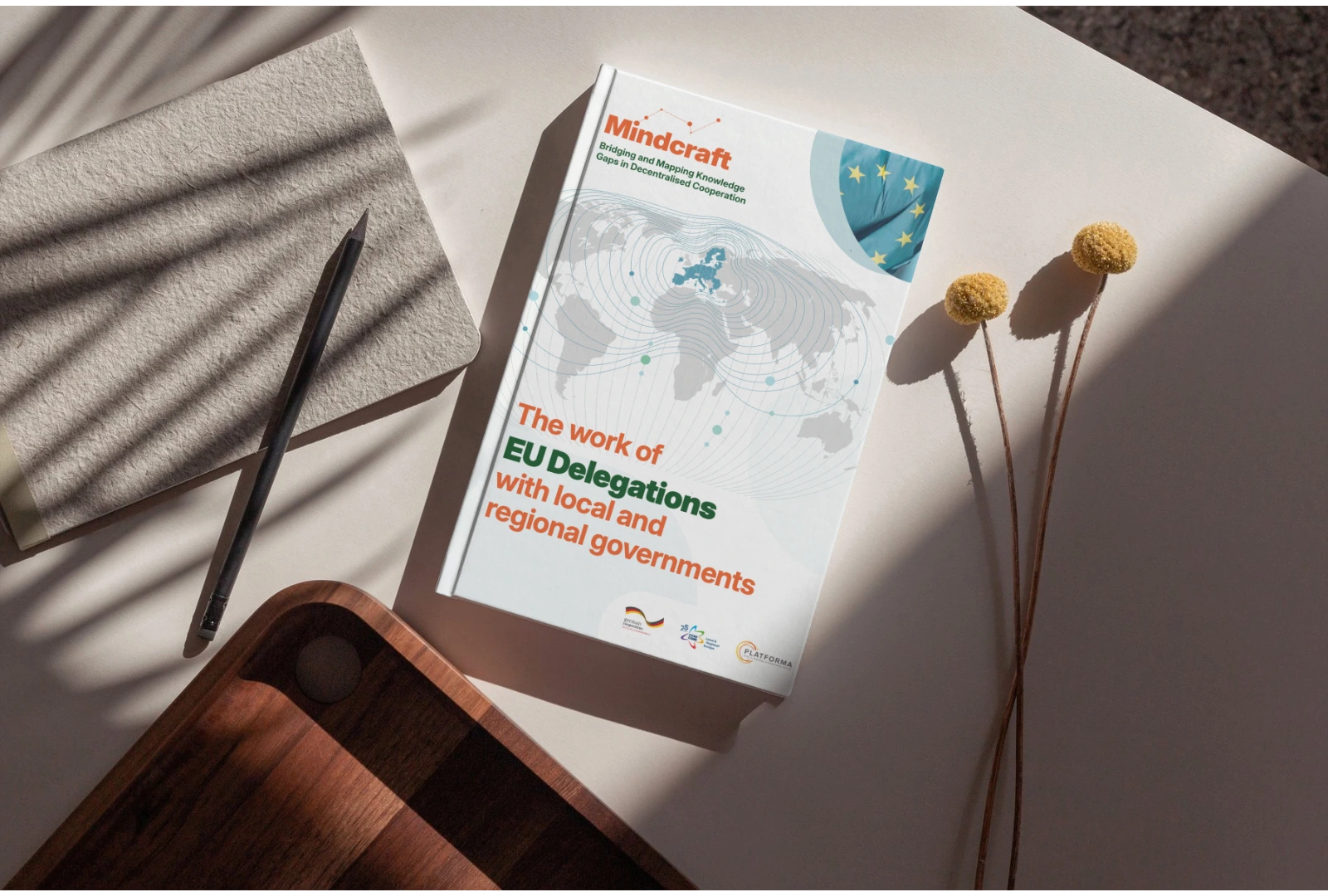
“The Work of EU Delegations with Local and Regional Governments” is a new Mindcraft publication, following on from the report published by PLATFORMA in 2021. Since 2021, the EU’s external action framework has undergone significant change. Under the Neighbourhood, Development and International Cooperation Instrument (NDICI) Global Europe and the Global Gateway strategy, EU international cooperation has moved towards a more geographic, investment-driven approach, with growing emphasis on the localisation of development cooperation.

This new study examines to what extent and how EU Delegations (EUDs) engage with Local and Regional Governments (LRGs) and their associations (LRGAs) in the partner countries. It is based on a 2025 survey of 40 EUDs worldwide and, interviews with five of them in Chad, Guatemala, Madagascar, Nepal and Zambia, as well as additional exchanges with EU Member States development cooperation agencies.

 Key findings:

  1. Enabling environment is key for LRG engagement. 62.5% of surveyed EUDs assessed the decentralisation in the partner country as favourable, and 57.5% support decentralisation efforts. Examples across partner countries show that support to local governance and public finance management helps LRGs engage in territorial development and EU-funded initiatives, though access to finance and the preparation of bankable projects remain persistent challenges.
  2. LRG engagement in EU international cooperation remains uneven and rather limited. 57.5% of surveyed EUDs stated they engage with LRGs and LRGAs under the NDICI-Global Europe, while 20% stated they engage with them under the Global Gateway strategy. EUDs point to the lack of a right framework for structured cooperation as an obstacle. 69.2% consider that a specific budget line for LRGs would help.
  3. LRG engagement can be valuable in fragile contexts. Among EUDs working in fragile settings, 76.4% consider that engaging with LRG would facilitate their work.
  4. Decentralised cooperation remains generally underused.  Illustrative examples of partnerships between European and partner-country LRGs, along with cooperation through LRGAs and their international cooperation structures, show real potential to strengthen local governance and support the localisation of EU initiatives but require greater visibility and emphasis.
  5. There is an ongoing need to strengthen EUDs capacities to work with LRGs. Only 30% of surveyed EUDs reported having received specialised training or support for engaging with LRGs, which were assessed useful for understanding territorial approaches to local development.

These findings come at a timely moment, as negotiations on the 2028–2034 Multiannual Financial Framework, including its proposed Global Europe Instrument, are underway. CEMR-PLATFORMA calls for a clear engagement framework, dedicated funding mechanisms for LRGs, and stronger support for decentralised cooperation as a route to shared development goals.

Read the full publication, available in:

  • English
  • French (available soon)
  • Spanish (available soon)
  • German (available soon)

For more information, contact:

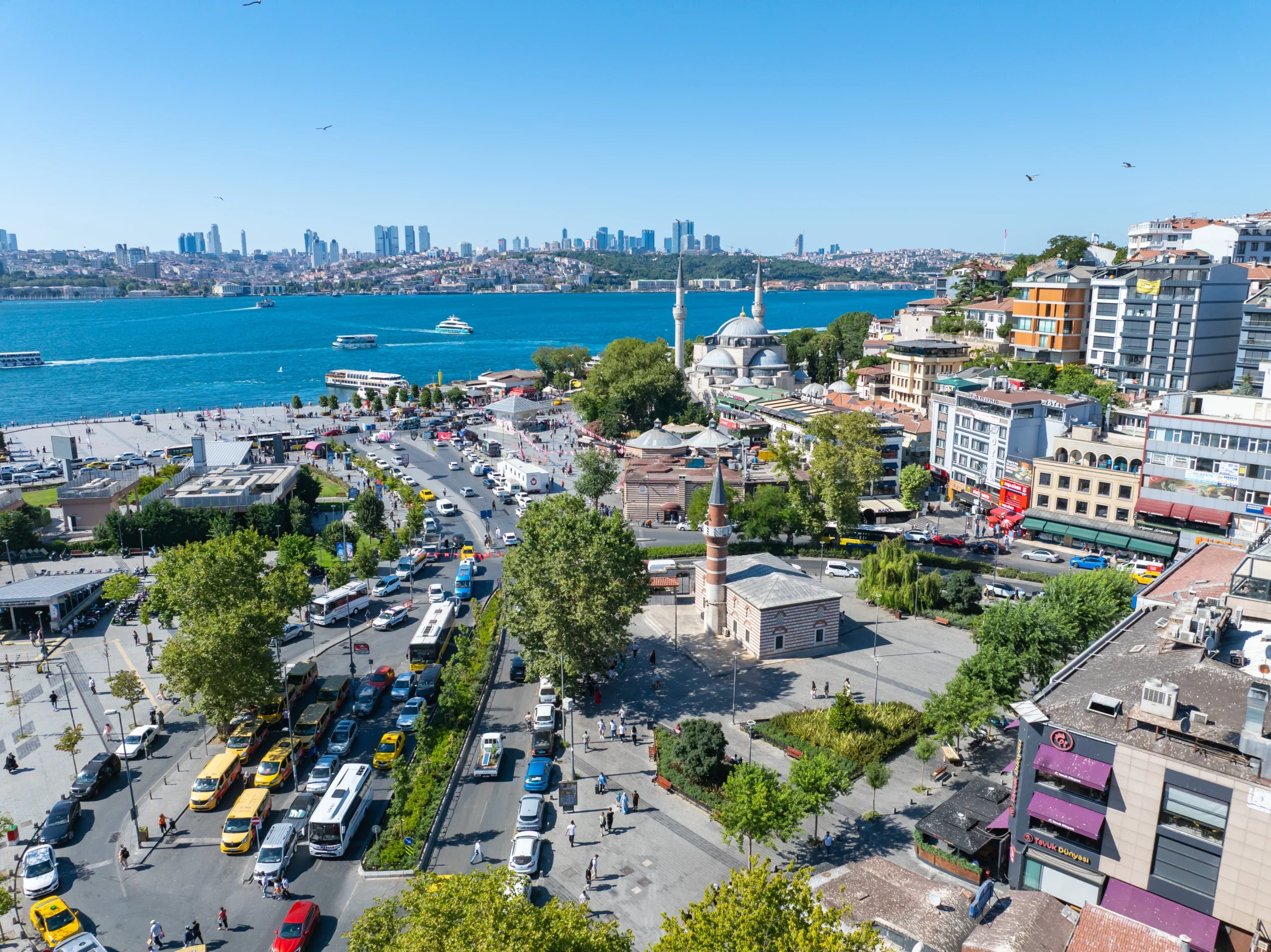
Detention of Mayor Sinem Dedetaş

Uskudar Turkyie

CEMR expresses solidarity with the detained Mayor of Üsküdar in Türkiye  

397 words
2–3 minutes

The Council of European Municipalities and Regions (CEMR), together with President Christoph Schnaudigel, voices full solidarity with Mayor Sinem Dedetaş, member of the CEMR Policy Committee, following her detention, and calls on Turkish authorities and European institutions to defend local self-government and the rule of law.  

CEMR has issued a statement expressing its deep concern over the detention today of Sinem Dedetaş, Mayor of Üsküdar and member of the CEMR Policy Committee, along with several members of her team. 

CEMR stresses that this is not an isolated case, but the latest in a sustained series of actions targeting democratically elected local representatives in Türkiye. Since the 2024 local elections, more than 80 municipalities in the country have seen their elected mayors replaced through trustee appointments, dismissals or arrests, while over 30 mayors have been detained, many remaining in prolonged pre-trial detention. 

As President of CEMR, I wish to express full solidarity with Mayor Sinem Dedetaş and with all local elected representatives affected by these developments“, writes Christoph Schnaudigel, CEMR President and President of the County of Karlsruhe (Germany). 

It should be noted that when mayors and local leaders are deprived of their liberty and unable to exercise the mandates entrusted to them by citizens, the consequences extend far beyond those directly concerned: each case leaves a community without the representatives it elected. Taken together, these developments point to a steady erosion of local democracy and a lack of respect for the will of voters in Türkiye. 

CEMR recalls the importance of the principles enshrined in the European Charter of Local Self-Government, including respect for democratic mandates and the autonomy of local governments; principles CEMR considers essential to maintaining citizens’ trust in democratic institutions at all levels. 

CEMR calls on the Turkish authorities to ensure full respect for fundamental democratic standards and the rule of law, and to guarantee that elected representatives can carry out their responsibilities freely and without undue interference. It also calls on European institutions and the international community to stand in solidarity with democratically elected local representatives in Türkiye, and to continue advocating for the protection of local self-government, democratic institutions and the rule of law. 

CEMR will continue to monitor developments closely and stand alongside its members and partners in Türkiye in their commitment to democratic local governance. 

For more information, contact:

Cities and regions in the EU Pact on Migration and Asylum

EU Pact on Migration

Why Europe’s migration reform will be won or lost in towns, cities and regions

532 words
2–3 minutes

The EU Pact on Migration and Asylum entered its application phase this year. The Council of European Municipalities and Regions (CEMR) puts a question at the centre of that transition: are the local and regional governments who will actually deliver the Pact being treated as partners in shaping it?

Drawing on a questionnaire circulated among CEMR member associations, direct exchanges with local and regional leaders, and complementary desk research, the report maps how prepared towns, cities and regions are for the Pact’s application, how involved they have been in designing it, and what they say they need to make it work.

Already central, not always recognised

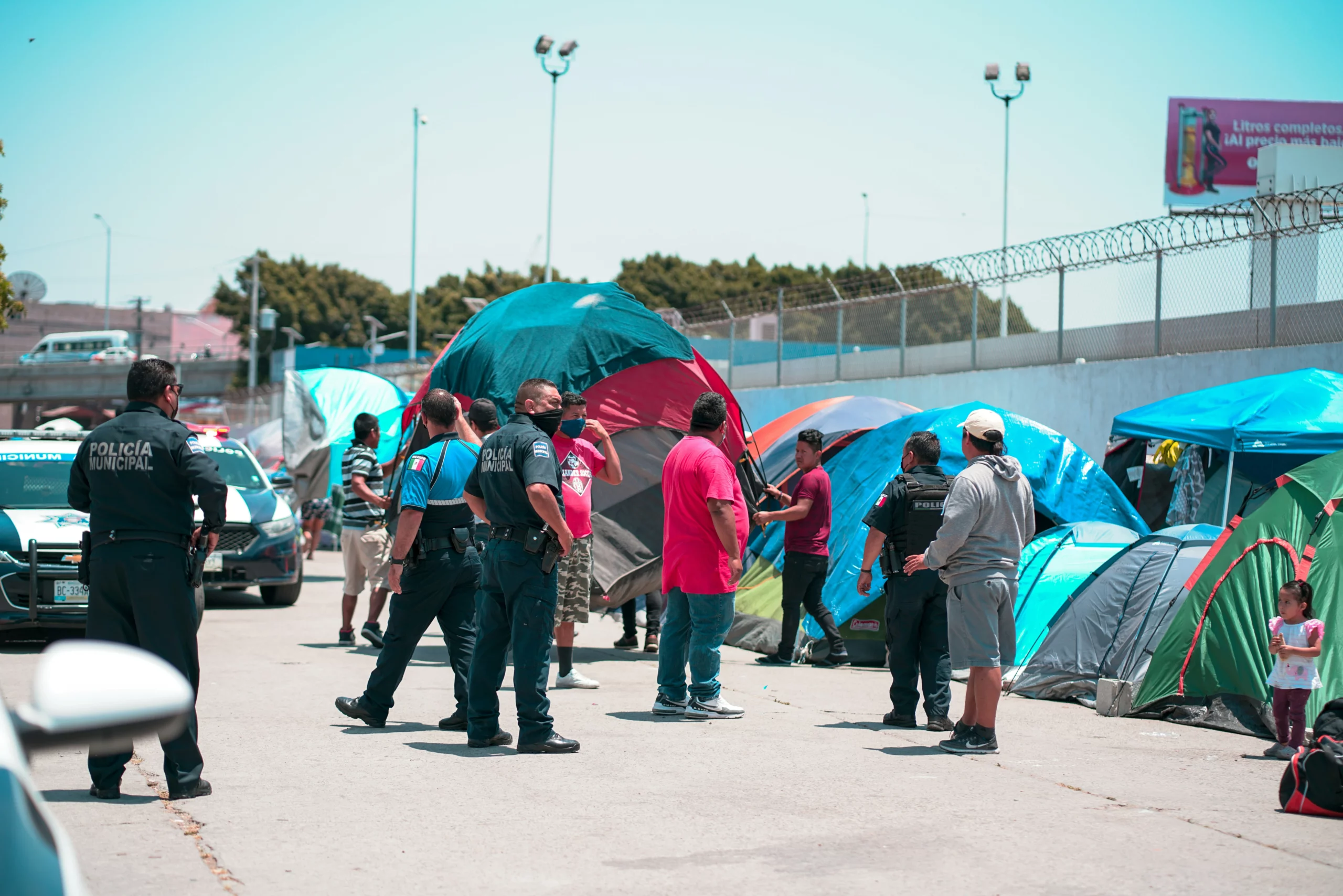
The findings confirm what many mayors and regional leaders already know from experience: local and regional governments are not new to migration governance; they are already at its centre. Long before the Pact, towns, cities and regions were carrying the bulk of integration, housing, education, health and social support for migrants and asylum seekers. Regional authorities reported responsibilities in this field in 87.5% of cases, and municipal authorities in 62.5%.

A governance gap

Half of respondents said local and regional governments were not consulted at all during the Pact’s negotiation and drafting. Where consultation did happen, it was often informal, ad hoc, or limited to written contributions requested by national authorities. No country reported involving local and regional governments (LRGs) as genuine co-designers of national implementation plans, CEMR calls this a “missing link” in multi-level governance: the level expected to deliver the Pact on the ground is rarely in the room when the rules are set.

A capacity gap

Responsibility without resources is a recurring theme. Only Austria considered its LRGs “mostly prepared” for the Pact; several other countries reported no additional resources at all since 2024. Where support existed, it was sporadic: extra IT tools here, an operational manual there, rarely the stable, dedicated funding implementation requires.

A coordination gap

Information about the Pact often reached local authorities through fragmented channels — circulars, ministry emails, informal networks, even the press; and clarity about who is responsible for what varied sharply from one country to the next. This uncertainty was not a side effect; it actively hampered planning, budgeting, and staffing decisions on the ground.

Was the deadline ever realistic?

For most respondents, the June 2026 application deadline of the Pact looked difficult or uncertain, well before it arrived, held back by staff shortages, unclear national guidance, and delayed preparations. Yet the report also points to a genuine reserve of capability: local authorities’ rapid, resourceful response to the displacement of people fleeing Ukraine shows what towns, cities and regions can do under pressure — provided that effort does not have to rely on improvisation every time.

What comes next

The analysis closes with three recommendations:

  1. Formally recognise LRGs within the Pact’s governance architecture;
  2. Strengthen synergies between AMIF, ESF+ and other EU funds around a more place-based approach;
  3. Ensure the Pact’s monitoring mechanisms track local and regional implementation, not only national transposition.

CEMR will continue to bring this evidence into the EU debate as the Pact moves further into its implementation phase.

For more information, contact:

Localising the Sustainable Development Goals in Europe

Reference Framework for Sustainable Cities - image 1

European territories localise the SDGs: cities at the core of implementation

613 words
3–4 minutes

With less than four years remaining to achieve the 2030 Agenda, a new CEMR–PLATFORMA report highlights a clear message from local and regional governments across Europe: sustainable development will only succeed if cities, towns and regions are placed at the centre of decision-making, financing and implementation.

Published by the Council of European Municipalities and Regions (CEMR) and PLATFORMA at the occasion of the High-Level Political Forum on Sustainable Development (HLPF), the 2026 edition of the report European territories localise the SDGs: Cities at the core of the implementation examines how local and regional governments are contributing to the Sustainable Development Goals (SDGs) and what is needed to accelerate progress during the final stretch to 2030.

The study is based on a survey of 23 respondents from 17 countries, including associations of local and regional governments from 15 EU Member States and two non-EU countries.

Local action is essential for global goals

The report comes at a pivotal moment. As both the UN New Urban Agenda and the Urban Agenda for the EU reach their tenth anniversary, local and regional governments are reaffirming their indispensable role in translating global ambitions into concrete results on the ground.

From mobility and housing to climate resilience and social inclusion, towns, cities and regions are responsible for many of the policies that directly affect residents’ daily lives. According to the report, SDG implementation is not primarily a technical matter but a political one, requiring trust, resources and authority to be devolved to the territorial level.

The publication places particular emphasis on SDG 11 – Sustainable Cities and Communities, one of the goals under review at the 2026 HLPF. It argues that sustainable urban development cannot be achieved without strong local democracy, effective multi-level governance and meaningful involvement of subnational authorities in national and international decision-making processes.

Six recommendations to accelerate SDG implementation

Drawing on the experience of local and regional governments, the report puts forward six recommendations addressed to the United Nations, the European Union and national governments.

Among its key messages, the study calls for:

  • Reinforcing multi-level governance as a political priority for the 2026–2030 period.
  • Placing the subnational level at the centre of SDG implementation, including stronger participation of local and regional governments in global review processes and improved access to development finance.
  • Reaffirming the importance of the UN New Urban Agenda as the main global framework for sustainable urbanisation.
  • Ensuring that cities and towns remain central to Europe’s sustainable development agenda through stronger alignment between EU and UN urban policy frameworks.
  • Recognising the role of territories in the upcoming EU Multiannual Financial Framework 2028–2034, with more accessible and place-based funding for municipalities and regions.
  • Accelerating the localisation of the SDGs by fully involving local and regional governments in the design and implementation of sustainable development policies.

A contribution to the global SDG debate

Beyond policy recommendations, the report showcases good practices from across Europe and explores how local and regional governments are advancing the goals under review in 2026 (SDG 6 – Clean Water and Sanitation, SDG 7 – Affordable and Clean Energy), SDG 9 – Industry, Innovation, and Infrastructure, and SDG 17 – Partnerships for the Goals). It also includes a dedicated focus on housing and the outcomes of discussions linked to the World Urban Forum, reflecting growing concerns about affordability, inclusion and sustainable urban growth.

As the international community approaches the final years of the 2030 Agenda, the report sends a strong and consistent message: the SDGs will be achieved — or missed — at the local level. Empowering towns, cities and regions with the necessary political mandate, resources and partnerships is therefore not optional, but essential.

Discover this report also online: European Territories Localise the SDGs

For more information, contact:

“Right to Stay” strategy

Right to Stay strategy news

CEMR calls for a place-based “Right to Stay” strategy

468 words
2–3 minutes

In its contribution to the European Commission’s call for evidence on the upcoming “Right to Stay” strategy, the Council of European Municipalities and Regions (CEMR) calls for a politically ambitious, place-based framework that puts local and regional governments at the centre of Europe’s response to territorial, social, economic and demographic imbalances.

For CEMR, the right to stay means that people must be able to live, work and thrive in the place of their choice: whether in a city, a town or a rural area, without being forced away by lack of public services, economic opportunity, poor connectivity or rising living costs.

This is not just a matter of territorial cohesion. It is also a question of fairness, democracy and trust in the European project. If the EU wants to respond to growing territorial inequalities, it must start by investing in the places people call home and by recognising the governments closest to citizens as strategic partners.

In its response, CEMR underlines that there can be no right to stay without access to services, housing and opportunity. Across Europe, too many territories still face shortages in healthcare, education, mobility, childcare, energy and digital infrastructure. At the same time, rising housing costs are pushing people out of cities, while many rural and shrinking areas continue to suffer from depopulation and underinvestment.

CEMR therefore calls on the EU to strengthen support for services of general interest, affordable housing and integrated territorial development. It also stresses the need to create enabling conditions for local economic opportunities in every territory, including through better transport and digital connectivity, support for entrepreneurship, and action to tackle labour shortages in key local public services.

CEMR also highlights the growing importance of climate resilience, sustainable mobility and local energy production for territorial attractiveness and energy security. Investments in adaptation, renewable energy and accessible transport must therefore be part of any credible Right to Stay agenda.

For CEMR, Cohesion Policy must be the main delivery tool of the future strategy. In the next EU budget, the Right to Stay should be recognised as a clear strategic objective, backed by strong funding, integrated territorial instruments and genuine partnership with local and regional governments in the design of national and regional plans.

CEMR also calls for the Right to Stay to be embedded in EU governance, including through the European Semester and stronger territorial impact assessments. Europe cannot continue to shape policies for territories without systematically involving the authorities responsible for delivering them.

The message is clear: the right to stay will only be real if the EU gives territories the means to remain attractive, affordable, connected and resilient. That requires political ambition, long-term investment and a genuine multilevel partnership with local and regional governments.

For more information, contact:

Statement on public procurement

Public procurement services news

Call on European institutions to safeguard public-public cooperation and in-house provision in the Revision of the Public Procurement Directives 

313 words
1–2 minutes

Public-public cooperation and in-house provision are essential tools enabling local and regional governments to organise, deliver, and manage public services directly — whether through cooperation with other public authorities or through entities under their control — without resorting to external operators.  

The Council of European Municipalities and Regions (CEMR) released a statement in which it expresses its strong opposition to calls and proposals that further restrict public-public cooperation and in-house provision in view of the upcoming Revision of the EU Public Procurement Directives.  

In this new statement, CEMR argues that public-public cooperation and in-house provision are firmly grounded in the EU Treaties, the Public Procurement Directives, and the case law of the Court of Justice of the European Union. Local and regional governments must retain the freedom to choose the delivery model that best serves their communities — including direct provision and cooperation with other public authorities.  

CEMR also takes aim at the notion that public-public cooperation or in-house provision harms competition. There is no evidence to support that claim; if anything, these models can improve efficiency, support investment, and strengthen essential public services for citizens.  

Additionally, at a time of growing geopolitical uncertainty, cybersecurity risks, and growing pressure on public services, local authorities cannot afford to lose the flexibility to organise critical services in-house or through trusted public partnerships.  

CEMR calls to the European institutions for greater legal certainty — not further restriction — in the revision of Article 12 of the Public Procurement Directive, while safeguarding the right of local and regional governments to organise public services according to local needs and democratic choices.  

To complement this information, you can also read here CEMR’s position paper setting out what local and regional governments need from the revision of the 2014 Public Procurement Directives. 

For more information, contact:

Reaction to the EU procurement rules

Public Procurement news

CEMR calls for a simpler, fairer revision of the EU public procurement directives, putting local realities at the centre of the reform

527 words
2–3 minutes

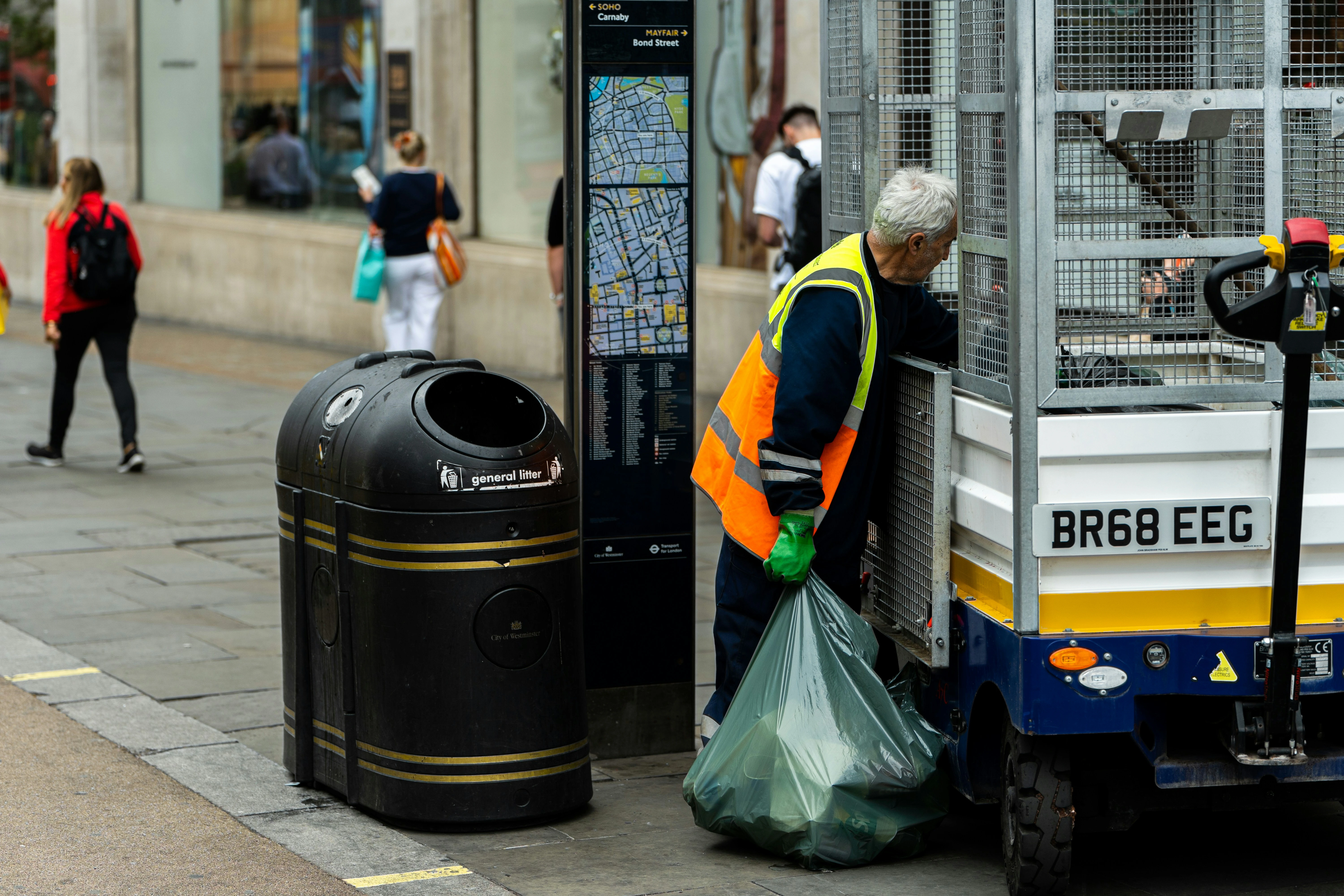
Local and regional governments (LRGs) are Europe’s largest public investors, spending more than €3 trillion a year through procurement. From care services to construction, from digital tools to energy infrastructure, every euro spent through public contracts has a direct impact on citizens’ daily lives. Yet the rules governing how LRGs buy are growing increasingly fragmented, complex, and out of sync with local realities.

As the European Commission prepares to revise the 2014 Public Procurement Directives, CEMR has adopted a position paper setting out what LRGs need from the reform. The message is clear: the revision must prioritise simplicity, flexibility, and subsidiarity instead of adding new layers of mandatory obligations to already overstretched towns, cities and regions.

A flexible framework that works for all

Most LRGs in Europe are small, operating with limited legal, technical, and administrative capacity. The current framework, scattered across more than 60 EU sectoral legislative acts, was not designed with them in mind. CEMR calls for a directive-based approach that preserves flexibility, and for EU-level clauses on environmental, social, and innovation considerations to remain voluntary. A comprehensive review mechanism should consolidate procurement obligations across sectoral legislation to eliminate contradictions and reduce the burden on contracting authorities.

Higher thresholds, fewer unnecessary procedures

EU procurement thresholds have not been changed in over a decade, despite significant inflation and rising costs. As a result, an ever-growing number of public purchases are now subject to full EU-level procedures, despite no real cross-border interest. Indeed, direct cross-border procurement accounts for just around 2% of all contract awards. CEMR calls for a substantial increase in thresholds, in line with cumulative inflation since 2014, alongside an automatic indexation mechanism to prevent the same problem from recurring.

Made-in-Europe and strategic goals must not come at local cost

CEMR supports the Commission’s broader ambitions on European competitiveness and strategic autonomy, goals that matter equally to LRGs who depend on resilient supply chains. However, a “Made in Europe” approach will significantly increase costs for contracting authorities if applied broadly. LRGs must not be penalised when EU supply is unavailable and must not be responsible for verifying complex supply chain origin documentation. That responsibility should lie with economic operators, supported by EU-level certification.

Protecting public-public cooperation and in-house provisions

LRGs regularly collaborate across boundaries to pool resources and deliver services more efficiently, especially in rural or low-capacity areas. Yet, Article 12 of the current directive remains too restrictive and unclear, creating legal uncertainty for many legitimate forms of public-public cooperation and in-house arrangements. CEMR therefore calls for a broader and clearer exemption for genuine cooperation between public authorities, and for in-house procurement to be protected from market-oriented interpretations, allowing LRGs to retain the democratic discretion to organise and deliver public services in the way that best serves their communities.

CEMR will continue to engage actively with the European institutions throughout the revision process to ensure that the voices of local and regional governments shape the outcome of this crucial reform.

Read our latest statement on our position paper here

For more information, contact:

When local leaders are attacked

European Observatory for the Defence of Democracy at the Local Level

Why protecting local elected representatives is essential to safeguarding trust, stability and democratic resilience across Europe


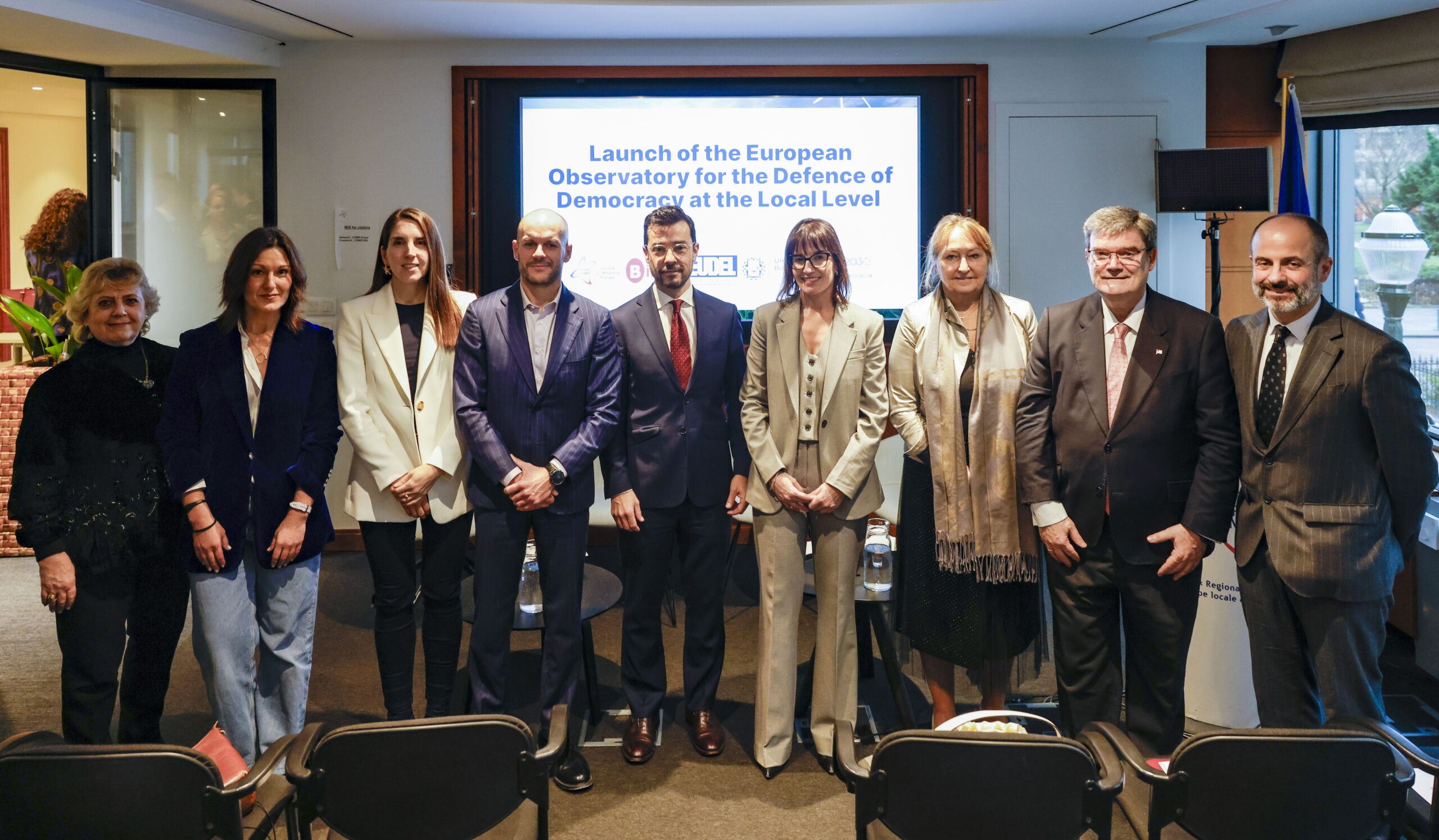
Across Europe, local elected representatives are facing growing pressure, harassment and disinformation at a time when communities need trusted leadership more than ever. In a new article published in Burgemeester (pages 158, 159 and 160), the magazine of the Dutch Association of Mayors, dedicated to local governance, democratic resilience and public leadership. In the article, CEMR presents the work of the Observatory for the Defence of Local Democracy at the Local Level (ODELL), a European initiative created to monitor threats against local democracy, support mayors and councillors, and strengthen public trust through clearer communication, evidence-based advocacy and practical tools for municipalities.

Webinar Defending Local Democracy Together

On 21 May 2026, from 14h to 15h15, the Council of European Municipalities and Regions (CEMR) and partners of the Observatory for the Defence of Local Democracy in Europe will host an online webinar exploring the growing threats faced by local and regional elected representatives across Europe.

The discussion will bring together local leaders, experts and European partners to explore the growing challenges facing democracy at the local level, from harassment and intimidation to disinformation and declining public trust, while sharing practical solutions and experiences from across Europe.

Register and learn more here: Defending Local Democracy Together webinar

For more information, please contact:

Country profile – #4 Belgium 

Brussels city image

Country Profile on decentralised development cooperation: the case of Belgium


The country profiles offer a short overview of national models of (decentralised) development cooperation frameworks in selected EU Member States. The aim is to provide insights into specific mechanisms and modalities of analysed national frameworks and identify enabling factors as well as challenges related to practical implementation, focusing on the role and opportunities for local and regional governments and their associations. 

Based on the study, the Belgian framework for Decentralised Development Cooperation (DDC) is characterised by:

1) Municipal associations are central to DDC in Belgium. Brulocalis, Association of Flemish Cities and Municipalities (VVSG), and the Union of Cities and Municipalities of Wallonia (UVCW) act as key intermediaries in coordinating funded programmes and serving as the primary source of support and guidance for municipalities.

2) Focus on long-term cooperation with selected partners. Sustained partnerships help to ensure the effectiveness and added value of cooperation. There is a prioritisation of the least developed countries and fragile contexts.

3) Awareness-raising of Belgian citizens about international solidarity. Belgian actors, in partnership with NGOs, actively contribute to informing citizens about development cooperation-related topics through awareness-raising and education activities at home.

This article is part of a series of 7 Country Profiles examining DDC frameworks across Europe. The fifth edition, focusing on France, will be published in July. Stay tuned!

Read the Country Profile of Belgium, available in four languages:

You can find the rest of Mindcraft’s publications here.

CEMR encourages Belgian authorities to strengthen the role of Local and Regional Governments in development policy, not only as implementers, but also as strategic partners helping shape a more resilient, inclusive and effective development agenda.

This publication is produced within the Bridging and Mapping Knowledge Gaps in Decentralised Cooperation (Mindcraft), funded by the German Federal Ministry for Economic Cooperation and Development (BMZ) and supported by the Deutsche Gesellschaft für Internationale Zusammenarbeit (GIZ).

For more information, contact:

European Partnership Hub: EU-Ukraine ‘one-stop-shop’

Last week, the European Committee of the Regions (CoR) adopted in Plenary the ‘Enlargement package 2025 – Ukraine, Moldova & Georgia’


The European Committee of the Regions (CoR) has adopted an amendment explicitly recognising the European Partnership Hub (EPH) as the “one-stop-shop” for cooperation between local and regional governments in Ukraine and the EU. The Hub was launched at the 2025 Ukraine Recovery Conference, following the Joint Statement of the European Alliance of Cities and Regions for the Reconstruction of Ukraine.

Hosted by CEMR, which already drives EU–Ukraine municipal partnerships through Bridges of Trust, the Matchmaking Platform, and SUN4Ukraine, the Hub coordinates and connects initiatives within the Bridges of Trust Community. It facilitates exchanges, provides information, and organises joint meetings to align efforts, build synergies, and support municipalities with the skills needed for recovery, cooperation, and EU accession.

Six other amendments reinforcing the role of local and regional governements in the EU enlargement

The final text of the CoR also includes six amendments tabled by CoR members Māris Zusts and Gints Kaminskis and suggested by the Latvian Association of Local and Regional Governments (LALRG), in close cooperation with PLATFORMA.

The amendments aim to reinforce a central political message: EU enlargement will only succeed if it is rooted in local and regional levels, resilient to hybrid threats, and democratically endorsed by citizens. In this opinion, decentralisation, multilevel governance, gender equality, and combating foreign information manipulation are framed as essential components of sustainable enlargement.

Cooperation with local governments 

The adopted amendments further stress the need for public support through cooperation with local governments, especially in Ukraine’s post-war context, advocating for awareness campaigns and media engagement to foster acceptance of candidate countries. Democratic resilience and integrity are further prioritised, particularly through strengthened anti-corruption measures at all government levels. Transparency in public procurement is highlighted, especially regarding reconstruction efforts.

Concerning Moldova, the amendments commend reform progress but express concerns over foreign interference (FIMI) during the 2025 elections, advocating for resilience measures and support for independent media.

The amendments also support local governments in Georgia amidst democratic backsliding, emphasising ongoing cooperation to maintain dialogue and democratic governance as the country navigates its EU accession path.

Looking ahead

These amendments place local and regional governments at the heart of EU enlargement, recognising that lasting impact, resilient democracies, and strong communities depend on their active role. 

The next step is for the European Parliament, Council, and Commission to take these recommendations into account for their respective work on enlargement.
CEMR together with PLATFORMA and their partners will continue to advocate, coordinate initiatives, and foster exchanges, to strenghten the role of local and regional governments.  

The European Partnership Hub is supported by the European Union and its member states through U-LEAD with Europe.

For more information, contact: