Implementing the Global Gateway

Global Gateway - Event news

Towns, cities and regions call for a stronger partnership in advancing the Global Gateway


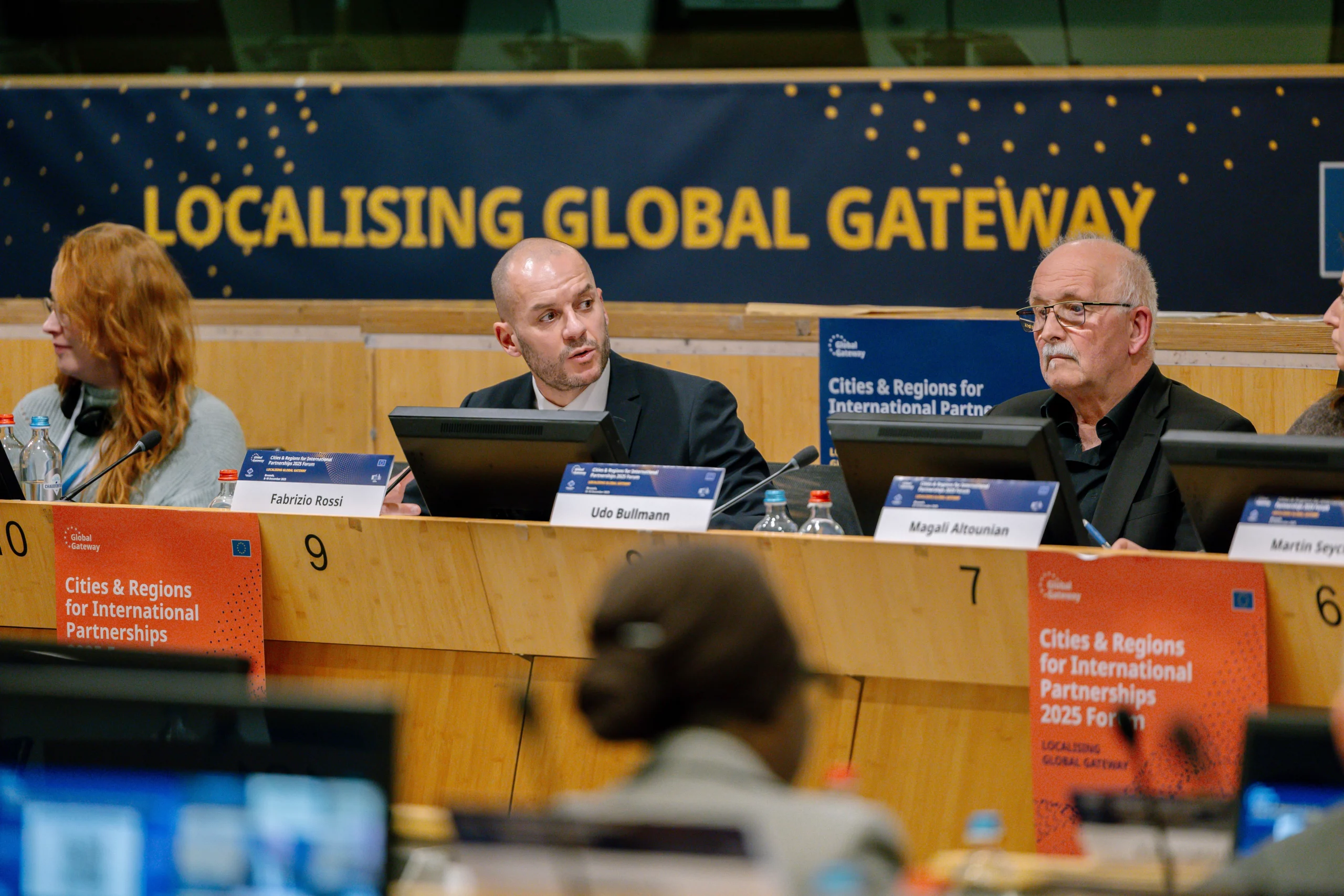
International networks of towns, cities and regions have issued a joint Declaration yesterday [10 December 2025] in Brussels, calling for a stronger and more structured involvement of local governments in the implementation of the European Union’s Global Gateway strategy. Representing thousands of towns, cities, regions, and local government associations worldwide, the signatories stress that partnering with local and regional governments (LRGs) is essential to ensure the legitimacy, sustainability, and long-term impact of Global Gateway investments.

This Declaration was handed over on behalf of the signatories by Joseph Bernard Wagner, Mayor of Belize City (Belize) and Chairperson of the Commonwealth Local Government Forum (CLGF), to Koen Doens, Director-General at the European Commission Directorate-General for International Partnerships (DG INTPA), during the Plenary Session of the Committee of the Regions, marking the end of the 3-day “Cities and Regions for International Partnerships” 2025 Forum.

Local and regional governments are recognised by the EU as distinct development actors and play a central role in shaping inclusive economic growth, delivering public services, and connecting communities to global opportunities. Their leaders warn that without systematic engagement of towns, cities and regions, Global Gateway projects risk missing their full development potential.

A joint call for a more inclusive Global Gateway

The declaration is signed by the leaders of four major global networks of local and regional governments:

  • Fabrizio Rossi, Secretary General, Council of European Municipalities and Regions (CEMR) – PLATFORMA
  • Lucy Slack, Secretary General, Commonwealth Local Government Forum (CLGF)
  • Emilia Saiz, Secretary General, United Cities and Local Governments (UCLG)
  • Frédéric Vallier, General Delegate, International Association of Francophone Mayors (AIMF)

Together, they call on EU institutions, partner countries, and development actors to recognise towns, cities and regions as co-creators of the enabling environment needed for sustainable, inclusive and democratic investment.

Quotes

It is critical that local governments are around the table in the context of investments being made through Global Gateway. After all, we are responsible for all development in our territories, and should be recognised as partners in planning and delivery,” Joseph Bernard Wagner, Mayor of Belize City (Belize) and Chairperson of the Commonwealth Local Government Forum (CLGF) stressed in his speech.

Local and regional governments should be involved in the designing phase of the Global Gateway. As CEMR and PLATFORMA, we see ourselves as the enabling institutions, and we are there to harvest learning and data, to monitor and evaluate the actions,” CEMR Secretary General Fabrizio Rossi earlier said during the Forum.

Decentralised cooperation is a real lever for solidarity and development that serves the interests of local communities. However, it can only be effective if decentralisation itself is effective and if our local authorities have secure financial and human resources. The Global Gateway is an important opportunity to support us in this regard,” Dieudonné Bantsimba, Mayor of Brazzaville, Vice-President of the AIMF.

The mobilisation of our members at the Forum of Cities and Regions shows the strong commitment of local and regional governments to cooperation and city diplomacy. Yet the localisation of the Global Gateway will only be possible if local governments are fully recognised as strategic partners,” Emilia Saiz, UCLG Secretary General

Towns, cities and regions are the link between investments and citizens. As first ports of call to citizens, they bring legitimacy, ownership and long-term sustainability to Global Gateway projects,” the signatories emphasise. 

Local and regional governments are indispensable partners for making the Global Gateway a strategy that truly works for people,” the signatories stress.

Towns and regions: Essential partners for sustainable impact

In their declaration, associations of local and regional governments highlight that LRGs hold wide-ranging mandates across Global Gateway priority sectors, including digitalisation, climate and energy, transport, health, education and research. By grounding investments in local realities, they ensure projects respond to the needs and priorities of communities, reinforce policy coherence, and foster inclusive economic ecosystems involving SMEs, investors, CSOs, academic institutions and citizens.

The declaration also underscores the decisive role of local governments in fragile and conflict-affected contexts, where they are often the only functioning public institutions capable of coordinating local stakeholders and delivering basic services.

Key recommendations to strengthen the Global Gateway

To unlock the full potential of local authorities as partners for sustainable investment, the signatories put forward three main recommendations:

  1. Engage directly with local governments and give them direct access to funding within Global Gateway investments.
    This includes dedicated calls for proposals, tailored evaluation criteria, specific funding streams similar to the former “Partnerships for Sustainable Cities” programme, and country-level mechanisms to ensure structured dialogue between EU Delegations, Teams Europe and LRGs.
  2. Ensure systematic involvement of governments in all phases of Global Gateway projects.
    Clear guidance should be provided to EU Delegations and Teams Europe to meaningfully include local authorities in planning, implementation, monitoring and evaluation processes.
  3. Support national associations and international networks of local governments.
    These organisations—signatories of Framework Partnership Agreements with the EU since 2015—are crucial in coordinating LRG participation, sharing knowledge, and scaling innovations across borders.

Read the full Declaration.

Read PLATFORMA note on Global Gateway.

Photo: © European Union 2025 / Emile Windal

New Observatory for local democracy

Launch event of the Observatory

New Observatory launched to protect local democracy in Europe 


  • Europe’s first Observatory to track threats against mayors and local councillors, from online harassment to intimidation and disinformation. 
  • Joint initiative of CEMR, Bilbao City Council, EUDEL, Bocconi University and the Basque Government to strengthen the quality of local democracy and support elected representatives. 

Brussels, 11 December – A new chapter in protecting local democracy began today with the launch of the European Observatory for the Defence of Democracy at the Local Level, presented at the CEMR Office in Brussels.

The Observatory responds to a sharp rise in online harassment, intimidation, disinformation and organised hate campaigns targeting mayors, councillors and regional leaders across Europe.

“Local democracy is Europe’s first line of defence”, stressed CEMR President Gunn Marit Helgesen. “When mayors and councillors are threatened, harassed or silenced, it is not only individuals who are targeted — it is the democratic fabric of our societies. With this Observatory, we are taking a united step to protect those who serve their communities and to ensure that democracy remains strong”.

On the opening of the launch event, Commissioner Michael McGrath responsible for democracy, justice, the rule of law and consumer protection in the European Commission, stated that “I am delighted to launch the European Observatory for the Defence of Democracy at the Local Level (the Observatory). Local democracy is not just a concept; it is the cornerstone of political life. It shapes decisions that affect citizens directly and gives everyone a tangible role in the choices that impact their communities. Today, our democracies face increasing threats, and these challenges are often felt at the local level. These threats don’t always arrive as overt attacks on institutions. Often, they creep quietly into our communities, directly affecting elected representatives and the everyday functioning of local democracy. And this is why the work of the Observatory is so important – we all need to work to protect and promote the democracies of tomorrow”.

The initiative — a partnership between the Council of Municipalities and Regions (CEMR), the City Council of Bilbao, the Association of Basque Municipalities (EUDEL), with the scientific expertise of Bocconi University and the support of the Basque Government — will generate data, analyse trends, and strengthen institutional responses at all levels.

Bilbao Mayor Juan Mari Aburto stressed the urgency of coordinated action: “Bilbao is a city of values because we have collectively chosen to build it that way. As the founding city of this Observatory, we share a clear conviction with Europe: democracy is safeguarded not only through laws, but through civic culture, respect and active listening. Defending democracy also means nurturing everyday coexistence in our neighbourhoods, where diversity enriches our communities rather than threatens them”.

EUDEL President Esther Apraiz highlighted the Basque contribution and experience: “In the Basque Country and across Europe, local democracy is embodied by the elected representatives who serve their communities every day. The Observatory must protect those who uphold democracy and help attract new talent to local politics, because when a mayor or councillor steps away, democracy weakens. Hosting the Observatory also in the Basque Country allows us to share our experience in collaborative local governance internationally”.

The Secretary General for External Action of the Basque Government, Ander Caballero, emphasised: “In the Basque Country, we work every day to build a territory grounded in cutting-edge democracy. That is how we build trust and satisfaction among citizens, and spark motivation and enthusiasm for taking part in political life. It is also a way to reinforce the foundations of our shared home against those who seek to weaken or undermine democracy. We have a tool to move forward: collaborative governance. The Observatory supports and promotes this approach, fostering cooperation between local institutions—both in the Basque Country and across Europe”.

Representing the scientific partnership, Bocconi University Rector Francesco Billari underlined the importance of evidence-based data: “When local leaders face intimidation, it is not only their safety that is compromised—it is the trust and participation on which democratic life depends. Studying this violence with state-of-the-art methods and data is essential if we are to safeguard those foundations.”

The Observatory will track threats, share solutions, build solidarity, and advise national and EU institutions.

For media inquiries, interviews or accreditation requests, please contact: 

CEMR Leaders’ Summit 2025

Leaders Summit Malta 2025

CEMR local leaders reaffirm political leadership and confront Europe’s demographic turning point


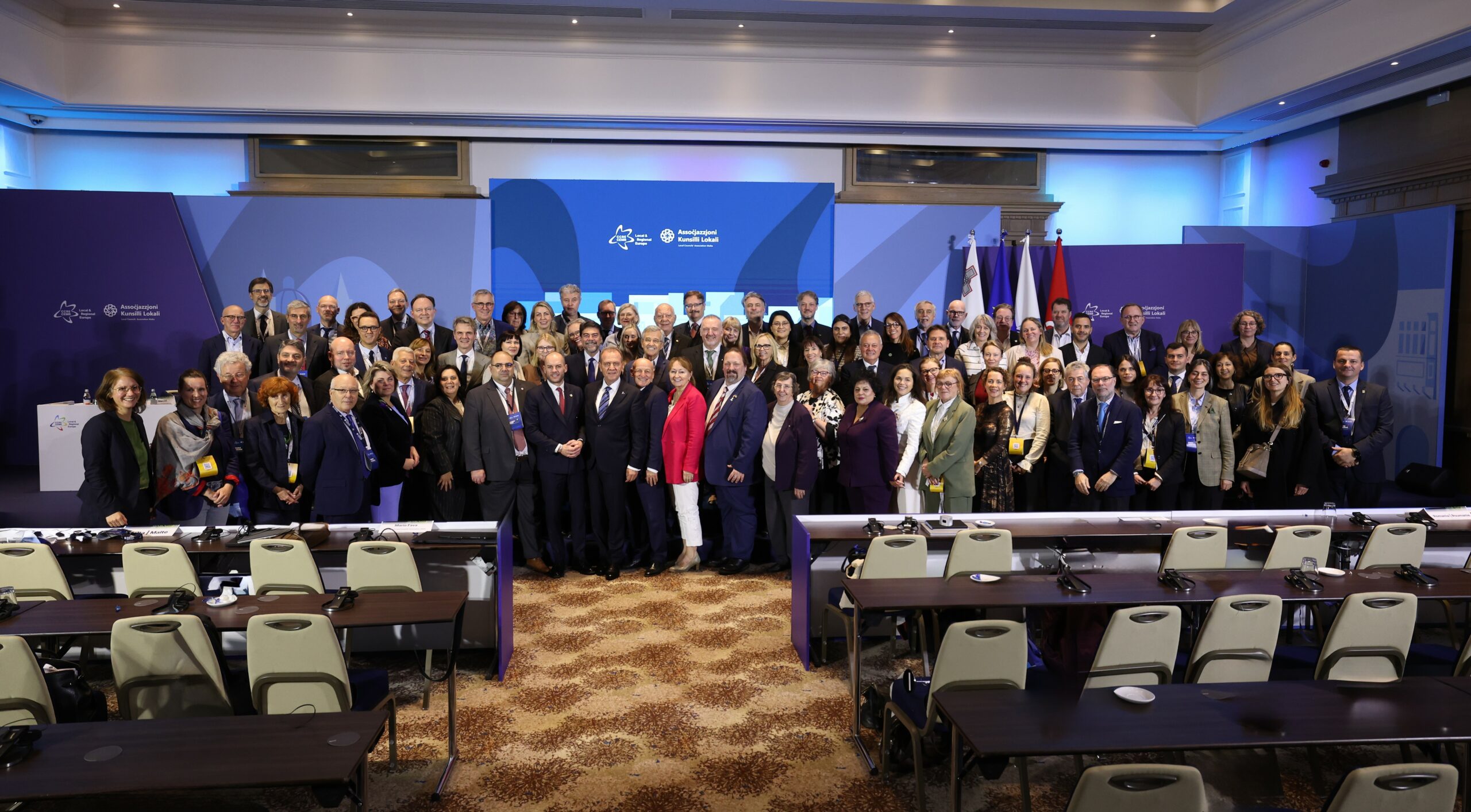
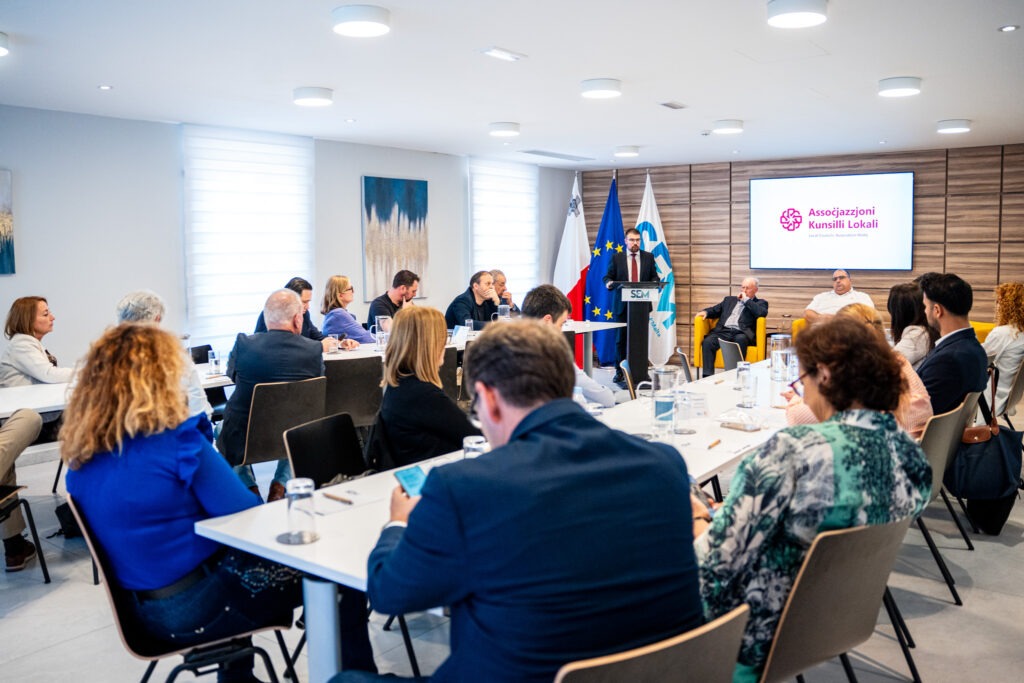
St. Julian’s, Malta, 5 December 2025 – Over 160 European mayors, councillors and representatives of national associations of local and regional governments gathered in Malta for the Council of European Municipalities and Regions (CEMR) Leaders’ Summit 2025, hosted by the Maltese Association of Local Councils. During the event, CEMR confirmed its political leadership for the 2026–2028 mandate.

The confirmed leadership reflects a strong commitment to stability, continuity and collective action at a time when Europe’s territories face accelerating demographic change, geopolitical instability and shifting investment priorities.

CEMR Leadership for the 2026–2028 mandate

  • Gunn Marit Helgesen, President of CEMR; President of the Norwegian Association of Local and Regional Authorities (KS); Member of Telemark County Council
  • Philippe Laurent, CEMR Co-President; President of AFCCRE; Mayor of Sceaux; Vice-President of Territoire Vallée Sud – Grand Paris; Member of the Ile-de-France Regional Council
  • Christoph Schnaudigel, CEMR Co-President; President of the German Section of CEMR (RGRE); President of the County of Karlsruhe
  • Vince Maple, Chair of the CEMR Financial Management Committee; Councillor of Medway; Vice-President of CEMR (Local Government Association, UK)

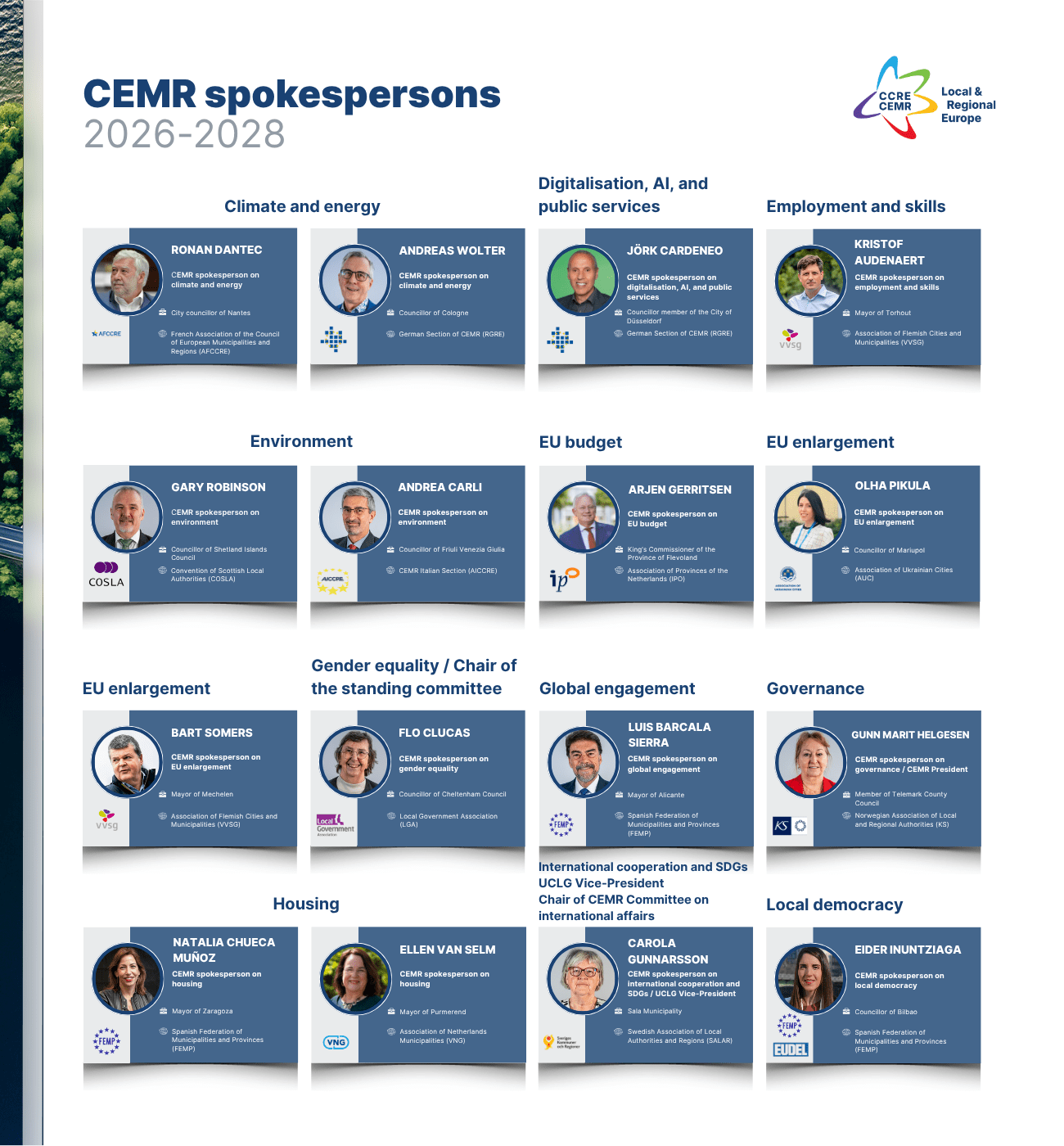
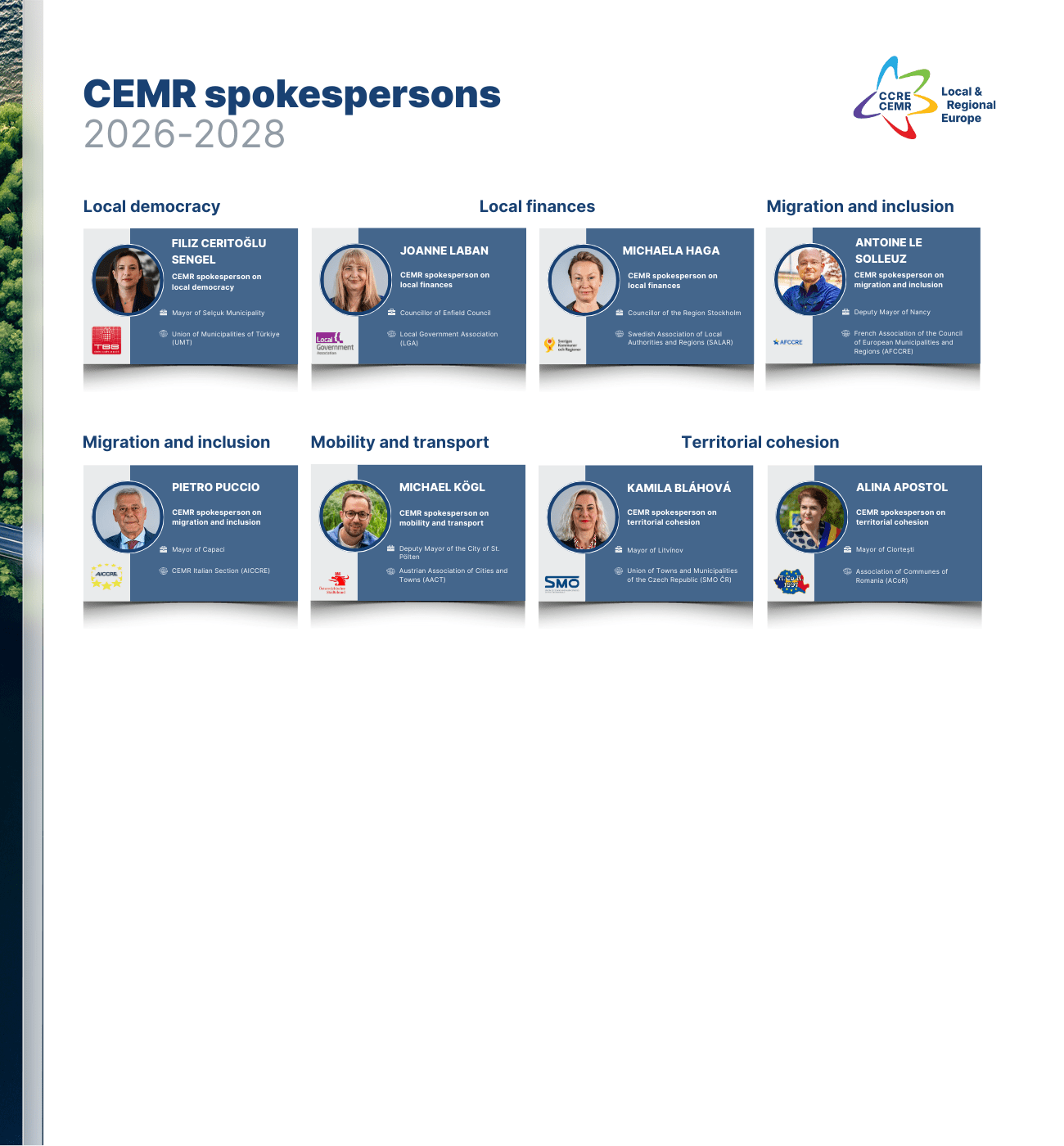
CEMR also announced the appointment of 24 new spokespersons, who will serve as political voices for Europe’s local and regional governments on key issues such as the EU Budget, cohesion policy, democracy, the green and digital transitions, territorial development and international cooperation.

“This Summit marks the beginning of a renewed direction for CEMR. Europe is transforming at a pace we have not seen in decades, and our communities feel the pressure every day. We need stronger partnerships, deeper territorial cooperation and long-term investment. Local and regional governments are not secondary actors — we are essential partners in shaping Europe’s future.”Gunn Marit Helgesen, CEMR President

Demographic change in the European continent takes centre stage

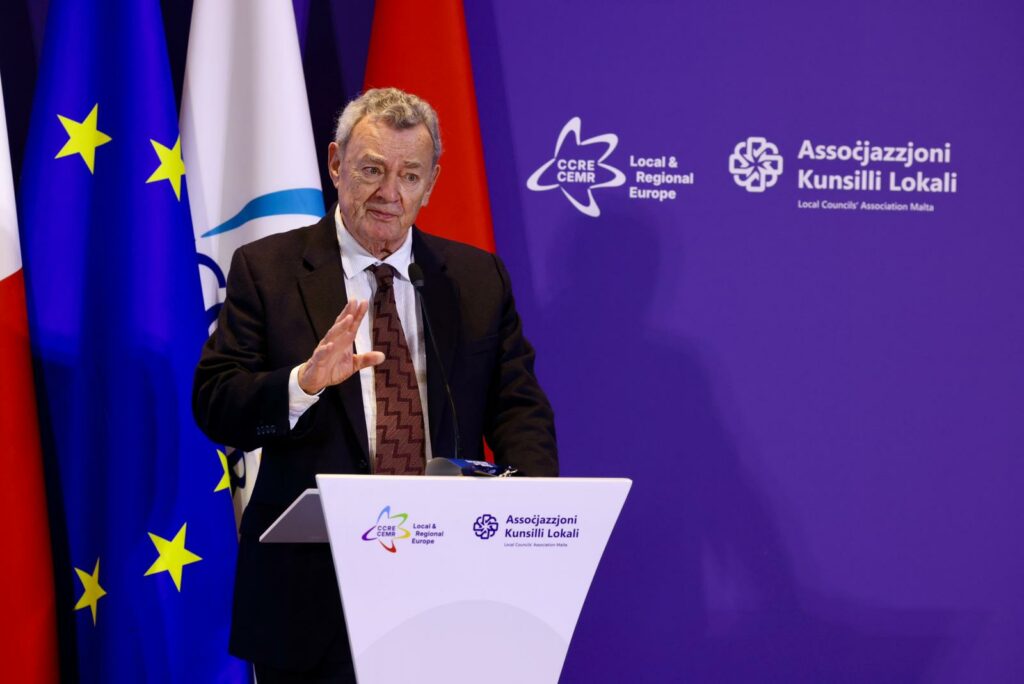
* Maltese Financial Minister Clyde Caruana – Leaders’ Summit 2025 Malta

The Summit’s political debates highlighted the profound impact of demographic transitions across Europe. In her opening intervention, Maltese Financial Minister Clyde Caruana stressed the realities his country faces as an island deeply shaped by mobility and rapid population change.

* Journalist and founder of Friends of Europe, Giles Merritt – Leaders’ Summit 2025 Malta

Giles Merritt, journalist and founder of Friends of Europe, warned that “ageing, rural depopulation and housing pressures are converging into a structural challenge for Europe’s future prosperity”.

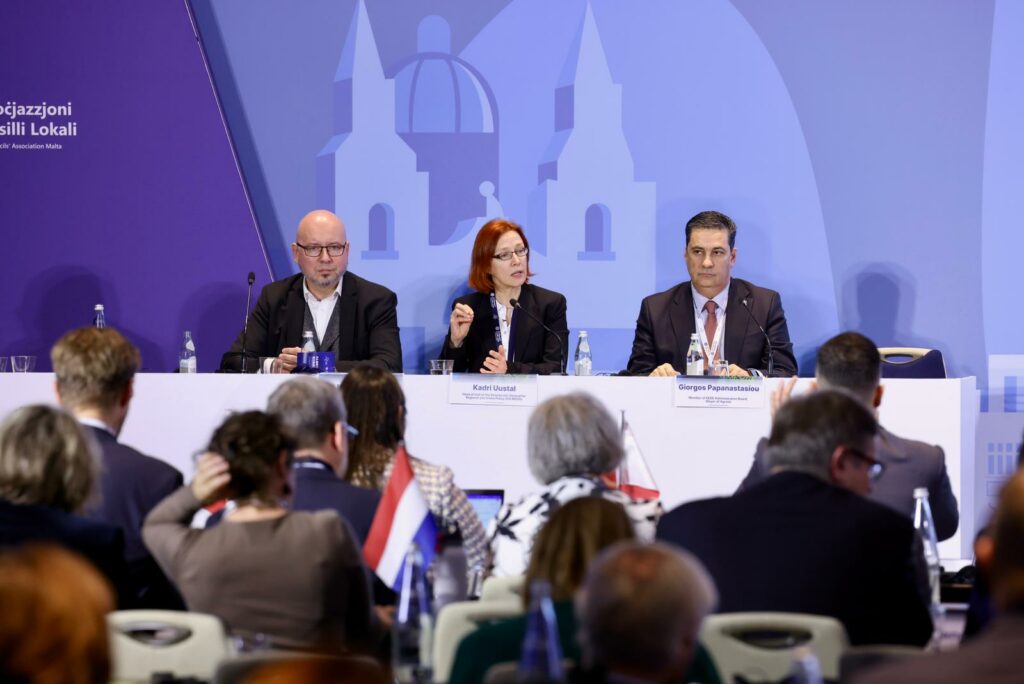
* Head of Unit at DG REGIO, Kadri Uustal; Municipal Councillor of Elva (Estonia) and representative of AECM, Juhani Jaeger, and member of KEDE and mayor of Agrinio in Greece, Giorgos Papanastasiou – Leaders’ Summit 2025 Malta

A high-level panel featuring Kadri Uustal, Head of Unit at the Directorate-General for Regional and Urban Policy (DG REGIO); Alison Zerafa Civelli, Parliamentary Secretary for Local Government within Malta’s Ministry for National Heritage, the Arts and Local Government; Giorgos Papanastasiou, Member of KEDE and Mayor of Agrinio (Greece); and Juhani Jaeger, Municipal Councillor of Elva (Estonia) and representative of AECM, explored how demographic pressures—declining birth rates, shrinking cities, labour shortages and uneven territorial development—require strong multilevel governance and durable policy consistency.

Their message was clear: local and regional governments are on the frontline of Europe’s demographic shift, and their leadership is essential to reverse decline, foster resilience and rebuild attractiveness in Europe’s territories.

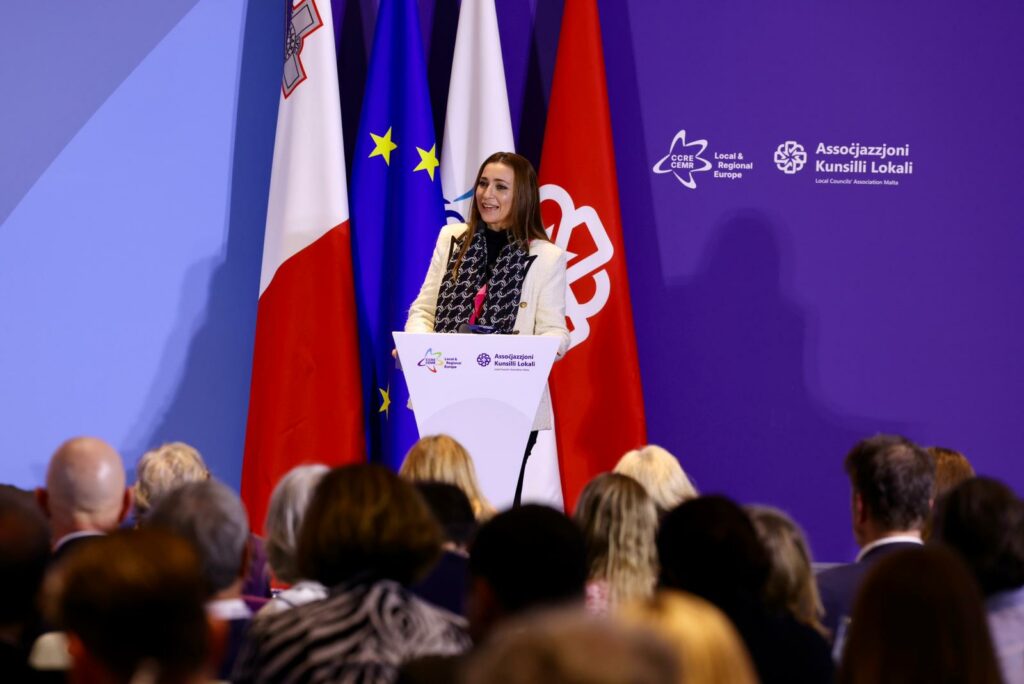
* Parliamentary Secretary for Local Government in the Ministry of the National Heritage, Arts and Local Government of Malta, Alison Zerafa Civelli – Leaders’ Summit 2025 Malta

Local governments call for a central role in shaping the next EU Budget

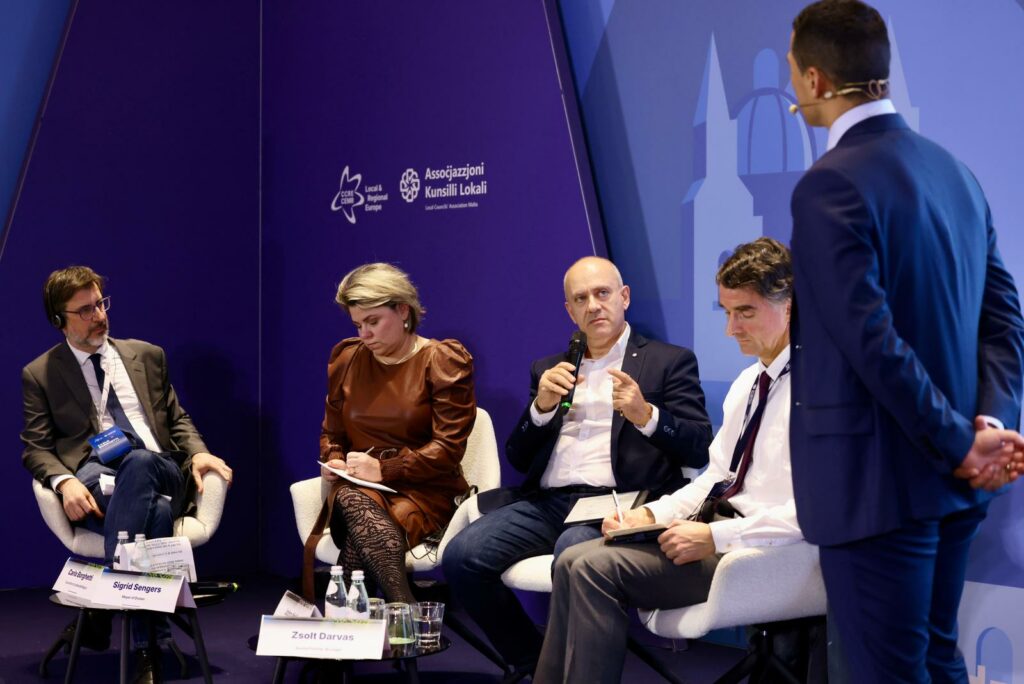
On the second day of the CEMR Leaders’ Summit, attention shifted to the next Multiannual Financial Framework (2028–2034). Contributions from Zsolt Darvas, Senior Fellow at Bruegel, John Mallia, President of the Malta Cooperative Federation, Jan Olbrycht, former MEP and Co-Rapporteur of the 2021–2027 EU Budget, Sigrid Sengers, Mayor of Druten (Netherlands), and Carlo Borghetti, Councillor of the Lombardy Region (Italy), reaffirmed a shared objective: ensuring that Europe’s budgetary priorities truly reflect the needs of its territories.

* Senior Fellow at Bruegel, Zsolt Darvas; President of the Malta Cooperative Federation, John Mallia; former MEP and Co-Rapporteur of the 2021–2027 EU Budget, Jan Olbrycht; Mayor of Druten (Netherlands), Sigrid Sengers; and Councillor of the Lombardy Region (Italy), Carlo Borghetti – Leaders’ Summit 2025 Malta

Speakers emphasised that cohesion and competitiveness must go hand in hand, and that the EU Budget must recognise the operational reality of local and regional governments, who implement over 70% of EU legislation and manage more than half of public investment.

Building Europe from the ground up

In his closing message, Fabrizio Rossi, CEMR Secretary General, underlined that the Summit had reinforced a shared political commitment across Europe’s territories. He stressed that CEMR will continue to champion stronger multilevel governance, advocate for EU investments that reflect the realities of every territory, confront demographic and social disparities, and defend democratic values where they matter most: at the local and regional levels. Rossi concluded by affirming that Europe’s future can only be built by empowering the communities that form its foundation.

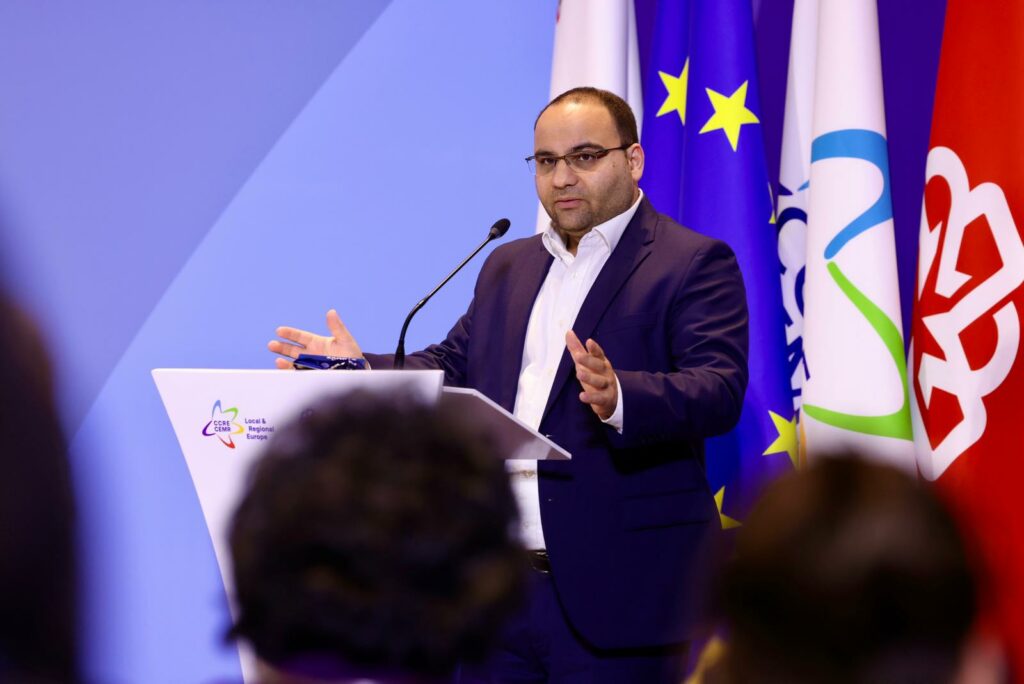
The Summit was opened by Mario Fava, President of the Maltese Association, who stressed that “demographic pressures, territorial fractures and shifting EU priorities show that Europe’s future begins locally. As the 2028–2034 MFF is shaped, cities and regions must be co-authors — not afterthoughts”, and also counted with an opening introduction by Olaf McKay, Mayor of Valletta, who underlined “today’s transitions demand the same instinct that built our city. We are facing demographic change, and as Europe shapes its next EU budget, cities must be co-authors of Europe’s agenda. That is the spirit of this Summit”.

For more information, contact:

Our reaction to the Agenda for cities

Twinning Report - News

CEMR welcomes the publication of the EU Agenda for Cities and the renewed recognition of local and regional governments as essential partners in delivering Europe’s priorities


The publication of the Agenda for Cities marks an important step towards strengthening the urban dimension of EU policies. It does acknowledge the key role of local and regional governments in implementing 70% of EU legislation, and the importance therefore to better inform and associate local governments in the preparation of European legislations. But the agenda falls short of answering the “ambition” level announced by President Ursula von der Leyen in her mission letter to Executive Vice President Raffaele Fitto.

Beyond a catalogue of policy areas where cities play an important role, and a list of initiatives already implemented by the European Commission, several elements will require clarification and improvement to ensure the Agenda truly delivers solutions for cities of all sizes and contribute to better policy making by transparent and representatives partnership with local and regional governments at European level. 

The Agenda for cities is just one piece of the puzzle 

While the EU Commission states that the Agenda applies to cities of all sizes, as well as suburbs and towns, the continued reliance on the Eurostat definition of “urban centres” (50,000+ inhabitants) risks leaving much of Europe behind. As we have seen with the implementation of the European Innovative action, the Eurostat definition has become the minimum population criteria in calls for proposals directly managed by the European Commission. This approach may inadvertently exclude small and medium-sized municipalities, which make up the majority of local governments and are at the heart of delivering EU policies.  

But beyond the Agenda for Cities, CEMR regrets that this initiative has not been enshrined in a broader more comprehensive territorial development strategy for Europe. As set out in our position paper Towards an inclusive EU agenda for cities of every size and context, an effective EU Agenda must reflect the full territorial diversity of the EU and avoid reinforcing urban–rural divides.  

A welcome recognition of cities’ role, but structured multilevel governance is still missing 

CEMR welcomes the acknowledgement of local and regional authorities as key implementers of EU legislation. However, the governance model proposed in the Agenda still relies heavily on ad hoc consultations, including the reference to the June 2025 Implementation Dialogue, which lacked transparency and representativity. 

We reiterate the need for a permanent, structured and inclusive multilevel governance mechanism involving local and regional governments and their representative associations at national and European level. This is essential for shaping, not only implementing, EU policies. In this respect, associations representing local and regional governments at European but also national level must be the go-to partners for the European Commission, to ensure representativity and legitimacy of their consultation processes.  

When mentioning the preparation of the “National and Regional Partnership Plan” for the EU budget post 2027, the Commission states that structured multilevel dialogue will be key feature in the preparation and implementation of the plan, but did not include any binding measure to ensure this is the case. CEMR also made concrete recommendations to secure the involvement of local and regional governments in preparation of these plans. 

Better Implementation must become a priority of the EU Agenda 

It is positive that the Agenda includes some specific support under a new “EU Cities platform” for capacity building, innovation and participation in dialogue. It will be important that this support offer is not restricted to few cities but available to all subnational governments.  
CEMR calls in particular for a dedicated Better Implementation pillar as part of the EU Urban Agenda with: 

  • Governance and competence impact assessments for all new EU proposals, 
  • capacity-building resources in the reforms pillar of the next MFF, 
  • regular and inclusive implementation dialogues, 
  • and a one-stop-shop integrating all support tools for subnational governments. 

These elements are indispensable for translating EU ambitions into real local outcomes.  

Funding: more clarity, but uncertainties remain 

We welcome the launch of the new EU City Portal, which can help cities navigate funding opportunities more easily. At the same time, the future EU Facility – to be directly managed by the European Commission raises questions about the future of existing programmes (EUI and URBACT) and on governance, accessibility, and safeguarding participation of smaller municipalities. To unlock the full potential of local governments, the EU must deliver simpler, fairer and better-aligned funding, as outlined in our position paper.  

Promising measures in the agenda, if they remain accessible to all

CEMR welcomes new initiatives announced in the Agenda, including: 

  • “potential” access to the European Competitiveness Fund for clean transition and industrial decarbonisation, as well as for resilience, security and defence 
  • High and technical levels consultations of urban stakeholders 
  • strengthened support for capacity building, including on public procurement, 

While cities are encouraged to adopt the “mission approach” it remains unclear whether that is mere suggestion or whether it will come with a new call and potential funding for these “Mission Cities”. 

These measures can help cities accelerate the green and digital transitions—as long as access is equitable and not restricted to larger or well-resourced municipalities. 

Our final message 

Today’s publication is a milestone for Europe’s urban future. But an EU Agenda for Cities must be inclusive, territorially balanced and grounded in genuine multilevel governance. CEMR stands ready to work with the European Commission, Member States, and its member national associations to ensure that this Agenda becomes a truly transformative framework—one that delivers for cities, towns and regions of every size and context

For more information, contact:

Digital local and regional governments

Digital transition - News 2022

How Europe’s municipalities and regions can drive an inclusive, secure and people-centred digital transformation


Local and regional governments are at the heart of Europe’s digital transformation. As the public authorities closest to citizens, they deliver services such as healthcare, education, transport, social support and broadband deployment, all increasingly shaped by EU digital legislation. Their role is essential to ensure that digitalisation remains inclusive, sustainable and accessible to everyone. Yet many local and regional governments still face major obstacles: unequal access to digital infrastructure, insufficient financial and human resources, cybersecurity risks, and widening gaps in digital skills.

Across Europe, disparities in connectivity and digital access disproportionately affect rural and remote areas, low-income households and vulnerable groups. These inequalities threaten territorial cohesion and limit citizens’ ability to participate fully in digital society. To make digital public services truly accessible, digital solutions must follow inclusive design principles and remain complemented by in-person service options for those who cannot or prefer not to use digital channels.

Cybersecurity has become an increasing concern as local authorities manage sensitive public data and critical infrastructure, often without sufficient expertise or funding to meet growing EU requirements such as those under the NIS2 Directive. Smaller municipalities, in particular, lack the resources to implement robust cybersecurity measures, respond to incidents or comply with complex regulatory frameworks. Reinforced cooperation, simplification of rules and sustainable financial support are essential to strengthen local resilience.

Skills development remains another pressing challenge. To implement new EU digital policies, including those related to artificial intelligence, interoperability and data governance, local administrations need staff trained to oversee digital systems, maintain human oversight, and ensure ethical, transparent and fair use of technologies. At the same time, strengthening digital literacy among citizens through lifelong learning and community-based initiatives helps build trust, inclusion and participation. Cooperation between municipalities and across regions also accelerates innovation and avoids fragmentation by enabling the exchange of best practices and common solutions.

A Call for Stronger EU Support

To ensure a fair, secure and inclusive digital transition, CEMR calls on European institutions to reinforce investment in digital infrastructure, especially in underserved regions; provide technical and financial support for accessible digital public services; maintain non-digital access to essential services during the transition; facilitate public-private partnerships to expand connectivity; and offer tailored guidance, capacity-building and long-term funding to help local and regional governments strengthen their cybersecurity and digital skills. Europe’s digital future depends on empowering the actors closest to citizens: its municipalities, cities and regions!

Read the position paper here

For more information, contact:

Workshop on Gender Equality Action Plans

Women - News Section

Training on gender equality at the local level: from commitment to actions


On 18 November, CEMR organised the online workshop “From commitment to action: Training on gender equality action planning”. The event brought together around 60 participants from more than 10 countries, including France, Germany, Belgium, the Netherlands, North Macedonia, Romania, Ukraine, Greece, Poland, the United Kingdom and Austria. Municipal representatives, national coordinators and experts joined to strengthen their capacity to design, update and implement Gender Equality Action Plans (GEAP) in line with the European Charter for Equality of Women and Men in Local Life.

As the Charter approaches its 20th anniversary in 2026, the session provided practical guidance, tools and inspiration to support renewed commitment at local and regional levels.

Gender equality action planning: tools and approaches

The workshop started with inputs on the importance of gender mainstreaming as a core tool for local gender equality strategies. Miguel Hernandez Littlewood from DG REGIO presented the EU’s strategic framework, relevant funding mechanisms and the new gender-tracking methodology.

Aline Burni research fellow at the think tank ODI Europe shared findings from the GAP III report and offered practical guidance on conducting needs assessments, securing financial resources, ensuring leadership commitment and developing monitoring systems focused on impact rather than activities.

The experience of the Charter’s signatories

Several Charter signatories shared their experiences and challenges in developing their Action Plans.

Nataliya Lazarenko, on behalf of the Association of Ukrainian Cities, and Alina Khaletska, member of the Expert Council on Gender Integration of the City of Kyiv (Ukraine), presented their unique experience with the Charter, recalling that the first Ukrainian signatory was Vinnytsia (Ukraine) in 2017 and explaining how the context of war has intensified gender equality concerns.

Pascale Douineau, elected official responsible for gender equality from the City of Quimperlé (France), shared her work on the visibility of women in public spaces, while also highlighting the specific challenges faced in rural areas.

They emphasised the importance of strong political commitment, noting that signing the Charter is a concrete signal to take action, and that Action Plans are essential tools for implementing equality measures in daily life.

The workshop offered participants the chance to work through a practical exercise to design an action plan based on the Charter’s articles, including Article 22 on gender-based violence, which encouraged the exchange of good practices. Participants also discussed the need for an integrated approach, the challenges of securing adequate financial resources, and the importance of setting dedicated budget targets. Finally, the relevance of effective monitoring tools emerged as a key point of reflection.

The main takeaways from the workshop highlight that an assessment of gender needs is indispensable for identifying priorities and ensuring that measures are not generic but reflect local realities. Sustainable implementation requires adequate financial resources, committed leadership, and long-term structures. Ultimately, the discussions made clear that a single model for gender equality action planning does not exist. Each approach must be tailored to local contexts, and Gender Equality Action Plans are essential tools to translate these commitments into concrete, measurable actions.

Preparing for the Charter’s 20th anniversary

As next year 2026, we move toward the 20th anniversary of the Charter, CEMR will keep working alongside towns, cities and regions to advance their gender equality strategies. Participants are encouraged to take forward the tools and insights gathered during the workshop, embed them in their local plans, and remain active partners in the collective push for gender equality.

For more information, contact:

Town Hall COP webinar

TOWN HALL COP - News

Town Hall COP: Faster climate action and multilevel governance to tackle climate change


Strengthened local action and multilevel governance to meet climate targets is one of the key messages defended by CEMR and PLATFORMA. On 19 November 2025, both networks organised their first Town Hall COP, a community-led climate dialogue aimed at reinforcing partnerships across levels of government. Participants insisted on linking climate efforts with broader global agendas such as the Sustainable Development Goals (SDGs). The event took place online while COP30 negotiations are expected to conclude by the end of the week in Belém (Brazil).

COP30 negotiations update and progress made since COP21

Intervening from Belém, the Director for Intergovernmental Support and Collective Progress at UNFCCC Cecilia Kinuthia-Nienga provided an update on the COP 30 negotiations, highlighting the presidency’s focus on multilateralism, building trust, and moving “from commitments to implementation.”

She discussed the importance of clear governance structures, investment pipelines, and support for developing countries to ensure credible Nationally Determined Contributions (NDCs) implementation.

Just back from COP30, Bridgette Burken-Holder, Director of International Program at the European Climate Foundation, emphasised the evolution of the 2015 Paris Agreement as a “living instrument” and the progress made in reducing emissions in cities, but also the growing recognition of subnational governments in climate policy. She noted that 80% of submitted NDCs now include cities and regions as key partners.

Paraphrasing a COP30 participant, she said: “As local governments, we don’t need just a seat at the COP table, we need to rebuild the table to make sure that we can fit everyone we need.”

CEMR Spokesperson on environment and Senator for Loire-Atlantique (France) Ronan Dantec, also discussed the evolution of local governments’ role in climate governance over the past 20 years, emphasising the importance of their involvement for reaching climate targets.

Thysia Tchekouteff, Policy Assistant at the European Commission Directorate-General for Climate Action, reminded the European Union’s climate goals: to become the first climate-neutral continent by 2050, with a 55% reduction in greenhouse gas emissions by 2030 and a 90% reduction by 2040.

She emphasised the importance of multi-level cooperation, highlighting the EU’s endorsement of the Coalition of High Ambition Multi-Level Partnerships (CHAMP) and its commitment to working with subnational governments.

Climate action: political, financial, and citizen engagement

“Climate change does not wait for the next election,” stressed Emil Brogn, Mayor of Cluj-Napoca (Romanian Municipalities Association), who called for reinforced political support, blending financial resources, and making green choices easy for citizens. The mayor named “three key elephants in the room”: political support, finance, and citizen engagement.

He stressed the importance of communicating climate change actions in a way that resonates with citizens. A comment shared by Siri de Vrijer, Policy advisor on environment to MEP Gerben-Jan Gerbrandy (Renew Europe – Netherlands), who said: “we must show citizens what’s in it for them.” She discussed the need for a narrative that aligns with citizens’ perspectives and policy makers’ responsibilities.

This was also supported by Nadia Pellefigue who presented the Committee of the Regions’ opinion on COP30. “Without multi-level governance, ambitions remain theoretical. With it, ambitions become reality,” stated the Vice-President of the Occitanie Region (France). She called for a formal multi-level governance dialogue within the UNFCCC.

National perspectives from Moldova and Croatia

Marina Lungu, Head of Climate Change section at the Ministry of Environment of Moldova presented her country’s newly submitted NDC, which emphasises multi-level governance and includes institutional mechanisms for climate policy coordination across all levels of government.

Miljenko Sedlar, Head of climate in the Northwest Croatia Regional Energy and Climate Agency, presented Croatia’s approach to climate action. He also mentioned a new EU27 project called National Adaptation Hubs, which aims to shift from reactive to systemic adaptation and resilience across EU member states.

Local climate action initiatives

“80% of what can be done is under the influence of local governments,” said CEMR spokesperson for climate Marianne Overton, who discussed the challenges of climate change and the importance of local government in addressing it. The Councillor of North Kesteven and Lincolnshire (UK) highlighted the need “to make green choices easier for residents” and shared examples of successful initiatives, such as solar installations on council housing and energy-efficient building designs.

Overton emphasised the role of local municipalities in achieving climate targets and mentioned a motion passed by over 200 councils aiming for net zero by 2030.

Ola Nord, Head of the City of Malmö (Sweden) EU Office presented his city’s Town Hall COP initiative, which engaged 40 citizens to identify key climate action areas, resulting in 26 proposals focused on city planning, transport, democracy, just transition, lifestyle, and energy. “Change is happening, there’s a lot of positive developments, but it needs to be sped up and made stronger,” he said.

Looking towards 2027

Risto Veivo, Climate director at Central Administration of the City of Turku (Finland) provided an update on the IPCC Special Report on Cities to be presented at COP27. The report, involving approximately 100 lead authors will focus on various aspects of urban climate change, including solutions by city types and regions globally.

The results of CEMR-PLATFORMA Town Hall COP will now be shared with the large community of the Local Governments and Municipal Authorities (LGMA) Constituency of the United Nations, of which CEMR is a member. Ahead of COP30, CEMR endorsed the LGMA Joint Position, a joint call for COP30 leaders to empower cities and regions as key drivers of global climate implementation.


More information

For more information, contact:

Workshop on social dialogue

Lab event - News

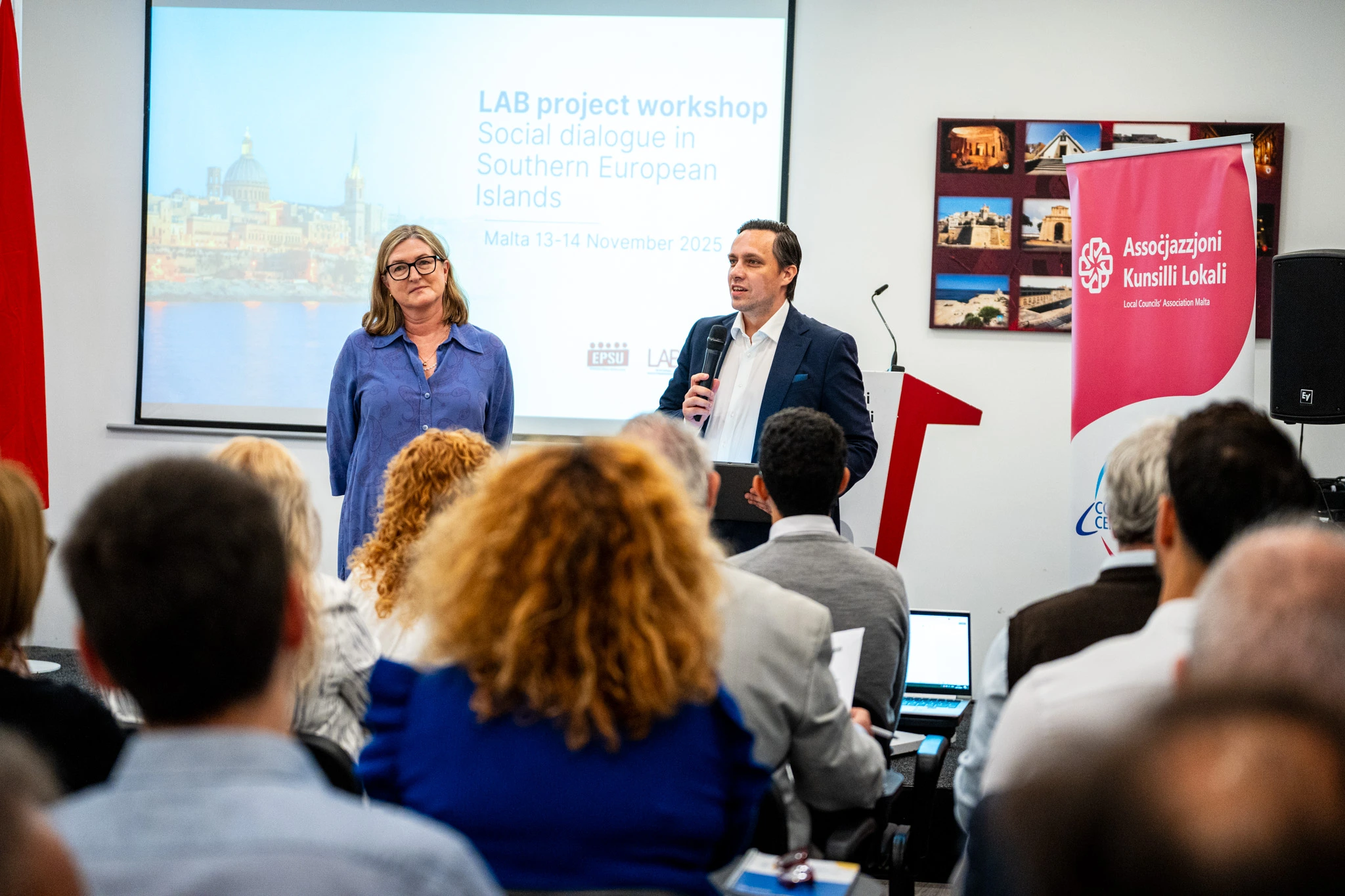
CEMR-EPSU Workshop on social dialogue in Southern European Islands


CEMR and EPSU hosted a workshop in Malta focusing on social dialogue in Southern European islands. The event brought together participants from Malta, Cyprus and Greece to discuss current challenges and opportunities for national and EU level social dialogue.

Social dialogue means all types of negotiation, consultation or exchange of information between, or among, representatives of governments, employers and workers, on issues of common interest relating to economic, employment and social policy.

The workshop included interventions by the Head of the European Commission’s Representation in Malta, Maria-Elena Despot and the Director General of the Department for Industrial and Employment Relations in Malta, Diane Vella Muscat. It also featured a meeting with the Maltese government’s representative to the Malta Council for Economic and Social Development, Rodrick Zerafa.

The workshop featured examples of best practices for social dialogue by speakers from Germany, Estonia and Sweden. These included German practices to ensure staff retention and upskilling in collective bargaining agreements to address the need for new skills arising from the green and digital transition.

A representative from the Swedish trade union TCO presented the Swedish labour market model as an example of effective social dialogue leading to industrial peace and a high level of collective agreement coverage.

In their presentation on the digital transition in Estonian local governments, the Association of Estonian Cities and Rural Municipalities highlighted that “the digital transition can become a driver for dialogue, because it affects everyone’s work”.

This workshop marks the first of three regional events organised under the LAB project, an EU-funded initiative led by CEMR and EPSU. The project aims to strengthen social dialogue across Eastern and Southeastern Europe, candidate countries and Southern European islands by equipping local and regional social partners with the tools and knowledge to engage constructively at both national and EU levels.

These regions often experience challenges to active participation in national and EU level social dialogue due to limited capacities of the social partners and underdeveloped social dialogue frameworks. Social dialogue is becoming an increasingly important tool to address not only employment and social policy, but also to find inclusive and effective solutions to other challenges, such as the green and digital transitions. 

For more information, contact:

EU budget: Local Alliance action plan

Local Alliance - News Section

Making the next EU budget work for cities and regions: the Local Alliance’s 10-point action plan


The Local Alliance – a coalition of Europe’s leading local and regional governments: ACR+, CEMR, Climate Alliance, Energy Cities, Eurocities, FEDARENE, ICLEI Europe and POLIS, – aims at ensuring that our constituencies have the competencies and resources to implement and reinforce Europe’s resilience, competitiveness and decarbonisation.

We share a common vision for the 2028–2034 Multiannual Financial Framework (MFF) to become a strong, democratic, and future-proof tool that drives cohesion across territories, reinforces Europe’s competitiveness, and enables a just transition towards climate-neutral and resilient transition.

Local and regional governments are Europe’s frontline for delivering change. They are the democratic level closest to citizens, trusted by a majority of Europeans, and directly or through shared responsibility in charge of implementing most EU legislation. They mobilise the bulk of climate-relevant investment, drive innovation and competitiveness, and safeguard cohesion and just transition by ensuring that no community is left behind. Without their leadership, Europe cannot succeed in meeting its green, digital, social, and competitiveness ambitions.

Yet instead of empowering this strength, the Commission’s proposal for the next MFF risks sidelining local and regional governments, who are best placed to deliver. A centralised approach, which does not reflect the local realities and priorities, not only threatens delivery on the ground, but also Europe’s long-term societal, democratic and economic resilience and competitiveness. As the Committee of the Regions’ most recent report highlights, European cities and regions need a budget to help build the Union from the ground up – where local and regional authorities are not only implementers but co-creators of Europe’s future.

With the negotiations already underway, the Local Alliance calls on the European Parliament and the Council of the EU to seize this opportunity to put democracy, territorial cohesion, and competitiveness at the heart of the next MFF by ensuring local and regional governments are recognised as indispensable partners. Europe cannot achieve its strategic objectives without working hand in hand with its towns, cities and regions. For this reason, the Local Alliance presents an 10 point action plan to ensure the EU budget delivers tangible results for people in every territory across Europe and beyond.

For the next MFF, we call on:

1. Stronger multilevel governance mechanisms to deliver both reforms and investments.

2. Stronger partnership principle for the implementation of the MFF.

For the National and Regional Partnership Plans: 

3. Making regional and territorial chapters of the National and Regional Partnership Plans mandatory, with a clear section on cities.

4. Earmarking for a just transition & affordable living for all.

5. A real EU program for cities of all sizes under the proposed EU Facility.

6. Safeguarding mechanism for the local and regional level to guarantee their access to EU funds.

7. Linking performance indicators to EU law implementation and territorial delivery.

For the European Competitiveness Fund and Horizon Europe: 

8. Competitiveness Fund and Horizon Europe should recognise cities and regions explicitly as innovators and investors.

For Horizon Europe:

9. Continuing the Mission approach under Horizon Europe.

For the Global Europe Facility:

10. Stronger support for accession cities and regions for the future of European cohesion.

Read the full position paper here

For more information, contact:

Mis/disinformation impact on democracy

Local truth study 2025

Empowering cities against mis/disinformation: building capacity, coordination, and trust


According to CEMR’s latest study, nearly half of LRGs report moderate to significant impacts from misinformation, particularly in areas such as public health, personal attacks on officials, and election interference. During the pandemic, for example, false claims about vaccines and public measures severely undermined public trust. 

The personal toll is also growing. One in four local representatives has faced online abuse or intimidation, and over half report being targeted by false claims about their integrity or conduct. These are not abstract challenges, but rather, they erode both individual safety and democratic trust. 

The evidence of CEMR’s study highlighted how misinformation and disinformation spike during crises, for example, around COVID-19, climate policies like low-emission zones, or housing and migration debates. During moments when emotions run high and public debate intensifies, local and regional governments often find themselves on the frontline of these tensions, but many lack the capacity or tools to respond effectively. CEMR’s findings show that 58% of municipalities still lack a formal strategy to counter misinformation and disinformation, and only a quarter are in the process of developing one. Most rely on reactive measures, 58% monitoring social media to spot emerging issues, around a third run awareness campaigns, and a smaller share (4%) collaborate with fact-checkers or pursue legal action (21%). These are useful but insufficient without proactive planning. 

For CEMR, building resilience requires three key actions: 

  1. Strengthen local capacity and trust. Training staff, protecting targeted officials, and using participatory democracy tools such as citizens’ assemblies can help communities become less vulnerable to false narratives. 
  1. Improve coordination and tools. Shared monitoring systems, partnerships, and national or EU knowledge-sharing platforms can help municipalities act faster and avoid duplication. 
  1. Create an enabling framework. National and EU support, through measures like the Digital Services Act, AI Act, and national counter-disinformation laws, can provide resources, clarity, and legal backing. 

Ultimately, misinformation may be a global issue, but its impact is most visible locally. Empowering local governments with the right capacity, coordination, and frameworks is key to protecting communities, safeguarding democracy, and rebuilding public trust. 

Read the study here

For more information, contact: