New task force on housing

ADD ME project

CEMR strengthens the voice of local and regional governments in Europe’s housing agenda 


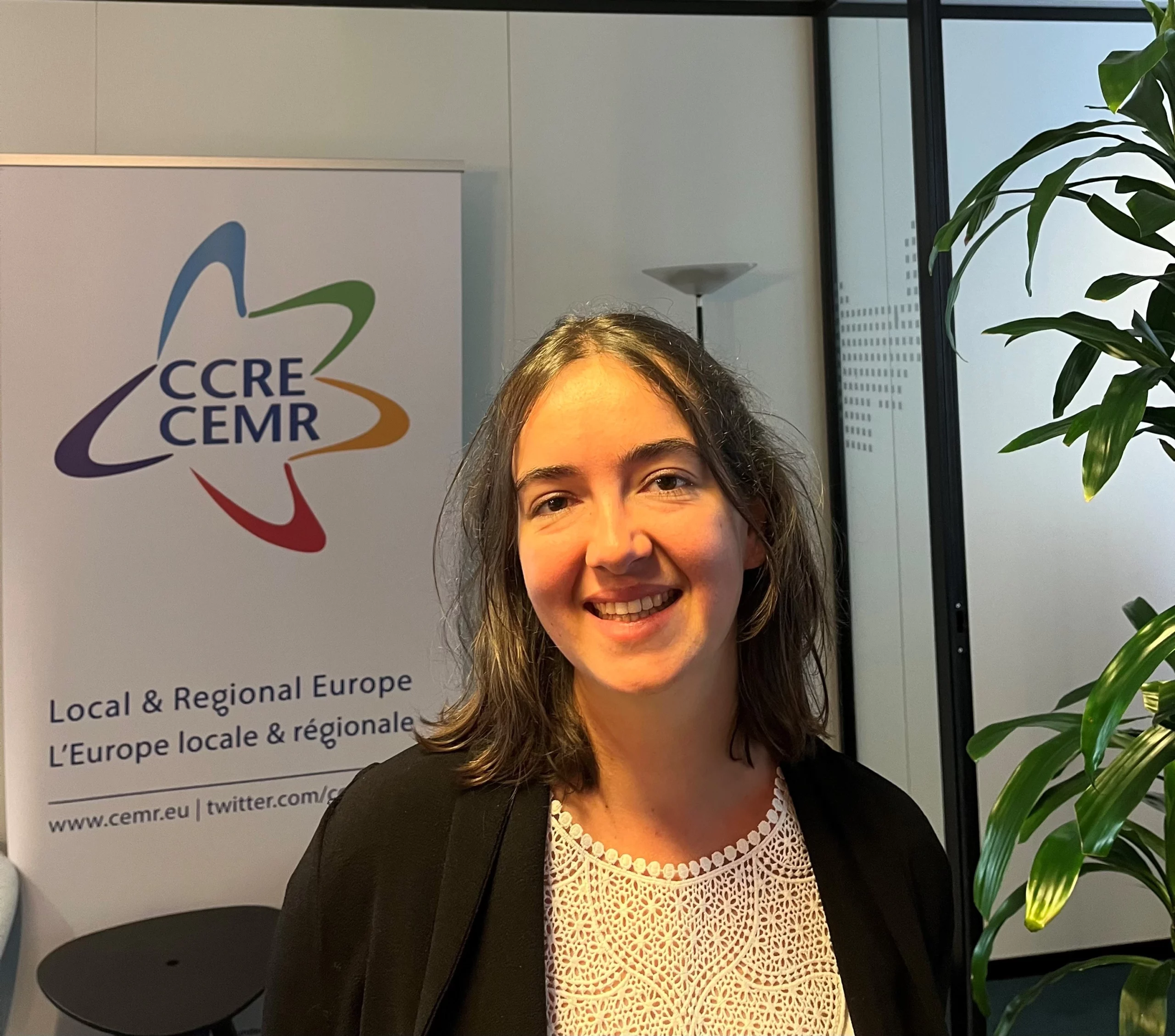
With housing fast becoming one of Europe’s most pressing social and economic challenges, the Council of European Municipalities and Regions (CEMR) has launched a new Task Force on Housing to shape the local and regional contribution to the EU’s forthcoming European Affordable Housing Plan but also beyond the EU agenda, to foster exchanges within CEMR membership to consolidate the voice of local and regional governments on the housing crisis. The new task force is bringing together close to 30 housing experts from 11 European countries.  

What European solutions to local challenges?  

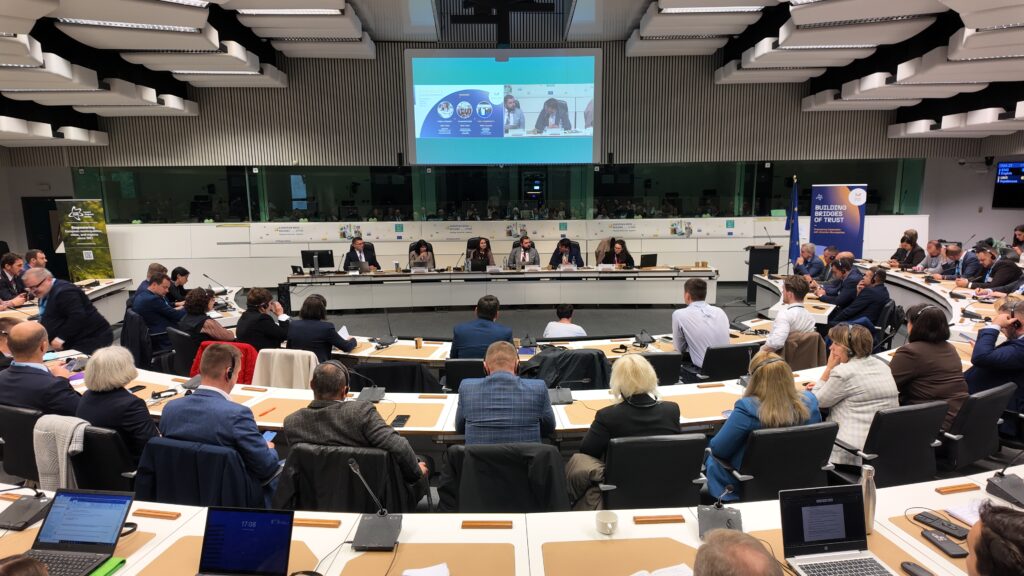
At its inaugural meeting on 3 October 2025, participants highlighted how the housing crisis takes different forms across Europe: from overheated urban markets and speculative investment in short-term rentals, to depopulation and poor housing quality in rural areas. Despite these diverse contexts, all agreed that housing is a human right and that local governments must have the means and autonomy to act. 

Members discussed how the EU can best support local and regional efforts through more accessible financing, simplified permitting, stronger subsidiarity, and fairer fiscal rules, without replacing or duplicating existing national and local initiatives As one participant put it, “We need to define what the EU can add to national and local support systems to housing and look where local expertise could lead.”  
 
The task force also exchanged with Matthew Baldwin, Deputy Director General at the European Commission Directorate General for Energy, responsible of the Commission’s own task force on housing. He presented the European Commission’s vision for the European Affordable Housing Plan, emphasising that affordability, sustainability, and decent living standards are now recognised as core EU priorities. He invited CEMR and its members to contribute to the public consultation. 

What are the priorities of local and regional governments on housing? 

From the first meeting of the CEMR housing task force, some common messages already emerged:  

  • A multi-level governance approach, respecting subsidiarity and proportionality in all EU housing and urban policies; 
  • Long-term, flexible, and accessible financing tailored to both urban and rural needs; 
  • Reformed fiscal rules to give municipalities more autonomy and capacity to invest; 
  • Simplified permitting and planning frameworks that reduce delays without compromising democratic accountability; 
  • And a holistic view linking housing to energy efficiency, mobility, and access to public services — ensuring that every home is part of a sustainable, inclusive community. 

In the discussion that followed, participants stressed that “housing cannot be solved through construction alone. It must be part of a wider territorial vision that connects affordable homes with climate neutrality, social inclusion, and quality of life.”  

CEMR will build on these messages to consolidate a European local and regional vision to address the housing crisis. By coordinating local and regional voices, CEMR aims to ensure that Europe’s response to the housing crisis fully recognises the essential role of municipalities and regions: those who plan, build and care for their inhabitants.  

Call for proposals on AI 

CEMR Conferences

Call for proposals open: empowering local leaders through AI 


The Council of European Municipalities and Regions (CEMR), in collaboration with EIT Digital, is launching a new initiative: Empowering Local Leaders through AI

As Artificial Intelligence becomes increasingly central to public service delivery, local and regional governments across Europe need the skills and confidence to harness its potential. This initiative aims to bridge the gap between policy, innovation, and technology, ensuring that territorial leaders are equipped to lead the digital transformation of their communities. 

CEMR is now seeking consultancy services to develop and pilot a training programme designed specifically for local and regional governments and their associations. The project will identify training needs, map emerging AI trends, and deliver a practical, hands-on curriculum for local leaders. 

  • Deadline for submissions: 10 November 2025 
  • Contract period: December 2025 – December 2026 
  • Budget: Up to EUR 33,000 (excluding VAT) 

Interested experts or organisations are invited to submit their proposals by email to application@ccre-cemr.org with the subject line: 
“Developing and Testing a Training Programme on AI for Local and Regional Governments and their Associations.” 

Together, let’s empower Europe’s local leaders to use AI for inclusive, ethical, and people-centred governance. 

For more information, read the Terms of Reference here.

Contact:

UCLG World Council in Xi’an

European cities and regions unite for peace and cooperation in Xi’an


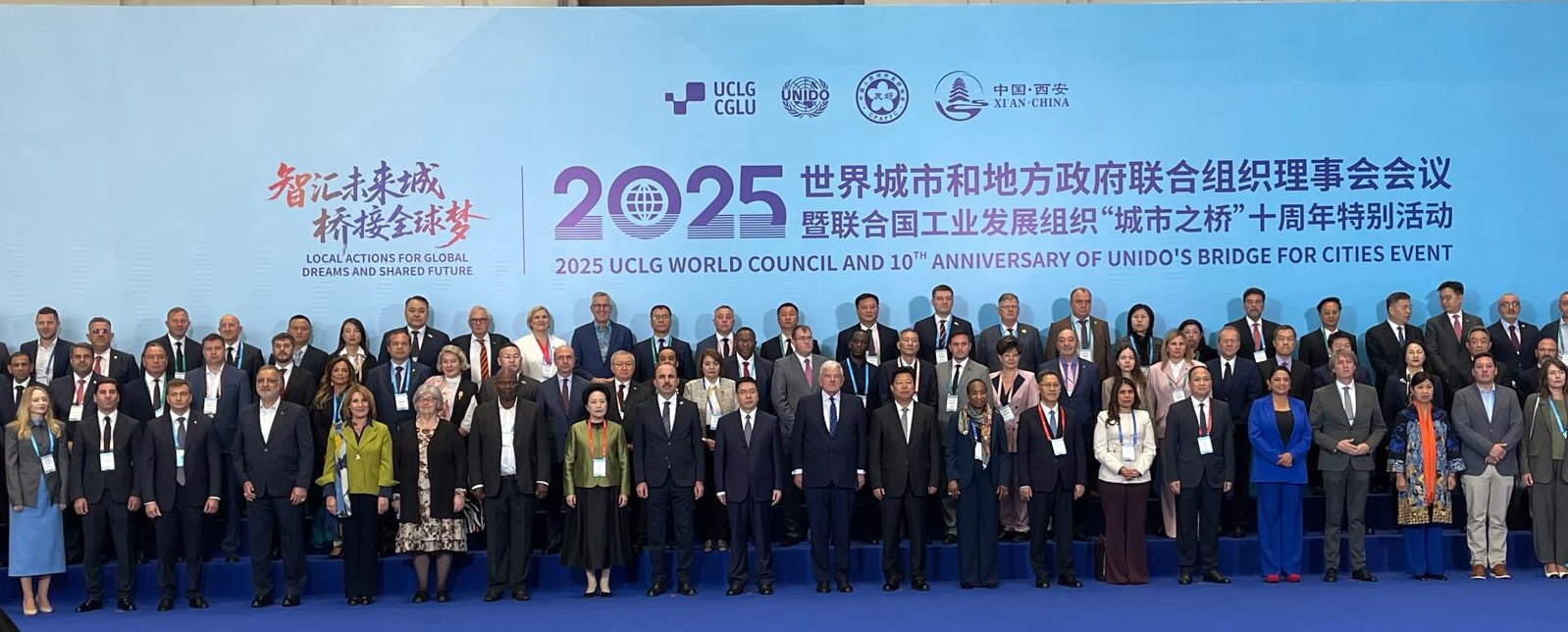
As the European section of UCLG, CEMR took part in the UCLG World Council, hosted in Xi’an, and held in synergy with the 10th anniversary of the United Nations Industrial Development Organisation’s (UNIDO) “Bridge for Cities” initiative. Under the motto “Shaping Communities for Current and Future Generations,” the summit brought together more than 300 participants from over 80 cities and local government networks.

The UCLG World Council was also an occasion for European local and regional representatives to engage with counterparts from around the world. During the European caucus meeting, CEMR members exchanged with Bernadia Irawati Tjandradewi, UCLG Asia-Pacific Secretary General, the priorities and potential areas of cooperation, particularly on gender equality.

The opening session, co-organised with UNIDO, reaffirmed the importance of collaboration between cities and international institutions. A joint statement was signed between UCLG, UNIDO and the city of Xi’an to deepen technical cooperation and capacity-building programmes. Speakers underlined that local transformation can only succeed when communities are fully involved as partners, not just beneficiaries.

CEMR also participated in the Bridge for Cities High-Level Plenary, which focused on innovation, sustainable urban development and the contribution of local leadership to global agendas.

During the World Council,  a new call for action open to all local and regional governments was approved. Under the title “Call for action on peace and reconstruction”, it expresses the commitment of local and regional governments to peace, human rights and reconstruction, particularly in territories affected by armed conflict. It builds on the values of the Pact for the Future of Humanity — People, Planet and Government — and highlights the unique role of cities in rebuilding coexistence and social ties.

By representing the European perspective and emphasising the key role of cities, towns and regions in democratic resilience and inclusive development, CEMR helped to reinforce this global movement and reaffirm the role of local governance in shaping peaceful and sustainable societies.

For more information, contact:

The EU must hear its cities

Cities and regions unite to defend their role in Europe’s next budget


During this year’s European Week of Regions and Cities, Europe’s local and regional leaders sent a clear message: the future of the EU budget must not sideline those who make Europe work.

Through two major events — one under the #CohesionAlliance and another by The European Urban Forum and the Local Alliance — the Council of European Municipalities and Regions (CEMR) and its partners mobilised to defend the role of towns, cities and regions in shaping and delivering the EU’s next long-term budget for the period 2028–2034.

These engagements follow a broader advocacy effort launched right after the European elections, when the new EU institutions began to define the political priorities for the current mandate.

Standing up for partnership and cohesion

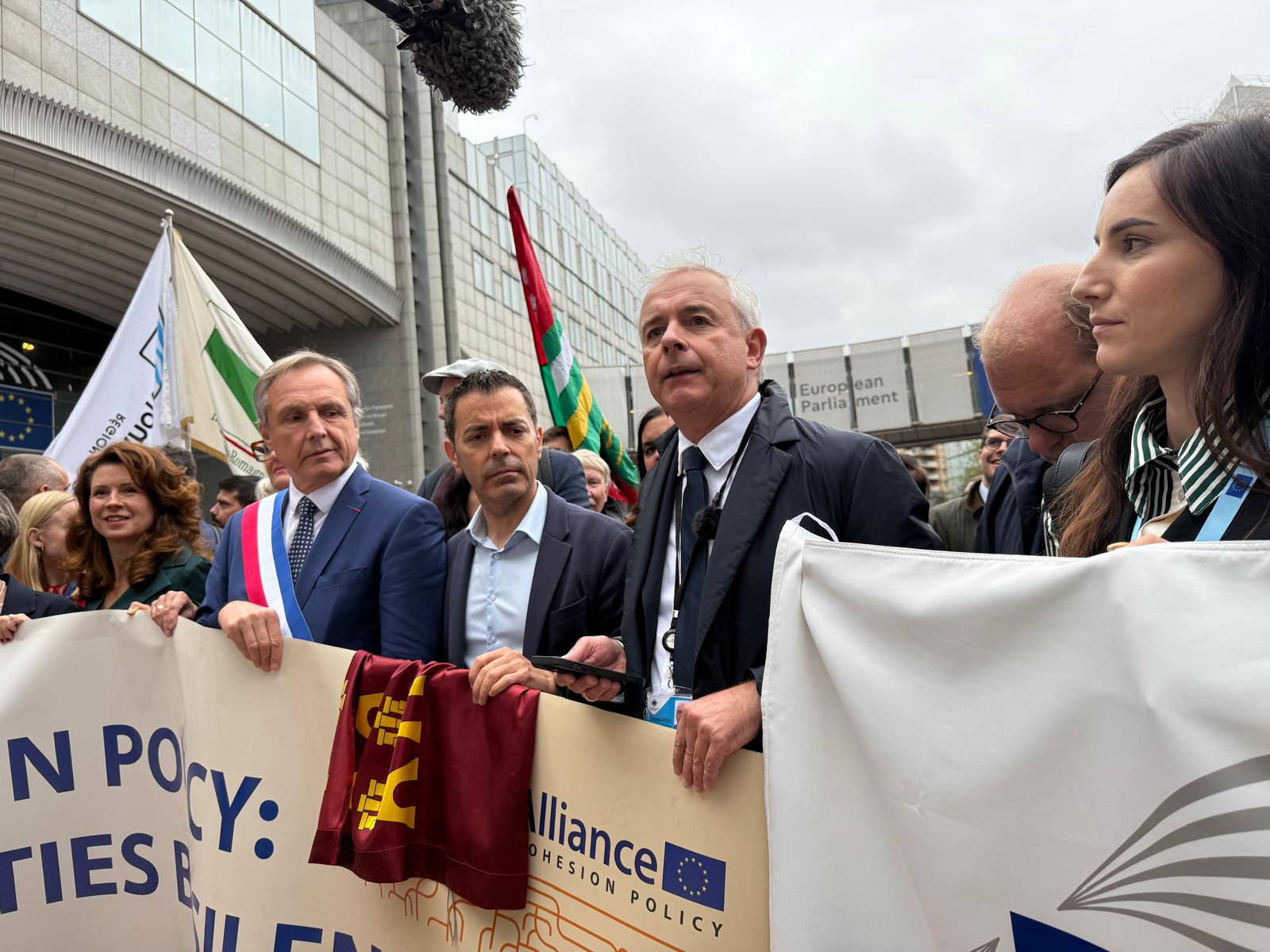
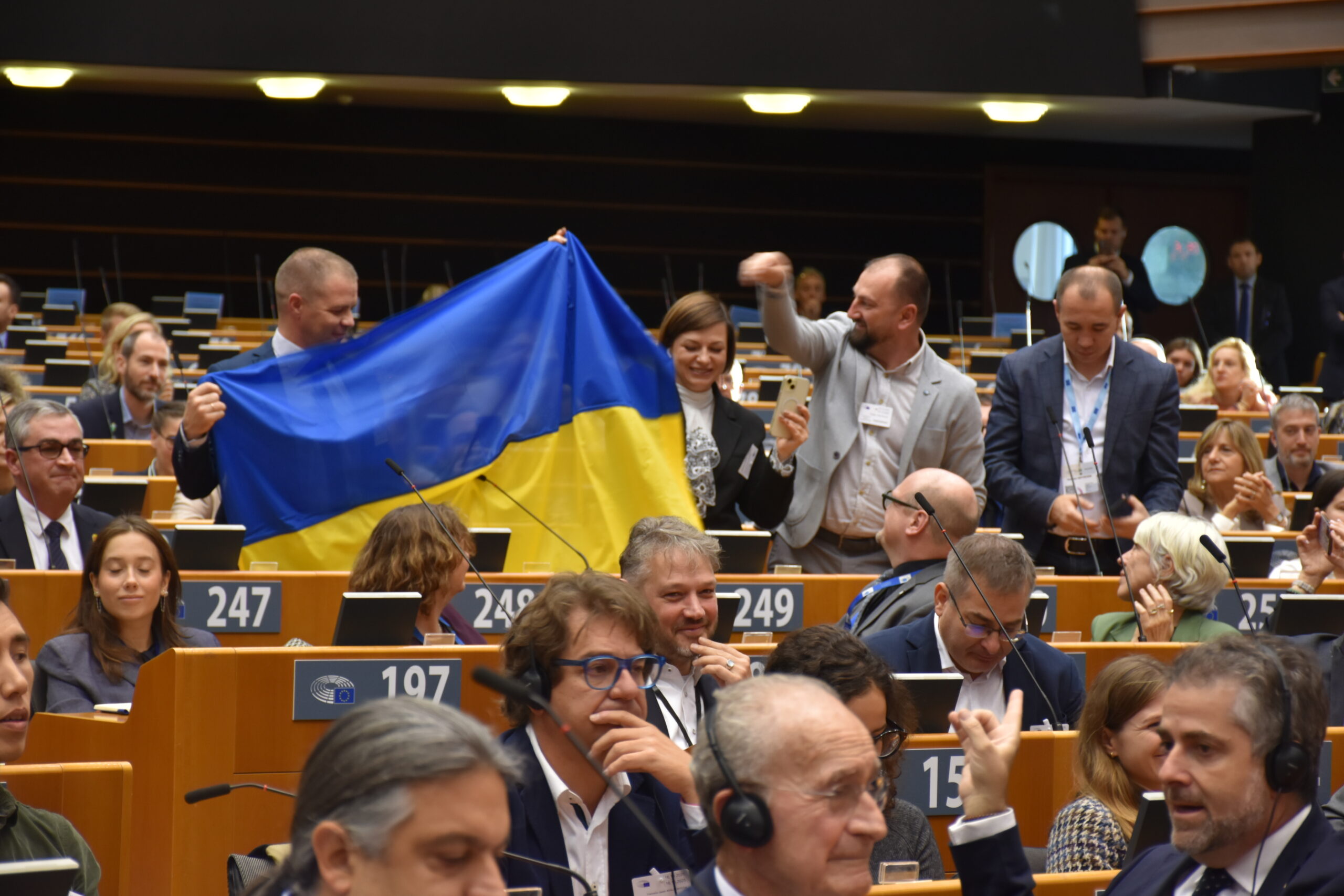
On 15 October, elected representatives from across Europe gathered in front of the European Parliament to call on EU institutions to give local and regional governments full partnership rights in the future Cohesion Policy, and to resist its nationalisation and centralisation.

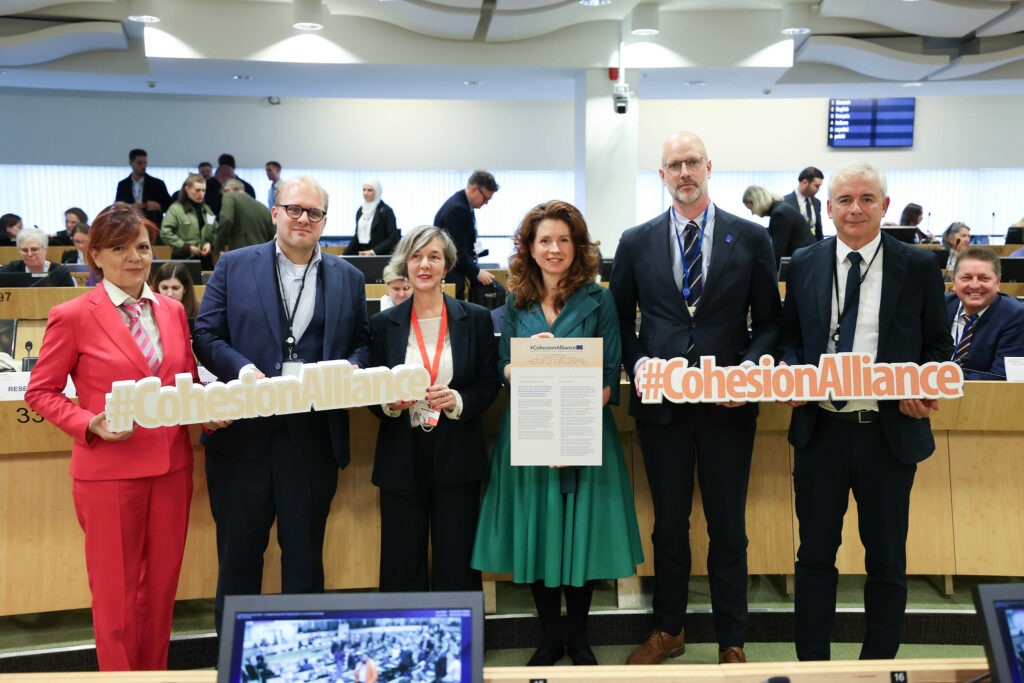
In a symbolic action joined by Members of the European Parliament (MEPs), the European Committee of the Regions and Europe’s territorial associations, the #CohesionAlliance partners adopted a seven-point call rejecting the European Commission’s current proposal .

“Bundling Cohesion Policy with policies on agriculture, defence or migration,” the statement warned, “would force local and regional authorities to compete for funds at the national level.” Such a shift, participants stressed, risks moving decision-making power away from regions and cities — the level where the EU’s goals are actually delivered.

“Competitiveness and cohesion are two sides of the same coin,” said Christoph Schnaudigel, CEMR Co-President and President of the County of Karlsruhe, Germany. “Businesses in our cities need infrastructure, housing, schools, and fibre networks. Cohesion is part of the Treaties — we need competitiveness and cohesion together. Otherwise, the money will disappear before reaching local communities. The European Commission must talk to us. You can’t know what territories need from Brussels or Berlin — we know it at the local level.”, he added.

Cities at the centre of Europe’s priorities

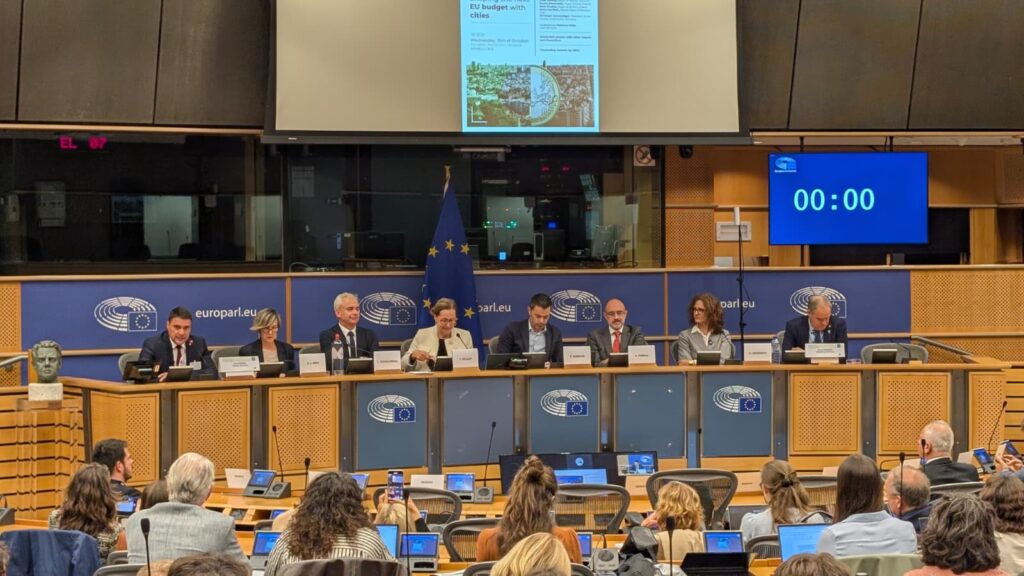
Later the same day, local leaders gathered again in the European Parliament for a debate titled Shaping the Next EU Budget with Cities, convened by the European Urban Forum in cooperation with the Local Alliance.

The message from city leaders, MEPs and European institutions was united: Europe’s priorities — from the green transition to digital transformation — cannot succeed without empowering cities and regions. As CEMR’s Christoph Schnaudigel put it: “You don’t know what the needs are from Brussels. We do — from the local level.”

Pascal Smet, Member of the Brussels-Capital Parliament and the European Committee of the Regions, warned that the proposed setup risks creating “a Europe of nation states”.

Other leaders, such as Peter Dermol, Mayor of Velenja (Slovenia), underlined the dangers of losing citizens’ trust if Europe fails to deliver on its promises in regions undergoing industrial transitions.

From Germany, Eckart Würzner, Mayor of Heidelberg, stressed that “cities are defenders of democracy” and that without adequate resources, “we will stand up” to protect the local dimension of Europe’s future.

Anna Lisa Boni, Deputy Mayor of Bologna (Italy), urged the EU to use the forthcoming Agenda for Cities as “a lighthouse” to ensure the next Multiannual Financial Framework (MFF) strengthens, rather than weakens, the role of local governments.

CEMR’s key asks on the next EU budget

CEMR is already working on an intense advocacy campaign to shape the current EU budget proposal made by the European Commission.

As stated in the document, ‘EU budget 2028-2034: Main changes, challenges and opportunities for local and regional governments’, CEMR has key asks on this topic:

  • Ensuring effective multilevel governance and meaningful partnership in the next MFF
  • Placing cohesion and territorial balance at the core of the next eu budget
  • Guaranteeing fair access to EU funding for local governments across all EU programmes 
  • Enhancing support for local governments in EU enlargement and accession of candidate countries
  • Developing a dedicated EU programme to reinforce local democracy

These proposals echo the sentiment voiced by local leaders throughout the European Week: Europe’s strength lies in its territories. Cohesion and competitiveness can only coexist through real partnership between all levels of government.

For more information, contact:

Bridges of Trust Community Annual Gathering

Bridges of Trust - Annual Gathering 2025

Third edition of the Bridges of Trust Community Annual Gathering


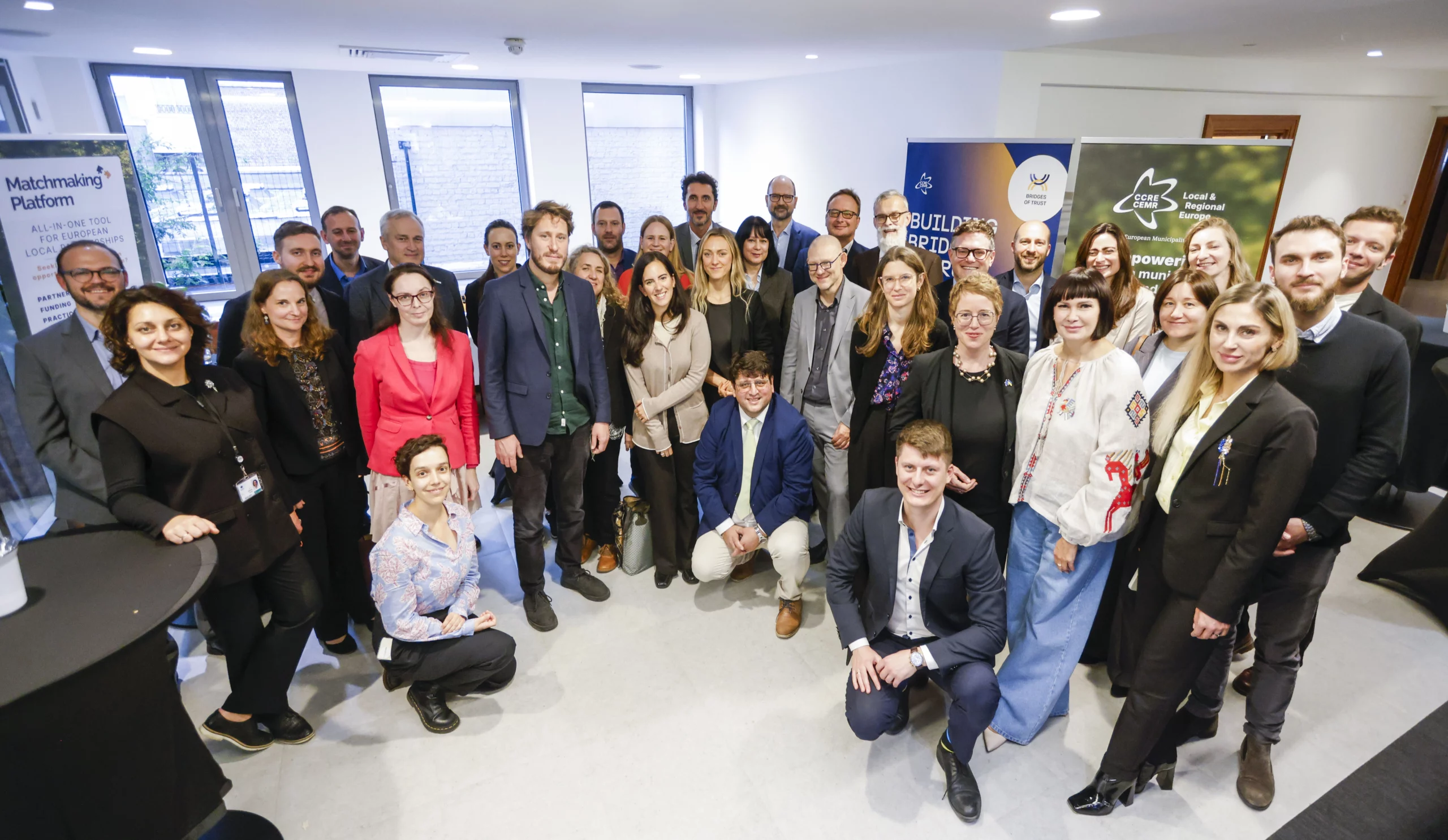
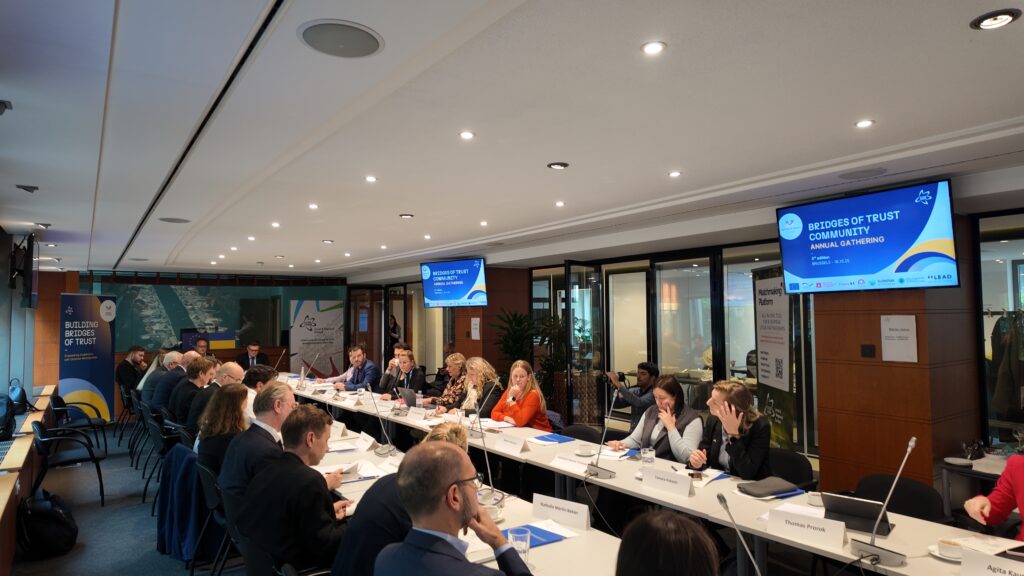
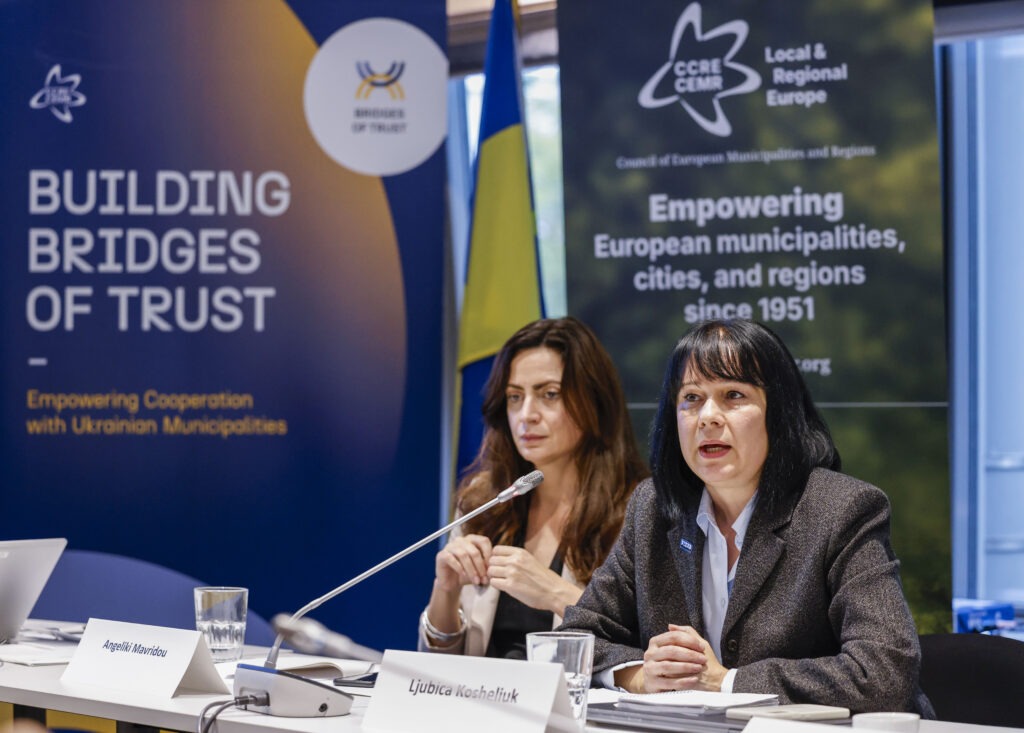
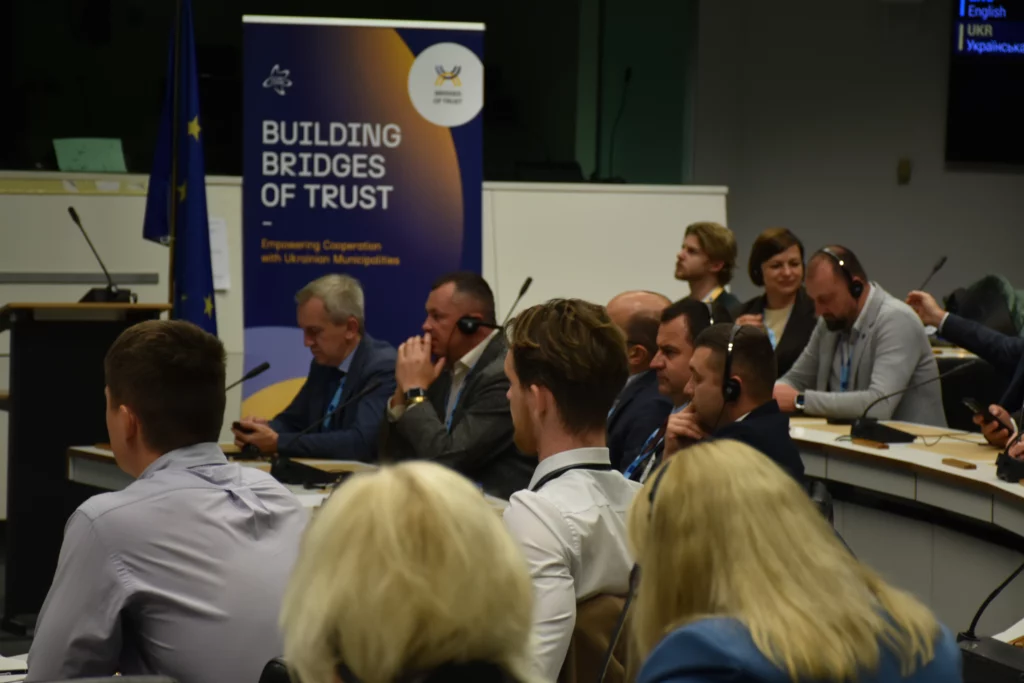
The third edition of the Bridges of Trust Community Annual Gathering has become a valued moment of collective reflection and strategic coordination for partners committed to supporting Ukraine’s recovery and EU accession. This yearly meeting, initiated in 2023, brings together the actors driving international municipal cooperation with Ukraine to align strategies, build synergies, and create a sustainable and impactful community.

16/10/2025, Brussels – Building Bridges of Trust – COMMUNITY ANNUAL GATHERING © Elio Germani 2025

A community united around a shared mission

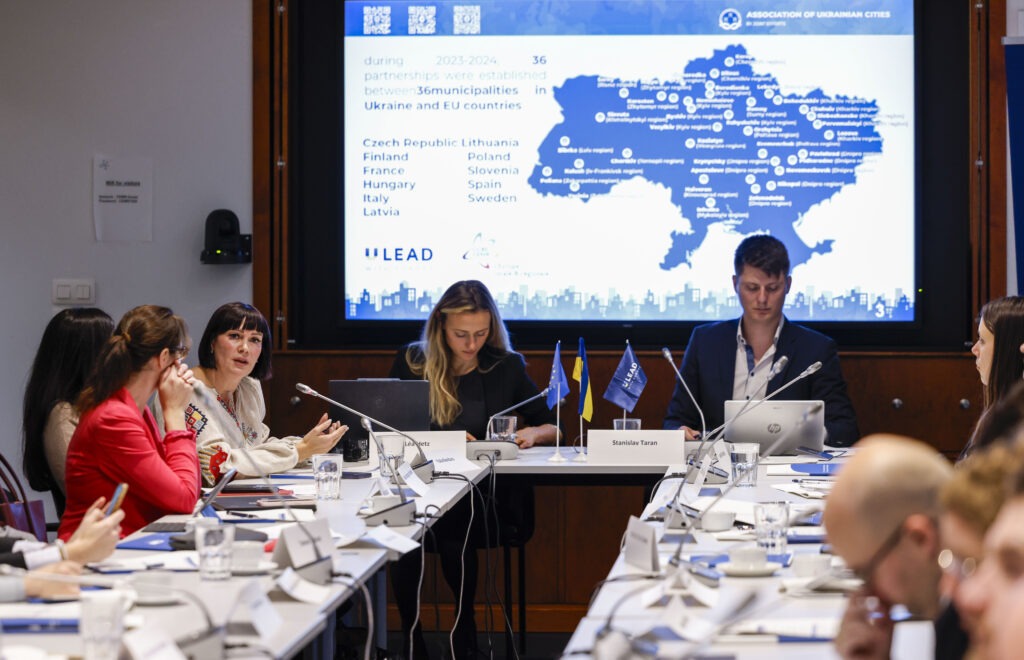
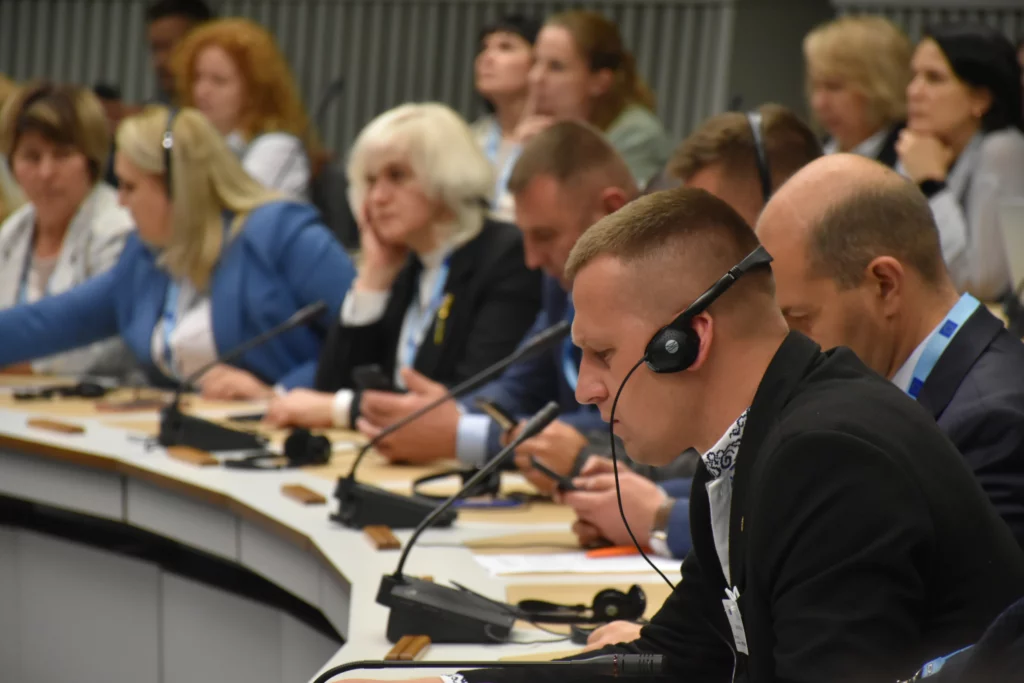
Over 40 key actors from across Europe joined forces to exchange on how to strengthen cooperation, consolidate efforts, and explore how the European Partnership Hub can become a driving force for new and existing partnerships between the EU and Ukraine.

From local and regional government associations to EU institutions, NGOs, and international partners, stakeholders engaged in a rich roundtable discussion to present activities, align strategies, and avoid fragmentation. This collective approach aims to ensure that international municipal partnerships remain at the heart of Ukraine’s resilience, reconstruction, and EU accession.

This year’s gathering came just months after the launch of the European Partnership Hub at the Ukraine Recovery Conference 2025 in Rome — a milestone moment responding to the Berlin Call to Action.

16/10/2025, Brussels – Building Bridges of Trust – COMMUNITY ANNUAL GATHERING © Elio Germani 2025

The European Partnership Hub: from initiative to driving force

The European Partnership Hub (EPH) was created to address a critical challenge: despite the unprecedented wave of solidarity across Europe, efforts to support Ukraine remain fragmented, and municipalities often struggle to access the right information and partners at the right time.

Hosted by the Council of European Municipalities and Regions and supported by the U-LEAD with Europe programme, the EPH acts as a one-stop shop for international municipal cooperation, bringing together diverse actors to coordinate initiatives, share knowledge, and support Ukraine’s local governments on their path to EU integration.

Local partnerships at the heart of reconstruction

The gathering also showcased inspiring examples of international municipal cooperation, including the partnership between Venice and Odesa, which has formalised their collaboration through a Memorandum of Understanding. This type of partnership embodies the spirit of the Bridges of Trust initiative — demonstrating how municipalities can be powerful actors of solidarity and drivers of Ukraine’s recovery.

16/10/2025, Brussels – Building Bridges of Trust – COMMUNITY ANNUAL GATHERING © Elio Germani 2025

A heartfelt thank you to the Bridges of Trust Community

The Bridges of Trust Community is built on shared values of cooperation, inclusivity, and beneficiary-centred action. By bringing together implementers, supporters, and beneficiaries in a single, coordinated space, the Community seeks to ensure that efforts are streamlined, impactful, and responsive to the real needs of Ukrainian municipalities and citizens.

A heartfelt thank you to all BoT Community actors for making this gathering a meaningful space for dialogue, inspiration, and collaboration.


Key partners represented included:
U-LEAD with Europe
All-Ukrainian Association of Local Self-Governments “Association of Amalgamated Territorial Communities”
Association of Ukrainian Cities (AUC)
ALDA – European Association for Local Democracy
Centre for European Perspective
CoR – European Committee of the Regions
DIBA
European Commission, DG ENEST 
Energy Cities
Engagement Global / SKEW
Eurocities
Euroservis
GIZ – Deutsche Gesellschaft für Internationale Zusammenarbeit
GMF – The German Marshall Fund of the United States
ICLEI Europe
KDZ – Centre for Public Administration Research (Austria)
Komponent
KS
Latvian Association of Local and Regional Governments (LALRG)
Municipality of Venice
NALAS – Network of Associations of Local Authorities of South-East Europe
PLATFORMA
Swedish Association of Local Authorities and Regions (SALAR)

For more information, contact:

Covenant of Mayors Ceremony on climate and energy

Covenant of mayors - Ceremony 2025

500 European mayors gathered to talk about local climate and energy transition


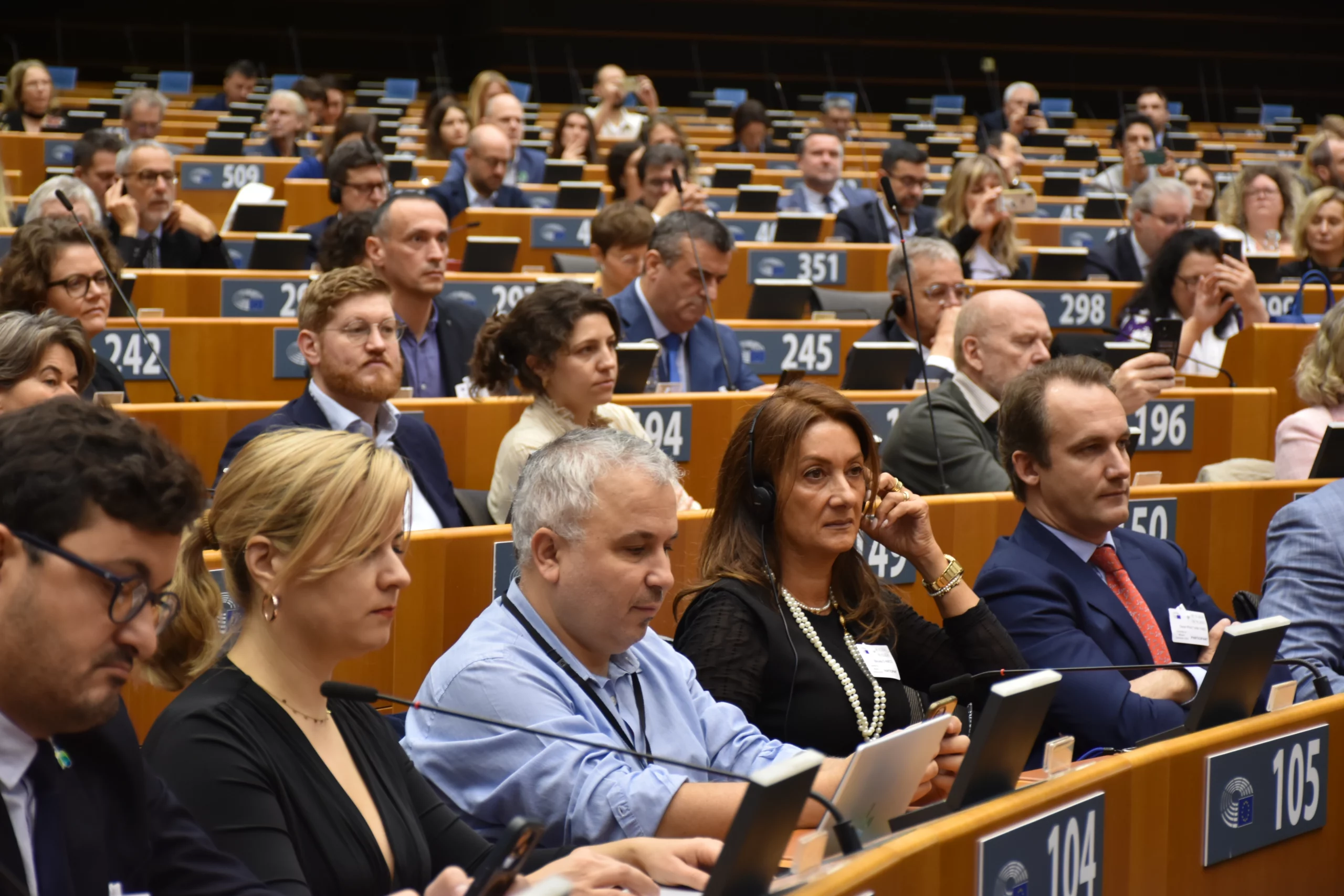
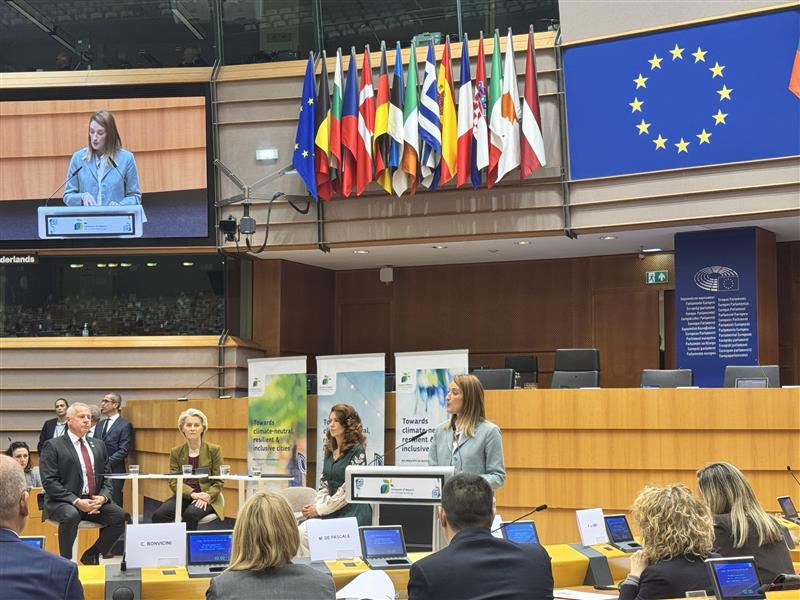
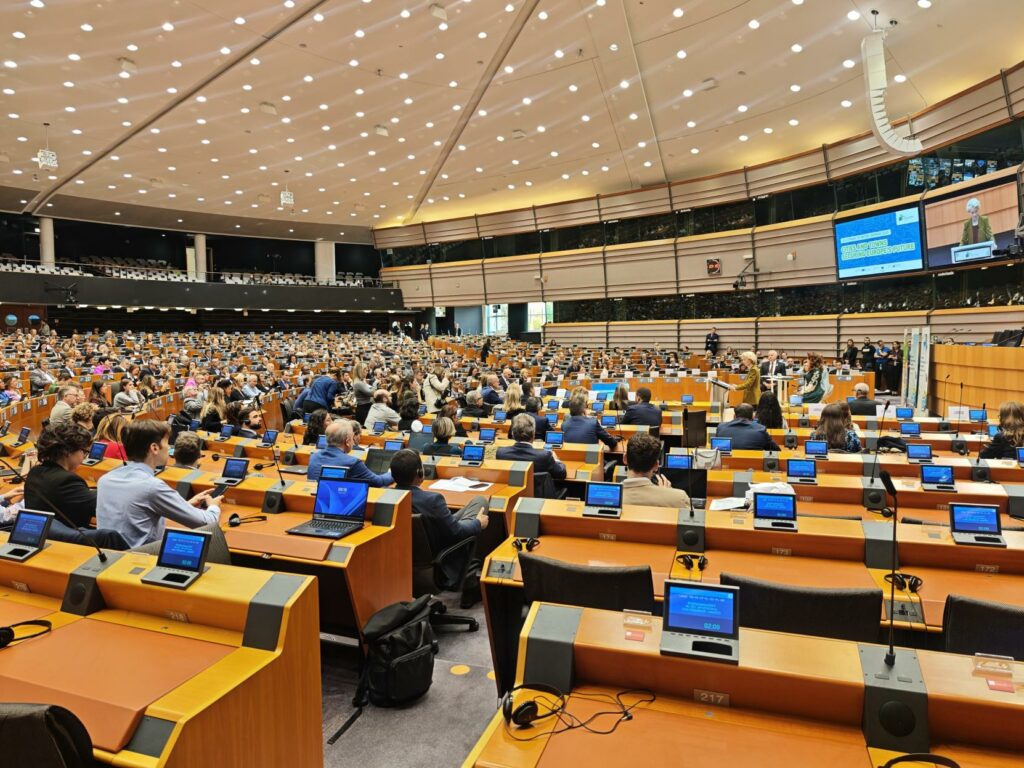
On 16 October, the EU Covenant of Mayors gathered with more than 500 mayors, local and regional representatives, and EU institutions, in the hemicycle of the European Parliament. 

Organised since the launch of the initiative in 2008, the High-level event is the annual gathering of the Covenant signatories invested in securing a safe and sustainable future for their citizens. As an initiative running for more than 15 years, the EU Covenant is mobilising local leaders all over Europe to plan, act and work with their communities to build a more resilient, prosperous and climate-neutral future. 

Both the EU Covenant and the Ceremony are reaffirming the key role of towns, cities and regions in shaping Europe’s vision and future.

Opening session with high-level European leaders

The Ceremony started with an intervention of the President of the European Parliament, Roberta Metsola, who emphasised that Europe is in all cities and regions, that citizens are building Europe every day.

ollowing her welcome, Ursula Von der Leyen, president of the European Commission, shared that “we are on track to achieve our 2030 targets”. For towns, cities and regions to achieve their climate and energy transition, housing and climate resilience are key policies, which are currently tackled by the European Commission. Von der Leyen also welcomed the delegations of Ukraine and Moldova to the Ceremony, reaffirming their belonging to Europe. 

Finally, the President of the European Committee of the Regions, Kata Tüttő, welcomed the local leaders to the Ceek of Regions and cities, key moment of the year. She highlighted how the Covenant of Mayors is a story of and for mayors, regional leaders and their representatives, by highlighting her personal experience.

Covenant of mayors - Ceremony 2025
Covenant of mayors – Ceremony 2025

Celebrating cities leading the way

The Covenant Ceremony is also the occasion to award the successes of many European Cities, and showcase the inspiring and replicable good practices. From Mechelen in Belgium, to Lappeenranta in Finland and Domokos in Greece, European cities are already leading the path towards climate neutrality. 

Local leaders and institutions in dialogue

Several panels gathered European local leaders, interacting with representatives of the European institutions. Focusing on “Powering Europe with local, clean and affordable energy” or “Protecting Europe from climate risk through local resilience”, European Commissioners Dan Jørgensen and Wopke Hoekstra shared video messages to reinforce the importance of the EU Covenant of Mayors for their portfolios linked with climate or energy.

Closing session: working together for cohesion and resilience

The closing session focusing on “Cities and the EU working together for a prosperous Europe” was attended by European Commission Raffaele Fitto Executive Vice-President for Cohesion and Reforms, who reaffirmed the importance of Cohesion Policy as a key tool for climate-neutral cities. Read here more about the Cohesion Policy in the next EU budget for 2028-2032.

Covenant of mayors - Ceremony 2025
Covenant of mayors – Ceremony 2025

Looking ahead: stronger cooperation needed

Closing the European Week of Regions and Cities, the EU Covenant of Mayors ceremony is the right occasion to meet local leaders, inspiring and inspired, from all over Europe. The Ceremony came at a critical moment for Europe, when the next EU budget is being negotiated. 

Reaffirming the essential role of local and regional governments in delivering the climate and energy transition, the Ceremony highlighted Europe’s security, resilience, and prosperity can only be achieved through close cooperation with its towns, cities, and regions.  

For more information, contact:

Session on Ukraine’s path to the EU

Bridges of Trust - event 2025

Transforming emergency aid into equal cooperation between EU and Ukrainian towns, cities and regions


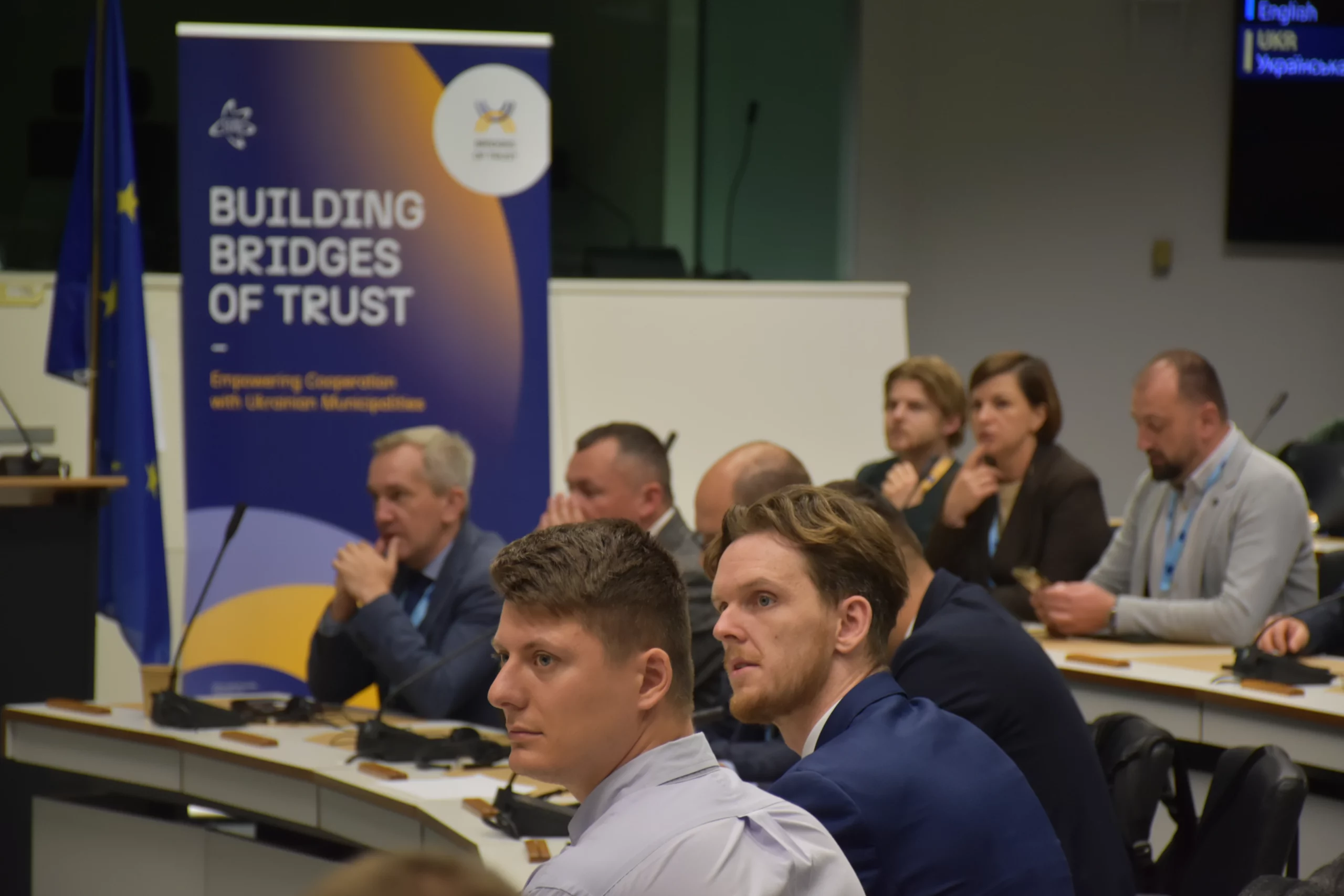
Amid war-time disruption, Ukraine’s local governments have stepped as frontline problemsolvers and drivers of EU integration. During the European Week of Regions and Cities in Brussels, on October 15th a CEMR-led conversation under the Bridges of Trust (BoT) brought together local leaders, policy experts, and civil society to examine how municipal partnerships can anchor accession and cohesion.  

The takeaway was clear: lasting progress depends on shifting from emergency solidarity to structured cooperation that empowers municipalities to deliver reforms, attract investment, and close regional gaps. 

Why local governments matter 

Ukraine’s municipalities have kept essential services running, coordinated aid, and advanced reforms under extreme pressure. Through BoT and the European Partnership Hub, they are building ties with European peers on projects in education, culture, economic development, and reconstruction. As CEMR’s Director for Projects and Programmes, Durmish Guri explained, success now hinges on moving “from emergency solidarity to mutually beneficial collaboration”. 

Matchmaking for impact 

To turn policy into practice, BoT has launched a Matchmaking Platform that connects every Ukrainian municipality with a European counterpart, enabling concrete joint projects and capacity-building. The platform is designed to reduce fragmentation, align needs with resources, and accelerate cooperation across borders.  

From reform to implementation 

Dmytro Lyvch of Easy Business underscored a dual challenge: advancing structural reforms while financing recovery. Real progress happens locally through municipalities, civil society, and development agencies. Ukraine has adapted to EU Chapter 22 requirements, but gaps persist in horizontal and vertical cohesion, and in institutional and financial frameworks. With regional disparities higher than in many Central and Eastern European countries, targeted interventions are needed to build resilience and competitiveness. 

Lessons from peers 

Ambre Maucorps of the Vienna Institute for International Economic Studies highlighted takeaways from Lithuania and North Macedonia. Lithuania used cohesion policy to tackle disparities with a clear governance model and strong stakeholder input. North Macedonia, after municipal mergers similar to Ukraine’s, benefited from pre-accession funds but still struggles with absorption. The throughline: coordination and flexibility are essential for effective cohesion policy. 

Building capacity, scaling partnerships 

Iryna Mykulych of the NGO Agency for Recovery and Development stressed that durable cooperation often starts with “soft” cultural and educational exchanges that build trust, then evolves into “hard” reconstruction projects. Scaling from municipal partnerships to business and academia can unlock investment, know-how, and long-term outcomes. 

The bottom line 

The event’s conclusion was unambiguous: international municipal cooperation is one of the most effective and sustainable ways to localise EU accession.  

As Durmish Guri noted, “international municipal cooperation is the most effective, sustainable, and the efficient form of collaboration”. Local governments, he added, play a critical role not only in implementing reforms but also in shaping national and European-level policy, underlining the importance of “localizing accession” to ensure Ukraine’s municipalities are fully engaged in the EU integration process.   

Empowering local governments to deliver reforms and shape policy—together with European partners—moves Ukraine from a recipient of solidarity to a co-creator of Europe’s cohesion and growth. That is the promise of BoT’s community-driven approach. 

For more information, contact:

Mis/Disinformation report event

Truth, Trust and Local Democracy in the Age of Mis/Disinformation


It often starts with a rumour. In Sweden, when a local council proposed using municipal land for newly arrived migrants, the debate should have focused on policy. Instead, misleading narratives took over. Trust in the process collapsed, divisions deepened, and planning stalled—not because of disagreement over the proposal itself, but because confidence in local leaders had been shaken.

Similar patterns are appearing across Europe. In the UK, false claims spread by extremists have fuelled threats against local politicians and disrupted council meetings. In Romania, local authorities report having to divert time and resources away from essential services just to counter persistent rumours.

These cases reveal a broader reality: when facts are manipulated, democratic dialogue falters. Decisions that should serve communities are delayed or derailed, while elected representatives—especially women and members of minority groups—face heightened hostility and intimidation.

Disinformation doesn’t just mislead — it derails local decision-making, sows division, and erodes trust in our institutions. Local governments must be equipped to counter manipulated narratives, protect credibility, and defend democratic dialogue.” Gunn Marit Helgesen, CEMR President

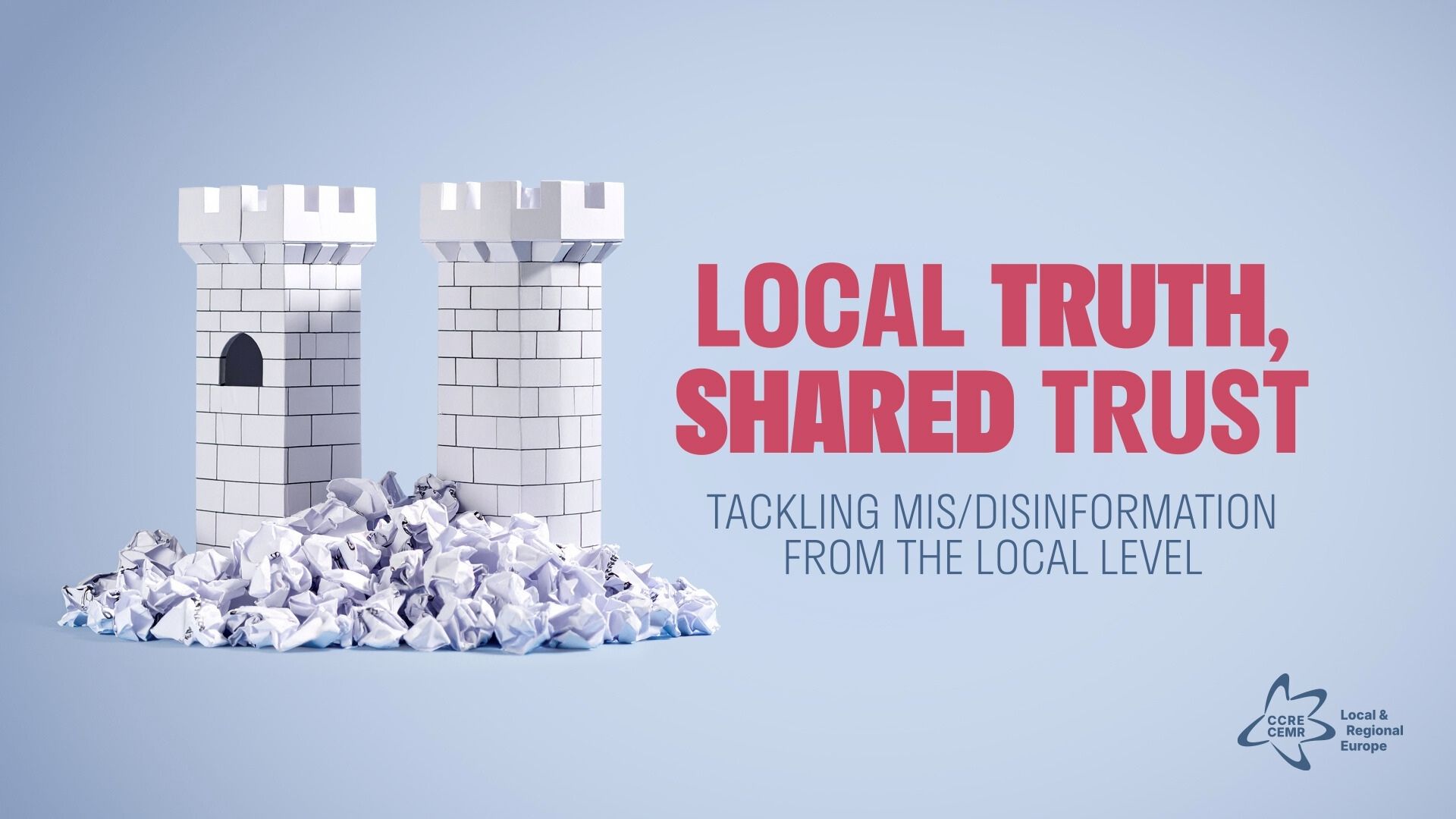
The new CEMR report “Local Truth, Shared Trust” launched on 13 October 2025 during the event “The Local Self-Government Charter turns 40 | Renewing Democracy in the Digital Age”, draws on a spring 2025 survey of national associations to explore these dynamics. Local and regional governments (LRGs) report a rise in mis/disinformation campaigns aimed at discrediting officials, obstructing policy, and deepening community divisions. By sharing real experiences from towns, cities and regions, the report highlights the significant disruption these campaigns create for effective local governance.

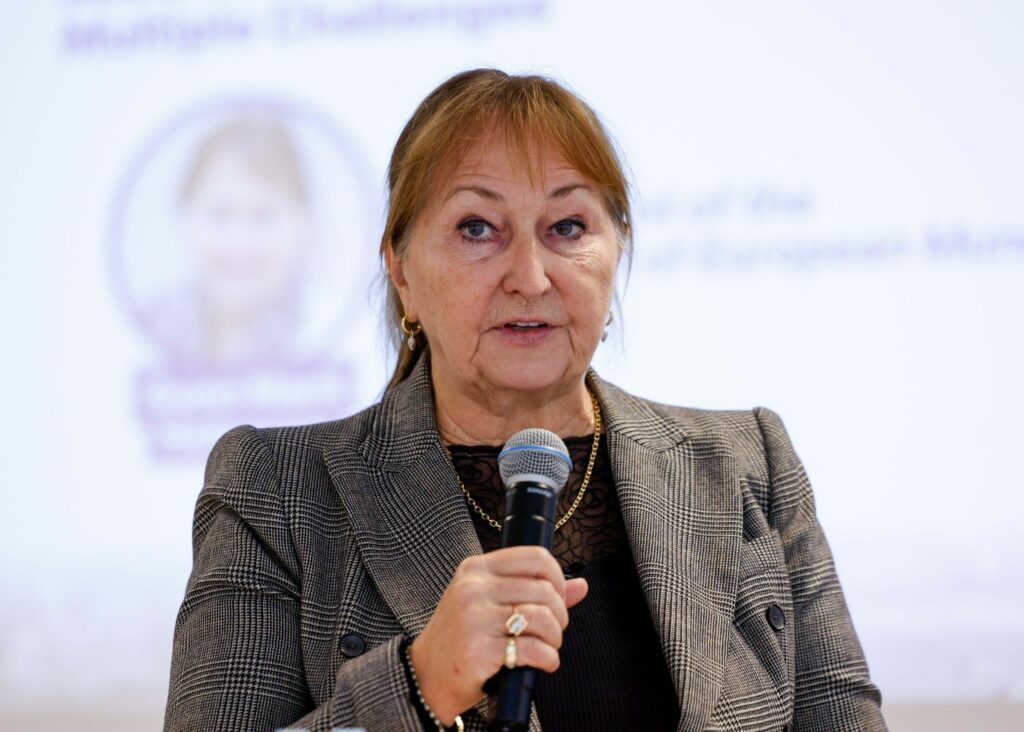
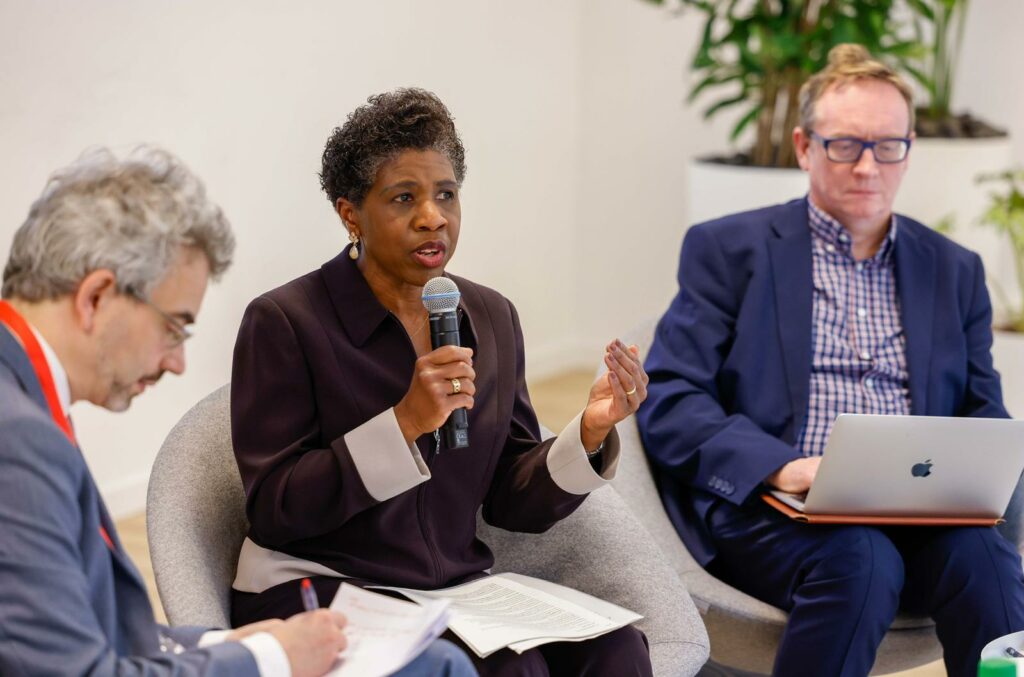
Carol Thomas, Senior Advisor at The Council of European Municipalities and Regions (CEMR) during the report “Local Thruth, Shared Trust” presentation.

Truth in a democracy has always been a contested space, where facts meet beliefs and political narratives shape understanding. But today’s challenge goes beyond healthy debate: it involves deliberate distortion intended to divide. The result is a public sphere that is more polarised, less participatory, and less capable of performing essential functions, from maintaining public order to managing crises and protecting vulnerable populations.

Towns, cities and regions are among the most exposed to these pressures. As the democratic institutions closest to citizens, they are both highly trusted and highly vulnerable. Their central role in service delivery and daily engagement with residents makes them visible targets for narratives that distort facts, fuel mistrust, and erode credibility.

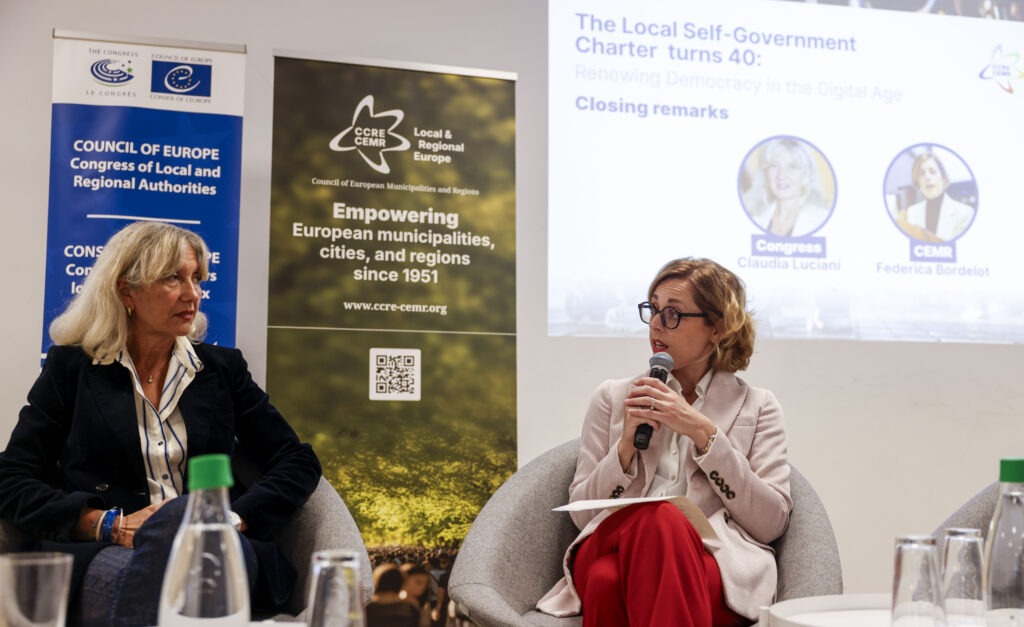
Claudia Luciani, Director of the Congress of Local and Regional Authorities and Federica Bordelot, Director of Advocacy and Impact at CEMR.

Responding effectively to mis/disinformation requires action at the local level. Strengthening local democracy is not only about protecting democratic values, but also ensuring that LRGs can continue providing vital services and leadership for cohesive societies. This includes investing in tools and training for public administrators, supporting independent local media, promoting media literacy, and integrating LRGs into national and EU strategies that reflect on-the-ground realities.

By highlighting these challenges and opportunities, the CEMR report underscores the importance of empowering local governments. Building trust, protecting democratic values, and fostering societal cohesion depends on it. The report’s launch event brought together participants able to share insights, experiences, and expertise—sparking debate and informing concrete solutions to one of democracy’s most pressing challenge.

For more information, contact:

Shaping Europe’s migration policies

CEMR meets with Baden-Württemberg cities


CEMR met this week with the working group of EU coordinators from the Association of Cities of Baden-Württemberg to discuss the evolving European and national context of migration and integration The exchange took place as EU Member States begin implementing key elements of the Asylum and Migration Pact, raising questions about how local and regional governments (LRGs) will be involved in shaping Europe’s migration governance framework.

The exchange followed CEMR’s renewed focus on migration and integration, building on the organisation’s longstanding commitment to support local and regional governments in this area through key priorities: the EU Asylum and Migration Pact, the Temporary Protection Directive (TPD), the next Multiannual Financial Framework (MFF), housing, and labour market inclusion.

During the meeting, Annelies Coessens, CEMR’s Policy Officer for Equality, Diversity & Migration, outlined the current challenges shaping EU migration policy. While migration remains a central political priority — as reaffirmed in President Ursula von der Leyen’s 2025 State of the Union address — the implementation of the Asylum and Migration Pact still lacks the involvement of local and regional governments (LRGs). This limited coordination, coupled with security-driven national narratives, continues to hinder the development of sustainable, community-based approaches to migration.

Participants shared insights on local realities in Baden-Württemberg, including integration challenges faced by Ukrainian refugees —such as language barriers, childcare shortages, and limited access to employment. These issues particularly affect women, especially single mothers, whose limited access to childcare and job opportunities significantly delays their integration and economic independence. These examples highlighted the disconnect between EU-level policy and local realities, as well as the need for stronger support mechanisms for municipalities working directly with newcomers.

Looking ahead, the discussion turned to the upcoming EU budget negotiations (2028–2034), where migration funds — including AMIF and ESF+ — are expected to be integrated into the National and Regional Partnership Plans (NRPPs). CEMR stressed that LRGs must have a seat at the table when shaping these plans to ensure that EU resources respond to real needs on the ground.

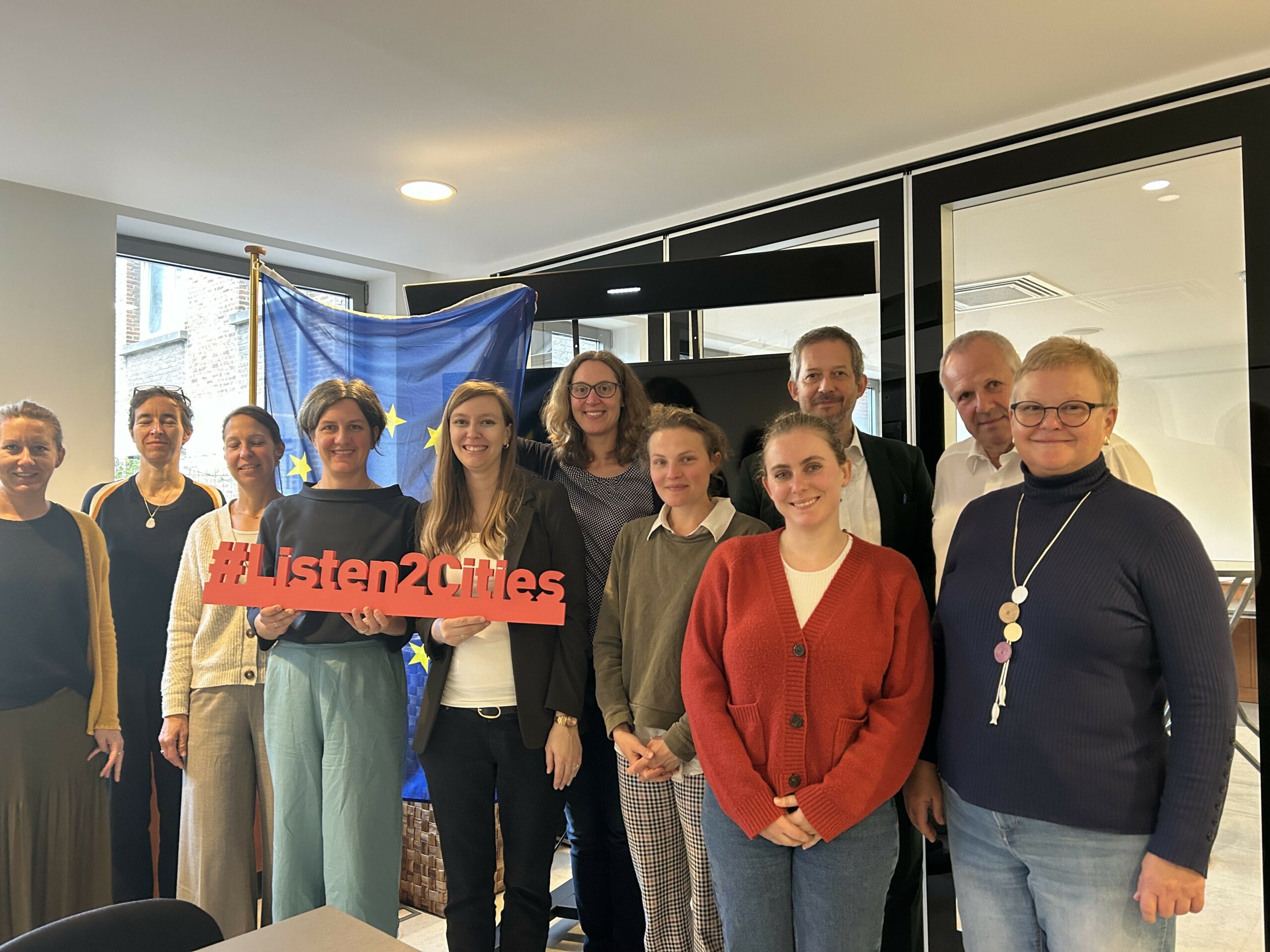
CEMR also highlighted ongoing initiatives supporting local action, including the Bridges of Trust project connecting EU and Ukrainian municipalities, and new twinning partnerships promoting peer learning on migration and integration. The newly launched CEMR Taskforce on Housing was also presented as a key space for collaboration.

This meeting underscored the shared commitment of CEMR and its members to making migration policy work with and for local communities — ensuring that those closest to citizens are central to shaping Europe’s response.

Call for applications – Twinning

EPSU CEMR - News

Call for Applications: Research and Data Analysis Consultancy


The Council of European Municipalities and Regions (CEMR) is seeking a consultant to support the migration of data from the current Twinning website to the new Matchmaking Platform.

The consultant will verify, clean, and standardise data from around 2,500 cities, ensuring accuracy and alignment with the Sustainable Development Goals (SDGs). The assignment will take place over a two-month period in late 2025, with a maximum budget of EUR 13.000.

Applications must be submitted by 27 October 2025 at 12:00 (noon) to application@ccre-cemr.org, with “Data Analyst Expert” as the subject line. Questions may be sent to twinning@ccre-cemr.org by 24 October 2025.

Further details: Twinning | Matchmaking Platform

For more information, read the Terms of Reference here