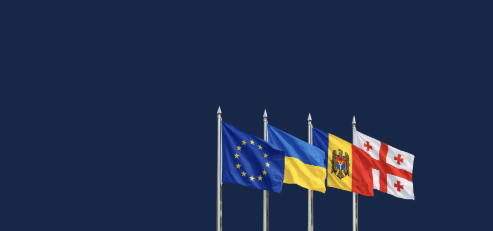
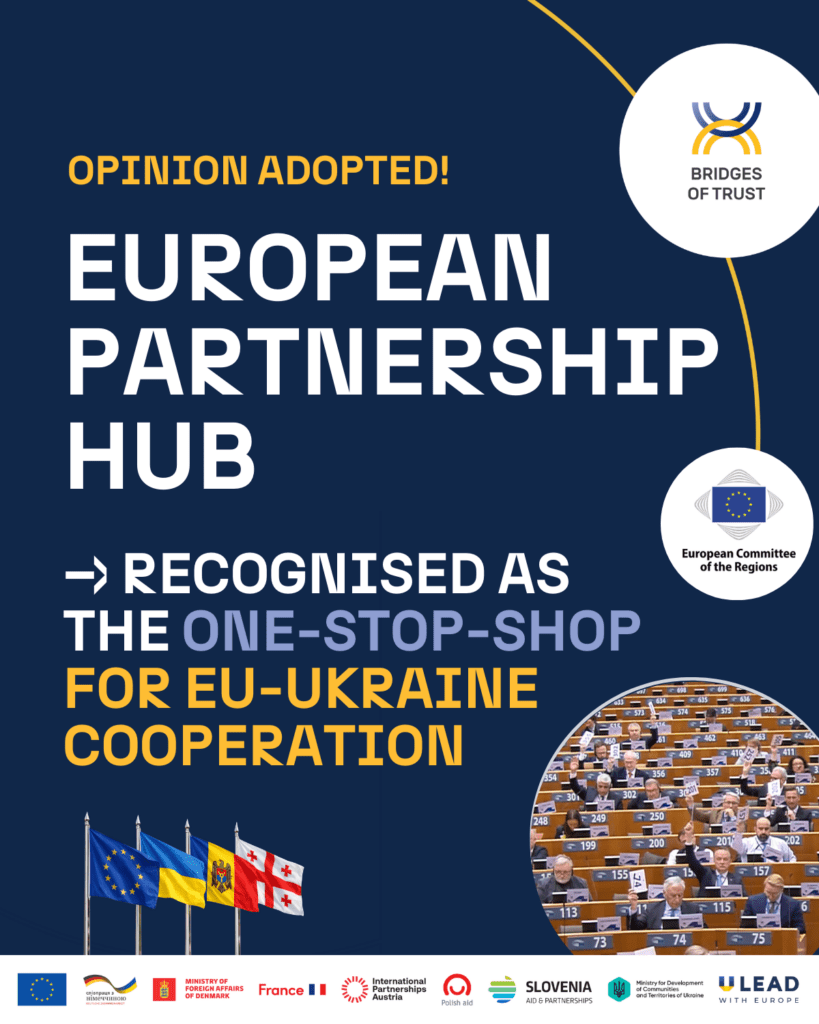
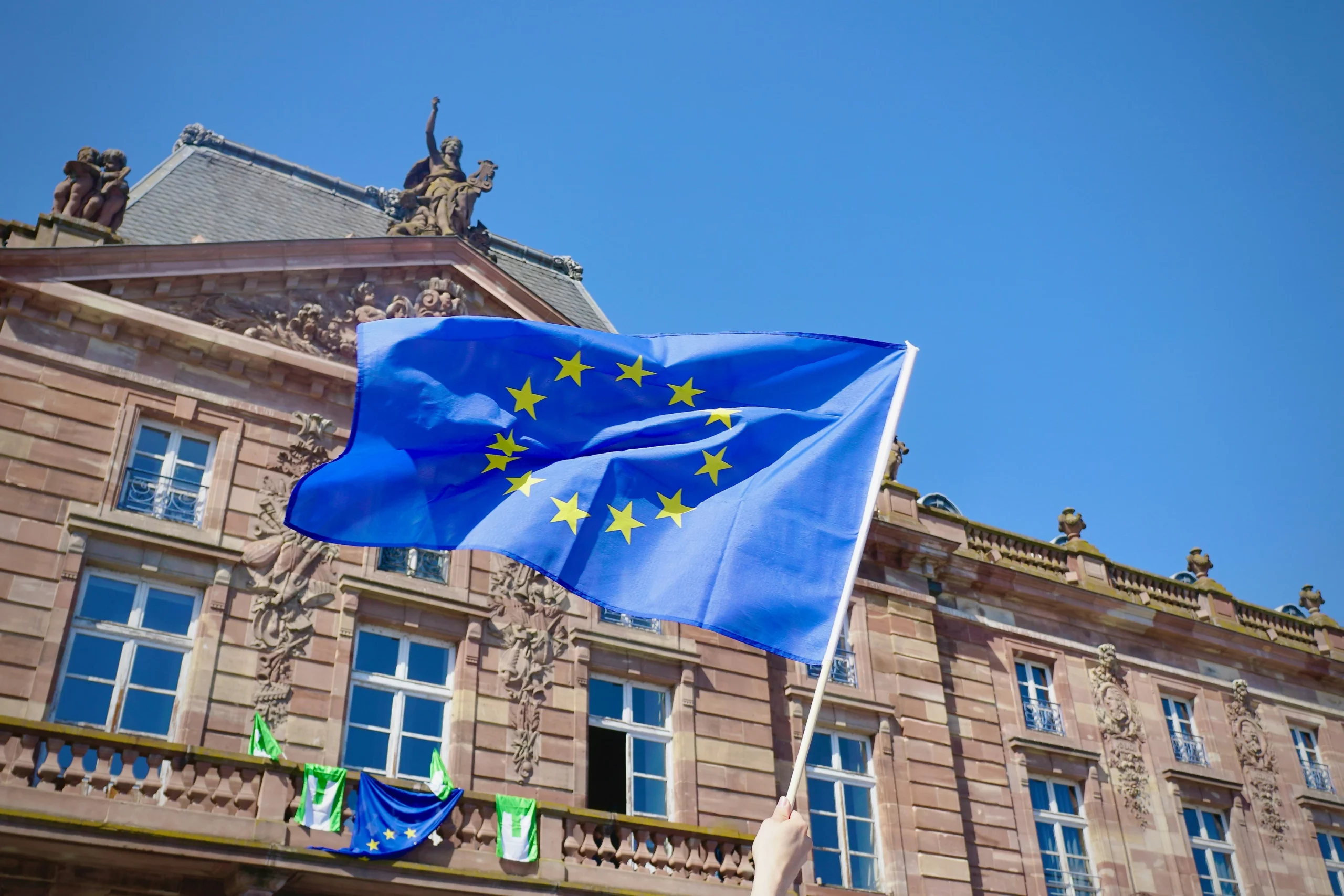
Last week, the European Committee of the Regions (CoR) adopted in Plenary the ‘Enlargement package 2025 – Ukraine, Moldova & Georgia’
The European Committee of the Regions (CoR) has adopted an amendment explicitly recognising the European Partnership Hub (EPH) as the “one-stop-shop” for cooperation between local and regional governments in Ukraine and the EU. The Hub was launched at the 2025 Ukraine Recovery Conference, following the Joint Statement of the European Alliance of Cities and Regions for the Reconstruction of Ukraine.
Hosted by CEMR, which already drives EU–Ukraine municipal partnerships through Bridges of Trust, the Matchmaking Platform, and SUN4Ukraine, the Hub coordinates and connects initiatives within the Bridges of Trust Community. It facilitates exchanges, provides information, and organises joint meetings to align efforts, build synergies, and support municipalities with the skills needed for recovery, cooperation, and EU accession.
Six other amendments reinforcing the role of local and regional governements in the EU enlargement
The final text of the CoR also includes six amendments tabled by CoR members Māris Zusts and Gints Kaminskis and suggested by the Latvian Association of Local and Regional Governments (LALRG), in close cooperation with PLATFORMA.
The amendments aim to reinforce a central political message: EU enlargement will only succeed if it is rooted in local and regional levels, resilient to hybrid threats, and democratically endorsed by citizens. In this opinion, decentralisation, multilevel governance, gender equality, and combating foreign information manipulation are framed as essential components of sustainable enlargement.
Cooperation with local governments
The adopted amendments further stress the need for public support through cooperation with local governments, especially in Ukraine’s post-war context, advocating for awareness campaigns and media engagement to foster acceptance of candidate countries. Democratic resilience and integrity are further prioritised, particularly through strengthened anti-corruption measures at all government levels. Transparency in public procurement is highlighted, especially regarding reconstruction efforts.
Concerning Moldova, the amendments commend reform progress but express concerns over foreign interference (FIMI) during the 2025 elections, advocating for resilience measures and support for independent media.
The amendments also support local governments in Georgia amidst democratic backsliding, emphasising ongoing cooperation to maintain dialogue and democratic governance as the country navigates its EU accession path.
Looking ahead
These amendments place local and regional governments at the heart of EU enlargement, recognising that lasting impact, resilient democracies, and strong communities depend on their active role.
The next step is for the European Parliament, Council, and Commission to take these recommendations into account for their respective work on enlargement. CEMR together with PLATFORMA and their partners will continue to advocate, coordinate initiatives, and foster exchanges, to strenghten the role of local and regional governments.
The European Partnership Hub is supported by the European Union and its member states through U-LEAD with Europe.
Europe’s housing crisis has reached unprecedented levels, with direct consequences for citizens living in towns, cities and regions across the continent. The European Commission’s EU Affordable Housing Plan is a meaningful step forward, but it will only deliver if the full potential of local and regional governments is unlocked.
CEMR’s new position paper, “A local plan for housing”, sets out proposals to the EU Affordable Housing Plan, arguing that Europe’s ambitions will only translate into real results if towns, cities and regions are fully empowered to act.
To make this happen, CEMR identifies four priorities that must be unlocked so local and regional governments can deliver on the ground:
1. Mobilise investment where it matters most
Inadequate and unpredictable funding is one of the main barriers to expanding affordable and sustainable housing for towns, cities, and regions. Local and regional governments need long‑term investment frameworks. CEMR calls for:
Simpler and wider access to EU and national funding, including cohesion policy and EU budget 2028-2034 instruments, so municipalities of all sizes can plan and deliver.
Reforms to fiscal rules and modernisation of State aid, treating affordable and energy‑efficient housing as long‑term investment rather than ordinary expenditure.
Support to strengthen construction capacity and innovation, from skills to circular, climate‑resilient building and renovation.
2. Enable faster and more coherent planning to accelerate delivery
Fragmented, complex procedures delay urgently needed homes across Member States. CEMR urges EU and national authorities to:
Streamline planning and environmental assessments, reducing duplication while upholding strong sustainability standards.
Enable place‑based approaches, giving towns, cities and regions the flexibility to access land, regenerate brownfields and plan integrated, inclusive neighbourhoods.
Advance the single market for construction, harmonising technical standards to reduce delays, boost innovation and lower costs.
3. Improve efficiency through digital permitting
Digital permitting can bring faster renovation and new construction, but many local and regional governments lack resources to implement it. CEMR calls for:
Dedicated funding, training and technical assistance are needed for interoperable local–national–EU permitting systems.
Clearer guidance for applicants and developers will improve submission quality.
4. Activate Europe’s full potential through a real multilevel partnership
The EU Affordable Housing Plan will only succeed through genuine cooperation across levels of government. CEMR asks for:
Structured multilevel governance, with local and regional governments fully involved in design, implementation and monitoring.
Stronger municipal autonomy and legal clarity, ensuring responsibilities are matched with financing.
Adequated resources for the European Housing Alliance with structured participation of local and regional governments, which also serves to cooperate beyond the EU to address shared housing challenges.
Europe’s housing challenge demands swift and coordinated action. The EU Affordable Housing Plan sets an important framework, but its success will depend on how well it empowers the governments closest to citizens. By unlocking investment, planning flexibility, digital efficiency and genuine multilevel governance, Europe can move from ambition to delivery.
CEMR’s “Local Plan for Housing” offers a clear pathway: start locally, invest wisely and collaborate across levels of government. Only by working through cities, towns and regions can Europe ensure that affordable, sustainable and inclusive homes become a reality for all.
The Council of European Municipalities and Regions (CEMR) is looking for a Communications Officer to join its Brussels-based Secretariat for a six-month maternity leave cover from June to December 2026.
About the role
We are seeking a Communication Officer with a strong journalistic background and proven experience in EU-related communication. The successful candidate will be responsible for translating complex policy topics into engaging and accessible stories across multiple formats.
Working within a team of five communication professionals and in close cooperation with the Policy Team and member associations, the Communication Officer will:
Produce high-quality editorial content, including press articles, interviews, newsletters and storytelling pieces
Develop multimedia products such as videos, podcasts and infographics
Contribute to communication campaigns, including pan-European initiatives such as the EU budget campaign and CEMR’s 75th anniversary
Support media relations and event communications
Strengthen CEMR’s digital presence and social media outreach
This position offers a unique opportunity to help amplify the voice of local and regional governments at the European level during a particularly dynamic period for the organisation.
Profile
Candidates should have:
A relevant degree (preferably in journalism or communications)
2–5 years of experience in a similar role
Excellent drafting and storytelling skills
Strong knowledge of the EU political landscape
Experience in digital communication and multimedia content creation
Excellent English (French is a strong asset)
Our offer
CEMR offers a six-month fixed-term contract with a competitive salary package (45,000–60,000 EUR gross per year depending on experience), alongside additional benefits including teleworking policy and allowance, lunch vouchers, eco-vouchers, medical insurance and public transport coverage.
How to apply
Interested candidates should send a CV and cover letter by 20 March 2026 to:
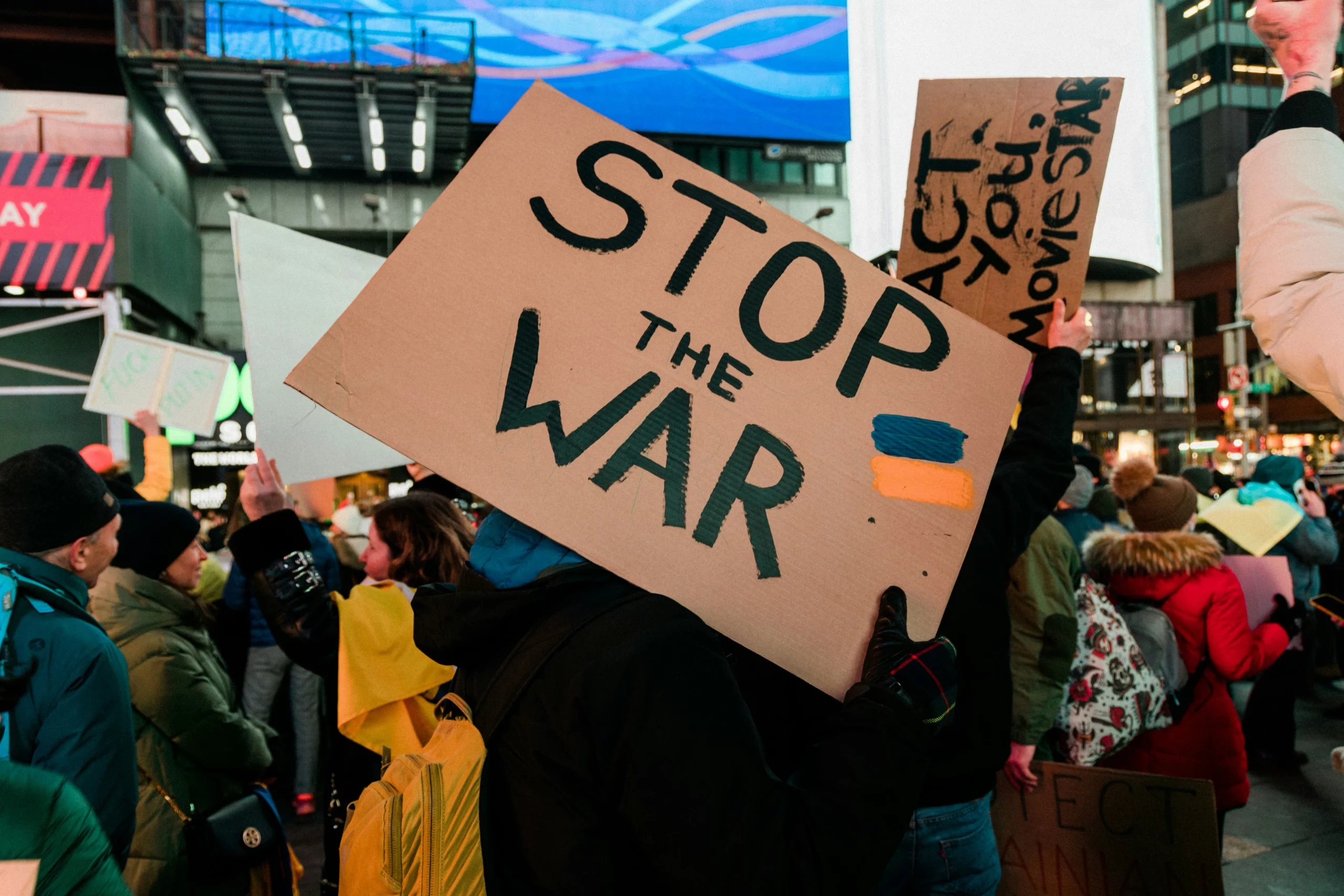
Four years after Russia’s full-scale invasion of Ukraine, local and regional elected representatives from the Council of European Municipalities and Regions (CEMR) once again reaffirm their unwavering support for Ukraine and its people.
On this fourth anniversary of Russia’s aggression, CEMR has issued a formal declaration strongly condemning the war, which continues to claim countless victims, and reiterating the commitment of European local and regional governments to stand alongside Ukraine in its struggle for freedom, reconstruction and European integration.
Call against attacks on Ukrainian mayors
Local and regional elected representatives remain on the frontlines of the war, ensuring the continuity of essential services under extraordinary and often dangerous conditions. Yet they continue to be directly targeted.
CEMR denounces the abduction of Ukrainian mayors and supports the call of the Association of Ukrainian Cities demanding the immediate release of those still detained:
Oleksandr Babych – Hola Prystan City Mayor
Ihor Kolykhaiev – Kherson City Mayor
Anatolii Siryi – Starosta of Novi Borovychi Starosta District, Snovsk City Municipality
CEMR also condemns the arbitrary imprisonment, torture and murder of Ukrainian people in Russian captivity, including:
Yevhenii Matvieiev – Mayor of Dniprorudne
Oleksii Vynnychenko – Starosta of the Hrebenykivka Starosta District of Boromlia Village Municipality
Commitment to peace, reconstruction and EU integration
CEMR calls for the immediate end to the war, and for decisive actions to enable the establishment of a just and lasting peace in Europe and the reconstruction of Ukraine. Achieving this requires full engagement of the European Union and its Member States at every stage of the process. European local and regional governments stand ready to contribute actively to recovery, democratic resilience, and long-term stability.
In its declaration, CEMR reaffirms its dedication to:
Supporting Ukraine’s reconstruction through partnerships, exchanges and decentralised cooperation between towns, cities and regions.
Accompanying Ukraine on its path to full EU membership, strengthening democratic governance and multilevel cooperation across Europe.
Sustaining and expanding cooperation through key initiatives, including:
CEMR’s Matchmaking Platform, connecting municipalities, regions and local governments across Europe to strengthen practical cooperation.
Bridges of Trust Community, bringing together local and regional representatives engaged in cooperation to foster trust, resilience, sustainable development and democratic governance.
As the war enters its fifth year, sustained political, financial and institutional support remains essential. The reconstruction of Ukraine and the achievement of a just and lasting peace demand continued solidarity, coordinated action and long-term commitment.
CEMR stands firm in defending European values of democracy, peace and the rule of law. European local and regional governments remain committed to accompanying Ukraine to full EU membership, contributing to a stronger, more resilient and more secure Europe.
Pol Morillas (CIDOB), MEP Hanna Jalloul and local leaders reflect on the current geopolitics and its effects in Europe, global disorder, and why local leaders matter more than ever
At a time when global politics is increasingly shaped by power rivalries and zero-sum logic, cities and regions may appear peripheral to the big geopolitical chessboard. But according to Pol Morillas, Director of CIDOB (Barcelona Centre for International Affairs), this perception is deeply misleading.
Speaking at a UCLG gathering of the European section, alongside MEP Hanna Jalloul, Vice-Chair of the European Parliament’s Foreign Affairs Committee, and representatives from municipalities and regions across Europe, Morillas offered a sharp diagnosis of the global moment, and a compelling argument for why local and regional leaders are essential actors in Europe’s response to it.
“We are entering a world we were not built for”
Morillas describes 2026 as the year when “brutal geopolitics” has fully taken shape.
“We are not living in the world the European Union wanted”, he explained. “The open markets, rules-based globalisation, and cooperative multilateralism that Europe championed are giving way to power politics, transactional alliances, and the return of the state as the dominant actor”.
*Pol Morillas, Director of CIDOB (Barcelona Centre for International Affairs)
This shift goes beyond any single election or leader. While the return of Donald Trump to the White House has accelerated trends, Morillas sees a broader transformation driven by major powers — including China and India — embracing national interest and zero-sum competition.
In this emerging order, actors are reacting differently. Some are accommodating. Some are resisting, particularly youth movements across the globe. Others are disoriented.
“And the European Union”, Morillas noted, “is navigating this disorientation”.
Europe’s three strategic choices
According to Morillas, Europe is currently debating three broad strategies:
Keep the United States engaged, even if it requires tactical appeasement, especially in areas like security and intelligence where Europe lacks full autonomy.
Build new alliances with middle powers such as Japan, India, and Mercosur countries to preserve elements of a rules-based order.
Pursue greater autonomy, particularly in areas like technology and geo-economics — though, as Morillas cautioned, “there is often more talk of autonomy than real action”.
These strategies coexist, sometimes uneasily, as Europe attempts to redefine itself in a harsher global landscape.
But this is only part of the story.
New diplomatic opportunities for cities and regions as “laboratories for finding solutions”
While geopolitics grabs headlines, Morillas argues that some of the most urgent crises are concentrated in cities and regions and that is precisely where their diplomatic relevance lies. “The role of cities and regions will be most important when they are laboratories for finding solutions to crises that are most held in cities and regions”, he said.
He pointed specifically to:
Housing
Cost of living
Energy
Youth mobilisation and the response to young people’s demands
“These areas are far away from brutal geopolitics and do not have defence as their main component”, Morillas explained. “They are low-hanging fruits for cities and regions to play an interesting diplomatic role”.
In other words, while states compete over security and strategic dominance, local governments are managing the everyday pressures that shape citizens’ trust in democracy. Their ability to innovate and respond effectively becomes a form of diplomacy in itself.
Youth mobilisation and democratic response
Morillas also underlined a growing global trend: youth resistance to national political systems perceived as unresponsive.
“We are seeing increasing numbers of young people resisting national politics and proposing alternative models of understanding society”, he said.
For cities and regions, this presents both a challenge and an opportunity. Local governments are often the first institutional level confronted with youth demands — from climate action to housing affordability. The quality of their response will shape democratic resilience in Europe.
A multipolar world, including the local level
The global order’s fragmentation is also reshaping inter-city cooperation. The CIDOB director pointed to new forums emerging beyond traditional Western-led networks, including initiatives linked to BRICS+.
“This multipolar world also takes place within regions”, he observed. “European cities and regions need to be aware of these new forums”.
Global alignment is no longer only a matter for foreign ministries. It is increasingly reflected in how cities cooperate, partner, and position themselves internationally.
From consultation to co-decision in Europe
Perhaps most significantly, Morillas sees cities and regions gaining weight within the European architecture itself. “It is not only a question of member states”, he argued. “Cities can play an important role in the European architecture — sometimes only as being consulted but increasingly having something to say about the future of European integration”.
From housing initiatives to urban energy transitions, European policy debates are increasingly touching areas where cities have primary competence.
To advance this agenda, CIDOB has launched the “Local Europe” initiative with the support of Barcelona City Council, aiming to reinforce what Morillas calls “the Europe of cities”.
The underlying message is clear: the future of European integration will not be decided solely in national capitals.
How should local leaders look at the world?
How, then, should local and regional leaders look at the world — and how are they perceived within it?
The discussion made clear that towns, cities and regions are no longer peripheral actors but central pillars of Europe’s global credibility.
As Carola Gunnarsson, CEMR spokesperson for international affairs and local councillor of Sala, Sweden, underlined also during this session, “municipalities and regions are not merely implementers of European policy. We are co-creators of Europe’s credibility”.
*Carola Gunnarsson, CEMR spokesperson for international affairs and Lord Mayor of Sala, at the Leaders’ Summit in 2025
In a geopolitical environment marked by ideological confrontation and democratic strain, consistency between local governance and global ambition becomes decisive. “If we would like Europe to be a strong global actor, we must be consistent both internationally and locally”, she stressed.
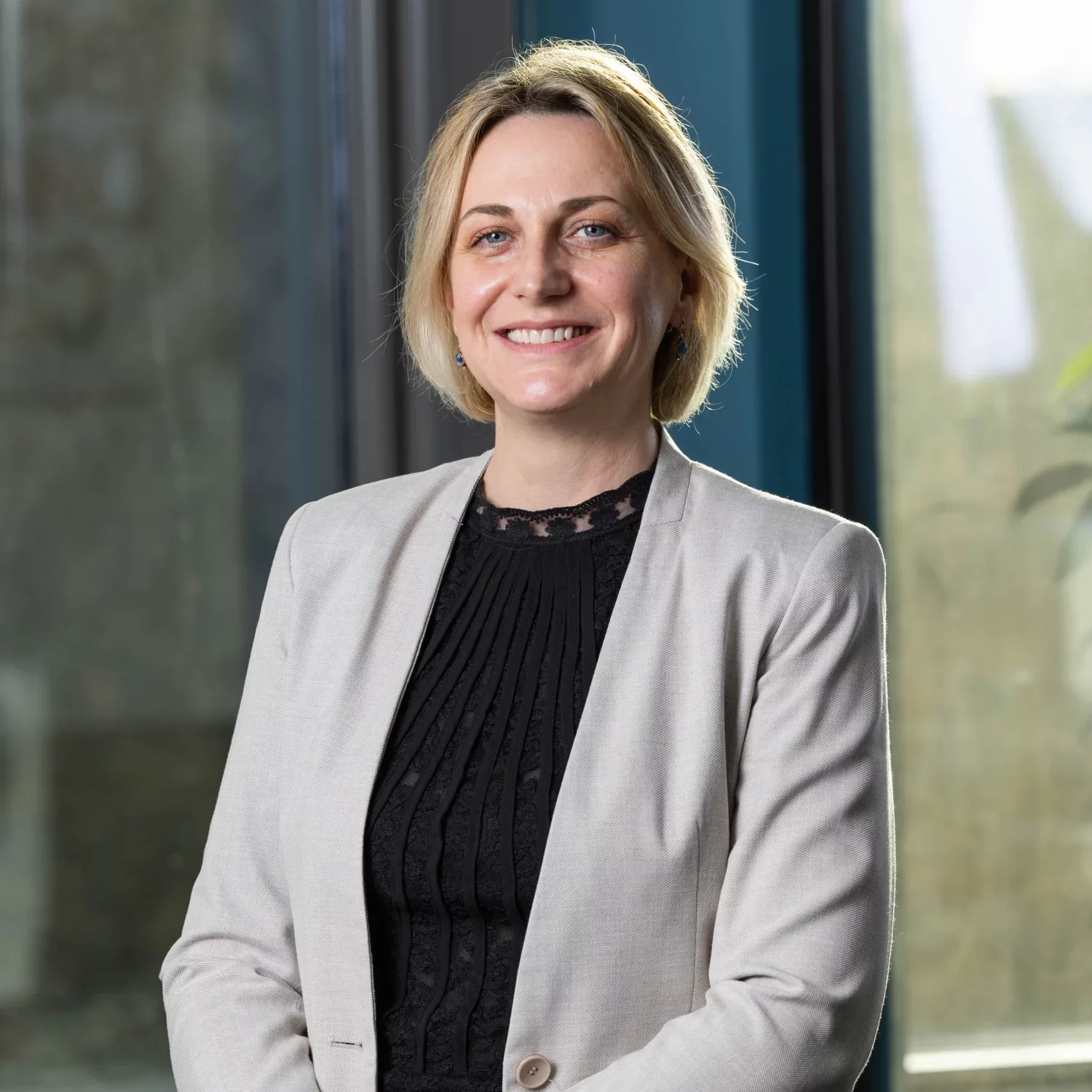
Echoing this call for coherence, MEP Hanna Jalloul, Vice-Chair of the European Parliament’s Foreign Affairs Committee, underlined the direct impact of EU decisions on citizens’ daily lives.
Yet, she questioned the persistent democratic disconnect: “Why have we reached only 50% participation in European elections?” According to Jalloul, “many citizens don’t fully realise how economic and agricultural decisions taken here directly affect them.”
*MEP Hanna Jalloul, Vice-Chair of the European Parliament’s Foreign Affairs Committee, European Parliament photo
Beyond internal policy, she stressed the importance of consistency in Europe’s external action. “We speak of peace, but our multilateral system — which we’ve defended since 1945 — must be consistent.” In a challenging geopolitical environment, she argued, the European Union must align its commercial priorities and strategic autonomy with its foundational values.
When democratic disconnect reaches the local level
This disconnect between European decision-making and citizens’ perception, participants warned, does not remain abstract. When people feel that decisions are distant, unclear or inconsistent with proclaimed values, frustration grows — and it often manifests first at the local level.
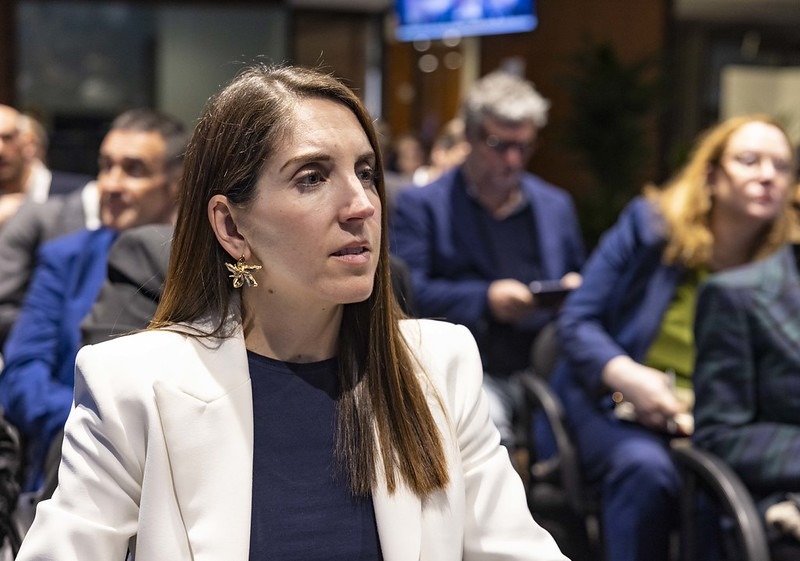
As highlighted by Eider Enunciaga, spokesperson for local democracy at CEMR and representative of Bilbao City Council, local leaders are increasingly experiencing hostility and intimidation — both offline and online. “The future of our democracies in Europe is at stake here,” he stressed, noting that geopolitical tensions, disinformation and polarisation are directly affecting municipalities and regions.
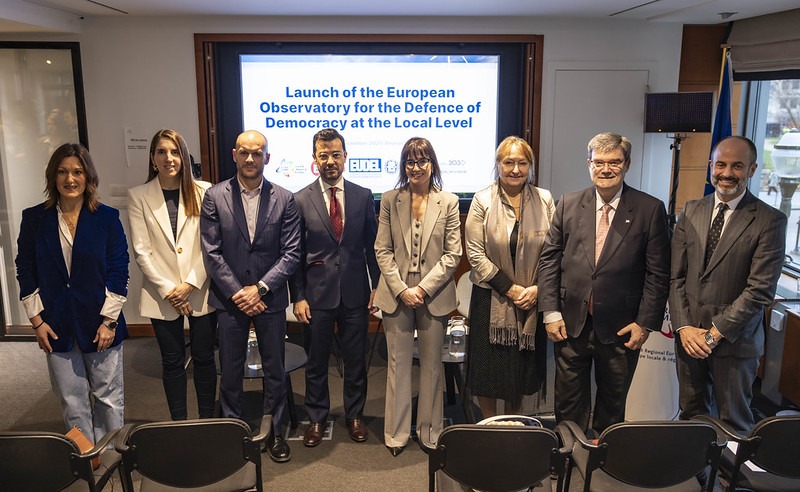
*Eider Enunciaga, spokesperson for local democracy at CEMR and representative of Bilbao City Council, at the CEMR event on the launch of the European Observatory
In response to this growing pressure, CEMR, together with the City of Bilbao, Bocconi University and the Basque Association of Municipalities, has launched the European Observatory for Democracy at the Local Level. The initiative aims to gather data on threats against local representatives, identify emerging trends and better understand the drivers behind attacks on democratic institutions.
“By strengthening democracy at the local level, we are also strengthening the European project,” Enunciaga concluded.
CEMR is currently looking for an agency to work with and produce all the deliverables for 2026
CEMR seeks to partner with a professional and certified branding or design agency to develop all the deliverables detailed in this document. The agency must work collaboratively with CEMR to produce high-quality deliverables and materials.
As the European Union prepares its next Multiannual Financial Framework (MFF) for 2028–2034, the Global Europe instrument will define the EU’s external action for the years ahead — encompassing development cooperation, humanitarian aid, enlargement support and Global Gateway. Discover PLATFORMA detailed policy position outlining how this strategic instrument should be shaped to foster sustainable global partnerships and advance inclusive governance.
At a time marked by intersecting global crises — from climate breakdown and shrinking development funds to geopolitical instability — the role of local and regional governments (LRGs) is more critical than ever. PLATFORMA’s paper is thus anchored in the belief that effective global action starts from the ground up.
Local and regional governments as co-decision-makers, implementers and partners
PLATFORMA’s position starts from a stark reality: despite their proximity to citizens and deep knowledge of local contexts, LRGs remain under-recognised in EU external action frameworks. The coalition calls for the Global Europe instrument to move beyond symbolic references to “local authorities” and embed mechanisms that genuinely empower LRGs as co-decision-makers, implementers and partners in EU external policies.
Key recommendations
The Policy Paper makes 9 key recommendations to EU decision makers:
Strengthen multilevel governance in Global Europe and place local and regional governments in the driving seat of territorial development
Pair flexibility and simplification with ambitious official development assistance targets, and enhance accountability and transparency mechanisms
Unlock Global Gateway’s potential through the involvement of local and regional governments
Foster EU delegations’ engagement with local and regional governments
Recognise and empower local and regional governments as unique and effective development partners in fragile contexts
Advance the localisation of the Sustainable Development Goals to achieve decarbonised societies and climate justice
Involve citizens through Global Citizenship Education as a key component of decentralised development cooperation
Foster inclusive and participatory local governance: empower youth, women, and disadvantaged and underrepresented groups
Strengthen local governance through the EU Eastern neighbourhood and enlargement strategy
Through these recommendations, PLATFORMA aims to improve the current proposal for the Global Europe instrument, so that it fully recognises, acknowledges, and supports the contribution of local and regional governments to EU external action, notably through decentralised cooperation as a development aid modality.
PLATFORMA also calls on the European Commission to issue an updated Communication on the structured involvement of local and regional governments and their associations in the new (geo)strategic approach to EU external action.
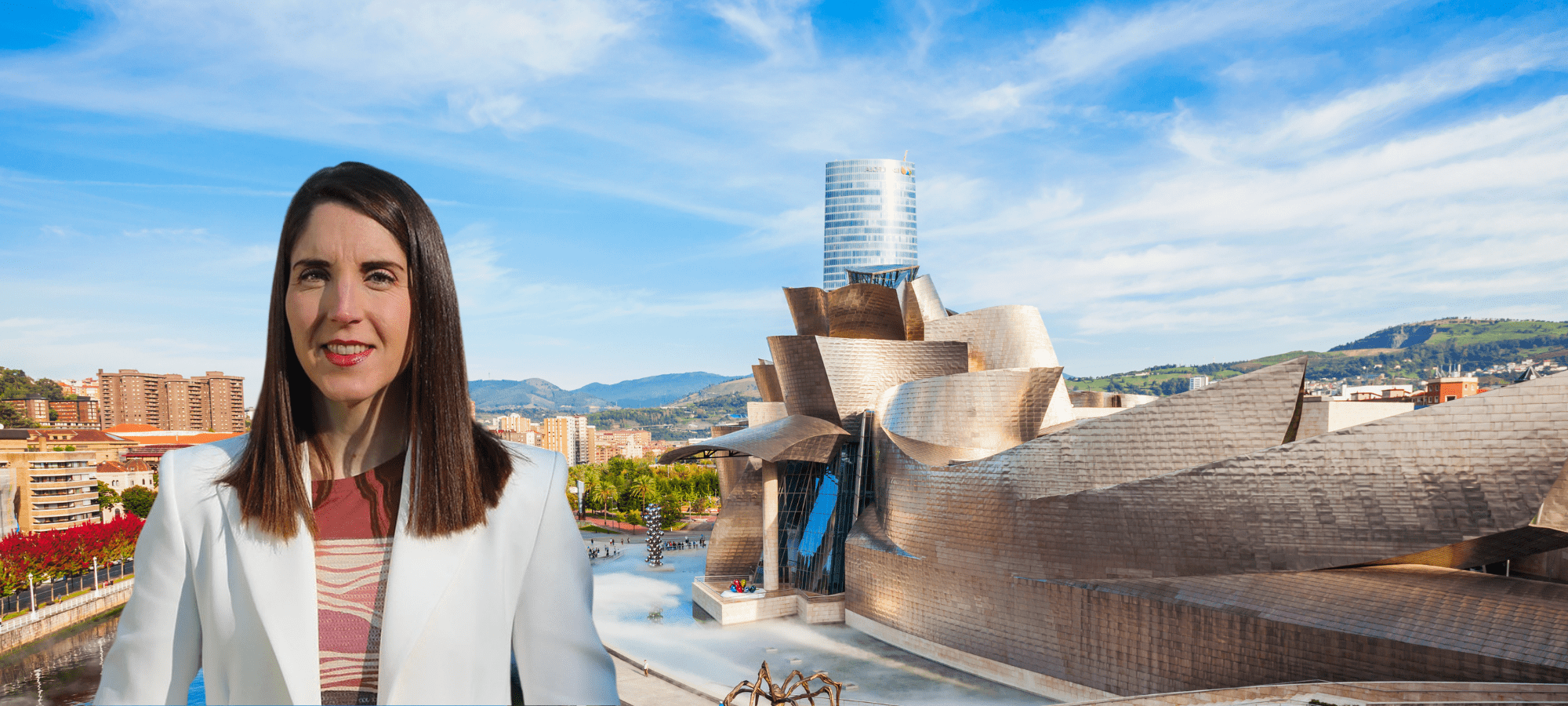
Meet the Local Hero: Eider Inuntziaga, building trust from the streets of Bilbao
When Eider Inuntziaga talks about local government, one word comes up again and again: closeness.
Since 2023, she has served as a city councillor in Bilbao, after years of political engagement within the Basque Nationalist Party. It is her first public mandate, and the experience has changed how she sees political life.
Before, she observed politics from the inside. Now, she experiences it daily — in the street, in neighbourhood conversations, and in the direct reactions of citizens to local decisions. The distance between elected representatives and residents is minimal, which makes local politics both uniquely meaningful and uniquely exposed. She also brings this experience to the European level as one of the Council of European Municipalities and Regions’ spokespersons on Local Democracy.
Across Europe, these challenges are increasingly visible. To better understand and address them, CEMR and its partners, including the City of Bilbao, have launched the European Observatory for the Defence of Democracy at the Local Level — an initiative that collects data, documents threats and harassment against local elected representatives, and helps develop practical tools and responses to better protect those serving their communities.
As she puts it, “local governments are the closest level of administration; we are the face of democracy.”
That proximity builds trust, but it also concentrates frustration. When people are unhappy, local leaders are often the first — and easiest — target.
Social media: useful, but risky
That visibility now extends far beyond the street.
Inuntziaga describes her relationship with social media as “conflicted.” While it can help connect people and share information, she also sees clear downsides.
“Social media can connect people and stories, and it can be useful—up to a point. But it also creates noise, polarisation, and sometimes hate. It can be dangerous.”
For local politicians, the effects are concrete. “It affects integrity, it affects how we speak, and it can silence people. It can make people leave the work they’re doing—or become afraid of what’s happening.”
She keeps her presence limited, using Facebook and LinkedIn, and mixing personal and political communication carefully.
Participation beyond election day
Despite these challenges, Inuntziaga remains firmly optimistic about the role local governments can play in strengthening democracy.
Her approach is simple: stay close, listen carefully and involve citizens as much as possible. For her, elections are only the starting point. Day-to-day participation matters just as much. In Bilbao, this philosophy has taken concrete form through participatory initiatives that invite residents to help shape the city’s direction.
One example is “Bilbao City of Values,” a process through which citizens collectively identified a shared set of principles to guide public life. The idea is to create a common framework that strengthens belonging and counters misinformation. The goal, she explains, is not only better policies, but stronger relationships between institutions and the people they serve.
Learning from Bilbao’s past
Bilbao’s history has also shaped how she thinks about governance.
The city has experienced profound transformation over the past decades — from industrial decline and unemployment to renewal driven by long-term planning and cooperation between public institutions, private actors and civil society. For Inuntziaga, this experience shows that change does not happen overnight and that stability requires patience.
She often points to three elements behind Bilbao’s recovery: cooperation, shared values and long-term vision. Quick fixes rarely work. Instead, consistent decisions taken with the future in mind gradually rebuild trust.
“Decisions must be made with the long term in mind,” she says, describing democracy and stability as mutually reinforcing.
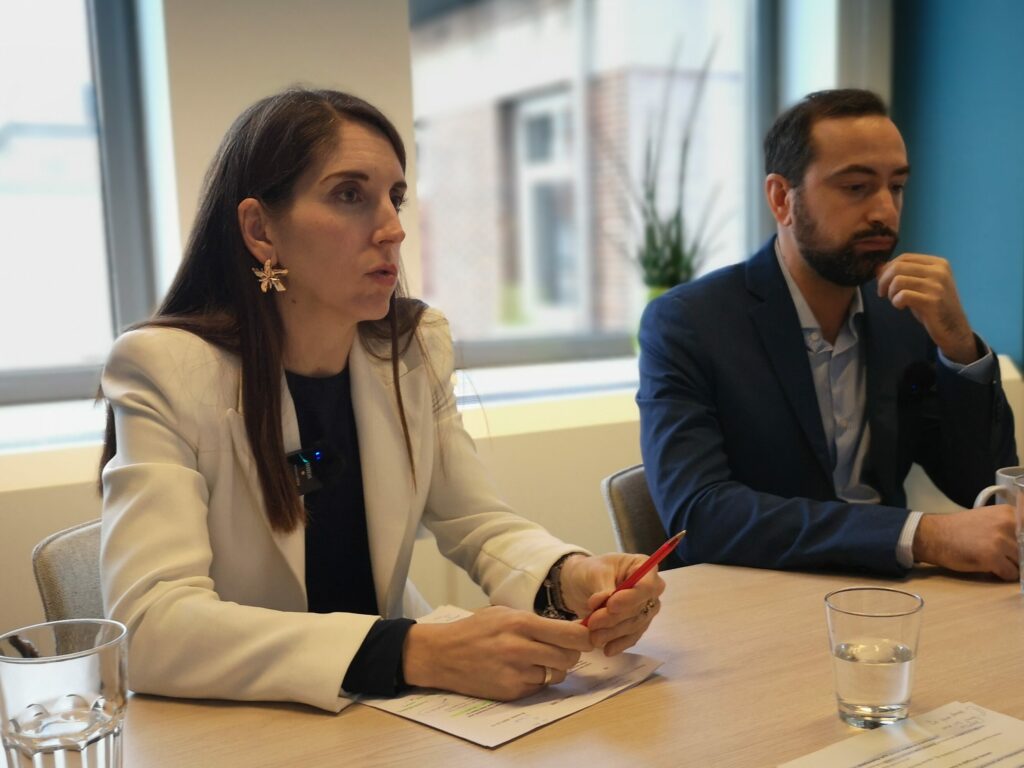
Eider Inuntziaga during the launch of the European Observatory for the Defence of Democracy at the Local Level.
Rooted locally, thinking European
Although her work is grounded in municipal politics, Inuntziaga keeps a strong European outlook. She follows debates beyond Spain closely and draws inspiration from leaders such as Kaja Kallas, whom she admires for her perspective on Europe’s role in a changing world.
Still, her focus remains firmly local. For her, cities are where democracy is tested every day — where policies meet real life, and where trust is either built or lost through everyday interactions.
It is not the most visible level of politics — but, in many ways, it is the one where democracy is felt most directly.
To hear more from Eider Inuntziaga, you can listen to the full episode of Call Simone, also with Gianmarco Daniele of Bocconi University, . They discuss how growing harassment and disinformation are affecting local leaders across Europe, and how the launch of the European Observatory for the Defence of Democracy at the Local Level can better track threats and protect local democracy.
Europe is the fastest-warming continent in the world. Heatwaves, floods, droughts and extreme weather events are already affecting communities, infrastructure and ecosystems across the continent — with impacts that vary widely from one territory to another. In this context, climate adaptation has become an urgent priority for towns, cities and regions, which are on the frontline maintaining essential services and strengthening resilience on the ground.
The policy paper highlights a clear reality: local and regional governments already implement the vast majority of adaptation measures, yet their role remains insufficiently recognised and supported in EU and national frameworks. The paper calls for a territorial approach to climate resilience, grounded in multi-level governance and built around six key priorities:
Empowering local and regional governmentswith clear mandates and flexibility to act;
Strengthening local capacity through better access to data, tools and peer learning;
Securing predictable and accessible funding for adaptation investments;
Improving preparedness and disaster risk management;
Restoring ecosystems and scaling up nature-based solutions;
Ensuring water resilience through integrated, locally driven water management.
By combining horizontal enablers (governance, capacity and finance) with sector-specific recommendations, the paper demonstrates how empowering towns, cities and regions is essential to Europe’s overall resilience.
Towns, cities and regions at the frontline of adaptation policies
Ronan Dantec, CEMR spokesperson for Climate, underlines: “Today, it is urgent to recognise that adaptation to climate change is pivotal for municipalities and regions of all sizes. Investing in sustainable infrastructure and using our resources more efficiently is not just an option, but an imperative for securing a thriving future for all.”
Climate impacts are inherently local. Even within the same country, risks can differ significantly between urban and rural areas, coastal and inland regions, or northern and southern territories. Towns, cities and regions are therefore best placed to:
Assess local climate risks and vulnerabilities;
Protect vulnerable populations;
Plan and manage resilient infrastructure;
Ensure continuity of essential services such as water, transport and energy;
Deliver nature-based solutions and ecosystem restoration.
Their proximity to citizens also allows them to integrate social resilience into adaptation policies, ensuring that no one is left behind as climate impacts intensify.
Preparing for the EU’s upcoming integrated framework on climate resilience
CEMR’s policy paper comes at a key political moment, as the new integrated framework for European ClimateResilience and Risk Management is expected to be adopted by the European Commission in the second half of 2026. It will aim to establish a comprehensive and coherent EU approach to climate resilience and preparedness.
The ongoing public consultation of the European Commission on the future integrated framework, includes a set of questions covering resilience-by-design across EU policies; harmonised and comparable climate risk assessments; funding for adaptation; support for local and regional level, consideration of climate-related health impacts.
CEMR is currently developing a response in cooperation with its expert group, requesting that towns, cities and regions are recognised not only as implementers, but as strategic partners in the design, financing and monitoring of this future framework. The consultation is open until 23 February 2026. CEMR encourages its members to participate and make their voices heard.