Bringing Europe closer to its citizens 

EU Cohesion Policy - News

How ITI and CLLD strengthen local democracy, multi-level governance, and place-based development in EU cohesion policy 


The European Union’s Cohesion Policy is one of its most important instruments for promoting economic, social, and territorial cohesion across its member states. With nearly €392 billion allocated for 2021–2027, it tackles inequalities between regions while supporting a greener, more competitive, and more inclusive Europe. Central to this effort are Integrated Territorial Investments (ITI) and Community-Led Local Development (CLLD), two tools designed to put territorial needs and local actors at the heart of EU funding. 

Why integrated tools matter 

The foundations for a place-based approach were laid in the 2009 Barca Report, which argued that EU policy should focus on unlocking the potential of specific territories while addressing persistent exclusion. ITI and CLLD, introduced in 2014, operationalise this vision by giving local and regional governments a stronger role in programming, governance, and project implementation. 

These tools provide flexibility, enable cooperation across levels of government, and ensure that EU funds target the real needs of communities. For municipalities, regions, and their associations, they are among the most valued features of cohesion policy. 

ITI: Integrating strategies across territories 

ITI allows funding from several EU programmes to be combined in support of integrated strategies. It has been especially used for urban development, where at least 8% of ERDF funding is earmarked for sustainable urban projects. While designed to cover any functional area, urban, rural, or mixed, ITI is most common in metropolitan settings, where challenges like mobility, housing, and regeneration demand integrated solutions. 

CLLD: Communities leading the way 

CLLD builds on the LEADER approach to rural development, empowering local action groups of citizens, NGOs, and businesses to design and implement strategies. While most common in rural areas, it has the potential to strengthen participation and ownership in cities, too. CLLD fosters trust, encourages bottom-up innovation, and helps address the needs of vulnerable groups such as youth, migrants, or elderly people. 

What worked well 

CEMR’s analysis highlights several clear benefits: 

  • Flexibility and relevance – ITI and CLLD adapt EU funding to local needs. 
  • Capacity-building – local authorities gain expertise in managing EU programmes. 
  • Stronger governance – fostering trust and cooperation between local, regional, and national levels. 
  • Visibility of EU action – projects close to citizens showcase the value of EU funds. 
  • Community cohesion – encouraging cooperation among local actors and building metropolitan or regional identity. 

Persistent challenges 

Despite their value, integrated tools face obstacles: 

  • Administrative burden remains high, with complex procedures and slow fund absorption. 
  • Limited flexibility – strategies must still align with national operational programmes, sometimes restricting genuine local priorities. 
  • Time pressures – integrated projects require trust and participation, often at odds with the EU’s strict N+3 spending rule. 
  • Uneven use of PO5 (“Europe closer to citizens”) – some member states underfund this priority despite its direct link to ITI and CLLD. 
  • Urban uptake of CLLD – adapting the rural-focused model to cities remains difficult. 

CEMR recommendations 

Looking ahead, municipalities and regions urge the EU to: 

  • Maintain and strengthen integrated tools in cohesion policy. 
  • Simplify procedures at both EU and national levels, avoiding “gold-plating.” 
  • Clarify guidance on multi-funding, project selection, and the use of PO5. 
  • Exempt ITI/CLLD projects from the N+3 rule to allow more time for participatory approaches. 
  • Reintegrate the EAFRD into the Common Provision Regulation to ease multi-fund projects. 
  • Ensure meaningful local involvement in programming, implementation, and evaluation. 

Conclusion 

ITI and CLLD have proven their worth as vehicles for place-based development, democratic participation, and closer cooperation between Europe and its citizens. While challenges remain, strengthening these tools is essential for making the EU’s cohesion policy more visible, more inclusive, and more responsive to local realities. 

Read the study here 

For more information, contact: 

Investing in Europe’s future 

Investing in Europe - News

A new EU growth model must empower local services, boost resilience and deliver sustainable investments 


The war in Ukraine and the aftermath of the COVID-19 crisis have placed Europe at a critical crossroads. These overlapping challenges are testing the strength of our democracies, economies and social fabric and call for a bold rethinking of Europe’s economic governance. 

In response, the SGIs Network, bringing together key public service stakeholders, has issued a joint declaration ahead of the Tripartite Social Summit on 23 March 2022. The message is clear: to manage the transition and strengthen the EU’s resilience, Europe must urgently shift towards a more forward-looking, inclusive and investment-oriented growth model. 

A new economic framework 
The current EU fiscal rules are no longer fit for purpose in the face of permacrisis. The declaration calls for a reformed fiscal architecture that reconciles debt sustainability with long-term, growth-enhancing investments. This includes distinguishing productive investments, such as in green infrastructure, digitalisation, healthcare and education, from unproductive spending. 

Empowering local action 
Local and regional governments are essential to achieving a green, digital and fair transition. The declaration stresses the need for their full involvement in implementing the National Recovery and Resilience Plans (NRRPs) and accessing the Next Generation EU funds. Without this multilevel approach, the EU risks missing the full potential of its recovery strategy. 

From temporary response to permanent capacity 
As the NGEU package and current EU budget cycle expire in 2026–2027, the declaration urges leaders to prepare for a longer-term fiscal and investment strategy. A permanent common fiscal capacity will be vital to address future shared challenges, from climate change to geopolitical instability, and avoid deepening inequalities between territories. 

The call from the SGIs Network is not just for more funding, but for better governance and greater solidarity. It is a reminder that investing in public services, social cohesion and local resilience is not a cost. It is the foundation of a stronger, united Europe. 

Read the declaration here 

For more information, contact: 

European social partners with Ukraine 

Ukraine people - News

Social partners offer solidarity and support in response to the Russian invasion


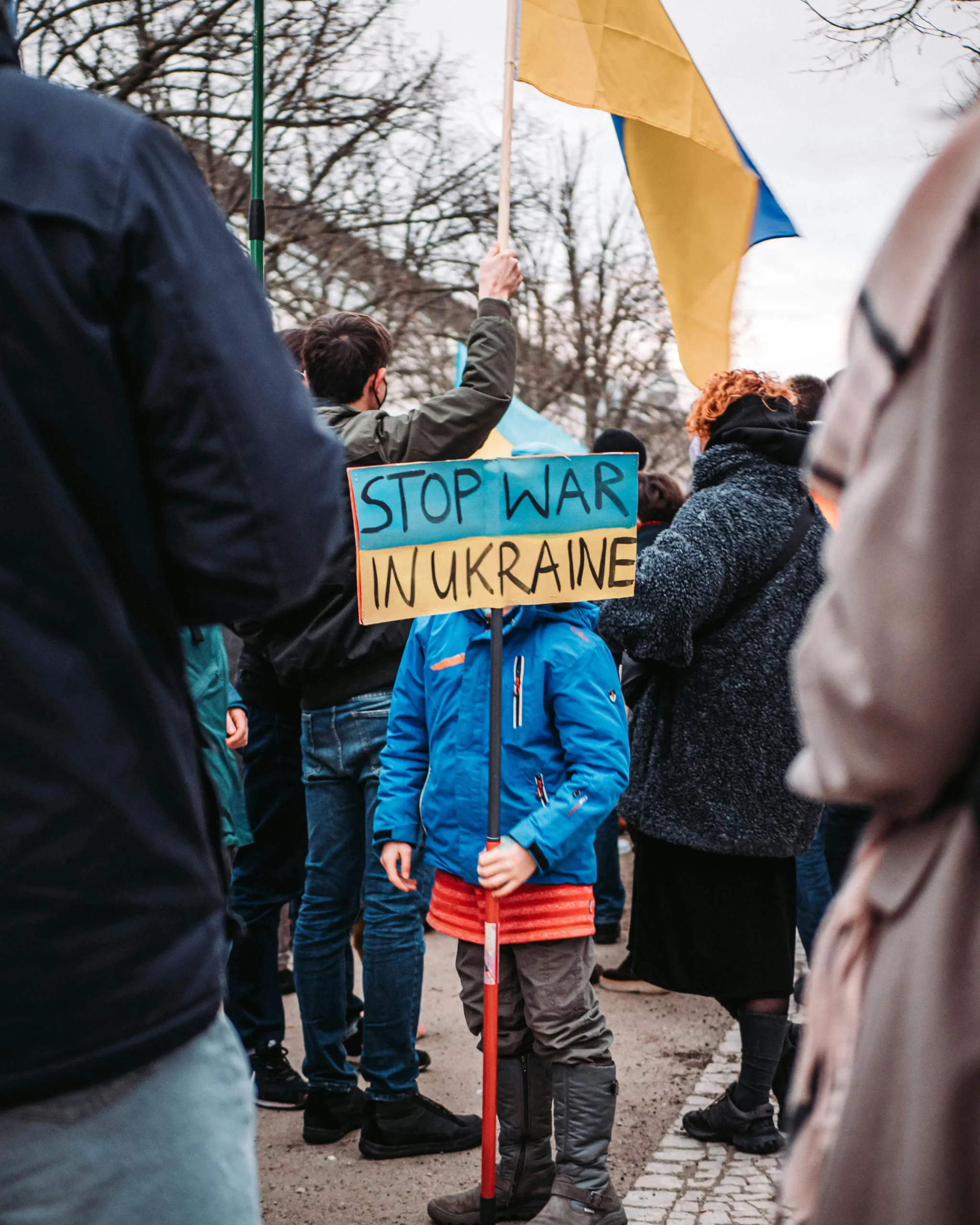
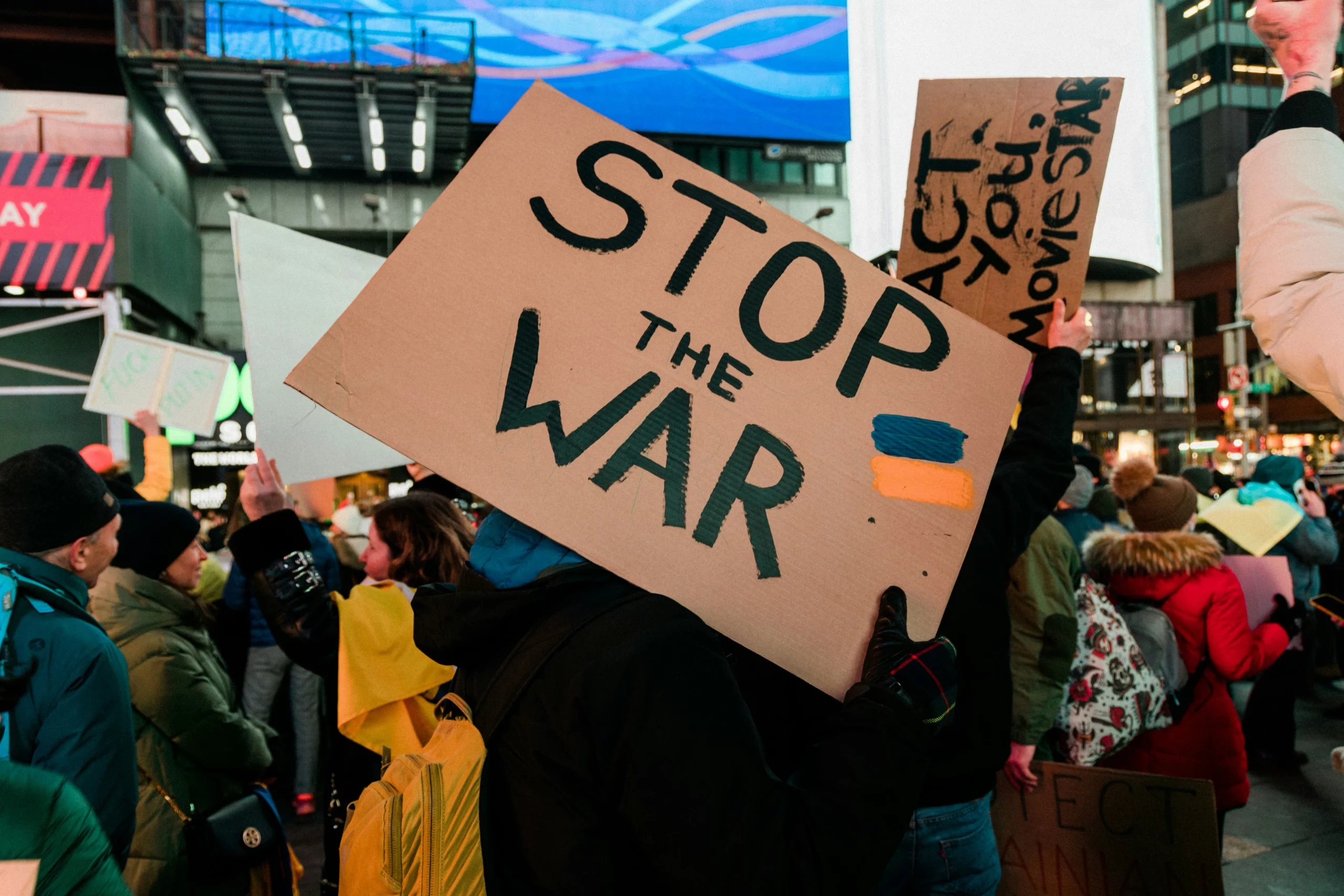
The European social partners for local and regional governments, CEMR and EPSU, have jointly expressed their strong condemnation of Russia’s invasion of Ukraine, calling it a grave violation of international law and a direct threat to democracy and peace in Europe. 

In a statement released through the European Social Dialogue Committee, the two organisations extended full support to the Ukrainian people, especially to workers in cities, municipalities, and local public services, who continue to serve their communities under attack. 

“Our thoughts are with first responders, emergency services workers and municipal staff who are ensuring the delivery of basic services, despite the ongoing destruction,” the statement reads. 

CEMR and EPSU pledged to mobilise both material assistance and technical expertise to support their peers in Ukraine and urged the EU and international community to provide shelter and asylum for those fleeing the war. 

As municipalities across Europe begin to welcome displaced persons, the statement also highlights the importance of supporting local migration services and coordinating with national governments to ensure dignified reception and integration. 

Read the declaration here 

For more information, contact: 

Local support to Ukraine 

Mayors in Ukraine - News 2023

European local and regional governments denounce Russia’s aggression and pledge solidarity with Ukrainian communities 


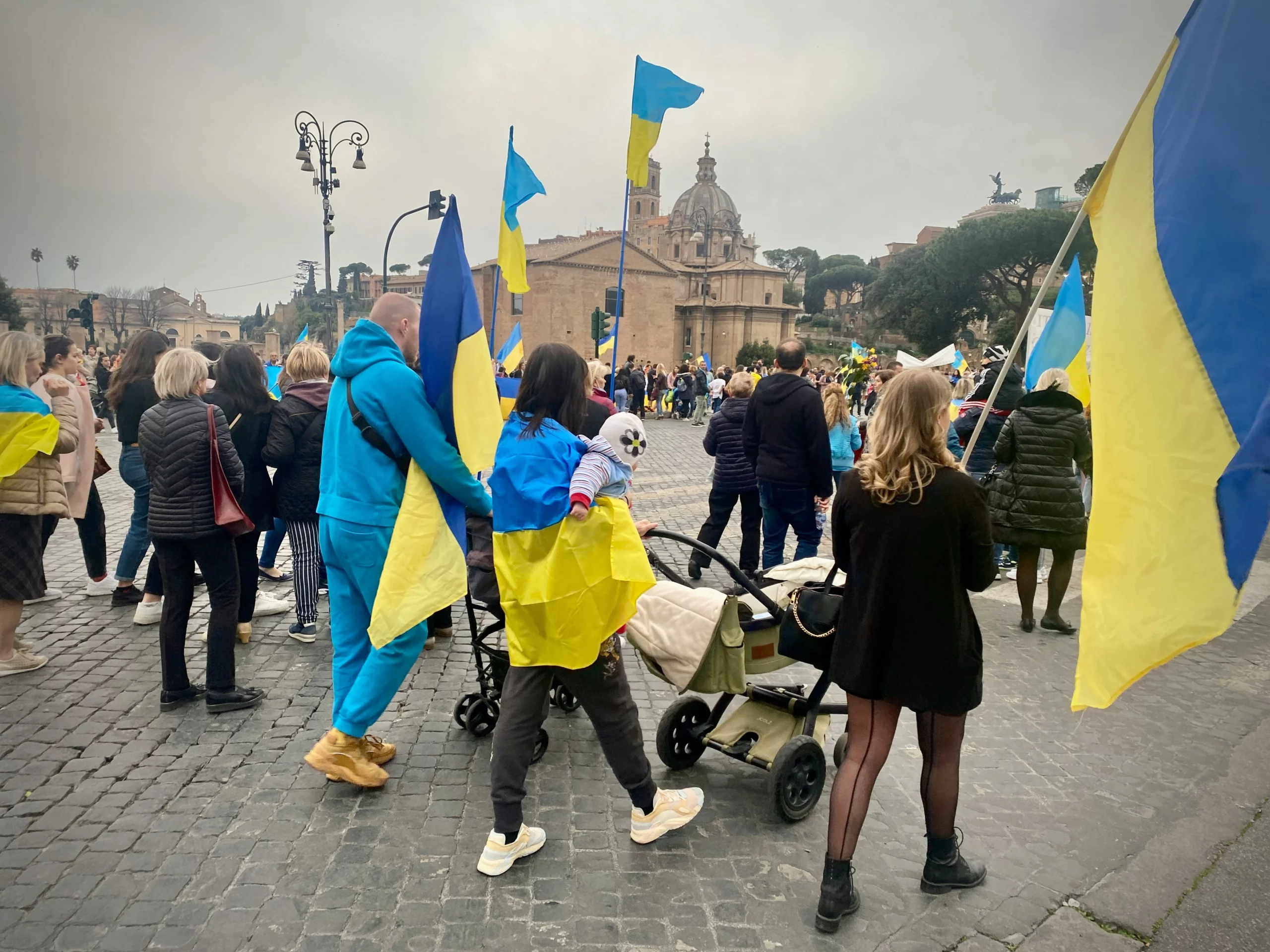
European local and regional governments have expressed their strongest condemnation of Russia’s repeated attacks and violations of Ukraine’s sovereignty and territorial integrity. They reject any attempt to dismantle a free and democratic state in Europe, stressing that these acts threaten peace and democracy across the continent. 

Solidarity with Ukrainian Communities 
Mayors, councils, and regional leaders stand firmly with their peers in Ukraine, municipalities, hromadas, districts, and their associations, who remain on the frontline providing essential services to citizens under the constant threat of bombings and destruction of infrastructure. 

Commitment to Support 
Local and regional governments across Europe, representing 60 national associations in 40 countries, commit to offering Ukrainian communities the materials, expertise, and assistance needed to face the ongoing crisis. They also prepare to respond to the humanitarian consequences, including the likely arrival of refugees, in close coordination with national governments. 

City Diplomacy for Peace 
Rooted in a tradition of local democracy and city diplomacy since 1951, European municipalities reaffirm their belief in peace and cooperation. They call on Russia to cease its aggression, withdraw from Ukraine, including Donbas and Crimea, and respect international law. 

Looking Ahead 
Despite the violence, local leaders remain convinced that diplomacy between cities can once again be a powerful force for unity, peace, and rebuilding across Europe. 

Read the declaration here 

For more information, contact: 

Empowering local Europe 

European Town - News

CEMR unveils its vision for stronger, inclusive and sustainable territories across Europe


The Council of European Municipalities and Regions (CEMR) has launched its political manifesto calling for a more inclusive, resilient, and citizen-driven European Union. With over 41 national associations of local and regional governments behind it, the manifesto sets out a roadmap to bring Europe closer to its citizens, starting from the ground up. 

At its heart are six concrete proposals to reinvigorate European democracy: from establishing permanent citizen panels and annual Europe Day debates in schools, to relaunching town twinning and creating an Erasmus-style programme for civil servants. 

CEMR also stresses that a strong Europe must leave no one and no place behind. It calls for renewed efforts to tackle territorial disparities, address depopulation, and ensure that public services, from education to health, are accessible to all citizens, no matter where they live. 

The manifesto also focuses on key priorities for the coming decade, including: 

  • Citizen participation through inclusive local democracy; 
  • Empowered local climate action, as cities and regions lead Europe’s green transition; 
  • Fair and coordinated migration policies, with strong local support for integration; 
  • Digital transformation that bridges the urban–rural divide; 
  • New forms of town-to-town partnerships, especially beyond the EU’s borders; 
  • And financial means to invest in sustainable local infrastructure and innovation. 

CEMR’s proposals emphasise the urgent need for deeper recognition of local and regional governments in European decision-making. This includes a stronger role for the Committee of the Regions, the creation of a local chamber, and systematic consultation of representative associations like CEMR when shaping EU legislation and strategies. 

By calling for a Europe that is democratic, sustainable, and close to its people, the manifesto is a bold invitation to reimagine the Union from the local level up, with municipalities and regions playing a central role in shaping the continent’s future. 

Read the position paper here 

For more information, contact: 

Lessons from the COVID19 Pandemic

COVID recovery - News

Local and regional governments need stronger support, recognition, and autonomy in times of crisis


As Europe continues to grapple with the long-term consequences of the COVID-19 crisis, the Council of European Municipalities and Regions (CEMR) highlights the vital role of local and regional governments during the pandemic and the urgent need for stronger multilevel governance and financial resilience.

From the earliest days of the pandemic, local and regional authorities were at the frontline: managing public health measures, ensuring social services, maintaining education and local transport, and supporting vulnerable groups. They also had to cope with increased expenditure while facing plummeting revenues, a phenomenon CEMR described as the “scissor effect.” Despite their efforts, many municipalities and regions received little compensation or recognition for their critical role.

In light of these challenges, CEMR has outlined ten key recommendations to ensure more effective responses in future crises and support long-term resilience:

  1. Recognition of essential services
    Local and regional governments must be acknowledged as essential actors in crisis management. Their competences, funding, and resources must be guaranteed and reinforced, with better alignment of policies across government levels.
  2. Equal access to EU recovery tools
    Municipalities and regions should be directly involved in shaping and implementing national recovery plans, particularly in the context of the Recovery and Resilience Facility. This means ensuring equal access to EU funds, simplification of procedures, and stronger monitoring mechanisms.
  3. Flexible financial frameworks
    The EU fiscal rules need to evolve. CEMR calls for more flexibility for local and regional governments in borrowing and investment, especially for long-term sustainable projects. Debt incurred for these purposes should be excluded from deficit calculations under the Stability and Growth Pact.
  4. Stronger digital transition
    The pandemic highlighted the digital divide across Europe. More investment is needed to strengthen local digital infrastructure and capacity, especially in rural and underserved areas. Local and regional authorities must play a central role in the EU’s digital transition.
  5. Health, care, and social services
    Municipalities and regions are often responsible for delivering or coordinating health and care services. They must be involved in national health policy planning, with proper resources and long-term investment to ensure quality and accessibility.
  6. Support for local economies
    Cities and regions played a key role in supporting local businesses and workers during the crisis. The EU and Member States must ensure that economic recovery policies reach the local level and that municipalities can take proactive measures to protect local economies.
  7. Strengthening social cohesion
    COVID-19 amplified existing inequalities. Local authorities are best placed to address social exclusion, support vulnerable groups, and reinforce community resilience, but need adequate funding and policy support.
  8. Better governance
    The pandemic exposed the weaknesses of top-down crisis responses. Multilevel governance, subsidiarity, and the partnership principle must be strengthened to ensure effective cooperation and faster, more tailored solutions.
  9. Green recovery
    Recovery funds and policies must prioritise sustainability. Local governments are already implementing the Green Deal at ground level, through sustainable mobility, energy-efficient buildings, and green public spaces. Their role must be formally supported in EU policy and funding instruments.
  10. Crisis preparedness
    Europe must develop better tools for future emergencies. This includes building the capacity of local administrations, sharing best practices, and ensuring municipalities have access to critical resources when crises hit.

Conclusion
The COVID-19 pandemic has been a stress test for European governance and local governments passed it with resilience and determination. Now, CEMR urges EU institutions and Member States to turn these lessons into action. By strengthening the role, autonomy, and resources of local and regional authorities, Europe can better prepare for the next crisis and deliver a fair, green, and inclusive recovery for all.

Read the position paper here 

For more information, contact: 

Local role in the EU enlargement 

EU Enlargement - News

Decentralisation and strong local governance are key for Ukraine, Moldova and Georgia’s EU accession path 


The decision of the European Council to grant candidate status to Ukraine and Moldova and to recognise Georgia’s perspective once further reforms are met marks a historic step in the enlargement of the European Union. Beyond the geopolitical dimension, the process will require profound reforms at the local level, particularly in decentralisation, public administration, and democratic governance. 

The European Commission’s opinions emphasise decentralisation as a cornerstone of EU membership criteria. Strengthening local autonomy, building institutional capacity, and fostering multilevel governance are essential for sustainable reforms in Ukraine, Moldova, and Georgia. Empowering municipalities and regions will not only improve service delivery but also ensure that EU values and standards are implemented where citizens feel them most directly: at the local level. 

Decentralised cooperation plays a decisive role in this transformation. Peer exchanges, partnerships, mentorship programmes, and twinning initiatives provide practical support for reforms while reinforcing democratic practices. These mechanisms are particularly vital in contexts of crisis and recovery, such as the post-pandemic and post-war reconstruction efforts. 

Granting candidate status also strengthens local governments’ ability to modernise, adopt new technologies, and access tools that improve governance and resilience. This process will accelerate reforms in public administration, boost citizen participation, and ensure a closer alignment with the EU’s Green Deal and Sustainable Development Goals. 

The path toward EU membership for Ukraine, Moldova, and Georgia must include a strong local dimension. By prioritising decentralisation and local autonomy, the accession process can deliver long-term sustainable development, stronger democracies, and better services for citizens. Supporting municipalities and regions is therefore not just complementary, but essential for a successful enlargement process. 

Read the declaration here 

For more information, contact: 

Europe 2030 – local leaders speak out

Europe 2030 - News

Local and regional leaders call for a renewed European model, rooted in unity, democracy, and empowered territories


Europe has always been a bold political project. Born from the ashes of two World Wars, it was built on the conviction that lasting peace and prosperity can only be achieved together. From the beginning, local and regional leaders played a decisive role: mayors and municipalities spearheaded cooperation across borders and called for stronger local democracy through the European Charter for Local Liberties.

Today, facing crises from climate change to migration, from social tensions to war at its borders, Europe once again needs its local pioneers. In 2016, CEMR launched a visionary initiative inviting leaders, citizens, and young people to share their vision of Europe in 2030. The results were clear: citizens want a more cohesive, democratic, and responsive Europe, one that listens and acts closer to their daily lives.

The vision for 2030 is ambitious: empower local and regional governments with greater resources, strengthen cooperation between all levels of governance, and ensure that policies remain people-centered. Local governments already provide over 60% of public investment in the EU, showing that they are key drivers of innovation, social support, and sustainable development.

Contributors stress that decentralisation is essential to building trust in democracy. Nation-states should act as regulators and guarantors of equality, regions should drive economic growth, and towns should remain the heart of community life. At the same time, Europe must stay united in diversity, serving as the guardian of territorial cohesion, welfare, and collective security.

By 2030, Europe will be more global and more urban. Local and regional governments must therefore take a stronger role in international cooperation, through city diplomacy, twinning, knowledge-sharing, and decentralised cooperation, to tackle challenges like climate change and sustainable development.

The message is simple but powerful: to change the world, we must think and act locally while standing united as Europeans. A renewed European model, decentralised, democratic, and open to the world, is the key to regaining citizens’ trust and securing a brighter future.

Read the study here 

For more information, contact: 

Europe’s democratic future 

European Parliament - News

The 2019 European elections highlight progress in participation, diversity, and gender balance, but also the need for stronger local involvement in shaping EU policies 


The European elections of May 2019 marked a turning point for democracy in the European Union. With more than 400 million citizens called to vote, turnout reached 51%, the highest since 1979, signalling renewed interest in EU politics. Yet, the debate within the Council of European Municipalities and Regions (CEMR) underlined that more must be done to sustain citizen engagement and strengthen local governments’ role in shaping European policies. 

The new European Parliament is more diverse than ever, reflecting a broader range of political views. This diversity will influence the Union’s legislative agenda and policy outcomes. Progress has also been made on gender equality, with women now making up 40% of Members of the European Parliament, up from 36% in the previous mandate. 

Still, challenges remain. Increasing citizens’ interest in Europe requires targeted outreach, particularly towards young people, through communication channels they use and trust. Local and regional governments are key to bridging the gap between European institutions and citizens’ daily lives. Strengthening their role in the EU’s decision-making process is essential for the effective preparation, financing, and implementation of policies. 

Looking ahead, the new Parliament is expected to continue work on the Multi-Annual Financial Framework (MFF) and embed the Sustainable Development Goals into EU legislation. A gender-balanced approach in filling top positions within both the Parliament and the European Commission is also vital to ensuring fair and inclusive representation. 

The 2019 elections opened a new chapter for the European Union. Higher participation, improved gender balance, and a more diverse Parliament are encouraging signs, but further efforts are needed to build trust, foster inclusion, and give local governments a stronger voice. By working together, the EU and its citizens can ensure that Europe’s democratic future is both representative and resilient. 

Read the position paper here 

For more information, contact: 

Achieve “active subsidiarity”  

European Union - EU Enlargement News

Improving EU policymaking through stronger dialogue with Europe’s local and regional governments 


With the European Union facing increasingly complex challenges, from demographic shifts to digitalisation and climate resilience, ensuring that policies are designed and delivered as close to citizens as possible is more relevant than ever. In this context, the Council of European Municipalities and Regions (CEMR) has released a position paper advocating for a more structured, inclusive, and effective approach to subsidiarity and proportionality in EU decision-making. 

The paper responds to the European Commission’s 2018 Communication on subsidiarity and proportionality, which calls for a stronger application of these core principles in the legislative process. CEMR welcomes this shift and provides five concrete proposals to embed local and regional governments more deeply into the EU policy cycle. 

Towards active subsidiarity: five key proposals 

CEMR argues that local and regional governments (LRGs) are not merely stakeholders but essential partners in the design, implementation and evaluation of EU legislation. To improve policy outcomes, the position paper puts forward five central proposals: 

  1. Structured Dialogue: Introduce formal mechanisms to ensure that local and regional governments and their associations are regularly consulted at all stages of policy development, mirroring the success of the Social Dialogue model. 
  1. Effective Engagement: Tailor consultation tools to better capture the input of LRGs and provide feedback on how their responses are considered, moving beyond one-size-fits-all approaches. 
  1. Weighted Input: Recognise the democratic legitimacy of local authorities by assigning greater weight to their input in EU consultations and encourage deliberative dialogue through local stakeholder meetings. 
  1. Use of Local Data: Draw on the unique evidence and experience of LRGs earlier in the legislative cycle, especially through inception impact assessments and a reformed REFIT platform. 
  1. Access to Policymaking: Develop systems allowing LRGs to help shape legislation from the ground up and promote models of multilevel governance like those trialled through the Urban Agenda for the EU. 

A call for genuine partnership 

CEMR highlights that better regulation and stronger subsidiarity are not only technical improvements but democratic imperatives. By embedding multilevel governance and recognising the expertise of towns, cities and regions, the EU can build policies that are more effective, more efficient, and more trusted by citizens. 

This paper adds to CEMR’s broader push for a European governance model based on real partnership with local and regional governments. With the next European Commission mandate on the horizon, the time is ripe to make “active subsidiarity” a reality. 

Read the position paper here 

For more information, contact: