Empowering local Europe 

European Town - News

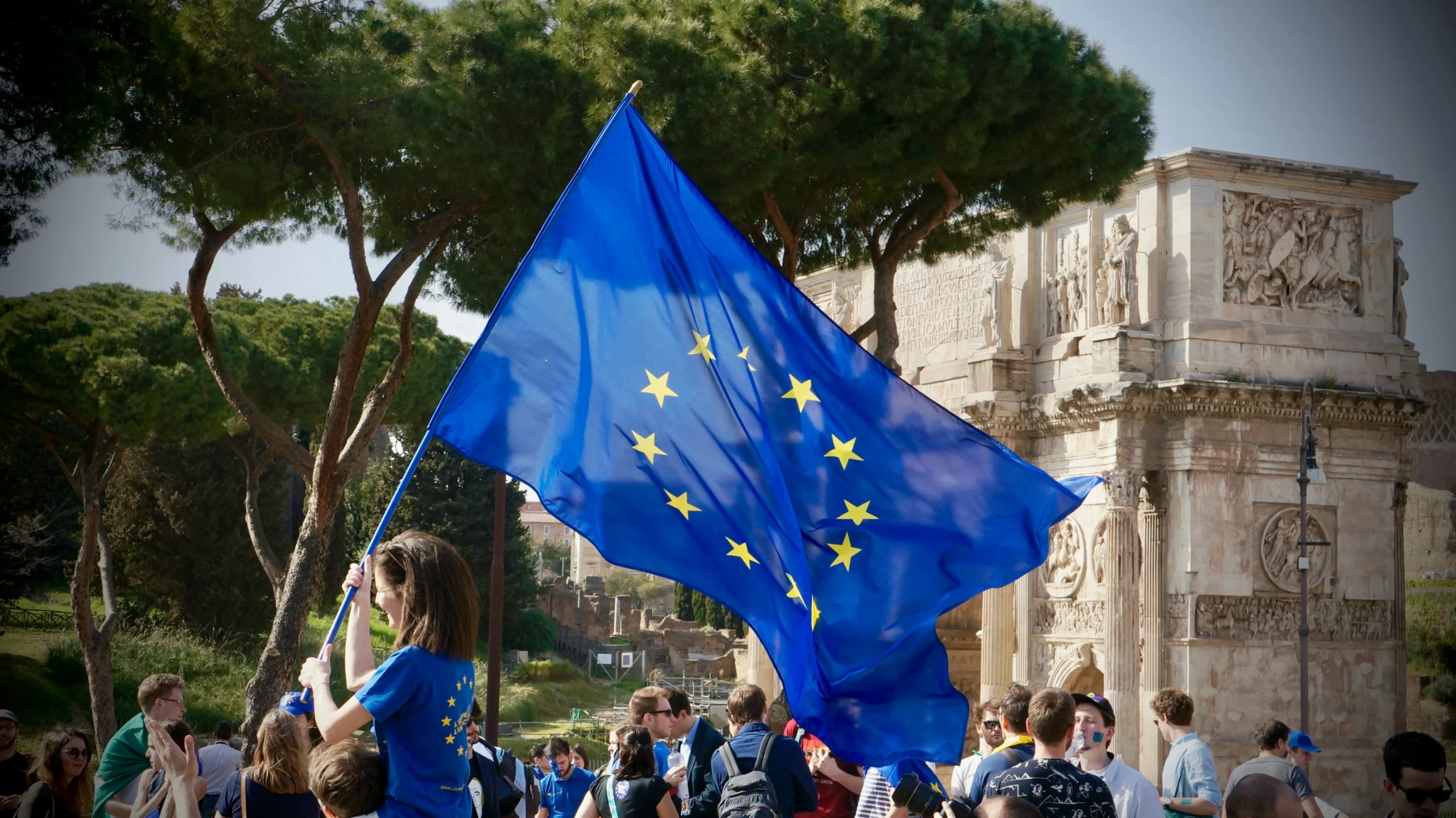
CEMR unveils its vision for stronger, inclusive and sustainable territories across Europe


The Council of European Municipalities and Regions (CEMR) has launched its political manifesto calling for a more inclusive, resilient, and citizen-driven European Union. With over 41 national associations of local and regional governments behind it, the manifesto sets out a roadmap to bring Europe closer to its citizens, starting from the ground up. 

At its heart are six concrete proposals to reinvigorate European democracy: from establishing permanent citizen panels and annual Europe Day debates in schools, to relaunching town twinning and creating an Erasmus-style programme for civil servants. 

CEMR also stresses that a strong Europe must leave no one and no place behind. It calls for renewed efforts to tackle territorial disparities, address depopulation, and ensure that public services, from education to health, are accessible to all citizens, no matter where they live. 

The manifesto also focuses on key priorities for the coming decade, including: 

  • Citizen participation through inclusive local democracy; 
  • Empowered local climate action, as cities and regions lead Europe’s green transition; 
  • Fair and coordinated migration policies, with strong local support for integration; 
  • Digital transformation that bridges the urban–rural divide; 
  • New forms of town-to-town partnerships, especially beyond the EU’s borders; 
  • And financial means to invest in sustainable local infrastructure and innovation. 

CEMR’s proposals emphasise the urgent need for deeper recognition of local and regional governments in European decision-making. This includes a stronger role for the Committee of the Regions, the creation of a local chamber, and systematic consultation of representative associations like CEMR when shaping EU legislation and strategies. 

By calling for a Europe that is democratic, sustainable, and close to its people, the manifesto is a bold invitation to reimagine the Union from the local level up, with municipalities and regions playing a central role in shaping the continent’s future. 

Read the position paper here 

For more information, contact: 

Presenting CEMR

CEMR - News Section

Hot off the Press: “Empowering Local and Regional Europe since 1951”


We are pleased to announce the release of CEMR’s new presentation brochure: “Empowering Local and Regional Europe since 1951”.

This richly-illustrated publication provides a bird’s eye view of CEMR and its work on behalf of Europe’s municipalities, counties and regions. It also takes stock of what has been achieved since its creation in 1951 and draws the lessons of decades of work. The document, available in English and French, features numerous charts, a map and a historical timeline.

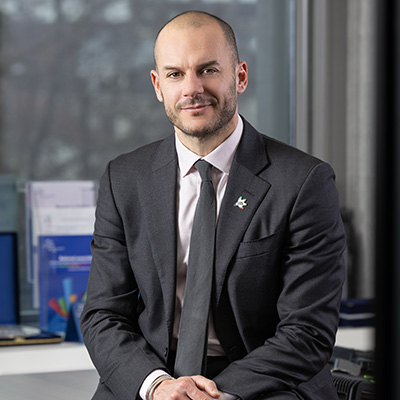
“If this publication makes one thing clear”, explains CEMR President Stefano Bonnacini“it is the crucial role of Europe’s complex patchwork of municipalities, counties and regions in so many aspects of life. Behind the words that jump out – basic services, climate change, international development, COVID – there is a human reality: local and regional elected officials and civil servants, working every day for their citizens in an ever-growing sphere of areas.

In particular, you will discover inside:

  • The men and women, elected mayors and local/regional leaders from across Europe, who make up our leadership
  • CEMR’s membership and the diverse territorial organisation of different European countries
  • CEMR’s democratic values, internal organisation and way of working
  • Our thematic work, projects and partners under the headings People, Places, Planet and Partnership
  • CEMR’s rich history since our founding in 1951: from the contribution of town twinning and local autonomy-building in postwar Europe to our expanding work on territorial development, gender equality and environment
  • How to keep in touch with us through our many communications channels tailored to diverse audiences

Empowering local Europe since 1951  

Democracy, diversity, and sustainability at the heart of CEMR 


Since its founding in 1951, the Council of European Municipalities and Regions (CEMR) has worked to promote a peaceful, democratic, and united Europe. Rooted in local self-government and citizen participation, CEMR brings together municipalities, counties, and regions across 41 countries, giving local democracy a strong voice at European and international levels. 

Our Values 

CEMR stands on three core pillars: 

  • Local democracy: Protecting municipal autonomy, human rights, and the rule of law. 
  • Sustainability: Guiding action through the United Nations’ Global Goals. 
  • Diversity: Promoting gender balance, inclusiveness, and respect for differences. 

With a team of 40 professionals in Brussels, representing a dozen nationalities and speaking 15 languages, CEMR embodies the European mosaic it serves. 

A History of Local Leadership 

CEMR was born in 1951 when 56 mayors from six countries gathered in Geneva to lay the foundations of a united Europe from the bottom up. Their early efforts focused on town twinning, fostering reconciliation through exchanges and cultural ties. Today, with some 20,000 twinnings across Europe, this remains the continent’s most widespread form of cooperation. 

CEMR also pioneered the push for local autonomy, adopting the European Charter of Municipal Liberties in 1953, which later inspired the Council of Europe’s European Charter of Local Self-Government. 

In 1984, CEMR officially added “Regions” to its name, reflecting its advocacy for decentralisation and the growing importance of regional governance. 

What We Do Today 

CEMR’s mission is organised around four “Ps”: People, Places, Planet, and Partnerships

  • Advocacy: Representing local and regional interests to the EU, the Council of Europe, OECD, and the United Nations. CEMR works to ensure that 70% of EU laws affecting municipalities and regions take account of local realities. 
  • Knowledge: Sharing expertise and producing ground-breaking studies on local democracy, equality, climate action, migration, and finance. 
  • Partnerships: Leading externally funded projects on sustainable development, integration, climate, and democracy, including initiatives such as PLATFORMA, IncluCities, and the Covenant of Mayors. 
  • Communication: Reaching citizens, members, and global partners through campaigns, media work, and digital platforms. 

Looking Ahead 

Marking its 70th anniversary in 2021, CEMR reflected on past achievements while preparing for future challenges. In an age of polarisation, climate change, and digital transformation, the organisation continues to champion local democracy as the bedrock of peace and progress. 

As former CEMR President Valéry Giscard d’Estaing once urged Europe’s young people: “Today, power is there for the taking! It is the power to act, to bring on the future and to organise it.” 

Read the study here 

For more information, contact: 

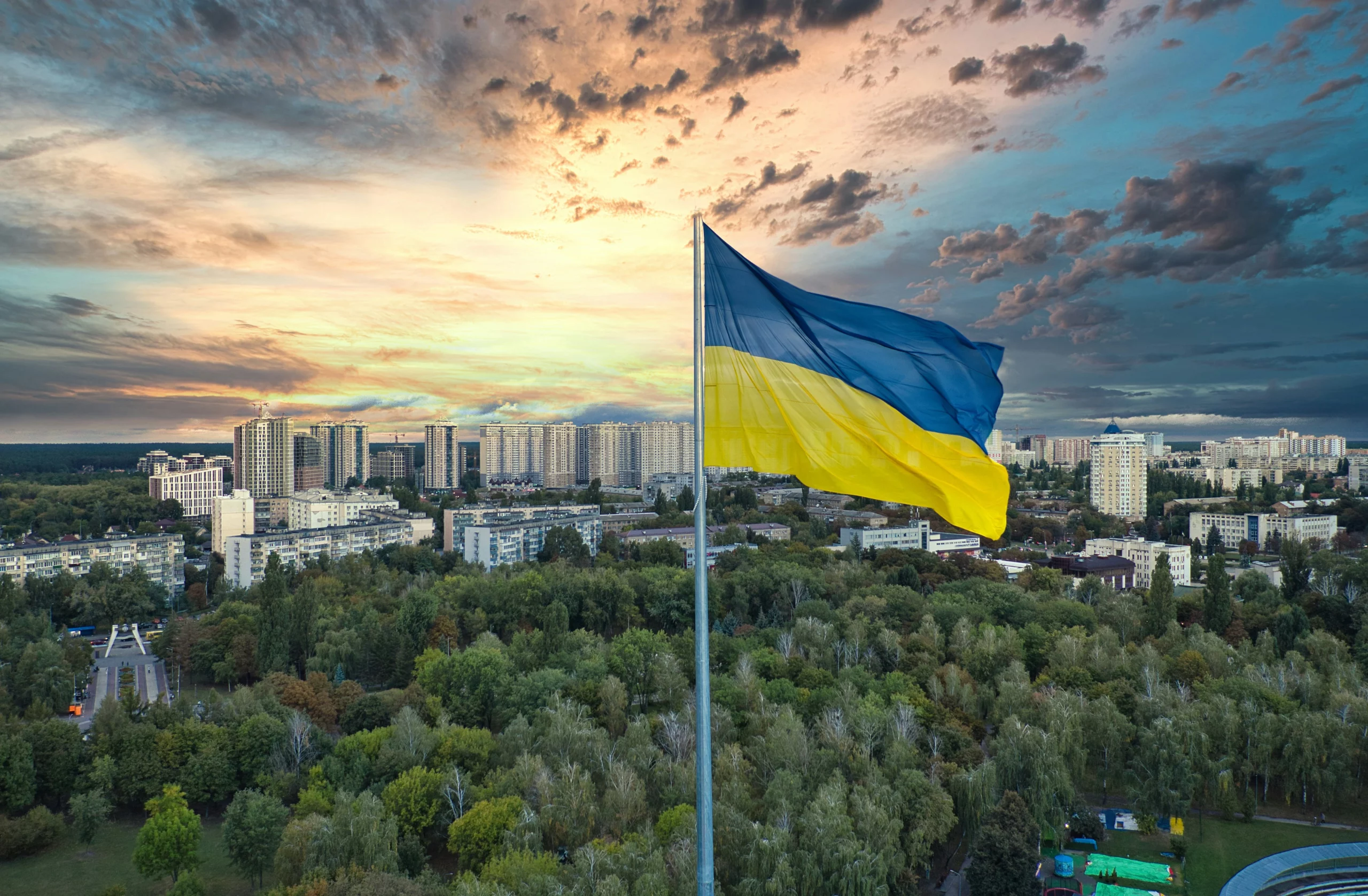
Building partnerships with Ukraine

Ukraine partnership - News

Key factors for successful and sustainable partnerships between Ukrainian and EU local governments 


Ukrainian municipalities have a long tradition of international cooperation, especially with their counterparts in European Union (EU) member states. Today, this cooperation is more relevant than ever. Municipalities seek to improve local services, modernise administration, attract investment, and promote tourism and culture by learning from and working with EU partners. 

At the same time, establishing meaningful partnerships is not straightforward. Many municipalities, particularly those with limited international experience and resources, face challenges in sustaining long-term cooperation. To respond to this need, the Bridges of Trust initiative was launched to support exchange, promote best practices, and help local governments in Ukraine and the EU build effective partnerships. 

Mapping cooperation 

Ukraine’s decentralisation reform, launched in 2014, created 1,469 consolidated territorial communities, strengthening local governance and budgets. This has enabled municipalities to take greater responsibility for international engagement. Reports by the European Commission and the European Parliament have recognised Ukraine’s decentralisation as a success story, while also stressing the need to safeguard its achievements through constitutional reform. 

Success factors in municipal cooperation 

Drawing on decades of European experience with twinning and decentralised cooperation, several factors emerge as critical to success

  • Careful partner selection, ensuring shared interests and commitment. 
  • Clear partnership strategies with defined objectives. 
  • Sustainable planning and dedicated support structures (e.g. steering committees). 
  • Joint financing and access to external funding. 
  • Active involvement of schools, youth, and citizens to broaden visibility. 
  • Political leadership and motivated staff, supported by international departments. 
  • A strong European dimension to reinforce unity and common identity. 

Challenges facing Ukrainian municipalities 

Despite progress, obstacles remain. Studies of cooperation with Polish and other EU municipalities highlight recurring issues: 

  • Partnerships that exist only on paper, with little or no joint activity. 
  • Limited staff capacity, foreign language barriers, and a lack of experience in managing international projects. 
  • Insufficient awareness among citizens of the benefits of cooperation. 
  • Irregular contacts and a lack of strategic alignment between partners. 
  • Funding shortages for travel, exchanges, and project implementation. 

The COVID-19 pandemic has created both challenges and opportunities. While some partnerships stalled due to travel restrictions, others adapted by embracing online platforms. Virtual exchanges, such as U-LEAD’s study visits and the Bridges of Trust online forums, demonstrated how digital tools can sustain and even intensify cooperation. 

Looking ahead 

Above all, motivation and leadership remain the decisive factors. As Ukrainian officials note, training and case studies are valuable, but without committed local leaders and engaged staff, partnerships cannot thrive. Conversely, municipalities with strong motivation but little experience can quickly grow if supported with targeted training, funding, and practical guidance. 

International municipal cooperation is not simply an instrument of solidarity: it is a strategic investment in Ukraine’s recovery, resilience, and European future. By learning from each other, municipalities in Ukraine and the EU can build sustainable partnerships that deliver tangible results for their communities and strengthen the foundations of a common European identity. 

Read the study here 

For more information, contact: 

Committee of the regions

European Union - News section

Stefano Bonaccini: “President von der Leyen should stick to her words when she said that local and regional governments will be at the heart of our recovery”


The European Committee of the Regions (CoR) has a long and fruitful cooperation with the Council of European Municipalities and Regions (CEMR), which turns 70 this year. Many joint initiatives, consultations and activities have been developed by the CoR and the CEMR so far and many others are already in the pipeline.

Just a few days ahead of the 19th European Week of Regions and Cities, which will take place from 11 to 14 October, we spoke with the President of Emilia-Romagna and CEMR, Stefano Bonaccini, on how local and regional governments take up the new challenges brought by the COVID-19 pandemic, climate disruption and territorial inequalities.

​​​​President Bonaccini, after seven decades of work to empower local and regional authorities in Europe, what would you say are CEMR’s main achievements?

Seventy years is a long time in politics and there is much to choose from. In the early years, CEMR greatly contributed to the European project with the promotion of town twinning. This movement was crucial to reconcile people across the continent in the aftermath of the war. Today it is estimated that there are over 20,000 twinning across Europe.

Protecting local democracy and autonomy was also crucial. CEMR’s advocacy in this area culminated in the 1985 European Charter of Local Self-Government of the Council of Europe . Today, the Charter’s 47 signatories all commit to respecting local democracy and the Congress of Local and Regional Authorities is responsible for evaluating the application of the Charter, in each Member State, through a regular monitoring, country-by-country.

Over the years, we have extended our action to an increasingly wide variety of areas, including issues of gender equality, the environment or international cooperation. But in terms of achievements, I would cite two recent examples.

Alongside other networks of local and regional governments, we have successfully influenced negotiations on cohesion policy to ensure that towns, cities and regions must be consulted when designing and delivering EU funds. To bolster our efforts, we joined with other supporters of a strong regional policy to form the #CohesionAlliance, launched by the European Committee of the Regions (CoR) in 2018.

CEMR also recently achieved the recognition that national and European associations of local and regional governments no longer need to appear on the EU Transparency Register. Thus, municipalities, regions and their representatives are no longer treated the same as private sector lobbyists, but an integral part of Europe’s democratic governance.

The context has definitely changed over the past decades. What is the raison d’être of CEMR today?

European integration has allowed its member states to enjoy the longest period of peace ever, but nowadays we are fighting other kinds of battles. The pandemic has shown that our lives can easily change within days, but also that local and regional governments play a key role, throughout all types of territories, to respond to citizens’ basic needs and ensure cohesion and safety in our communities in times of crisis.

CEMR reacted quickly, offering its members the space to exchange on how local and regional governments were implementing social and protective measures as the health crisis unfolded. We have closely evaluated the devastating impact of the crisis on local and regional finances and raised the alarm on their reduced capacities to invest in a more sustainable future.

But we still need to fight for their voices to be heard, both at the EU and national levels. In a consultation carried out together with the CoR, we documented the poor level of consultation of municipalities and regions’ representatives in the drafting of the national recovery and resilience plans. We must take a strong stance to affirm their right to be involved. Fortunately, we could count on the support of the European Commission and the European Parliament, to amplify our message. CEMR will continue to monitor the rollout of these plans over the coming months.

Climate remains high on the EU’s legislative agenda (Fit for 55, social fund, etc.): how are cities and regions contributing to advancing the green transition?

The fight against climate change is the other battle we cannot afford to lose! Our territories are subject to more and more floods, as we saw this summer in Belgium, Germany and the Netherlands. But there were also fires in Greece, France, Turkey and in my own country Italy. Climate change is no longer a challenge for tomorrow but one that affect our lives now.

President von der Leyen’s commitment in the European Green Deal is a clear sign that the EU is pushing to move forward on the green transition. But without effective EU and national support for local and regional governments, this will remain nothing but fine words. And here, the EU must reflect on how to leave no territories behind, including smaller and less connected territories with less human and financial means.

It’s not enough to allocate funds when a catastrophe arrives like the one last summer. We need to work on a preventive facility to help municipalities and regions adapt to climate change and be prepared to face any extreme climate event. These are some issues where CEMR can work and contribute to building the resilience against climate change.

To what extent can the Next Generation EU programme support cities and regions to face such challenge?

Under the spending rules, at least 37% of EU recovery funds should address climate change. In Italy there are plans to integrate more regions into the high-speed rail network and to extend bicycle paths or zero emission bus networks. Citizens are asking for more action on the ground and the recovery plans are a great opportunity to meet their expectations!

Also, the digital transition. Italy’s recovery plan will allocate 25% of the total budget to support the digitalisation of our public administrations or to implement digital public services among many other projects. But we will also aim to transform vulnerable territories into smart and sustainable areas by investing in social housing or by strengthening local social services.

Now that most of plans have been approved, we need to keep an eye on their implementation. We need President von der Leyen to stick to her words when she said that local and regional governments will be at the heart of our recovery.

Local and regional finances were strongly hit during the pandemic, what is the state of play of local finances?

The pandemic has greatly harmed local budgets! While the crisis confirmed the crucial role of local and regional governments, the impact on our finances and capacity to invest in the long term has been devastating.

According to our monitoring of local finances, the “scissor effect” has been confirmed with a sharp drop in revenue and a spike in spending, due notably to the provision of social care, the purchase of protective equipment and support to businesses, the tourism industry, cultural activities and local associations. We have also seen a disparity in the quantity and type support provided by national governments to towns, cities and regions.

We will follow closely the upcoming reform of EU economic governance, advocating for an enabling framework for local and regional investments.

What will be the role of local and regional governments and their associations in the future of Europe?

Today, 77% of Europeans consider that local and regional governments and civil society should be consulted on the use of Next Generation EU funds. This is a clear sign that municipalities and regions must play a role in Europe governance.

Local and regional governments and their associations are the best-placed to create the link between citizens and the EU institutions. That is what this crisis has shown: it is only by working hand-in-hand – Europe, national governments and municipalities and regions – that we can provide solutions for people’s well-being. And I can assure you that we are ready to mobilise citizens around the debates on the future of Europe: CEMR will play its role in this democratic process.

The Conference on the Future of Europe is a not-to-be-missed opportunity to strengthen cooperation with local and regional governments. Let’s seize this chance to put municipalities and regions at the heart of the European project!

CEMR – 70 years

Brussels - Image

Celebrating 70 years of local and regional Europe


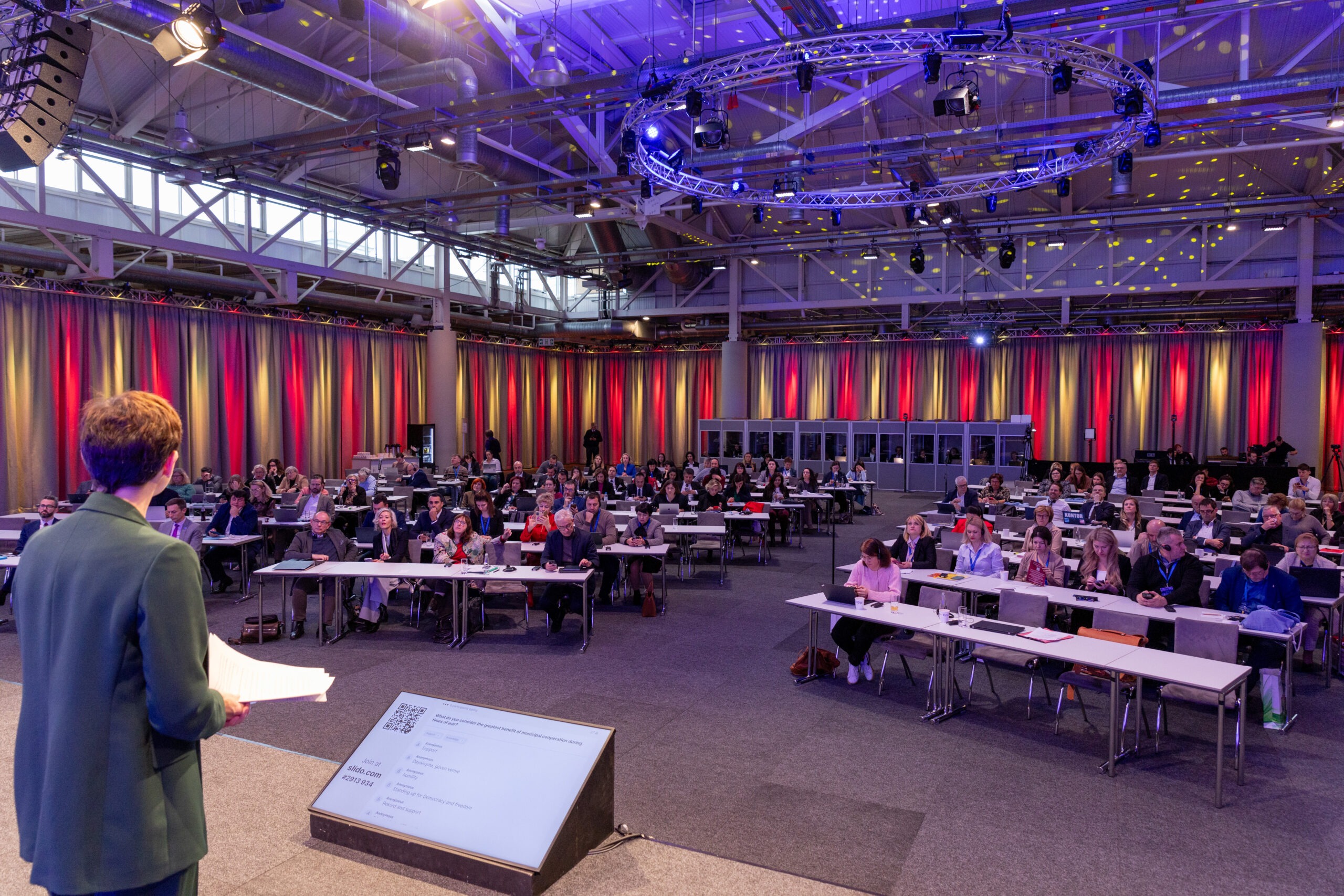
500 mayors, regional and local leaders, and EU officials from 50 countries are gathering on 28 January 2021 to celebrate the 70th anniversary of the Council of European Municipalities and Regions (CEMR). 

The attendants – including the Mayors of Paris, Lisbon and Gdansk, the EU commissioner for environment, MEPs and many more – will also reflect on the role of local and regional governments in the transformative decades to come.

Today, the Council of European Municipalities and Regions looks back on a proud history representing and federating local and regional Europe”, said Stefano Bonaccini, President of CEMR and of the Emilia-Romagna Region. 

From the first steps promoting town twinning and local democracy to later work on territorial development and regional representation at EU level, CEMR and our member associations have time and again been trendsetters for Europe”, added President Bonaccini. “In our current context, marked by the pandemic, climate change and other major challenges, municipalities and regions are again playing a critical role.

We have steadily expanded in every respect over the years”, said CEMR Secretary General Frédéric Vallier. “CEMR has grown to embrace 60 associations covering 41 countries, making it by far Europe’s broadest local government organisation.

Vallier added: “So too we have increased our areas of action, to include issues such as rights, gender equality, territorial development, public services, international cooperation and climate change, thanks to our highly professional and devoted staff and members. That is why we can look to the future with confidence: local and regional Europe is ready for the great changes of this momentous century!

A few of CEMR’s achievements

• Defence of local democracy and self-governance: The adoption of the European Charter of Municipal Liberties in Versailles in October 1953 affirmed the conditions for municipalities’ genuine administrative and financial self-government. The text notably served as a basis for the European Charter of Local Self-Government, which has been ratified by all 47 states of the Council of Europe.

• The recognition of local and regional governments as an integral part of Europe’s model of governance, notably with the creation of EU Committee of the Regions and the Council of Europe’s Congress of Local and Regional Authorities.

• Launch of the European Charter for Equality of Women and Men in Local Life in 2006: this political document aims to secure firm commitments from towns and regions to take concrete measures to promote gender equality in their territories. Over 1,850 signatories have thus committed to taking action.

• Participating in the creation and operation of the Covenant of Mayors for Climate and Energy in 2008: the Covenant’s signatory territories commit to reducing CO2 emissions by at least 40% by 2030 and to increase the use of renewable energy.

• Creation of PLATFORMA, the network of 34 local and regional governments and their associations engaged in international development, working on further growing the practice of decentralised cooperation.

Local role in the EU enlargement 

EU Enlargement - News

Decentralisation and strong local governance are key for Ukraine, Moldova and Georgia’s EU accession path 


The decision of the European Council to grant candidate status to Ukraine and Moldova and to recognise Georgia’s perspective once further reforms are met marks a historic step in the enlargement of the European Union. Beyond the geopolitical dimension, the process will require profound reforms at the local level, particularly in decentralisation, public administration, and democratic governance. 

The European Commission’s opinions emphasise decentralisation as a cornerstone of EU membership criteria. Strengthening local autonomy, building institutional capacity, and fostering multilevel governance are essential for sustainable reforms in Ukraine, Moldova, and Georgia. Empowering municipalities and regions will not only improve service delivery but also ensure that EU values and standards are implemented where citizens feel them most directly: at the local level. 

Decentralised cooperation plays a decisive role in this transformation. Peer exchanges, partnerships, mentorship programmes, and twinning initiatives provide practical support for reforms while reinforcing democratic practices. These mechanisms are particularly vital in contexts of crisis and recovery, such as the post-pandemic and post-war reconstruction efforts. 

Granting candidate status also strengthens local governments’ ability to modernise, adopt new technologies, and access tools that improve governance and resilience. This process will accelerate reforms in public administration, boost citizen participation, and ensure a closer alignment with the EU’s Green Deal and Sustainable Development Goals. 

The path toward EU membership for Ukraine, Moldova, and Georgia must include a strong local dimension. By prioritising decentralisation and local autonomy, the accession process can deliver long-term sustainable development, stronger democracies, and better services for citizens. Supporting municipalities and regions is therefore not just complementary, but essential for a successful enlargement process. 

Read the declaration here 

For more information, contact: 

Europe 2030 – local leaders speak out

Europe 2030 - News

Local and regional leaders call for a renewed European model, rooted in unity, democracy, and empowered territories


Europe has always been a bold political project. Born from the ashes of two World Wars, it was built on the conviction that lasting peace and prosperity can only be achieved together. From the beginning, local and regional leaders played a decisive role: mayors and municipalities spearheaded cooperation across borders and called for stronger local democracy through the European Charter for Local Liberties.

Today, facing crises from climate change to migration, from social tensions to war at its borders, Europe once again needs its local pioneers. In 2016, CEMR launched a visionary initiative inviting leaders, citizens, and young people to share their vision of Europe in 2030. The results were clear: citizens want a more cohesive, democratic, and responsive Europe, one that listens and acts closer to their daily lives.

The vision for 2030 is ambitious: empower local and regional governments with greater resources, strengthen cooperation between all levels of governance, and ensure that policies remain people-centered. Local governments already provide over 60% of public investment in the EU, showing that they are key drivers of innovation, social support, and sustainable development.

Contributors stress that decentralisation is essential to building trust in democracy. Nation-states should act as regulators and guarantors of equality, regions should drive economic growth, and towns should remain the heart of community life. At the same time, Europe must stay united in diversity, serving as the guardian of territorial cohesion, welfare, and collective security.

By 2030, Europe will be more global and more urban. Local and regional governments must therefore take a stronger role in international cooperation, through city diplomacy, twinning, knowledge-sharing, and decentralised cooperation, to tackle challenges like climate change and sustainable development.

The message is simple but powerful: to change the world, we must think and act locally while standing united as Europeans. A renewed European model, decentralised, democratic, and open to the world, is the key to regaining citizens’ trust and securing a brighter future.

Read the study here 

For more information, contact: