
Renewables with communities first 

Energy - News Section

A European consensus sets guiding principles to accelerate renewable energy and grid deployment while ensuring fairness, transparency, biodiversity protection, and local benefits 


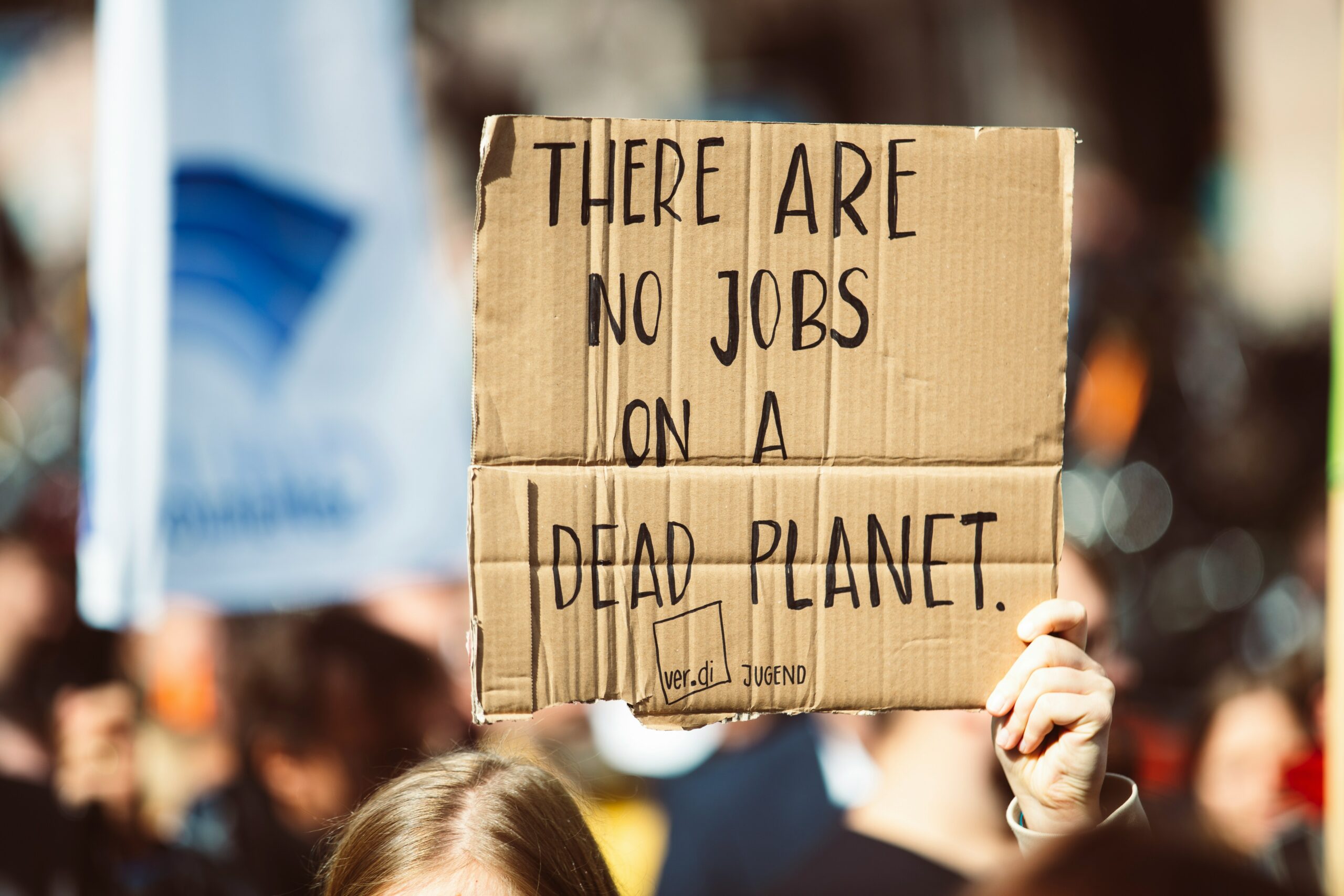
Europe is at a turning point. To reach climate neutrality by 2050, the EU must drastically expand renewable energy and electricity grids. This challenge is also an opportunity: renewables are cheaper than fossil fuels, can reduce biodiversity risks, and bring local economic benefits. Yet progress remains too slow, hampered by lengthy permits, weak community dialogue, and a lack of perceived value for citizens. 

To overcome these barriers, European stakeholders have united behind a set of baseline principles for fast and fair deployment of renewables and grids. These principles underline that projects must be shaped with communities, not imposed on them. Early engagement with mayors and citizens, transparent communication, and mechanisms for feedback are central to building trust. 

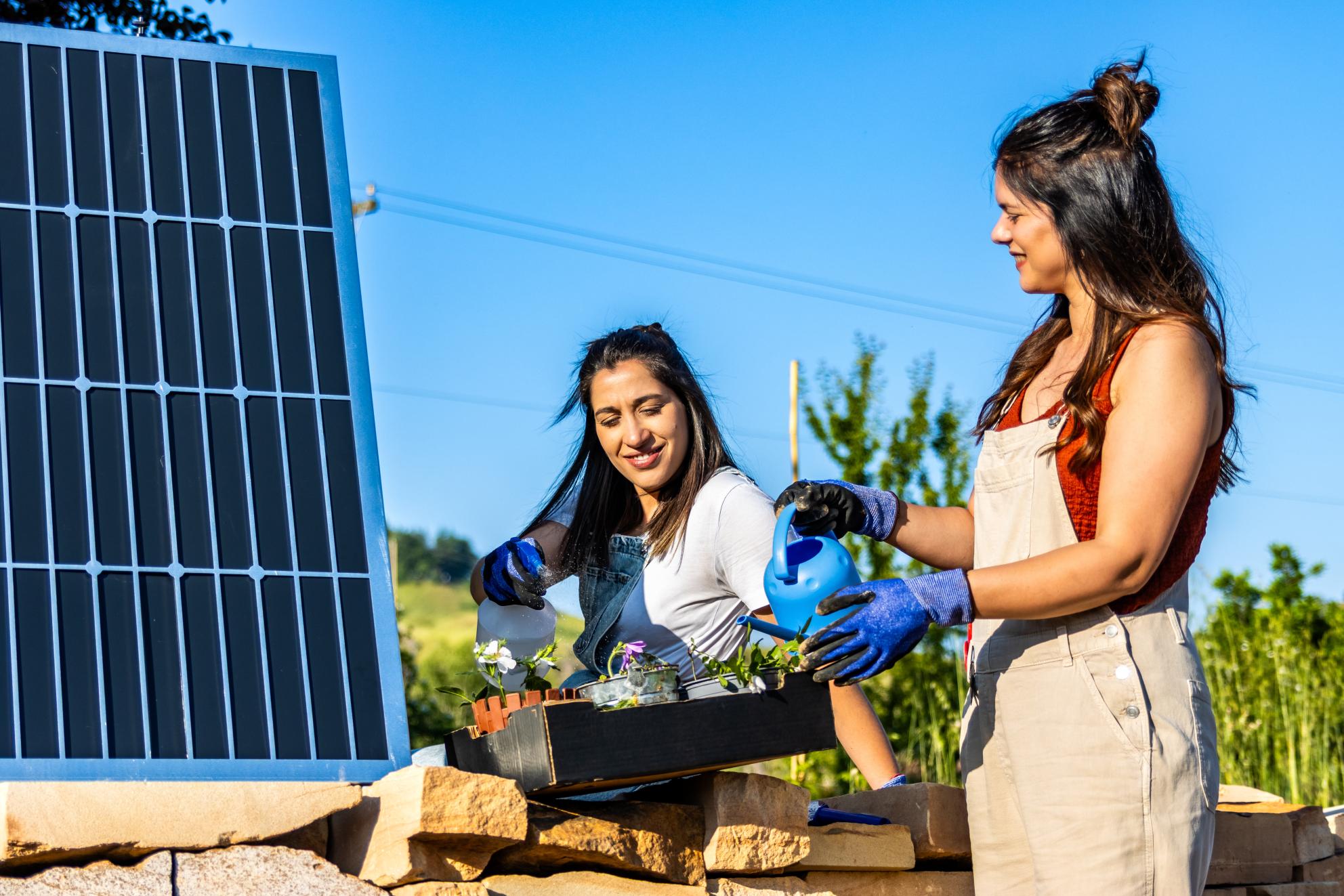
Equally important is ensuring that local communities share in the value of new projects. This means creating jobs, offering benefit-sharing schemes such as funds or co-ownership, and guaranteeing that revenues are used transparently for local improvements, from transport to housing. The principles also commit to nature-positive deployment, applying strategies to avoid or minimise harm and, where possible, enhance biodiversity. 

Finally, the consensus highlights the need to empower community-led initiatives, giving citizens and municipalities fair access to the energy market and the grid. By creating space for local ownership, Europe can ensure that the energy transition is not only fast but also fair. 

Together, these principles form a European consensus: a shared roadmap to accelerate the transition while protecting ecosystems and ensuring citizens see real, tangible benefits. 

Read the position paper here 

For more information, contact: 

Sustainable textile waste management 

Textile Waste - News

Strengthening EU Waste Legislation Through Local Collaboration and Producer Responsibility 


As the EU prepares to implement key provisions of the revised Waste Framework Directive, including mandatory separate collection of textiles by January 2025, the Council of European Municipalities and Regions (CEMR) calls for urgent improvements to ensure fairness, clarity, and efficiency in textile waste management. Drawing from on-the-ground experience and policy best practices, particularly France’s Extended Producer Responsibility (EPR) scheme, CEMR offers targeted recommendations to close critical legislative gaps and empower local governments in achieving sustainable waste solutions. 

1. Expand the Definition of Textile Waste 

The current directive focuses narrowly on ‘household textiles,’ excluding significant sources of textile waste from commercial and institutional settings such as hotels, hospitals, restaurants, offices, and schools. CEMR recommends a broader, more inclusive definition of ‘textile waste’ that reflects its diverse origins and aligns with the Polluter-Pays Principle. 

2. Clarify the Role of Social Enterprises 

Social enterprises play a vital role in collection, sorting, reuse, and resale of textiles. These actors must be fully recognised within the waste legislation and EPR frameworks, with fair access to funding and partnership opportunities. Their unique contributions can enhance the circular economy while delivering strong social outcomes. 

3. Strengthen Extended Producer Responsibility (EPR) for Textiles 

a) Align Implementation Deadlines 

There is currently a mismatch between the 2025 obligation for separate textile collection and the proposed EPR deadline, which may not come into effect until 2027 or 2028. CEMR calls for the EPR scheme to be implemented simultaneously with the collection obligation, and for producers to retroactively reimburse municipalities for collection-related costs from January 2025. 

b) Recognise Local Authorities as Key Partners 

Municipalities are central to waste collection and citizen engagement, yet their role is not clearly defined in the proposed EPR framework. CEMR urges mandatory collaboration between Producer Responsibility Organisations (PROs) and municipalities to ensure streamlined collection systems and cohesive public communication. 

c) Ensure Full Cost Coverage 

EPR funding must comprehensively cover not only infrastructure and operational costs, but also continuous public communication campaigns, which are critical to successful sorting and reuse. Additionally, producers should bear partial responsibility for textiles that remain in mixed waste streams, incentivising better product design and citizen behaviour. 

d) Include Unsold Textiles in EPR Obligations 

To align with the Ecodesign Regulation for Sustainable Products, which bans the destruction of unsold goods, CEMR advocates for including unsold textiles in the scope of EPR. A clear definition should be added to the directive to ensure these products are managed responsibly and transparently. 

4. Introduce Clear Measures to Prevent Textile Waste 

Overproduction and fast fashion are key drivers of Europe’s textile waste crisis. The revised directive must go beyond waste management and address prevention at the source. This includes incentives for sustainable design, extended use, reuse systems, and anti-overproduction regulations. 

Case Study: France’s “Refashion” EPR Scheme 

France’s pioneering EPR program, “Refashion,” offers a proven model. Since 2007, it has tripled the collection and recycling rates of post-consumer textiles. In 2020 alone, it engaged over 4,000 producers and allocated €36 million toward sorting, community projects, and innovation. Nearly 40% of textiles placed on the market were collected, up from 27% in 2013, with a 90% material recovery rate and 50% direct reuse. 

This success story demonstrates how producer accountability, coupled with strong public-private cooperation, can drive significant progress. However, challenges such as labour-intensive sorting and the difficulty of recycling blended fibres remain and must be addressed at the EU level. 

Conclusion 

With the right revisions, the updated Waste Framework Directive can become a powerful tool in reshaping Europe’s approach to textile waste. CEMR urges EU institutions to act decisively by aligning deadlines, empowering municipalities, and ensuring that both social and environmental responsibilities are shared equitably across the textile value chain. Only then can the EU truly advance toward a circular, fair, and sustainable future. 

Read the position paper here 

For more information, contact: 

Smarter building rules in Europe

Housing - News

EPBD revision: Local flexibility and long-term planning key to success, say CEMR and Housing Europe


EPBD revision: Local flexibility and long-term planning key to success, say CEMR and Housing Europe 

The Council of European Municipalities and Regions (CEMR) and Housing Europe have joined forces to publish a set of recommendations on the European Commission’s proposal to recast the Energy Performance of Buildings Directive (EPBD). While both organisations fully support the ambition to decarbonise buildings across the EU, they warn that the proposal must better reflect the realities on the ground. 

Local and regional governments, as well as providers of public, social, and cooperative housing, are critical actors in delivering the EU’s climate objectives. But a one-size-fits-all approach will not work. 

The joint position paper outlines three key recommendations: 

  1. Respect local differences through subsidiarity and adaptability 
    The EPBD must allow member states and local authorities to tailor building codes to their own context. Setting EU-level definitions for zero-emission buildings without a clear methodology risks creating uncertainty and undermining national efforts. Other areas, such as fire safety and asbestos removal, should remain the competence of national or local governments. 
  1. Provide a stable and realistic framework for renovations 
    Renovating buildings is a long-term process that requires careful planning. The proposed EPBD introduces tight deadlines and shifting labelling systems, making it nearly impossible for local authorities and property owners to comply effectively. CEMR and Housing Europe argue for a more predictable timeline that reflects labour shortages, market dynamics, and tenant affordability. 
  1. Support zero-emission construction with energy system flexibility 
    While new buildings must meet high standards, member states should retain the freedom to choose their energy sources. That includes not only on-site renewables, but also low-carbon energy from the grid, waste heat, and energy recovery, all in line with the EU waste hierarchy. 

Ultimately, the success of the EPBD will depend on how well it enables local and regional actors to deliver results. CEMR and Housing Europe are clear: the path to climate-neutral buildings must be ambitious but flexible, fair and grounded in local realities

Read the full policy paper here  

For more information, contact: 

Peer learning programme on climate and energy

Covenant of Mayors - News

Apply for the Covenant of Mayors peer learning programme: The deadline extended to 15 April!


Cities and towns have until 15 April 2022 to apply for the Covenant of Mayors for Climate and Energy’s peer learning programme. The programme offers Covenant of Mayors signatories across Europe the opportunity to increase their capacity and knowledge on climate and energy challenges through peer discussions tailored to their needs.
 
In 2021, the Covenant Office supported 45 cities, 6 coordinators, and 4 energy agencies. This year, the Covenant of Mayors offers four programmes to respond to local needs: twinning, expert missions, peer review and technical assistance.
 
Find out more
Peer Learning Programme 2022/2023
Recording of the info session
Selection criteria

Investing in Europe’s future 

Investing in Europe - News

A new EU growth model must empower local services, boost resilience and deliver sustainable investments 


The war in Ukraine and the aftermath of the COVID-19 crisis have placed Europe at a critical crossroads. These overlapping challenges are testing the strength of our democracies, economies and social fabric and call for a bold rethinking of Europe’s economic governance. 

In response, the SGIs Network, bringing together key public service stakeholders, has issued a joint declaration ahead of the Tripartite Social Summit on 23 March 2022. The message is clear: to manage the transition and strengthen the EU’s resilience, Europe must urgently shift towards a more forward-looking, inclusive and investment-oriented growth model. 

A new economic framework 
The current EU fiscal rules are no longer fit for purpose in the face of permacrisis. The declaration calls for a reformed fiscal architecture that reconciles debt sustainability with long-term, growth-enhancing investments. This includes distinguishing productive investments, such as in green infrastructure, digitalisation, healthcare and education, from unproductive spending. 

Empowering local action 
Local and regional governments are essential to achieving a green, digital and fair transition. The declaration stresses the need for their full involvement in implementing the National Recovery and Resilience Plans (NRRPs) and accessing the Next Generation EU funds. Without this multilevel approach, the EU risks missing the full potential of its recovery strategy. 

From temporary response to permanent capacity 
As the NGEU package and current EU budget cycle expire in 2026–2027, the declaration urges leaders to prepare for a longer-term fiscal and investment strategy. A permanent common fiscal capacity will be vital to address future shared challenges, from climate change to geopolitical instability, and avoid deepening inequalities between territories. 

The call from the SGIs Network is not just for more funding, but for better governance and greater solidarity. It is a reminder that investing in public services, social cohesion and local resilience is not a cost. It is the foundation of a stronger, united Europe. 

Read the declaration here 

For more information, contact: 

Empowering local Europe 

European Town - News

CEMR unveils its vision for stronger, inclusive and sustainable territories across Europe


The Council of European Municipalities and Regions (CEMR) has launched its political manifesto calling for a more inclusive, resilient, and citizen-driven European Union. With over 41 national associations of local and regional governments behind it, the manifesto sets out a roadmap to bring Europe closer to its citizens, starting from the ground up. 

At its heart are six concrete proposals to reinvigorate European democracy: from establishing permanent citizen panels and annual Europe Day debates in schools, to relaunching town twinning and creating an Erasmus-style programme for civil servants. 

CEMR also stresses that a strong Europe must leave no one and no place behind. It calls for renewed efforts to tackle territorial disparities, address depopulation, and ensure that public services, from education to health, are accessible to all citizens, no matter where they live. 

The manifesto also focuses on key priorities for the coming decade, including: 

  • Citizen participation through inclusive local democracy; 
  • Empowered local climate action, as cities and regions lead Europe’s green transition; 
  • Fair and coordinated migration policies, with strong local support for integration; 
  • Digital transformation that bridges the urban–rural divide; 
  • New forms of town-to-town partnerships, especially beyond the EU’s borders; 
  • And financial means to invest in sustainable local infrastructure and innovation. 

CEMR’s proposals emphasise the urgent need for deeper recognition of local and regional governments in European decision-making. This includes a stronger role for the Committee of the Regions, the creation of a local chamber, and systematic consultation of representative associations like CEMR when shaping EU legislation and strategies. 

By calling for a Europe that is democratic, sustainable, and close to its people, the manifesto is a bold invitation to reimagine the Union from the local level up, with municipalities and regions playing a central role in shaping the continent’s future. 

Read the position paper here 

For more information, contact: 

Fit for 55 – local climate transitions

Climate neutrality - News 2024

The Fit for 55 package must empower municipalities and regions to drive Europe’s energy transition 


The European Union has committed to reaching climate neutrality by 2050, with the interim goal of cutting greenhouse gas emissions by 55% by 2030. To deliver on this ambition, the European Commission presented the Fit for 55 package, a comprehensive set of legislative measures across key sectors such as energy, transport and housing. Among these, the proposed revisions of the Energy Efficiency Directive (EED), Renewable Energy Directive (RED) and the Energy Performance of Buildings Directive (EPBD) will directly affect Europe’s municipalities and regions. 

Local and regional governments at the heart of the transition 
CEMR fully supports ambitious climate and energy targets in line with Europe’s Green Deal and the UN Sustainable Development Goals. Local and regional authorities are already leading the way in driving energy efficiency and renewable energy projects on the ground, as demonstrated by initiatives such as the Covenant of Mayors. By planning, investing and engaging with citizens, they play a central role in delivering the EU’s objectives. 

However, success will depend on empowering local governments with the necessary resources and flexibility. While binding targets on greenhouse gas reduction are welcome, CEMR stresses that national contributions to renewable energy and efficiency should remain indicative. Overly prescriptive rules, such as mandatory renovation rates for public buildings or minimum energy performance standards, risk creating administrative burdens without recognising the diversity of contexts across Europe. Instead, the EU should provide technical, financial and policy support, allowing municipalities and regions to pursue tailored solutions. 

Enabling a fair transition 
CEMR highlights three priorities to strengthen the Fit for 55 framework: 

  • Financial support and flexibility: Adequate funding and capacity-building must accompany implementation, avoiding rigid one-size-fits-all obligations.
  • Integrated approaches: Local governments should be empowered to design neighbourhood- and district-level solutions, reflecting the full life cycle of buildings and energy systems. 
  • Collaboration across levels: Stronger cooperation between EU, national, regional and local levels is essential to ensure effective delivery, knowledge sharing and citizen engagement. 

Local and regional governments are indispensable partners in Europe’s journey to climate neutrality. By recognising their central role and ensuring adequate resources, the EU can enable municipalities and regions to lead fair and sustainable energy transitions, making climate neutrality a reality for citizens across Europe. 

Read the policy paper here 

For more information, contact: 

Energy performance in buildings directive

Green City - News Section

CEMR calls for flexible, well-resourced revisions to the EU Energy Performance of Buildings Directive (EPBD)


The European Green Deal aims to make Europe the first climate-neutral continent by 2050, with the revision of the Energy Performance of Buildings Directive (EPBD) as one of its cornerstones. Buildings account for a significant share of Europe’s greenhouse gas emissions, making energy efficiency and sustainable renovation crucial to the Fit for 55 package. In its response to the consultation on the EPBD revision, the Council of European Municipalities and Regions (CEMR) stresses the essential role of local and regional governments (LRGs) in ensuring a successful and fair transition. 

CEMR welcomes the ambition of the European Green Deal but underlines that success depends on proper implementation, adequate financial support, and respect for the principle of subsidiarity. Local and regional authorities are on the frontline of climate action, yet they need flexible frameworks rather than one-size-fits-all obligations. 

Among its key recommendations, CEMR highlights: 

  • Flexibility and subsidiarity: Member States and LRGs should be able to adopt integrated, territorial approaches to emissions reduction, focusing not only on building-level efficiency but also on neighbourhood and system-wide solutions. 
  • Life-cycle perspective: Regulations must take into account emissions from construction materials such as steel and concrete, as well as opportunities for circularity and reuse. 
  • Indicative, not mandatory standards: Minimum energy performance requirements and renovation targets should remain indicative to reflect local contexts, available resources, and socio-economic realities. 
  • Equal treatment of renewable energy: Energy produced on-site and energy delivered via carriers like district heating, renewable gases or electricity grids must be treated on the same footing. 
  • Financing and equity: Investment tools like ELENA must be adjusted to ensure accessibility, particularly for vulnerable households. Measures must avoid creating energy poverty or split incentives between landlords and tenants. 

CEMR also urges the Commission to reduce administrative burdens, ensure consistency between the EPBD, the Renewable Energy Directive (RED) and the Energy Efficiency Directive (EED), and reinforce cooperation across levels of governance. 

Europe’s climate-neutral future depends on a resilient and efficient building sector. Local and regional governments are central actors in achieving this transformation. To succeed, the revised EPBD must provide adequate support, flexibility, and resources while avoiding rigid, burdensome rules. By empowering municipalities and regions to act according to their local realities, the EU can ensure that the green transition delivers both climate impact and social fairness. 

Read the policy paper here 

For more information, contact: 

People first in Europe’s mobility shift

Mobility - News

Sustainable and smart mobility must be built with, not just for, cities and regions


That’s the core message from the Council of European Municipalities and Regions (CEMR) in response to the European Commission’s Sustainable and Smart Mobility Strategy. While CEMR supports the EU’s ambition to link transport policy with the Green Deal and Digital Agenda, it urges stronger recognition of the essential role local and regional governments play in achieving climate and mobility goals. 

CEMR highlights that sustainability cannot come at the expense of connectivity, accessibility, affordability, safety and health. Local authorities must be empowered to strike the right balance between environmental ambition and citizens’ everyday mobility needs, whether in dense city centres, suburbs, or rural areas. 

Key messages from CEMR include: 

  • Partnership across levels of government is vital. Local mobility strategies must be developed in coordination with national and EU institutions, with clear roles, shared responsibilities, and sufficient funding. 
  • Flexible, inclusive planning tools, like Sustainable Urban Mobility Plans (SUMPs), should be strengthened, not standardised. Cities and regions need adaptable frameworks that reflect their unique territorial challenges. 
  • More funding and clearer access are needed for local mobility infrastructure, including investments through the Recovery and Resilience Facility, Connecting Europe Facility, and Horizon Europe mission for 100 climate-neutral and smart cities. 
  • Policy support must go beyond technology. Behavioural change, active mobility, shared mobility and smart spatial planning are just as important as electric vehicles and digital tools. 

CEMR also calls for better regulation on key issues such as alternative fuels, intelligent transport systems, public transport governance, and micromobility. At the same time, it stresses the need for EU-wide data platforms and speed adaptation systems to improve safety and enforcement. 

In short, Europe’s transport transformation will only succeed if local realities shape the road ahead. Sustainable mobility starts where people live, and local governments must have a central seat at the table. 

Read the full position paper  

For more information, contact: 

Local waste water policy 

Water Management - News

CEMR urges a proportionate, flexible and locally tailored approach to EU waste water reforms 


As the European Commission advances its revision of the Urban Waste Water Treatment Directive (UWWTD), the Council of European Municipalities and Regions (CEMR) welcomes the opportunity to modernise the framework in line with the Green Deal and today’s environmental challenges. 

However, CEMR stresses that a one-size-fits-all approach will not work. Instead, the revised directive must reflect the diversity of local conditions, be rooted in risk-based assessments, and align with the subsidiarity principle, allowing national and local authorities to tailor implementation to their context. 

Key concerns raised by CEMR include: 

  • Proportionality and impact: Efforts should focus where they matter most, on larger treatment plants and high-risk areas, rather than extending rigid requirements to small agglomerations or individual systems, which often pose far lower environmental risk. 
  • Stormwater overflows and urban runoff: These should be managed through a coordinated, risk-based approach under existing national plans and the Water Framework Directive, avoiding duplication and overregulation. 
  • Nutrient removal: CEMR supports stricter phosphorus thresholds in sensitive areas and encourages phosphorus recovery but calls for flexibility on nitrogen removal in colder climates where existing targets are technically or economically unfeasible. 
  • Circular economy: The revision should promote pollution prevention at source, enforce the polluter pays principle, and support raw material recovery and energy efficiency across the waste water chain. 

CEMR also calls for coherence across EU legislation, including alignment with the Water Framework Directive, and clear, proportionate reporting obligations for local and regional governments. 

Local best practice: inspiration from the Netherlands 

CEMR highlights Dutch municipalities as a model of innovation in tackling stormwater overflows and integrating water management into urban design. The “water square” in Rotterdam, for example, combines stormwater buffering with vibrant public space, showing how smart spatial planning can enhance both environmental outcomes and quality of life. 

In short, the revision of the UWWTD is a vital opportunity, but success will depend on flexibility, local knowledge, and a commitment to cost-effective, risk-based solutions

Read the full position paper 

For more information, contact: