Municipal energy solutions

Municipalities demonstrate the value of locally powered homegrown energy


In a time of geopolitical uncertainty, municipalities are key to Europe’s energy independence by advancing local renewables with communities. The EU Covenant of Mayors is mobilising local leaders to scale community energy and keep benefits local. 

Over the past five years, geopolitical conflicts have twice driven up energy prices for Europeans, exposing Europe’s fossil fuel dependence and vulnerability. European Commission President Ursula von der Leyen has warned that the recent war in Iran is costing the EU 500 million euros per day. As oil and gas prices climb, households and businesses across Europe feel the consequences.

The answer is becoming increasingly clear for Europe: producing more renewable energy at home.

This vision is clearly outlined in the European Commission’s recently released AccelerateEU communication, responding to the EU’s rising energy costs on volatile fossil fuel markets and aims to accelerate the clean energy transition and strengthen our energy resilience, one of its pillars being ‘more homegrown energy’.

But this transformation will not happen only at national level. It will also be built locally – in cities, towns, and villages across Europe – where local authorities can work with local communities to build Europe’s homegrown energy future from the ground up.

The local dimension of homegrown energy

Local governments are uniquely placed to turn nearby resources like sun, wind, and water into affordable, reliable power for their communities.

Homegrown energy protects residents from global price shocks by reducing dependence on imported fossil fuels. It strengthens energy security, giving communities more control over supply. It also helps municipalities meet climate goals faster, bringing everyone along in the journey, while keeping the economic value of the energy transition within the local economy.

That means lower and more stable bills, new jobs, and stronger public trust in the transition.

Across Europe, municipalities are dedicated to advancing homegrown energy, using a wide array of tools, as demonstrated by EU Covenant of Mayors signatories.

Community energy: homegrown and powered by us

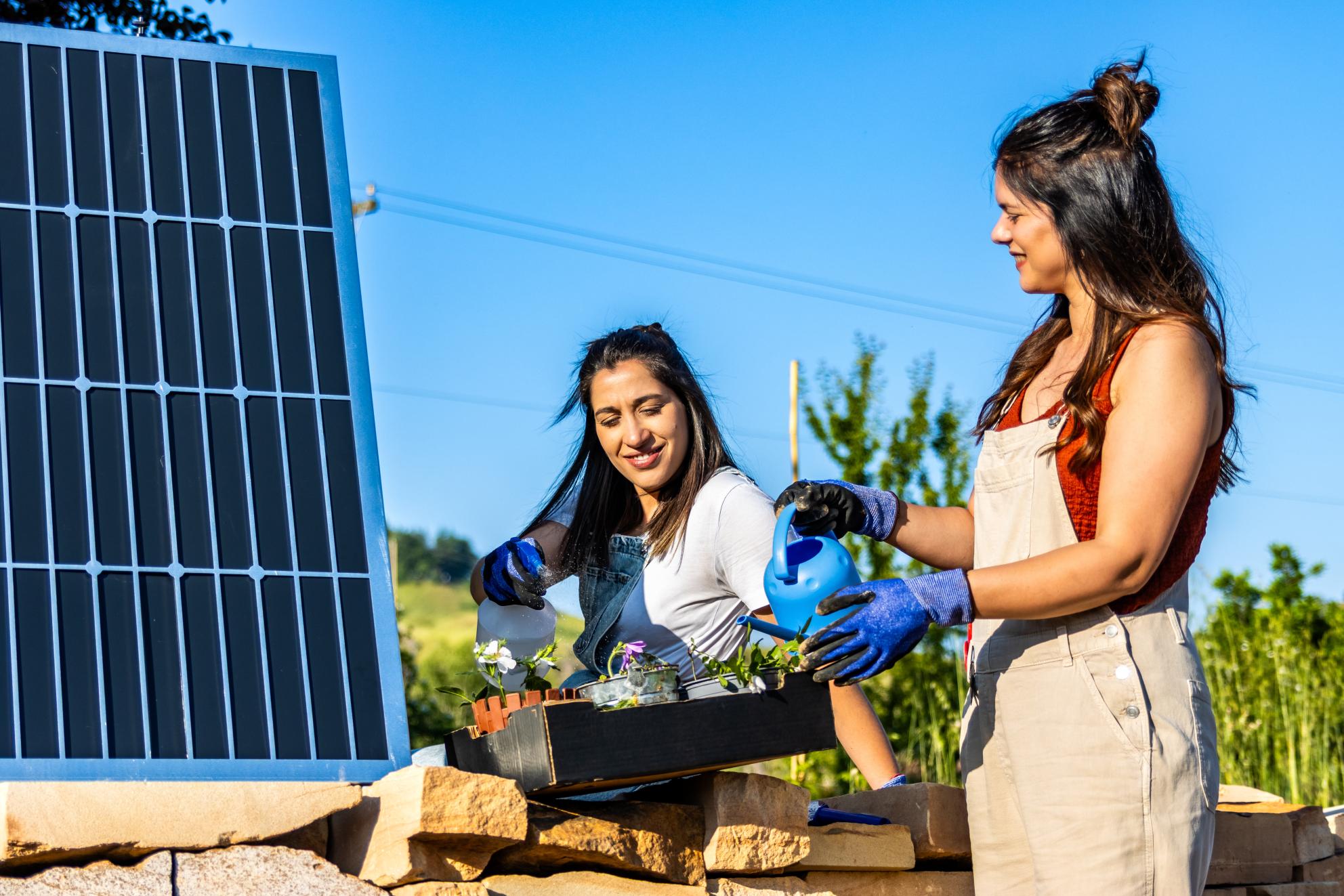
One of the most effective tools local governments have for this is community energy – where citizens, municipalities, and local businesses produce, co-own, and manage renewable energy together. Community energy is homegrown energy in its purest form. It gives people ownership over their energy future, stable pricing, and a direct share in the benefits.

Recognised in the European Commission’s Citizen Energy Package, more than 8,000 energy communities already exist across Europe. Their potential is enormous: by 2030, they could scale tenfold and help supply 25 to 30 million households.

Community energy projects are often carried by citizens, but municipalities can also get involved, help drive the project and at times even lead it. When they do, the impacts tend to be broader and more far-reaching, helping these communities reach their full potential.

Across Europe, local governments of all shapes and sizes – from urban cities and towns to rural villages – are showing how municipal leadership makes community energy stronger.

How municipalities can lead

The first and simplest way for a municipality to lead, is just by making it easier for those driving the project. Setting up an energy community comes with many legal and technical challenges. 

Municipalities can help by simplifying procedures, connect stakeholders, raise awareness, and provide technical guidance.

In Valencia, Spain, a network of local energy offices has helped create ten citizen-led energy communities since 2020 through sustained outreach, expert advice, and direct support for residents.

In Siena, Italy, local authorities supported the development of a local energy community by mapping suitable public spaces and helping to streamline administrative procedures. They also established a technical working group with academic and institutional partners to put in place a stable, non-profit governance structure, playing a key role in setting up the initiative and guiding its early development.

Second and a bit more advanced, municipalities can directly lend a hand and support those establishing the community.

They can unlock public assets, provide financing support, and offer practical resources that communities may lack.

In Heilbronn, Germany, the municipality rented public rooftops to cooperative EnerGeno in exchange for cheaper electricity. What began as a simple arrangement evolved into a long-term climate and energy partnership.

In the rural catalonian village of Bellpuig, Spain, the municipality made rooftops and public space available for solar installations and EV charging, while supporting the cooperative that now produces more than 490 MWh of renewable electricity each year.

To go even further, municipalities can directly get involved and directly lead community energy projects

For those wishing to go the extra mile, they can directly join energy communities and co-invest. When there is limited awareness and proactivity around community energy, municipalities can also themselves initiate and lead the project, setting the example.

In the rural Basque town of Ispaster, Spain, the municipality became a member of its local energy community, reinforcing trust and long-term commitment.  

In Križevci, Croatia, the municipality partnered with a local energy cooperative to launch a crowdfunding campaign for the development of solar power plants in the city centre and library. These campaigns for a solar roof project raised the required funds within days and showed a strong citizen interest in renewable energy.  

When local authorities participate directly, they send a strong signal that community energy is a shared priority.

Beyond community energy

Community energy is one of the strongest tools available, but it is not the only one. Municipalities can also promote homegrown power through strategic procurement, public-private partnerships, flexibility schemes with grid operators, digital energy management, building renovation, demand reduction, and neighbourhood micro-grids.

Valencia, for example, integrates social and green criteria into energy procurement, while Ispaster operates a hybrid microgrid supplying buildings and households with renewable heat and electricity backed by storage.

Meaningful leadership does not need to start large. It can begin with one school roof, one housing block, or one street.

Unlock your power with homegrown energy

Europe’s energy future does not need to be imported. It can be produced locally, owned collectively, and designed to serve communities first – homegrown and powered by us.

Municipalities are uniquely placed to lead this transition. The EU Covenant of Mayors is spotlighting all the ways in which local leadership is powering Europe’s clean, affordable and independent energy future. Follow to find out more.

Is your municipality doing something to promote homegrown energy? 

Join the movement – share your story.

For more information, contact:

Voices of our 75-year history 

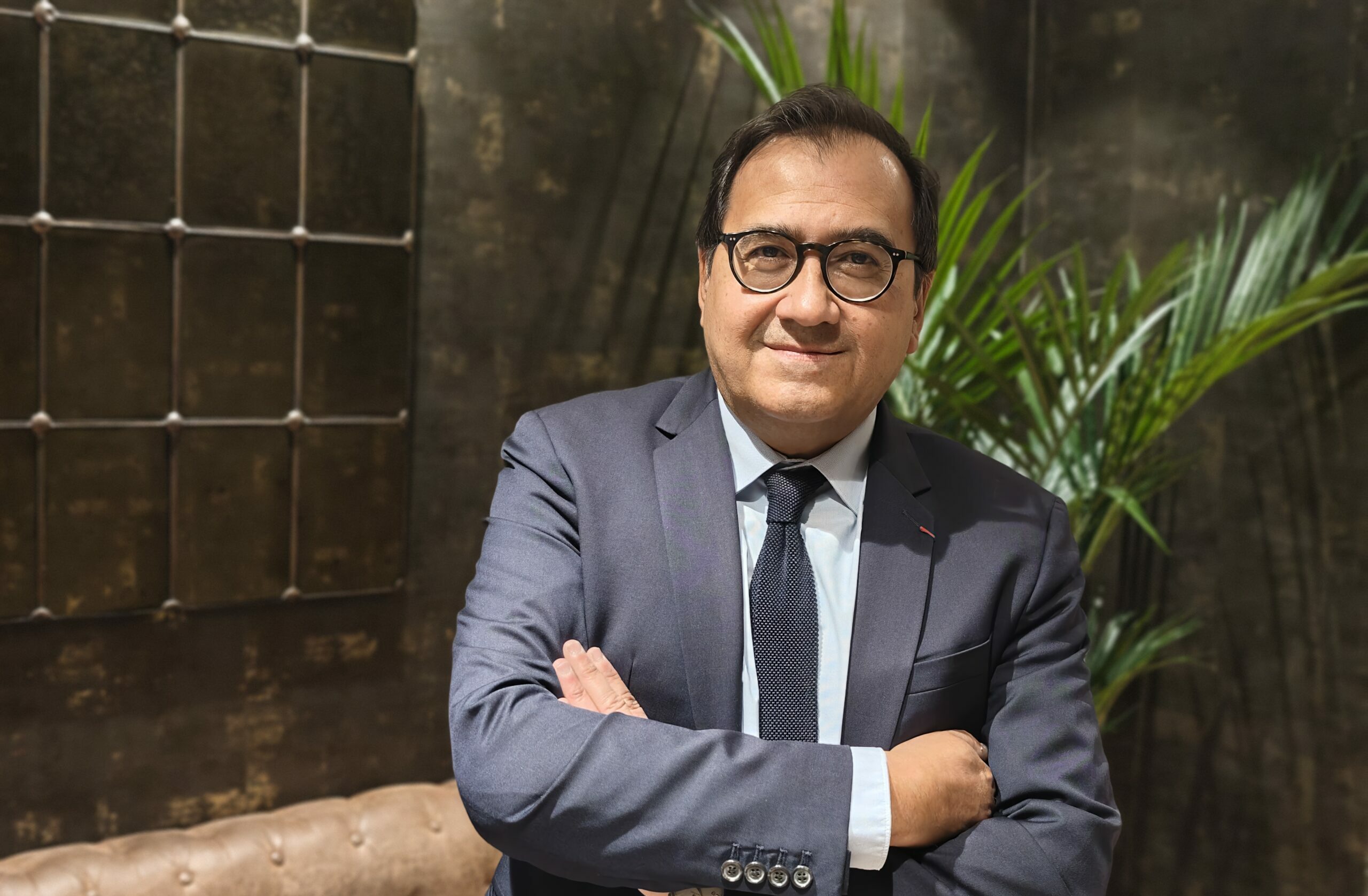
Christoph Chaillou

Christophe Chaillou: “Europe cannot be built without its local territories”

740 words
3–5 minutes

Christophe Chaillou served as Director of the Cabinet of the Secretary General of the Council of European Municipalities and Regions (CEMR) from 1992 to 2007, during one of the most transformative periods in European history. Accompanying the organisation through the great years of the Delors Commission, the democratic transitions in Eastern Europe, and the formal recognition of local and regional governments by European institutions, he witnessed first-hand how CEMR helped shape the place of towns, cities and regions within the European project.

In this interview, he looks back on the defining moments of his period in CEMR, the presidents he worked alongside, and the message he believes must continue to guide CEMR today.

A privileged witness to a founding era

Christophe Chaillou’s time at CEMR coincided with a period of exceptional momentum for European integration.

It was the moment during which local and regional governments gained formal recognition from European institutions, a long-held objective of CEMR that finally became reality. For Chaillou, this convergence of political, institutional and historical forces made it a remarkable moment to be part of the organisation.

“I had the privilege of accompanying CEMR at a time when the European project was especially valued,” he recalls. “It was a fantastic period. In many ways, it meant achieving many of our founding objectives.”

Central to that experience was the opportunity to work alongside exceptional leaders. Among the presidents he served with, he mentions Pasqual Maragall [read Maragall’s head of cabinet interview here] and Valéry Giscard d’Estaing as figures who left a remarkable impression. Each bringing their own vision and weight to CEMR’s work on the European stage.

A moment of reconciliation: Prague, 1993

Of all the moments that marked his years at CEMR, one stands out above the rest. The General Assembly held in Prague in 1993 remains, in Chaillou’s view, one of the most powerful and symbolically charged events in the organisation’s history.

It was the moment when CEMR welcomed the local and regional associations that had just been re-established across Central and Eastern Europe, organisations asking for their place after decades of authoritarian rule and joining, for the first time, the broader European family.

“It was a moment of European reconciliation,” he says. “All the associations across the continent, gathered. It was undoubtedly a very powerful moment of affirmation of our message and, once again, of European unity.”

The assembly carried a weight that went far beyond the institutional. For those present, it was a vivid demonstration of what CEMR stood for: local democracy and European integration were not separate ambitions, but deeply interconnected ones.

Local freedoms at the heart of CEMR’s advocacy work

Beyond the symbolic milestones, Chaillou also highlights the strategic advocacy done by CEMR during his period as Secretary General. He specifically mentions the recognition granted to local and regional governments, which ensured that local freedoms were not recognised in principle but also respected in practice within the European institutional framework.

That achievement, in his view, was the result of both political momentum and persistent effort. It was built through relationships, credibility and the clarity of the CEMR’s message at a time when Europe was still defining what it wanted to be.

CEMR’s founding message, still urgent today

Looking ahead, Chaillou is unambiguous about the challenge that matters most. In a period marked by rising threats to democracy, growing geopolitical instability, and renewed questions about the future of European integration, he believes CEMR must return to its roots and carry its founding message with renewed conviction.

“What we need today is to strengthen all of this,” he says. “The main challenge is to preserve and promote local democracy in all the territories; the spirit of both local autonomy and European integration. That is the founding message of CEMR.”

For Chaillou, that message is as relevant now as it was in the early 1990s. Europe, he insists, cannot be built from the top down. It must be rooted in its territories in the places where citizens live, where decisions are made, and where democracy either thrives or falters.

“Europe cannot be built without its local territories,” he says. “And it is in the territories that local freedoms must assert themselves. In times when there are many threats, including a clear challenge to democracy, it is important to defend this message.”

Check the full interview here

Christophe Chaillou - thumbnail
Christophe Chaillou – Interview video

For more information, contact:

Apply: Bridges of Trust Partnerships Award 2026

An Award for EU-Ukraine Municipal Partnerships


Municipal partnerships between Ukraine and other European local governments are key drivers of recovery and resilience, reform and EU integration, mutual learning and long-term cooperation.

Through the Bridges of Trust (BoT) Community, we share good examples and success stories of municipal partnerships with Ukraine. And we are keen to discover more!

That is why the European Partnership Hub Secretariat, together with the Bridges of Trust Community, and supported by the EU and its member states through U-LEAD with Europe, initiated the Bridges of Trust Partnerships Award.

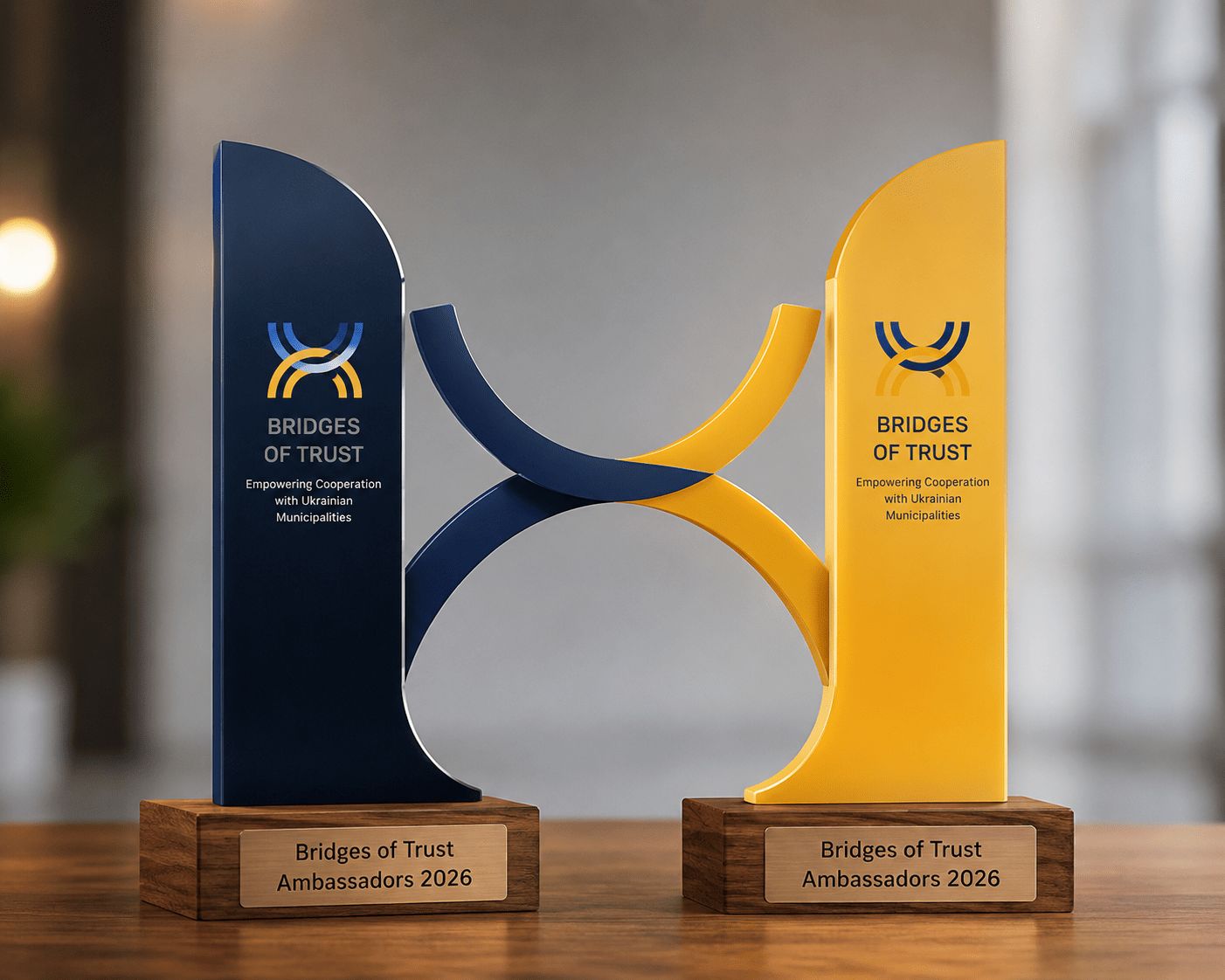
The award aims to recognise the efforts and commitment of all stakeholders involved in municipal partnerships with Ukraine to make it more visible at the national and European levels. Five municipal partnerships will be rewarded as Bridges of Trust Ambassadors 2026! Showcasing the geographical outreach and diversity of municipal cooperation in terms of topics, approaches and stakeholders involved.

BoT Partnerships Award 2026 is open for municipal partnerships of Ukrainian municipalities and their partners in the following countries: Bulgaria, Croatia, France, Germany, Italy, Latvia, Montenegro, the Netherlands, North Macedonia, Poland, Romania, Slovenia, and Sweden.

Municipalities of all sizes can apply.

Municipal partners should apply jointly by downloading and filling in the application form below. Share your story with us!

How to apply? (Application documents below)

  1. Fill in jointly the form to tell us about your municipal partnerships by responding to six questions.
  2. Add the signed declaration of the two municipalities involved in the partnership.
  3. Send your joint application in English by 10 July 2026 to: bridges.of.trust.community@ccre-cemr.org

Download application documents:
Application Form EN (Word Form) – to be filled jointly
Declaration of municipal participation EN (Word Form)

Download Ukrainian versions:
Application Form UA (PDF) for information only (not to be filled)
Declaration of municipal participation UA (Word Form)

Selected partnerships will receive:

  • Official “BoT Ambassador 2026” label
  • 1-year Acceleration Programme
  • Strategic support and positioning
  • Peer learning & Guidance
  • Visibility at the European level
  • High-quality storytelling
  • Access to high-level events

Selection Process

  • Pre-selection by BoT Community Actors: Each partner will nominate up to three municipal partnerships based on the quality, visibility and innovation of their cooperation approaches.
  • Final Jury: a jury composed of representatives from CEMR, U-LEAD with Europe, and the European Committee of the Regions will select five BoT Ambassador partnerships.
  • Validating Committee: the four All-Ukrainian Associations will validate the five BoT Ambassador partnerships selected by the Final Jury.

Partners involved in the pre-selection process:

Further partners:

Partners involved in the validating committee:


For more information, contact: bridges.of.trust.community@ccre-cemr.org

The European Partnership Hub Secretariat in Ukraine    

CEMR reinforces its role as Europe’s Hub for Municipal Cooperation with Ukraine


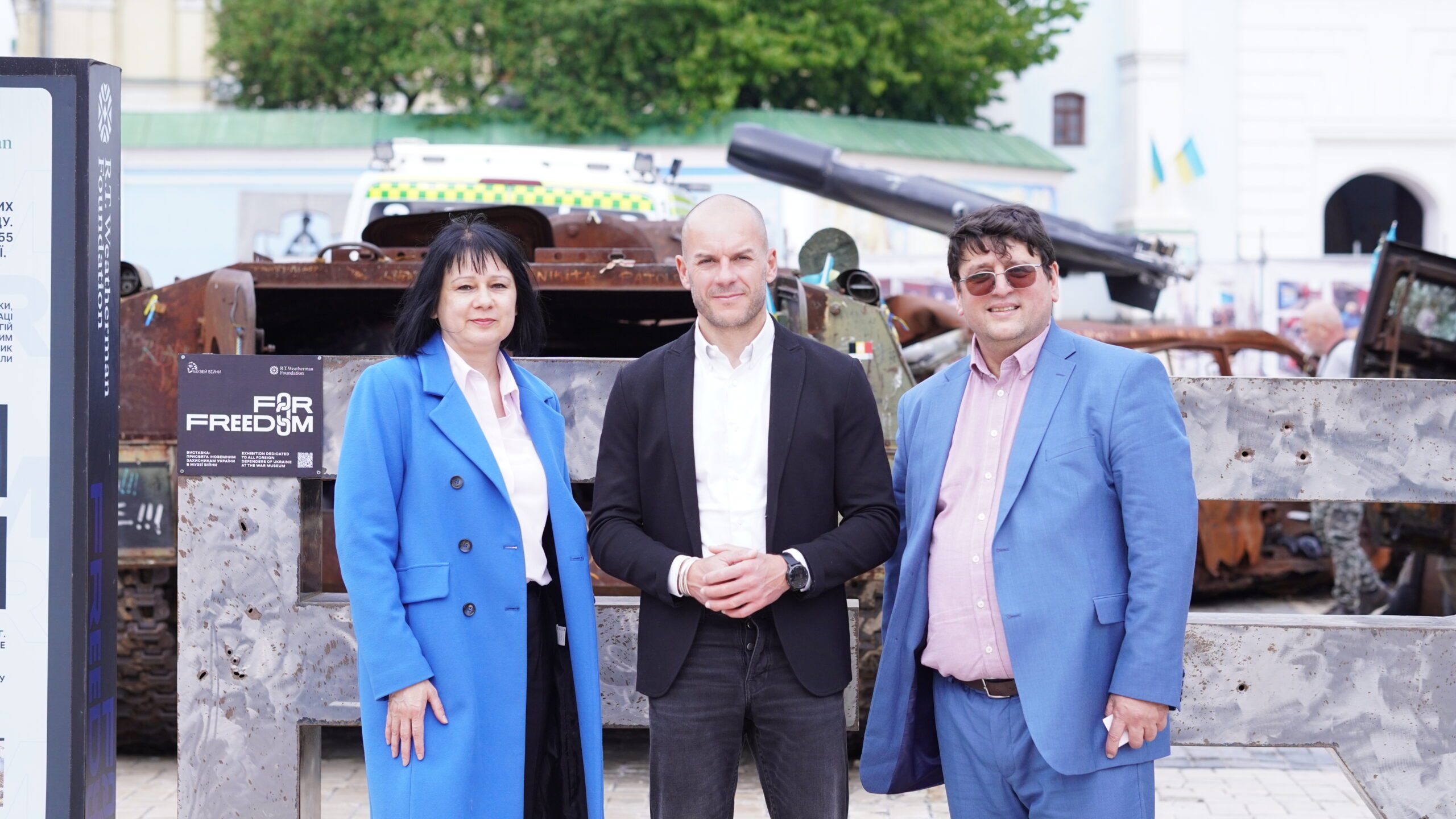
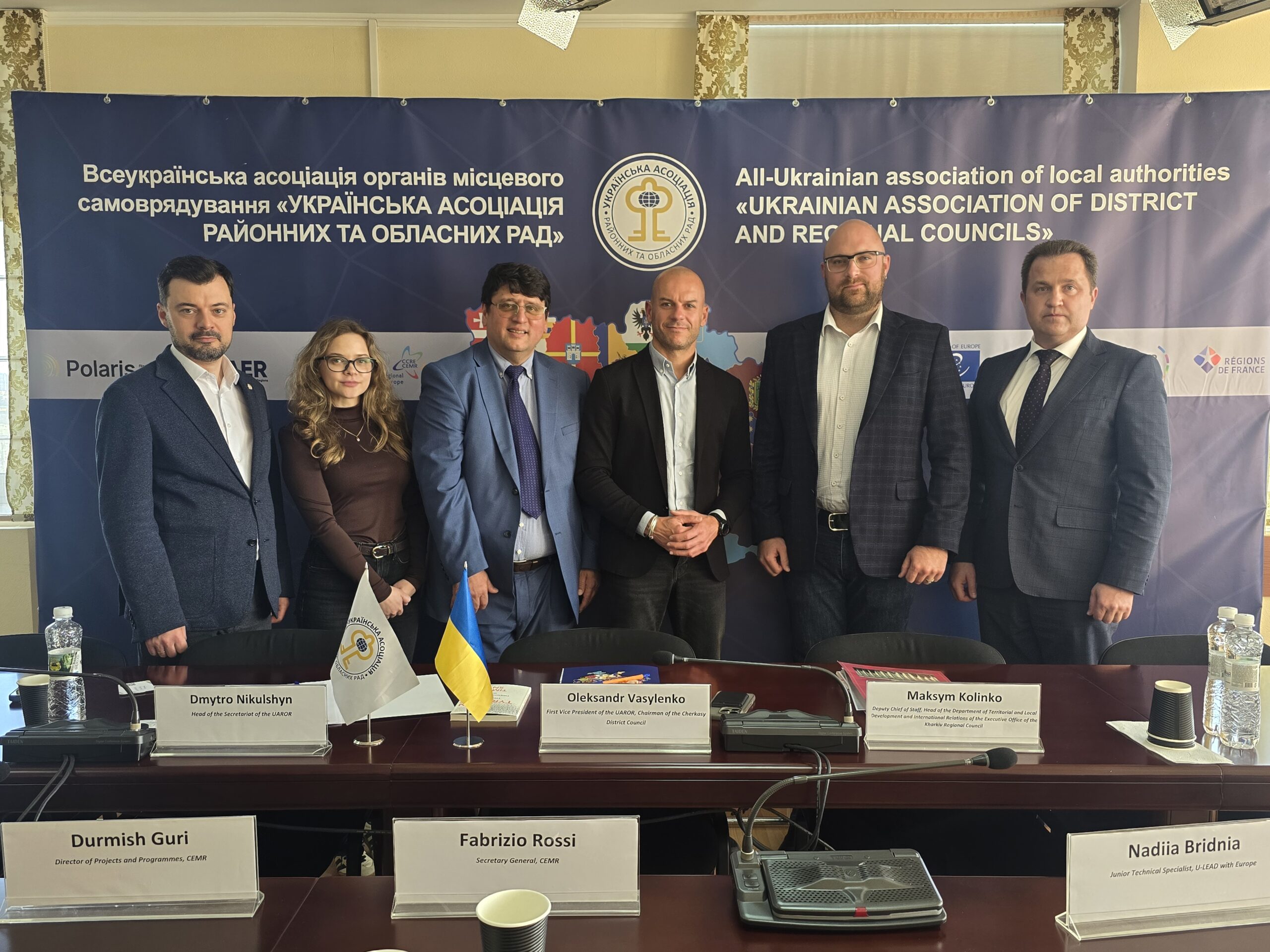
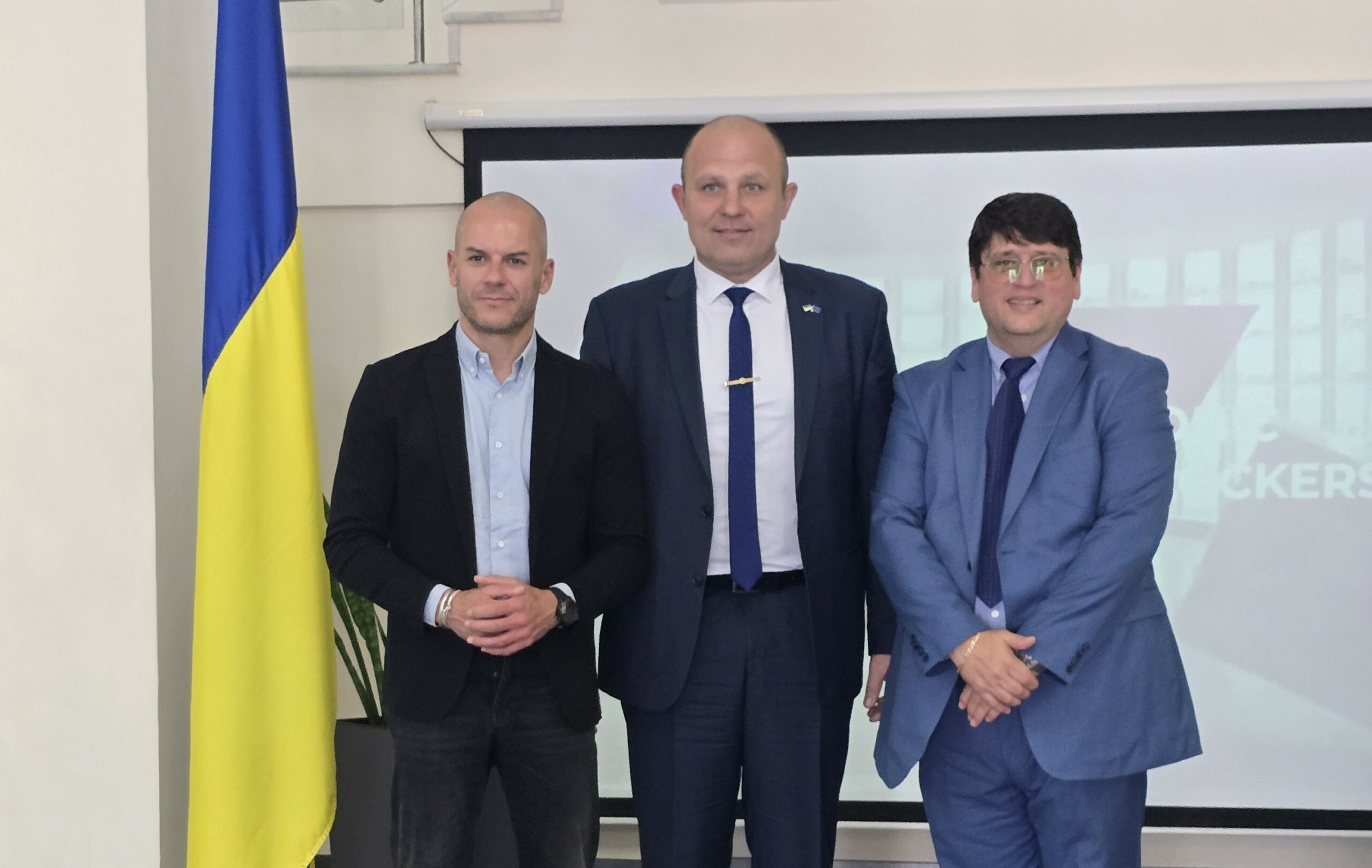
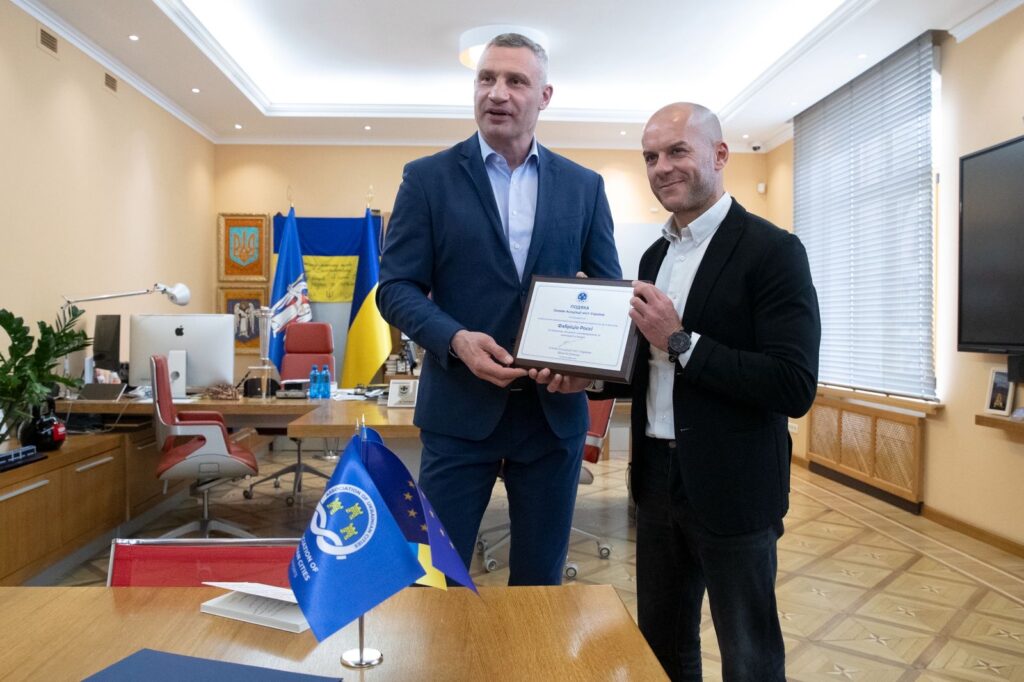
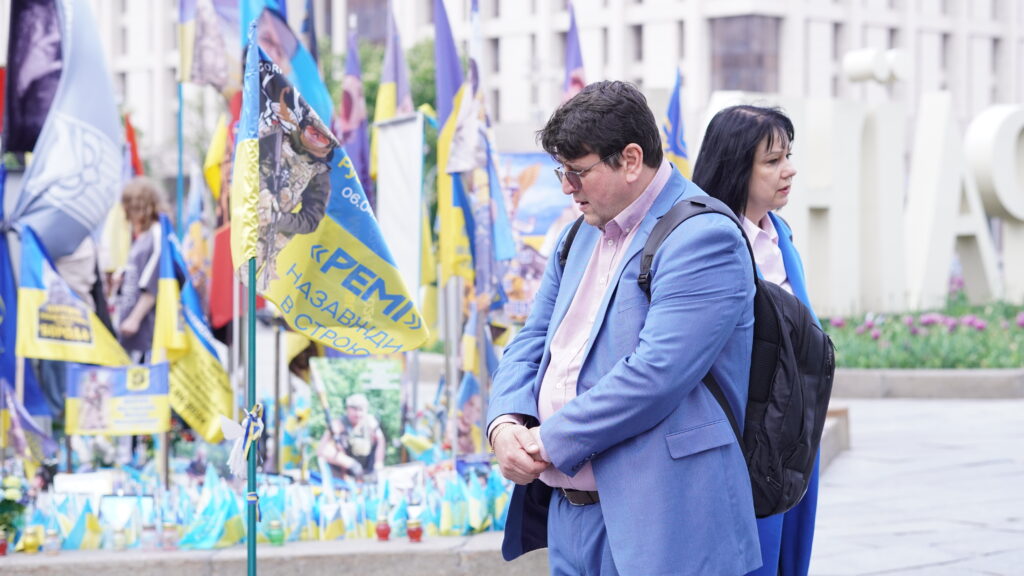
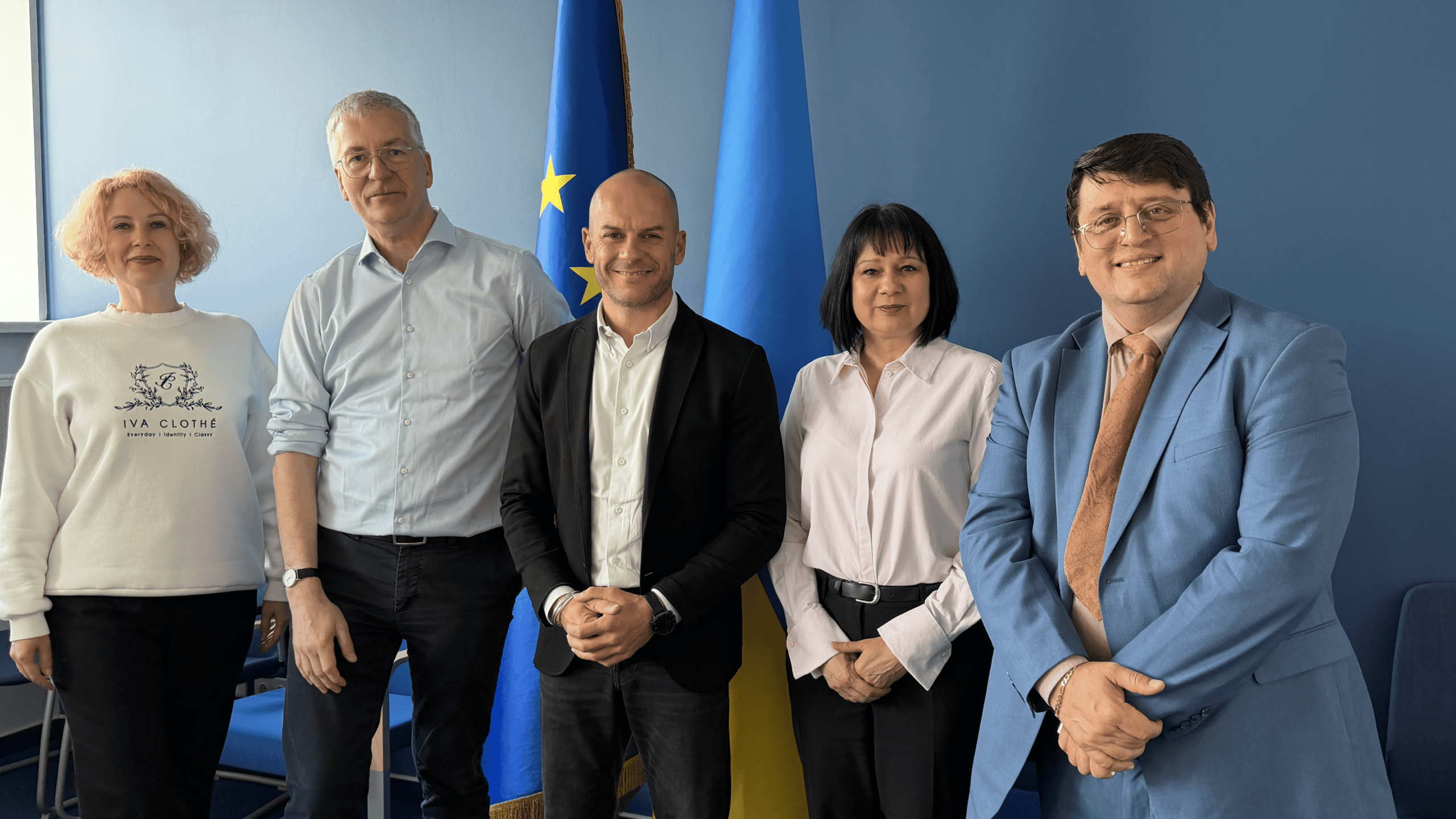
A week-long mission to Kyiv, carried out by CEMR Secretary General Fabrizio Rossi and Director of Projects and Programmes Durmish Guri, has reaffirmed CEMR as a facilitating structure of the European Partnership Hub (EPH), for international municipal cooperation in support of Ukraine’s recovery, resilience, and European integration.

Although CEMR’s engagement with Ukraine stands since 2002, this visit took place within a strategically significant framework, which is the European Partnership Hub (EPH),  supported by the EU and its member states through U-LEAD with Europe programme. The EPH, developed jointly with the Bridges of Trust Community actors, is designed to scale up, structure, and coordinate international municipal partnerships between European and Ukrainian municipalities.

With hundreds of bilateral and multilateral cooperation initiatives already underway and demand for further support growing, the EPH Secretariat (EPHS) provides the coherent, European-level coordination needed to align actors and eliminate duplication. This approach better serves needs on the ground and directly answers the call to action from the Ukraine Recovery Conference in Berlin, which urged the creation of a dedicated one-stop shop.

Main takeaways from the visit to Ukraine

Federating the national associations of local and regional governments.

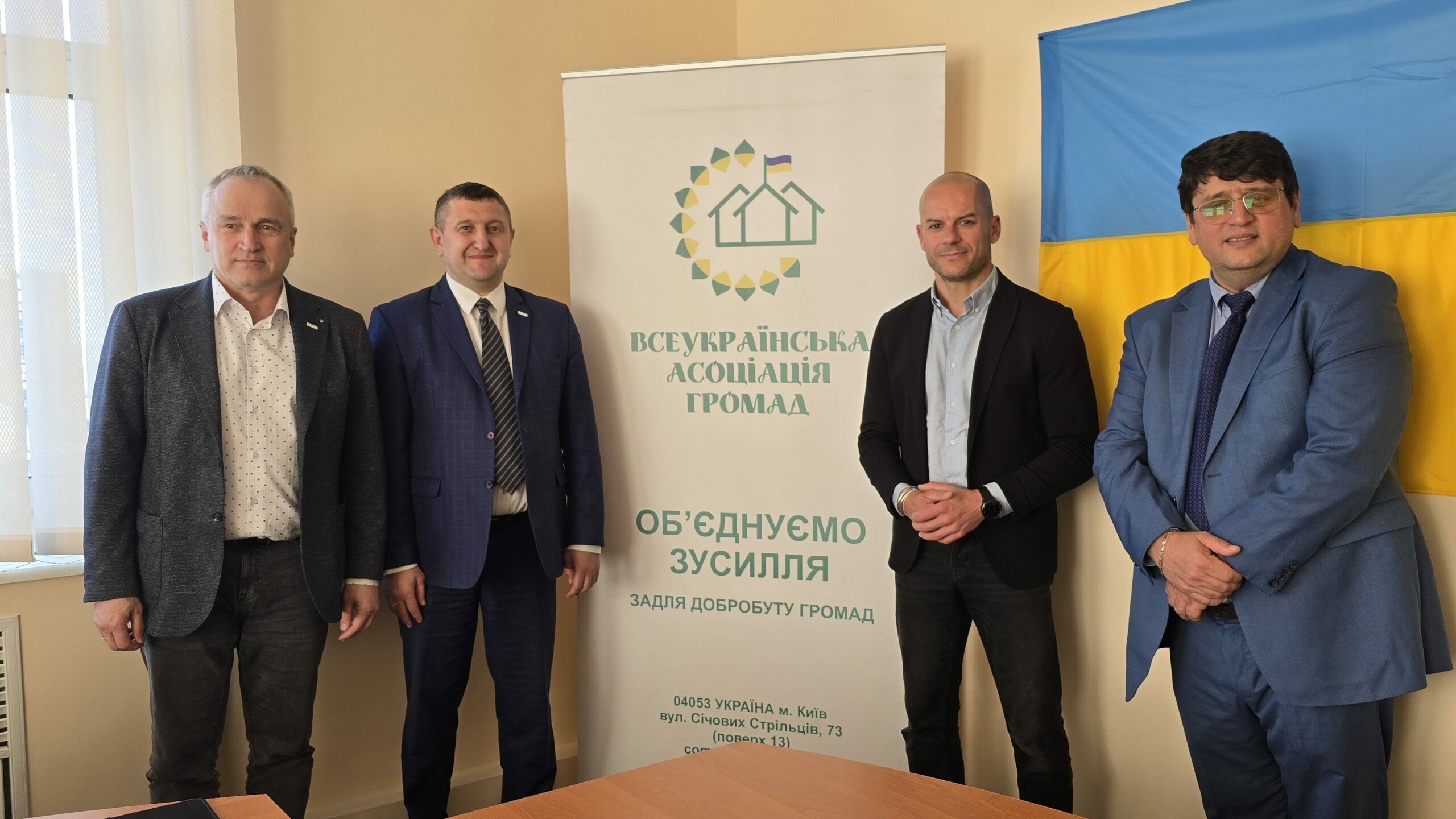
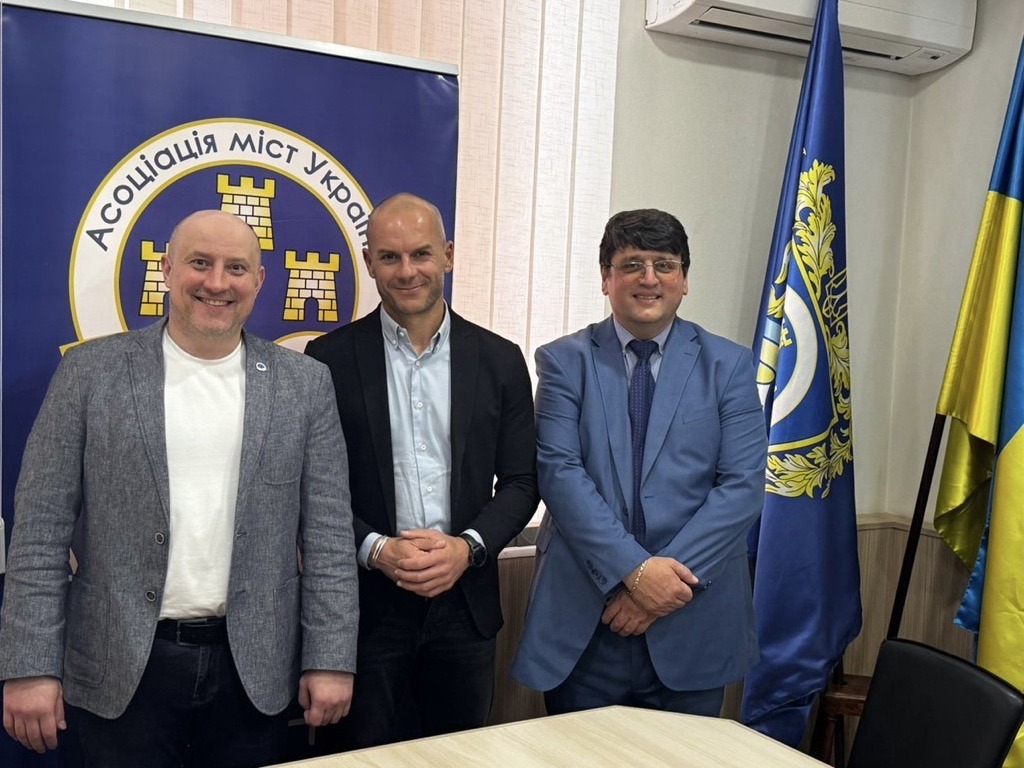
In a single day, CEMR held bilateral meetings with all four of Ukraine’s national associations: the Association of Ukrainian Cities (AUC), the All-Ukrainian Association of Communities (VAG), the Ukrainian Association of District and Regional Councils (UAROR), and the Association of Amalgamated Territorial Communities (AAATC). Each association represents a distinct segment of local governance, from cities and urban communities to districts, regions, and rural hromadas. CEMR discussed synergies and individual priorities, explored avenues for synergies, and convened for other joint gatherings to foster a collective dynamic. The exchange highlighted the need to strengthen the cooperation between the associations and CEMR in the light of the next Multiannual Financial Framework (MFF) and to develop joint policy work in 2026, focusing on three priorities: the post-2027 EU funding for sub-national governments, common positions on Ukraine’s EU accession and recovery process, and advocacy on decentralisation.

Exchanging with key local leaders: Klitschko, Mayor of Kyiv and Pikula, Deputy Mayor of Mariupol City Council

A meeting with the Mayor of Kyiv and Chair of the AUC, Vitaliy Klitschko, provided an opportunity to review more than twenty years of cooperation and to discuss the practical solidarity that Ukrainian cities need from their European counterparts. Mayor Klitschko expressed particular appreciation for CEMR’s annual declarations and its sustained international advocacy for mayors in captivity.

The meeting with the Deputy Mayor of Mariupol City Council, and also CEMR Spokesperson on EU Enlargement, Olha Pikula, covered the need for a clear CEMR position on Ukraine in the context of the next Multiannual Financial Framework, ensuring that Ukraine’s specific circumstances are fully reflected in both policy and funding approaches.

Dialoguing with Ukrainian ministries and the EU delegation in Ukraine

Meetings with the EU Delegation to Ukraine, including the Head of Cooperation at the EU Delegation to Ukraine, Stefan Schleuning and with the Deputy Minister for Development of Communities and Territories, Oleksii Riabykin, produced a consistent political signal: Ukraine’s recovery and accession will only succeed if local and regional governments are systematically involved. Particular attention was given to Chapter 22 on Cohesion Policy, where municipalities and regions are central delivery actors, and to the urgent need for clarity on how local governments can access the Pillar III of the Ukraine Facility.

Coordinating with the Bridges of Trust Community actors working in Ukraine

A meeting with Expertise France, a key actor within the Bridges of Trust Community, illustrated the breadth of the EPHS coordination role. Discussions focused on the preparation of the Ukraine Recovery Conference and the need for a more coordinated approach to international municipal cooperation within the EU framework. The mission was also an opportunity to work alongside the U-LEAD with Europe team in Ukraine, who co-organised and supported the visit throughout the week.

What is International Municipal Cooperation, and why does it matter now in Ukraine?

International municipal cooperation refers to structured partnerships between local and regional governments across borders, enabling peer learning, institutional strengthening, capacity building, and democratic resilience. In normal times, these partnerships help municipalities share expertise and improve public services.

In Ukraine’s current context, they carry an additional and urgent purpose: they are instruments of resilience, reconstruction, and EU integration, built from the ground up.

While Ukraine’s EU accession path is negotiated at the European and national level, it is mostly implemented and made credible at the local level. Municipalities and regions are responsible for delivering essential services under wartime conditions, for rebuilding infrastructure, for supporting internally displaced persons, and for implementing the administrative and governance reforms that EU membership requires. Their full involvement in the accession process is indispensable.

The need for a coordinated approach 

The meetings confirmed that the European Partnership Hub is increasingly recognised as a strategic priority. The EU Delegation in Ukraine expressed strong support for developing the Hub further as a reference of expertise on international municipal cooperation with Ukraine, covering EU policy, decentralisation, local governance, and capacity building.

The political context makes this ambition both timely and necessary. Ukraine’s recovery will only be credible, effective, and sustainable if it is co-shaped with local governments and partners. CEMR, as host of the European Partnership Hub Secretariat, together with the Bridges of Trust Community actors, are positioned to ensure that it is.

For more information, contact:

Rising violence against local politicians

ODELL webinar news 2026

Preliminary findings of ODELL point to rising violence against local politicians across Europe 


Early results presented at the European Observatory for the Defence of Democracy at the Local Level (ODELL) webinar on 21 May 2026 indicate that violence and intimidation against local elected representatives is increasing across Europe, with attacks frequently directed at politicians’ homes and other property and a growing concern about the underrecorded scale of online abuse. The discussion brought together policymakers, researchers and local politicians, combining emerging evidence from Bocconi University with testimony from elected representatives and institutional actors working on democratic resilience and safety in political life.  

A visible phenomenon, but only the “peak of the iceberg” 

The dataset currently being assembled for the first ODELL annual report draws on local news and national report archives to capture documented incidents such as assaults, threats and arson attacks against local politicians. Explaining the approach, Gianmarco Daniele, Executive Director of the CLEAN Unit at Bocconi University and Associate Professor at the University of Milan, warned that the numbers are robust for severe incidents but cannot systematically include online abuse: “This is the peak of the iceberg as violence includes other types of attacks, like online attacks” but those are usually underreported

More than 1,000 attacks — and rising 

Daniele said the data shown so far is “based on more than 1,000 violent attacks in Europe in the last six years,” stressing that this is not only a European issue but a global one. In the European sample presented, Italy records the highest number of incidents, followed by France, with GermanyGreece and Ukraine also appearing among the countries with high totals. He also described an increase over time, including a rise in 2023 that was “mostly driven by France”.  

Property attacks dominate 

The patterns presented suggest that intimidation often reaches politicians through their personal environments. “The most common type of attacks is against the private property of politicians, typically arson attacks against the house or the car,” Daniele said. “The second type is attacks against government property and assaults against politicians” comes next.  

For Filiz Ceritoğlu Sengel, Mayor of Selçuk and CEMR Spokesperson on Local Democracy, this reflects a structural vulnerability at the closest tier of governance: “Local elected representatives are the closest democratic link to citizens. They are accessible, visible and accountable, but this makes them increasingly vulnerable.”  

Women face significantly higher risks 

While gender information is often missing from incident descriptions, Daniele highlighted evidence from a separate Italian study: “Women mayors are three times more likely to be attacked than men, and this is especially true right after they are elected.”  

The effect on political participation was echoed by Flo Clucas, Member of Cheltenham Borough Council and Chair of CEMR’s Standing Committee on Equality, who linked intimidation – particularly online, to decisions about whether to continue in office: “That is where democracy begins and that is where, if we are not careful, democracy will end.” She added: “So many local politicians are no longer standing: some 56% in the UK might not stand again.”  

Election periods increase risks – depending on institutional strength 

Another trend discussed was electoral timing. Daniele explained that early analysis suggests attacks are more likely “right before and right after elections,” but the pattern depends on context: “There is a strong correlation, but this is conditional on the strength of democracy in the country.”  

Online abuse amplifies the threat 

Several speakers underlined that online harassment is widespread yet remains poorly captured by systematic reporting. Daniele noted that for online attacks, “a very small share is reported to the police.” Clucas described how everyday digital exposure can be weaponised: it gives those who want to intimidate councillors “a method with no mechanism for us to find out who they are.” She drew a line between democratic debate and harassment: “There are times when freedom of speech is not freedom of speech but intimidation… it’s threatening… it’s bullying.”  

From the Council of Europe perspective, Bryony Rudkin, Deputy‑Leader of Ipswich Borough Council and Co‑Rapporteur of the Congress of the Council of Europe’s resolution ‘Tackling violence against local and regional elected representatives’, warned that online hate speech reflects a broader climate: “People hide behind the anonymity of a keyboard and say whatever comes into their head.”  

Improving data and policy responses 

Participants stressed that solutions depend on evidence, even when it is hard to gather. Fabrizio Rossi, Secretary General of the Council of European Municipalities and Regions (CEMR), argued that the difficulty is precisely why the initiative matters: “The gathering of data is challenging. But this is why ODELL exists. We are being innovative.” He added that the goal is to “provide evidence” and “start collecting data and intelligence to shape the right solutions.”  

From the European Commission, Daniel FleischerAmbrus, (Team Leader for Democracy at DG JUST in the European Commission, said: “Safety in politics is a key priority for us,” pointing to the European Democracy Shield and the European Commission’s current work on practical tools. He highlighted that guidance, checklists and toolkits should “emerge before the end of this year.”  

A direct impact on democracy 

Sharon Pia Hickey, Programme Officer, Constitutional Governance and Rule of Law, International IDEA, placed the problem within broader democratic trends, thanking ODELL for “bringing to light the scale and the severity and the typology and the nuance” of what elected officials face. She described violence against elected officials as “a key manifestation of democratic backsliding, especially at the local level.”  

Sengel also warned of the democratic consequences when intimidation pushes people out of public life: “When elected representatives are pressured into silence, discouraged from standing for office, or forced to withdraw, the functions of local democracy are weakened.”  

A collective responsibility 

Closing the event, Eider Inuntziaga, Councillor of the City of Bilbao and CEMR Spokesperson on Local Democracy, said the session had helped clarify “the scale and the patterns” behind the issue and build a shared space for solutions. She framed political safety as a condition for participation: “Local democracy only works if people feel safe to defend democracy and to raise their voices because otherwise no one will ever dare to make any opinion or any decision public.”  

Inuntziaga added that intimidation has consequences well beyond the individual: “All those issues shape the way we do our work; they take away energy from where it should be focused and affect the quality of our decisions and the quality of democracy.” She added the first annual report will present the project’s first-year results in Bilbao on 2 October 2026

European Observatory for the Defence of Democracy at the Local Level
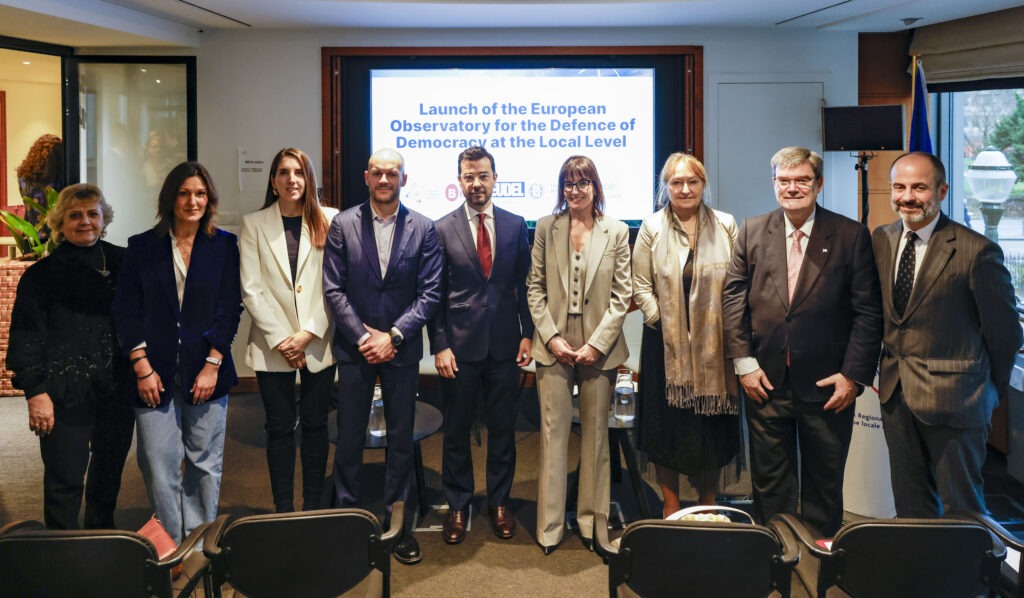
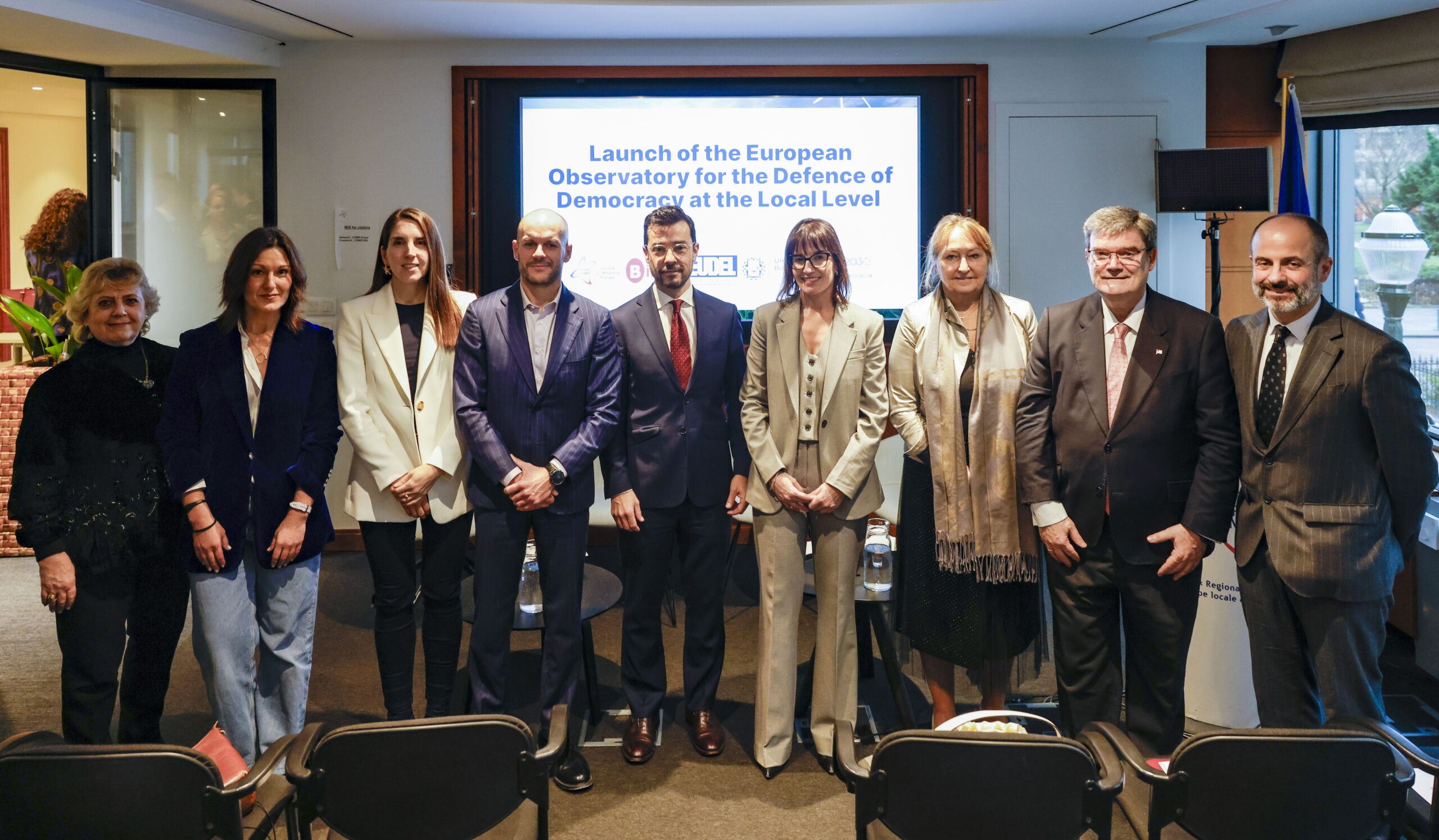
Brussels, 11/12/2025 – Launch of the European Observatory for the Defence of Democracy at the Local Level – ODELL © Elio Germani 2025

About ODELL 

The Observatory is a partnership between the Council of European Municipalities and Regions (CEMR), the Municipality of Bilbao, and the Association of Basque Municipalities (EUDEL), with the scientific partnership of Bocconi University, and with the support of the Basque Government. It works to raise awareness of this growing challenge by generating reliable data and evidence, sharing best practices in good governance, promoting coordinated institutional action, and fostering collaboration among local and regional elected representatives. 

For more information, contact:

CEMR welcomes Parliament’s direction on NRPP

ODELL - Democracy news

Our reaction to the European Parliament draft report on National and Regional Partnership Plans (NRPP)


The European Parliament has taken a significant step towards shaping the future EU budget for 2028–2034 with the publication of its draft report on National and Regional Partnership Plans (NRPPs). Drafted jointly by three Members of the Parliament (MEPs) from REGI (Andrey Novakov), BUDG (Karlo Ressler) and AGRI (Elsi Katainen) Committees, the draft report is a first steps towards the Parliament’s position on how EU funding should be designed and delivered across Europe’s regions and cities. 

For the Council of European Municipalities and Regions (CEMR), the report sends an encouraging signal: local and regional governments must remain at the heart of EU investment policy

The draft report reflects several key CEMR amendment proposals. These include: 

  • Stronger and enforceable multilevel governance, recognised as a horizontal conditionality.  
  • A dedicated earmark for integrated territorial and urban strategies  
  • More favorable conditions for local and regional governments including reduced national co-financing, increased pre-financing and the return to N+3 decommitment rule.  

It also secures concrete gains such as support for administrative capacity building and clearer territorial delivery tools, acknowledging the central role of local authorities in delivering EU priorities on the ground.  

A particularly important provision for CEMR is the proposal to earmark a share of EU funding for integrated territorial and urban strategies: 

“We welcome the proposal to secure at least 11% of the European Regional Development Fund (ERDF) funding for integrated territorial and urban strategies. This reinforces a place-based approach and gives local and regional governments the certainty to plan, invest and deliver results.” 

Kamila Blahova, Mayor of Litvínov, CEMR Spokesperson on Territorial Cohesion.  

This commitment would help ensure that investments respond directly to the needs of communities, while strengthening the ability of cities and regions to plan long-term development. 

Full details of CEMR’s amendments are available here. 

Cities and regions united 

CEMR is part of the Local Alliance, a coalition of leading networks representing around 2,000 cities and regions across Europe, which has jointly reacted to the Parliament’s report. The Alliance welcomes the strengthened role for local and regional authorities and calls on EU institutions to ensure that these commitments are fully reflected in the final EU budget. 
 
Read the full Local Alliance press release here

For more information, please contact:

When local leaders are attacked

European Observatory for the Defence of Democracy at the Local Level

Why protecting local elected representatives is essential to safeguarding trust, stability and democratic resilience across Europe


Across Europe, local elected representatives are facing growing pressure, harassment and disinformation at a time when communities need trusted leadership more than ever. In a new article published in Burgemeester (pages 158, 159 and 160), the magazine of the Dutch Association of Mayors, dedicated to local governance, democratic resilience and public leadership. In the article, CEMR presents the work of the Observatory for the Defence of Local Democracy at the Local Level (ODELL), a European initiative created to monitor threats against local democracy, support mayors and councillors, and strengthen public trust through clearer communication, evidence-based advocacy and practical tools for municipalities.

Webinar Defending Local Democracy Together

On 21 May 2026, from 14h to 15h15, the Council of European Municipalities and Regions (CEMR) and partners of the Observatory for the Defence of Local Democracy in Europe will host an online webinar exploring the growing threats faced by local and regional elected representatives across Europe.

The discussion will bring together local leaders, experts and European partners to explore the growing challenges facing democracy at the local level, from harassment and intimidation to disinformation and declining public trust, while sharing practical solutions and experiences from across Europe.

Register and learn more here: Defending Local Democracy Together webinar

For more information, please contact:

Webinar: defending local democracy together

ODELL - Democracy news

The European Observatory for the Defence of Democracy at the Local Level presents the first findings on threats against local elected representatives


On 21 May 2026, from 14h to 15h15, the Council of European Municipalities and Regions (CEMR) and partners of the Observatory for the Defence of Local Democracy in Europe will host an online webinar exploring the growing threats faced by local and regional elected representatives across Europe.  

Launched in December 2025 by CEMR, the Municipality of Bilbao and the Association of Basque Municipalities (EUDEL), in partnership with Bocconi University and with the support of the Basque Government, the Observatory aims to monitor, analyse and respond to the increasing pressures affecting local democracy across Europe.  

The webinar will present the preliminary findings of the Observatory’s upcoming European report examining patterns of intimidation, harassment, violence and attacks targeting local and regional politicians. The discussion comes at a time when democratic institutions across Europe are facing growing polarisation, disinformation, and declining trust in public authorities.

Local elected representatives are often on the frontline of these challenges. As the level of government closest to citizens, municipalities and regions play a crucial role in safeguarding democratic participation, social cohesion and public trust.

“Threats to local politics affect integrity, how we speak, and can silence people. It can make elected representatives afraid — or push them to leave public life,” said Eider Inuntziaga, city councillor of Bilbao and CEMR spokesperson on local democracy.

The event will bring together local elected representatives, researchers, international organisations and European institutions to discuss how to strengthen democratic resilience at the local level and better protect those serving in public office.

Speakers include Filiz Ceritoğlu Sengel, who will open the webinar, as well as academics and experts working on democratic governance and political violence. Representatives from the European Commission and the Council of Europe Congress will also contribute to the discussion.  

The webinar will also examine threats occurring during electoral processes and explore possible policy responses to violence and intimidation targeting local elected officials.

For more information, please contact:

Europe’s Day and 75 years of CEMR

EU day 2026 - news

Europe Day: CEMR celebrates 75 years with a Europe-wide meme vote


Today we celebrate Europe’s Day alongside CEMR’s anniversary, 75 years of representing and supporting local and regional governments across Europe. 

Celebrated every year on 9 May, Europe Day commemorates the Schuman Declaration, which laid the foundations for peace, cooperation and shared values in Europe. For 75 years, CEMR has accompanied towns, cities and regions throughout Europe’s evolution, strengthening local democracy and cohesion at the heart of the European project. 

To mark this double celebration, CEMR is once again inviting citizens to take part in a playful and interactive Europe Day initiative

Following last year’s interactive map game highlighting EU-funded projects, this year we are launching a meme vote celebrating CEMR’s anniversary. 

👉 Discover the game and vote for your favourite meme: 

Participants can vote by selecting their favourite meme directly on social media. 
🏆 The winning meme will be announced on Monday, 18 May

This initiative is part of CEMR’s ongoing effort to celebrate Europe Day in a creative and accessible way, and more surprises are already in store for future editions. 

Happy Europe Day! 🇪🇺✨ 

EU budget campaign – The Czech Republic

The advocacy work of our national associations: the case of the Czech Republic


As negotiations on the next EU long-term budget move forward at both European and national level, CEMR is calling for a stronger role for local and regional governments in shaping EU investments and priorities.

In a recent video message, Richard Vereš, Mayor of Slezská Ostrava and CEMR Vice-President, warns that the current proposal risks moving decision-making further away from the territories most affected by EU policies. Speaking from the Moravian-Silesian region in the Czech Republic, he highlights in particular the absence of clearly dedicated funding for the Just Transition and the broader risk of weakening citizens’ trust in European institutions.

The Union of Towns and Municipalities of the Czech Republic (SMO ČR) has been active both nationally and at European level, working alongside CEMR and the European Committee of Regions to advocate for a less centralised EU budget proposal that better reflects the needs of cities and regions.

Our views on the current EU budget proposal

CEMR calls for stronger guarantees for multilevel governance and partnership, greater flexibility for local governments to respond to crises, and a budget that reflects today’s challenges — from climate adaptation and housing to digital services and territorial cohesion.

The message behind the campaign is simple: when local and regional governments are involved from the start, Europe delivers better results for citizens.

For months, CEMR has been calling for:

  • A strong role for local and regional governments in EU programmes and funds
  • Clear guarantees for multilevel governance and partnership
  • Greater flexibility so local governments can respond quickly to crises
  • A budget that matches today’s real challenges, from climate adaptation to housing, digital services and territorial cohesion

CEMR’s EU budget campaign centres on one simple truth: When local and regional governments are involved from the start, Europe delivers better results for its citizens.

This is how democracy works — through cooperation, partnership and decisions made close to the people they affect.

Join us in defending that principle.

Learn more about the CEMR EU budget campaign

For more information, contact: