Following the Environment Council on 12 October 2026 and ahead of the Energy Council on 29 October 2026, the Council of European Municipalities and Regions (CEMR) joined the call of the Coalition for Higher Ambition, an alliance of businesses, local and regional government networks and civil society organisations, in urging EU ministers to back a strong post-2030 climate and energy framework.
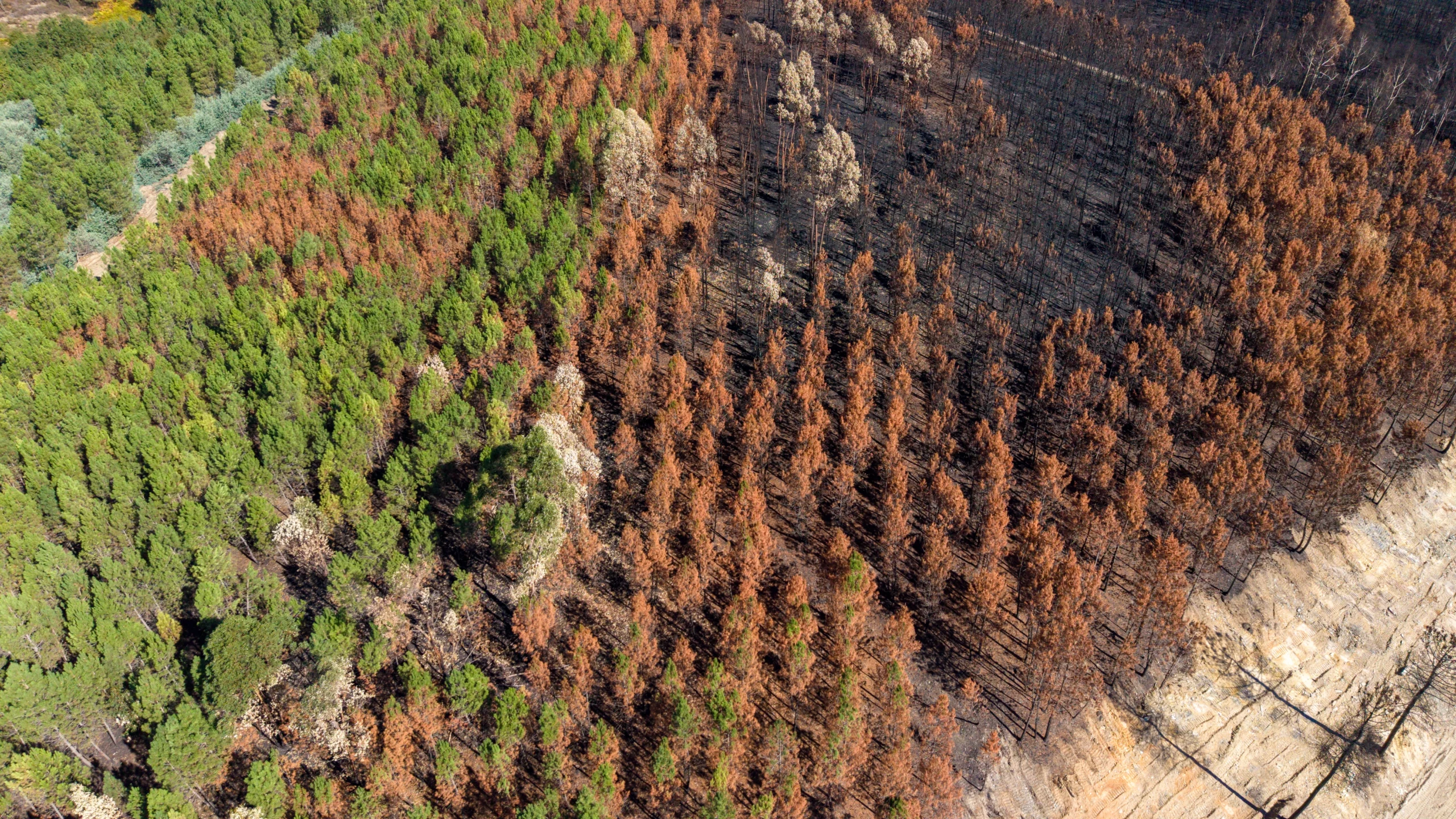
After another summer of record heatwaves, drought and wildfires, the signatories stress that continuing the European Green Deal’s trajectory is both a climate imperative and a strategic investment. A transition built on energy efficiency, renewables and renewables-based electrification, they argue, strengthens Europe’s competitiveness and energy security, lowers and stabilises energy bills, and protects public health.
The letter, addressed to the Irish EU Presidency and Member State ministers, calls for at least 90% net domestic emission reductions by 2040, with limited reliance on international credits. CEMR and other signatories warn that using up to 5% international credits would lock in only 85% domestic reductions, and also call for a credible EU Emission Trading System (ETS) that delivers real, predictable emissions cuts and a strong carbon price signal, with revenues prioritising energy efficiency, renewables and a just transition.
The statement further urges ministers to maintain national climate targets, with priority given to gross emission reductions and separate targets for land-based and industrial carbon removals. Moreover, the signatories consider essential EU renewable energy and energy efficiency targets, backed by a strong Governance Regulation and a multilevel approach that links national plans with local and regional plans and investment needs. Finally, the letter asks for a bold 2028-34 Multiannual Financial Framework (MFF) to close Europe’s decarbonisation and resilience investment gap.
For local and regional governments, which implement climate policy on the ground, predictable targets and genuine multilevel governance are essential to deliver. CEMR will continue to advocate for these priorities as negotiations move forward.
Europe’s industrial transformation will be delivered locally. Cities, towns and regions are investors, permitting authorities and public contractors, which also directly implement a significant share of European legislation and investment on the ground.
In the policy paper “Localising EU Industrial Ambition”, the Council of European Municipalities and Regions (CEMR) sets out how the Industrial Accelerator Act (IAA), proposed by the European Commission in July 2026, can support growth, jobs and local prosperity. To succeed, the IAA must recognise local and regional governments not only as implementing authorities, but as strategic partners in shaping and delivering industrial development.
Faster permitting, anchored in territorial realities
CEMR supports streamlining permit-granting as it can help accelerate strategic industrial investments. Achieving this requires better coordination, built on existing governance systems, respecting the division of competences, and preserving legal certainty, environmental safeguards and public participation. Shorter procedural deadlines alone cannot resolve existing challenges such as fragmented procedures, limited administrative capacities or environmental constraints.
Single access points can improve coordination if they build on existing systems and use interoperable digital tools. They must not transfer planning or permitting powers from local and regional governments without their agreement. Timelines should be proportionate and adaptable and should not come at the expense of environmental assessment and public participation. Early coordination between competent local and regional authorities and project applicants, alongside long-term planning for strategic industrial projects, is essential to identify bottlenecks and address them to avoid investment delays.
Industrial acceleration areas: no designation without local involvement
Local and regional governments are best placed to assess the opportunities and constraints of a given area. CEMR consider that they must be involved from the outset, with their agreement required where designation affects their territory and legal competences, such as spatial planning, land use or infrastructure. Enabling infrastructure and services must be backed with adequate financing, rather than shifted onto local and regional budgets.
A targeted and proportionate “Made in Europe” approach
CEMR recognises the strategic objective behind the “Made in Europe” provisions. However, mandatory origin requirements in public procurement could significantly increase costs for authorities and, ultimately, for citizens if applied broadly.
CEMR supports a targeted application in genuinely strategic sectors, based on transparent criteria, regular review and practical exemptions to safeguard affordability and public services continuity. Contracting authorities should not have to verify complex supply chains. Responsibility for demonstrating compliance must stay with economic operators, supported by an EU-wide certification system. CEMR also proposes lowering the cost-difference threshold for considering European supply disproportionately expensive, from 25% to 10%, giving public contractors more flexibility to manage operational costs.
Coherence and resources for implementation
The IAA’s procurement provisions should be explicitly aligned with the future Public Procurement Act, to avoid overlapping rules. New responsibilities must also come with the means to deliver them. The European Commission estimates the IAA could add up to €8.92 million in annual administrative costs EU-wide.
CEMR therefore calls for an assessment of the combined impact of streamlining initiatives on local and regional authorities, and for adequate financial, technical and administrative support, with particular attention to small and medium-sized municipalities.
At a time when seasons are shifting and the impacts of climate change are becoming increasingly visible, local and regional governments are on the front line of building resilient and affordable heating and cooling systems.
The latest Covenant of Mayors Webinar, held on 23 September 2026, bringing together its community and CEMR members, gave an overview of the latest EU policy developments on heating and cooling and aimed at exploring how to translate the latter into practice.
The discussion highlighted past and upcoming Commission initiatives, inspiring examples from European territories, national policies for the heating transition, as well as the needs and realities faced by local and regional governments (LRGs). The dialogue went far beyond technical solutions, given that heating and cooling impact the environment, public health, social inclusion, economic competitiveness, urban planning and education.
The most suitable solution
Opening the webinar, Andreas Wolter, Member of the Cologne City Council, in Germany and CEMR Spokesperson for Climate and Energy, highlighted the need for an integrated approach to energy planning. He called for decarbonised heating and cooling to strengthen European energy independence, boost long-term competitiveness and achieve climate targets.
He stressed both the need to work with associations to develop practical solutions and the LRGs’ role in identifying renewable and low-carbon solutions and facilitating communities’ access to finance. In addition, he shared examples of successful initiatives such as waste-heat systems and river-water heat pumps. Andreas Wolter underlined the need for stable and predictable funding, along with the need for place-based planning processes.
Towards decarbonised and affordable heating and cooling
Heidelinde Adesam, from DG ENER of the European Commission, presented the links between the EU policy framework on electrification and heating and cooling. With heating and cooling accounting for 50% of Europe’s energy consumption, the sector remains a major concern.
In addition, she showcased the Commission’s Electrification Action Plan, which integrates measures for the heating and cooling transition. The plan focuses on future-oriented clean and affordable initiatives, waste heat recovery, district heating and cooling, financing and planning.
Looking ahead, the European Commission will launch new initiatives in 2027, including an EU Waste Heat Initiative, a Cooling and Heating Action Plan and Local Heating and Cooling Plans Guidance
National perspectives from Portugal, Slovenia and the Netherlands
Paulo Machado, from the city of Guimarães in Portugal, presented the 2026 European Green Capital’s plan to decarbonise the heating sector. He put the spotlight on zero-carbon buildings where heating systems depend on passive measures combined with active measures fully electrified. He also brought up different projects to show that, despite the presence of protected buildings, new construction and renovation projects can consider sustainable heating and cooling as part of the plan.
Mateja Bitenc, from the city of Maribor in Slovenia, presented the process of drafting and implementing a heat strategy and action plan. She illustrated the role of municipalities through Maribor’s municipal cooling action plan, which includes public awareness, protection guidelines, education and training, cool public spaces, and green infrastructure. Among the lessons learned, she highlighted community involvement, tree species selection, and the creation of a municipal working group.
Cilou Bertin, representing VNG, the Association of Dutch Municipalities and a CEMR member, showcased how the Netherlands are working on decentralised heating and cooling planning. She reiterated the crucial role of municipalities for successful implementation. She discussed the need for new decentralised legislation, which presents both benefits (comprehensive approach, implementation of social goals, citizen and business engagement) and challenges (financial conditions, municipal organisational adaptation, transition from private to public, grid congestion).
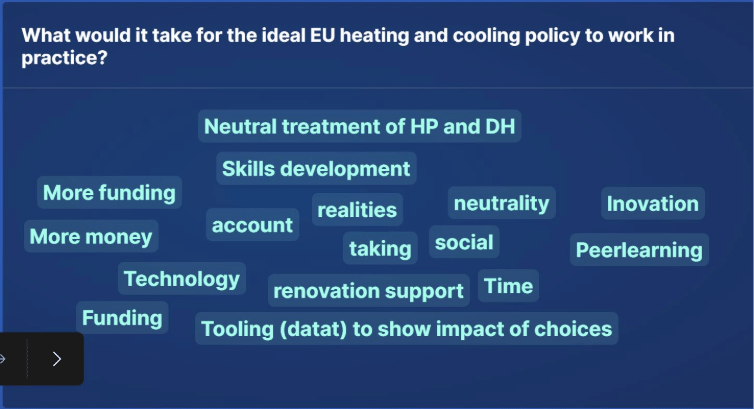
As discussions turned to the future of EU heating and cooling policy, participants were invited to share their needs and expectations for an ideal heating and cooling EU policy that works in practice.
* The ideas of the participants on what it would take for the ideal EU heating and cooling policy to work in practice.
The recording of the webinar is available here. CEMR will continue to build on this discussion and contribute to upcoming policy debates, including the post-2030 framework, with a focus on supporting effective and sustainable heating and cooling solutions at the local level.
CEMR’s annual Green Day explores how cities and regions contribute to delivering a resilient and competitive Europe
746 words
3–5 minutes
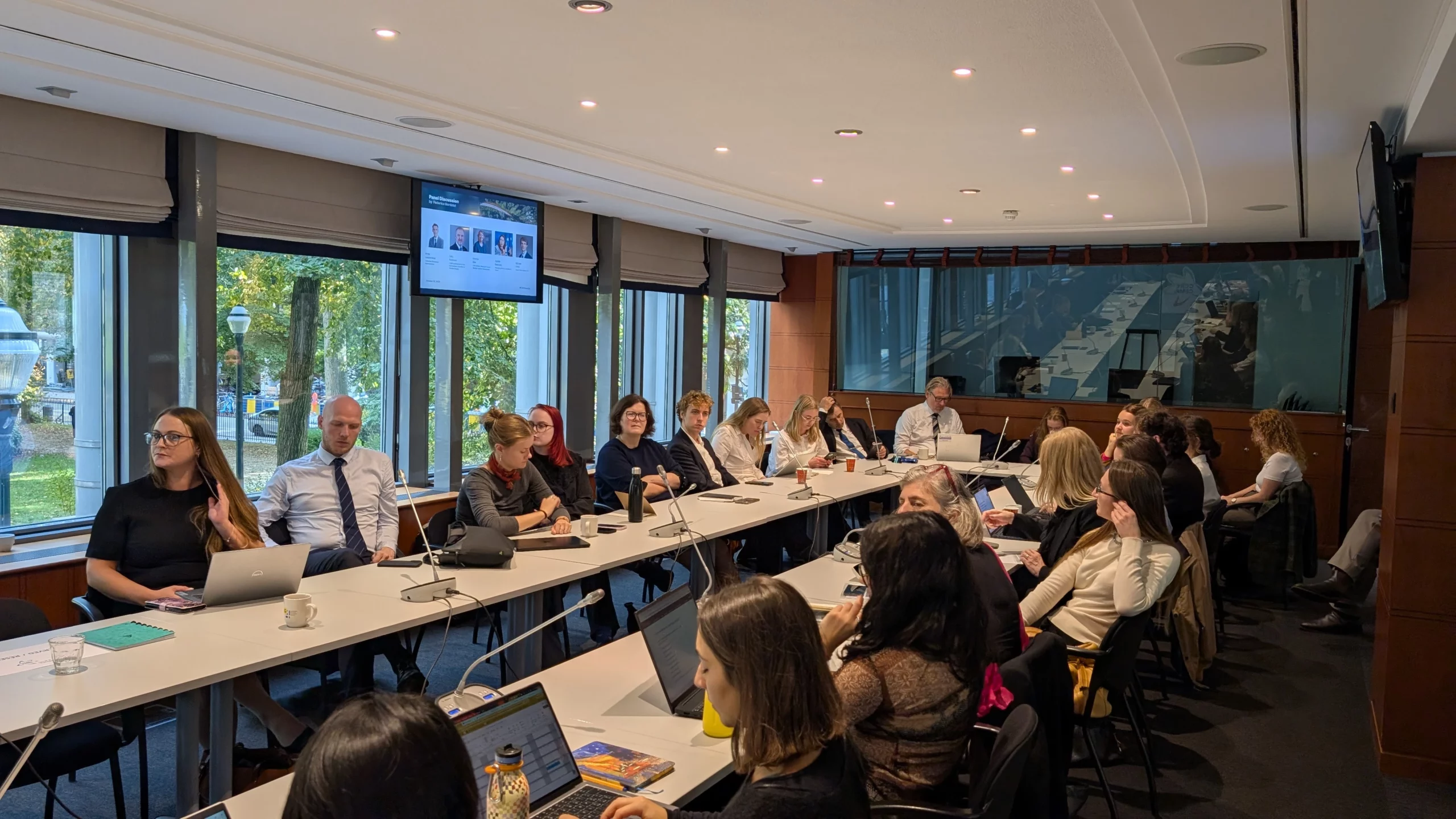
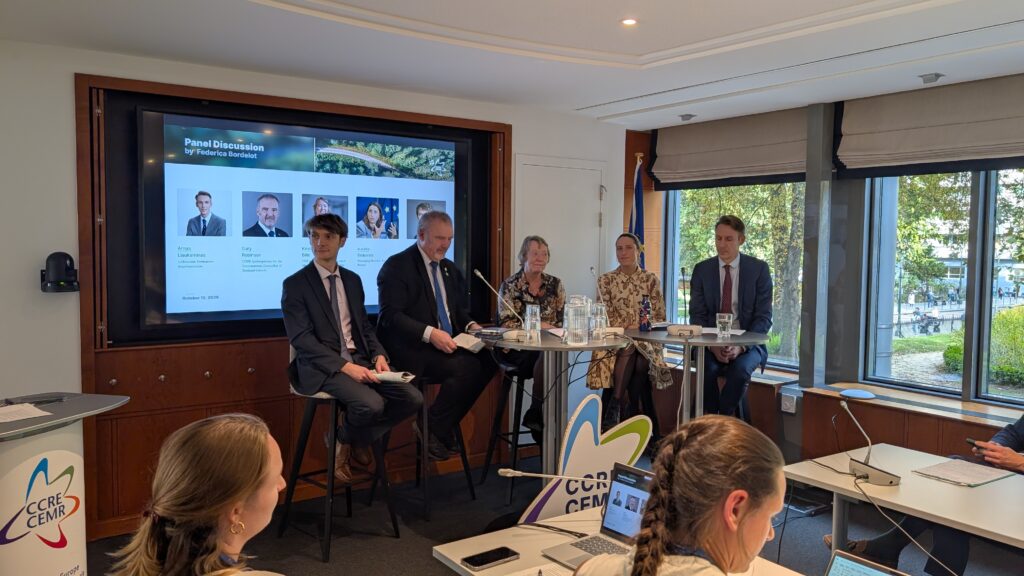
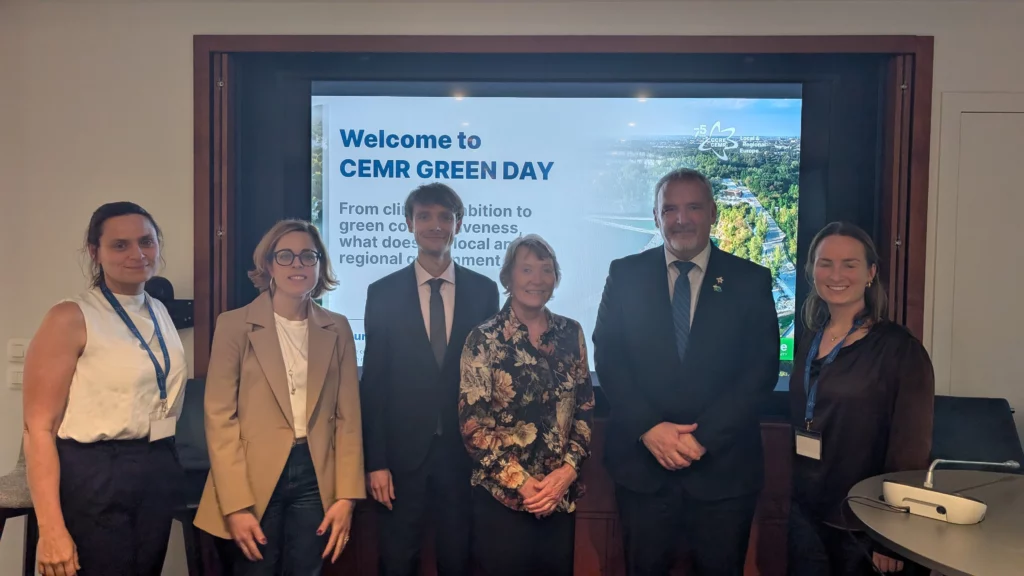
CEMR hosted this year’s edition of the CEMR Green Day, a discussion in Brussels on how to balance climate ambition and green competitiveness and what this implies to local and regional governments. The event, which took place on 15 October, brought together policymakers, climate specialists and analysts to answer what the EU’s shift from climate ambition to green competitiveness means for towns, cities and regions. Together they explored how resilience, adaptation, resource efficiency, decarbonisation and clean mobility can be embedded in territorial competitiveness.
The panel: How can we balance the EU Climate Agenda’s ambition and resilience
Negotiations on files such as the Industrial Accelerator Act, launched under the Clean Industrial Deal, show how the ambitions of the European Green Deal are increasingly framed through competitiveness, industrial capacity and economic security. For local and regional governments, that shift raises questions about opportunities and risks, and about the conditions they need to turn ambition into implementation.
CEMR Secretary General Fabrizio Rossi opened the session with the reinforcement of the core CEMR message that “the territories will be attractive only if we are working on resilience. There is no competitive Europe without strong, resilient and empowered territories.” Federica Bordelot, CEMR Director of Policy and Impact, moderated the discussion and reiterated that “green transition and competitiveness should go hand in hand, and green transition can actually support competitiveness objectives.”
The panel brought together Arnas Liauksminas from the Lithuanian Permanent Representation, representing the upcoming Council Presidency; Gary Robinson, CEMR Spokesperson for Environment and Councillor of Shetland Islands; Aurélie Beauvais, Managing Director of EuroHeat & Power; Michael Forte, Senior Policy Adviser at E3G; and Kirstine Bille, a member of the Committee of the Regions and of the Municipal Council of Syddjurs.
CEMR Green Day event 2026 speakers
When asked about the plans of the Lithuanian Presidency,Liauksminas highlighted that they will work on the MFF, resilience, water, circular economy or ETS revision. He also added that municipalities are dealing directly with these issues on the ground, but they are not always heard in the debate in Brussels. “We are therefore pleased to cooperate with you ahead of the Presidency”, he concluded.
Gary Robinson, CEMR Spokesperson for Environment and Councillor of the Shetland Islands, mentioned the connectivity issues in the Shetland Islands and stated that “place-based policies start from the strengths of different territories: new technologies in industrial regions, renewable energy in rural areas, or on islands.”
Aurélie Beauvais from EuroHeat & Power presented the case for district heating and cooling. According to Beauvais, “to make it work for municipalities and for Europe, we need to solve the big two challenges of the transition: flexibility and security of supply; and affordability”. “District heating and cooling networks offer a very robust answer to those challenges”, she stated.
Kirstine Bille, member of the Committee of the Regions and the Municipal Council Member of Syddjurs Municipality, reiterated that we need to speak about the green transition because it stays in the background behind competitiveness. “We have an issue with energy security. We have to invest in local renewable energy, look at energy efficiency, work on the transition to a circular economy and ensure efficient district heating” – she added.
Finally, Michael Forte, the Senior Policy Adviser at E3G, drew on recent research from the think tank evidencing that the local and regional governments are the implementors of the EU Climate agenda and resilience practices while being left with little agency of decisive power. He highlighted three conditions that need to be met as a collective responsibility of the European institutions. “We need clear responsibilities, institutional and technical capacity, and the coordination within territories and across levels of government to be much more structured and formalised”, he said.
CEMR Green Day event 2026
Territorial spotlights: competitiveness in local practice
In the second part of the event, members showed how local and regional action already links green policy to economic and social benefits.
A particularly interesting example was Arnhem. This Dutch city has built 17 circular bridges, reusing materials from other bridges, a swimming pool and old sheet pile walls. Circularity is a leading objective of its procurement strategy, supported by its own depot for raw materials. Arnhem is shifting from choosing materials based on design to designing based on the materials available. It aims for 25% circular building in 2025 and 50% by 2030, alongside a 55% cut in CO₂ emissions against 1990 and 50% less use of virgin materials.
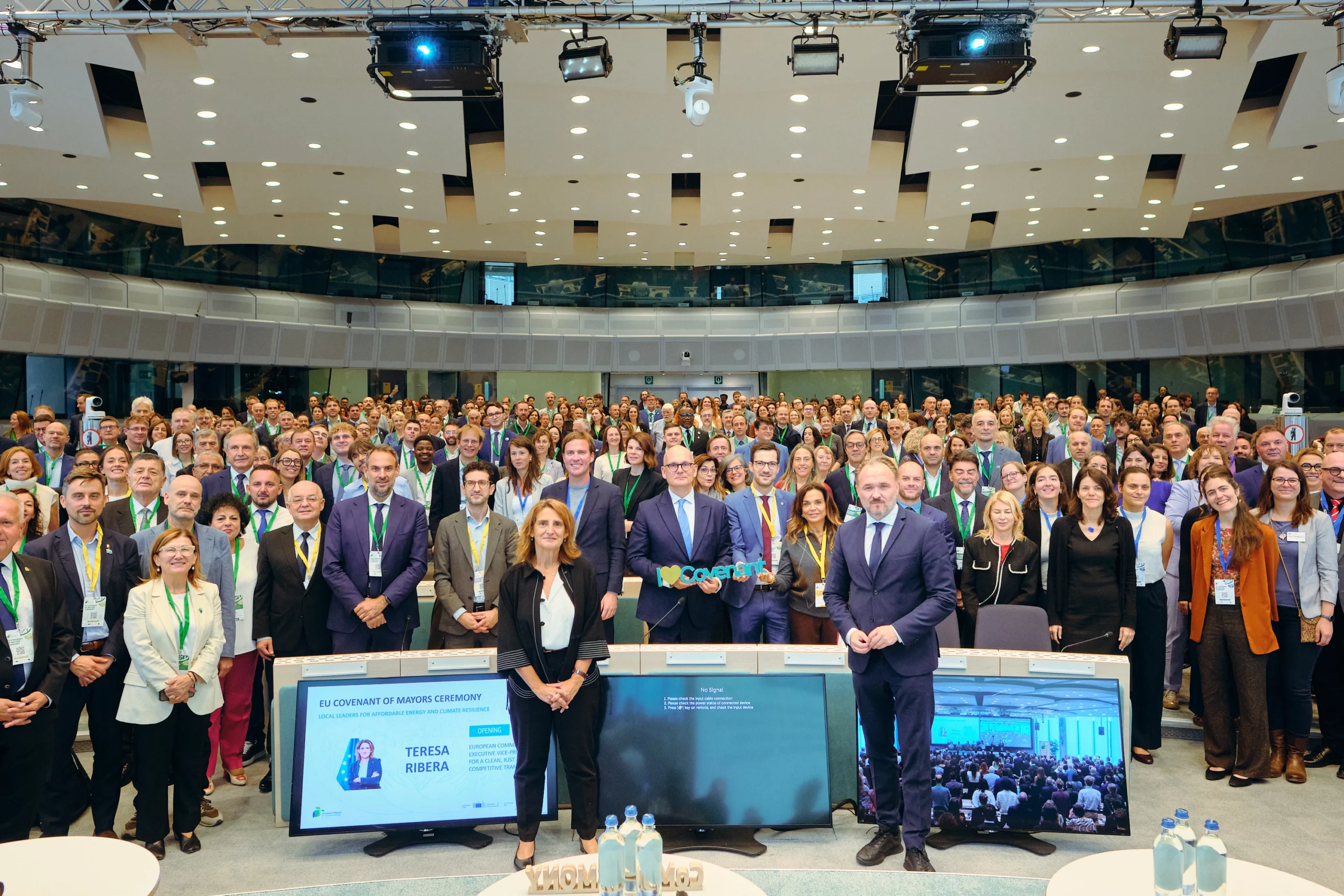
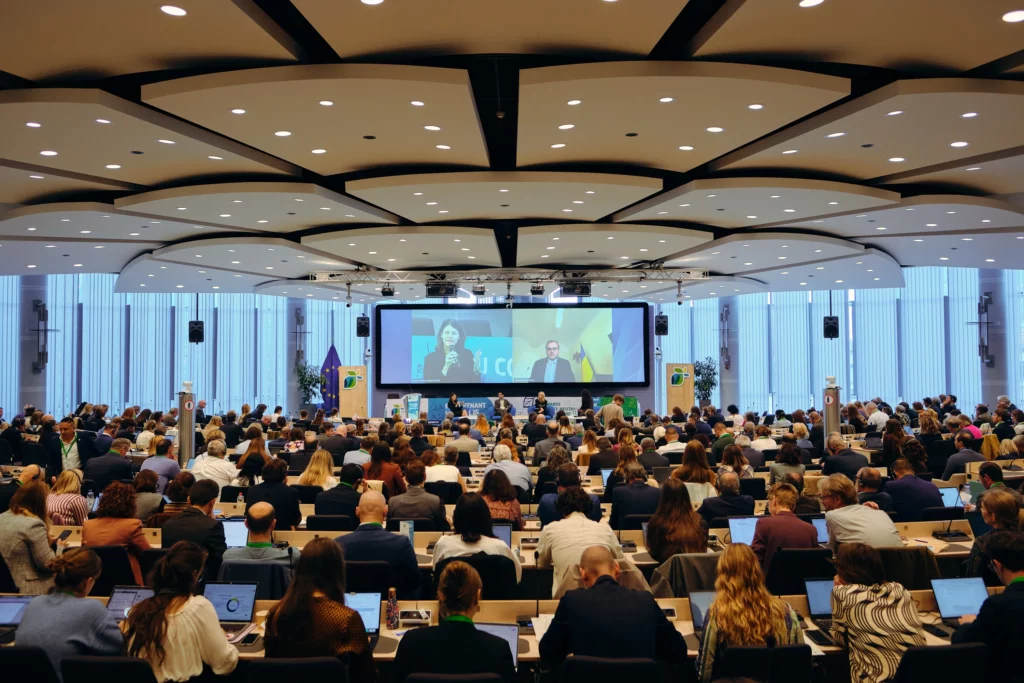
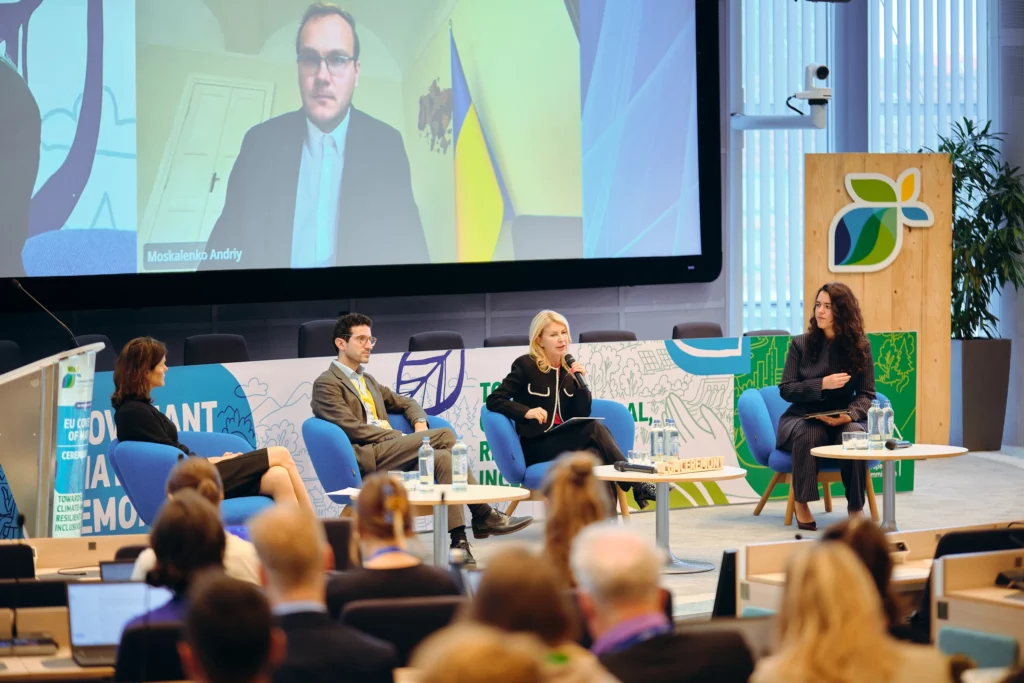
Against a backdrop of rising energy costs and growing climate risks, hundreds of mayors gathered in Brussels for the annual EU Covenant of Mayors Ceremony. As part of the consortium responsible of implementing the EU Covenant of Mayors, CEMR contributed to bringing together European leaders and local elected representatives to discuss how to make energy more affordable, strengthen resilience, and protect people’s quality of life across Europe.
Local governments are on the front line of today’s successive crises. Through their climate and energy plans, signatories of the EU Covenant of Mayors have been working for over a decade to transform their energy systems and territories, making them cleaner, safer and better prepared for the challenges ahead.
Their experience makes them essential partners in delivering on the EU’s priorities, from energy security to affordable living and climate resilience. The Ceremony provided an opportunity to discuss in concrete terms how European policies and investment can help cities turn their ambitions into reality.
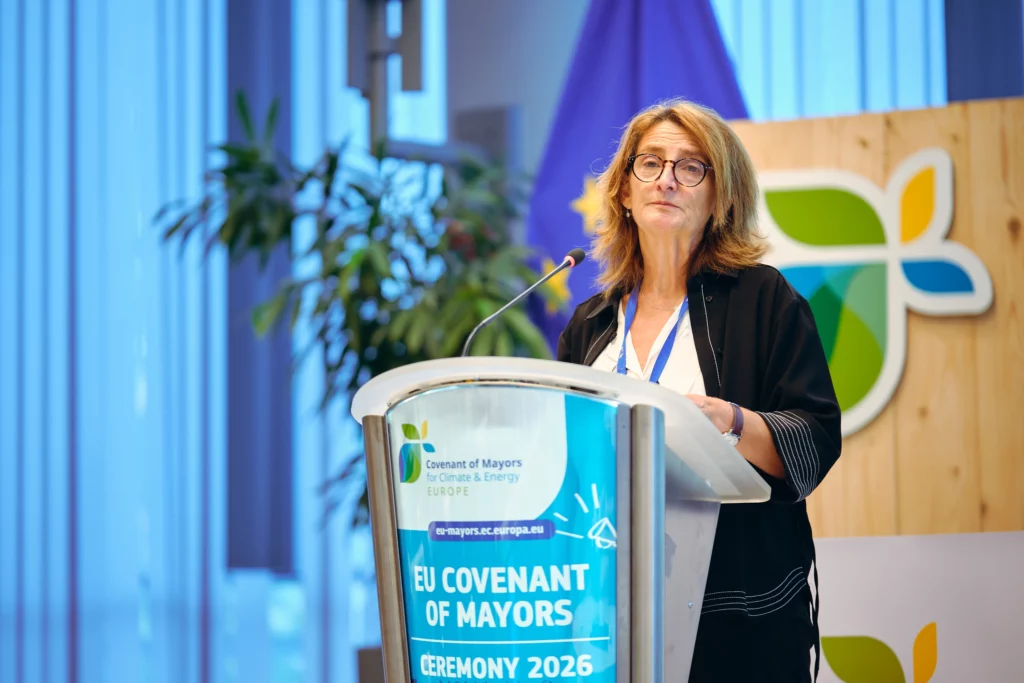
“We are together on this. I am with you and will work with you. We have a very important duty: to build a resilient, low emission and fair future, and your cities are the place to start delivering.” – Teresa Ribera, European Commission Executive Vice-President for a Clean, Just and Competitive Transition
Covenant of Mayors 2026 – Teresa Ribera
As Europe faces a challenging energy and climate landscape, making everyday life safe and affordable has become a shared priority for the EU and its cities. By working together to advance the energy and climate transition, they are helping ensure that a decent quality of life is accessible and affordable for everyone.
This is at the heart of the EU Covenant of Mayors’ new action, Places Made for People, launched at today’s Ceremony: supporting local governments in shaping places where people can live and thrive today and for generations to come.
Local homegrown energy means greater security and affordability
Reducing Europe’s exposure to volatile international energy markets means reducing Europe’s dependence on imported fossil fuels. This requires a faster shift to homegrown renewable energy and electrification. The EU’s Electrification Action Plan sets out the bloc’s ambition to make Europe the world’s first fully electrified continent.
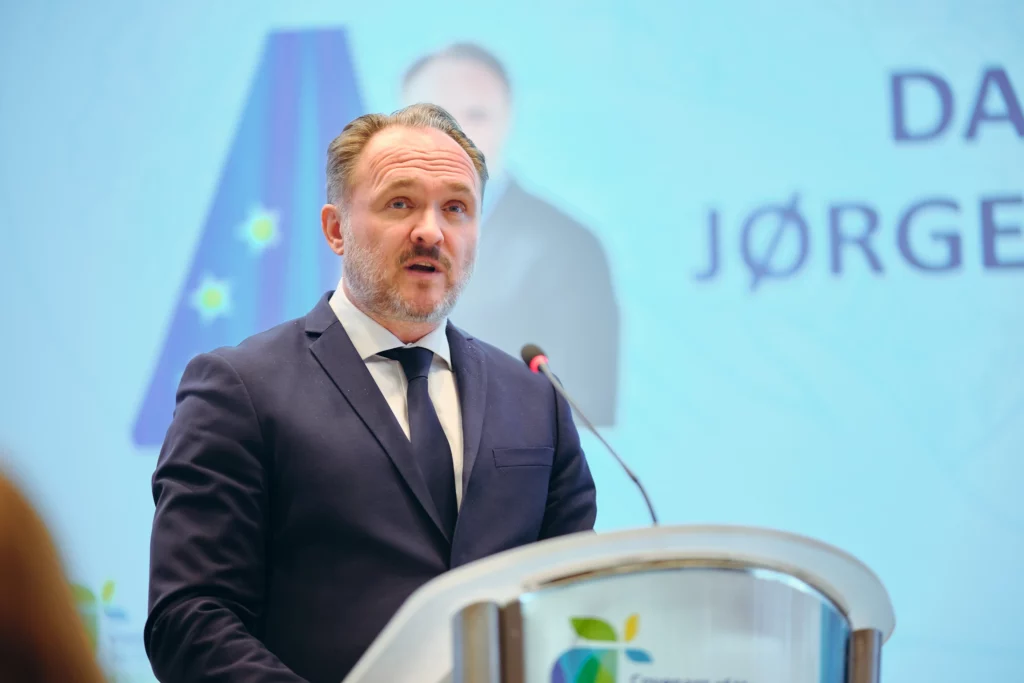
“Europe needs its cities, towns and regions more than ever. To deliver climate neutrality. To reinforce our security, our competitiveness, and our energy independence. And to ensure that the transition is fair, affordable and democratic. In all of these areas, we can only succeed through local action that delivers local results.” – Dan Jørgensen, European Commissioner for Energy and Housing
Covenant of Mayors 2026 – Dan Jørgensen
Cities have a central role in making this happen on the ground by expanding renewable energy production, developing clean district heating, and supporting flexibility solutions such as batteries, storage and smart metering.
From decentralised energy systems helping Ukrainian cities like Lviv to maintain essential services during attacks, to community energy initiatives in Gabrovo, Bulgaria, local action can make energy both more secure and affordable. By diversifying energy production and involving citizens, municipalities can reduce vulnerability to disruptions and bring the benefits of clean energy closer to communities.
Mayors exchanged views with the European Commission on the significant investments needed to transform local energy systems. In Leuven, renewable energy projects are pooled to make them financially viable. For the roll-out of new district heating and cooling networks, where the business case is often less clear, governments need to step up with public investment to accelerate their development, just as they do for schools and highways. Many mayors are leading this investment and asking for continued support from the European Union.
Protecting people from climate risks starts locally
Keeping energy prices stable and affordable is not the only concern for Europeans. This summer’s heatwaves and wildfires made painfully clear that protecting people from the impacts of a changing climate has become even more urgent. Many cities – particularly vulnerable to extreme heat – are already taking action to cool their urban environments, from adapting public spaces and buildings to offering specific protections to vulnerable residents.
In Matosinhos, €5 million of EU funds is being invested in data collection to better prepare for future risks, involving people in schools, sports clubs and local initiatives. Scaling up these efforts requires both the right tools and sufficient EU funding, with the Covenant of Mayors playing an important role in sharing knowledge and serving as a platform for EU and local alignment.
As the EU prepares its Framework for Climate Resilience, cooperation with local governments will be crucial. Mayors understand the specific risks their communities face and are responsible for many of the services and infrastructure needed to respond to these. However, planning alone is not enough. Local governments need resources and long-term certainty to invest in adaptation and to prepare their cities for future climate impacts.
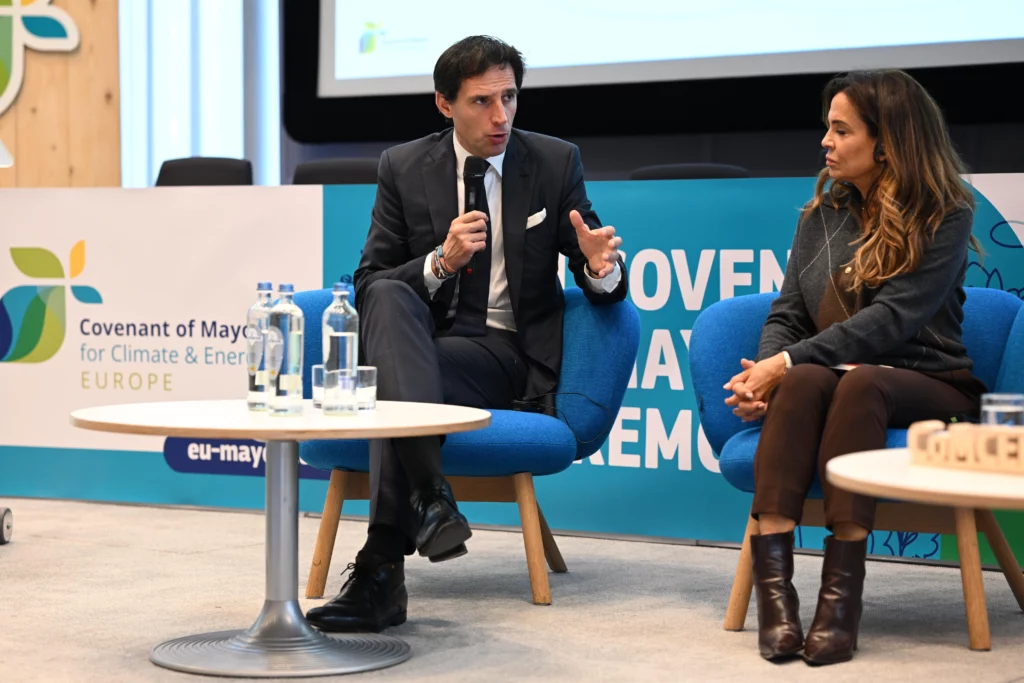
“The past year has shown that every place is vulnerable, that everywhere we can experience atypical weather, droughts and wildfires… It’s important that we address these challenges not in isolation, but by working together across the continent and across political parties.” – Wopke Hoekstra, European Commissioner for Climate, Net Zero and Clean Growth
Covenant of Mayors 2026 – Wopke Hoekstra
Europe’s ambitions need local investment
The EU Covenant Ceremony made one thing clear: cities are already working to advance affordable energy and resilience, protecting populations from energy and climate crises. Maintaining this momentum requires sustained political commitment and investment.
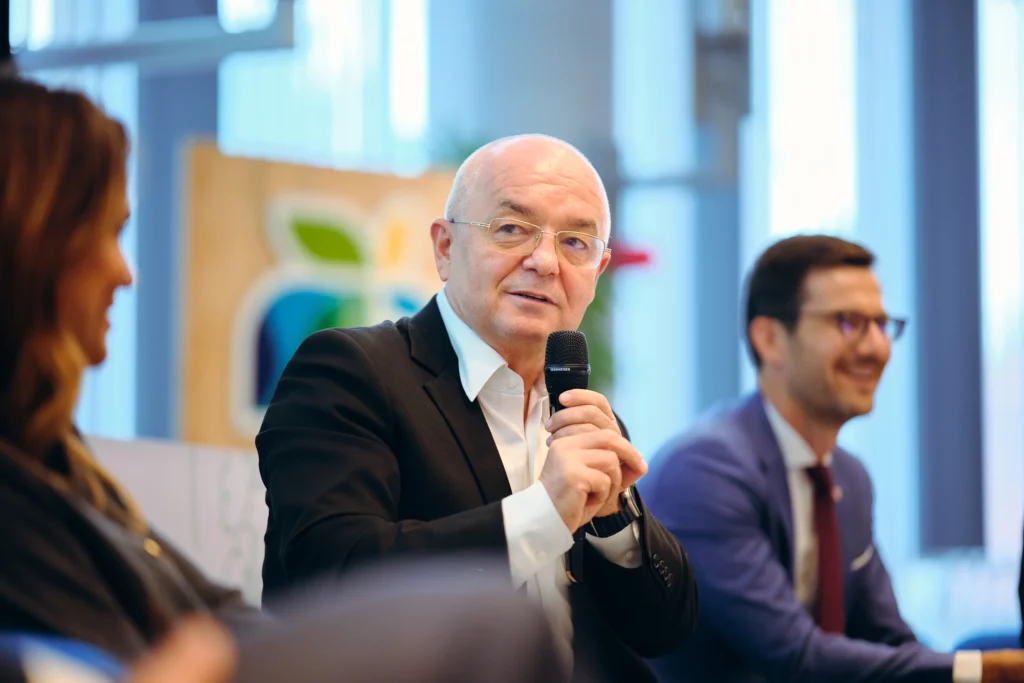
“Our budget is our future. It should reflect our political ambitions – including our climate targets. We need continued funding for climate action. We need to secure that funding at the European level and, just as importantly, ensure it reaches the local level, where it can make a real difference.” – Emil Boc, mayor of Cluj-Napoca, Romania and EU Covenant of Mayors Board member
Covenant of Mayors 2026 – Emil Boc
As the EU shapes its future funding and governance frameworks, the question is how to ensure that cities have the means to deliver on shared European goals. Stable funding, policies that support local investment, and meaningful cooperation between European, national and local authorities are essential to making progress at the pace the current crises demand.
“The new EU Agenda for cities provides a framework for sustainable and urban development, helping cities shape EU policies, making EU support more accessible regardless of the size of the city.” – Raffaele Fitto, European Commission Executive Vice-President for Cohesion and Reforms.
There is a form of diplomacy that rarely makes headlines yet can have a profound impact on people’s lives: two mayors meet and agree to start a cooperation. What follows is a continuing conversation about what is needed and a mutual exchange of expertise involving stakeholders from administration, civil society, and citizens.
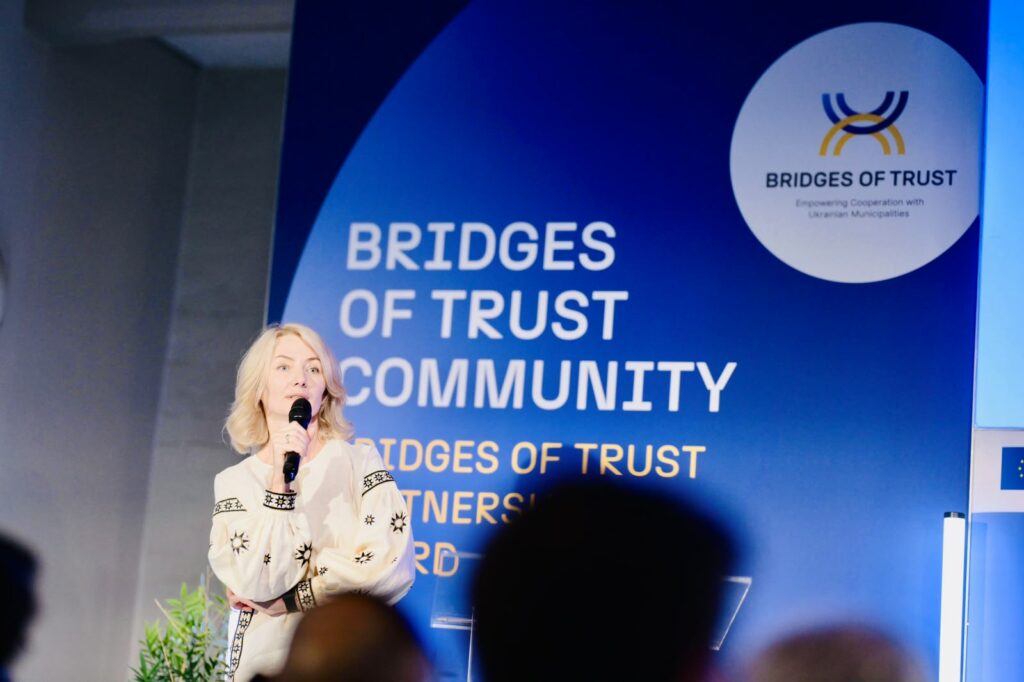
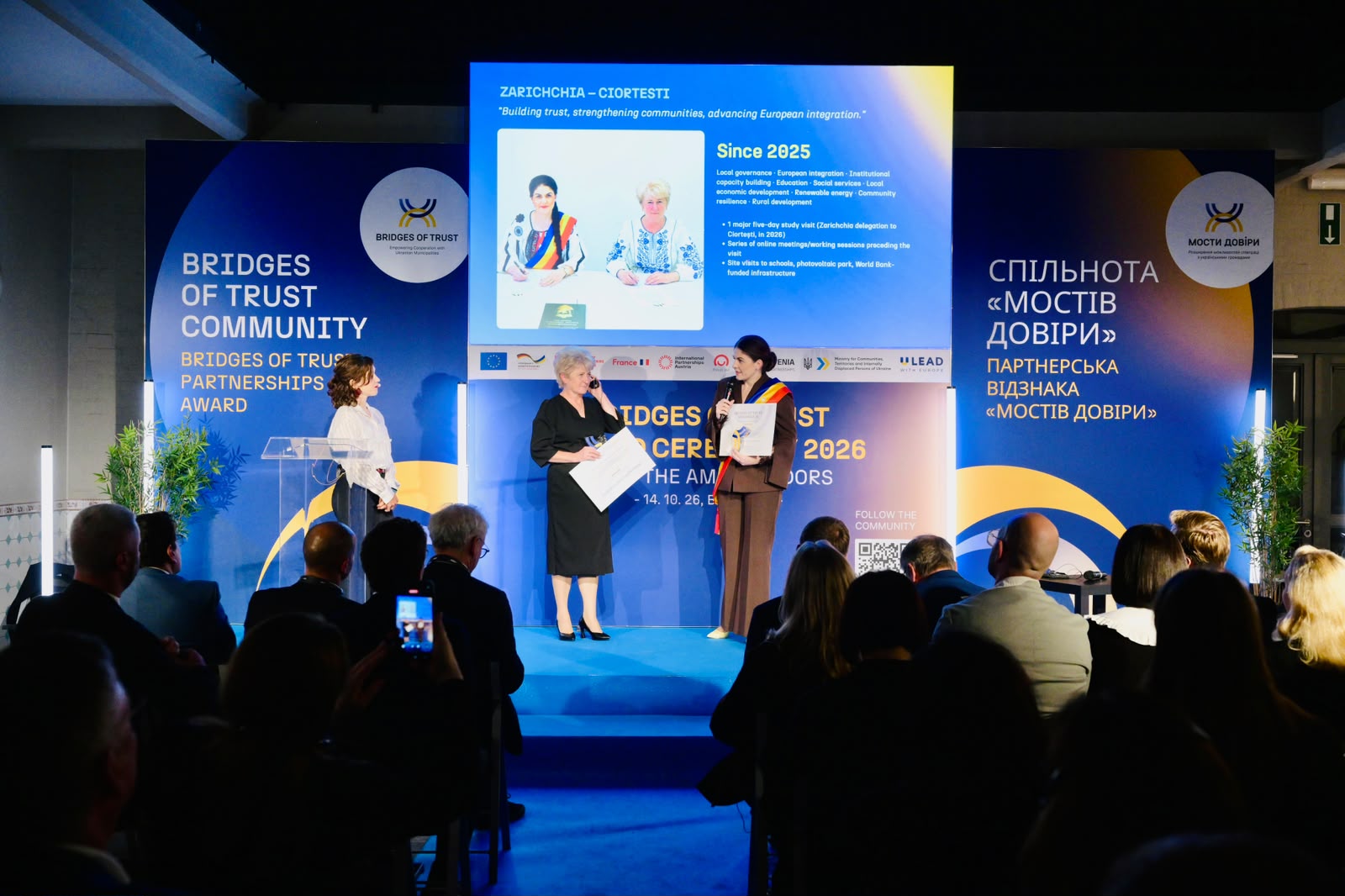
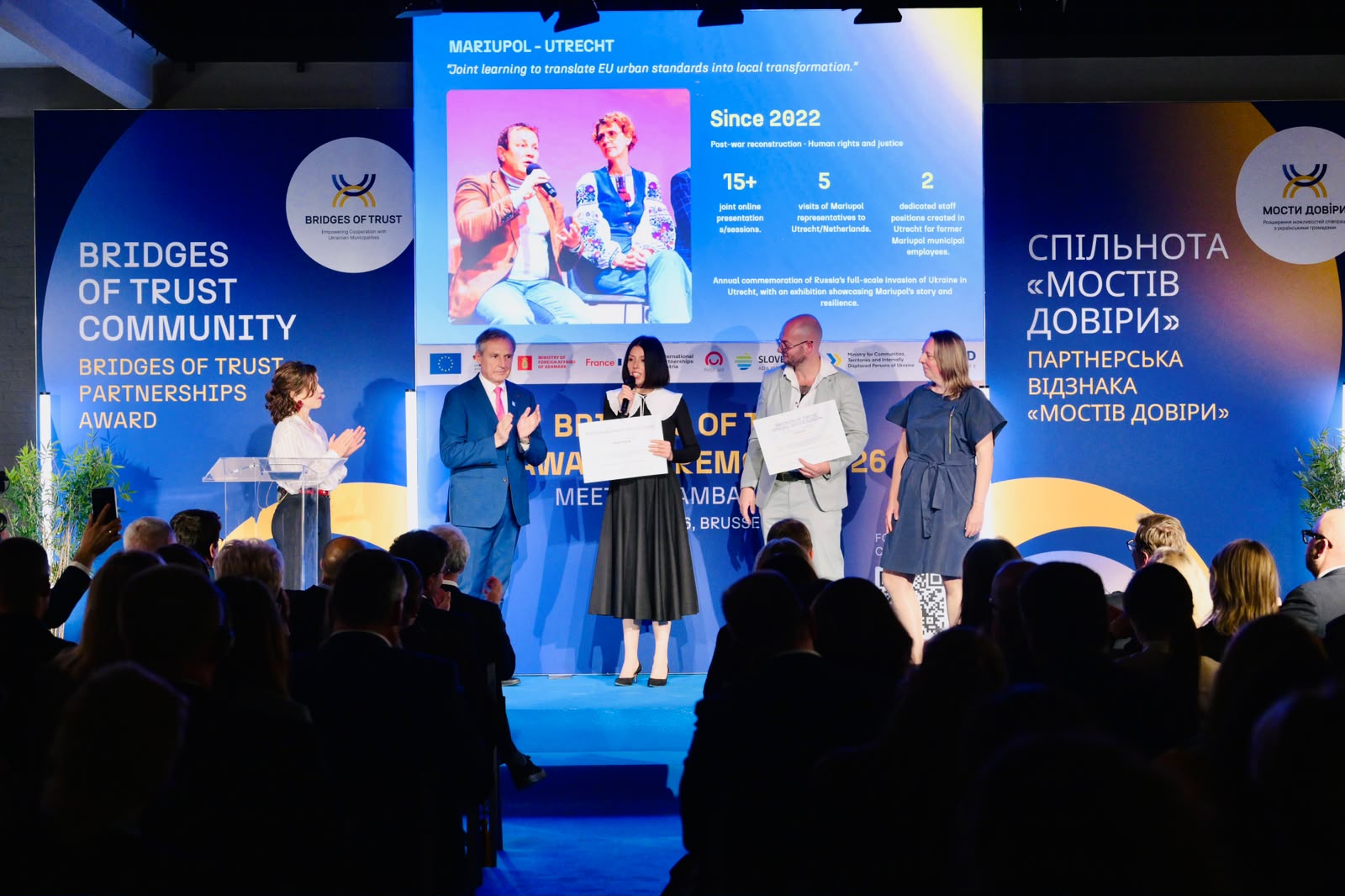
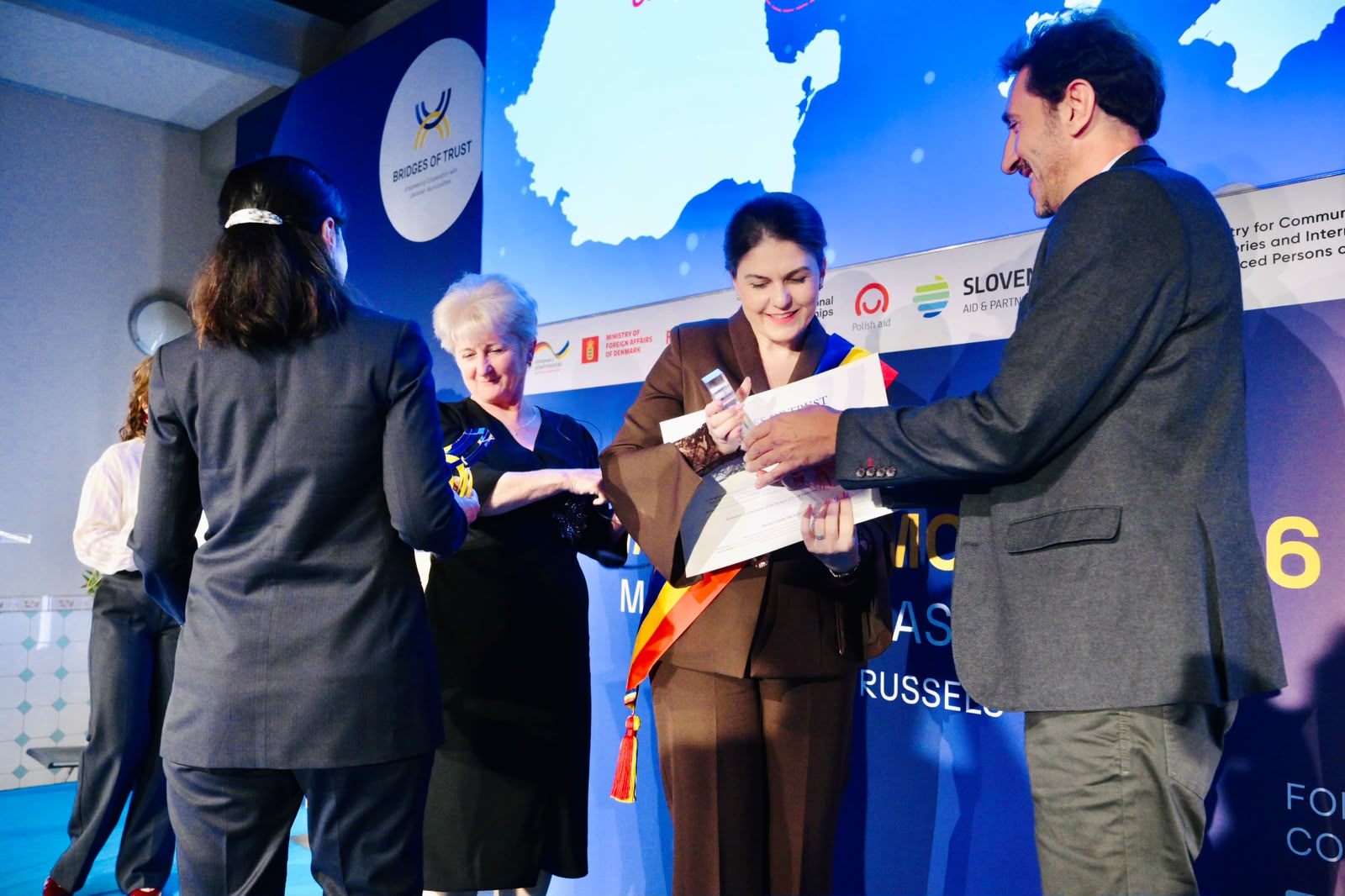
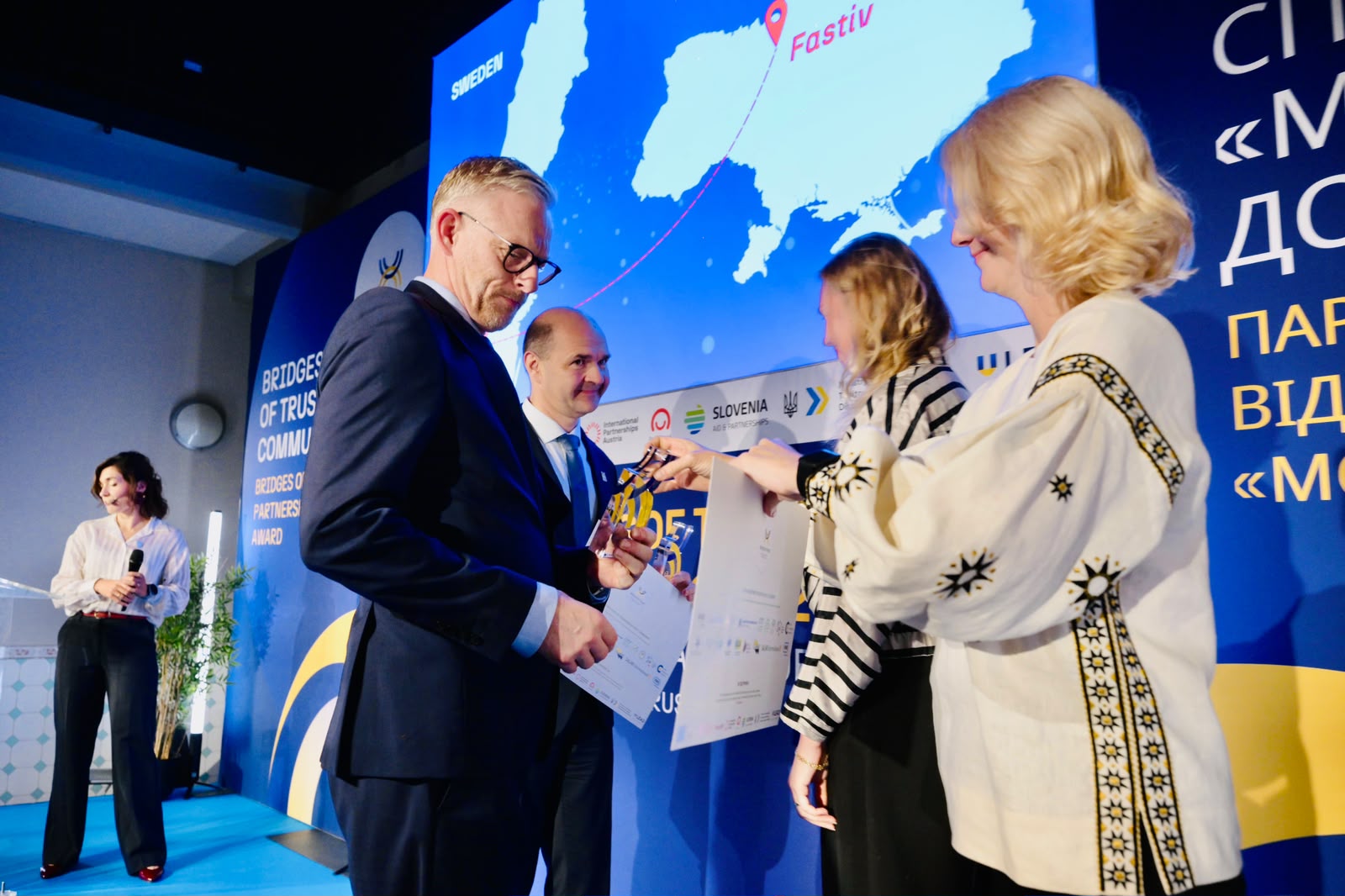
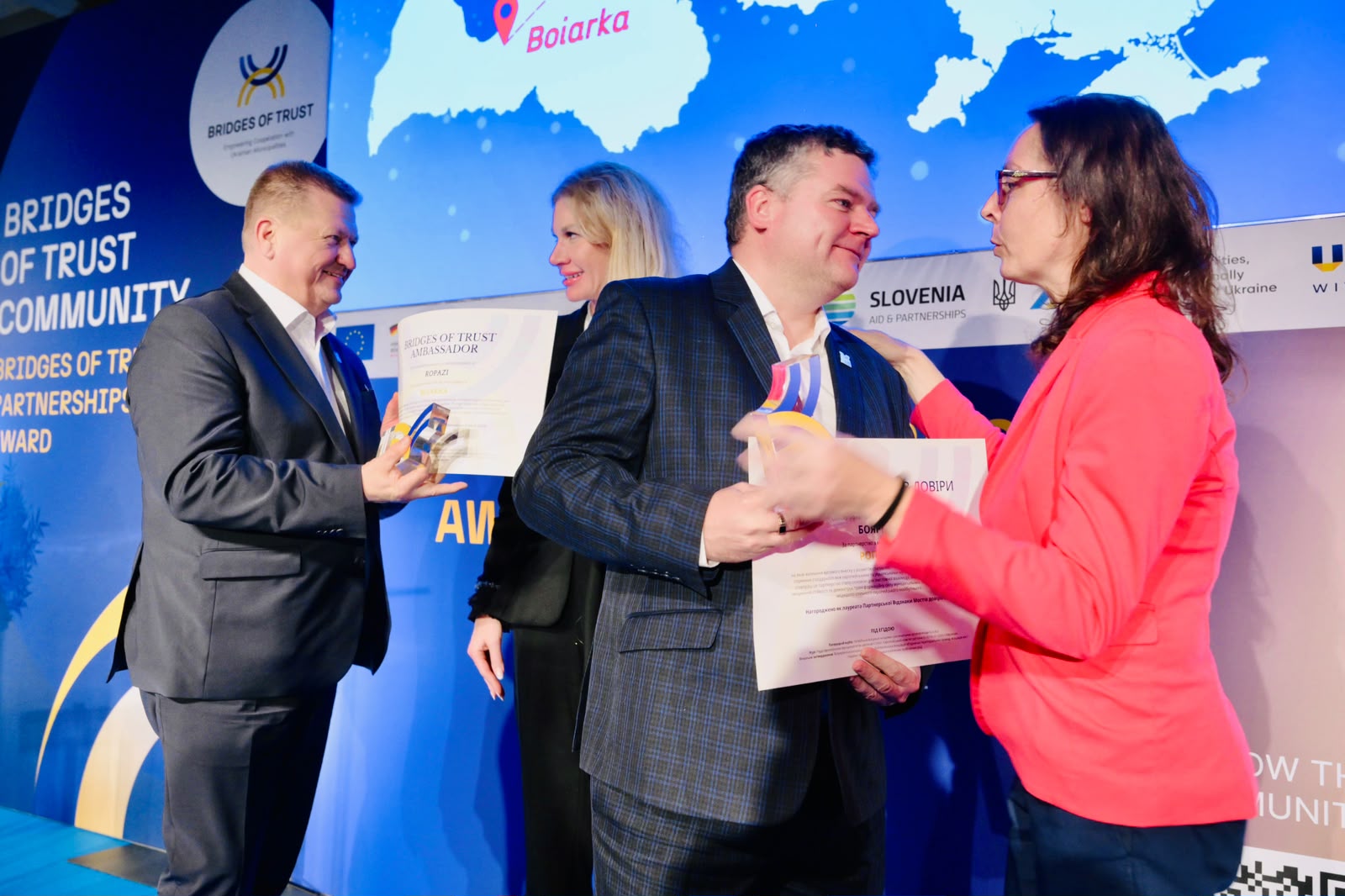
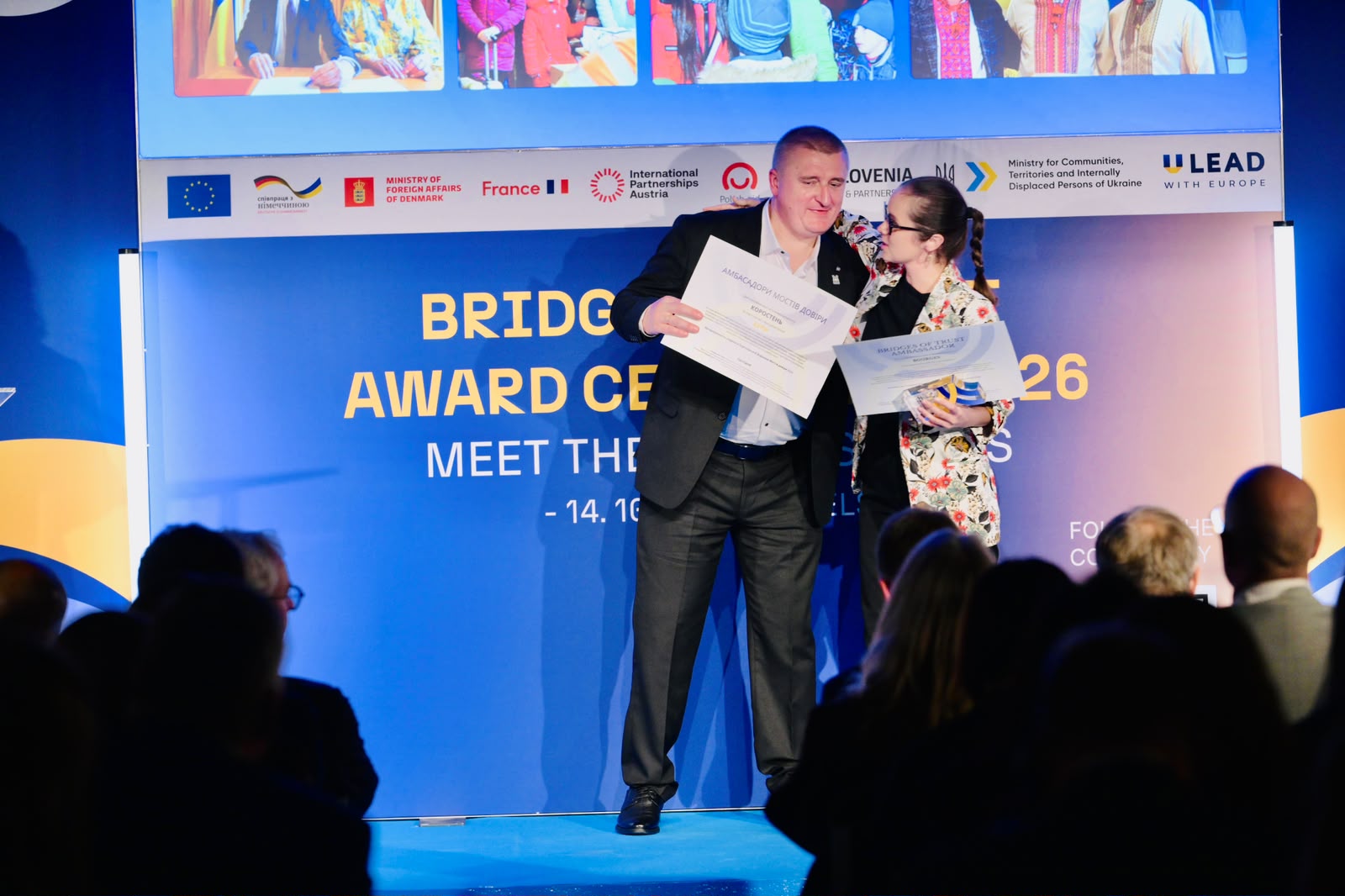
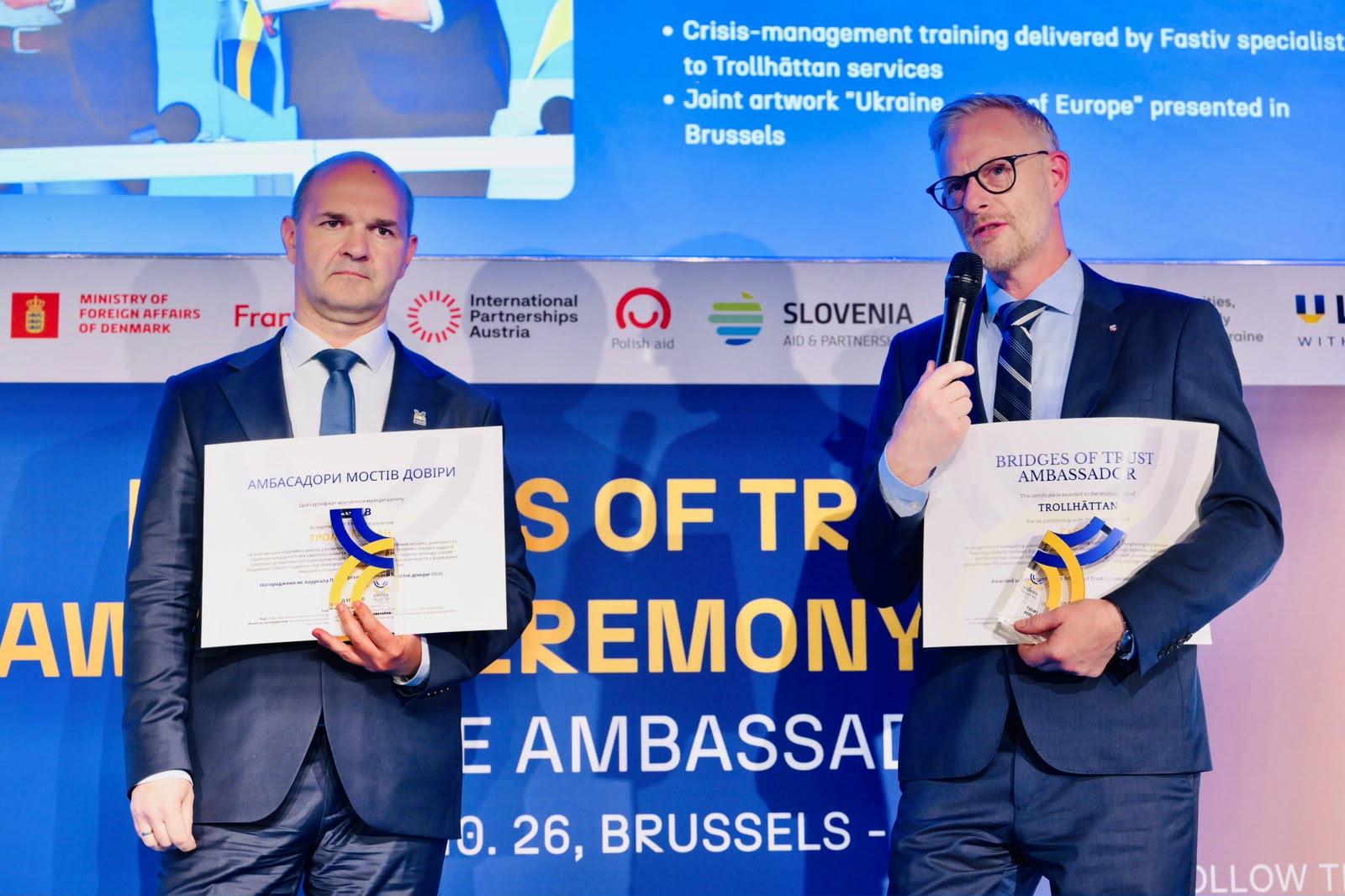
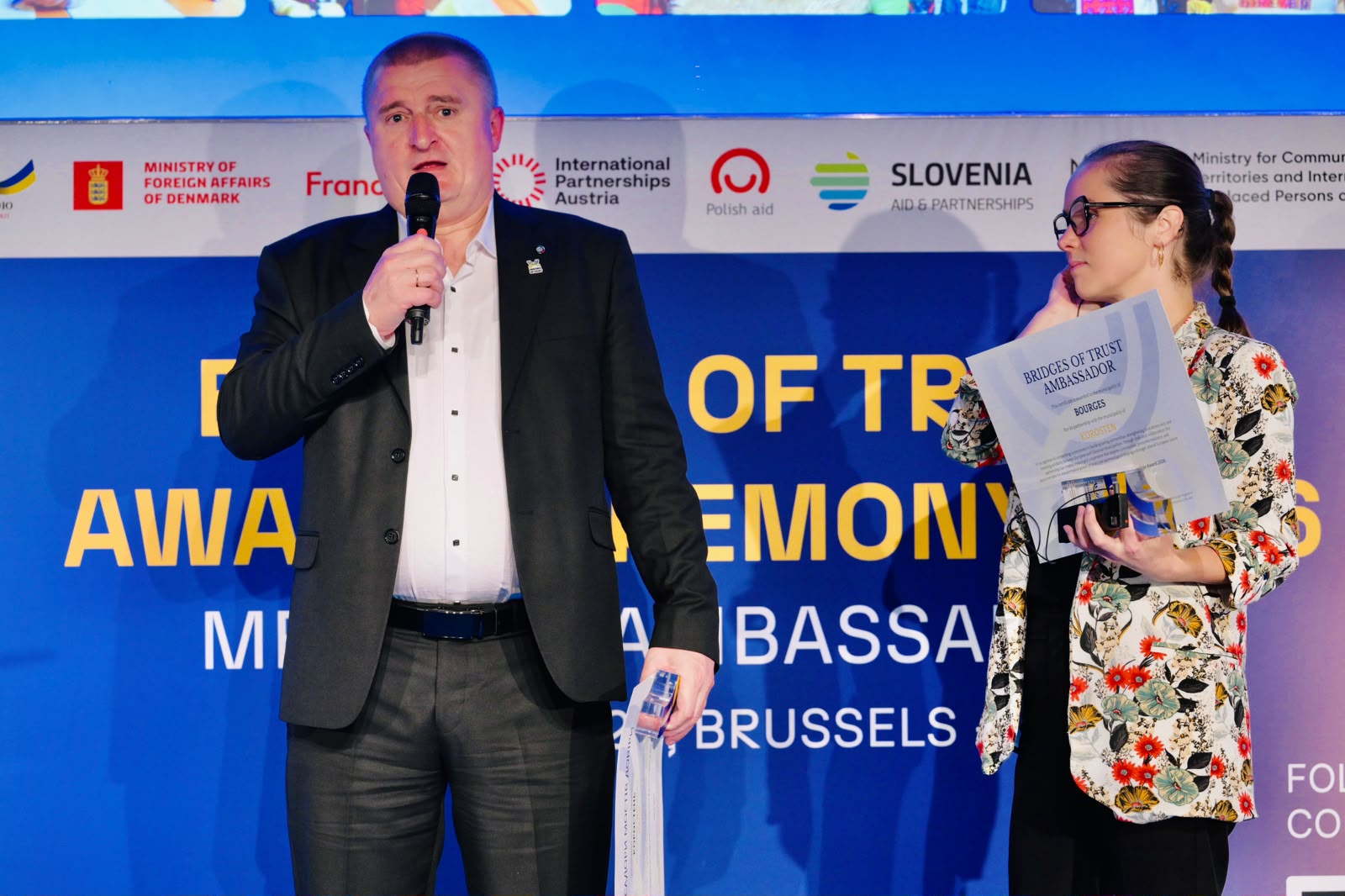
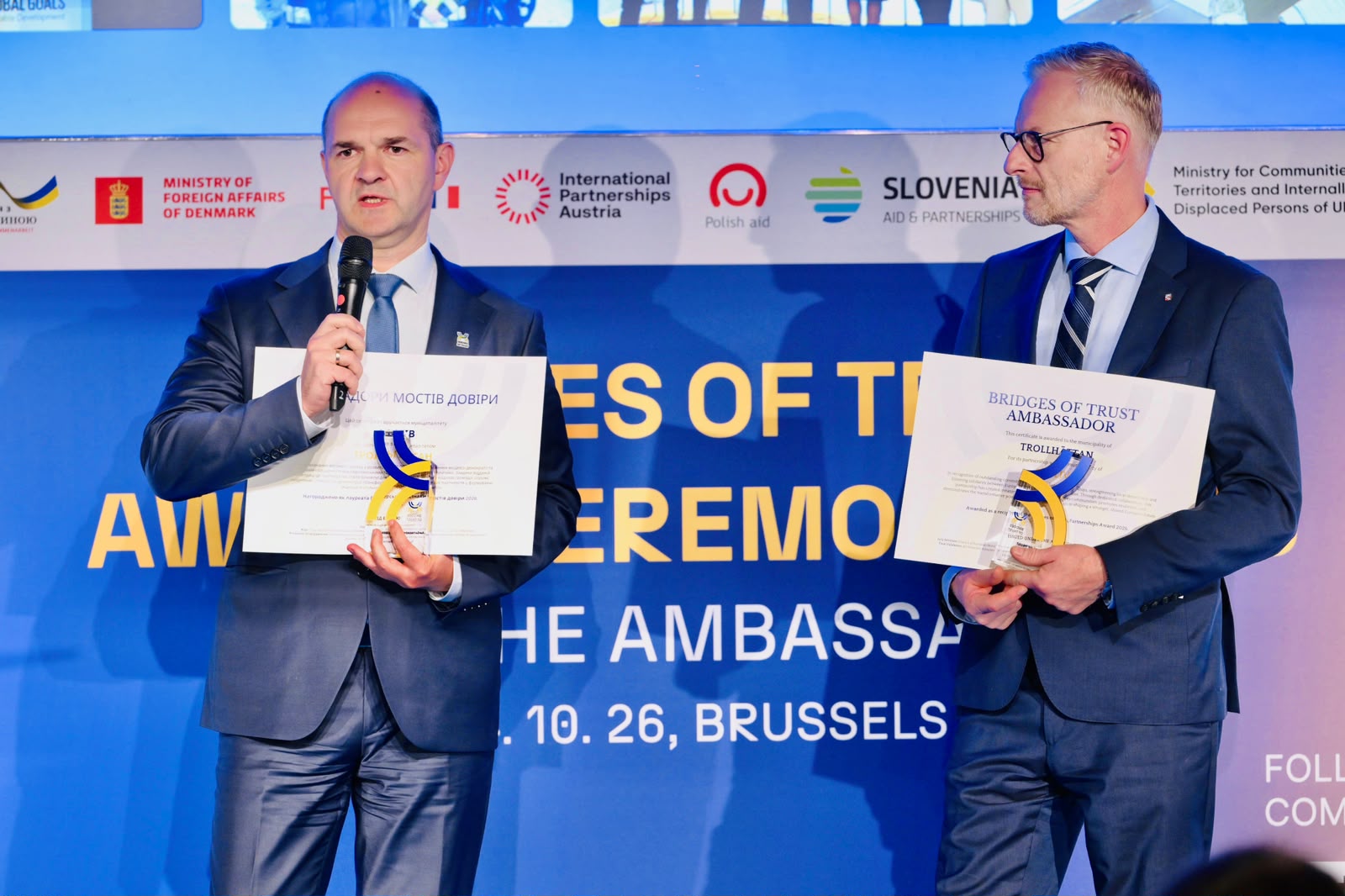
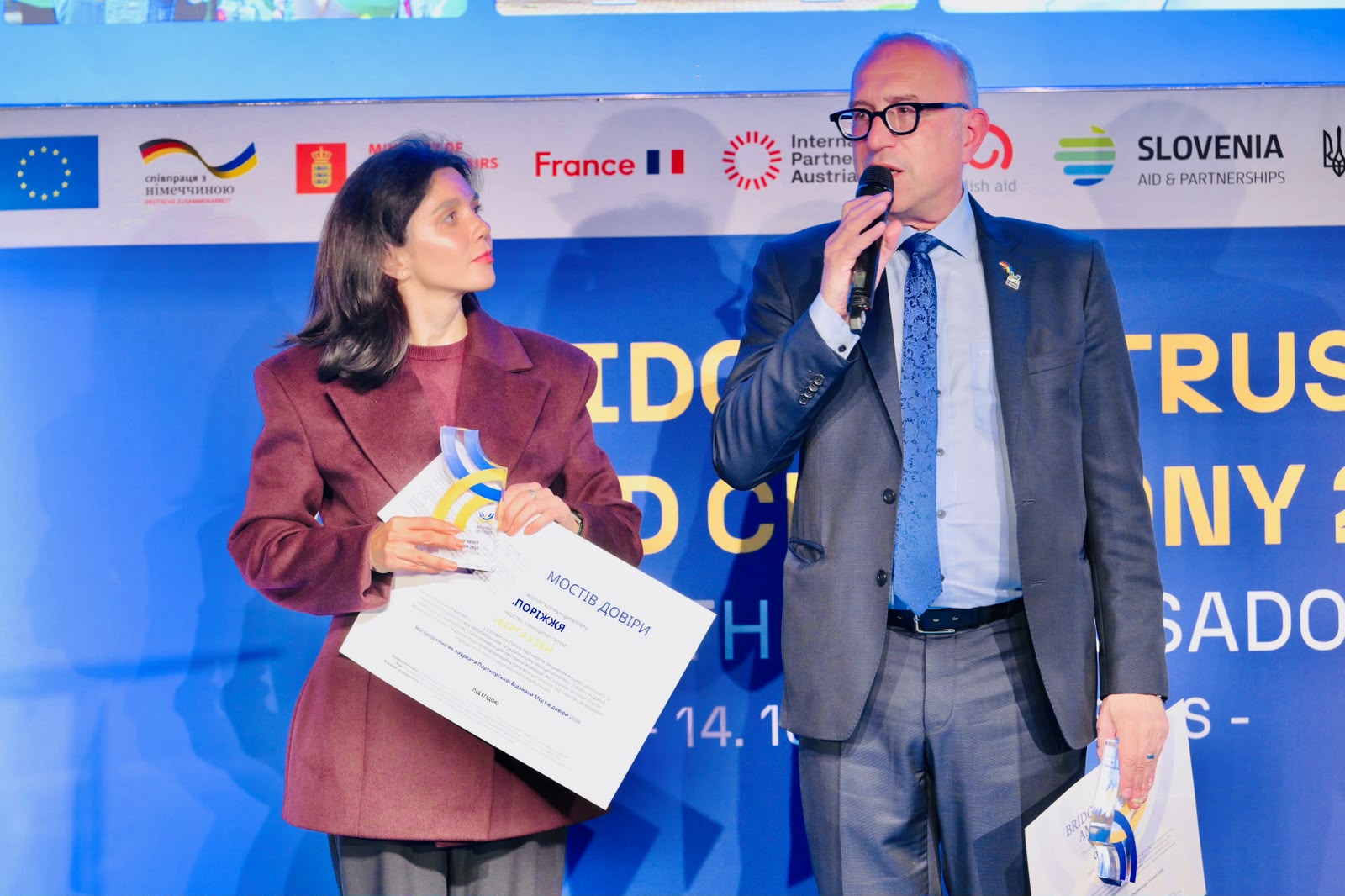
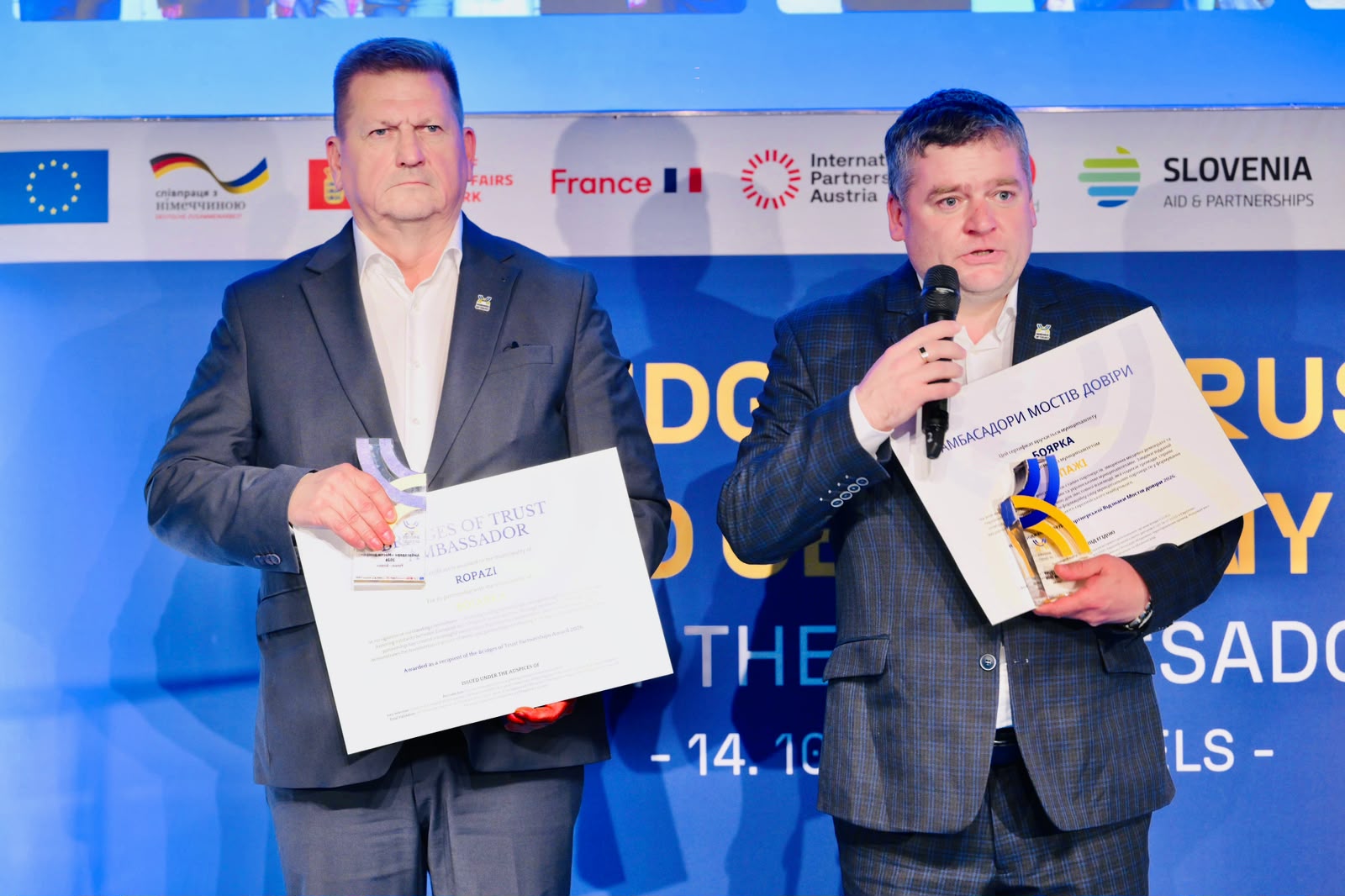
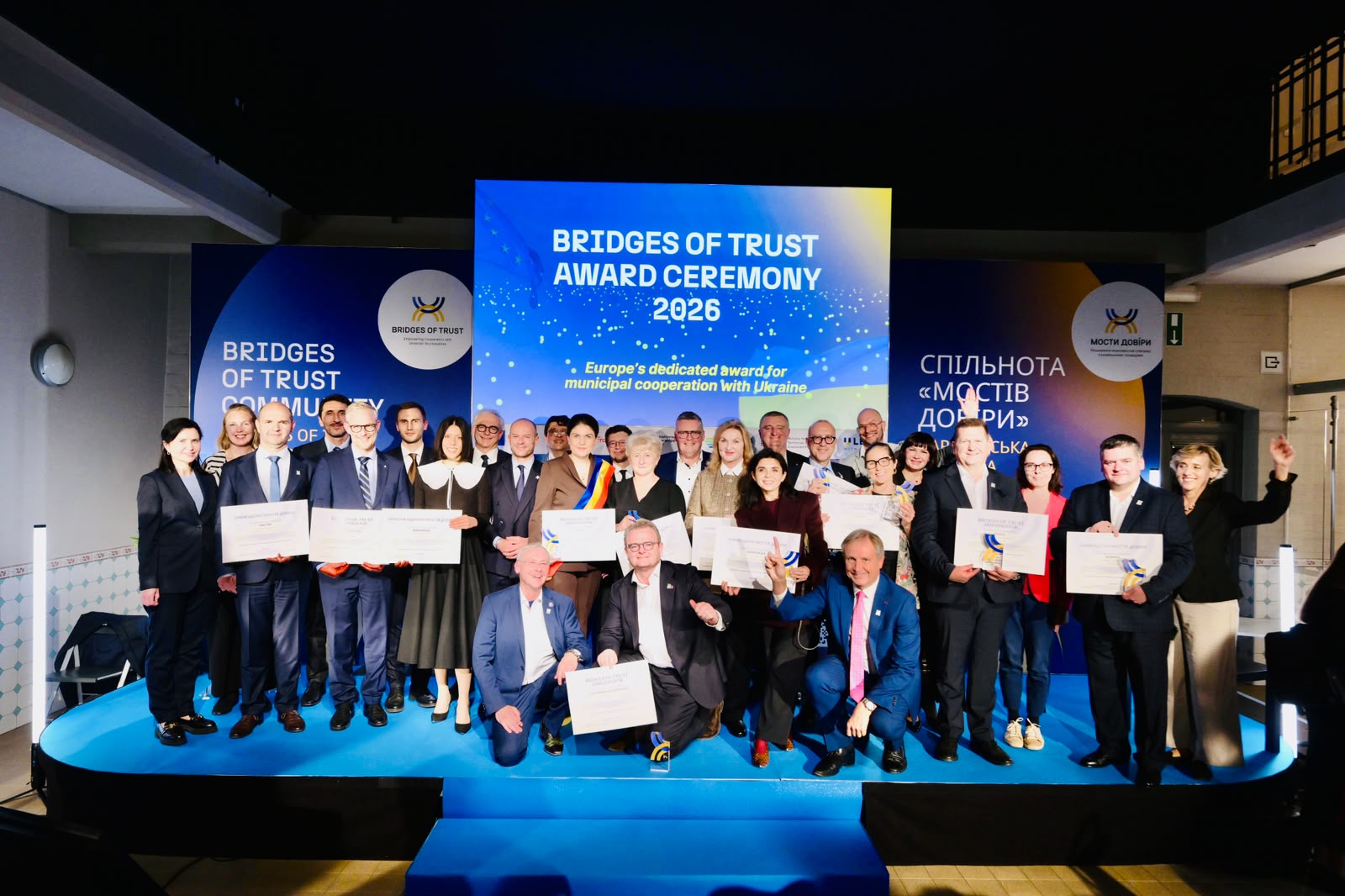
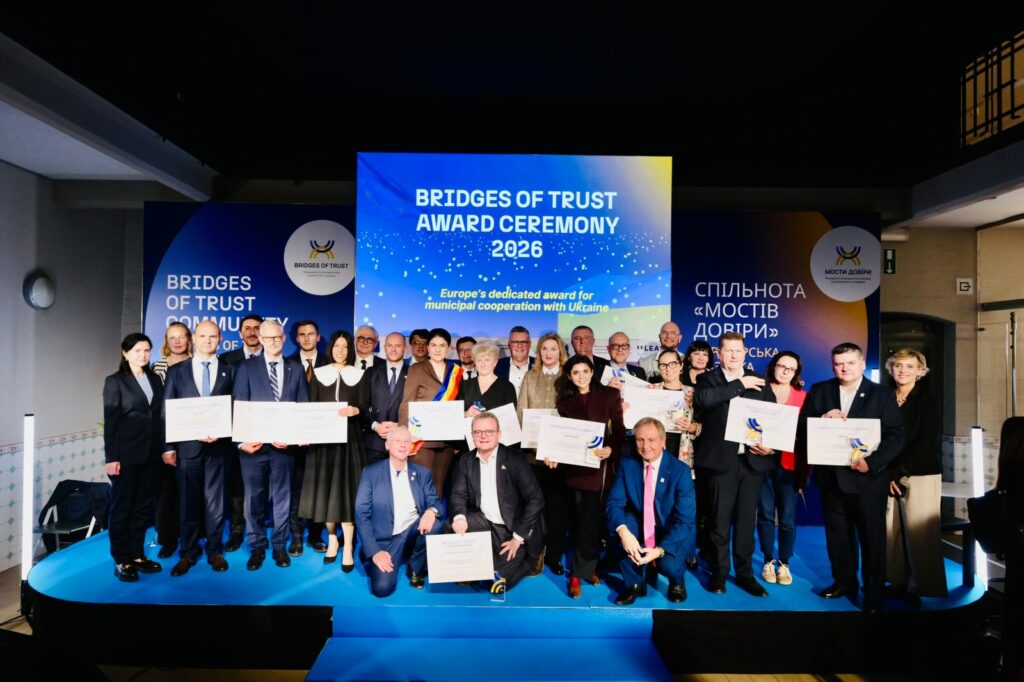
On 14 October 2026, in Brussels, during the European Week of Regions and Cities, that quiet work got formal recognition. At the first edition of the Bridges of Trust Award Ceremony, six municipal partnerships were named the Bridges of Trust Ambassadors, a new award for municipal cooperation between Ukraine and the rest of Europe, some dating back decades, others born in the first weeks after the full-scale invasion.
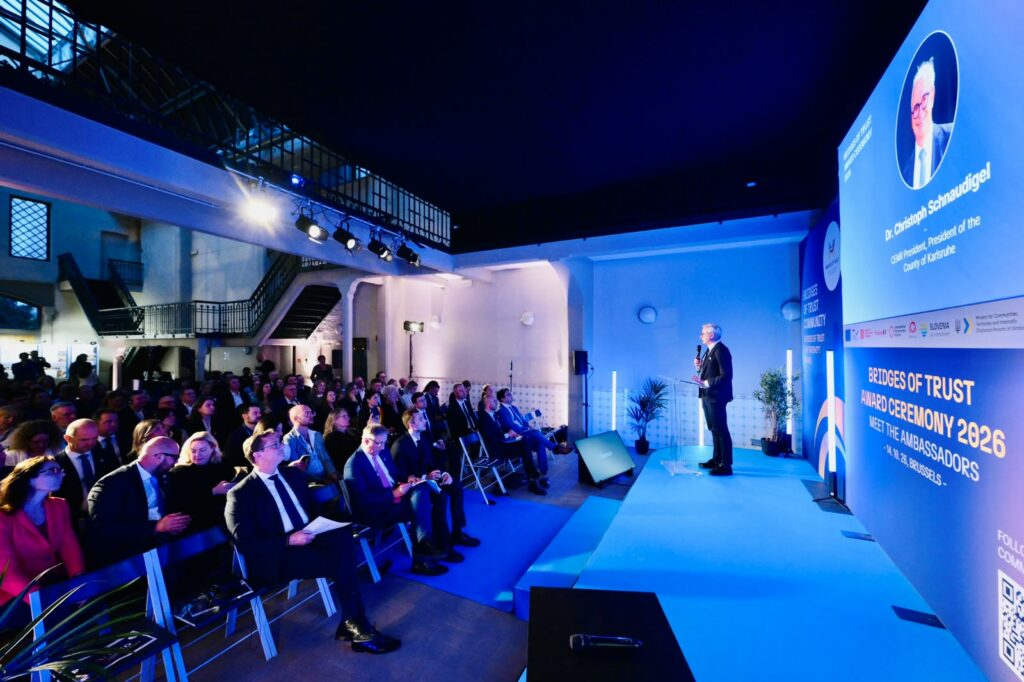
Bridges of Trust Award Ceremony 2026 – CEMR President Christoph Schnaudigel
Awardees reflecting diversity
Municipal twinning has existed in Europe since the aftermath of the Second World War, when former adversaries paired their towns as a small, deliberate act of reconciliation. That habit never really went away, but it found a new purpose. Oberhausen (Germany) and Zaporizhzhia (Ukraine), for instance, have been twinned since 1986; the partnership marked its 40th anniversary this year, and rather than fading into ceremony, it took on a very practical role. Together, the Bridges of Trust Ambassadors reflect the diversity of municipal cooperation, in terms of the size and location of the municipalities, the stakeholders involved and the topics addressed, and rehabilitation equipment delivered to Zaporizhzhia’s City Hospital No. 4, a Social Taxi service that gave over 1,200 rides in its first six months, and more than ten community vehicles sent through a civil protection programme.
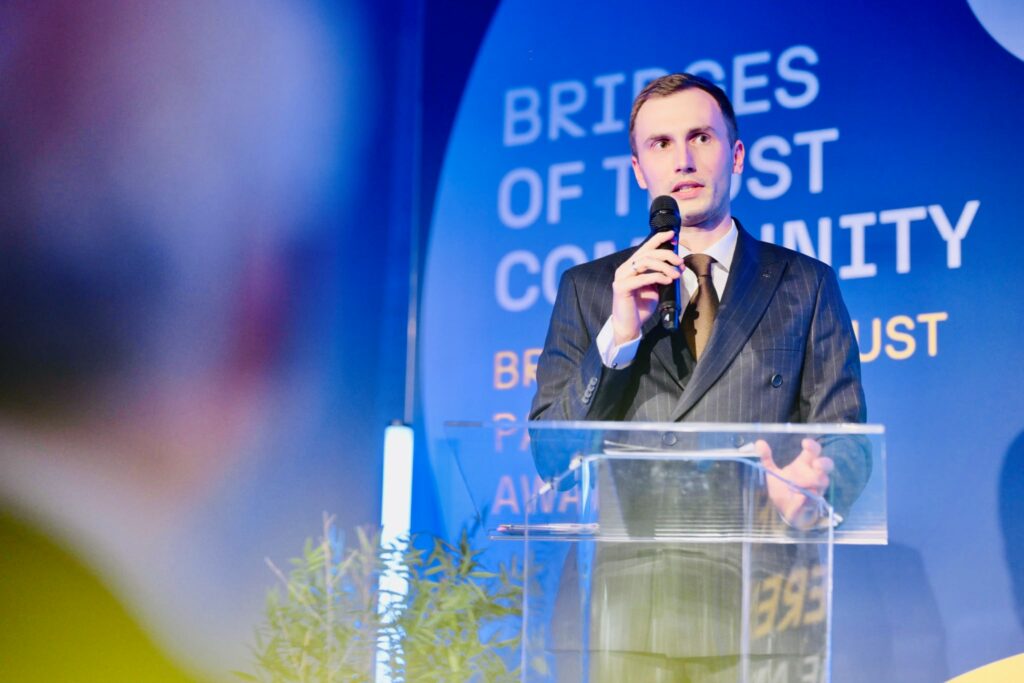
Bridges of Trust Award Ceremony 2026 – Artem Husak
What distinguishes the awarded partnerships is that the relationship is dynamic and mutually beneficial. Fastiv, in Kyiv Oblast, partnered with Trollhättan in Sweden only in 2024, and within a year, Fastiv’s own crisis-management specialists were training Trollhättan’s emergency services, drawing on experience no peacetime municipality would otherwise have.
Bridges of Trust Award Ceremony 2026 – Vladimir Prebilic
The partnerships behind the Award
The award is a joint initiative of the Bridges of Trust Community, coordinated by the European Partnership Hub Secretariat, hosted by CEMR, and supported by the EU and its member states through the U-LEAD with Europe Programme. In total, 55 municipal partnerships with Ukraine handed in joint applications, showing their high-quality cooperation. Nine partner organisations across Europe pre-selected candidate partnerships. A jury including the European Committee of the Regions selected a cohort of them. The final say went to the four All-Ukrainian national associations — the people best placed to judge which partnerships actually made a difference on the ground.
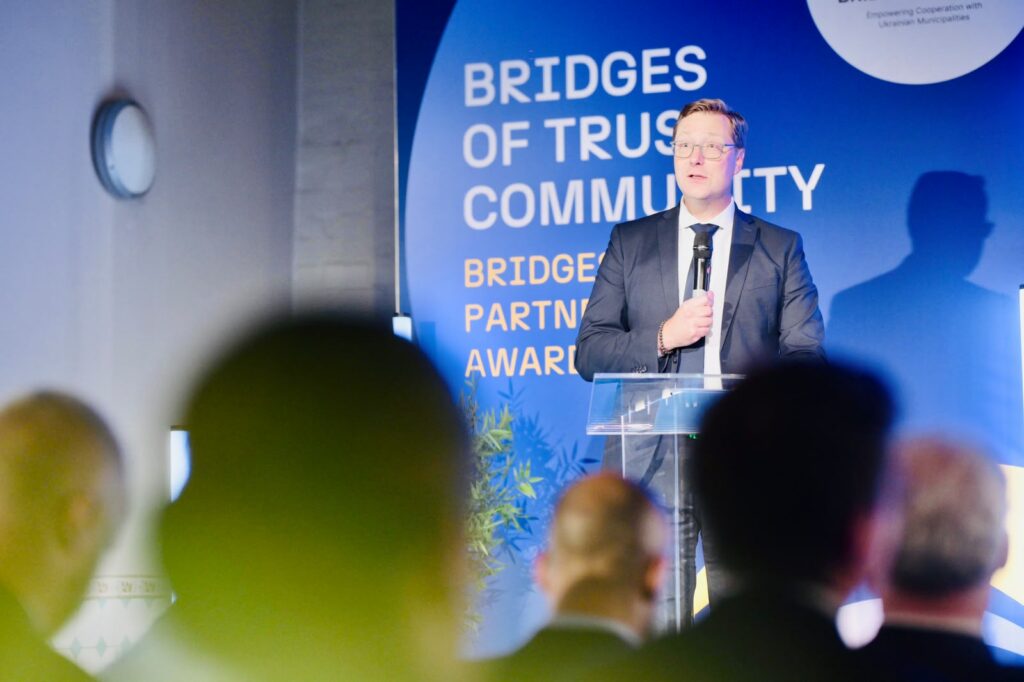
Bridges of Trust Award Ceremony 2026 – Olena Tomniuk
Six Ambassadors were named, plus one special recognition.
The seven partnerships
Bridges of Trust Ceremony Award 2026 – BoT Ambassadors
Bridges of Trust Ceremony Award 2026 – BoT Ambassadors
Bridges of Trust Ceremony Award 2026 – BoT Ambassadors
Bridges of Trust Ceremony Award 2026 – BoT Ambassadors
Bridges of Trust Ceremony Award 2026 – BoT Ambassadors
Bridges of Trust Ceremony Award 2026 – BoT Ambassadors
Bridges of Trust Ceremony Award 2026 – BoT Ambassadors
Bridges of Trust Ceremony Award 2026 – BoT Ambassadors
Bridges of Trust Ceremony Award 2026 – BoT Ambassadors
Bridges of Trust Ceremony Award 2026 – BoT Ambassadors
Bridges of Trust Ceremony Award 2026 – BoT Ambassadors
Bridges of Trust Ceremony Award 2026 – BoT Ambassadors
Ropaži (Latvia) × Boiarka (Ukraine) — established February 2023
Began with emergency aid (vehicles, generators) in the weeks after the invasion. Today it funds a Social Wardrobe and domestic-violence shelter supporting over 3,000 people a month, alongside recreation programmes that have brought more than 100 children from Boiarka to Latvia.
Trollhättan (Sweden) × Fastiv (Ukraine) — established 2024
A Memorandum of Cooperation signed within six months of first contact, built around crisis-management training, civil preparedness and youth exchange, including annual summer camps for children.
Bourges (France) × Korosten (Ukraine) — established 9 March 2022
One of the fastest municipal responses on record: first contact on 2 March 2022, a signed agreement a week later, 200 women and children hosted in Bourges within three weeks. The relationship never scaled back — regular delegation visits, and €10,000 in emergency aid sent after a drone attack on Korosten in April 2026.
Ciortești (Romania) × Zarichchia (Ukraine) — established 2025
Two small rural municipalities, both led by women mayors, with limited resources but a fast-moving relationship — a five-day study visit and a series of working sessions produced a Letter of Intent for formal twinning within about a year.
Oberhausen (Germany) × Zaporizhzhia (Ukraine) — twinned since 1986
The longest-standing partnership in the group, and a case study in what four decades of trust can do when circumstances demand it — described above.
Coevorden (Netherlands) & Nordhorn (Germany) × Chuhuiv (Ukraine) — twinning since 1963, trilateral since 2023
This is the one to watch. Trilateral municipal partnerships — where two established European twin cities jointly bring in a Ukrainian partner — are still rare but increasingly used as a way to share resources and coordination across borders. Coevorden and Nordhorn have been twinned since 1963; rather than each starting a separate relationship with Ukraine, they opened their existing partnership to include Chuhuiv, combining youth exchanges, a solidarity concert that funded equipment, and the 2026 donation of a specialised civil protection vehicle.
Utrecht (Netherlands) × Mariupol (Ukraine) — Special Recognition
Mariupol has been under Russian occupation since 2022, which sets this partnership apart from the other six: there is no functioning municipality on the Ukrainian side to twin with in the usual sense. Utrecht instead built a relationship with Mariupol’s exiled administration — creating two permanent staff positions in 2022 for former Mariupol municipal employees, co-developing the Mariupol Revival Plan, a reconstruction and recovery vision for the city’s eventual return, and in 2025 launching the Mariupol Justice Project with the International Criminal Court to document testimonies. It receives a separate recognition precisely because it operates under conditions none of the others faces — planning for a city’s future while that city remains inaccessible.
Bridges of Trust Ambassadors Awards
What happens next
Each Ambassador enters a one-year Acceleration Programme: strategic support, peer learning, professional storytelling and visibility at high-level European events.
The aim is not only to mark these seven partnerships, but to give other towns and cities — including pairs already twinned for decades — a real example of what the relationship can become.
Because the most durable form of European integration may not be the kind negotiated in Brussels. It’s the kind built between two, or sometimes three, town halls that decided the relationship was worth keeping.
CEMR and the German Association for Housing, Urban and Spatial Development (DV) hosted a discussion on the role of the territorial dimension in the future Cohesion Policy
On 12 October, during the European Week of Regions and Cities 2026, the Council of European Municipalities and Regions (CEMR) and the German Association for Housing, Urban and Spatial Development (DV), with the support of the German Federal Ministry for Housing, Urban Development and Building (BMWSB), brought together policymakers, practitioners and elected representatives to discuss how to strengthen the territorial dimension of the next EU Cohesion Policy.
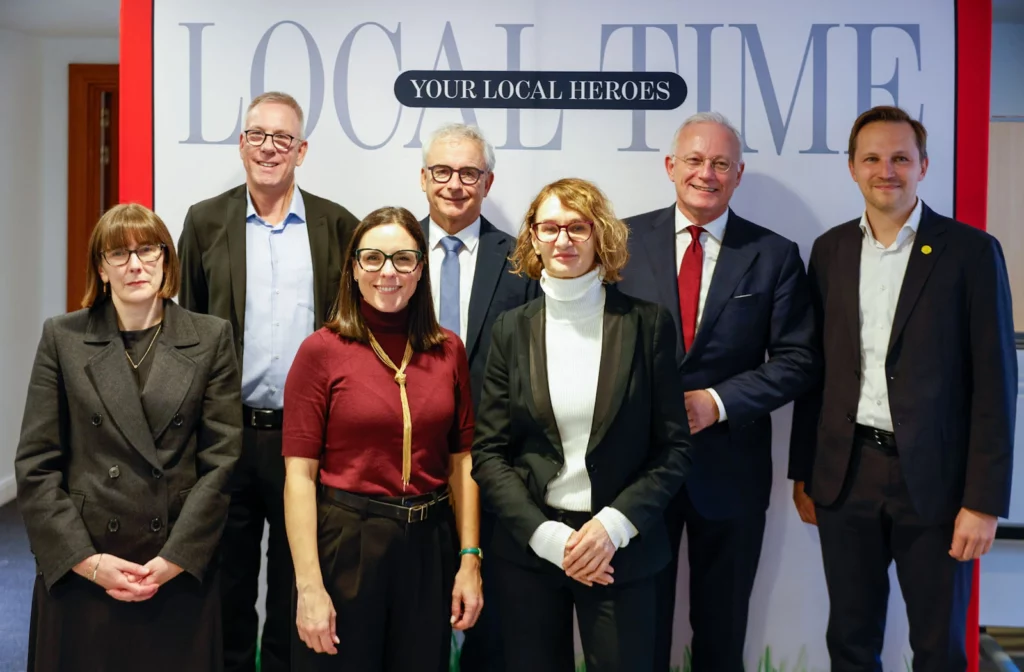
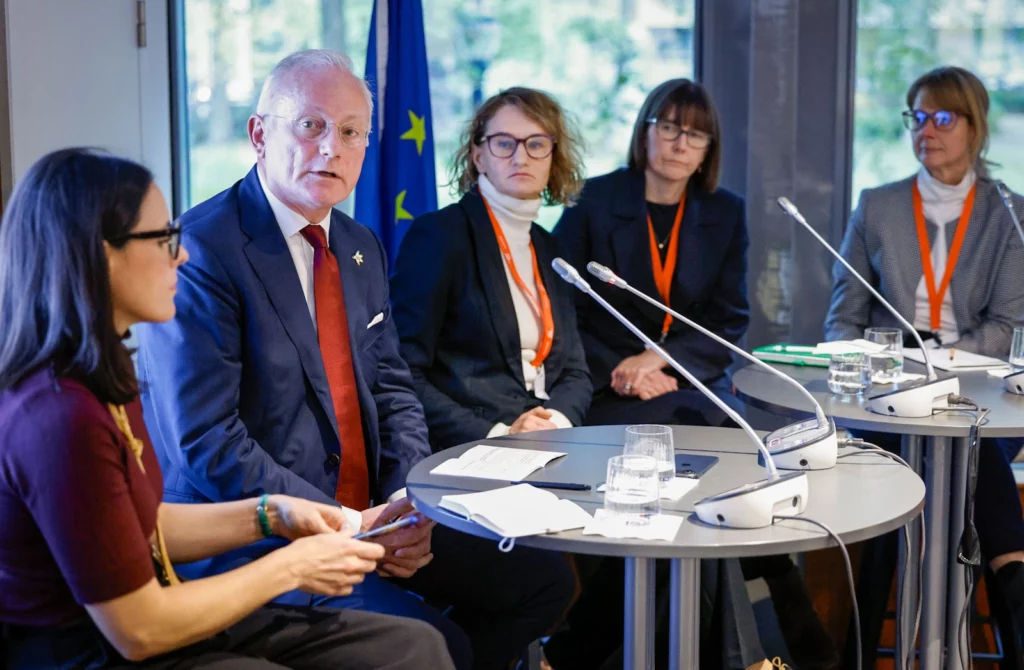
Speakers of the event (from left to right): Claragh Mulhern, Tilman Buchholz, Raquel Garcia Hermida-van der Walle, Christoph Schnaudigel, Renata Calak, Arjen Gerritsen, Matija Kovač
With the negotiations on the 2028-2034 Multiannual Financial Framework (MFF) still ongoing, Member States are already advancing their National and Regional Partnership Plans (NRPPs). In this perspective, as no earmark has been foreseen by the European Commission to promote the use of Integrated Territorial approaches such as Integrated Territorial Investments (ITI), Community-Led Local Development (CLLD/LEADER) and other similar tools, CEMR and DV focused the main debate on this matter.
“The Territorial Dimension and its place-based instruments can build on regional strengths through intermunicipal cooperation across the rural-urban continuum. They can make the benefits of European investment visible in everyday life, foster economic innovation and resilience, and bring Europe closer to its citizens.” Dr. Rene Peter Hohmann, Executive Director DV’s EU-Office.
An “operational” and not “symbolical” multilevel governance is needed
Opening the event, CEMR President Christoph Schnaudigel, who is also President of the County of Karlsruhe, called the territorial dimension “not a technical addition to Cohesion Policy” but “a core condition for its success”. He warned that a simpler policy on paper could be less effective in practice if it ignores how differently climate transition, demographic change, affordable housing and access to services play out in a capital city, a small municipality, an island or a mountain area.
He also stressed that partnership and multilevel governance “must be operational, not symbolic”, and that local and regional governments must be genuine partners in preparing, implementing and monitoring the NRPPs rather than only delivery contractors.
The case of Celje (Slovenia): an example of how to include the territorial dimension
Following those words, Matija Kovač, the Mayor of Celje (Slovenia), showed how the territorial dimension works in his town. “The ITI (Integrated Territorial Investment) in Celje is a good example of multi-level governance that is actually run by the cities and for the cities, and, of course, building on two programming periods’ experience since 2014, it has also built strong trust between the national organs, ministries, and the municipalities”, he said at the event.
“I think it is also a new way to include our knowledge and organisation in helping the national states to move on with the territorial decision.”
Predictability, flexibility, formal mechanisms for the NRPPs… different views in one high-level debate
The high-level discussion, “Quo Vadis Cohesion Policy?”, brought together policy makers from the European, national and regional levels, as well as MEPs and local elected representatives
According to Arjen Gerritsen, King’s Commissioner of Flevoland and CEMR spokesperson on the EU budget, the future funding architecture must deliver certainty, respect for territorial diversity, and support for integrated investments. He argued that Cohesion funding must remain identifiable and predictable within the NRPPs.
“We need predictable regional resources, mandatory regional coverage (or chapters), stronger territorial tools, and the right enabling conditions. Together, these elements can help ensure that the Cohesion Policy continues to support economic, social and territorial cohesion across all European regions”, he added.
Renata Calak, Director of the Strategy Department in the Ministry of Funds and Regional Policy in Poland, presented the first national perspective and stressed that “the new framework offers [Poland] both challenges and opportunities. ITIs are not foreseen in the new framework, but [Poland] will create [its] own national instrument to continue the work done on territorial approaches.”
Roundtable discussion, speakers (from left to right): Raquel Garcia Hermida-van der Walle, Arjen Gerritsen, Renata Calak, Claragh Mulhern, Anna Wagner
Following the Polish example, Claragh Mulhern, the Principal Adviser in the National Strategic Planning Department of Housing in Ireland, presented the Irish stance.
“In Ireland, we have undertaken a spatial strategy involving a balanced territorial approach. We look at everything across the broad in a coherent strategy, cross-sectors providing an opportunity at a national level to look at what those interventions might be across the country.”
The discussion later turned into a brief debate between Commissioner Anna Wagner, Head of Unit, Regional and Urban Policy, and the Member of the European Parliament Raquel Garcia Hermida-van der Walle.
While Wagner stressed that “the territorial dimension is anchored in the future framework through the European semester process and that for the first time there is a systematic and detailed territorial analysis, that will guide the national and regional partnership plans”, Garcia Hermida-van der Walle reiterated that “the partnership principle, multilevel governance, and the need of the local and regional governments in shared management need to be in the legal text, [as so far it is simply not in it]”. “It needs to be something that if member states don’t abide by the Commission will have to intervene”, she added.
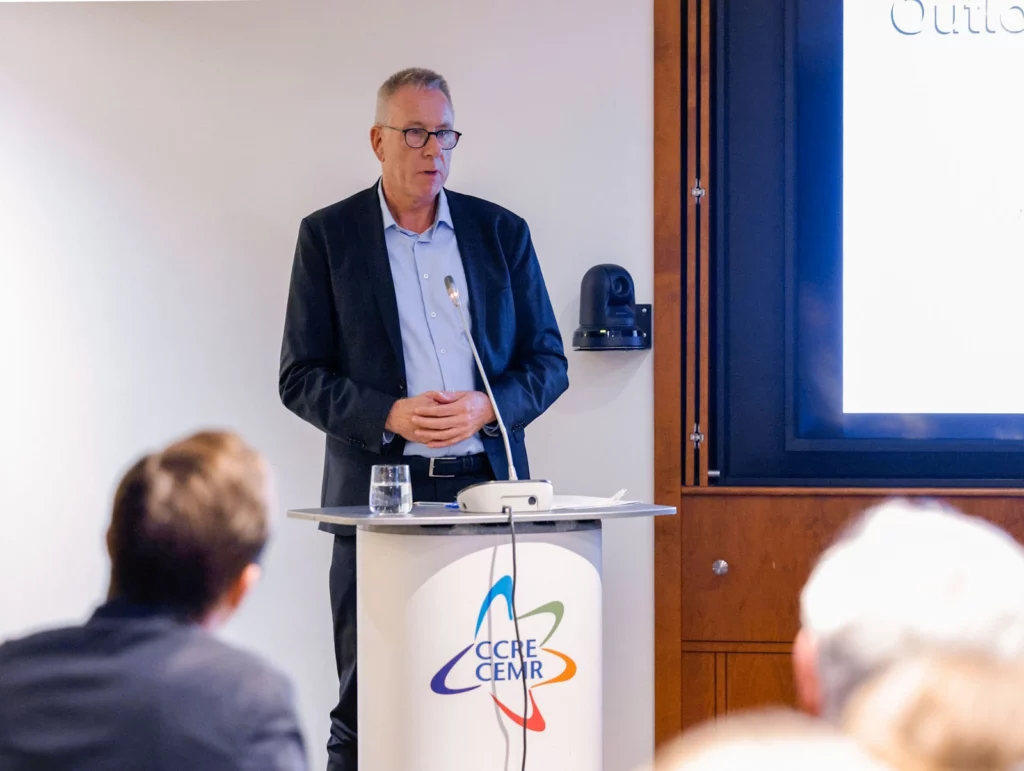
Future of Cohesion event, speaker: Tilman Buchholz
The event was wrapped up by Tilman Buchholzof the BMWSB, who reflected on a shared ambition to build a European coalition for balanced, integrated territorial approaches linking cities with their surrounding areas and complementing urban and rural development, as the MFF and NRPP negotiations move forward.
CEMR will continue to work with the European institutions, Member States and partners to ensure that Europe’s future investment policy is built on the knowledge, legitimacy and capacity of its territories.
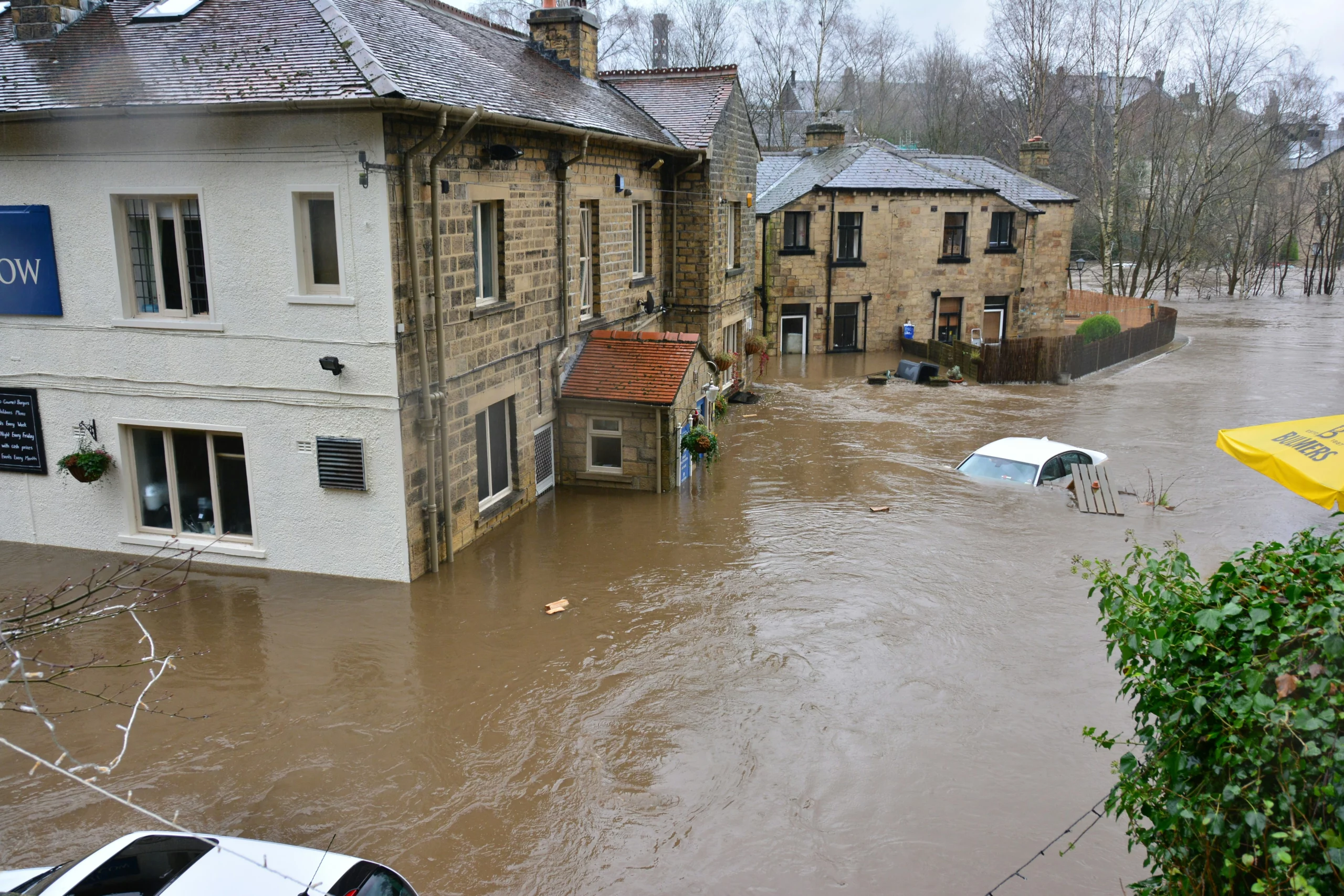
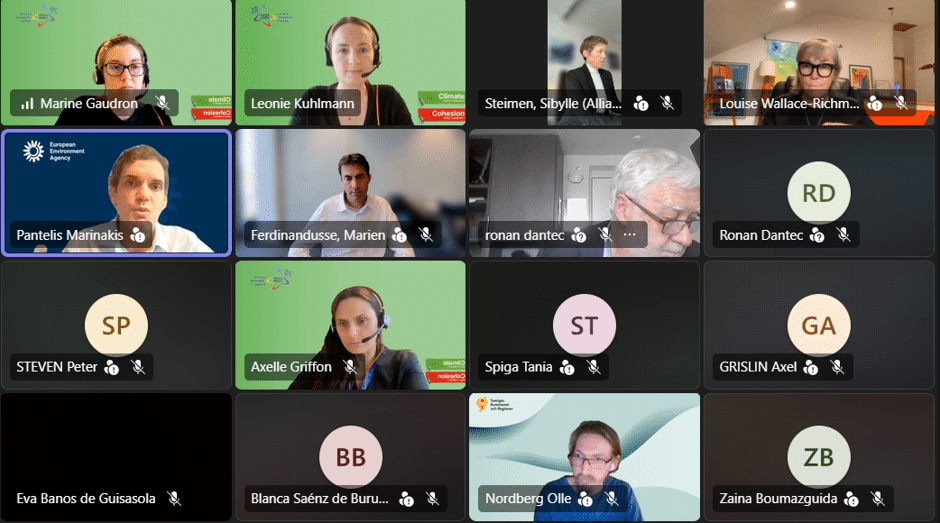
As climate-related disasters become a structural part of our reality, their financial consequences are placing growing pressure on local and regional budgets. By bringing together voices from local governments in Europe and Canada, European institutions and the insurance sector, CEMR led a webinar on 6 October on the evolving insurance landscape and its implications for local public finances.
The diversity of perspectives reflected the reality that climate risks do not respect administrative boundaries, and neither should the search for solutions. Opening the webinar, Federica Bordelot, CEMR Director for Policy, stressed that local and regional governments are facing rising insurance premiums, tighter coverage conditions and, in some cases, difficulties obtaining insurance for certain assets or activities. With climate insurance rapidly moving up the European policy agenda, Bordelot emphasised the importance of fully involving local and regional governments in the discussions.
“Climate risks materialise locally, and public infrastructure is managed locally and resilience in the end is built locally. There cannot be one-size-fits-all” – Federica Bordelot
CEMR webinar 2026
Ronan Dantec, Senator for Loire-Atlantique, France, and CEMR Spokesperson on Climate, pointed out the importance of solidarity and risk-sharing in the face of growing climate risks. Dantec recalled that “insurance is fundamentally based on pooling risks” and called for financial resources to be mobilised upstream to support adaptation and more resilient territories. He also highlighted the need for long-term financing mechanisms for local and regional governments.
“We are probably at a level of financial effort [on the scale of adaptation needs] that corresponds to [those] after World War II.” – Ronan Dantec
Understanding the insurance protection gap
Opening the panel discussion, Pantelis Marinakis from the European Environment Agency explained the growing climate insurance protection gap. Marinakis stressed that climate risks are systemic and can cascade through households, businesses, banks, insurers and public finances. He also presented insurance as part of a broader resilience approach and identified key priorities to close the protection gap, including increasing risk awareness and transparency, preserving affordable insurance, expanding risk-bearing capacity and strengthening public-private partnerships.
“The most durable way to keep insurance available and affordable is to reduce future losses through adaptation measures.” – Pantelis Marinakis
Marien Ferdinandusse from the Public Finance Division of the European Central Bank highlighted what a growing climate insurance protection gap means for public finances. When losses are uninsured, governments can ultimately become risk-bearers, while insurance helps households and businesses rebuild after extreme weather events. As climate risks increase, he underlined the need to move from a reactive to a more proactive approach through adaptation, fiscal preparedness, and measures to reduce the insurance protection gap.
Local and insurance sector perspectives
Louise Wallace-Richmond, Councillor in the City of Salmon Arm in British Columbia, Canada, brought an international perspective to the discussion. Drawing on her municipality’s experience, she highlighted the impacts of disasters on local infrastructure, budgets and communities. She put emphasis on clarifying responsibilities between levels of government, maintaining affordable insurance and protecting essential infrastructure.
Sibylle Steimen from Allianz brought the insurance sector perspective, stressing the importance of maintaining the broadest possible insurance market. She underlined the need to better inform customers about their exposure to risks and identified prevention and adaptation as essential to keeping insurance available and affordable. Steimen also pointed out that local adaptation measures can have a positive effect on insurance premiums.
As discussions turned to possible solutions to the climate insurance protection gap, participants exchanged on the role of adaptation, the impact of local measures on insurance premiums and the need for cooperation between public authorities and the insurance sector.
The recording of the webinar is available here. CEMR will continue exchanging with its members, engaging with the European Commission and supporting knowledge-sharing on this topic, especially as the European Commission is about to release an integrated framework for European climate resilience and risk management: the ‘Climate Insurance Alliance’. This webinar feeds into the future work and positioning of CEMR on these important initiatives.
Bridges of Trust Partnerships Award 2026: Europe’s dedicated award for municipal cooperation with Ukraine unveils its Ambassadors on 14 October
366 words
2–3 minutes
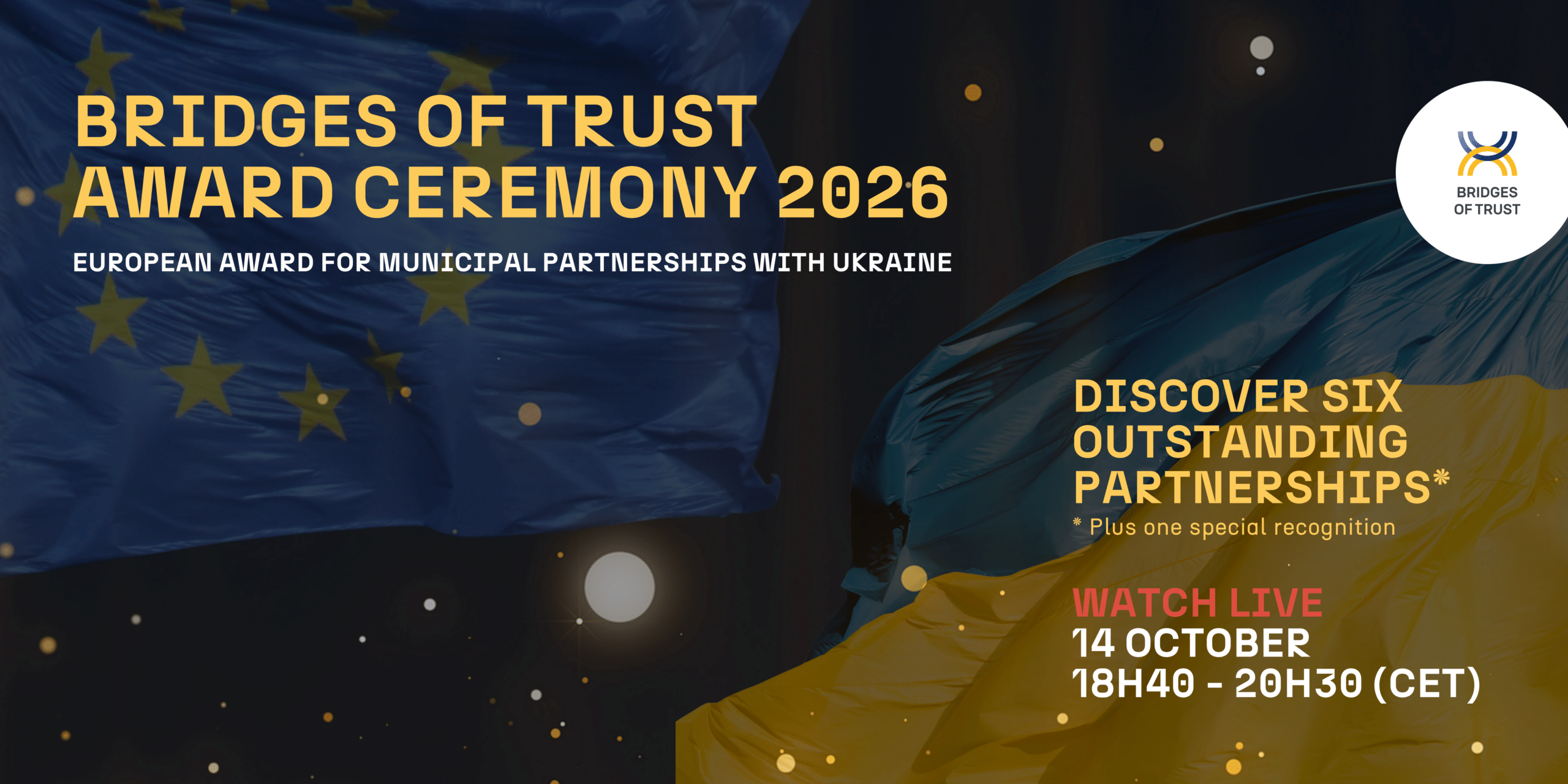
On 14 October 2026, the Bridges of Trust Award Ceremony will take place in Brussels, during the European Week of Regions and Cities, celebrating the first edition of an award for outstanding municipal partnerships between Ukraine and the rest of Europe. The ceremony will reveal and celebrate the six Bridges of Trust Ambassadors 2026, along with one special recognition.
The award was launched by the European Partnership Hub Secretariat (EPHS), hosted by the Council of European Municipalities and Regions (CEMR), together with the Bridges of Trust Community. It is supported by the EU and its member states through the U-LEAD with Europe programme.
Municipal partnerships with Ukraine
Town twinning has existed across Europe for decades, connecting towns, cities and regions through exchange, cooperation and shared projects. Since Russia’s full-scale invasion of Ukraine in 2022, many of these partnerships, along with new ones formed specifically in response to the war, have become active channels of support: vehicles, generators, hospital equipment, hosted refugees and staff exchanges, organised directly between municipalities.
Several of this year’s Ambassador partnerships also show cooperation moving in both directions, with Ukrainian municipalities sharing crisis-management and civil protection expertise with their European partners.
A range of partnerships
The selected partnerships reflect the diversity the Award set out to capture: partnerships from across different regions of Ukraine and Europe, spanning small, medium and large municipalities; working across different thematic areas; and including both long-standing twinnings and partnerships formed after the full-scale invasion, many of which have moved from immediate solidarity to sustained, mutually beneficial cooperation.
The call for applications was open to Ukrainian municipalities of all sizes and their partners in Bulgaria, Croatia, France, Germany, Italy, Latvia, Montenegro, the Netherlands, North Macedonia, Poland, Romania, Slovenia and Sweden. Applications were pre-selected by national and regional associations across these countries, then assessed by a jury of representatives from CEMR, U-LEAD with Europe and the European Committee of the Regions. The four Ukrainian associations of local governments validated the final selection.
Practical information Bridges of Trust Award Ceremony 2026 14 October 2026 | 18h40 – 20h40 (CET) Brussels
The Council of European Municipalities and Regions (CEMR) is deeply concerned about the arrest of Vahap Seçer on 6 October 2026, Mayor of Mersin Metropolitan Municipality, President of the Union of Municipalities of Türkiye (UMT), and CEMR Vice-President.
Mayor Seçer is the third President of UMT, CEMR’s member association in Türkiye, to be deprived of his liberty since the 2024 Turkish local elections. His arrest follows those of Ekrem İmamoğlu, Mayor of Istanbul Metropolitan Municipality, on 19 March 2025, and Zeydan Karalar, Mayor of Adana Metropolitan Municipality, on 8 July 2025.
These developments are part of a broader and deeply concerning trend. Since the 2024 local elections, more than 80 municipalities in Türkiye have had their mayors replaced, and over 30 mayors have been arrested. Among them is Sinem Dedetaş, Mayor of Üsküdar and a member of the CEMR Policy Committee, who was arrested in July 2026. Taken together, these events point to a continued erosion of local democracy in Türkiye, a trend CEMR has repeatedly raised concerns about.
CEMR reiterates that local elected representatives must be able to carry out their duties freely and without undue interference and calls on the Turkish authorities to:
Respect the democratic mandates entrusted to local elected representatives by citizens and uphold the principles of the European Charter of Local Self-Government;
Release arrested elected representatives and allow them to resume their mandates;
Ensure that UMT can operate freely and continue to be led by the representatives chosen by its members.
CEMR also calls on European institutions and the wider international community to stand in solidarity with democratically elected local representatives in Türkiye and to raise these cases in their dialogue with the Turkish authorities.
At a time when democracy is facing increasing pressure across Europe, protecting local self-government is more important than ever. CEMR will continue to follow developments closely and stands firmly alongside UMT and its members and partners in Türkiye.