UCLG World Congress 

South Korea - News Section

Come to Daejeon and take part in the largest gathering of local leaders!


Take part in the largest gathering of mayors, presidents of associations, local elected officers, and practitioners from around the world, from 10 to 14 October 2022 in Daejeon (South Korea).

Convened by United Cities and Local Governments (UCLG) and for the first time hybrid, the World Summit of Local and Regional Leaders and World Congress will be the heart of the municipal movement with thousands of elected officials, members of the civil society, partners and other stakeholders.  

In 2022, the Congress’ programme will be based around different tracks, namely the “Local Action” track, the “Town Hall” track, the “Statutory” track, the “Assembly” track and the “Daejeon” track. Those will echo the components of the “Power of We”, the power of the municipal movement to break through as one.

Daejeon will also allow you to experience the culture, community, and public service associated with digital technology.

For more information on the Congress and how to register, click here. Please note that early bird registration ends on 31 August. Also make sure to sign up here for the latest news leading up to Daejeon 2022.

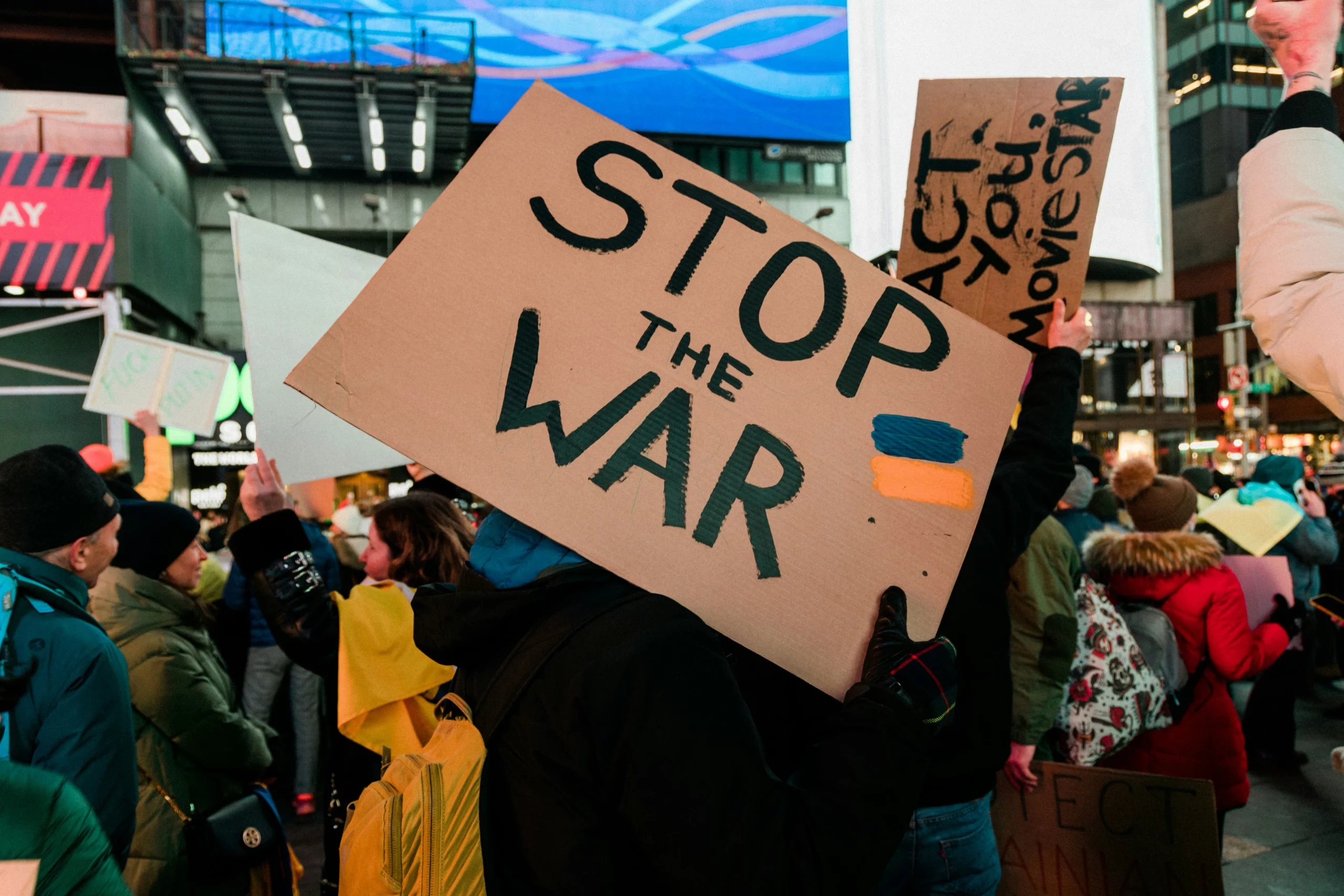
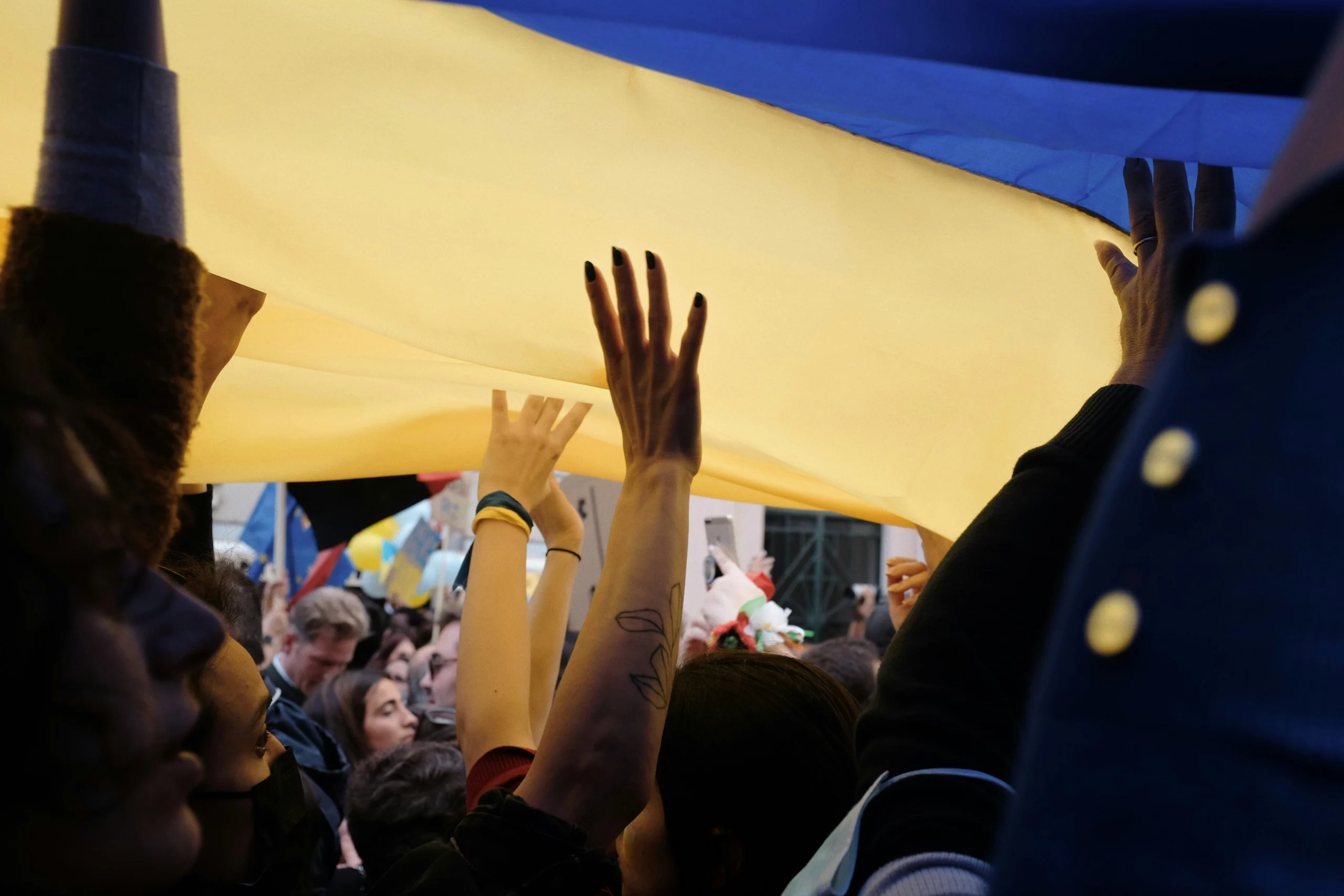
​Support for Ukraine

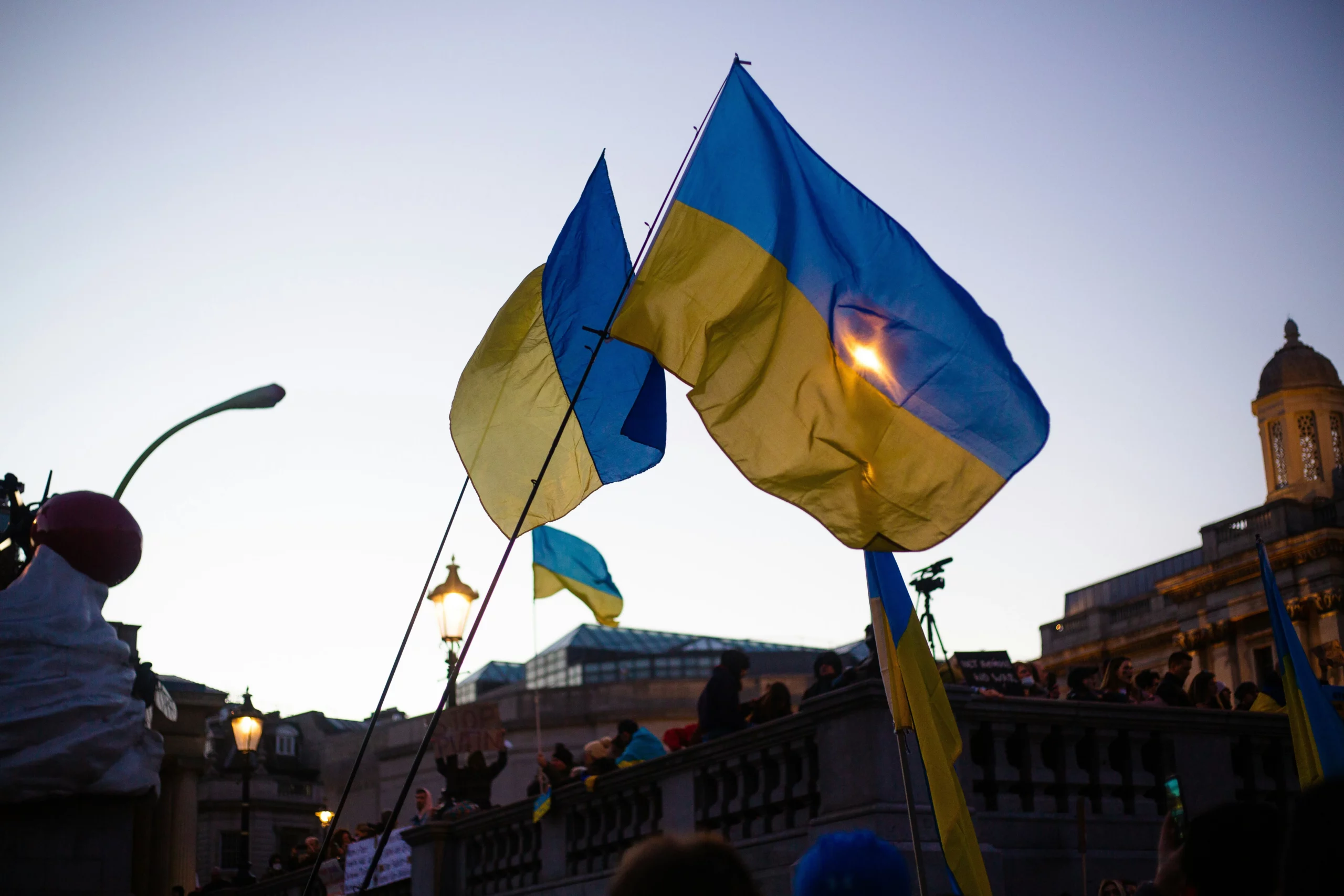
Ukraine flag - News section

The Luxembourg association SYVICOL launches a platform to shed light on local initiatives


What actions are Luxembourg municipalities taking to support Ukraine and its population? How can they gear up their efforts and operate within their means? The association of Luxembourg cities and municipalities, SYVICOL, provides a first set of answers to these questions, while also casting light on initiatives developed locally and on the global stage. 

Entitled “Support for Ukraine“, SYVICOL’s new platform reveals, for example, why elected officials from the city of Esch-sur-Alzette agreed to set up a twinning partnership with Stryi, a Ukrainian city located near the Polish and Slovak borders. Scrolling through the website, you will come across Ukrainescht Haus Stroossen, an initiative led by the municipality of Strassen to give Ukrainians who fled their country, a place to exchange, to spend some time and, if they want, to participate in activities.

The platform also provides municipalities with information it has access to through its relations with various international players and networks, including the CEMR. SYVICOL also collaborates with the Association of Ukrainian Cities and can establish contact between the latter and the Luxembourg municipalities that wish to do so.

Finally, the platform relays official information released by the national government and brings together in one place the contact details of several supporting NGOs.

Available in English and French, the new platform will be regularly updated.

Did you know?

Many of CEMR’s member associations have set up sections of their websites dedicated to Ukraine where you can follow their latest activities. You will find a non-comprehensive list of these sections at the bottom of this page.

8th UCLG World Congress 

UCLG - News section

Call for the 8th UCLG World Congress in 2025


The triennial UCLG World Congress is a critical moment for the international movement of local and regional governments, gathering local elected representatives and their partners at an event so powerful it demands the spotlight on the global stage. What once began as a meeting point, the Congress has evolved into a complete experience that now encompasses various themes, and formats and encapsulates the diversity of our century-old movement. This Congress should count on more innovation, interaction, inclusion and input than ever before, culminating not only in our renewed vision, but also in policy documents to guide a unified and collaborative approach to implementing local solutions.

The 2025 Congress should remain a place for mayors, councillors and presidents of regional authorities and their associations to come together, while providing space for the full constituency, and an increasing number of partners, such as the Global Taskforce and other stakeholders.

The new reality has inevitably generated new technological needs. In this sense, the 2025 Congress will need to include a strong hybrid component to allow both in-person and online participation, which will make the Congress more accessible for all of our constituency.

The UCLG Presidency and members of the UCLG World Council are looking for innovative proposals that will be able to accommodate the ideas stated above and host this world‑class event.

Please find here the call for candidatures for the 8th UCLG World Congress with the requirements for presenting a candidature.

If you think your city or local government association can meet this exciting challenge, our World Secretariat very much looks forward to receiving your proposal.

Candidatures should include the following items in one of the three working languages of UCLG (English, French or Spanish): 

  • A letter of motivation explaining why the local/regional authority would like to host the event;
  • An expression of agreement with the Terms of Reference for the 8th UCLG Congress in 2025;
  • Explicit acceptance of the minimum financial and administrative conditions, which will be further defined in cooperation with the Financial Management Committee;
  • A draft budget that will provide an idea of the dimension of the envisaged event;
  • A logistical dossier with information about the venues and facilities;
  • A brief concept note with ideas about possible themes.

For further information or to present a candidature, please write to the attention of the UCLG Secretary General at UCLGExBu@uclg.org before 5 September 2022.  

UCLG 2023 Culture Summit

Calendar - Conference banner

Apply to become the host city of the UCLG 2023 Culture Summit!


The Culture Summit has become a major event for UCLG. After the success of the Summits previously held (Bilbao in 2015, Jeju in 2017, Buenos Aires in 2019 and Izmir in 2021), and considering the growing importance of culture in the framework of sustainable cities, UCLG has decided to convene a 5th UCLG Culture Summit in 2023. 

The UCLG Culture Summit is a unique global event. It responds to the growing importance of culture in local development, a fact that has been evidenced in all continents at least since the beginning of the 21st century, and more than ever since the recent global crisis generated by the Covid-19 pandemic. 

We invite you to check the Terms of Reference of the 5th UCLG Culture Summit. Direct or indirect members of UCLG can apply to be the host city by 2 September 2022 in writing to the UCLG World Secretariat: UCLGExBu@uclg.org, putting in copy: culture@uclg.org.

Policy Committee Meeting

Policy committee in Turkey - News 2022

Young local leaders: time “to go beyond the simple notion of ‘youth'”


Empowerment and representation: these are the keywords defining the work of the Committee of Young European Elected Officials run by CEMR and PLATFORMA. Cemal Baş, Councillor of the Municipality of Keçiören (Turkey), spoke on behalf of this network, which is currently being rebuilt, at CEMR’s Policy Committee in Bologna (4-5 July 2022).

The network’s aspirations go “beyond the simple notion of ‘youth’, since it is above all about supporting young leaders in their becoming familiar with the major European issues and opportunities for the local and sustainable development of territories while enabling them to bring the voice of CEMR, PLATFORMA and their own local authority to international discussion forums.

Gathered in Italy for two days, CEMR’s members were able to take stock of the association’s main orientations and thematic projects. It was an opportunity to highlight for the first time the development of the Young Elected Officials Committee. Cemal Baş stressed that this “network is growing and is today giving the possibility to strengthen the voice of European local and regional governments.

After a break of several months, this group of young European leaders has been reviving since the spring 2022, in a context marked by the European Year of Youth. So much so that today, it brings together more than fifteen elected representatives under the age of 40, from the four corners of Europe: Austria, Georgia, Germany, Greece, Italy, Latvia, Malta, the Netherlands, Portugal, Romania and Turkey.

Beyond their nationality, the diversity of the members of this network is embodied in their different areas of expertise. As was pointed out to the members of the CEMR Policy Committee, “each young leader has his or her own field experience and expertise in relation to the public policies implemented in his or her area.” This is a real strength for pursuing the objectives of the Committee of Young Elected Representatives and promoting the interests of Europe’s local and regional governments at the European and global levels.

In concrete terms, recent weeks have seen João Fortes, Mayor of the Portuguese municipality of Mourão, bring the voice of European local and regional governments on youth and sustainable development to the Africities Summit organised by UCLG Africa in Kenya. Hannah-Lea Braun, elected member of Maichingen Local Council in Germany, will also participate in the UN High Level Political Forum on the Sustainable Development Goals (HLPF) in New York.

All the perspectives raised during this presentation will be at the heart of the first meeting of the Committee of Young European Elected Representatives in autumn 2022, while a spokesperson will be appointed to CEMR’s Policy Committee by the end of the year. In the meantime, the next few weeks will allow us to enlarge this network of young European local leaders, as CEMR members are invited to nominate two local elected representatives.

PL-UKR Solidarity Forum

Mayors in Ukraine - News 2023

Polish and Ukrainian local leaders plan cooperation and reconstruction efforts


More than 170 representatives of local governments met online at the Poland-Ukraine Local Solidarity Forum on 14 June. The participants discussed how to help Ukrainian partners, listened to Ukrainian mayors whose towns have been affected by Russian aggression and outlined prospects for future cooperation.

The Forum was co-organized together with the U-LEAD with Europe Programme and the Association of Polish Cities, in the framework of CEMR’s Bridges of Trust project.

Vyacheslav Nehoda, Ukraine’s Deputy Minister for Communities and Territories stressed that cooperation at the local level will be crucial, especially for reconstruction and the restarting of economic activities.
These comments were echoed by Tomasz Ostropolski, representing the EU Delegation in Ukraine, saying: “During the reconstruction of Ukraine, the municipalities will be integrated and take an active part as pillars and catalysts of development.”

EU municipalities also have a prominent role to play in supporting Ukraine. Zygmunt Frankiewicz, President of the Association of Polish Cities, noted that Polish society is uniting to help Ukraine and that cooperation between the two countries’ local government bodies will only improve, particularly with respect to reconstruction.

Lilia Furtus, First Secretary of the Embassy of Ukraine in Poland, thanked Polish local governments and the Polish people for the determination with which they are helping Ukraine. She stressed that “we must join efforts to end this war, we need military aid, humanitarian aid and support in the reconstruction of Ukraine.”

Support can also come in the form of multi-stakeholder projects involving local governments. Bastian Veigel, GIZ Programme Director of U-LEAD with Europe, added that this project provides much-needed tools to communities affected by Russian aggression and will help in the post-war reconstruction of the country.

Ukrainian cities: living with war

In the second part of the meeting, the mayors of two Ukrainian cities shared their perspectives. Volodymyr Shmatko, mayor of Chortkiv in the Ternopil region of western Ukraine, reminded that in the process of decentralisation, Ukrainian local government officials have benefited greatly from Polish experience.

Since the intensification of Russian aggression, nearly 3,000 internally displaced persons have arrived in Chortkiv, a city of 30,000. The local government has received humanitarian aid from various sources, including the Polish city of Leżajsk. More than 100 tonnes of aid has been split between Chortkiv and municipalities in the Sumy and Kharkiv regions.

The mayor of Irpin, Kyiv region, Oleksandr Markushyn, emphasized the need for international support for the post-war reconstruction of Ukraine. He also noted that projects for such reconstruction are already being prepared by the city. “Irpin will not be able to cope with the problem of reconstruction by itself”, he said. “Before the war, our city was prosperous and one of the richest small cities of Ukraine, a pro-European city, very beautiful. Today, it is very painful to watch when 50% of our city is in ruins.”

Polish cities stand with Ukraine

The third part of the meeting was devoted to examples of activities undertaken by Polish cities. Kamil Czyż, Director of the Department of City Brand, Economic Cooperation and Tourism of Rzeszów, outlined the scale of assistance provided to newcomers from Ukraine. The city received the honourable title of “rescuer city” awarded by Ukrainian President Volodymyr Zelensky.

Chełm, a city of 60,000 people, has received nearly 25,000 Ukrainians. Great importance was attached to providing psychological support to people from Ukraine after traumatic experiences. Dorota Cieślik, Deputy Mayor of Chełm, explained the new task of helping transfer people who decide to return to Ukraine.

The last guest of the Forum was Paweł Kost, Director of the International Solidarity Fund PL in Ukraine. The Fund has been operating in Ukraine for 10 years. After 24 February, the organisation re-evaluated its activities and is now focused on providing humanitarian aid and also building capacities in social, educational and healthcare services.

At the end of the event, Ukrainian municipalities were encouraged to leave their contact information if they were looking for partners in Poland. This information was shared during the World Urban Forum (WUF) in Katowice and on the website of the Association of Polish Cities.

Annual Report on SDG

SDG Report - News

Our annual report on the Sustainable Development Goals (SDG) goes digital


Available for the first time in an online format, PLATFORMA and CEMR have just published their fifth annual study on the localisation of the Sustainable Development Goals (SDGs). Released on the occasion of the UN High-Level Political Forum on Sustainable Development (HLPF) in New York, discover this innovative publication today at local-sdgs.eu

This study gathers the most recent information on how and to what extent associations and networks of local and regional governments have been involved in the localisation of the SDGs, both in Europe and with their global peers, and in particular during the COVID-19 pandemic. This year’s survey therefore included questions on the SDGs’ implementation since 2015 and the impact of the COVID-19 crisis. In the last two sections, there were also additional questions regarding Voluntary Subnational Reviews (VSR) and decentralised cooperation.

It gathers 63 answers from 28 European countries, 37 associations of local and regional governments and 18 municipalities and regions.

Main recommendations

Six main recommendations came out of this study, targeting EU institutions, national governments and local and regional governments and their national associations:

  1. The European Commission should report regularly on any progress made in achieving the Sustainable Development Goals (SDGs)  at the EU level and indicate how the different levels of governance have contributed to this process.
  2. We encourage associations of local and regional governments to actively take part in the Voluntary Subnational Reviews (VSR) process.
  3. Local and regional governments (LRGs) are calling for the firm recognition and inclusion by national governments of the role of LRGs and their associations in the monitoring and reporting of progress in the implementation of SDGs at the national level.
  4. European states and the EU need to strengthen their dialogue with the subnational levels and include them in any relevant high-level delegation meetings.
  5. Strengthen international cooperation to achieve the 2030 Agenda at the local and regional levels.
  6. There is still a need to localise and territorialise the SDGs through the deployment of appropriate funds and resources.

This study will be presented by a PLATFORMA-CEMR delegation at different events during the second week of the High-Level Political Forum on Sustainable Development (HLPF) taking place in New York between 5 and 15 July 2022.
This delegation is composed of:

  • Fabrizio Rossi, CEMR Secretary General
  • José Hila, Mayor of Palma de Mallorca (Spain, FEMP)
  • Hannah-Lea Braun, Member of Maichingen Council (Sindelfingen, Germany) and the CEMR Young Elected Officials Committee
  • Luis Salaya, Mayor of Cáceres (Spain, FEMP)
  • Valérie Dumontet, Vice-President of Aude Region (France, Cités Unies France)
  • Pilar Díaz, Mayor of Espluges de Llobregat, Deputy to the Presidency, Delegate for International Relations at the Diputació de Barcelona (Spain, Barcelona Provincial Deputation – DIBA)
  • Jan van Zanen, Mayor of The Hague (Netherlands, VNG International)

Directors, advisers and technicians from CEMR, the City of Paris, DIBA, FEMP, the Norwegian Association of Local and Regional Authorities (KS), UCLG and VNG International are also attending HLPF this year.

Annual report on SDGs goes digital

PLATFORMA - banner 3

Our annual report on the SDGs goes digital at the UN High-Level Political Forum on Sustainable Development (HLPF)


Available for the first time in an online format, PLATFORMA and CEMR have just published their fifth annual study on the localisation of the Sustainable Development Goals (SDGs). Released on the occasion of the UN High-Level Political Forum on Sustainable Development (HLPF) in New York, discover this innovative publication today on local-sdgs.eu

This study gathers the most recent information on how and to what extent associations and networks of local and regional governments have been involved in the localisation of the SDGs, both in Europe and with their global peers, and in particular during the COVID-19 pandemic. This year’s survey therefore, included questions on the SDGs’ implementation since 2015 and the impact of the COVID-19 crisis. In the last two sections, there were also additional questions regarding Voluntary Subnational Reviews (VSR) and decentralised cooperation.

It gathers 63 answers from 28 European countries, 37 associations of local and regional governments and 18 municipalities and regions.

Main recommendations

Six main recommendations came out of this study, targeting EU institutions, national governments and local and regional governments and their national associations:

  1. The European Commission should report regularly on any progress made in achieving the Sustainable Development Goals (SDGs) at the EU level and indicate how the different levels of governance have contributed to this process.
  2. We encourage associations of local and regional governments to actively take part in the Voluntary Subnational Reviews (VSR) process.
  3. Local and regional governments (LRGs) are calling for the firm recognition and inclusion by national governments of the role of LRGs and their associations in the monitoring and reporting of progress in the implementation of SDGs at the national level.
  4. European states and the EU need to strengthen their dialogue with the subnational levels and include them in any relevant high-level delegation meetings.
  5. Strengthen international cooperation to achieve the 2030 Agenda at the local and regional levels
  6. There is still a need to localise and territorialise the SDGs, through the deployment of appropriate funds and resources

This study will be presented by a PLATFORMA-CEMR delegation at different events during the second week of the High-Level Political Forum on Sustainable Development (HLPF) taking place in New York between 5 and 15 July 2022.

This delegation is composed of:

  • Fabrizio Rossi, CEMR Secretary General
  • José Hila, Mayor of Palma de Mallorca (Spain, FEMP)
  • Hannah-Lea Braun, Member of Maichingen Council (Sindelfingen, Germany) and the CEMR Young Elected Officials Committee
  • Luis Salaya, Mayor of Cáceres (Spain, FEMP)
  • Valérie Dumontet, Vice-President of Aude Region, (France, Cités Unies France)
  • Pilar Díaz, Mayor of Espluges de Llobregat, Deputy to the Presidency, Delegate for International Relations at the Diputació de Barcelona (Spain, Barcelona Provincial Council – DIBA)
  • Jan van Zanen, Mayor of The Hague (Netherlands, VNG International)

Directors, advisers and technicians from CEMR, the City of Paris, DIBA, FEMP, the Norwegian Association of Local and Regional Authorities (KS), UCLG and VNG International are also attending HLPF this year.

More

For more information, contact:

CEMR in Kyiv

Bridges of Trust Branding - News 2024

“Meeting Mayor Klitschko in Kyiv was a true experience”


This op-ed was originally published in Euractiv and was authored by CEMR secretary general, Fabrizio Rossi, upon his return from Kyiv in June 2022. 

When I found myself sitting at the same table with Mr Vitali Klitschko in a rooftop restaurant in Kyiv last June, I was able to measure both the charisma and authenticity of the multiple world boxing champion and current Mayor of Kyiv.

Although I had known about Vitali Klitschko and his brother as sports icons and tough, powerful and extremely technical boxers, before meeting him I had no idea what to expect. After spending half a day with him in Kyiv, I can say that he is a leader that cannot hide: he is totally himself.

It is quite rare to meet a political leader who is not tempted to provide complacent answers to satisfy his audience and interlocutors. Mayor Klitschko seems uninterested in any of this and stirred only by his determination to strive, overcome challenges and move forward.

When I asked him how he managed to keep the Russian forces away when they have already kidnapped more than 50 local elected politicians from across the country, he reacted by instinct: “well, if the Russian come to me, I’ll be ready.” He paused, looked at me resolutely and resumed: “sometimes people call me and say: ‘Vitali, you should hide, they are looking for you.’ But for a person like me it’s hard to hide. Once they called in the middle of the night while I was perlustrating the city with my staff and they told me to hide underground: ‘Russians are looking for you!’ We  found a ruined building and spent the night sleeping on the floor.”

It was at that moment that I realised that Mr Klitschko had again become an icon. This time the tremendous admiration and respect for him comes from local elected politicians all over Europe. These local leaders who indeed cannot hide before the urgent and crucial responsibilities they are facing: from climate change to social inequalities, economic recovery and even war. To them Mayor Klitschko has become a true reference. Someone that leads by example. A leader that walks the talk.

Mr Klischtko may be the most famous of Ukraine’s local leaders, but many more are also selflessly sacrificing and risking their lives every day in this war. Mayors, district leaders and local public workers across Ukraine have continued to heroically serve their people in the most trying of circumstances. Conditions vary greatly by territory. Local governments in areas of heavy fighting work to evacuate residents and provide water and basic supplies despite regular shelling and bombardments.

In territories that have been de-occupied since April, mayors are already beginning the work of reconstruction, the restoration of damaged buildings being especially important to achieve before the onset of winter. Local governments in other parts of the country are coping with the massive influx of internally displaced people and the need to house them and integrate them into local life.

It is humbling to see this work undertaken by mayors and local leaders despite the looming threats of kidnapping and death. Ukraine’s local government associations have also been working hard since the beginning of the conflict: coordinating aid provision, identifying the diverse needs of different territories and facilitating contact with their European supporters.

Local and regional government associations across Europe have been doing their part to support Ukraine during this difficult time. The Association of Towns and Communities of Slovakia has sent thousands of packages of various medical supplies. In the UK, the Local Government Association has called for new powers to lawfully exclude companies supporting Russia from winning public contracts. Meanwhile the Network of Associations of Local Authorities of South-East Europe (NALAS) was among the first to provide emergency financial assistance to the Association of Ukrainian Cities; and many other associations have followed suit. These examples are only the tip of the iceberg when it comes to what has been achieved and undertaken.

Local leaders’ engagement in support of their Ukrainian peers and in handling the direct and indirect consequences of this war is just a further confirmation that in this new era of systemic crisis, territorial leadership is the basis on which to build our responses. At the Council of European Municipalities and Regions (CEMR) we are receiving very encouraging signs of the strong willingness of local and regional governments to play a crucial role in the postwar recovery.

The Mayor of Kyiv is ready to take up the task. “Reconstruction efforts should focus on grassroots projects and be designed by local communities”, he told me. During our bilateral meeting he emphasised the urgent need for short-term support to build key infrastructures in the Kyiv city area such as new fire stations.

This is one of the projects we at CEMR are gathering support for. Our taskforce on the war against Ukraine meets regularly to coordinate local and regional governments’ support to Ukraine and ensure political, material and financial aid is meeting the most urgent needs on the ground.

Hopefully, many other projects will be discussed at the occasion of my next visit to Mr Klitschko in Kyiv. The Mayor of Ukraine’s capital invited me to come for a longer visit next time and reassured me in his inimitable style: “If you are concerned about your security, I would like to reassure you, that you’ll have the two toughest bodyguards in town: my brother and myself!”

Political Debate on AI

AI - News Section

AI and local adaptation: an essential antidote to climate chaos


From automatic translation and the detection of cancer cells to the promise of self-driving cars, artificial intelligence (AI) is already transforming work and processes in many areas of life. But this revolution, which will only intensify in the coming years, also concerns public services and, in particular, local and regional governments.

This is particularly true in the area of climate change adaptation, given that meteorological risks are as diverse as the patchwork of the world’s territories. That’s why CEMR held a political debate on AI and climate adaptation in Bologna on Monday (4 July), featuring national, regional and local political leaders, as well as academic and international experts.

Stefano Bonaccini, the president of CEMR and of the Emilia-Romagna Region, highlighted Bologna’s hosting of the supercomputers of the European Centre for Medium-Range Weather Forecasts (ECMWF). “This is a data centre for the entire European Union, containing some of the most powerful supercomputers in the continent”, he said. “By forecasting meteorological risks, the Centre contributes to shaping the most appropriate local and regional actions to adapt to an increasingly unstable climate.”

Such data will be sorely needed. European territories are increasingly being devastated by wildfires, floods and other extreme weather events. Andreas Wolter, the Mayor of Cologne, underlined that last year floods in Germany and Belgium killed almost 250 people and inflicted €20-40 billion in damages. The summer of 2021 was also the hottest on record in Europe, reaching 48.8 degrees Celsius in Sicily in August.

Patrizio Bianchi, the Italian Minister of Education, stressed the importance of AI and data to developing local, national and European responses to climate change and potential disasters. “We need data, data, data, and more data! And the capacity to elaborate on this data”, he said. “We are using this data to improve our capacity to live well and healthily, as well as to avoid war and disasters.”

Minister Bianchi stressed that Bologna’s data centre is one node in a pan-European system of climate simulations and that cooperation at all levels is key. He also emphasised that AI cannot substitute for human collective intelligence and civic responsibility: “The only real danger is human stupidity. We can avoid this by returning to the basic values of our democracies.”

Combined European and local action

Reports from the Intergovernmental Panel on Climate Change (IPCC) increasingly suggest that we will not achieve the Paris Agreement’s goal of limiting the global rise in temperatures to 2 degrees Celsius. As such, local climate adaptation will be necessary in addition to mitigation through reduced global emissions.

The European Union is taking numerous actions to anticipate and adapt to climate risks. These include the Copernicus Earth satellite observation programme, the Destination Earth digital model of our planet’s environmental system and a barrage of legislation and funding as part of the European Green Deal.

One European project particularly concerning local and regional governments is the Covenant of Mayors. The towns and regions making up the Covenant’s 11,000 signatories, covering 341 million inhabitants, all commit to taking measures to decarbonise their economies and proactively adapt to climate change.

The European Commission’s scientific body, the Joint Research Centre (JRC), regularly produces data-based studies on local climate risks and adaptation. These notably help identify the most coherent and effective actions to be undertaken in different localities, as well as flagging sometimes neglected issues such as social inequalities.

Public data and models are key to designing effective local adaptations

Enrico Biffis, Associate Professor of Actuarial Finance at Imperial College London, stressed the importance of data and accurate climate models to take the most relevant local adaptation actions. “If we don’t get it right the costs are going to be huge. Some of these projects are multi-year, 10, 20, 30 years”, he said. “You cannot just backtrack 10 years down the line. It’s imperative to get it right.”

Mayors and other local and regional elected leaders shared their experiences and challenges regarding climate adaptation. Michaël Quernez, Mayor of Quimperlé, Vice-President of Brittany and Secretary General of CEMR’s French association (AFCCRE), cited the problems of climate data becoming privatised. “In France, for a mayor like me to access to data from Météo-France (a public weather forecaster), he must buy it”, he said. “What can we do to ensure this is public data and it is not marketized?”

This is just one of the issues that local and regional representatives can raise among national and European policymakers. One thing is for certain: we need accurate information and cooperation at all levels if Europeans are to fight and adapt to climate change.