People first in Europe’s mobility shift

Mobility - News

Sustainable and smart mobility must be built with, not just for, cities and regions


That’s the core message from the Council of European Municipalities and Regions (CEMR) in response to the European Commission’s Sustainable and Smart Mobility Strategy. While CEMR supports the EU’s ambition to link transport policy with the Green Deal and Digital Agenda, it urges stronger recognition of the essential role local and regional governments play in achieving climate and mobility goals. 

CEMR highlights that sustainability cannot come at the expense of connectivity, accessibility, affordability, safety and health. Local authorities must be empowered to strike the right balance between environmental ambition and citizens’ everyday mobility needs, whether in dense city centres, suburbs, or rural areas. 

Key messages from CEMR include: 

  • Partnership across levels of government is vital. Local mobility strategies must be developed in coordination with national and EU institutions, with clear roles, shared responsibilities, and sufficient funding. 
  • Flexible, inclusive planning tools, like Sustainable Urban Mobility Plans (SUMPs), should be strengthened, not standardised. Cities and regions need adaptable frameworks that reflect their unique territorial challenges. 
  • More funding and clearer access are needed for local mobility infrastructure, including investments through the Recovery and Resilience Facility, Connecting Europe Facility, and Horizon Europe mission for 100 climate-neutral and smart cities. 
  • Policy support must go beyond technology. Behavioural change, active mobility, shared mobility and smart spatial planning are just as important as electric vehicles and digital tools. 

CEMR also calls for better regulation on key issues such as alternative fuels, intelligent transport systems, public transport governance, and micromobility. At the same time, it stresses the need for EU-wide data platforms and speed adaptation systems to improve safety and enforcement. 

In short, Europe’s transport transformation will only succeed if local realities shape the road ahead. Sustainable mobility starts where people live, and local governments must have a central seat at the table. 

Read the full position paper  

For more information, contact: 

Localising the European semester

Localise EU Semester - News

CEMR-EPSU project shows local governments and social partners remain under-involved in shaping EU economic governance


The European Semester, introduced in 2010 to coordinate national economic, employment, and social policies across the EU, has become the backbone of EU economic governance. Its annual cycle guides Member States’ reforms and budgets under the Stability and Growth Pact and the Europe 2020 strategy. Yet, despite its importance, the role of local and regional governments (LRGs) and social partners in this process remains limited. 

A joint project by the Council of European Municipalities and Regions (CEMR) and the European Public Service Union (EPSU), carried out between 2018 and 2020, examined how and why subnational actors are involved in the Semester. It assessed the rationale for their participation (“why”), the mechanisms used in different Member States (“how”), and the quality of this involvement (“how well”). 

Findings suggest that while LRGs are increasingly acknowledged, their input often depends on existing national dialogue structures and the political will of central governments. Social partner organisations, particularly trade unions representing the local government sector, are even less involved, with national peak organisations rarely consulting their membership in depth before feeding into the process. 

The project also highlighted good practices: more systematic consultations, stable structures for dialogue, and efforts to ensure that recommendations (Country-Specific Recommendations, or CSRs) reflect local realities. However, in many cases, LRGs and social partners have little influence over the drafting and implementation of National Reform Programmes (NRPs), undermining ownership of the Semester. 

From a broader perspective, the research confirmed that EU recommendations are more likely to be followed when countries face strong market pressures, when reforms are tied to EU financial rules, or when smaller states seek EU legitimacy for their policies. But there is still a gap in understanding whether stronger involvement of LRGs and social partners leads to better implementation of reforms, a gap that future research should address. 

The report concludes that the Semester can only be effective if it becomes more inclusive. To strengthen ownership and impact, national governments and EU institutions must ensure that local and regional governments, as well as social partners, are systematically and meaningfully involved in shaping and implementing economic and social reforms. 

Read the study here 

For more information, contact: 

Local waste water policy 

Water Management - News

CEMR urges a proportionate, flexible and locally tailored approach to EU waste water reforms 


As the European Commission advances its revision of the Urban Waste Water Treatment Directive (UWWTD), the Council of European Municipalities and Regions (CEMR) welcomes the opportunity to modernise the framework in line with the Green Deal and today’s environmental challenges. 

However, CEMR stresses that a one-size-fits-all approach will not work. Instead, the revised directive must reflect the diversity of local conditions, be rooted in risk-based assessments, and align with the subsidiarity principle, allowing national and local authorities to tailor implementation to their context. 

Key concerns raised by CEMR include: 

  • Proportionality and impact: Efforts should focus where they matter most, on larger treatment plants and high-risk areas, rather than extending rigid requirements to small agglomerations or individual systems, which often pose far lower environmental risk. 
  • Stormwater overflows and urban runoff: These should be managed through a coordinated, risk-based approach under existing national plans and the Water Framework Directive, avoiding duplication and overregulation. 
  • Nutrient removal: CEMR supports stricter phosphorus thresholds in sensitive areas and encourages phosphorus recovery but calls for flexibility on nitrogen removal in colder climates where existing targets are technically or economically unfeasible. 
  • Circular economy: The revision should promote pollution prevention at source, enforce the polluter pays principle, and support raw material recovery and energy efficiency across the waste water chain. 

CEMR also calls for coherence across EU legislation, including alignment with the Water Framework Directive, and clear, proportionate reporting obligations for local and regional governments. 

Local best practice: inspiration from the Netherlands 

CEMR highlights Dutch municipalities as a model of innovation in tackling stormwater overflows and integrating water management into urban design. The “water square” in Rotterdam, for example, combines stormwater buffering with vibrant public space, showing how smart spatial planning can enhance both environmental outcomes and quality of life. 

In short, the revision of the UWWTD is a vital opportunity, but success will depend on flexibility, local knowledge, and a commitment to cost-effective, risk-based solutions

Read the full position paper 

For more information, contact: 

Empowering local climate action

Renewable Energy - News Section

CEMR’s Joint Response to the EU Energy Efficiency and Renewable Energy Directive Reviews


The Council of European Municipalities and Regions (CEMR) submitted a joint response to the European Commission’s consultations on the Energy Efficiency Directive (EED) and the Renewable Energy Directive (RED) in early 2021. This contribution reflects CEMR’s deep commitment to achieving climate neutrality by 2050 while safeguarding the role and autonomy of local and regional governments (LRGs).

CEMR supports ambitious climate targets at the EU level, with a focus on greenhouse gas (GHG) reduction. However, it argues that targets for energy efficiency and renewable energy should remain indicative at the national level, respecting the subsidiarity principle and local conditions. The organisation firmly opposes EU obligations that impose rigid requirements on LRGs, particularly concerning building renovations, public procurement, and energy planning.

A key concern is the extension of renovation obligations for public buildings to LRGs. CEMR highlights that such mandates overlook the economic realities, building uses, and planning capacities at the local level, and may burden communities with higher costs and social impacts. Instead, it advocates for flexible, cost-effective approaches tailored to local and regional contexts, supported by adequate funding, technical assistance, and capacity-building.

CEMR also calls for a technology-neutral approach to energy policy, where different forms of renewable and low-carbon energy, whether on-site, from the grid, or district heating, are treated equally. It stresses that regulations should reflect GHG savings and sustainability from a life-cycle perspective, not just the type or source of energy.

The response urges the Commission to recognise the central role of LRGs in the energy transition. This means involving them directly in National Energy and Climate Plans (NECPs), ensuring multi-level governance, and avoiding overregulation that could stifle local innovation and initiative.

In short, CEMR’s response is a strong call for an EU climate framework that is ambitious, but also realistic, inclusive, and enabling, one that empowers cities and regions to lead in achieving a just and effective energy transition.

Full the joint response here

For more information, contact:

EU delegations & local action 

PLATFORMA - banner 2

Exploring how EU Delegations engage with local and regional governments in global development 


As the global landscape of development cooperation evolves, the role of local and regional governments (LRGs) has moved from the margins to the mainstream. No longer seen merely as beneficiaries of aid, LRGs are now recognised as key actors in the design, implementation and ownership of sustainable development policies. 

With over 139 EU Delegations around the world, the European Union plays a pivotal role in supporting governance and development at all levels. This new PLATFORMA study explores how these Delegations are engaging with LRGs, the value of their cooperation, and the road ahead. 

This study highlights the growing political relevance of decentralised cooperation, mayor-to-mayor partnerships, city-to-city exchanges, and collaboration between national associations in achieving sustainable development. EU Delegations, representing the EU in partner countries, manage funding and support development policies aligned with local needs. In this context, their relationship with LRGs is crucial. 

Key insights from the study include: 

  • Local knowledge matters: LRGs are closest to citizens and understand their needs. Their involvement improves governance, ensures better delivery of services, and strengthens citizen engagement. 
  • TALD – Territorial Approach to Local Development: Promoted by PLATFORMA, TALD ensures local development strategies are not only nationally supported, but locally owned and shaped. 
  • From consultation to partnership: The new 2021–2027 EU Multiannual Financial Framework emphasises a permanent policy dialogue with LRGs, beginning with programme design and continuing through implementation and monitoring. 

Yet, the study also reveals a mixed picture. While some Delegations engage actively with local authority associations and decentralised actors, others have limited or no contact, missing opportunities for peer learning and stronger governance. 

The study calls for a deeper and more consistent relationship between EU Delegations and local governments in partner countries. It identifies four key areas where progress can be made: 

  1. Training: EU Delegation staff would benefit from greater awareness of local governance realities, decentralisation processes, and participatory mechanisms. LRGs can offer training and insights rooted in real experience. 
  1. Political closeness: LRGs understand the language of local politics. Stronger ties between EU Delegations and elected representatives could boost trust and effectiveness. 
  1. Networks and awareness: LRGs bring with them local networks and credibility. Their role in development education and public awareness can link global goals with local realities. 
  1. Support to associations: Many national associations of LRGs remain underused. Targeted EU support could enhance their capacity, sustainability and leadership in local development. 

By investing in these relationships, the EU can reinforce its commitment to local ownership, sustainable development and effective international cooperation. Ultimately, localising global agendas such as the 2030 SDGs will only be possible if local voices are not only heard, but also empowered. 

Read the study here 

For more information, contact: 

Building climate-ready cities in Africa 

Sub-Saharan Africa - News Section

Lessons from the Covenant of Mayors in Sub-Saharan Africa on strengthening local capacity for energy access and resilience


The Covenant of Mayors in Sub-Saharan Africa (CoM SSA) has, over its first four years, shown that local leadership is essential in tackling climate change and improving energy access. Supported by the European Union and global partners, the initiative empowers municipalities to design and implement Sustainable Energy Access and Climate Action Plans (SEACAPs), tailored to their contexts. 

Developing Local Capacity 

One of the clearest lessons is the importance of involving African partners early and consistently. Contextualising European approaches to local realities in Sub-Saharan Africa has proven key to success. Peer-to-peer learning, including informal exchanges like WhatsApp groups, has strengthened communities of practice and allowed cities to share knowledge beyond language and geographic barriers. 

At the same time, challenges remain. Sparse data, limited technical expertise, and difficulties in political continuity have slowed progress. Travel barriers, connectivity issues, and shifting national dynamics have highlighted the need for more flexible and innovative support structures. The presence of local intermediary organisations, universities, NGOs, or research centres has emerged as critical in anchoring capacity and ensuring sustainability beyond donor cycles. 

Successes and Lessons 
Despite obstacles, CoM SSA has enabled cities such as Bouaké, Dakar, and Tsévié to make tangible progress on emissions inventories and resilience planning. The development of SEACAP guidelines, adapted through extensive consultation, provided a framework that cities could build upon. Simplified tools and hands-on training helped municipalities overcome initial hurdles, while regional workshops fostered solidarity and collective ambition. 

The first phase of CoM SSA demonstrates that building climate resilience in African cities requires time, trust, and resources. Moving forward, stronger capacity-building, continuous peer exchanges, and deeper involvement of local support organisations will be vital. With growing international momentum on climate action, this initiative has laid the groundwork for a long-term transformation: cities that are not only more resilient but also better equipped to deliver sustainable energy for all. 

Read the study here 

For more information, contact: 

Educating for global citizenship 

Education - News section

How local and regional governments raise awareness for sustainable development through Development Education


In the face of global challenges like climate change, migration, and rising inequalities, citizen engagement is no longer a luxury, it’s a necessity. Local and regional governments (LRGs), being the level of governance closest to the people, are uniquely positioned to connect global issues with daily realities. Through Development Education and Awareness Raising (DEAR), LRGs play a transformative role in fostering active, informed and responsible citizenship. 

DEAR is not just about delivering information, it’s about sparking engagement, critical thinking, and collective action. This article presents the key findings and recommendations from PLATFORMA’s Success Stories Collection, showcasing how LRGs and their associations help citizens understand global interdependencies and become agents of change. 

PLATFORMA, a pan-European coalition of LRGs active in development cooperation, advocates for the strategic role of LRGs in informing, mobilising, and engaging communities for global sustainable development. The collection highlights real-life examples of how LRGs across Europe use DEAR to bring the 2030 Agenda closer to citizens. 

Why LRGs Matter for DEAR 
LRGs are trusted institutions with a public mandate. By collaborating with schools, civil society organisations (CSOs), and cultural actors, they can: 

  • Simplify complex global agendas like the Sustainable Development Goals (SDGs) without diluting their message, 
  • Restore trust in public institutions, 
  • Build social cohesion, 
  • Reach under-resourced municipalities through national associations of LRGs (LRGAs). 

What is DEAR? 
Development Education and Awareness Raising (DEAR) strategies seek to transform community behaviour and attitudes toward global challenges. Rooted in concepts like Global Citizenship Education (GCE), DEAR blends learning with action. Its two main approaches are: 

  • Global-Learning: Focused on knowledge-building and participatory education. 
  • Campaigning-Advocacy: Aimed at policy and behaviour change through public mobilisation. 

Showcasing DEAR in Action 
The publication features 19 case studies, divided into two parts: 

  • Part 1: Ten Campaigning-Advocacy projects targeting policy or institutional changes. 
  • Part 2: Nine Global-Learning projects focused on pedagogical empowerment and community knowledge-building. 
    A third section delves into the financial tools and methodologies that support DEAR implementation. 

The DEAR experience proves that raising citizens’ awareness is not a one-off campaign, it’s a continuous process of reflection, transformation, and action. PLATFORMA outlines seven clear recommendations for local and regional governments to enhance their DEAR impact: 

  1. Promote whole-of-society partnerships: Create inclusive spaces and initiatives like the European Days of Local Solidarity to unite communities around shared challenges. 
  1. Commit to long-term planning: Change takes time; DEAR strategies must evolve and stay relevant. 
  1. Foster mutual learning and participation: Engage citizens in workshops, forums, and school programmes, learning is most effective when it is shared. 
  1. Defend the unique role of LRGs: Encourage inclusion of LRGs in EU DEAR calls and empower their associations to support smaller municipalities. 
  1. Prioritise youth engagement: Let young people lead and amplify messages through social media and peer-to-peer initiatives. 
  1. Use public and digital spaces creatively: Awareness campaigns in urban areas and online tools ensure a wide reach and participation. 
  1. Evaluate meaningfully: Include both qualitative and quantitative indicators, participatory feedback, and mid-term evaluations to track behaviour change. 

As we face increasingly complex global challenges, LRGs and their associations are vital in shaping how communities think, act, and respond. By embedding DEAR into their governance and outreach strategies, local institutions become not only service providers but educators and catalysts of global change. 

Read the study here 

For more information, contact: 

Empowering Europe’s rural future

Cohesion Policy Alliance - News 2020

CEMR urges inclusive, place-based vision for rural territories 


As the European Union shapes its long-term vision for rural areas, the Council of European Municipalities and Regions (CEMR) calls for a fresh, inclusive approach that recognises rural territories as vibrant, diverse, and essential to Europe’s sustainable future. 

In a context shaped by post-COVID realities, demographic shifts, and the need for climate resilience, CEMR stresses that rural areas must no longer be seen as peripheral or left behind. Over 50% of Europeans live in rural or peri-urban territories, yet these areas still face gaps in investment, connectivity, and access to services. 

CEMR’s position lays out a clear path forward: 

  • Shift the narrative: Rural areas are not just agricultural zones in decline, but places of opportunity, well-being, and innovation. A positive and modern image must be promoted across all levels of government. 
  • Invest in connections: Better transport links, broadband access, and energy infrastructure are key to rural inclusion. Public investment must step in where market failures persist. 
  • Strengthen local governance: Municipalities and regions are best placed to tailor solutions to their rural communities. They must be true partners in designing and delivering EU and national policies. 
  • Support rural services and quality of life: Equal access to health, education, culture, and mobility is crucial to prevent depopulation and ensure territorial cohesion. 
  • Target EU funding more effectively: Cohesion Policy, CAP, Horizon Europe, and recovery instruments must better support rural-specific needs, with simplified access for small municipalities. 
  • Foster youth engagement and gender equity: Making rural areas attractive for young people, women, and families will require tailored policies and investment in social infrastructure. 

CEMR calls on the EU, Member States, and institutions like the OECD and Council of Europe to take these principles seriously and to build rural policies that are integrated, inclusive, and future-focused. From tourism and energy to local governance and public services, rural areas must be seen as full contributors to Europe’s social and territorial fabric. 

Read the position paper here 

For more information, contact: 

Local action for climate at COP26

Climate Change - News Section

Municipalities and regions are essential to implementing the Paris Agreement and achieving the SDGs 


As the world prepares for COP26, the urgency of implementing the Paris Agreement is clearer than ever. Delays are no longer acceptable: ambitious climate action must be delivered across all levels of governance, with municipalities and regions at the forefront. Local leadership, appropriate regulatory frameworks, and decentralised solutions will be crucial to achieving carbon neutrality and advancing the Sustainable Development Goals (SDGs). 

Tackling climate change requires ambitious leadership, and local governments are uniquely positioned to deliver practical results. Cities and regions across Europe are already setting climate targets and developing local solutions to global challenges. Their involvement in international processes, such as through the Local Governments and Municipal Authorities (LGMA) constituency, ensures that local voices shape global action. 

Effective climate policies also depend on appropriate regulatory and financial support. EU and national frameworks must acknowledge the diversity of local realities, enabling tailored solutions. Adequate funding, capacity-building, and investment are necessary to empower municipalities and regions to meet their commitments. Initiatives like the European Green Deal and a just transition should ensure no community is left behind. 

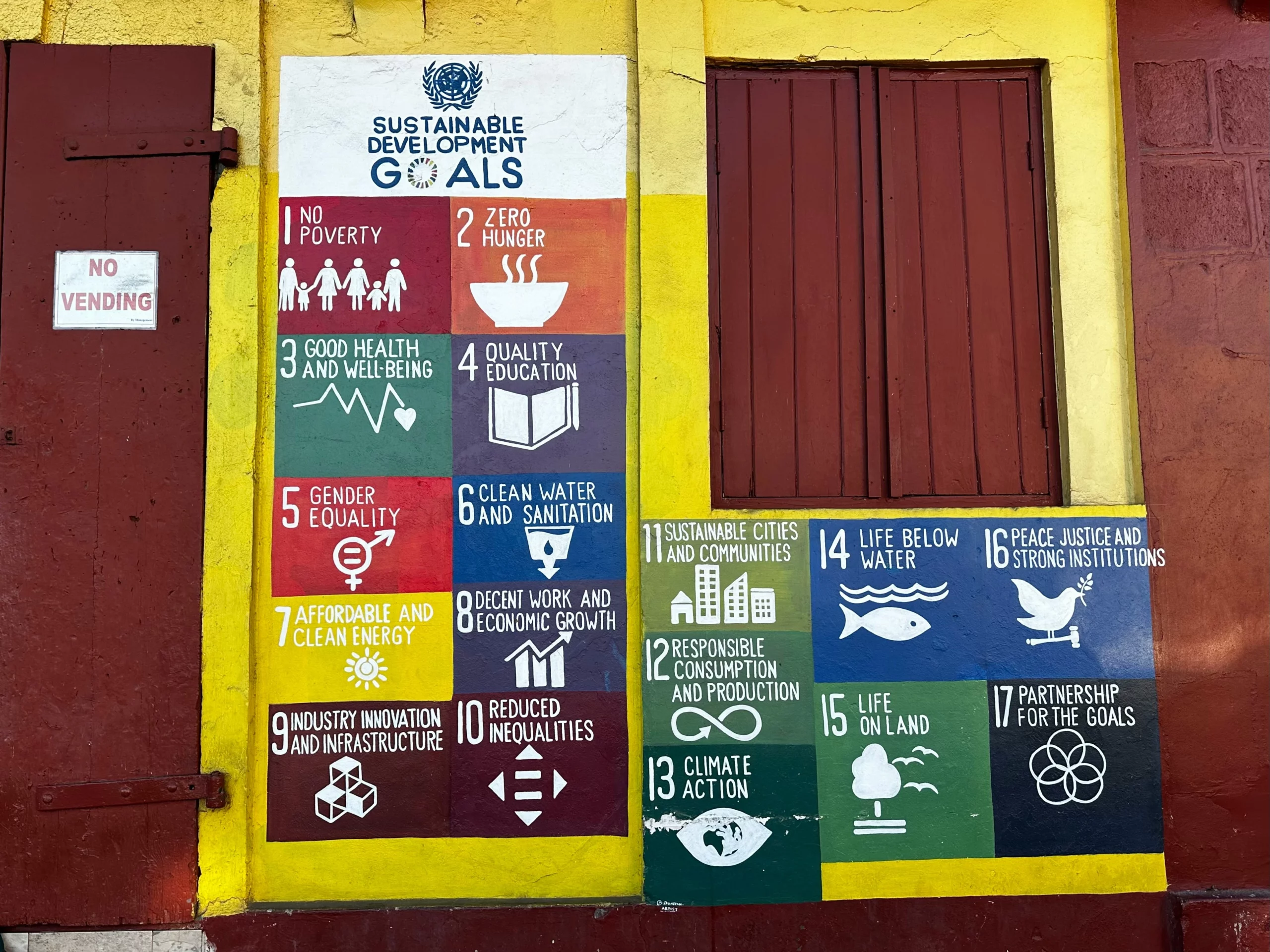
Finally, the localisation of the SDGs is inseparable from the climate agenda. With 65% of SDG targets linked to local action, decentralised approaches and multi-level governance are vital. Embedding the 2030 Agenda into territorial strategies will ensure that global commitments translate into tangible improvements in communities. 

The path to COP26 underscores a simple truth: global goals can only be achieved through local action. By supporting municipalities and regions with resources, recognition, and a genuine role in decision-making, the EU and international community can ensure that the Paris Agreement and SDGs are implemented effectively, delivering a sustainable and resilient future for all. 

Read the position paper here 

For more information, contact: 

Social rights, local action 

Social Rights Labour - News

What are the priorities for implementing the European Pillar of Social Rights with a strong local and regional involvement? 


The Council of European Municipalities and Regions (CEMR) welcomes the European Pillar of Social Rights as a step toward strengthening fairness and equality in Europe. While supporting its ambition, CEMR stresses that the measures linked to the Pillar’s 20 principles should remain non-binding, respecting the diversity of national, regional and local competences. For local and regional governments, the Pillar should serve as a reference framework to inspire reforms, rather than impose uniform rules. 

CEMR identifies key challenges where Europe must act: rising inequality, persistent poverty, gender gaps, and labour market transitions accelerated by digitalisation and COVID-19. Municipalities and regions, as major providers of education, housing, health, social inclusion and employment services, are at the heart of delivering social rights. 

CEMR’s policy priorities include: 

  • Skills and education: investment in training, apprenticeships and digital access to avoid a “lost generation” of young people. 
  • Demographic change: integrating women, older workers, migrants, and disadvantaged groups into the labour market. 
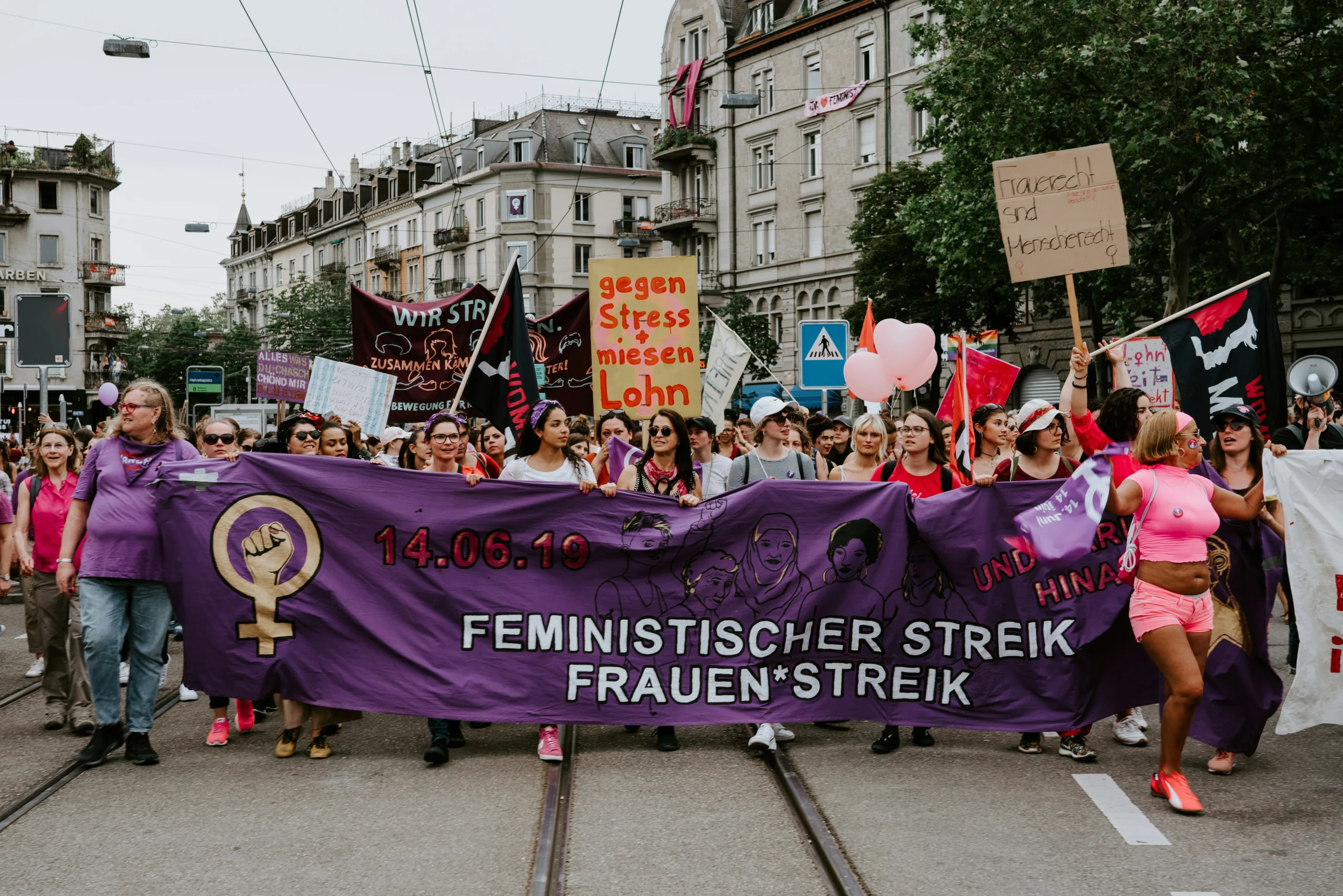
  • Gender equality: boosting women’s participation and addressing work-life balance challenges, especially in the pandemic’s aftermath. 

At the same time, CEMR warns against excessive bureaucracy or additional reporting obligations for local authorities, calling instead for best practice exchange, benchmarks, and adequate funding. 

For the European Pillar of Social Rights to succeed, it must respect subsidiarity, strengthen social dialogue, and involve local and regional governments as essential actors. Municipalities, cities, and regions are indispensable in turning principles into concrete progress, provided they are given the flexibility, resources and recognition needed to deliver. 

Read the position paper here 

For more information, contact: