
CEMR activity report 2025

Impact Community - Head banner

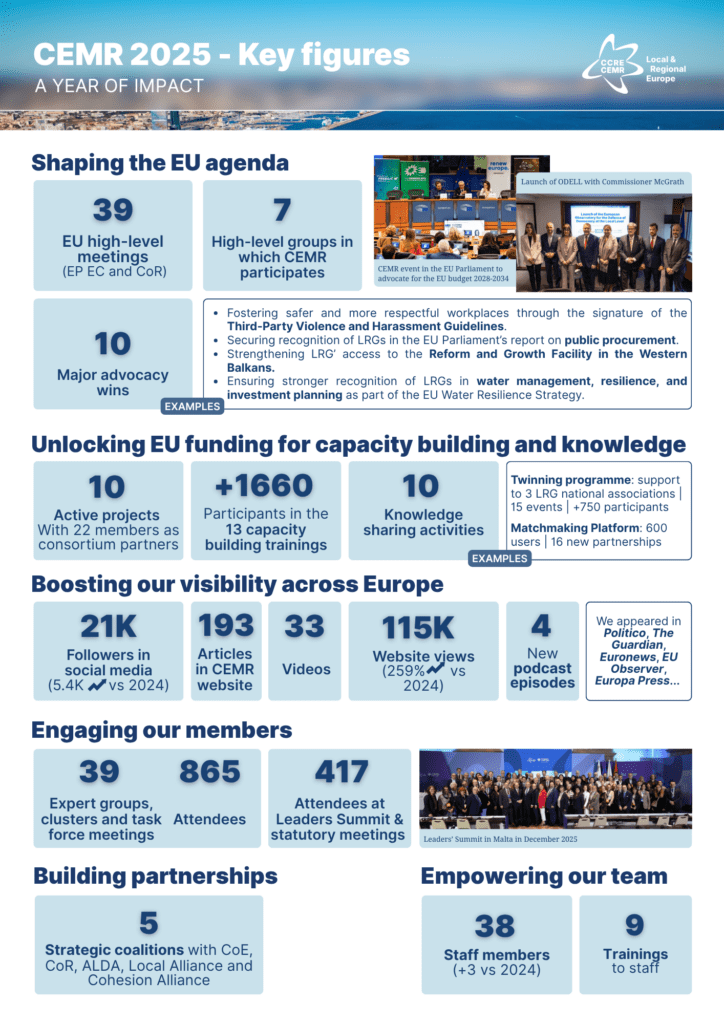
What was CEMR’s impact in 2025?


The year 2025 was a period of many activities and a great impact at the local and international levels.

We are truly grateful to our members, partners and donors for their continued trust, commitment and collaboration throughout that year.

Local and regional governments are essential to tackle Europe’s most urgent and day-to-day challenges, and through CEMR, we have worked together to ensure that European local voices remain present, heard, and influential in EU and global debates.

Check CEMR’s activity report 2025 below:

For more information, contact:

Country profile – #4 Belgium 

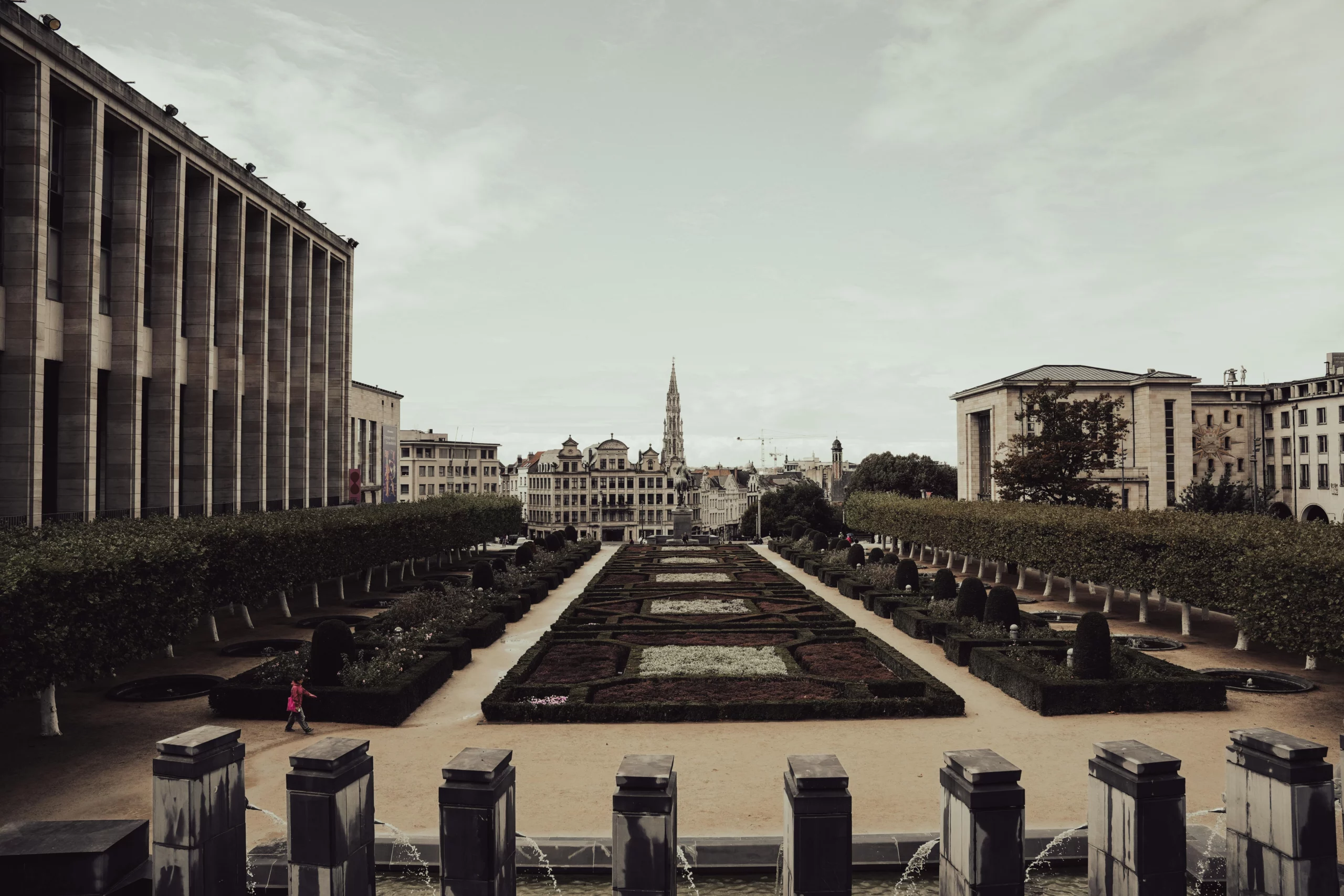
Brussels city image

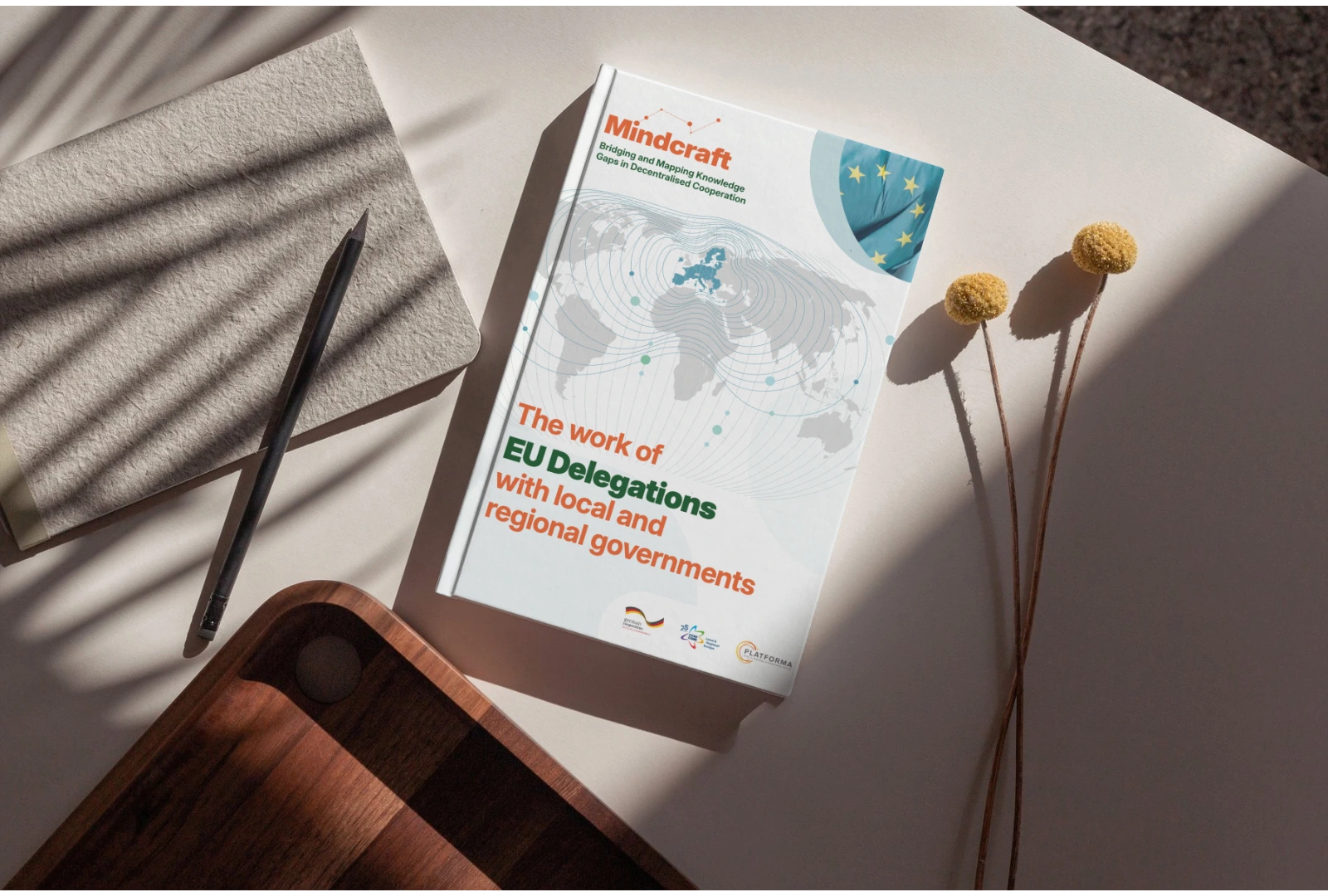
Country Profile on decentralised development cooperation: the case of Belgium


The country profiles offer a short overview of national models of (decentralised) development cooperation frameworks in selected EU Member States. The aim is to provide insights into specific mechanisms and modalities of analysed national frameworks and identify enabling factors as well as challenges related to practical implementation, focusing on the role and opportunities for local and regional governments and their associations. 

Based on the study, the Belgian framework for Decentralised Development Cooperation (DDC) is characterised by:

1) Municipal associations are central to DDC in Belgium. Brulocalis, Association of Flemish Cities and Municipalities (VVSG), and the Union of Cities and Municipalities of Wallonia (UVCW) act as key intermediaries in coordinating funded programmes and serving as the primary source of support and guidance for municipalities.

2) Focus on long-term cooperation with selected partners. Sustained partnerships help to ensure the effectiveness and added value of cooperation. There is a prioritisation of the least developed countries and fragile contexts.

3) Awareness-raising of Belgian citizens about international solidarity. Belgian actors, in partnership with NGOs, actively contribute to informing citizens about development cooperation-related topics through awareness-raising and education activities at home.

This article is part of a series of 7 Country Profiles examining DDC frameworks across Europe. The fifth edition, focusing on France, will be published in July. Stay tuned!

Read the Country Profile of Belgium, available in four languages:

You can find the rest of Mindcraft’s publications here.

CEMR encourages Belgian authorities to strengthen the role of Local and Regional Governments in development policy, not only as implementers, but also as strategic partners helping shape a more resilient, inclusive and effective development agenda.

This publication is produced within the Bridging and Mapping Knowledge Gaps in Decentralised Cooperation (Mindcraft), funded by the German Federal Ministry for Economic Cooperation and Development (BMZ) and supported by the Deutsche Gesellschaft für Internationale Zusammenarbeit (GIZ).
For more information, contact:

Country profile – #3 Spain 

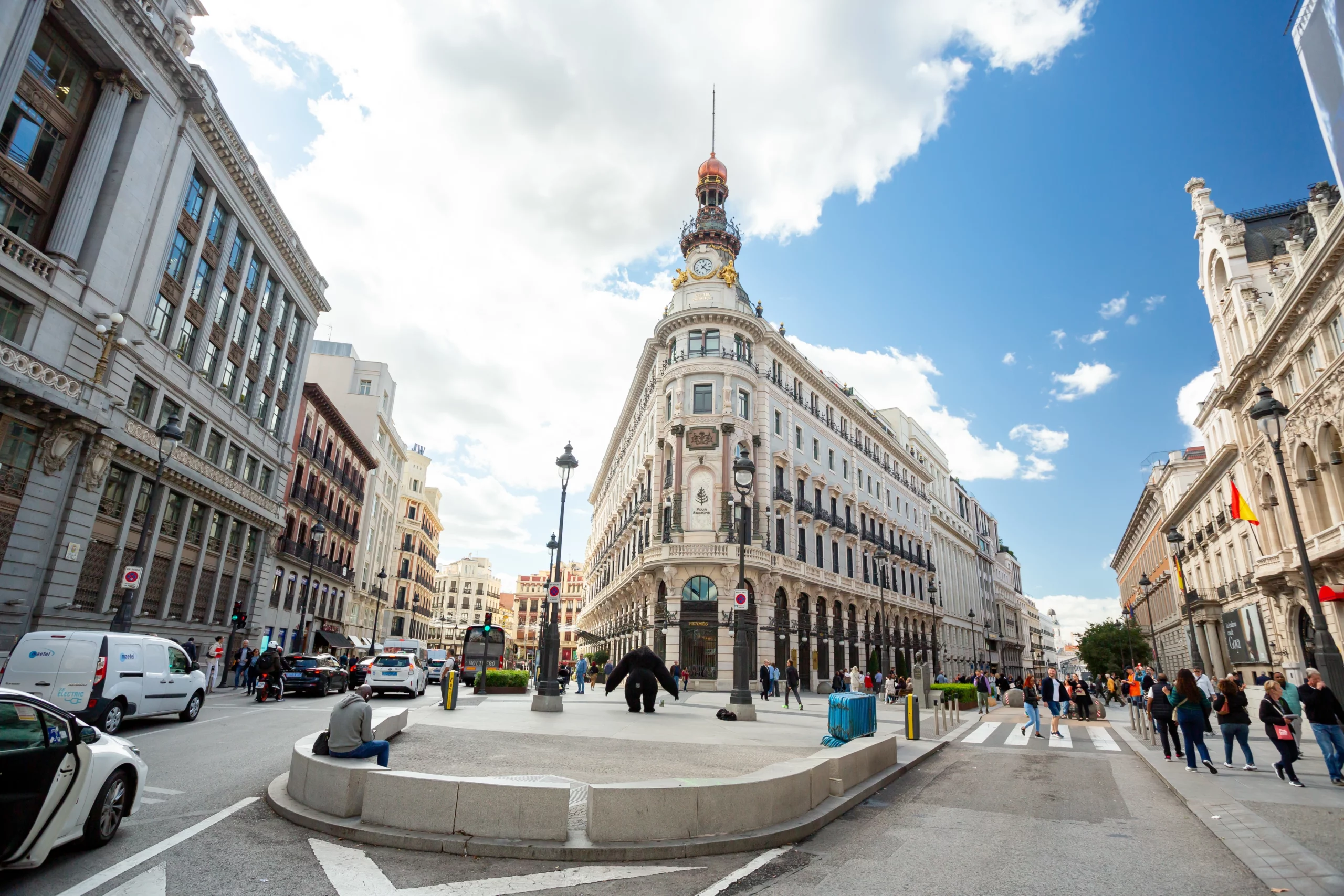
Mindcraft Spain - Publication 2025

Country Profile on decentralised development cooperation: the case of Spain


The country profiles offer a short overview of national models of (decentralised) development cooperation frameworks in selected EU Member States. The aim is to provide insights into specific mechanisms and modalities of analysed national frameworks and identify enabling factors as well as challenges related to practical implementation, focusing on the role and opportunities for local and regional governments and their associations.

Based on the study, the Spanish framework for Decentralised Development Cooperation (DDC) is characterised by:

  1. Highly decentralised system – enables actors across levels to be active in DDC. The new Law 1/2023 recognises Local and Regional Governments as actors of development and DDC as a modality.
  2. Strong commitment to achieve 0.7% of Gross National Income (GNI) to Official Development Assistance (ODA) across levels – keeping the development cooperation as a priority.
  3. Funds for development cooperation – gathering municipal and supra-municipal actors who pool their resources to implement impactful projects.

This article is part of a series of 7 Country Profiles examining DDC frameworks across Europe. The fourth edition, focusing on Belgium, will be published in March. Stay tuned!

Read the Country Profile of Spain, available in four languages:

You can find the rest of Mindcraft’s publications here.

CEMR encourages Spanish authorities to strengthen the role of LRGs in development policy, not only as implementers, but also as strategic partners helping shape a more resilient, inclusive and effective development agenda.

This publication is produced within the Bridging and Mapping Knowledge Gaps in Decentralised Cooperation (Mindcraft), funded by the German Federal Ministry for Economic Cooperation and Development (BMZ) and supported by the Deutsche Gesellschaft für Internationale Zusammenarbeit (GIZ).

For more information, contact:

Mis/disinformation impact on democracy

Local truth study 2025

Empowering cities against mis/disinformation: building capacity, coordination, and trust


According to CEMR’s latest study, nearly half of LRGs report moderate to significant impacts from misinformation, particularly in areas such as public health, personal attacks on officials, and election interference. During the pandemic, for example, false claims about vaccines and public measures severely undermined public trust. 

The personal toll is also growing. One in four local representatives has faced online abuse or intimidation, and over half report being targeted by false claims about their integrity or conduct. These are not abstract challenges, but rather, they erode both individual safety and democratic trust. 

The evidence of CEMR’s study highlighted how misinformation and disinformation spike during crises, for example, around COVID-19, climate policies like low-emission zones, or housing and migration debates. During moments when emotions run high and public debate intensifies, local and regional governments often find themselves on the frontline of these tensions, but many lack the capacity or tools to respond effectively. CEMR’s findings show that 58% of municipalities still lack a formal strategy to counter misinformation and disinformation, and only a quarter are in the process of developing one. Most rely on reactive measures, 58% monitoring social media to spot emerging issues, around a third run awareness campaigns, and a smaller share (4%) collaborate with fact-checkers or pursue legal action (21%). These are useful but insufficient without proactive planning. 

For CEMR, building resilience requires three key actions: 

  1. Strengthen local capacity and trust. Training staff, protecting targeted officials, and using participatory democracy tools such as citizens’ assemblies can help communities become less vulnerable to false narratives. 
  1. Improve coordination and tools. Shared monitoring systems, partnerships, and national or EU knowledge-sharing platforms can help municipalities act faster and avoid duplication. 
  1. Create an enabling framework. National and EU support, through measures like the Digital Services Act, AI Act, and national counter-disinformation laws, can provide resources, clarity, and legal backing. 

Ultimately, misinformation may be a global issue, but its impact is most visible locally. Empowering local governments with the right capacity, coordination, and frameworks is key to protecting communities, safeguarding democracy, and rebuilding public trust. 

Read the study here

For more information, contact:

Decentralised cooperation report

ADD ME project

Decentralised Development Cooperation Report #1: a European overview


The first Decentralised Development Cooperation (DDC) Report provides a unique snapshot of how local and regional governments (LRGs), their associations, and civil society actors engage in international cooperation. Based on a Europe-wide survey), it presents results from 37 contributions from 27 LRGs, 9 associations, and 1 NGO across 11 countries.

The evidence on decentralised cooperation projects and partnerships, collected via the survey will support CEMR and PLATFORMA’s advocacy with stronger knowledge, better coordination, and a deeper understanding of enabling factors and challenges.

The first edition of the DDC Report highlights:

  1. DDC is a priority for many – Over 80% of respondents consider DDC important or very important for their work.
  1. Multi-actor character – Partnerships often involve not just LRGs, but also civil society organisations, educational institutions, public utilities, and in some cases, private sector actors.
  1. Persistent challenges – Limited resources, lack of expertise, and the short-term nature of project-based cooperation remain barriers for scaling up.
  1. Funding outlook – main funding channels include combination of national government funding, own resources, and the European Commission. 𝟮𝟳,𝟬𝟯% 𝗼𝗳 𝗿𝗲𝘀𝗽𝗼𝗻𝗱𝗲𝗻𝘁𝘀 expect their DDC budget share to grow in 2025, suggesting cautious optimism.

This article is part of a new series of reports mapping decentralised development cooperation across Europe. The second report will explore opportunities and challenges for DDC partnerships, effects of implemented DDC activities and provide details of selected DDC projects. Stay tuned!

Read the full Mindcraft DDC Report #1, available in English, French, Spanish, and German.  
 

CEMR encourages European and national authorities to strengthen the role of LRGs in development policy, not only as implementers, but also as strategic partners helping shape a more resilient, inclusive, and effective development agenda.


This report is produced within the Bridging and Mapping Knowledge Gaps in Decentralised Cooperation (Mindcraft), funded by the German Federal Ministry for Economic Cooperation and Development (BMZ) and supported by the Deutsche Gesellschaft für Internationale Zusammenarbeit (GIZ).  

For more information, contact: 

Country profile #2 – Germany

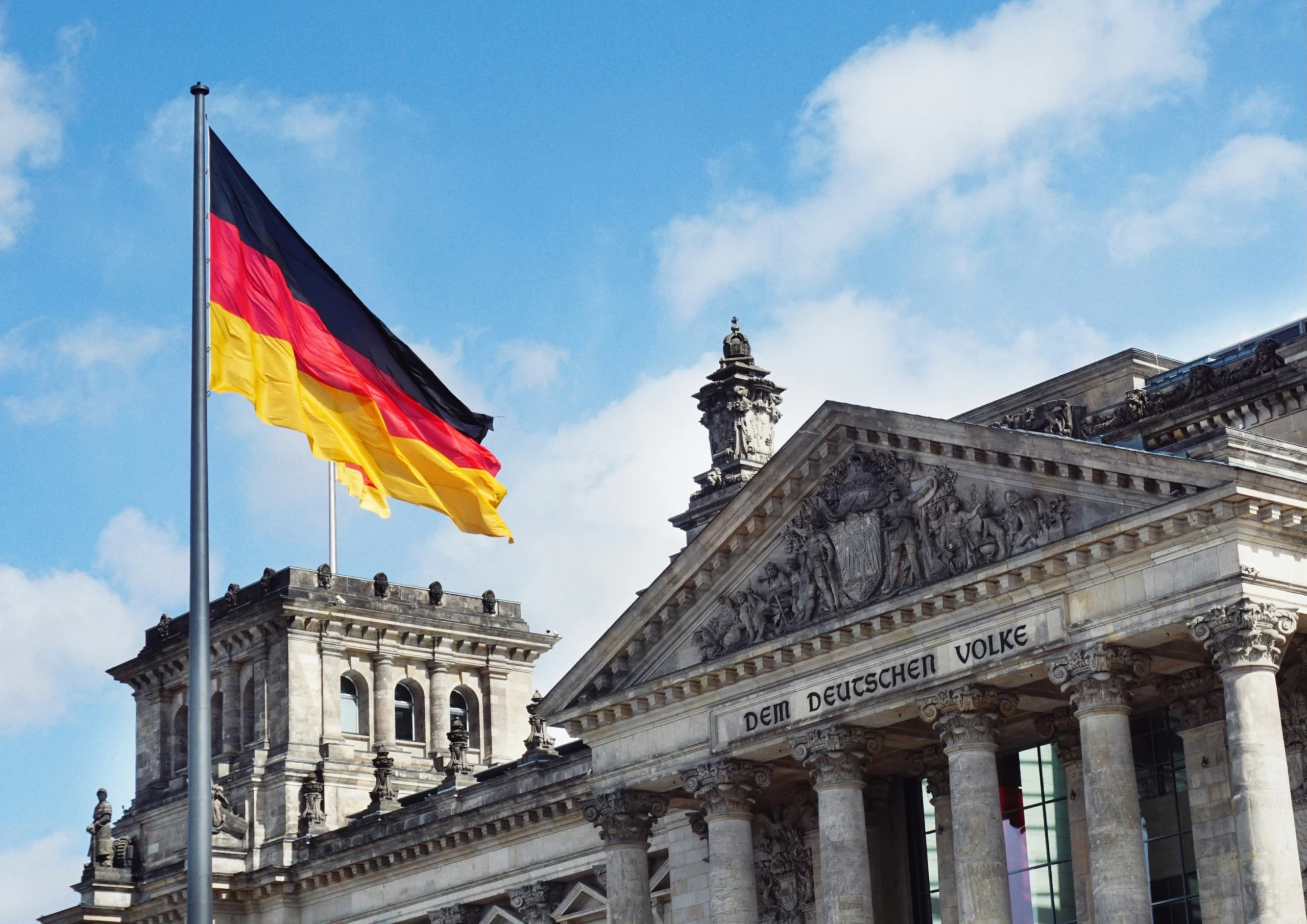
Mindcraft - Germany publication

Country Profile on decentralised development cooperation: the case of Germany


The country profiles offer a short overview of national models of (decentralised) development cooperation frameworks in selected EU Member States. The aim is to provide insights into specific mechanisms and modalities of analysed national frameworks and identify enabling factors as well as challenges related to practical implementation, focusing on the role and opportunities for local and regional governments and their associations.   
 
Based on the study, the German framework for DDC is characterised by:  
 
1. German federal states and municipalities maintain lasting partnerships with their counterparts abroad, generating sustainable impact. Recent German-Ukrainian solidarity partnerships underline DDC’s role in development policy and open paths for trilateral and multilateral cooperation.  

 2. Service Agency Community in One World – SKEW of Engagement Global is the main advisory and grant-providing platform for German LRGs in DDC, supporting project planning, implementation, and international exchange.  

 3. The variety of funding programmes (mainly financed by the Ministry for Economic Cooperation and Development – BMZ, managed via Service Agency Community in One World – SKEW and Deutsche Gesellschaft für Internaztionale Zusammenarbeit – GIZ), designed for specific purposes, enable project-based, thematic cooperation and long-term partnerships. 
 
This article is part of a series of 7 Country Profiles examining decentralised development cooperation frameworks across Europe. The thirs edition, focusing on Spain, will be published in December. Stay tuned!  
 
Read the Country Profile, available in four languages: 

CEMR encourages German authorities to strengthen the role of LRGs in development policy, not only as implementers, but also as strategic partners helping shape a more resilient, inclusive and effective development agenda.  

This publication is produced within the Bridging and Mapping Knowledge Gaps in Decentralised Cooperation (Mindcraft), funded by the German Federal Ministry for Economic Cooperation and Development (BMZ) and supported by the Deutsche Gesellschaft für Internationale Zusammenarbeit (GIZ)

For more information, contact:

Local voices at the UN for sustainable development

PLATFORMA - banner 2

Local and regional leaders at the United Nations: getting local SDG actions onto the fast track


More than 30 local and regional European leaders are heading to New York to advocate for their vital role in achieving the Sustainable Development Goals (SDGs) at the High-Level Political Forum on Sustainable Development (HLPF). Among them is Clifford Galea Vella Maslennikov, President of the Tramuntana Region (Malta) and a member of the CEMR-PLATFORMA Young Elected Officials Committee. He also signs the foreword of this year’s study on SDG localisation.

Galea Vella Maslennikov sends a strong and hopeful message:

“I firmly believe that localising the SDGs through inclusive processes that engage all levels of government, and all sectors of society […] is in fact the key to building a more inclusive, just, and sustainable future for all.”

This year’s report includes contributions from 31 associations of local and regional governments and puts forward nine key recommendations to the United Nations, the European Union, and EU Member States.

Local governments in dialogue with Member States

In recent years, the United Nations has increasingly acknowledged the essential role of local action in advancing global sustainability, including through various HLPF initiatives. However, the degree of involvement of local and regional governments – and their associations – in national SDG reporting processes still varies significantly from one country to another.

This year, Malta is one of 37 countries presenting a Voluntary National Review (VNR) at the HLPF. Three other countries with membership within CEMR – BulgariaFinland, and Germany – will also present their VNRs. Our latest study provides insights into how these four nations have involved local authorities in shaping their national SDG reports.

It also gives details about the progress made in achieving the five SDGs under review this year: SDG 3 (Good health and well-being), SDG 5 (Gender equality), SDG 8 (Decent work and economic growth), SDG 14 (Life below water), and DSG 17 (Partnerships for the Goals).  

Over 30 local and regional leaders representing Europe

Next week, PLATFORMA and CEMR, in collaboration with the Global Task Force of Local and Regional Governments (GTF), will represent European cities and regions at the HLPF, under the auspices of the UN.

Their participation aims to fast-track the localisation of the SDGs and ensure that local voices are not only heard, but also acted upon.

Here are some of the events they will attend:

  • 15 July, Local and Regional Governments’ Networking Hub, with the launch of the GTF Annual Report “Towards the Localization of the SDGs”, by the GTF and UCLG
  • 16 July, 8th Local and Regional Governments Forum on the 2030 Agenda, by UCLG, GTF, UN-DESA, the Executive Office of the UN Secretary-General, UN Habitat, UNDP, Local2030
  • 17 July, EU delegation – local leaders breakfast meeting, by CEMR and PLATFORMA
  • 17 July, HLPF Official Session on Localisation: “Transformation from the ground up: Acting at local level”, by UN
  • 18 July, VNR Lab on Local and Regional Governments engagement in VNR/VLR processes, by UN-DESA, UN-Habitat, and UCLG

For more information, contact:

Country profile #1 – Poland

Poland services - News 2022

Country Profile on decentralised development cooperation: the case of Poland 


The country profiles offer a short overview of national models of (decentralised) development cooperation frameworks in selected EU Member States. The aim is to provide insights into specific mechanisms and modalities of analysed national frameworks and identify enabling factors as well as challenges related to practical implementation, focusing on the role and opportunities for local and regional governments and their associations.  
 
Based on the study, Poland’s approach to DDC is characterised by: 
 
 1. Focusing on cooperation with Eastern European countries – with Ukraine, Georgia, and Moldova. Polish local governments actively support partners through strategy development, peer learning, and implementation support. 
 
2. Highlighting the vital role of direct local-level partnerships in times of crisis, including twinning and hands-on collaboration despite the ongoing war. 
 
3. Polish municipalities have developed strong expertise in accessing EU funds and designing effective local strategies, which they can use in their partnerships. 
 
This article is part of a series of 7 Country Profiles examining decentralised development cooperation frameworks across Europe. The second edition, focusing on Germany, will be published in September. Stay tuned! 
 
Read the Country Profile, available in four languages:

CEMR encourages Polish authorities to strengthen the role of LRGs in development policy, not only as implementers, but also as strategic partners helping shape a more resilient, inclusive and effective development agenda. 

This publication is produced within the Bridging and Mapping Knowledge Gaps in Decentralised Cooperation (Mindcraft), funded by the German Federal Ministry for Economic Cooperation and Development (BMZ) and supported by the Deutsche Gesellschaft für Internationale Zusammenarbeit (GIZ).

* The content of this publication is the responsibility of its author(s) and does not reflect the views of the German Federal Ministry for Economic Cooperation and Development (BMZ).

For more information, contact: 

Is the European Semester important?

EU Semester - News 2024

Top level decision – Local consequences
The European Semester explained


Just as the EU Commissioners were officially starting their new mandate – which includes the responsibility to put forward by mid-2025 a proposal for the next EU long-term budget -, CEMR was releasing a timely publication in view of the “cash for reforms” debate: “Top level decision – local consequences: The European Semester explained”.

The release event organised on 2nd December attracted participants from several institutions: European CommissionEuropean Parliament, Permanent Representations of Member States to the EU, in addition to CEMR own members and representatives of cities and regions in Brussels.
On this occasion, CEMR’s Secretariat presented the publication which aims at informing local and regional governments about the functioning and process of the European Semester, how it has evolved over the year and how it is likely to become the next overarching policy coordination framework of the EU.

The study also includes some case studies demonstrating that most of the recommendations included in the EU Semester Country Specific Recommendations have either a direct or indirect impact on local and regional governments. This impact can be on their budget and investment possibilities: the study recalls that subnational finance is included in the national government budget deficit and expenditure efforts monitored by the EU Semester. But it also reveals that some recommendations touch upon areas of competences of local and regional governments in different Member States.

For instance, in Germany, subnational public administrations are the ones targeted by the 2024 Country Specific Recommendation (CSR) to speed up the digitalisation of public administration. For Spain, the 2024 CSRs call for improving water management where water supply is a competence of local governments. In the Netherlands, urban planning and (social) housing is a shared competence between municipalities and national governments, who are therefore both concerned with the recommendation to ensure the affordability and availability of housing.

The event allowed for a multi-level discussion between Joao Nogueira, Head of Unit for Policy coordination at the DG ECFIN of the European Commission, Thomas Prorok, Managing Director at KDZ – Centre for Public Administration Research in Austria, and Michael Schmitz, Deputy Head of the Brussels Office of the German County Association (DLT) who debated on the impact and (lack of) involvement of local and regional governments in the European Semester. The speakers were all invited to react to the recommendations included in the CEMR study, which created a lively discussion and also engaged participants in the room.

This report will be an important piece for CEMR and all representatives of local and regional governments in the coming months to build the narrative on the importance of involving subnational governments in the decisions on investments and reform priorities to be financed by the EU instruments.

Read the study here

For more information, contact:

Funding opportunities for Ukraine 

Ukraine's recovery - News

EU and Member State programmes supporting municipalities in Ukraine’s recovery and cooperation with European partners 


In the face of Russia’s invasion and its devastating social and economic consequences, European Union and Member State funding programmes have become lifelines for Ukrainian municipalities. These mechanisms provide not only financial support but also technical expertise and institutional backing, helping local authorities address urgent needs, rebuild services, and strengthen community resilience. 

This guide was developed by the Council of European Municipalities and Regions (CEMR), in cooperation with the U-LEAD with Europe Programme and CEMR’s National Associations, under the Bridges of Trust initiative. It brings together key funding opportunities available to both Ukrainian and European municipalities, offering a practical starting point for collaboration and joint recovery projects. 

The initiatives highlighted stem from training sessions organised with Ukrainian and European partners. These covered project design and development, EU funding instruments, and the implications of Ukraine’s EU accession process. By leveraging existing EU programmes, municipalities can reinforce partnerships, promote local growth, and deliver tangible benefits for their citizens. 

Recognising Ukraine’s strategic path towards EU membership, the European Commission has committed to extending funding mechanisms to Ukrainian municipalities, ensuring they can access resources alongside their European peers. In addition, the Ukraine Facility Programme (2024–2027) is being developed as a central financing instrument for recovery and development. 

To support applicants, the guide provides practical resources: 

  • CEMR’s Guide on 2021–2027 EU Funding, explaining how to use the Funding and Tender Portal and submit strong project proposals. 
  • The PLATFORMA Handbook for local leaders and civil servants, offering step-by-step guidance on preparing applications, managing partnerships, and implementing EU-funded projects. 

As a living document, this guide will continue to be updated with new funding streams and opportunities. It seeks not only to provide access to financial resources but also to strengthen trust and cooperation between Ukrainian and European municipalities, laying the foundations for a shared European future. 

Read the study here 

For more information, contact: