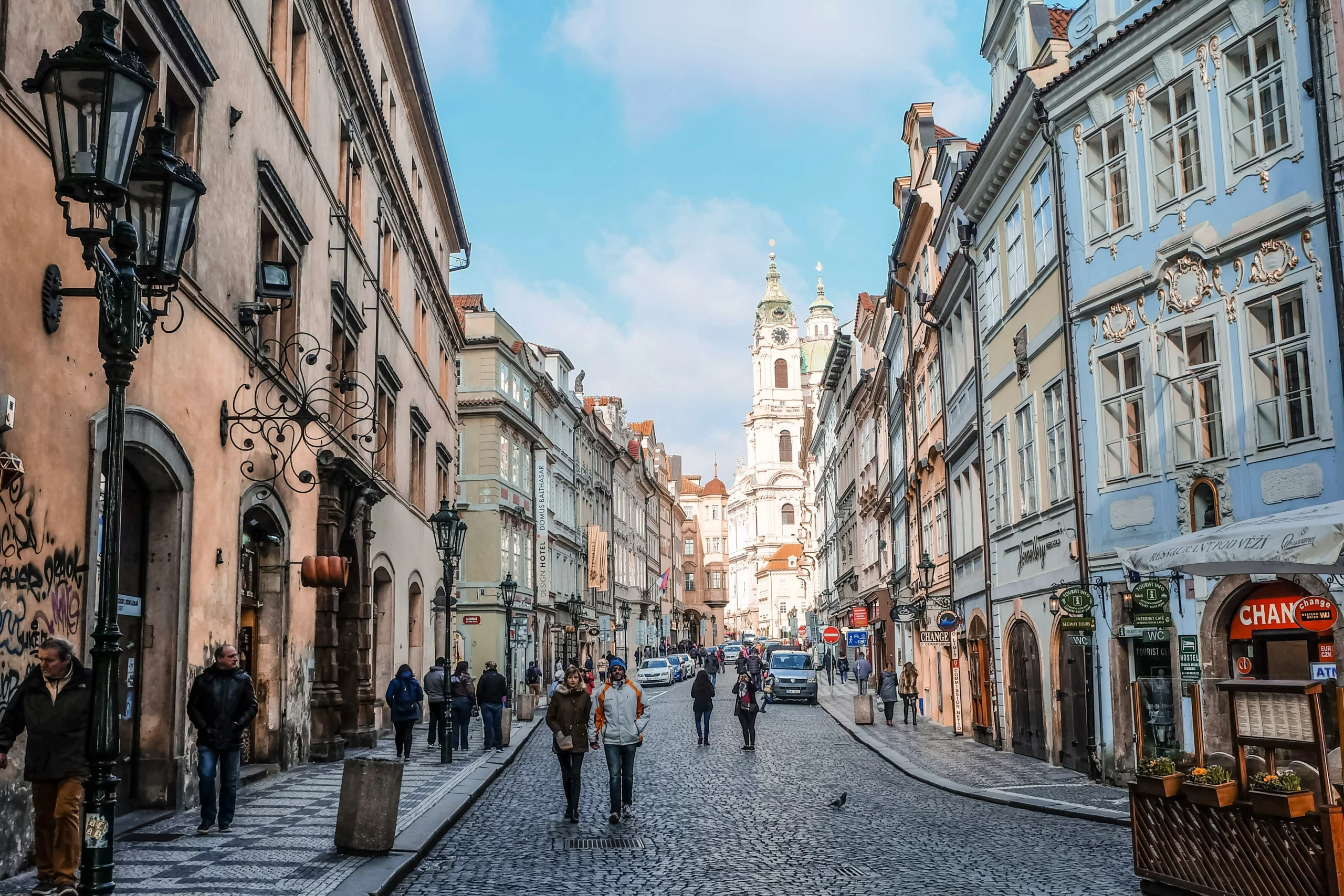
EU enlargement from a local perspective

European Union - EU Enlargement News

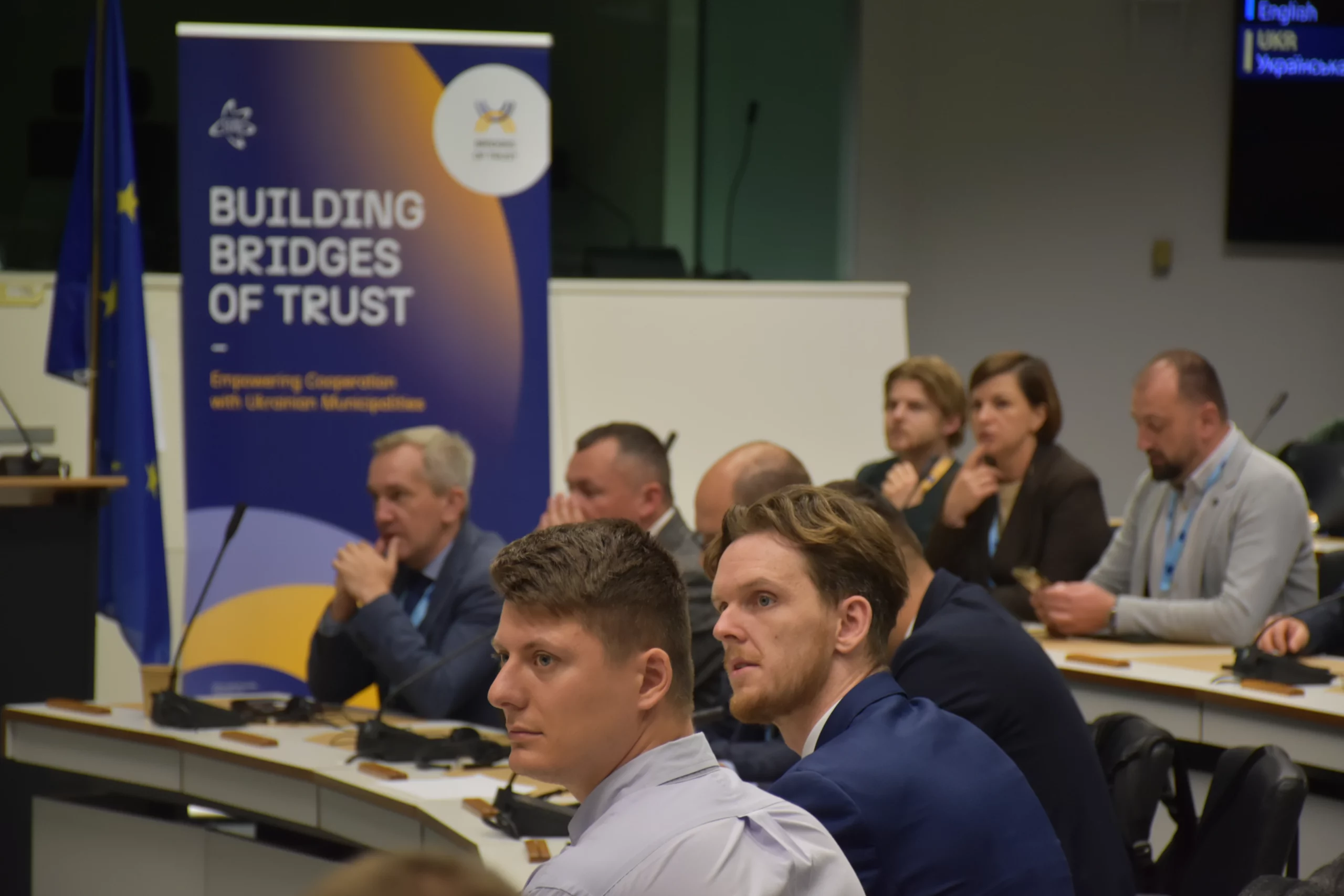
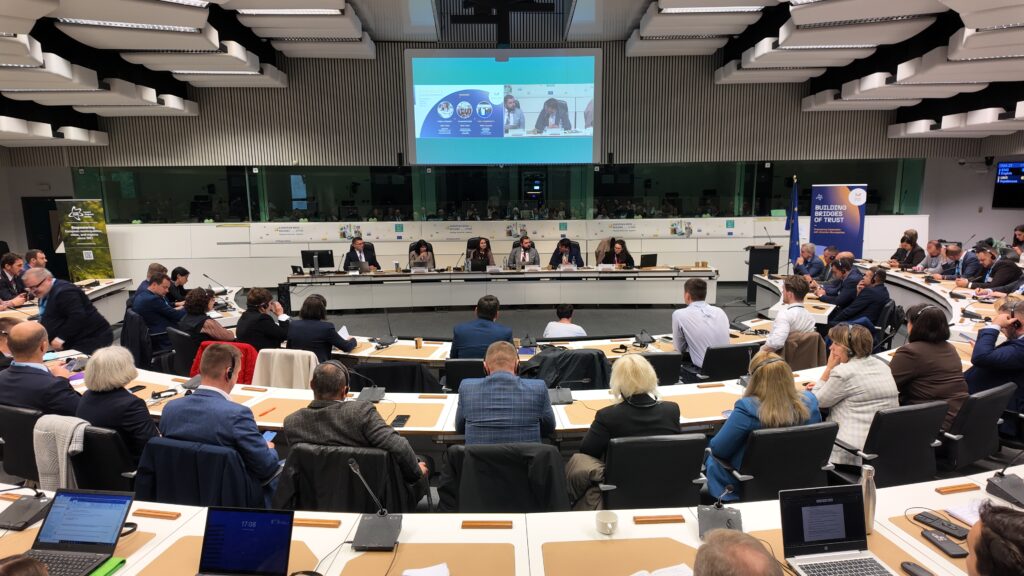
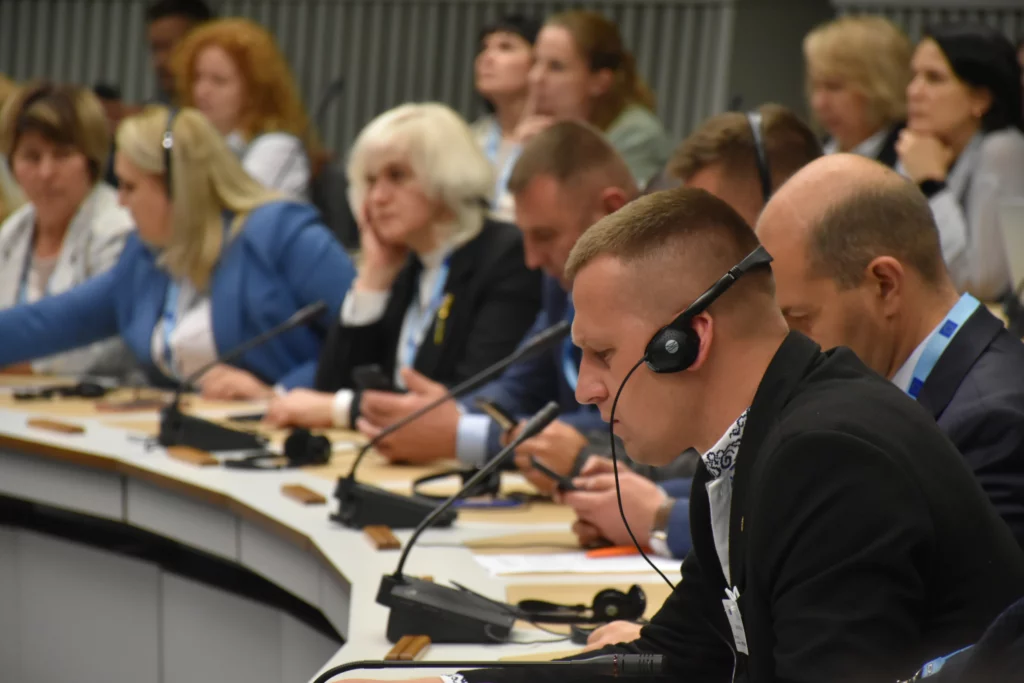
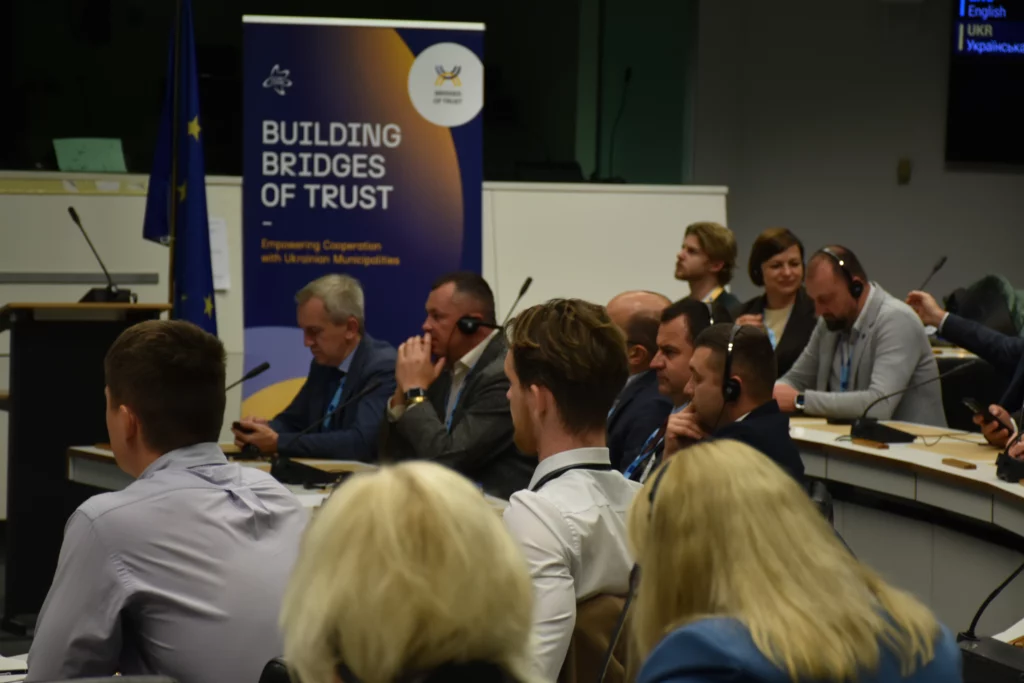
EU enlargement is not sustainable without local ownership: 8 takeaways from CEMR webinar 


Empowering local and regional governments will ensure that EU integration is felt, understood, and embraced by citizens, making enlargement not only a policy success but a democratic one. This is the main lesson learned from the CEMR webinar on Empowering Local Governments on the Road to EU Enlargement, organised in collaboration with PLATFORMA on 1st July. 

Local leaders, EU officials, and representatives from candidate and EU member countries reaffirmed the essential role of local and regional governments in the EU enlargement process. They also discussed the capacity needs involved in this journey. 

Here are the 8 key findings based on the webinar discussions, which witnessed that enlargement is not sustainable without local ownership.

1. Set local and regional governments as strategic actors in the EU accession process 

  • Involve local governments early and systematically in national accession plans, screenings, and cluster evaluations. 
  • Ensure local leaders are recognised not just as implementers, but as policy co-creators, especially in areas aligned with the EU acquis. 

2. Strengthen multilevel governance structural dialogue 

  • Establish permanent coordination mechanisms between LRGs, national governments, and EU institutions. 
  • Move from consultation to co-creation platforms—especially during roadmap design, monitoring, and policy review phases. 

3. Guarantee local access to EU funding mechanisms 

  • Ensure that a minimum percentage of EU financial assistance is directly allocated to local governments (e.g., in Ukraine, it is already 20%) 
  • Simplify procedures for municipalities to access EU funds and develop capacity-building programs to support their management. 

4. Invest in capacity building and institutional continuity 

  • Develop sustained training for local officials, including in public procurement, project management and all locally implementing EU standards.  
  • Address gaps in institutional memory due to political turnover by investing in civil service professionalisation and knowledge transfer. 

5. Support peer-to-peer learning and twinning initiatives 

  • Promote city-to-city cooperation between EU member states and candidate countries (decentralised cooperation) 
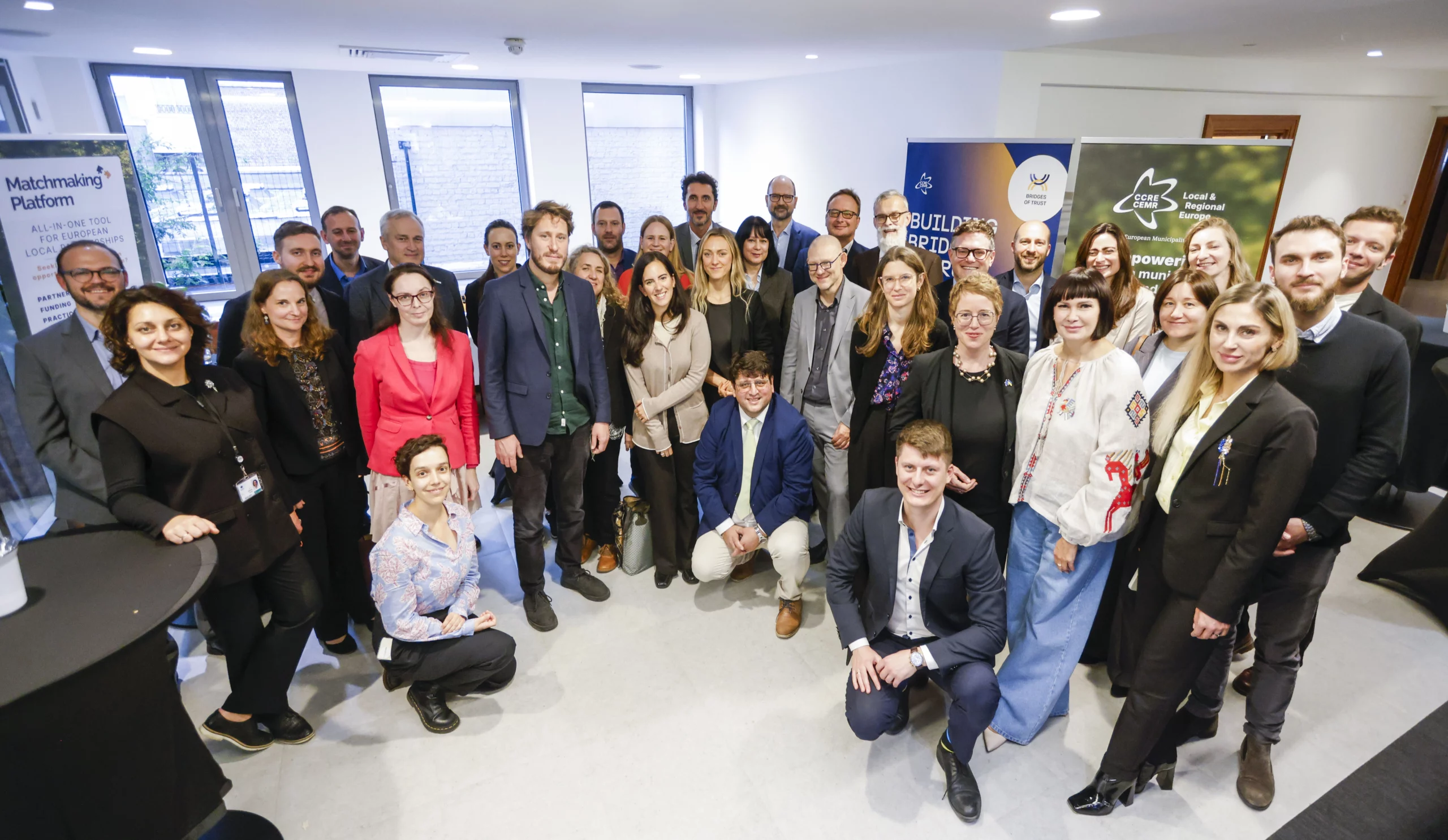
  • Expand twinning programs across thematic areas such as education, green transition, disaster resilience, and digital governance (if you need tools to find partners, use existing ones such as the CEMR Matchmaking Platform). 

6. Promote inclusive participation and gender equity 

  • Encourage the participation of women leaders and marginalised communities in enlargement dialogues. 
  • Ensure that decentralisation and integration efforts incorporate diverse perspectives and address local inequalities.

7. Strengthen civic trust and communication

  • Support local and regional governments in leading public communication campaigns that explain EU values and the benefits of enlargement. 
  • Equip municipalities to become trusted messengers of the EU to citizens, countering misinformation and building democratic resilience. 

8. Leverage local and regional governments for reconstruction and sustainability goals 

  • In countries affected by war (e.g., Ukraine), prioritise local-led reconstruction and sustainable recovery as a path to integration. 
  • Align local development strategies with the Green Deal, digital transition, and social cohesion policies. 

Context: 

Nine countries are officially on a path to join the European Union in the coming years: five in the Western Balkans (Albania, Bosnia and Herzegovina, Montenegro, North Macedonia and Serbia), three in the Eastern neighbourhood (Georgia, Moldova and Ukraine), and Turkey. 

For more information, contact:

Local leaders urge a 2040 climate target

Target 2040 - News

Local leaders urge European Commission to set a binding 90% domestic emissions-cut target for 2040


Mayors of Aalborg (Denmark), Athens (Greece), Barcelona (Spain), Braga (Portugal), Copenhagen (Denmark), Freiburg (Germany), Ghent (Belgium), Matosinhos (Portugal), Milan (Italy), Malmö (Sweden), Matosinhos (Portugal), Nantes (France), Oslo (Norway), Tallinn (Estonia), Utrecht (The Netherlands) and Vitoria-Gasteiz (Spain) among signatories of joint letter to Von der Leyen and Ribera, coordinated by C40, CEMR, Eurocities and ICLEI Europe

Today, European local leaders have sent a joint letter to European Commission President Ursula von der Leyen urging the European Commission and Member States to set a binding EU target to reduce domestic greenhouse gas emissions by at least 90% by 2040 relative to 1990 numbers. The demand aligns with recommendations from the European Commission Impact Assessment on the 2040 target and the European Scientific Advisory Board on Climate Change (ESABCC), which highlight how this target is feasible for Europe.

Coordinated by Europe’s largest networks of local and regional governments –C40, CEMR, Eurocities and ICLEI Europe- the letter reiterates that “climate neutrality is a strategic imperative”, and calls on the European Union to “reaffirm its global climate leadership” ahead of the crucial COP30 climate summit. The signatories stress the need for a “robust, science-based 2040 climate target”.

To achieve the 2050 climate neutrality goal, cities and regions call for a “clear and ambitious framework at the EU level” that will provide “long-term certainty to businesses, unlock investment, and accelerate innovation”.

Highlighting their own efforts, cities and regions state they are already “delivering results faster than anticipated and aligned with the Paris Agreement” but emphasise that they “cannot do this alone”. The letter urges that “national and EU frameworks must reflect the urgency and scale of the challenge and enable faster and deeper action from the local level”.

The signatories also call for the 2028-2034 Multiannual Financial Framework to embed decarbonisation efforts, ensuring “that all regions and communities can access the resources, skills and infrastructure they need to succeed in the green transition”.

Finally, the letter underscores the importance of solid “multilevel governance structures and partnerships” to deliver an “ambitious and effective climate agenda”. This, they argue, is essential to “strengthen the EU’s credibility and influence on the global stage” at a “critical moment for international climate diplomacy”.

Signatories of the letter promoted by C40, CEMR, Eurocities and ICLEI Europe, as well as the following leaders from local and regional governments:

  • Jaume Collboni, Mayor of Barcelona and Eurocities Vice President
  • Matthias De Clercq, Mayor of Ghent and Eurocities President
  • Sharon Dijksma, Mayor of Utrecht
  • Haris Doukas, Mayor of Athens
  • Maider Etxebarria, Mayor of Vitoria-Gasteiz and Vice-President of ICLEI Europe
  • Lasse Frimand Jensen, Mayor of Aalborg and Vice-President of ICLEI Europe
  • Gunn Marit Helgesen, Councillor of Telemark County, President of KS, Association for all Local and Regional Authorities in Norway, CEMR President
  • Martin Horn, Mayor of Freiburg, in his capacity as the President of ICLEI Europe
  • Jevgeni Ossinovski, Mayor of Tallinn
  • Ricardo Rio, Mayor of Braga
  • Johanna Rolland, Mayor of Nantes, and President of Nantes Métropole
  • Luísa Salgueiro, Mayor of Matosinhos, President of the National Association of Portuguese Municipalities (CEMR member) and member of the Covenant of Mayors for Climate and Energy – Europe Political Board
  • Giuseppe Sala, Mayor of Milan and Vice Chair of C40 Cities
  • Eirik Lae Solberg, Governing Mayor of Oslo and Vice Chair of C40 Cities
  • Katrin Stjernfeldt Jammeh, Mayor of Malmö and President of ICLEI
  • Lars Henrik Weiss, Lord Mayor of Copenhagen

For more information, contact:

Country profile #1 – Poland

Poland services - News 2022

Country Profile on decentralised development cooperation: the case of Poland 


The country profiles offer a short overview of national models of (decentralised) development cooperation frameworks in selected EU Member States. The aim is to provide insights into specific mechanisms and modalities of analysed national frameworks and identify enabling factors as well as challenges related to practical implementation, focusing on the role and opportunities for local and regional governments and their associations.  
 
Based on the study, Poland’s approach to DDC is characterised by: 
 
 1. Focusing on cooperation with Eastern European countries – with Ukraine, Georgia, and Moldova. Polish local governments actively support partners through strategy development, peer learning, and implementation support. 
 
2. Highlighting the vital role of direct local-level partnerships in times of crisis, including twinning and hands-on collaboration despite the ongoing war. 
 
3. Polish municipalities have developed strong expertise in accessing EU funds and designing effective local strategies, which they can use in their partnerships. 
 
This article is part of a series of 7 Country Profiles examining decentralised development cooperation frameworks across Europe. The second edition, focusing on Germany, will be published in September. Stay tuned! 
 
Read the Country Profile, available in four languages:

CEMR encourages Polish authorities to strengthen the role of LRGs in development policy, not only as implementers, but also as strategic partners helping shape a more resilient, inclusive and effective development agenda. 

This publication is produced within the Bridging and Mapping Knowledge Gaps in Decentralised Cooperation (Mindcraft), funded by the German Federal Ministry for Economic Cooperation and Development (BMZ) and supported by the Deutsche Gesellschaft für Internationale Zusammenarbeit (GIZ).

* The content of this publication is the responsibility of its author(s) and does not reflect the views of the German Federal Ministry for Economic Cooperation and Development (BMZ).

For more information, contact: 

Position paper on migration 

Migration - News Section

CEMR calls for a human‑centred and inclusive EU migration agenda by empowering local actors 


As Europe continues to navigate complex migration dynamics, the Council of European Municipalities and Regions (CEMR) stresses that migration is lived and managed locally. Cities, towns and regions are the first to welcome newcomers, support vulnerable groups, and build long‑term inclusion. Yet, most of the time, they remain under‑recognised and under‑resourced in EU migration governance. 

With its new position paper, CEMR urges EU institutions and national governments to place local and regional governments (LRGs) at the heart of migration policy. This means shifting from an emergency mindset to a sustainable, human‑centred, and territorially grounded approach. 

CEMR’s key asks 

1. Empower LRGs 

Reinforce their formal role in migration governance, supported by structured multilevel cooperation, predictable funding, and targeted capacity‑building. 

2. Adopt a human‑centred EU migration policy 

Ensure that all asylum and migration measures respect fundamental rights, legal clarity, and the real capacities of municipalities. 

3. Include LRGs in the implementation of the EU Migration and Asylum Pact 

Systematically involve cities and regions in reception, integration, and emergency responses, backed by clear procedures and real-time information. 

4. Sustain coordinated support for Ukrainians under Temporary Protection 

Move from emergency assistance toward long‑term integration, with a focus on housing, employment, and access to essential services. 

5. Strengthen labour‑market inclusion 

Improve skills recognition, reduce administrative burdens, and promote local partnerships with businesses to ease migrants’ path to employment. 

6. Secure long‑term EU funding for inclusion 

Protect and expand AMIF and ESF+ resources in the next Multiannual Financial Framework to enable municipalities to continue innovative integration work. 

By recognising the essential role of local actors, Europe can build a migration agenda that is both effective and true to its values—supportive, inclusive, and grounded in the realities of people and places. CEMR stands ready to work with EU and national leaders to make this shift a reality. 

For more information, please contact:

Call for democracy and sustainability in Olso

Leaders Summit - Oslo News

Local and regional leaders call for democratic and sustainable resource strategies in Europe at the Leaders’ Summit


  • Amid increasing geopolitical uncertainty and environmental challenges, local and regional governments reaffirmed their role as cornerstones of democratic resilience and sustainability in Europe.
  • Participants called on EU and national institutions to work more closely with local and regional governments, recognising their essential contribution to both democratic renewal and environmental transformation.

Over 100 mayors, regional leaders, policymakers and experts gathered in Oslo on 23–24 June 2025 for the CEMR Leaders’ Summit, hosted by the Council of European Municipalities and Regions (CEMR) in cooperation with the Norwegian Association of Local and Regional Authorities (KS).  As part of the Summit, delegates visited VEAS, Scandinavia’s largest wastewater treatment plant, for a field visit that showcased how innovation and local partnerships can boost resilience.

Opening the Summit, CEMR President Gunn Marit Helgesen and Mayor of Oslo Anne Lindboe highlighted the urgent need to protect Europe’s democratic values from disinformation, external interference and political polarisation. “We must ensure that democracy remains strong where it is most tangible—in cities, towns and regions,” said Helgesen.

Defending democracy in uncertain times

Through high-level discussions and the CEMR Policy Committee meeting, local leaders exchanged strategies to reinforce citizen participation, protect democratic institutions, and uphold human rights, even in times of instability.

These discussions come at a pivotal time as the EU prepares its next long-term budget. CEMR called for a stronger role for local and regional governments in shaping the future of the EU through its ongoing campaign on the post-2027 Multiannual Financial Framework (MFF). Read more about the campaign here.

Resource management as a pillar of democracy

Local and regional leaders, together with EU and national representatives, tackled the critical issue of water resilience, strategic autonomy, and the circular economy.

Naaja H. Nathanielsen, Minister of Business, Mineral Resources, Energy, Justice and Gender Equality in the Government of Greenland, joined the meeting remotely to share Greenland’s experience. “For Greenland, development is not a goal in itself, but a means to build resilience and economic independence. We won’t develop at any cost—our environment and communities come first.

Echoing the priorities outlined in the CEMR’s Water Resilience Policy Paper, participants stressed that local solutions and strong public services are vital to address growing water stress across Europe.

To inspire and support local action, CEMR has also collected over 65 local initiatives on water management across Europe, now featured in an interactive Water Mural of Best Practices.

A common vision for Europe’s future

The Summit concluded with a strong political message: local democracy and sustainability must go hand in hand. Participants called on EU and national institutions to work more closely with local and regional governments, recognising their essential contribution to both democratic renewal and environmental transformation.

CEMR will take the insights and commitments shared in Oslo to strengthen its advocacy at the European level,” said Fabrizio Rossi, CEMR Secretary General. “Our collective voice is key to shaping a more resilient, fair, and sustainable Europe.”

For media inquiries and interviews, please contact: 

CEMR

Fiorella Lavorgna 

Fiorella.lavorgna@ccer-cemr.org 

(0039)3405761789

KS

Ida Paulsen Slettevoll 

Ida.Paulsen.Slettevoll@ks.no  

(0047) 90501841

Results of SPICE Twinning Programme

Twinning - News

CEMR announces grant recipients for SPICE 2025 Twinning Programme 


Twinning plays a vital role in connecting municipalities and regions, encouraging them to tackle shared challenges — from climate action and digital transition to social cohesion and public service innovation. Beyond these policy priorities, Twinning also nurtures mutual understanding and a sense of European belonging among citizens and communities.  

Since 1951, CEMR has championed Twinning as a powerful tool for peacebuilding, dialogue, and long-term collaboration. Today, these partnerships go beyond symbolic exchanges to become strategic platforms for co-creating solutions to the pressing challenges facing Europe’s towns and regions.  

The Council of European Municipalities and Regions (CEMR) is pleased to unveil the selected recipients of the SPICE 2025 sub-granting scheme, part of the broader project “SPICE – Empowering Local and Regional Governments for Sustainable Policy Implementation and Civic Engagement in Europe”. 

Funded by the European Commission under the Citizens, Equality, Rights and Values (CERV) programme, this grant scheme builds on the success of the 2024 pilot phase. It aims to support national associations of local and regional governments in strengthening Twinning initiatives and related activities across Europe. 

The selected proposals reflect a strong commitment to EU values, civic participation, gender equality, social inclusion, and democratic governance. Each winning association will receive a sub-grant of up to € 30 000 to implement projects that bring together municipalities across borders in shared learning and joint action.  

CEMR is proud to support the following local and regional government associations as recipients of the SPICE 2025 grant programme: 

  1. TÖOSZ – Települesi Önkormanyzatok Orszagos Szövetsege (Hungarian National Association of Local Authorities) 
  1. KEDE – Κεντρική Ένωση Δήμων Ελλάδας (ΚΕΔΕ) (Central Union of Municipalities of Greece) 
  1. LALRGA – Latvijas Pašvaldíbu Savieníba (Latvian Association of Local and Regional Governments) 
  1. AFCCRE – Association Française du CCRE (French Association of CEMR) 
     

CEMR warmly thanks all member associations who submitted proposals under the 2025 call and contributed to its success. Stay tuned as we share updates on these promising initiatives and their impact across Europe. 

For more information, contact

UCLG meeting with EU Commissioner Síkela

“Local governments must be at the heart of the EU’s international partnerships”


UCLG President, Jan van Zanen, met with EU Commissioner Jozef Síkela: “Local governments must be at the heart of the EU’s international partnerships”

In a bilateral meeting on 10 June UCLG President and Mayor of The Hague Jan van Zanen met with the European Commissioner for International Partnerships Jozef Síkela at the occasion of 10 years of strategic partnership agreements between key associations of local and regional governments with DG INTPA (2015–2025), to advocate for a stronger role of local and regional governments (LRGs) in EU development cooperation – and to secure long-term support for decentralised cooperation in the next EU budget.

The delegation of CEMR and PLATFORMA, led by Mayor van Zanen, and including CEMR Secretary General Fabrizio Rossi, found promising common ground with the Commissioner. Both sides agreed that the goals of the Global Gateway strategy and the objectives of the EU international action – from sustainable development to infrastructure investment – can only be met by empowering the actors who are closest to the people: local governments.

Mayors and local leaders are not just implementers. They are political actors, democratically elected and accountable to their communities“, Mayor Jan van Zanen said. “They have a unique role to play in achieving the EU’s goals – but they need the means and the recognition to do so“.

Commissioner Síkela acknowledged the critical contribution of cities and regions to the EU’s Global Gateway strategy and international partnerships. As a former Czech Minister of Industry and Trade and a representative of the liberal “Mayors and Independents” party, Síkela expressed strong political sensitivity to the added value of local and regional leadership in global cooperation.

The meeting was part of a coordinated advocacy effort based on the PLATFORMA Political Declaration on the Role of Local and Regional Governments in the next Multiannual Financial Framework and EU External Action, adopted by local leaders in April 2025. CEMR and PLATFORMA underlined the need for a dedicated financial mechanism in the next Multiannual Financial Framework (MFF 2028–2034) that would allow LRGs and their associations to scale up their international cooperation and support peer-to-peer partnerships with their counterparts in partner countries.

They also called for improved dialogue with EU Delegations on the ground, clearer distinction between LRGs and civil society organisations in EU instruments, and tailored, realistic and impactful calls for proposals.

Beyond financial tools, CEMR and PLATFORMA emphasised the importance of political recognition of the role of local and regional governments and their associations and networks in the implementation and governance of the Global Gateway strategy. As Europe’s largest network of municipalities and regions, CEMR highlighted the importance of structured policy dialogue and inclusive governance – especially in fragile contexts where local actors are often the last line of defence of democratic values, and provision of basic public services to the local populations.

The exchange with Commissioner Síkela comes ahead of the “2025 Cities and Regions for International Partnerships” conference, scheduled for December, where the Commissioner is invited to continue the dialogue with the presidents of five key associations, signatories of a strategic partnership agreement with DG INTPA.

As the EU begins to shape its upcoming budget cycle, the message from Europe’s mayors and local leaders is clear: for EU development cooperation to succeed, and for the Global Gateway strategy to deliver on its ambition as a value-based offer to partner countries, the local level must be included.

For more information, contact:

On the EU Water Resilience Strategy

Head Banner - SUN4UKRAINE

CEMR priorities on the European Commission Water Resilience Strategy


The European Commission has just published its Water Resilience Strategy, a much-needed step toward safeguarding one of our most vital common goods.

At CEMR, we welcome the Strategy’s alignment with many of our long-standing priorities:
✅ Recognition of water as a public good
✅ Acknowledgement of the role of multi-level governance, cross-border cooperation and stakeholder engagement
✅ Emphasis on nature-based solutions, including the new Sponge Facility
✅ Improved tools for data access, drought management, and awareness-raising

We also welcome the reinforcement of the Polluter Pays Principle, especially for persistent pollutants like PFAS. However, we are particularly concerned by the provision for an updated study on the costs and potential impacts of the Extended Producer Responsibility (EPR) scheme under the Urban Wastewater Treatment Directive.

As addressed in our recent joint letter to President von der Leyen decision risks delaying the deployment of quaternary treatment technologies essential to remove micropollutants and could hinder the timely implementation of the recast Directive.

We strongly believe that local and regional governments are best placed to address water challenges — but to do so effectively, they must be empowered with the tools, flexibility, and funding they need.

The Strategy would benefit from:
🔹 Clear and firm commitment to dedicated funding for water management in the next MFF
🔹 Better access to emergency EU funds for municipalities and regions affected by extreme events
🔹 Stronger legal safeguards and technical support for public sector water services
🔹 Concrete support for urban-rural cooperation in integrated water management

Read our full position paper

These issues will be front and centre at the CEMR Leaders’ Summit in Oslo, 23–24 June, under the theme: “Local Solutions for Equitable and Sustainable Resource Management.”

Let’s ensure Europe’s water resilience starts where it matters most — in our cities and regions.

Cyberviolence Against Women in Politics

Safeguarding Democracy in the Digital Age: CEMR Hosts Event on Cyberviolence Against Women in Politics


On 21 May 2025, the Council of European Municipalities and Regions (CEMR) gathered policymakers, experts, and local leaders at ACE Events in Brussels to spotlight a growing threat to democracy: cyberviolence directed at women in politics.

The event, “Online Violence Against Women in Politics: Safeguarding Democracy in the Digital Age”, convened the participants to examine the digital harassment, intimidation, and abuse that disproportionately target women politicians. This phenomenon, recognised as a form of gender-based violence, not only silences women’s voices but threatens the very fabric of democratic institutions.

Framing the Issue

Building on the CEMR’s Women in Politics study, Annelies Coessens, CEMR’s Policy Officer for gender equality, diversity and migration, highlighted a harsh reality: 32% of women in politics report experiencing violence, with nearly one in three facing cyberviolence. These statistics reflect the challenges that women politicians can face in public life.

Estela Bulku from UN Women provided a global perspective, noting, “Violence against women transcends political ecosystems and societies. New technologies are creating new channels for intimidation and harassment.” Bulku referenced initiatives, including Bolivia’s groundbreaking law against political harassment and ongoing efforts in countries such as Brazil and Zimbabwe to raise awareness and provide capacity-building support.

Carina Ohlsson, rapporteur for the Committee of the Regions, presented the local dimension, pointing out that “cyberviolence is a new form of gender-based violence, and it affects democracy. We need good legislation and action on all levels. Men must be part of the conversation.” She emphasised the role of local authorities in creating safe political spaces.

Insights from Media and Local Governance

Shada Islam, a prominent commentator on EU affairs, shared her personal experiences of online abuse, underscoring the power imbalance in public discourse. “In this world, there is no impartiality. We all must become advocates,” she remarked. Islam called for stronger enforcement of existing directives, a focus on intersectionality, and media literacy efforts to empower younger generations.

Flo Clucas, Chair of CEMR’s Gender Equality Committee and local councillor from the United Kingdom (UK), emphasised the need for enforcement: “There is no enforcement. We must challenge the European Union, the United Nations, all levels of government, and the media: this has got to stop. We need action” Drawing on local initiatives in the UK, Clucas highlighted grassroots collaborations with schools, families, and institutions to combat gender stereotypes and foster mutual respect.

Looking Ahead: EU and Local Actions

Ana Carla Pereira from the European Commission (DG JUST) provided insights into the new EU Directive to combat violence against women, with a significant focus on cyberviolence. She acknowledged the challenges of ensuring member state compliance and highlighted the role of voluntary cooperation with online platforms to tackle content moderation issues. “The decrease of women in politics in the last European Parliament elections is also a symptom of the backlash on democracy,” she warned.

She concluded with a call to action, urging participants to contribute to ongoing consultations at the European level and to draw inspiration from local and regional initiatives. The final remarks reminded all that safeguarding women’s participation in politics is not merely a gender issue but a democratic imperative.

Collective Responsibility and Next Steps

CEMR’s initiative to set up an Observatory on Gender Equality was widely applauded as a necessary step to tracking trends and sharing good practices. The event left a lasting impression: the fight against online violence is a shared responsibility, demanding legislative action, grassroots engagement, media reform, and societal reflection.

As Flo Clucas aptly stated, “We need action. If not us, who?”.

For more information, contact:

CEMR inputs for EU agenda for cities

Matchmaking Platform - Launch

Towards an inclusive EU Agenda for cities of all sizes 


As the European Union prepares to shape its next urban strategy, CEMR has published a new input paper calling for a truly inclusive EU Agenda for Cities — one that recognises the vital role of Local and Regional Governments (LRGs) in shaping Europe’s future. 

LRGs are the first responders to many of Europe’s most pressing challenges. From tackling the energy crisis to investing in sustainable mobility and managing public services, cities and regions are not just implementing EU policies — they are innovating, adapting, and delivering results on the ground. Their proximity to citizens places them in a unique position to foster trust, ensure inclusive governance, and respond effectively to the evolving needs of their local communities. 

Yet too often, EU policies are developed without fully engaging the very authorities responsible for delivering them. Over 70% of EU legislation is implemented at the local and regional level. Despite this, subnational governments still lack a formal role in shaping that legislation. 

CEMR’s paper sets out a vision for a new EU Agenda for Cities that is not only inclusive of every territory — from smaller municipalities to major metropolitan areas — but also equipped with the governance mechanisms, funding tools, and institutional recognition to deliver real impact. 

Key proposals include: 

  • Establishing a permanent, structured process for multi-level governance consultations for any new EU regulation proposal that could have an impact on LRGs. 
  • Using the “reforms” component of the next EU structural investment policy to ensure LRGs have the capacities (financial, technical, human) to implement EU regulations. 
  • Streamlining and simplifying access to EU funding, and including a 15% earmark for sustainable territorial development in the next EU budget period, CEMR also calls for greater alignment between EU funding opportunities and local realities, simplifying access and strengthening the administrative capacity of subnational governments. As the paper makes clear, the time has come to transition from fragmented engagement to a systemic approach that incorporates local and regional voices at every stage of the EU policy cycle — from design to implementation. 

The new EU Agenda for Cities presents an opportunity to bridge the gap between ambition and implementation. With the right tools and governance in place, LRGs can power Europe’s green and digital transitions, drive economic resilience, and make the promise of inclusive, sustainable communities a reality for all. 

CEMR will present these ideas at the Cities Forum in Krákow, taking place from 17 to 19 June 2025. Our Secretary General, Fabrizio Rossi, will join the discussion on the Agenda with the Executive Vice-President of the European Commission, Raffaele Fitto. 

Read the full input paper here

For more information, contact:

For more information, contact: