
European charter for equality  

Gender Equality News

Europe’s towns and regions commit to building fairer societies through the European Charter for Equality 


Equality between women and men is a fundamental right and a cornerstone of democracy. Yet, despite legal recognition, disparities remain in pay, representation, and everyday opportunities across Europe. Recognising the pivotal role of local and regional governments in tackling these inequalities, the Council of European Municipalities and Regions (CEMR) developed the European Charter for Equality of Women and Men in Local Life in 2006. 

By signing the Charter, municipalities and regions make a public commitment to promoting equality across their policies, services and institutions, and to developing Equality Action Plans that transform principles into practice. 

The Charter was drafted with the support of the European Commission and has since become a reference tool for towns and regions seeking to mainstream gender equality. It encourages signatories to act not only within their own administrations but also with local institutions, organisations and citizens. 

Over the years, supporting tools have strengthened their implementation: 

  • An online Observatory launched in 2011 provides resources and examples of good practice. 
  • A toolkit of indicators, developed in 2014, helps monitor and evaluate progress. 
  • A 2022 update, funded by the EU, introduced amendments to strengthen the Charter, clarifying language and emphasising intersectionality under the guiding principle: “always gender, never gender alone.” 

New provisions were also added, including the need to apply a gender lens in crisis management and to address gender perspectives in digitalisation and online life. From 2023 onwards, all new signatories commit automatically to both the original Charter and the 2022 amendments. 

The European Charter for Equality demonstrates how local and regional democracy is crucial for advancing fairness in daily life, whether through housing, transport, health, or political participation. By embedding gender equality into decision-making and governance, towns and regions can both safeguard rights and unlock economic and social potential. 

More than a symbolic document, the Charter is a practical instrument for change, mobilising local authorities across Europe to ensure that equality between women and men is not only a principle on paper but a reality in every community

Read the charter here 

For more information, contact: 

European social partners with Ukraine 

Ukraine people - News

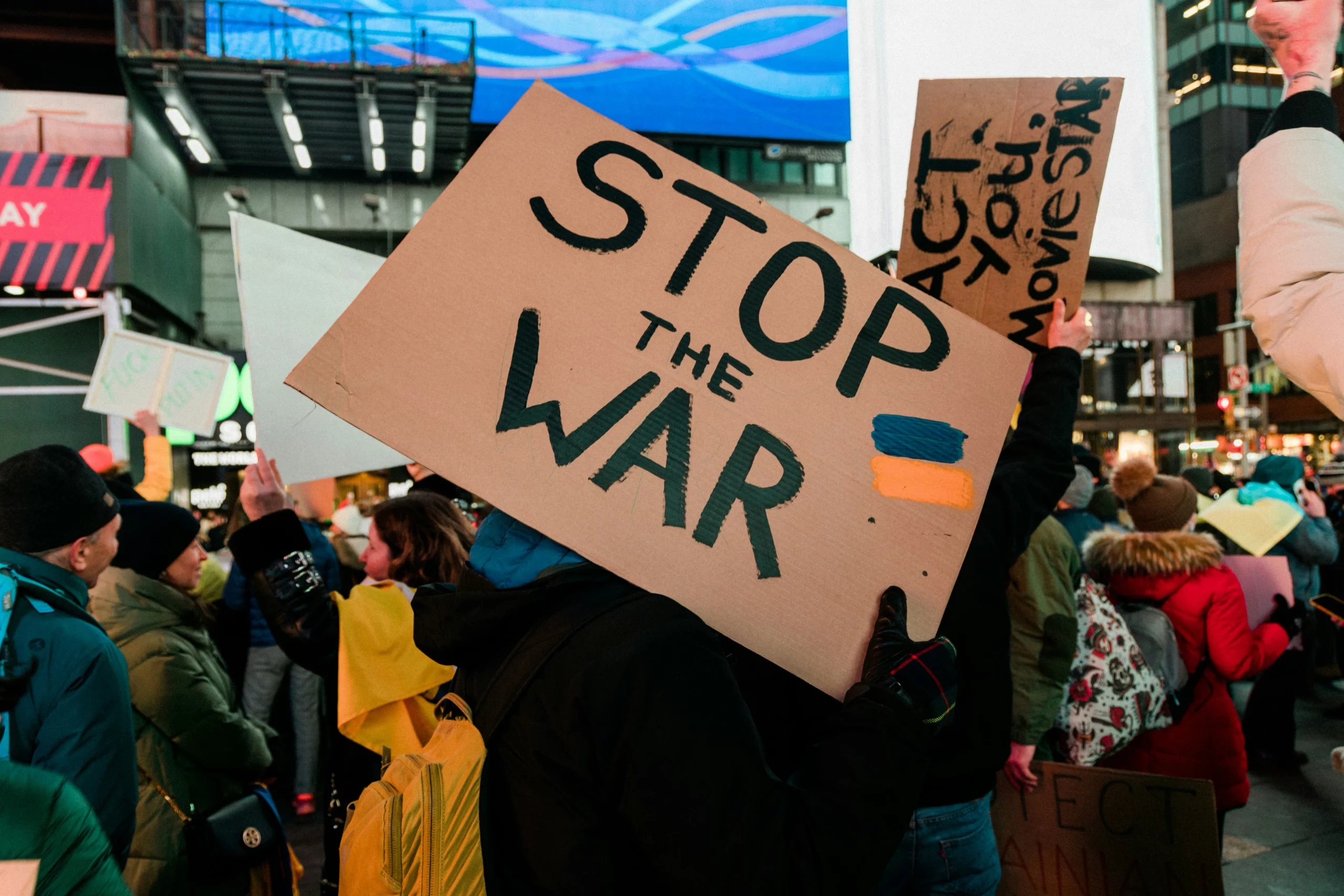
Social partners offer solidarity and support in response to the Russian invasion


The European social partners for local and regional governments, CEMR and EPSU, have jointly expressed their strong condemnation of Russia’s invasion of Ukraine, calling it a grave violation of international law and a direct threat to democracy and peace in Europe. 

In a statement released through the European Social Dialogue Committee, the two organisations extended full support to the Ukrainian people, especially to workers in cities, municipalities, and local public services, who continue to serve their communities under attack. 

“Our thoughts are with first responders, emergency services workers and municipal staff who are ensuring the delivery of basic services, despite the ongoing destruction,” the statement reads. 

CEMR and EPSU pledged to mobilise both material assistance and technical expertise to support their peers in Ukraine and urged the EU and international community to provide shelter and asylum for those fleeing the war. 

As municipalities across Europe begin to welcome displaced persons, the statement also highlights the importance of supporting local migration services and coordinating with national governments to ensure dignified reception and integration. 

Read the declaration here 

For more information, contact: 

Local support to Ukraine 

Mayors in Ukraine - News 2023

European local and regional governments denounce Russia’s aggression and pledge solidarity with Ukrainian communities 


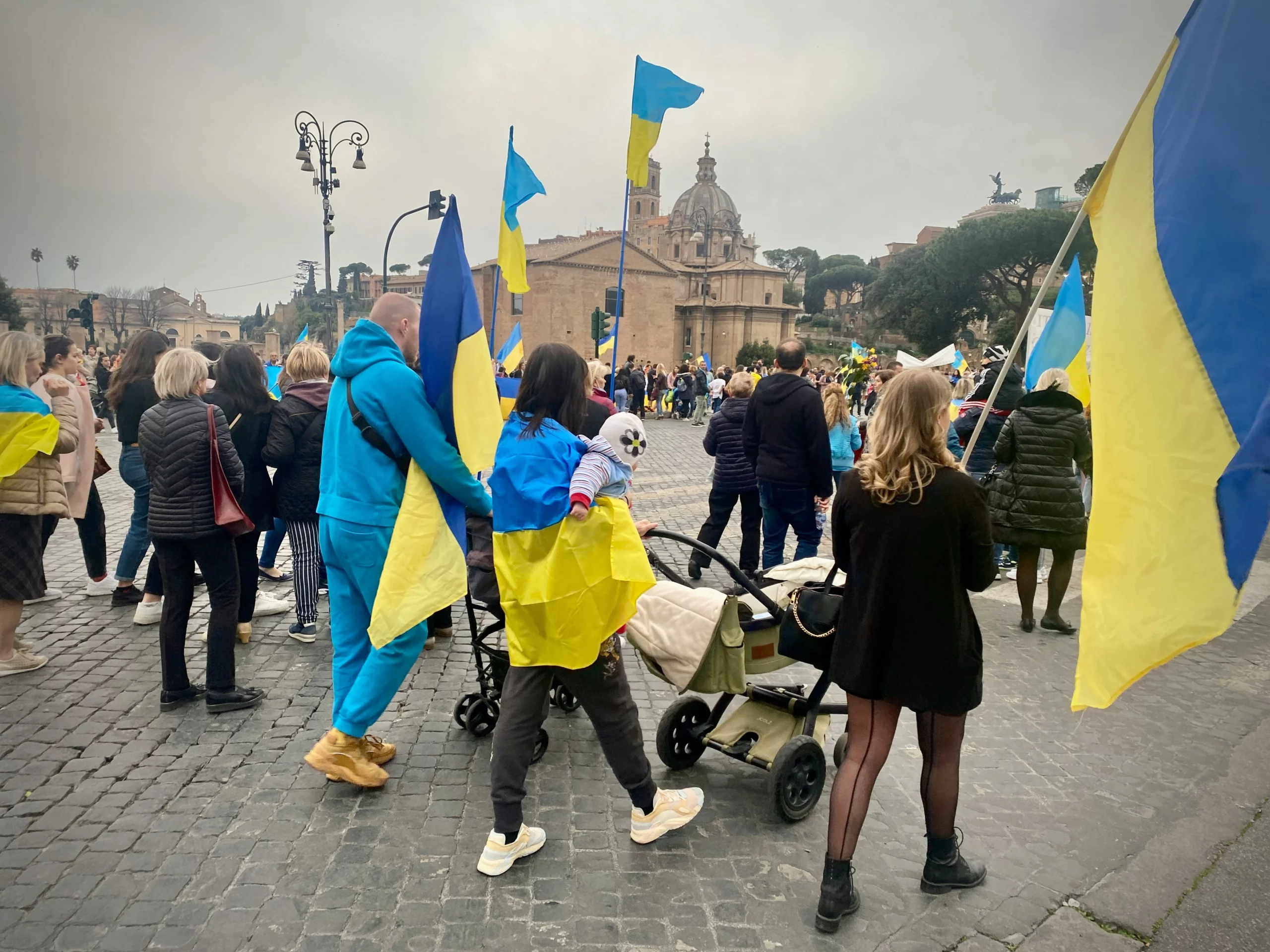
European local and regional governments have expressed their strongest condemnation of Russia’s repeated attacks and violations of Ukraine’s sovereignty and territorial integrity. They reject any attempt to dismantle a free and democratic state in Europe, stressing that these acts threaten peace and democracy across the continent. 

Solidarity with Ukrainian Communities 
Mayors, councils, and regional leaders stand firmly with their peers in Ukraine, municipalities, hromadas, districts, and their associations, who remain on the frontline providing essential services to citizens under the constant threat of bombings and destruction of infrastructure. 

Commitment to Support 
Local and regional governments across Europe, representing 60 national associations in 40 countries, commit to offering Ukrainian communities the materials, expertise, and assistance needed to face the ongoing crisis. They also prepare to respond to the humanitarian consequences, including the likely arrival of refugees, in close coordination with national governments. 

City Diplomacy for Peace 
Rooted in a tradition of local democracy and city diplomacy since 1951, European municipalities reaffirm their belief in peace and cooperation. They call on Russia to cease its aggression, withdraw from Ukraine, including Donbas and Crimea, and respect international law. 

Looking Ahead 
Despite the violence, local leaders remain convinced that diplomacy between cities can once again be a powerful force for unity, peace, and rebuilding across Europe. 

Read the declaration here 

For more information, contact: 

Empowering local Europe 

European Town - News

CEMR unveils its vision for stronger, inclusive and sustainable territories across Europe


The Council of European Municipalities and Regions (CEMR) has launched its political manifesto calling for a more inclusive, resilient, and citizen-driven European Union. With over 41 national associations of local and regional governments behind it, the manifesto sets out a roadmap to bring Europe closer to its citizens, starting from the ground up. 

At its heart are six concrete proposals to reinvigorate European democracy: from establishing permanent citizen panels and annual Europe Day debates in schools, to relaunching town twinning and creating an Erasmus-style programme for civil servants. 

CEMR also stresses that a strong Europe must leave no one and no place behind. It calls for renewed efforts to tackle territorial disparities, address depopulation, and ensure that public services, from education to health, are accessible to all citizens, no matter where they live. 

The manifesto also focuses on key priorities for the coming decade, including: 

  • Citizen participation through inclusive local democracy; 
  • Empowered local climate action, as cities and regions lead Europe’s green transition; 
  • Fair and coordinated migration policies, with strong local support for integration; 
  • Digital transformation that bridges the urban–rural divide; 
  • New forms of town-to-town partnerships, especially beyond the EU’s borders; 
  • And financial means to invest in sustainable local infrastructure and innovation. 

CEMR’s proposals emphasise the urgent need for deeper recognition of local and regional governments in European decision-making. This includes a stronger role for the Committee of the Regions, the creation of a local chamber, and systematic consultation of representative associations like CEMR when shaping EU legislation and strategies. 

By calling for a Europe that is democratic, sustainable, and close to its people, the manifesto is a bold invitation to reimagine the Union from the local level up, with municipalities and regions playing a central role in shaping the continent’s future. 

Read the position paper here 

For more information, contact: 

TERRI – mapping territorial reforms

Terri - News 2022

Discover “TERRI”: a new online tool mapping territorial reforms and powers in Europe


How is Europe’s complex patchwork of local and regional governments evolving? How have the responsibilities of municipalities, counties and regions changed in recent years, marked by environmental and health crises? What examples of successful territorial reforms can inspire others?

To answer these questions, we present to you a new digital report entitled, ‘Territorial Governance, Powers and Reforms in Europe’, or TERRI Report for short. This online tool highlights territorial reforms and decentralisation trends over the past decade in 40 countries. It also analyses the changing nature of relationships between central and subnational governments.

In light of the pandemic, this edition zooms in on local health responsibilities in different countries and evaluates the impact of COVID-19 on local health systems. TERRI visualises trends with numerous charts. In just a few clicks, you have access to individual country profiles, an interactive map and recommendations to policymakers for undertaking successful territorial reforms. There is also a unique tool for side-by-side comparisons of different countries’ systems of local government.

The TERRI Report is based on research by the Council of European Municipalities and Regions (CEMR), gathering data from its member associations on the state of local and regional governments across Europe.

The trends reshaping local Europe

While the situation in different European nations is necessarily diverse, the TERRI Report has identified several common trends.

Europe today is made up of 114,534 towns and cities, 1058 provinces and counties, and 353 regions. There have been reforms reducing the number of municipalities or regions in several countries. These typically aimed to consolidate the territories concerned into larger entities. Portugal, Albania, Estonia, Latvia, Ukraine and Turkey for example, all saw drastic reductions in the number of municipalities, while Norway and France considerably reduced the number of regions.

National associations of local and regional governments emerge as central players in both territorial reforms and healthcare systems. As regards healthcare, associations play a key role through activities such as sharing expert information and best practices amongst their members and in negotiating healthcare roles and budgets with national governments.

In many countries, there has been a decentralisation of healthcare responsibilities. This typically takes the form of increased healthcare responsibilities for subnational governments and/or more healthcare coordination between levels of government.

These are just a few of the changes that are affecting local life in our municipalities and regions. To find out more, explore the TERRI Report at: terri.cemr.eu

For more information, contact:

Bringing Equality Closer to Home 

UCLG people banner

2021 Report – CEMR Charter15 Reflection Process 


The European Charter for Equality of Women and Men in Local Life, developed by CEMR, is both a political commitment and a practical tool enabling local and regional governments to integrate gender equality into all aspects of policy and administration. Since its launch in 2006, nearly 2,000 signatories across 36 countries have joined the initiative. 

Marking 15 years in 2021, CEMR initiated a reflection process to ensure the Charter remains relevant, inclusive and fit for the future. The process culminated in a set of recommendations to revitalise and adapt the Charter, supported by the EU’s CERV programme

Key Activities and Participation 

  • 6 online workshops (June–November 2021) 
  • 5 interviews with national gender focal points 
  • 75 participants from 21 countries, including local authorities, associations, and civil society. 

Workshop Themes & Findings 

1. Employment & Economic Development (September 2021) 

Gender gaps persist in pay, part-time work, and parental leave. The Charter update should reinforce equality in employment practices, particularly relevant to local governments as employers. 

2. Climate, Urban Space & Sustainable Development (October 2021) 

There is a demand to strengthen Article 25 on urban planning by including monitoring and evaluation tools, and to align with SDG 5 through the Charter’s indicators. 

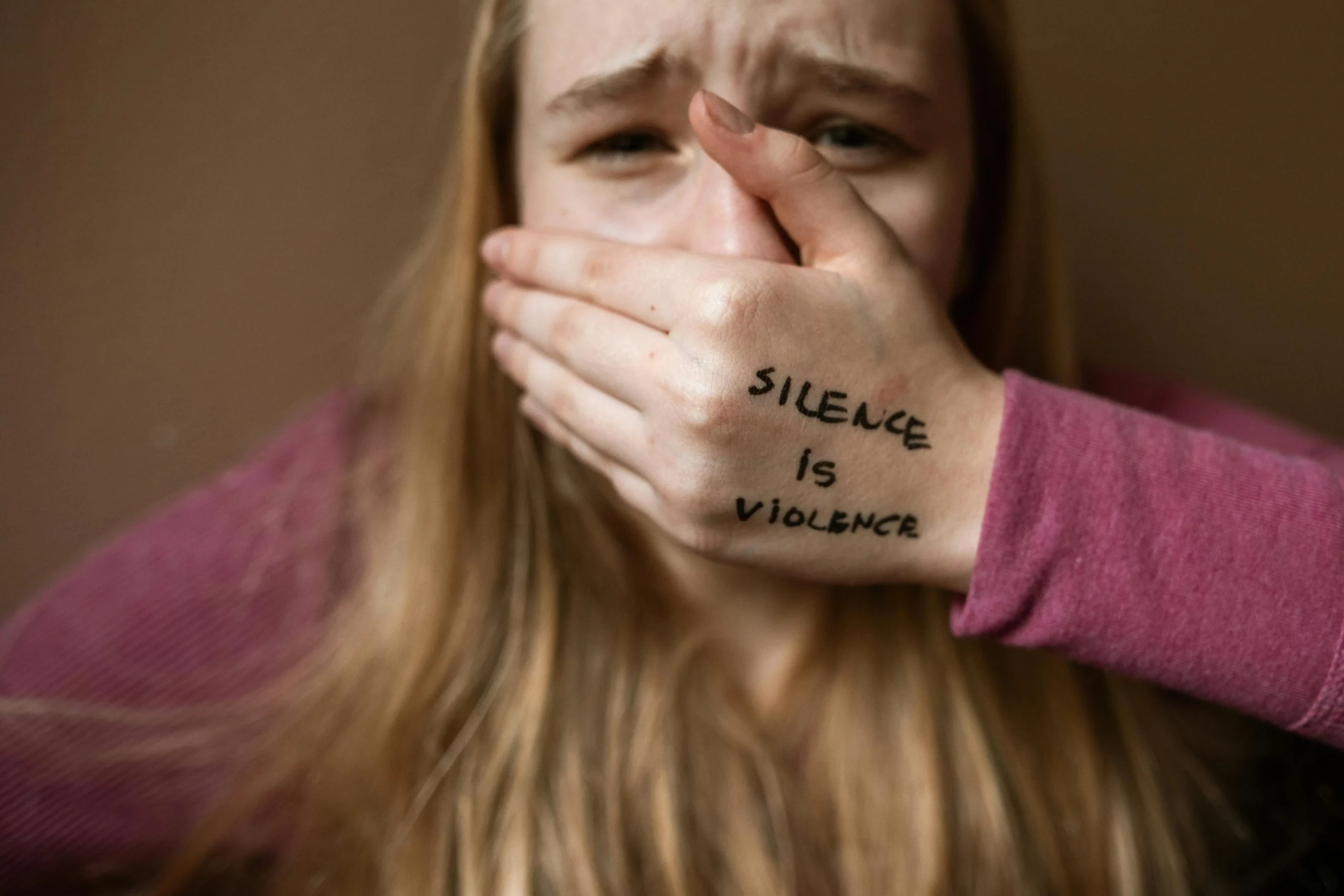
3. Violence Against Women and Girls (November 2021) 

Updates should better address violence prevention, include children (especially girls) as victims, and consider the complex issue of honour-based violence

4. Communication, Stereotypes & International Cooperation (June 2021) 

The Charter must adopt an intersectional perspective without weakening its gender focus and show how gender equality benefits men and boys as well. 

5. Multiple Discrimination & Intersectionality (September 2021) 

A call to inclusively reflect diverse experiences of discrimination, guided by approaches like Sweden’s: “always gender, but never gender alone.” 

6. Public Services & Administration (September 2021) 

The Charter should be made more actionable at the local level. COVID-19 showed the need for gender-sensitive crisis planning to avoid backsliding on equality. 

Next Steps 

Based on the rich input from this process, an updated version of the Charter will be developed in 2022. This will ensure that it continues to serve as a dynamic tool for gender equality, adaptable to modern challenges, while respecting the commitments of existing signatories. 

Read the study here 

For more information, contact: 

Revitalising the Equality Charter 

Gender Charter - News

CEMR’s 15-year reflection process sets the stage for a renewed push to advance gender equality in Europe’s local and regional life 


2021 marked the 15th anniversary of the European Charter for Equality of Women and Men in Local Life, a milestone moment to celebrate achievements, reflect on lessons learned, and chart a course for the future. Initiated by CEMR in 2006, the Charter has grown into a powerful instrument for advancing gender equality at the local level, now embraced by nearly 2,000 signatories in 36 countries. 

The anniversary served not only to honour progress but also to examine how the Charter can evolve to remain relevant and impactful for today’s and tomorrow’s local governments. 

To mark the occasion, CEMR launched a wide-ranging reflection process. A series of six online workshops was held between June and November 2021, involving Charter signatories, national associations, gender focal points and other stakeholders. Five in-depth interviews complemented these to deepen the analysis. 

The process revolved around four key areas: 

  • Recognising achievements: Highlighting the tangible improvements in local equality made possible by the Charter; 
  • Reflecting on relevance: Considering how to modernise the Charter and connect it with broader policy frameworks; 
  • Celebrating commitment: Acknowledging the people and organisations driving real change on the ground; 
  • Revitalising tools: Gathering practical insights and suggestions to strengthen the Charter’s implementation. 

Participants emphasised that while the Charter remains a strong and valuable framework, its language, accessibility, and visibility could be improved. There was broad support for clearer, more inclusive, and action-oriented language. Concerns about legal implications for current signatories were addressed with a proposed solution: allowing signatories to either reconfirm or upgrade their commitment, while still validating earlier engagements. 

The 15-year review reaffirms the Charter’s relevance and potential as a living document. CEMR has now put forward a set of concrete recommendations to enhance its clarity, inclusivity and usability, ensuring it remains a cornerstone for gender equality at the local and regional level: 

  • Simplify the language and prioritise clarity and accessibility; 
  • Use assertive, action-driven phrasing to emphasise commitments; 
  • Improve translation quality in coordination with national associations; 
  • Adapt language to gender-inclusive norms, particularly in gendered languages. 

As the Chair of the Standing Committee for Equality put it: 

“Beyond chapters and clauses lies a common goal: bringing equality closer to home.”

Read the study here 

For more information, contact: 

Boosting public investment capacities 

COVID19 finances - news

Rethinking EU economic governance to empower local investment and drive sustainable recovery 


The COVID-19 crisis has reshaped Europe’s economic landscape and highlighted the essential role played by local and regional governments. From enforcing public health measures to supporting vulnerable communities, municipalities and regions have borne the brunt of the pandemic’s immediate and long-term impacts, often while facing steep declines in revenues. 

As the EU reflects on the future of its economic governance, the Council of European Municipalities and Regions (CEMR) urges a rethink of the Stability and Growth Pact to better align it with today’s realities and tomorrow’s challenges. 

Local governments account for nearly half of public investment in the EU, yet current fiscal rules often restrict their capacity to finance long-term projects. CEMR’s position paper identifies several ways the framework could evolve to support recovery, green and digital transitions, and social inclusion. These include: 

  • Stronger multi-level governance and genuine consultation with local authorities in EU economic coordination; 
  • Greater fiscal flexibility to support sustainable and long-term local investments; 
  • Addressing the investment backlog through accessible financing and capacity building; 
  • Establishing a dedicated European municipal and regional investment facility within the EIB to boost green and digital development; 
  • Ensuring that local-level contributions to the EU Green Deal are not blocked by rigid budget rules. 

Reforming EU economic governance is an opportunity to recognise and unleash the potential of Europe’s cities and regions. A more balanced, investment-friendly approach will strengthen resilience, equity and sustainable growth across the Union. 

Read the position paper here 

For more information, contact: 

EU values in the digital space 

Digital violence - News 2023

CEMR calls for a digital transition that works for all levels of government 


Local and regional governments must be fully equipped and supported in Europe’s digital transition. That’s the key message from the Council of European Municipalities and Regions (CEMR) in its response to the European Commission’s consultation on EU digital principles. 

As frontline providers of public services and facilitators of digital innovation, local and regional governments (LRGs) are key to making the digital decade a success. However, CEMR warns that this transformation must not impose new burdens or widen digital divides. 

“European initiatives must support, not sideline, local governments. Funding, training and collaboration are vital,” says the organisation. 

CEMR welcomes the goals outlined in the Commission’s “2030 Digital Compass,” especially the focus on digitalising public services. It highlights the importance of digital skills, cybersecurity, smart cities, and interoperability to help municipalities deliver inclusive and user-friendly digital services. 

Local authorities are already investing in e-government, innovation labs, and partnerships with start-ups. But CEMR calls for better coordination between national and EU levels to avoid duplication and ensure all regions, rural and urban alike, can benefit. 

CEMR also emphasises: 

  • The need to strengthen local democracy through inclusive digital participation; 
  • Protecting privacy and personal data under the “once-only” principle; 
  • Supporting socially responsible platforms in the sharing economy; 
  • Promoting open standards and seamless interoperability across administrations. 

The digital transition must not leave anyone behind. From investing in digital education to adapting services for vulnerable groups, local governments play a central role in ensuring a digital Europe that is fair, accessible, and democratic. 

Read the position paper here 

For more information, contact: 

European territories localise the SDGs

Climate - News

Hot off the press: “European Territories Localise the SDGs”


From global to local: PLATFORMA and CEMR are proud to present the 2021 edition of our regular series of publications on how municipalities, regions and their associations are making the UN Sustainable Development Goals (SDGs) a reality on the ground.

Entitled European Territories Localise the SDGs: Continuity and Change in Times of COVID-19, this 46-page report is jam-packed with data, infographics, charts and best practices on how local and regional governments are working on the SDGs in Europe and beyond.

Based on data from 39 local and regional government associations in 29 countries, the study provides a succinct overview of the often-diverse situation across the European continent.

Local governments: key to monitoring and cooperation on the SDGs

The report’s findings are clear: an increasing number of local and regional governments and their associations in Europe are taking the lead in implementing what is still seen by many others as ‘just’ a global agenda. Those on the forefront however know how the 2030 Agenda and its SDGs can transform their daily work, policies and public services with inclusive approaches.

Indeed, 15.4% of associations are now more involved in the SDGs than in 2019. Today, over 3/4 associations have sound knowledge of the SDGs and 1/3 use them as a guiding reference.

The SDGs offer a shared vocabulary and goals, enabling local governments to interconnect with other governments and players, ultimately forming links between citizens and the world. Local governments and their associations have a particularly crucial role in promoting cooperation on and monitoring of progress on the SDGs.

84% of associations are involved in some way in national SDG coordination mechanisms. What’s more, around 4/5 associations have taking action on the SDGs’ international dimension and considers that the SDG framework helps development of partnerships with peers (i.e. decentralised cooperation activities around the 2030 Agenda).

The report also highlights the essential role of local government associations have played during the COVID crisis. This has included sharing information with municipalities and regions, capacity-building, advocating for financial support and participating in national consultations.

Recommendations to realise the 2030 Agenda from the bottom-up

We have long known that the ambitious goals of the 2030 Agenda need to be implemented from the bottom-up. The local level is ideal for experimentation, innovation and acceleration of work on the SDGs. However, the right conditions need to be in place to realise this potential.

The report formulates 5 key recommendations:

  • Increase EU and national funding for SDG localisation
  • Promote mutli-level governance, multi-stakeholder partnerships and policy coherence
  • Local and regional governments and their associations should continue peer learning within and outside Europe
  • National governments should increase recognition and support for SDG localisation (notably to monitor progress)
  • Strengthen human resources and capacities on SDG localisation

The report and its key findings will be presented on 29 June at the 12th Annual Meeting of Cités Unies Frances (CUF), on 8 July during a PLATFORMA-CEMR dedicated webinar taking place in the context of the the UN High Level Political Forum on Sustainable Development (HLPF, registration form) and at other local government events.

More information:

For more information, contact: