In a new position paper, the Local Alliance – a coalition of CEMR, ACR+, Climate Alliance, Energy Cities, Eurocities, FEDARENE, ICLEI Europe, and POLIS – calls on the EU to seize the revision of the Governance Regulation to make National Energy and Climate Plans (NECP) truly implementable, investable, and grounded in local realities.
Cities, towns and regions across Europe are already acting — renovating buildings, deploying renewables, transforming mobility systems. Yet the EU’s climate planning framework has not caught up. National Energy and Climate Plans (NECPs) continue to be drafted largely without the involvement of the local and regional governments that will ultimately deliver them.
The revision of the Governance Regulation, expected from the European Commission in the last quarter of 2026, is therefore a critical opportunity — one the Local Alliance is determined not to miss.
A structural disconnect
A wealth of local data, investment pipelines and climate plans already exists across Europe — from Sustainable Energy and Climate Action Plans to Climate City Contracts and local heating strategies. Yet this territorial knowledge rarely feeds into NECPs, creating duplication, fragmentation and missed investment opportunities.
Meanwhile, the multi-level dialogues already required under Article 11 of the current Regulation have largely remained disconnected from real implementation decisions or remained tick-the-box level only.
The result is a dangerous two-speed dynamic: high ambition at European and national levels, too little attention to what happens on the ground.
The Local Alliance’s answer: connect what already exists
The position paper calls for the revised Regulation to be built around four mutually reinforcing elements:
a permanent multi-level dialogue platform in each Member State to align all levels of government around NECP preparation and monitoring, taking into account national governance structures and needs;
a territorial chapter in each NECP drawing on existing local plans to show where and how national objectives will be delivered;
territorially informed sectoral pathways linking national targets across buildings, transport, heating, renewable energy, and circular economy with the local realities that determine whether delivery is actually possible;
and investment strategies that take account of local investment and capacity needs.
This is not a call for more bureaucracy. It is a call to make what already exists work together — reducing consultation fatigue, cutting administrative duplication, and turning NECPs from reporting exercises into genuine frameworks for implementation and investment.
European local leaders meet in Tangier to champion Europe’s priorities in the global UCLG network
905 words
4–6 minutes
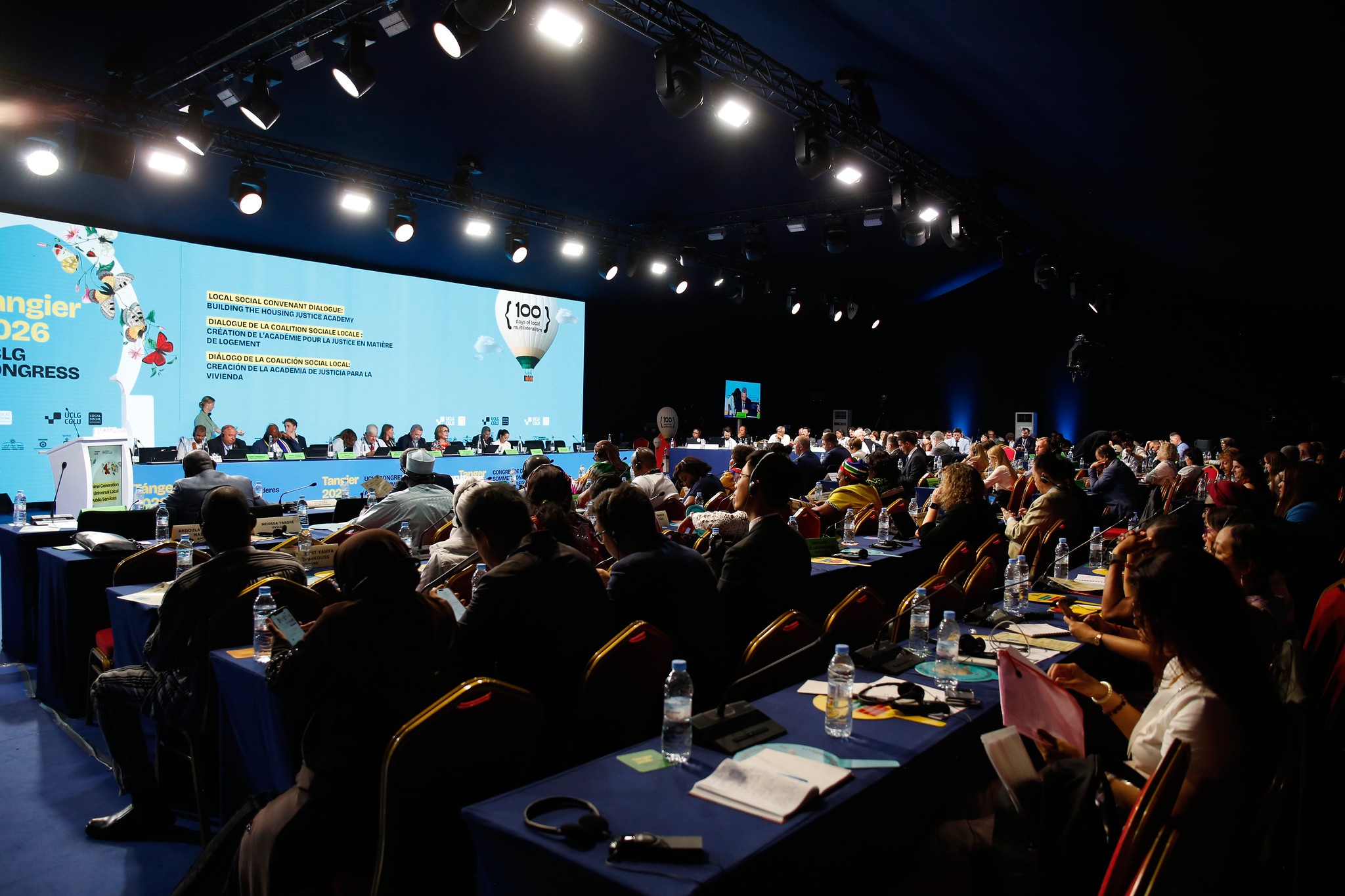
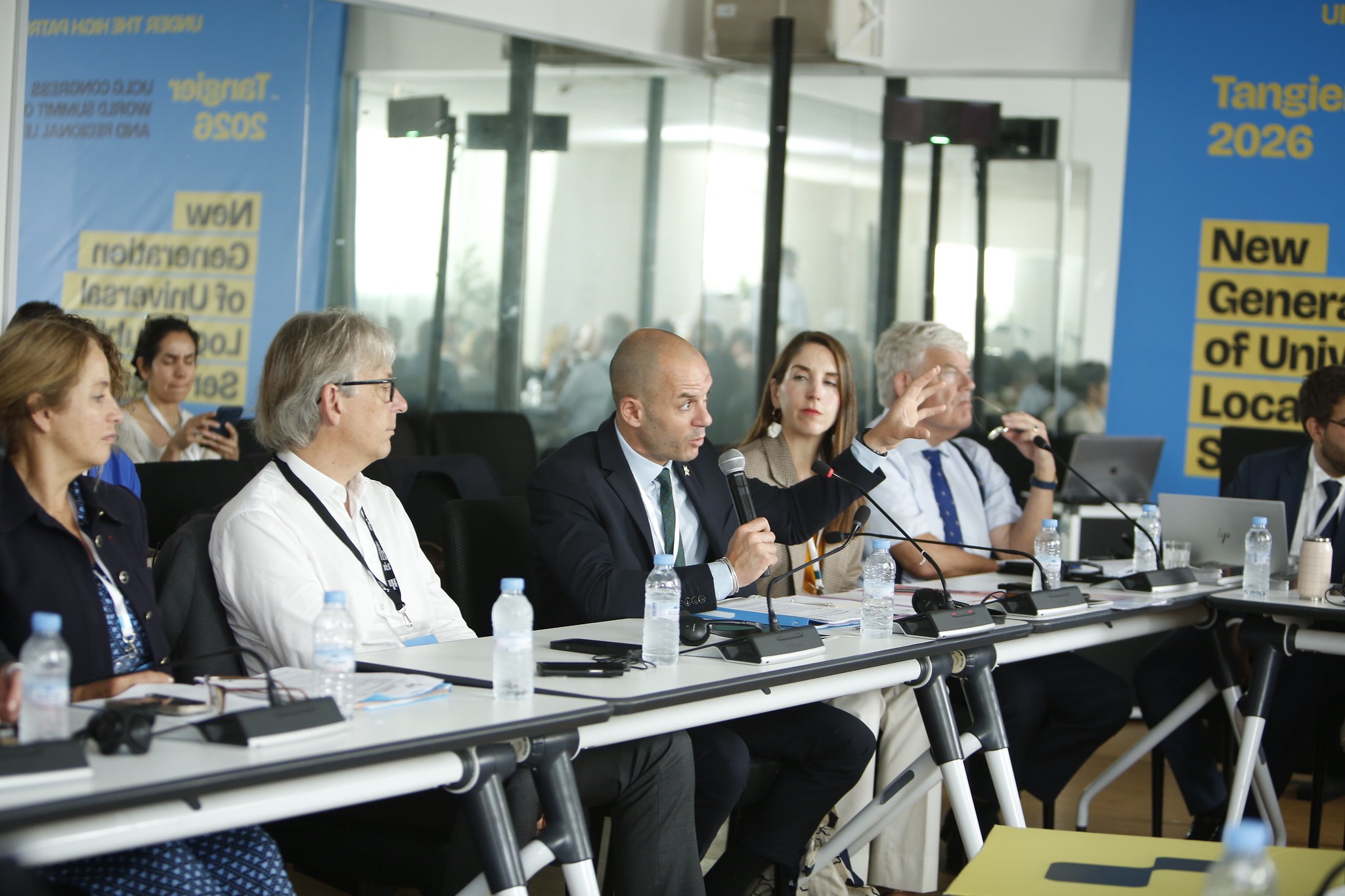
The City of Tangier hosted the 2026 United Cities and Local Governments (UCLG) World Congress and World Summit of Local and Regional Leaders from 22 to 26 June 2026, bringing together local and regional leaders from across the globe to shape a shared vision for the future of their communities. The Council of European Municipalities and Regions (CEMR), as the European section of UCLG, was present throughout the event, with two particularly significant days marking their contribution to the global programme.
Strengthening Europe’s voice in the global arena
Fabrizio Rossi, Secretary General of CEMR at the UCLG Congress 2026.
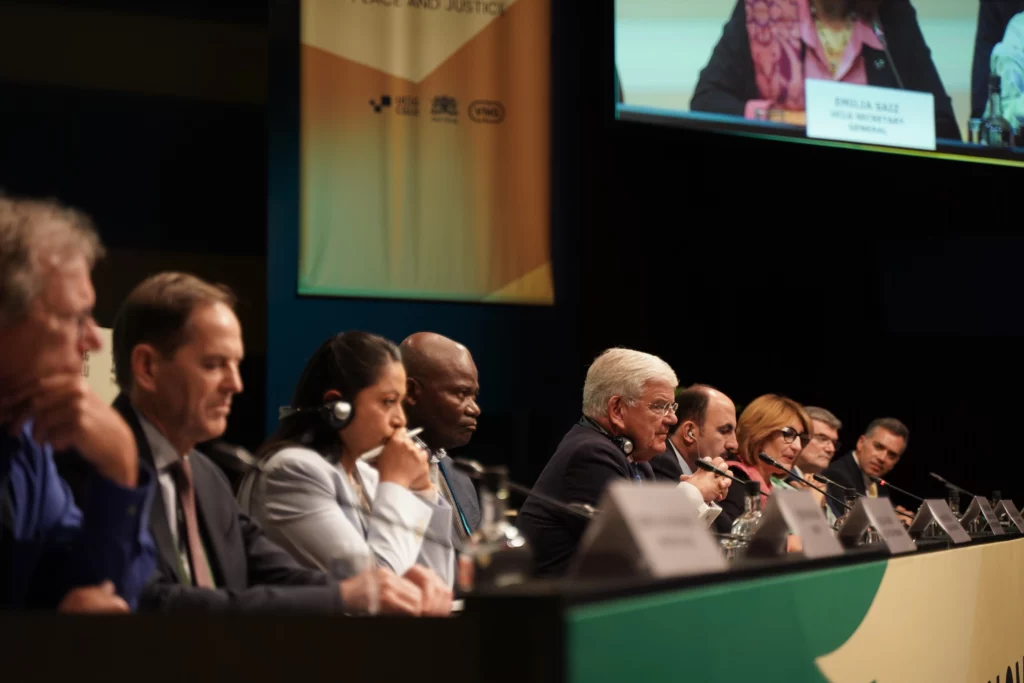
On June 23, CEMR convened the Assembly Track session “From Local Action to Global Impact: Strengthening Multilevel Governance from a European Perspective”. The session brought together local leaders from across the continent to chart European priorities for the 2026–2029 UCLG mandate, explore how local action can feed into global agendas through the Local Social Covenant, and strengthen the role of towns, cities and regions as genuine political partners in global governance.
Participants in the first two panels included Councillors and CEMR spokespersons Carola Gunnarsson and Eider Inuntziaga, as well as Shona Morrisson, Tiit Terik, and André Viola, Deputy Mayor Ursula Sautter and Regional President Marta Prates. Mayor Jan van Zanen, who served as UCLG President until this UCLG Congress, delivered the closing remarks, anchoring the session’s conclusions in a firm commitment to Europe’s role in shaping the next UCLG mandate.
New study on EU Delegations and local governments
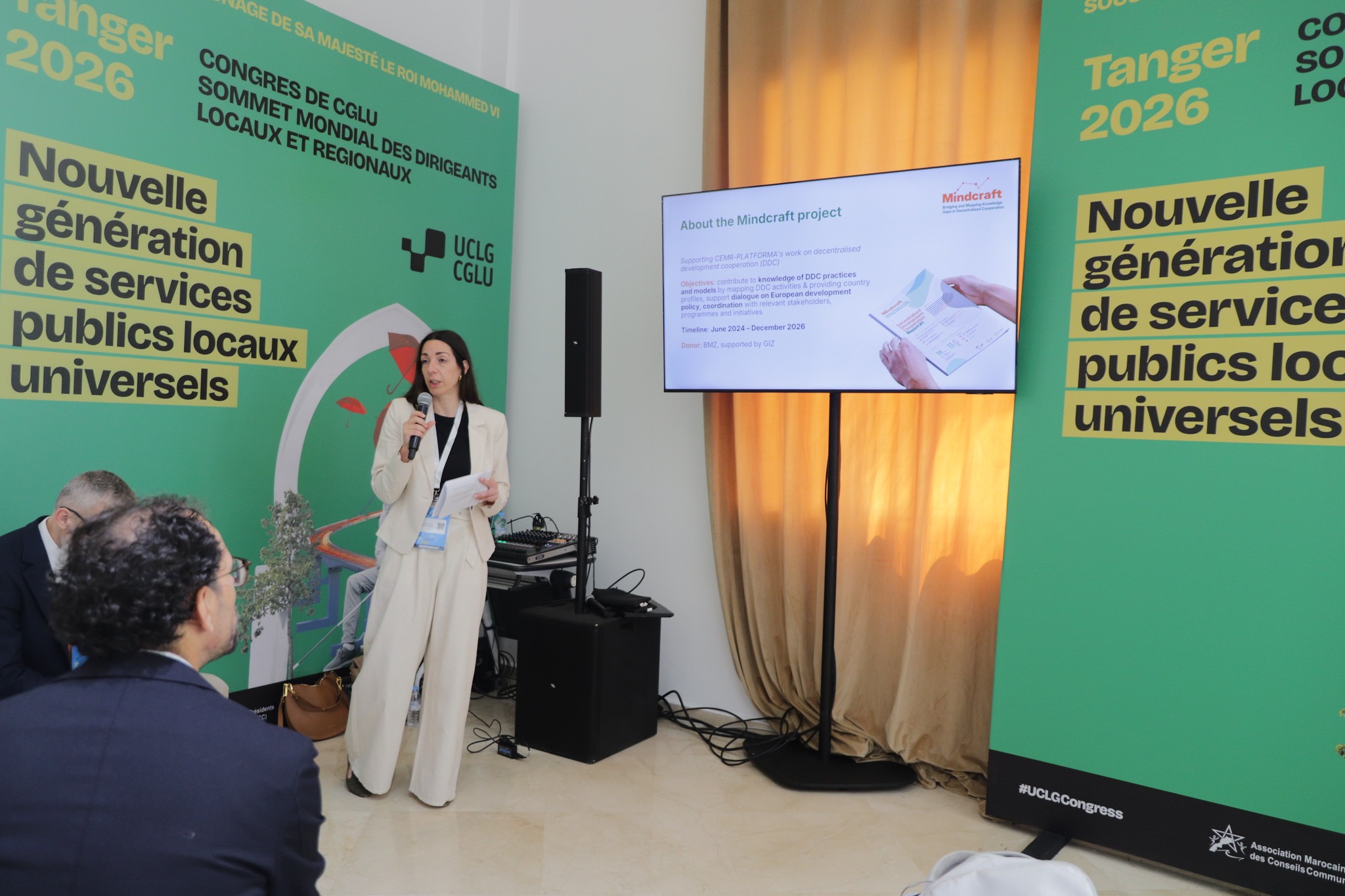
On June 24, the third day of the Congress, PLATFORMA and CEMRannounced the publication of an upcoming study on how EU Delegations engage with local and regional governments across the globe — the first update to their landmark 2021 report, due to be released in July 2026. Preliminary findings were presented at the session, highlighting opportunities for cooperation as well as ongoing challenges.
By offering a snapshot of how EU Delegations engage with cities, towns, regions and their representative associations under the NDICI–Global Europe framework and the Global Gateway initiative, the session contributed to the broader reflection on EU development policy ahead of the next Multiannual Financial Framework (MFF) for 2028–2034.
Mindcraft project presentation at the UCLG Congress 2026.
This study is produced in the framework of the Mindcraft project, funded by the German Federal Ministry for Economic Cooperation and Development (BMZ) and supported by Deutsche Gesellschaft für Internationale Zusammenarbeit (GIZ).
Advancing gender equality: the Feminist Municipal Movement
On the same day, the first-ever UCLG Women’s Assembly hosted women mayors, governors, and local leaders to advance gender equality and strengthen the Feminist Municipal Movement globally. CEMR’s Spokesperson on International Affairs, Councillor Carola Gunnarsson, reflected on eight years of progress within UCLG on gender equality — from the earliest proposals to embed gender activities in the UCLG workplan to the organisation’s broader commitment to becoming a Global Feminist Municipal Movement.
Gunnarsson was frank about the work that remains, in particular regarding female representation in upcoming leadership elections.
Gunnarsson stated: “Now it is time for us to strengthen our efforts to support and help all local governments to become Feminist Municipal Movements. Then we can see a real change and also give women and girls the rights to flourish and society the possibility to grow stronger and better for everyone.”
The UCLG Congress in Tangier reaffirmed the central role of European local and regional governments in the global municipal movement, and CEMR’s commitment to ensuring that local voices — in all their diversity — are at the heart of international decision-making.
Renewal of UCLG governance
During the UCLG Congress in Tangier, the governance bodies of the global organisation were renewed.
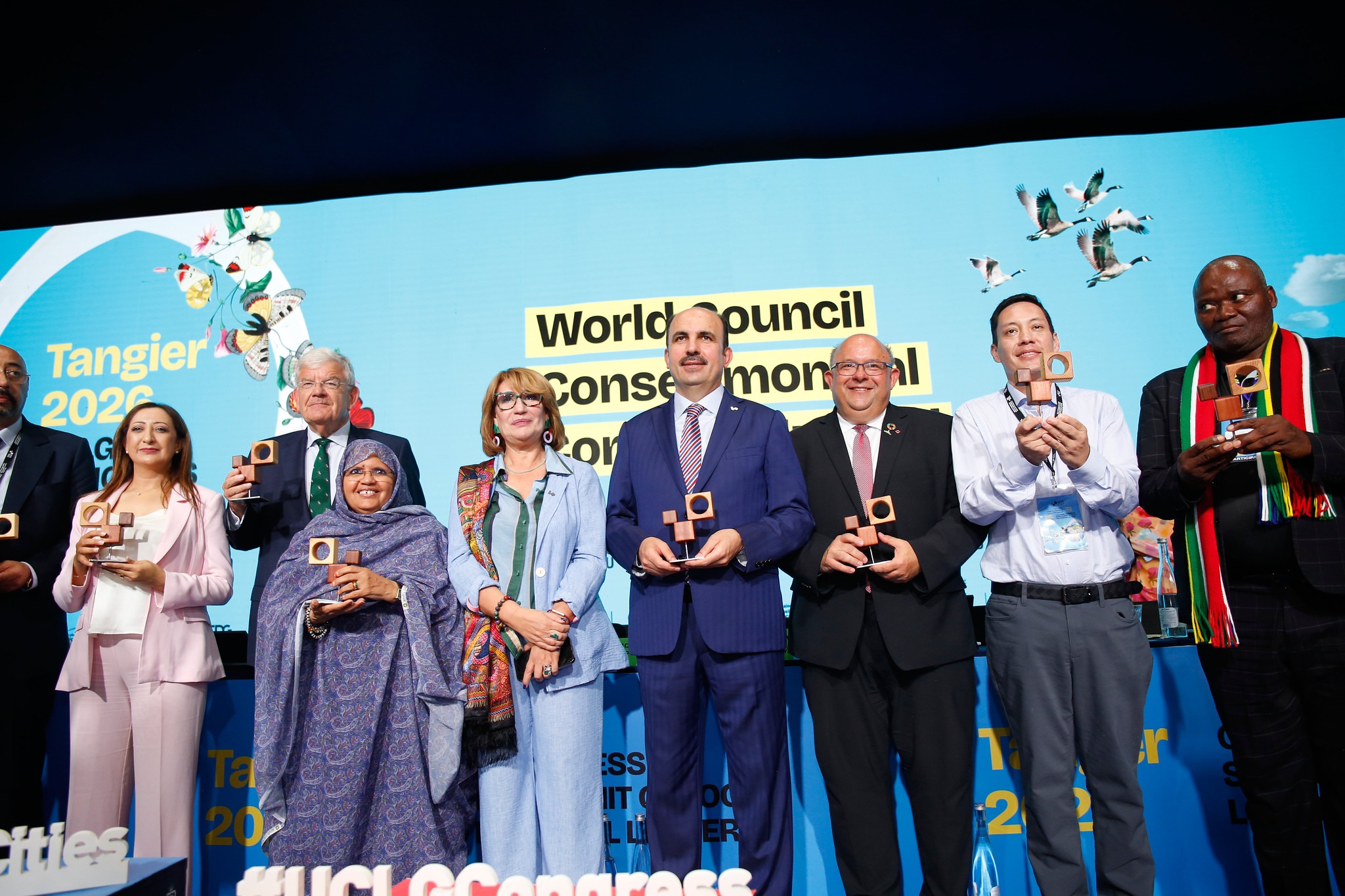
Members of the new UCLG co-presidency elected during the World Congress in Tangier.
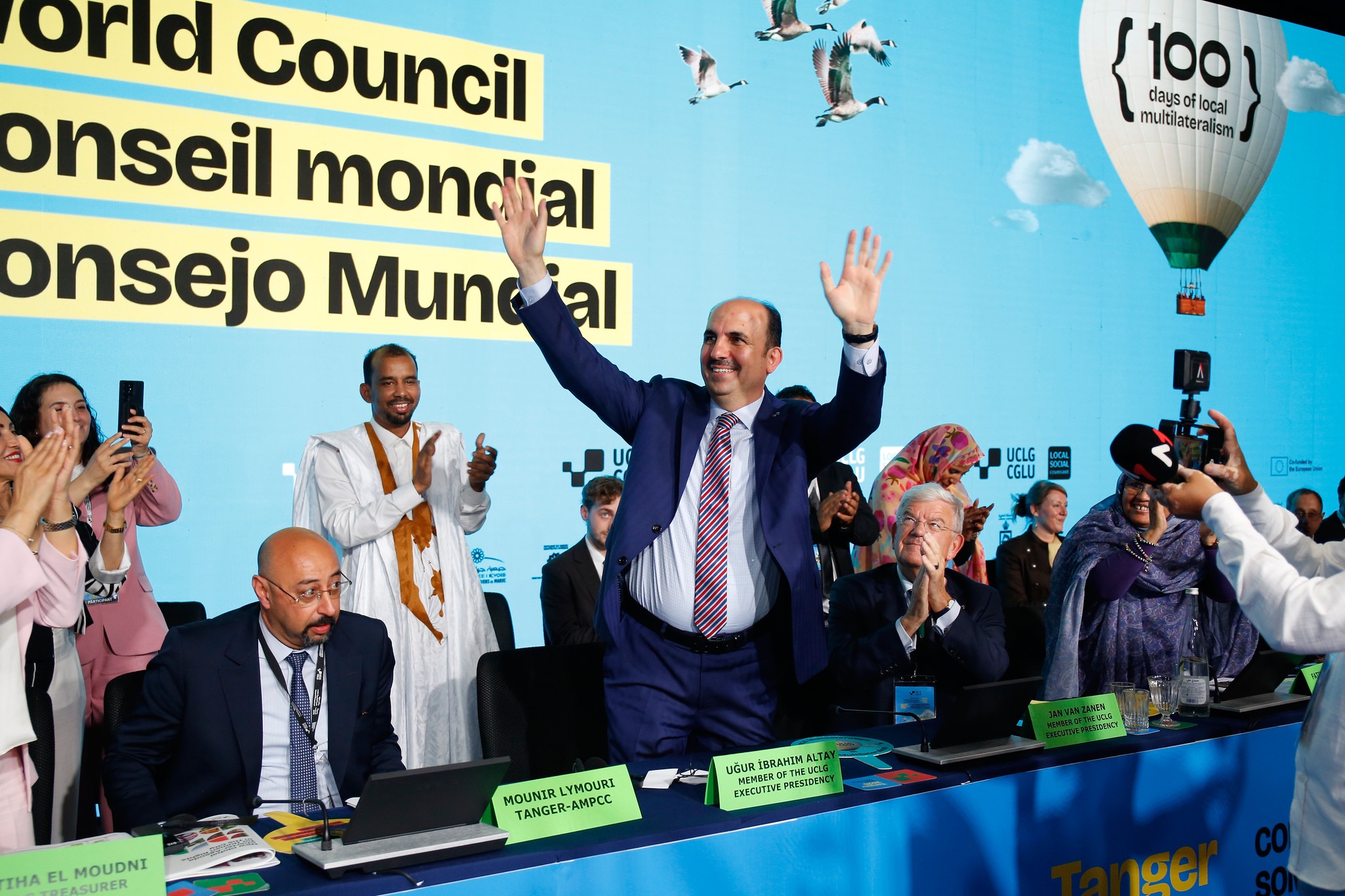
The World Congress was also the occasion to renew the UCLG’s statutory bodies, including the election of its Presidency. The Mayor of Konya, Uğur Ibrahim Altay, was elected President of UCLG, while Mr Jan van Zanen, Mayor of The Hague, was elected as one of the five Co-Presidents. CEMR warmly congratulates the new UCLG Presidency.
The Mayor of Konya elected as UCLG President during the World Congress in Tangier.
The new UCLG co-presidency was also appointed during the Congress and is composed of Bheke Stofile, President of SALGA; Aysen Nikolaev, Head of the Sakha Republic; Jan van Zanen, Mayor of The Hague; Cristian Zamora, Mayor of Cuenca; and Berry Vrbanovic, Mayor of Kitchener. Fatimetou Abdel Malick, was appointed President of the Standing Committee on Gender Equality and will also serve as Co-President of UCLG.
The Tangier Outcome Document
The Tangier Outcome Document charts the path towards a renewed social contract grounded in care, solidarity and universal local public services.
UCLG has adopted the Tangier Outcome Document, a renewed political commitment pledging local and regional governments worldwide to universal, rights-based public services. It frames housing, food, health, culture and care not as commodities – but as public goods essential to equality, democracy and peace, and lays out priority areas including housing justice, local finance reform, climate justice, food systems and conflict prevention.
It also introduces the concept of “New Essentials”; services like care, digital rights and democratic AI governance — as part of the next generation of local public provision. To back the commitments, UCLG will also be setting up new bodies, among them a Housing Justice Academy, a Women’s Council for Equality, an Intergenerational Council, and a Global Facility for Innovation in Local Public Services.
Reflecting on what local governance means in the face of current challenges
354 words
1–2 minutes
Local and regional governments across Europe are under growing pressure. Tight budgets, staff shortages, rising social care needs, climate challenges, and digital transformation are pushing governments to rethink how they deliver services and allocate resources to meet increasingly diverse local needs. At the same time, citizens expect more services that are responsive, accessible, and rooted in local realities.
These issues were the subject of a recent meeting of CEMR’s Governance and Local Democracy Expert Group, where one key takeaway stood out: governance is no longer just about deciding who is responsible for what. It is more often about how different levels of government work together and their ability to do so well.
Adapting governance to new realities
Governments across Europe are pursuing all kinds of reforms — decentralisation, territorial restructuring, inter-municipal cooperation and administrative consolidation. The approaches vary, but the goal is often the same: making sure public institutions can keep up with a changing world.
But reform is not just about reshuffling structures. It raises fundamental questions: How clearly are responsibilities divided? How can governments build capacity while staying accountable? And how can reforms improve services without undermining democratic legitimacy? Ultimately, those delivering services on the ground need a real say in shaping reforms, otherwise they risk becoming exercises in administrative tinkering rather than genuine improvements.
Monitoring change
This is part of why CEMR tracks governance developments through its Territorial Governance, Structures and Reforms (TERRI) report. The previous edition, produced during COVID-19, captured how governance arrangements affected crisis response. The next edition, due this autumn, will focus on housing policy, examining how responsibilities are shared across national, regional, and local levels to meet growing demand under tight resource constraints.
The report will not have all the answers, but it will capture a moment in time. Across very different systems, one lesson holds: reform is not an end in itself. The real test is whether it makes public action more effective and more legitimate — and that is what CEMR will keep monitoring.
Committee of the Regions adopts AgoraEU opinion with CEMR’s key policy recommendations at its core
742 words
3–5 minutes
The European Committee of the Regions (CoR) adopted its opinion on the proposed AgoraEU programme at its 171st plenary session. Drafted by rapporteur Csaba Borboly (RO/EPP), Vice-President of Harghita (Romania) County Council, the opinion sends a clear message to EU institutions: local and regional governments are essential implementing partners in Europe’s cultural, media and democratic future.
AgoraEU is the Commission’s proposal to merge Creative Europe and the Citizens, Equality, Rights and Values (CERV) programme into a single framework for the EU budget 2028–2034, covering three strands: culture, media, and democracy. While the ambition to create coherence is welcome, CEMR and the CoR have both underlined that this merger must not dilute the specific objectives and funding of each stream.
Ahead of the CoR’s deliberations, CEMR submitted several policy recommendations to the European Committee of the Regions, which have been reflected across four critical areas.
Town twinning: from omission to recognition
The most important alignment concerns town twinning and networks of towns. CEMR called for twinning to be recognised as a strategic democratic instrument with a clearly earmarked budget line — a cost-effective vehicle for civic participation, intercultural dialogue and European identity-building, especially in the context of geopolitical instability and enlargement process.
The CoR echoes this directly, calling for twinning networks and cross-border municipal partnerships with dedicated multi-annual funding. It also formally regrets that the Commission’s proposal dropped the twinning actions provided for under CERV and calls for their reinstatement. Town twinning reaches hundreds of thousands of citizens each year, including in small towns and rural areas rarely served by complex EU funding instruments. A CEMR Analysis of Twinning in Europe in 2023 showed that local and regional government associations (LRGAs) play an important role in twinning. More than 80% of respondents stated that they have been active in this field in the last two years and 75% declared interest to continue and to develop activities even further including cultural exchange, peer learning and joint project implementation.
National Contact Points and simplified access
National local and regional government associations and city networks have a proven track record in channelling EU funding to grassroots actors. CEMR argued that well-resourced National Contact Points, hosted by national associations of local and regional governments, are essential to reach smaller municipalities, rural areas and first-time applicants, and that national associations and municipal networks should be formally recognised as strategic bridge actors empowered to manage Financial Support to Third Parties (FSTP) mechanisms.
The CoR moves in the same direction, though with its own framing. It stresses that proportionality must be assessed not only in policy scope but in accessibility and inclusivity, and endorses simplified grant formats, capacity-building support and two-step application and cascade grant processes that have proven their value in previous programmes. It also calls for AgoraEU contact points to be established at least at national level, and where appropriate at regional level. Critically, it proposes that own contribution requirements for small-scale and grassroots initiatives be capped at 10% of total eligible costs, coverable through national, regional or local co-financing — a practical measure that directly addresses one of the most persistent barriers to bottom-up participation.
Embedding local governments within the programme’s governance framework
The CoR holds that AgoraEU must fully align with active subsidiarity and multilevel governance, calling for the role of LRAs to be formally recognised in the regulation, for territorial participation indicators to be introduced, and for evaluation criteria to be explicitly linked to territorial cohesion and citizen engagement.
What comes next
The CoR opinion is a strong institutional signal. The challenge now is to carry this territorial voice into the EU budget negotiations between the European Parliament and the Council.
CEMR will continue to advocate for the four pillars essential to making AgoraEU work for local and regional governments: a protected budget line for twinning actions; well-resourced National Contact Points with a genuine territorial mandate; formal recognition of intermediary organisations to facilitate the access to small subgrants; and meaningful participation of LRGs representatives in programme governance from the outset.
Culture, media and democracy are lived every day in town squares, local theatres and municipal councils across Europe. AgoraEU has the potential to reinforce that. The CoR has made clear what it takes — now it is up to the European Parliament and the Council to move towards this direction.
Read the Committee of the Regions’ adopted opinion [here]
CEMR warns EU Parliament’s move risks weakening the Polluter Pays Principle and undermining investments by local and regional governments and wastewater operators
Following today‘s European Parliament vote on a motion for resolution calling for a “stop the clock” on the implementation of the revised Urban Wastewater Treatment Directive (UWWTD), the Council of European Municipalities and Regions (CEMR) regrets the adoption of amendments calling on the European Commission to consider suspending the implementation of the Extended Producer Responsibility (EPR) and quaternary treatment obligations*. CEMR finds the resolution to be contradictory to all the efforts that are currently being undertaken by local and regional governments, and wastewater operators, which include optimising the machinery to meet the requirements of the revised Directive.
According to Andrea Carli, CEMR spokesperson for the environment and Regional Councillor of Friuli Venezia Giulia “we are deeply concerned with the outcome of today’s plenary vote. We are standing with Europe’s local and regional governments and wastewater operators that have already been preparing the investments needed to implement the revised Urban Wastewater Treatment Directive. What they need now is aclear commitment that the agreed implementation timeline will be respected.”
The polluter pays principle, which states that those responsible for causing pollution should bear the costs of managing it and repairing the damage caused, is one of the cornerstones of EU environmental policy. Any suggestion that the implementation of EPR could be suspended risks undermining investor confidence. The revised Directive reached a carefully negotiated balance between protecting public health, safeguarding the environment, and ensuring that those responsible for pollution contribute to the costs of its removal.
CEMR recognises the legitimate need to monitor the impact of the Directive on the availability of critical and generic medicines. However, it strongly believes these concerns should be addressed through the monitoring and flexibility mechanisms already provided for in the legislation.
Therefore, CEMR calls the Commission to maintain the agreed implementation timeline and provide the legal certainty that local and regional governments, and wastewater operators need to invest in quaternary treatment. As Member States will likely start preparing next year their National and Regional Partnership Plans (NRPPs) under the next EU budget, delaying implementation could result in wastewater infrastructure investments being deprioritised or excluded from future funding plans.
In a letter written last year to Commission President Ursula von der Leyen, CEMR and 11 other European organisations representing local and regional governments, public utilities, environmental NGOs, trade unions, and water professionals urged the Commission to firmly uphold the EPR scheme introduced by the revised UWWTD, which entered into force on 1 January 2025.
*The quaternary treatment is the additional treatment step for removing micropollutants from urban wastewater, which is now an obligation introduced in the last revision of the UWWTD. EPR is the scheme that makes the contributor (pharmaceutical and cosmetic industry), cover at least 80% of the related treatment costs.
In its contribution to the European Commission’s call for evidence on the upcoming “Right to Stay” strategy, the Council of European Municipalities and Regions (CEMR) calls for a politically ambitious, place-based framework that puts local and regional governments at the centre of Europe’s response to territorial, social, economic and demographic imbalances.
For CEMR, the right to stay means that people must be able to live, work and thrive in the place of their choice: whether in a city, a town or a rural area, without being forced away by lack of public services, economic opportunity, poor connectivity or rising living costs.
This is not just a matter of territorial cohesion. It is also a question of fairness, democracy and trust in the European project. If the EU wants to respond to growing territorial inequalities, it must start by investing in the places people call home and by recognising the governments closest to citizens as strategic partners.
In its response, CEMR underlines that there can be no right to stay without access to services, housing and opportunity. Across Europe, too many territories still face shortages in healthcare, education, mobility, childcare, energy and digital infrastructure. At the same time, rising housing costs are pushing people out of cities, while many rural and shrinking areas continue to suffer from depopulation and underinvestment.
CEMR therefore calls on the EU to strengthen support for services of general interest, affordable housing and integrated territorial development. It also stresses the need to create enabling conditions for local economic opportunities in every territory, including through better transport and digital connectivity, support for entrepreneurship, and action to tackle labour shortages in key local public services.
CEMR also highlights the growing importance of climate resilience, sustainable mobility and local energy production for territorial attractiveness and energy security. Investments in adaptation, renewable energy and accessible transport must therefore be part of any credible Right to Stay agenda.
For CEMR, Cohesion Policy must be the main delivery tool of the future strategy. In the next EU budget, the Right to Stay should be recognised as a clear strategic objective, backed by strong funding, integrated territorial instruments and genuine partnership with local and regional governments in the design of national and regional plans.
CEMR also calls for the Right to Stay to be embedded in EU governance, including through the European Semester and stronger territorial impact assessments. Europe cannot continue to shape policies for territories without systematically involving the authorities responsible for delivering them.
The message is clear: the right to stay will only be real if the EU gives territories the means to remain attractive, affordable, connected and resilient. That requires political ambition, long-term investment and a genuine multilevel partnership with local and regional governments.
Jan Van Zanen, Mayor of The Hague and President of United Cities and Local Governments (UCLG), has been a long-standing figure in international municipal cooperation. With more than a decade of active involvement in both CEMR and UCLG, he has witnessed first-hand how cities increasingly shape global responses to shared challenges, from climate change to social cohesion.
This interview was recorded in Barcelona during the UCLG Retreat in February 2026. In it, Van Zanen reflects on the defining moments of his engagement within the global municipal movement, the importance of international city networks, and his vision for the future of CEMR and UCLG.
For three days, more than 300 local leaders from around the world gathered in the Dutch city, in a moment that carried both political and symbolic significance. The meeting took place 125 years after The Hague hosted the first Peace Conference, adding historical depth to the occasion.
“To see that global community come together in The Hague,” he recalls, “was very meaningful.”
*UCLG World Council in the Hague 2024
The event also marked a personal milestone, as Van Zanen took over the rotating presidency of UCLG. In line with the city’s long-standing identity as a centre for peace and justice, the gathering led to the adoption of The Hague Charter on Municipal Peace — a document designed to guide cities in fostering dialogue and strengthening peaceful communities at the local level.
“Doing so in my own city, surrounded by colleagues from all over the world, made it truly memorable,” he says. “It is something I always look back on with pride.”
Cities at the heart of global challenges
Beyond memorable milestones, Van Zanen emphasises the growing importance of international cooperation between cities. In his view, local and regional governments today are on the frontline of major global transformations.
“From climate adaptation and migration to digitalisation and social cohesion, these developments may be global, but they always land locally in our streets and neighbourhoods,” he explains.
This is precisely why networks such as CEMR and UCLG play a crucial role. For cities like The Hague — home to numerous international institutions — engagement at the global level is both natural and necessary. But, he insists, the value of these networks goes beyond visibility or prestige.
“It is about connecting with fellow cities,” he says. “Sitting around a table with other mayors and local leaders, exchanging openly about what works in practice.”
Through this peer-to-peer exchange, cities are able to share solutions, learn from each other, and build collective resilience. Ultimately, this cooperation translates into more effective policies and tangible benefits for citizens.
Recognising local governments as key partners
Looking ahead, Van Zanen outlines an ambitious but clear vision for CEMR and UCLG in the coming decade. His expectation is that both organisations become fully recognised as indispensable partners in policymaking at all levels.
“I would hope that CEMR and UCLG are recognised everywhere as key actors in shaping solutions,” he says, “not only globally but also within the European Union and at national level.”
Central to this ambition is the idea that local governments should be involved from the very beginning when major agreements are designed, whether on climate, migration or development. For Van Zanen, this early involvement is essential to ensure that policies are both practical and impactful.
“Involved from the beginning, with a clear and recognised role,” he insists.
However, recognition alone is not enough. He also stresses the importance of aligning responsibilities with adequate resources, particularly in terms of access to funding. Without this, cities cannot fully deliver on their commitments.
From ambition to impact
Underlying Van Zanen’s reflections is a consistent message: local and regional governments are not just implementers but also innovators and essential drivers of change.
“Cities implement, cities innovate, cities are closest to citizens,” he notes.
This proximity gives local governments a unique capacity to translate global ambitions into concrete action. But to fully unlock this potential, stronger collaboration between levels of governance is needed.
“If we really want impact, global governments and local governments must go hand in hand,” he concludes.
For Van Zanen, the history of CEMR over the past 75 years demonstrates precisely this capacity: turning shared ambition into tangible results. Strengthening that role in the years to come will be key to addressing the complex challenges ahead — and ensuring that solutions are rooted where they matter most: in towns, cities and regions and its local communities.
Local Alliance urges the EU leaders to support the vision for multilevel governance in the next EU budget
1,141 words
5–7 minutes
As negotiations on the EU’s next long-term budget enter a crucial phase, mayors and local leaders from across Europe are urging national leaders to ensure that cities and regions remain central to EU investment.
Ahead of the European Council meeting on 18 – 19 June, CEMR, as part of, and in partnership with the Local Alliance – a coalition of the Europe’s leading networks of local and regional governments representing more than 1,800 cities, 60 regions, 60 energy agencies and 42 national associations – has issued an open letter to Heads of State and Government.
The letter was signed by the presidents of all eight member networks, alongside over 50 additional signatories — including municipalities such as Barcelona, Budapest, Lisbon, Paris and Rome, as well as provinces, networks and associations.
Local and regional governments translate EU priorities into concrete projects, services and investments that improve the daily lives of their citizens. From expanding public transport and protecting water quality to modernising schools, hospitals and social housing, most EU priorities are implemented locally.
This is why the Local Alliance has consistently called for the next EU budget to be place-based, grounded in multilevel governance, and designed to deliver our shared European goals, including competitiveness and the green transition.
Ahead of the Council meeting, the open letter urges national leaders to uphold the Parliament’s key positions, including:
On the overall EU budget: Clearly define budget allocations for key programmes serving local and regional governments – including Cohesion Policy, the European Regional Development Fund (ERDF), the European Social Fund (ESF) and LIFE. This would prevent uncertainty and competition with other priorities like the Common Agricultural Policy. Mayors also call for safeguards to ensure local beneficiaries are not penalised when EU funds are suspended at Member State level due to rule-of-law concerns.
On the National and Regional Partnership Plans (NRPPs): Require mandatory regional and territorial chapters in national plans, make multilevel governance a core principle, allocate resources to strengthen administrative capacity, and protect integrated territorial and urban development tools through dedicated ERDF funding.
On the Competitiveness Fund: Maintain support for territorial innovation with dedicated mechanisms, provide predictable funding streams specifically for local and regional investment pipelines, and explicitly recognise local authorities as eligible beneficiaries and implementation partners.
The Local Alliance stands ready to provide practical evidence from cities and regions and to contribute to a structured dialogue on implementation.
About the Local Alliance
The Local Alliance is an informal coalition of Europe’s leading networks representing local and regional governments, including CEMR, ACR+, Climate Alliance, Energy Cities, Eurocities, FEDARENE, ICLEI Europe, and POLIS. Together, they advocate for a stronger, more inclusive European Union that empowers local democracy.
Statements from signatories:
“Navigating the next budget period, the MFF 2028-2034 must at once bolster competitiveness, invest in sustainability, and restore stability to our economies, as well as societies and ecosystems. At this critical junction, Europe needs cities and regions now more than ever. Successfully delivering for EU citizens requires the work of local and regional authorities — those on the ground who know their challenges best. Cities and regions are the theatre of the European project, indispensable to the twin green and digital transitions, and indeed at the very centre of the circular economy. ACR+ endorses this letter to Heads of State and Government because these common goals require our cumulative strength and multilevel governance.”
Hugh Coughlan, acting president of ACR+
“The next EU budget must deliver competitiveness, cohesion and trust in every territory. That means a budget with clear and predictable funding for cohesion, genuine multilevel governance, and a real role for local and regional governments in shaping and implementing the instruments that will carry Europe’s priorities to the ground.”
Arjen Gerritsen, King’s Commissioner of Flevoland and CEMR spokesperson on the EU budget
“Europe’s ambitions on climate, sustainability and resilience cannot be achieved by Member States alone. Regions, cities and towns are key partners in delivering EU priorities on the ground. The European Council now has an opportunity to ensure the next EU budget reflects this reality through genuine partnership and adequate, predictable funding.”
Andreas Wolter, Councillor and former Mayor for the City of Cologne, Germany
“Local authorities turn Europe’s competitiveness and cohesion goals into tangible results for businesses and citizens on the ground. Cities and towns are already building a more resilient energy future, through renovation, decarbonisation and local energy infrastructure projects, one building and one neighbourhood at a time. The next European budget should recognise this role by making us full partners in the design and delivery of EU programmes, and by investing directly in the place-based projects that strengthen our communities and economies.”
Mohamed Ridouani, President of Energy Cities and Mayor of Leuven
“Europe is at a decisive moment in the MFF negotiations. This is not only about the EU budget, it is about how Europe governs, invests and delivers. We support simplification through the National and Regional Partnership Plans, but it must not lead to centralisation or disconnect decision-making from local delivery. Cities and regions are where EU priorities become reality, from climate and innovation to housing, mobility and social inclusion. The European Parliament’s position is moving in this direction, and national governments should take these messages into account. Over the past year together with 20 other Belgian city mayors, we have consistently called on the Belgian governments to ensure stronger recognition of cities and local governments in the next EU budget. We now urge the Belgian government, and all member states in the European Council, to set a clear direction for a budget that delivers competitiveness, cohesion and trust across all territories.”
Mathias De Clercq, President of Eurocities and Mayor of Ghent
“The credibility of the next EU budget will be measured not only by what it promises, but by whether it will work in practice. To build a more resilient, competitive and climate-neutral Europe, cities and regions need predictable investment, genuine partnership and a stronger role in shaping the programmes they are expected to implement. The European Council should ensure the next MFF empowers local and regional governments as full partners in Europe’s future.”
Martin W. W. Horn, ICLEI Europe President and Mayor of Freiburg
“From sustainable mobility to climate adaptation, cities are where Europe delivers results for citizens. In Ljubljana, EU funding has helped us create safer streets, greener neighbourhoods and better public transport. These investments show what is possible when European priorities are matched with local action. The next EU budget must continue to empower cities as key partners in building a competitive, resilient and sustainable Europe.”
Dejan Crnek, President of POLIS and Deputy Mayor of Ljubljana
This high-level Brussels event, held during the European Week of Regions and Cities 2026, will bring together EU, national and local leaders to discuss
Event Details
This high-level Brussels event, held during the European Week of Regions and Cities 2026, will bring together EU, national and local leaders to discuss the future of Cohesion Policy and its territorial dimension. It will focus on upcoming decisions on the EU budget and investment framework, while promoting balanced, place-based development across urban and rural areas and strengthening cooperation between key European stakeholders.
You will hear from the following speakers:
Dr Christoph Schnaudigel – President of Council of EuropeanMunicipalities and Regions (CEMR) and thePresident of the County of Karlsruhe (Germany)
Matija Kovač – Mayor, City of Celje (Slovenia)
Arjen Gerritsen – CEMR Spokesperson for the EU budget andKing’s Commissioner of Flevoland, The Netherlands
Renata Calak – Director of the Strategy Department in the Ministry of Funds and Regional Policy, Poland
Claragh Mulhern – Principal Adviser, National Strategic Planning in the Department of Housing, Local Government and Heritage, Republic of Ireland
Anna Wagner – Head of the Policy Development and Evaluation Unit in the Directorate-General for Regional and Urban Policy
Raquel Garcia Hermida-van der Walle– Renew Europe Group member at the European Parliament and a member of the Committee on Regional Development
and Tilman Buchholz – Federal Ministry for Housing,Urban Development and Building (BMWSB)
Organisers: German Federal Ministry for Housing, Urban Development and Building in cooperation with the German Association for Housing, Urban and Spatial Development (DV) and Council of European Municipalities and Regions (CEMR)
Event moderated by René Hohmann, Executive Director at the EU Office at German Association for Housing, Urban, and Spatial Development, and Meritxell Parramon Vila, CEMR Head of Communications.
Against the backdrop of the European Week of Regions and Cities 2026, this high-level evening event in Brussels creates a timely political space to take stock of where Cohesion Policy is heading—and what is at stake for the territorial dimension in the next EU programming period.
The Week brings together European institutions, Member States and local and regional leaders around the central question of how Europe can deliver place-based solutions to shared transitions. This event deliberately connects that overarching debate with one of the most consequential upcoming decisions: the shaping of the new Multiannual Financial Framework (MFF) and the emerging architecture of National and Regional Partnership Plans (NRPPs), where priorities, governance and delivery tools for future EU investment will be negotiated.
In this context, the territorial dimension is not a technical add-on, but a core condition for impact. Climate neutrality, competitiveness, social inclusion and resilience will only be achieved if EU investment recognises different territorial starting points and capacities across cities, surrounding areas, functional regions and rural territories.
The event responds to this moment with three interconnected objectives:
To anchor key recommendations for a strong territorial dimension in the forthcoming negotiations on the MFF and NRPPs;
To safeguard a balanced territorial approach that addresses urban and rural territories in a complementary way; and
To strengthen a European coalition for integrated territorial approaches bringing together Member States, European institutions and the organised local and regional government community, notably through CEMR, the Committee of the Regions and the European Commission.
Designed as a politically oriented panel discussion followed by a networking reception, the event will convene a targeted community of decision-makers and practitioners: representatives from EU institutions, national and regional managing authorities, cities and regions with hands-on experience in territorial tools, European associations, as well as researchers, think tanks and civil society organisations working on cohesion policy and spatial development.
By combining policy dialogue with exchange among practitioners, the event aims to build shared understanding—and strengthen alliances—at precisely the time when Europe’s future place-based investment framework is being defined.
Please note that spaces are limited. Your registration does not constitute confirmation of participation. You will receive a separate confirmation once your participation has been approved.
Public-public cooperation and in-house provision are essential tools enabling local and regional governments to organise, deliver, and manage public services directly — whether through cooperation with other public authorities or through entities under their control — without resorting to external operators.
The Council of European Municipalities and Regions (CEMR) released a statement in which it expresses its strong opposition to calls and proposals that further restrict public-public cooperation and in-house provision in view of the upcoming Revision of the EU Public Procurement Directives.
In this new statement, CEMR argues that public-public cooperation and in-house provision are firmly grounded in the EU Treaties, the Public Procurement Directives, and the case law of the Court of Justice of the European Union. Local and regional governments must retain the freedom to choose the delivery model that best serves their communities — including direct provision and cooperation with other public authorities.
CEMR also takes aim at the notion that public-public cooperation or in-house provision harms competition. There is no evidence to support that claim; if anything, these models can improve efficiency, support investment, and strengthen essential public services for citizens.
Additionally, at a time of growing geopolitical uncertainty, cybersecurity risks, and growing pressure on public services, local authorities cannot afford to lose the flexibility to organise critical services in-house or through trusted public partnerships.
CEMR calls to the European institutions for greater legal certainty — not further restriction — in the revision of Article 12 of the Public Procurement Directive, while safeguarding the right of local and regional governments to organise public services according to local needs and democratic choices.
To complement this information, you can also read here CEMR’s position paper setting out what local and regional governments need from the revision of the 2014 Public Procurement Directives.