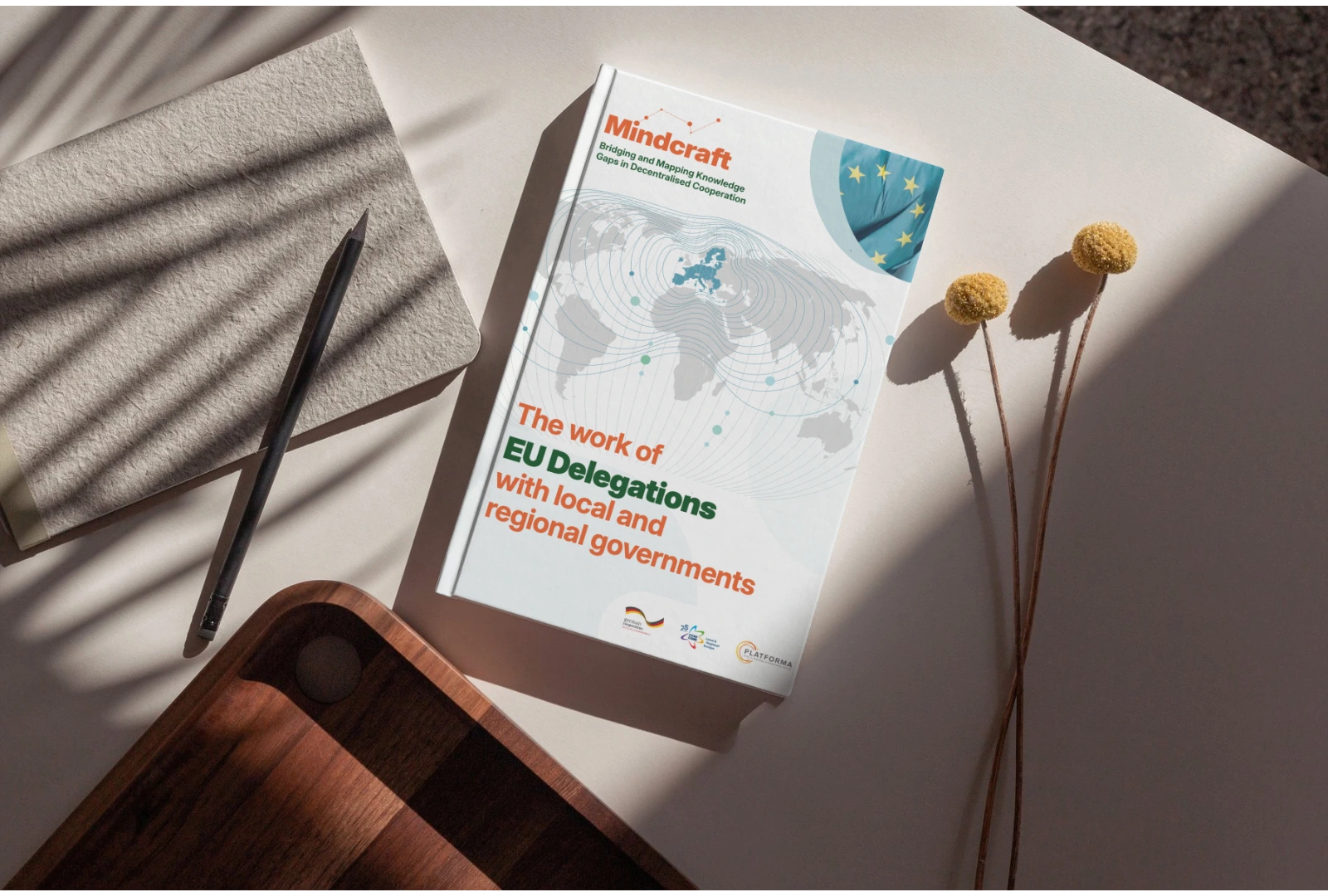

EU Delegations study

Mindcraft study on EU Delegations 2026

EU Delegations engagement with local and regional governments: what will it take to make that cooperation more systematic?

441 words
2–3 minutes

“The Work of EU Delegations with Local and Regional Governments” is a new Mindcraft publication, following on from the report published by PLATFORMA in 2021. Since 2021, the EU’s external action framework has undergone significant change. Under the Neighbourhood, Development and International Cooperation Instrument (NDICI) Global Europe and the Global Gateway strategy, EU international cooperation has moved towards a more geographic, investment-driven approach, with growing emphasis on the localisation of development cooperation.

This new study examines to what extent and how EU Delegations (EUDs) engage with Local and Regional Governments (LRGs) and their associations (LRGAs) in the partner countries. It is based on a 2025 survey of 40 EUDs worldwide and, interviews with five of them in Chad, Guatemala, Madagascar, Nepal and Zambia, as well as additional exchanges with EU Member States development cooperation agencies.

 Key findings:

  1. Enabling environment is key for LRG engagement. 62.5% of surveyed EUDs assessed the decentralisation in the partner country as favourable, and 57.5% support decentralisation efforts. Examples across partner countries show that support to local governance and public finance management helps LRGs engage in territorial development and EU-funded initiatives, though access to finance and the preparation of bankable projects remain persistent challenges.
  2. LRG engagement in EU international cooperation remains uneven and rather limited. 57.5% of surveyed EUDs stated they engage with LRGs and LRGAs under the NDICI-Global Europe, while 20% stated they engage with them under the Global Gateway strategy. EUDs point to the lack of a right framework for structured cooperation as an obstacle. 69.2% consider that a specific budget line for LRGs would help.
  3. LRG engagement can be valuable in fragile contexts. Among EUDs working in fragile settings, 76.4% consider that engaging with LRG would facilitate their work.
  4. Decentralised cooperation remains generally underused.  Illustrative examples of partnerships between European and partner-country LRGs, along with cooperation through LRGAs and their international cooperation structures, show real potential to strengthen local governance and support the localisation of EU initiatives but require greater visibility and emphasis.
  5. There is an ongoing need to strengthen EUDs capacities to work with LRGs. Only 30% of surveyed EUDs reported having received specialised training or support for engaging with LRGs, which were assessed useful for understanding territorial approaches to local development.

These findings come at a timely moment, as negotiations on the 2028–2034 Multiannual Financial Framework, including its proposed Global Europe Instrument, are underway. CEMR-PLATFORMA calls for a clear engagement framework, dedicated funding mechanisms for LRGs, and stronger support for decentralised cooperation as a route to shared development goals.

Read the full publication, available in:

For more information, contact:

Cities and regions in the EU Pact on Migration and Asylum

EU Pact on Migration

Why Europe’s migration reform will be won or lost in towns, cities and regions

532 words
2–3 minutes

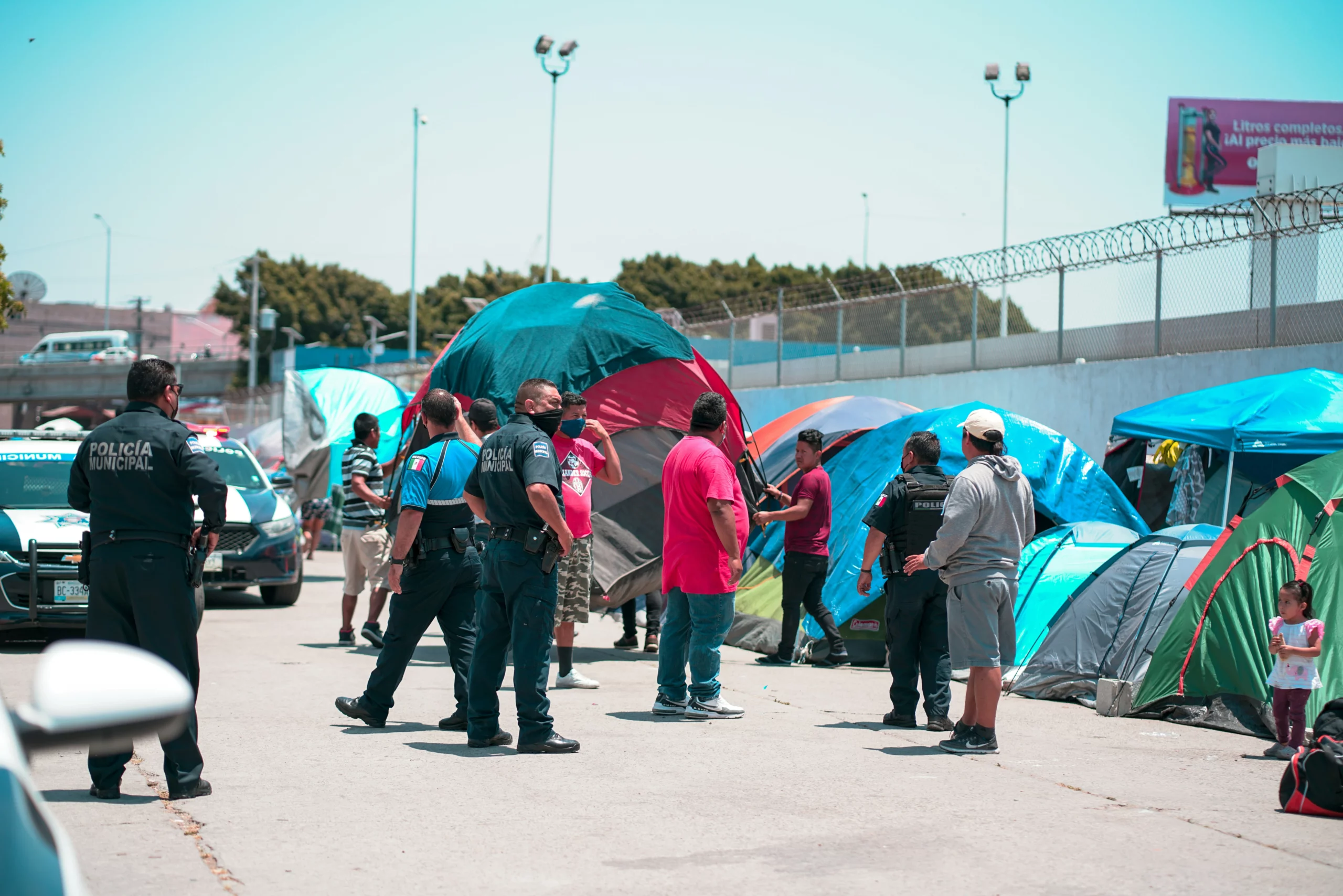
The EU Pact on Migration and Asylum entered its application phase this year. The Council of European Municipalities and Regions (CEMR) puts a question at the centre of that transition: are the local and regional governments who will actually deliver the Pact being treated as partners in shaping it?

Drawing on a questionnaire circulated among CEMR member associations, direct exchanges with local and regional leaders, and complementary desk research, the report maps how prepared towns, cities and regions are for the Pact’s application, how involved they have been in designing it, and what they say they need to make it work.

Already central, not always recognised

The findings confirm what many mayors and regional leaders already know from experience: local and regional governments are not new to migration governance; they are already at its centre. Long before the Pact, towns, cities and regions were carrying the bulk of integration, housing, education, health and social support for migrants and asylum seekers. Regional authorities reported responsibilities in this field in 87.5% of cases, and municipal authorities in 62.5%.

A governance gap

Half of respondents said local and regional governments were not consulted at all during the Pact’s negotiation and drafting. Where consultation did happen, it was often informal, ad hoc, or limited to written contributions requested by national authorities. No country reported involving local and regional governments (LRGs) as genuine co-designers of national implementation plans, CEMR calls this a “missing link” in multi-level governance: the level expected to deliver the Pact on the ground is rarely in the room when the rules are set.

A capacity gap

Responsibility without resources is a recurring theme. Only Austria considered its LRGs “mostly prepared” for the Pact; several other countries reported no additional resources at all since 2024. Where support existed, it was sporadic: extra IT tools here, an operational manual there, rarely the stable, dedicated funding implementation requires.

A coordination gap

Information about the Pact often reached local authorities through fragmented channels — circulars, ministry emails, informal networks, even the press; and clarity about who is responsible for what varied sharply from one country to the next. This uncertainty was not a side effect; it actively hampered planning, budgeting, and staffing decisions on the ground.

Was the deadline ever realistic?

For most respondents, the June 2026 application deadline of the Pact looked difficult or uncertain, well before it arrived, held back by staff shortages, unclear national guidance, and delayed preparations. Yet the report also points to a genuine reserve of capability: local authorities’ rapid, resourceful response to the displacement of people fleeing Ukraine shows what towns, cities and regions can do under pressure — provided that effort does not have to rely on improvisation every time.

What comes next

The analysis closes with three recommendations:

  1. Formally recognise LRGs within the Pact’s governance architecture;
  2. Strengthen synergies between AMIF, ESF+ and other EU funds around a more place-based approach;
  3. Ensure the Pact’s monitoring mechanisms track local and regional implementation, not only national transposition.

CEMR will continue to bring this evidence into the EU debate as the Pact moves further into its implementation phase.

For more information, contact:

Localising the Sustainable Development Goals in Europe

Reference Framework for Sustainable Cities - image 1

European territories localise the SDGs: cities at the core of implementation

613 words
3–4 minutes

With less than four years remaining to achieve the 2030 Agenda, a new CEMR–PLATFORMA report highlights a clear message from local and regional governments across Europe: sustainable development will only succeed if cities, towns and regions are placed at the centre of decision-making, financing and implementation.

Published by the Council of European Municipalities and Regions (CEMR) and PLATFORMA at the occasion of the High-Level Political Forum on Sustainable Development (HLPF), the 2026 edition of the report European territories localise the SDGs: Cities at the core of the implementation examines how local and regional governments are contributing to the Sustainable Development Goals (SDGs) and what is needed to accelerate progress during the final stretch to 2030.

The study is based on a survey of 23 respondents from 17 countries, including associations of local and regional governments from 15 EU Member States and two non-EU countries.

Local action is essential for global goals

The report comes at a pivotal moment. As both the UN New Urban Agenda and the Urban Agenda for the EU reach their tenth anniversary, local and regional governments are reaffirming their indispensable role in translating global ambitions into concrete results on the ground.

From mobility and housing to climate resilience and social inclusion, towns, cities and regions are responsible for many of the policies that directly affect residents’ daily lives. According to the report, SDG implementation is not primarily a technical matter but a political one, requiring trust, resources and authority to be devolved to the territorial level.

The publication places particular emphasis on SDG 11 – Sustainable Cities and Communities, one of the goals under review at the 2026 HLPF. It argues that sustainable urban development cannot be achieved without strong local democracy, effective multi-level governance and meaningful involvement of subnational authorities in national and international decision-making processes.

Six recommendations to accelerate SDG implementation

Drawing on the experience of local and regional governments, the report puts forward six recommendations addressed to the United Nations, the European Union and national governments.

Among its key messages, the study calls for:

  • Reinforcing multi-level governance as a political priority for the 2026–2030 period.
  • Placing the subnational level at the centre of SDG implementation, including stronger participation of local and regional governments in global review processes and improved access to development finance.
  • Reaffirming the importance of the UN New Urban Agenda as the main global framework for sustainable urbanisation.
  • Ensuring that cities and towns remain central to Europe’s sustainable development agenda through stronger alignment between EU and UN urban policy frameworks.
  • Recognising the role of territories in the upcoming EU Multiannual Financial Framework 2028–2034, with more accessible and place-based funding for municipalities and regions.
  • Accelerating the localisation of the SDGs by fully involving local and regional governments in the design and implementation of sustainable development policies.

A contribution to the global SDG debate

Beyond policy recommendations, the report showcases good practices from across Europe and explores how local and regional governments are advancing the goals under review in 2026 (SDG 6 – Clean Water and Sanitation, SDG 7 – Affordable and Clean Energy), SDG 9 – Industry, Innovation, and Infrastructure, and SDG 17 – Partnerships for the Goals). It also includes a dedicated focus on housing and the outcomes of discussions linked to the World Urban Forum, reflecting growing concerns about affordability, inclusion and sustainable urban growth.

As the international community approaches the final years of the 2030 Agenda, the report sends a strong and consistent message: the SDGs will be achieved — or missed — at the local level. Empowering towns, cities and regions with the necessary political mandate, resources and partnerships is therefore not optional, but essential.

Discover this report also online: European Territories Localise the SDGs

For more information, contact:

CEMR activity report 2025

Impact Community - Head banner

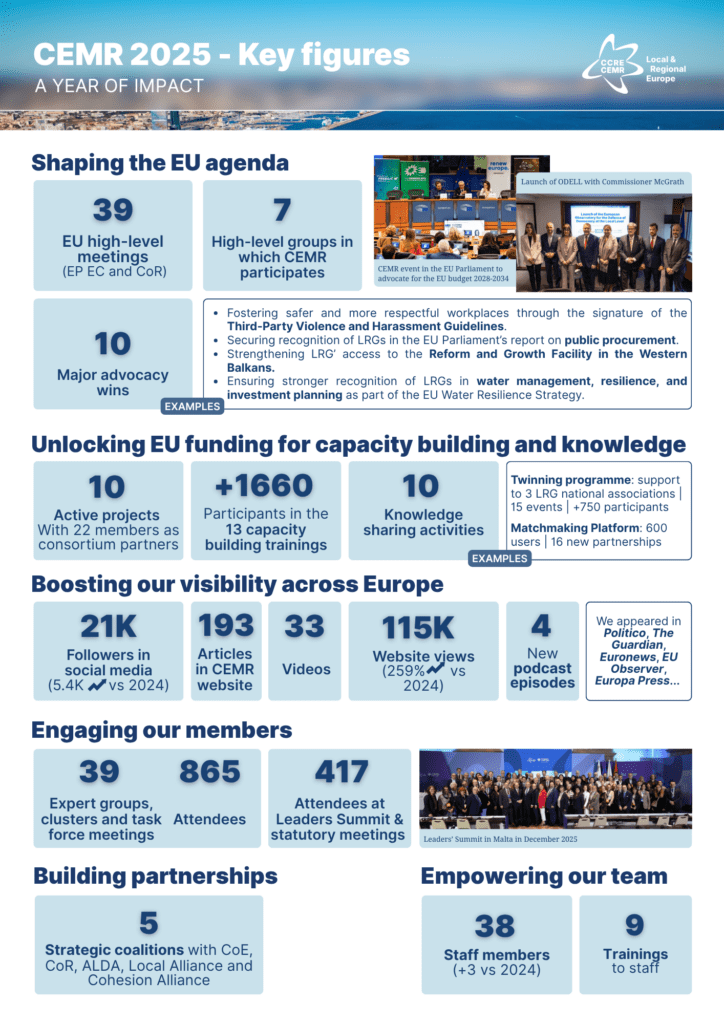
What was CEMR’s impact in 2025?


The year 2025 was a period of many activities and a great impact at the local and international levels.

We are truly grateful to our members, partners and donors for their continued trust, commitment and collaboration throughout that year.

Local and regional governments are essential to tackle Europe’s most urgent and day-to-day challenges, and through CEMR, we have worked together to ensure that European local voices remain present, heard, and influential in EU and global debates.

Check CEMR’s activity report 2025 below:

For more information, contact:

Country profile – #4 Belgium 

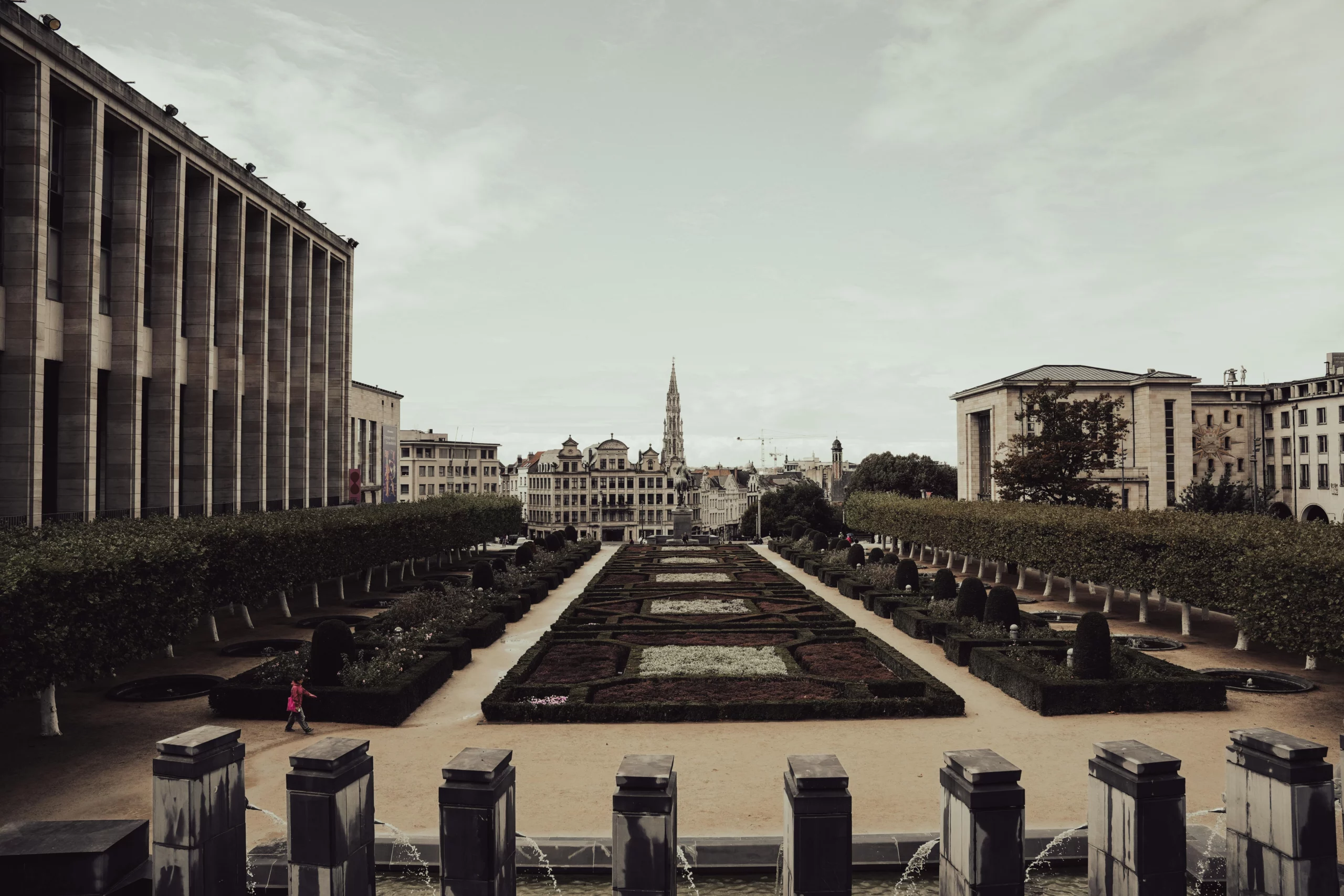
Brussels city image

Country Profile on decentralised development cooperation: the case of Belgium


The country profiles offer a short overview of national models of (decentralised) development cooperation frameworks in selected EU Member States. The aim is to provide insights into specific mechanisms and modalities of analysed national frameworks and identify enabling factors as well as challenges related to practical implementation, focusing on the role and opportunities for local and regional governments and their associations. 

Based on the study, the Belgian framework for Decentralised Development Cooperation (DDC) is characterised by:

1) Municipal associations are central to DDC in Belgium. Brulocalis, Association of Flemish Cities and Municipalities (VVSG), and the Union of Cities and Municipalities of Wallonia (UVCW) act as key intermediaries in coordinating funded programmes and serving as the primary source of support and guidance for municipalities.

2) Focus on long-term cooperation with selected partners. Sustained partnerships help to ensure the effectiveness and added value of cooperation. There is a prioritisation of the least developed countries and fragile contexts.

3) Awareness-raising of Belgian citizens about international solidarity. Belgian actors, in partnership with NGOs, actively contribute to informing citizens about development cooperation-related topics through awareness-raising and education activities at home.

This article is part of a series of 7 Country Profiles examining DDC frameworks across Europe. The fifth edition, focusing on France, will be published in July. Stay tuned!

Read the Country Profile of Belgium, available in four languages:

You can find the rest of Mindcraft’s publications here.

CEMR encourages Belgian authorities to strengthen the role of Local and Regional Governments in development policy, not only as implementers, but also as strategic partners helping shape a more resilient, inclusive and effective development agenda.

This publication is produced within the Bridging and Mapping Knowledge Gaps in Decentralised Cooperation (Mindcraft), funded by the German Federal Ministry for Economic Cooperation and Development (BMZ) and supported by the Deutsche Gesellschaft für Internationale Zusammenarbeit (GIZ).
For more information, contact:

Country profile – #3 Spain 

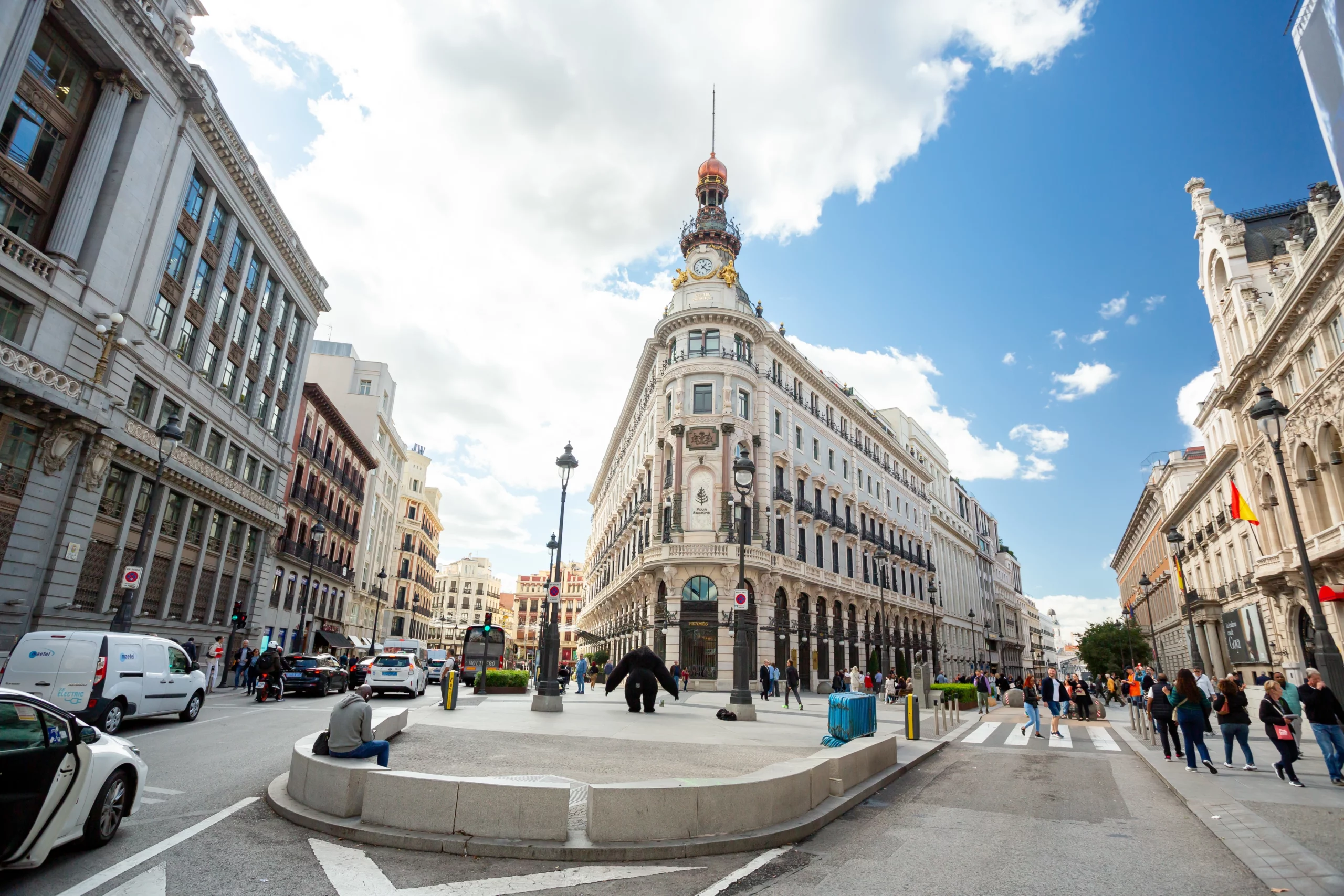
Mindcraft Spain - Publication 2025

Country Profile on decentralised development cooperation: the case of Spain


The country profiles offer a short overview of national models of (decentralised) development cooperation frameworks in selected EU Member States. The aim is to provide insights into specific mechanisms and modalities of analysed national frameworks and identify enabling factors as well as challenges related to practical implementation, focusing on the role and opportunities for local and regional governments and their associations.

Based on the study, the Spanish framework for Decentralised Development Cooperation (DDC) is characterised by:

  1. Highly decentralised system – enables actors across levels to be active in DDC. The new Law 1/2023 recognises Local and Regional Governments as actors of development and DDC as a modality.
  2. Strong commitment to achieve 0.7% of Gross National Income (GNI) to Official Development Assistance (ODA) across levels – keeping the development cooperation as a priority.
  3. Funds for development cooperation – gathering municipal and supra-municipal actors who pool their resources to implement impactful projects.

This article is part of a series of 7 Country Profiles examining DDC frameworks across Europe. The fourth edition, focusing on Belgium, will be published in March. Stay tuned!

Read the Country Profile of Spain, available in four languages:

You can find the rest of Mindcraft’s publications here.

CEMR encourages Spanish authorities to strengthen the role of LRGs in development policy, not only as implementers, but also as strategic partners helping shape a more resilient, inclusive and effective development agenda.

This publication is produced within the Bridging and Mapping Knowledge Gaps in Decentralised Cooperation (Mindcraft), funded by the German Federal Ministry for Economic Cooperation and Development (BMZ) and supported by the Deutsche Gesellschaft für Internationale Zusammenarbeit (GIZ).

For more information, contact:

Mis/disinformation impact on democracy

Local truth study 2025

Empowering cities against mis/disinformation: building capacity, coordination, and trust


According to CEMR’s latest study, nearly half of LRGs report moderate to significant impacts from misinformation, particularly in areas such as public health, personal attacks on officials, and election interference. During the pandemic, for example, false claims about vaccines and public measures severely undermined public trust. 

The personal toll is also growing. One in four local representatives has faced online abuse or intimidation, and over half report being targeted by false claims about their integrity or conduct. These are not abstract challenges, but rather, they erode both individual safety and democratic trust. 

The evidence of CEMR’s study highlighted how misinformation and disinformation spike during crises, for example, around COVID-19, climate policies like low-emission zones, or housing and migration debates. During moments when emotions run high and public debate intensifies, local and regional governments often find themselves on the frontline of these tensions, but many lack the capacity or tools to respond effectively. CEMR’s findings show that 58% of municipalities still lack a formal strategy to counter misinformation and disinformation, and only a quarter are in the process of developing one. Most rely on reactive measures, 58% monitoring social media to spot emerging issues, around a third run awareness campaigns, and a smaller share (4%) collaborate with fact-checkers or pursue legal action (21%). These are useful but insufficient without proactive planning. 

For CEMR, building resilience requires three key actions: 

  1. Strengthen local capacity and trust. Training staff, protecting targeted officials, and using participatory democracy tools such as citizens’ assemblies can help communities become less vulnerable to false narratives. 
  1. Improve coordination and tools. Shared monitoring systems, partnerships, and national or EU knowledge-sharing platforms can help municipalities act faster and avoid duplication. 
  1. Create an enabling framework. National and EU support, through measures like the Digital Services Act, AI Act, and national counter-disinformation laws, can provide resources, clarity, and legal backing. 

Ultimately, misinformation may be a global issue, but its impact is most visible locally. Empowering local governments with the right capacity, coordination, and frameworks is key to protecting communities, safeguarding democracy, and rebuilding public trust. 

Read the study here

For more information, contact:

Decentralised cooperation report

ADD ME project

Decentralised Development Cooperation Report #1: a European overview


The first Decentralised Development Cooperation (DDC) Report provides a unique snapshot of how local and regional governments (LRGs), their associations, and civil society actors engage in international cooperation. Based on a Europe-wide survey), it presents results from 37 contributions from 27 LRGs, 9 associations, and 1 NGO across 11 countries.

The evidence on decentralised cooperation projects and partnerships, collected via the survey will support CEMR and PLATFORMA’s advocacy with stronger knowledge, better coordination, and a deeper understanding of enabling factors and challenges.

The first edition of the DDC Report highlights:

  1. DDC is a priority for many – Over 80% of respondents consider DDC important or very important for their work.
  1. Multi-actor character – Partnerships often involve not just LRGs, but also civil society organisations, educational institutions, public utilities, and in some cases, private sector actors.
  1. Persistent challenges – Limited resources, lack of expertise, and the short-term nature of project-based cooperation remain barriers for scaling up.
  1. Funding outlook – main funding channels include combination of national government funding, own resources, and the European Commission. 𝟮𝟳,𝟬𝟯% 𝗼𝗳 𝗿𝗲𝘀𝗽𝗼𝗻𝗱𝗲𝗻𝘁𝘀 expect their DDC budget share to grow in 2025, suggesting cautious optimism.

This article is part of a new series of reports mapping decentralised development cooperation across Europe. The second report will explore opportunities and challenges for DDC partnerships, effects of implemented DDC activities and provide details of selected DDC projects. Stay tuned!

Read the full Mindcraft DDC Report #1, available in English, French, Spanish, and German.  
 

CEMR encourages European and national authorities to strengthen the role of LRGs in development policy, not only as implementers, but also as strategic partners helping shape a more resilient, inclusive, and effective development agenda.


This report is produced within the Bridging and Mapping Knowledge Gaps in Decentralised Cooperation (Mindcraft), funded by the German Federal Ministry for Economic Cooperation and Development (BMZ) and supported by the Deutsche Gesellschaft für Internationale Zusammenarbeit (GIZ).  

For more information, contact: 

Country profile #2 – Germany

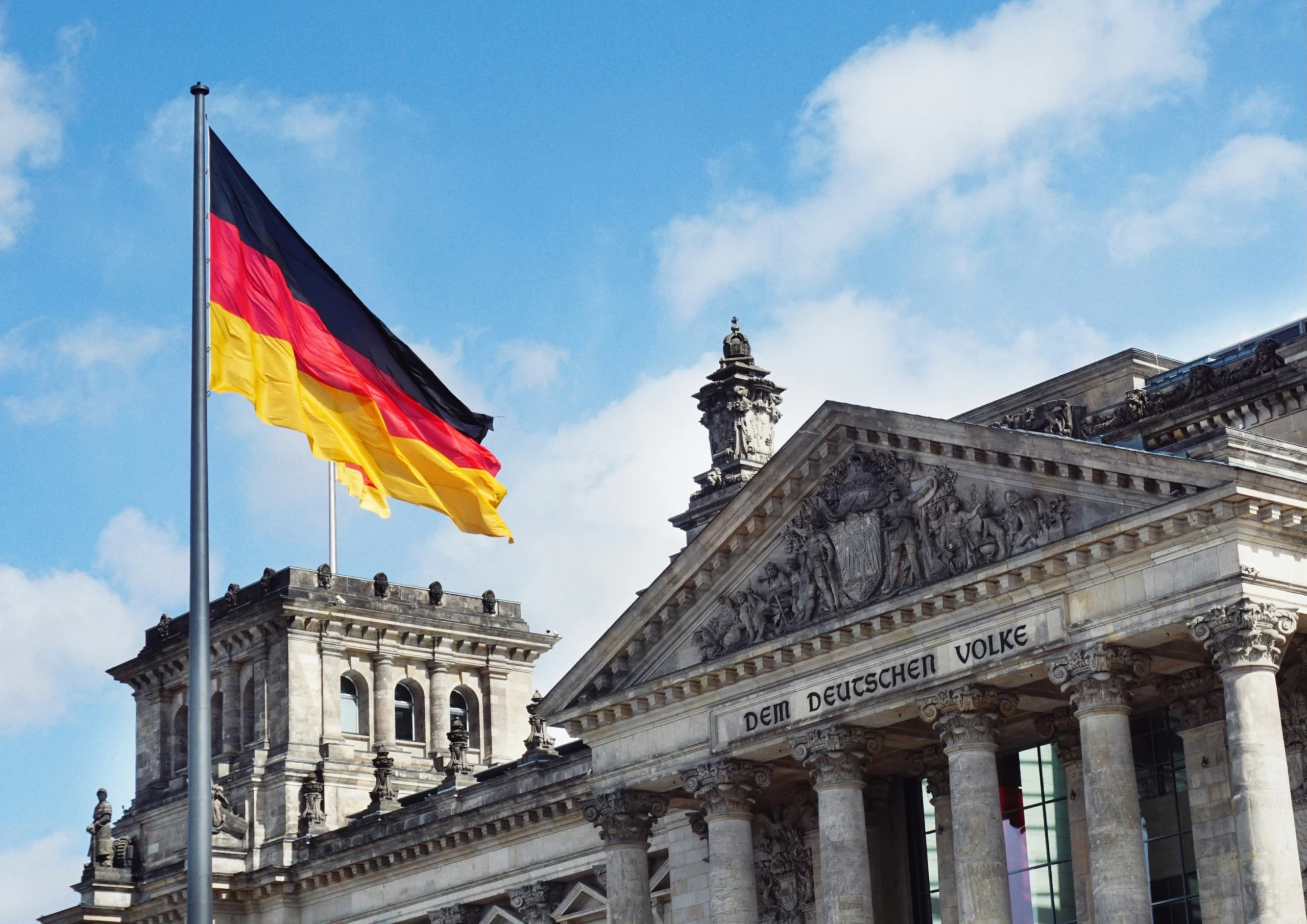
Mindcraft - Germany publication

Country Profile on decentralised development cooperation: the case of Germany


The country profiles offer a short overview of national models of (decentralised) development cooperation frameworks in selected EU Member States. The aim is to provide insights into specific mechanisms and modalities of analysed national frameworks and identify enabling factors as well as challenges related to practical implementation, focusing on the role and opportunities for local and regional governments and their associations.   
 
Based on the study, the German framework for DDC is characterised by:  
 
1. German federal states and municipalities maintain lasting partnerships with their counterparts abroad, generating sustainable impact. Recent German-Ukrainian solidarity partnerships underline DDC’s role in development policy and open paths for trilateral and multilateral cooperation.  

 2. Service Agency Community in One World – SKEW of Engagement Global is the main advisory and grant-providing platform for German LRGs in DDC, supporting project planning, implementation, and international exchange.  

 3. The variety of funding programmes (mainly financed by the Ministry for Economic Cooperation and Development – BMZ, managed via Service Agency Community in One World – SKEW and Deutsche Gesellschaft für Internaztionale Zusammenarbeit – GIZ), designed for specific purposes, enable project-based, thematic cooperation and long-term partnerships. 
 
This article is part of a series of 7 Country Profiles examining decentralised development cooperation frameworks across Europe. The thirs edition, focusing on Spain, will be published in December. Stay tuned!  
 
Read the Country Profile, available in four languages: 

CEMR encourages German authorities to strengthen the role of LRGs in development policy, not only as implementers, but also as strategic partners helping shape a more resilient, inclusive and effective development agenda.  

This publication is produced within the Bridging and Mapping Knowledge Gaps in Decentralised Cooperation (Mindcraft), funded by the German Federal Ministry for Economic Cooperation and Development (BMZ) and supported by the Deutsche Gesellschaft für Internationale Zusammenarbeit (GIZ)

For more information, contact:

Local voices at the UN for sustainable development

PLATFORMA - banner 2

Local and regional leaders at the United Nations: getting local SDG actions onto the fast track


More than 30 local and regional European leaders are heading to New York to advocate for their vital role in achieving the Sustainable Development Goals (SDGs) at the High-Level Political Forum on Sustainable Development (HLPF). Among them is Clifford Galea Vella Maslennikov, President of the Tramuntana Region (Malta) and a member of the CEMR-PLATFORMA Young Elected Officials Committee. He also signs the foreword of this year’s study on SDG localisation.

Galea Vella Maslennikov sends a strong and hopeful message:

“I firmly believe that localising the SDGs through inclusive processes that engage all levels of government, and all sectors of society […] is in fact the key to building a more inclusive, just, and sustainable future for all.”

This year’s report includes contributions from 31 associations of local and regional governments and puts forward nine key recommendations to the United Nations, the European Union, and EU Member States.

Local governments in dialogue with Member States

In recent years, the United Nations has increasingly acknowledged the essential role of local action in advancing global sustainability, including through various HLPF initiatives. However, the degree of involvement of local and regional governments – and their associations – in national SDG reporting processes still varies significantly from one country to another.

This year, Malta is one of 37 countries presenting a Voluntary National Review (VNR) at the HLPF. Three other countries with membership within CEMR – BulgariaFinland, and Germany – will also present their VNRs. Our latest study provides insights into how these four nations have involved local authorities in shaping their national SDG reports.

It also gives details about the progress made in achieving the five SDGs under review this year: SDG 3 (Good health and well-being), SDG 5 (Gender equality), SDG 8 (Decent work and economic growth), SDG 14 (Life below water), and DSG 17 (Partnerships for the Goals).  

Over 30 local and regional leaders representing Europe

Next week, PLATFORMA and CEMR, in collaboration with the Global Task Force of Local and Regional Governments (GTF), will represent European cities and regions at the HLPF, under the auspices of the UN.

Their participation aims to fast-track the localisation of the SDGs and ensure that local voices are not only heard, but also acted upon.

Here are some of the events they will attend:

  • 15 July, Local and Regional Governments’ Networking Hub, with the launch of the GTF Annual Report “Towards the Localization of the SDGs”, by the GTF and UCLG
  • 16 July, 8th Local and Regional Governments Forum on the 2030 Agenda, by UCLG, GTF, UN-DESA, the Executive Office of the UN Secretary-General, UN Habitat, UNDP, Local2030
  • 17 July, EU delegation – local leaders breakfast meeting, by CEMR and PLATFORMA
  • 17 July, HLPF Official Session on Localisation: “Transformation from the ground up: Acting at local level”, by UN
  • 18 July, VNR Lab on Local and Regional Governments engagement in VNR/VLR processes, by UN-DESA, UN-Habitat, and UCLG

For more information, contact: