
Empowering local Europe since 1951  

Democracy, diversity, and sustainability at the heart of CEMR 


Since its founding in 1951, the Council of European Municipalities and Regions (CEMR) has worked to promote a peaceful, democratic, and united Europe. Rooted in local self-government and citizen participation, CEMR brings together municipalities, counties, and regions across 41 countries, giving local democracy a strong voice at European and international levels. 

Our Values 

CEMR stands on three core pillars: 

  • Local democracy: Protecting municipal autonomy, human rights, and the rule of law. 
  • Sustainability: Guiding action through the United Nations’ Global Goals. 
  • Diversity: Promoting gender balance, inclusiveness, and respect for differences. 

With a team of 40 professionals in Brussels, representing a dozen nationalities and speaking 15 languages, CEMR embodies the European mosaic it serves. 

A History of Local Leadership 

CEMR was born in 1951 when 56 mayors from six countries gathered in Geneva to lay the foundations of a united Europe from the bottom up. Their early efforts focused on town twinning, fostering reconciliation through exchanges and cultural ties. Today, with some 20,000 twinnings across Europe, this remains the continent’s most widespread form of cooperation. 

CEMR also pioneered the push for local autonomy, adopting the European Charter of Municipal Liberties in 1953, which later inspired the Council of Europe’s European Charter of Local Self-Government. 

In 1984, CEMR officially added “Regions” to its name, reflecting its advocacy for decentralisation and the growing importance of regional governance. 

What We Do Today 

CEMR’s mission is organised around four “Ps”: People, Places, Planet, and Partnerships

  • Advocacy: Representing local and regional interests to the EU, the Council of Europe, OECD, and the United Nations. CEMR works to ensure that 70% of EU laws affecting municipalities and regions take account of local realities. 
  • Knowledge: Sharing expertise and producing ground-breaking studies on local democracy, equality, climate action, migration, and finance. 
  • Partnerships: Leading externally funded projects on sustainable development, integration, climate, and democracy, including initiatives such as PLATFORMA, IncluCities, and the Covenant of Mayors. 
  • Communication: Reaching citizens, members, and global partners through campaigns, media work, and digital platforms. 

Looking Ahead 

Marking its 70th anniversary in 2021, CEMR reflected on past achievements while preparing for future challenges. In an age of polarisation, climate change, and digital transformation, the organisation continues to champion local democracy as the bedrock of peace and progress. 

As former CEMR President Valéry Giscard d’Estaing once urged Europe’s young people: “Today, power is there for the taking! It is the power to act, to bring on the future and to organise it.” 

Read the study here 

For more information, contact: 

Revitalising the Equality Charter 

Gender Charter - News

CEMR’s 15-year reflection process sets the stage for a renewed push to advance gender equality in Europe’s local and regional life 


2021 marked the 15th anniversary of the European Charter for Equality of Women and Men in Local Life, a milestone moment to celebrate achievements, reflect on lessons learned, and chart a course for the future. Initiated by CEMR in 2006, the Charter has grown into a powerful instrument for advancing gender equality at the local level, now embraced by nearly 2,000 signatories in 36 countries. 

The anniversary served not only to honour progress but also to examine how the Charter can evolve to remain relevant and impactful for today’s and tomorrow’s local governments. 

To mark the occasion, CEMR launched a wide-ranging reflection process. A series of six online workshops was held between June and November 2021, involving Charter signatories, national associations, gender focal points and other stakeholders. Five in-depth interviews complemented these to deepen the analysis. 

The process revolved around four key areas: 

  • Recognising achievements: Highlighting the tangible improvements in local equality made possible by the Charter; 
  • Reflecting on relevance: Considering how to modernise the Charter and connect it with broader policy frameworks; 
  • Celebrating commitment: Acknowledging the people and organisations driving real change on the ground; 
  • Revitalising tools: Gathering practical insights and suggestions to strengthen the Charter’s implementation. 

Participants emphasised that while the Charter remains a strong and valuable framework, its language, accessibility, and visibility could be improved. There was broad support for clearer, more inclusive, and action-oriented language. Concerns about legal implications for current signatories were addressed with a proposed solution: allowing signatories to either reconfirm or upgrade their commitment, while still validating earlier engagements. 

The 15-year review reaffirms the Charter’s relevance and potential as a living document. CEMR has now put forward a set of concrete recommendations to enhance its clarity, inclusivity and usability, ensuring it remains a cornerstone for gender equality at the local and regional level: 

  • Simplify the language and prioritise clarity and accessibility; 
  • Use assertive, action-driven phrasing to emphasise commitments; 
  • Improve translation quality in coordination with national associations; 
  • Adapt language to gender-inclusive norms, particularly in gendered languages. 

As the Chair of the Standing Committee for Equality put it: 

“Beyond chapters and clauses lies a common goal: bringing equality closer to home.”

Read the study here 

For more information, contact: 

Local green recovery in Europe 

Climate - News

Discover our infographic and key messages for COP26


After much delay and uncertainty to due to COVID crisis, it’s finally happening: the 26th UN summit on climate change (COP26) is taking place in Glasgow, Scotland, from 31 October to 12 November.

On this occasion, CEMR has prepared an infographic on “Ensuring a local green recovery in Europe: 5 key facts for local implementation of the Paris Agreement”. The visual vividly shows why tackling climate change is a human and environmental necessity and why local and regional action are critical to successfully shift to sustainability.

Do not hesitate to share this infographic far and wide! Please contact us if you would like to localise the infographic in your own language.

Key messages to achieve carbon-neutral territories

We have also prepared 6 key messages as the core of our advocacy on behalf of local and regional governments at the COP26 summit. These messages are:

  1. The Paris Agreement needs to be delivered now covering both mitigation and adaptation at all levels.
  2. Local and regional leadership and action are key to strengthening work at international level within UNFCCC and in collaboration with global partners.
  3. Providing appropriate regulatory frameworks, financial and technical resources is essential for the implementation of Local and Regional Governments’ climate action.
  4. The localisation and territorialisation of the Sustainable Development Goals are fundamental to have a positive impact on the ground.
  5. Climate justice and social equity need to go hand in hand to combat climate change inequalities efficiently.
  6. Resilience and recovery should be the opportunity focus to guide society out of the pandemic crisis.

For more detailed information, discover our position paper: “Ready for COP: Key messages for local led implementation of the Paris Agreement”.

CEMR and PLATFORM at the COP

Discover the list of events at which CEMR and PLATFORMA representatives will be speaking.

Local finances hit by COVID-19

MFF and COVID recovery - News 2020

CEMR report reveals rising costs and falling revenues for local and regional governments during the pandemic, threatening public services and investments


As the COVID-19 pandemic swept through Europe, local and regional governments (LRGs) were on the frontlines, maintaining public services, managing emergency measures, and supporting vulnerable communities. A new analysis by the Council of European Municipalities and Regions (CEMR) sheds light on how this essential work came at a high financial cost, creating long-lasting challenges for municipalities and regions across Europe.

Based on a survey conducted among 40 national associations in 15 countries, the CEMR report highlights what it calls a “scissor effect”: rising local expenditure paired with declining revenue. While towns and regions had to invest in health, social care, education, and digital tools to respond to the crisis, income from taxes, public service fees, and tourism sharply declined.

Some countries, such as Sweden and Estonia, offered significant support to help offset these financial shocks. Others, including Portugal, provided little to no compensation. The situation varied widely, revealing major disparities in how LRGs were supported at the national level.

The report also underscores the challenges LRGs faced in accessing EU support due to limited consultation, legal constraints, or complex procedures. Despite some flexibility under EU fiscal rules, many authorities remain uncertain about their mid- and long-term financial stability. The risk: cuts to investment in essential areas like climate action, digitalisation, housing, and public transport.

CEMR calls for a long-term rethink of how LRGs are financed and included in national and EU recovery plans. Municipalities and regions have proven their capacity to lead in times of crisis. To continue doing so, they need clear legal frameworks, financial autonomy, and a real partnership with national and European institutions.

The report is a clear reminder: Europe’s recovery depends on strong, resilient local and regional governments. Equipping them today is the key to building a more sustainable, inclusive, and future-proof tomorrow.

Read the study here 

For more information, contact: 

Building partnerships with Ukraine

Ukraine partnership - News

Key factors for successful and sustainable partnerships between Ukrainian and EU local governments 


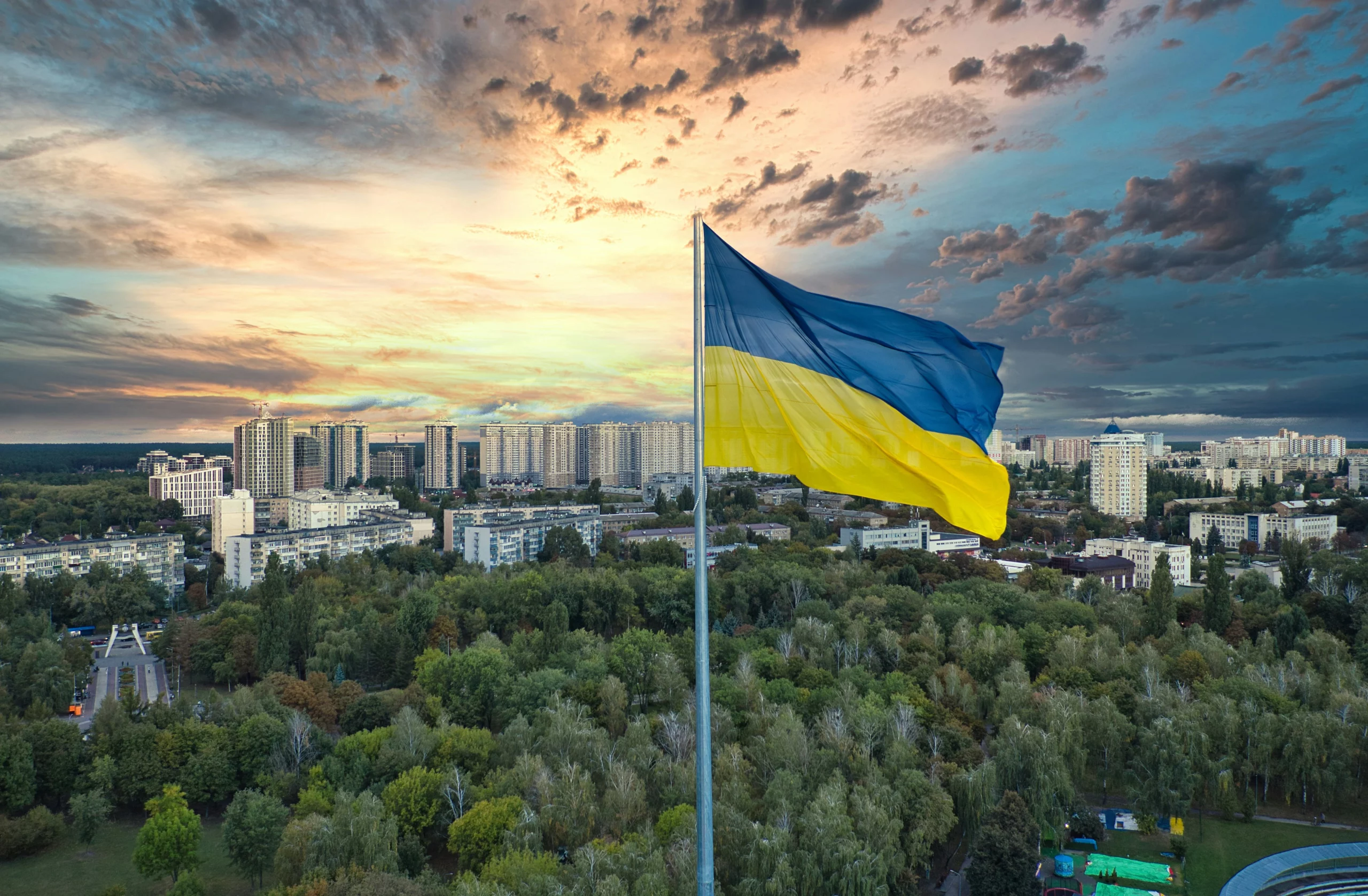
Ukrainian municipalities have a long tradition of international cooperation, especially with their counterparts in European Union (EU) member states. Today, this cooperation is more relevant than ever. Municipalities seek to improve local services, modernise administration, attract investment, and promote tourism and culture by learning from and working with EU partners. 

At the same time, establishing meaningful partnerships is not straightforward. Many municipalities, particularly those with limited international experience and resources, face challenges in sustaining long-term cooperation. To respond to this need, the Bridges of Trust initiative was launched to support exchange, promote best practices, and help local governments in Ukraine and the EU build effective partnerships. 

Mapping cooperation 

Ukraine’s decentralisation reform, launched in 2014, created 1,469 consolidated territorial communities, strengthening local governance and budgets. This has enabled municipalities to take greater responsibility for international engagement. Reports by the European Commission and the European Parliament have recognised Ukraine’s decentralisation as a success story, while also stressing the need to safeguard its achievements through constitutional reform. 

Success factors in municipal cooperation 

Drawing on decades of European experience with twinning and decentralised cooperation, several factors emerge as critical to success

  • Careful partner selection, ensuring shared interests and commitment. 
  • Clear partnership strategies with defined objectives. 
  • Sustainable planning and dedicated support structures (e.g. steering committees). 
  • Joint financing and access to external funding. 
  • Active involvement of schools, youth, and citizens to broaden visibility. 
  • Political leadership and motivated staff, supported by international departments. 
  • A strong European dimension to reinforce unity and common identity. 

Challenges facing Ukrainian municipalities 

Despite progress, obstacles remain. Studies of cooperation with Polish and other EU municipalities highlight recurring issues: 

  • Partnerships that exist only on paper, with little or no joint activity. 
  • Limited staff capacity, foreign language barriers, and a lack of experience in managing international projects. 
  • Insufficient awareness among citizens of the benefits of cooperation. 
  • Irregular contacts and a lack of strategic alignment between partners. 
  • Funding shortages for travel, exchanges, and project implementation. 

The COVID-19 pandemic has created both challenges and opportunities. While some partnerships stalled due to travel restrictions, others adapted by embracing online platforms. Virtual exchanges, such as U-LEAD’s study visits and the Bridges of Trust online forums, demonstrated how digital tools can sustain and even intensify cooperation. 

Looking ahead 

Above all, motivation and leadership remain the decisive factors. As Ukrainian officials note, training and case studies are valuable, but without committed local leaders and engaged staff, partnerships cannot thrive. Conversely, municipalities with strong motivation but little experience can quickly grow if supported with targeted training, funding, and practical guidance. 

International municipal cooperation is not simply an instrument of solidarity: it is a strategic investment in Ukraine’s recovery, resilience, and European future. By learning from each other, municipalities in Ukraine and the EU can build sustainable partnerships that deliver tangible results for their communities and strengthen the foundations of a common European identity. 

Read the study here 

For more information, contact: 

European territories localise the SDGs

Climate - News

Hot off the press: “European Territories Localise the SDGs”


From global to local: PLATFORMA and CEMR are proud to present the 2021 edition of our regular series of publications on how municipalities, regions and their associations are making the UN Sustainable Development Goals (SDGs) a reality on the ground.

Entitled European Territories Localise the SDGs: Continuity and Change in Times of COVID-19, this 46-page report is jam-packed with data, infographics, charts and best practices on how local and regional governments are working on the SDGs in Europe and beyond.

Based on data from 39 local and regional government associations in 29 countries, the study provides a succinct overview of the often-diverse situation across the European continent.

Local governments: key to monitoring and cooperation on the SDGs

The report’s findings are clear: an increasing number of local and regional governments and their associations in Europe are taking the lead in implementing what is still seen by many others as ‘just’ a global agenda. Those on the forefront however know how the 2030 Agenda and its SDGs can transform their daily work, policies and public services with inclusive approaches.

Indeed, 15.4% of associations are now more involved in the SDGs than in 2019. Today, over 3/4 associations have sound knowledge of the SDGs and 1/3 use them as a guiding reference.

The SDGs offer a shared vocabulary and goals, enabling local governments to interconnect with other governments and players, ultimately forming links between citizens and the world. Local governments and their associations have a particularly crucial role in promoting cooperation on and monitoring of progress on the SDGs.

84% of associations are involved in some way in national SDG coordination mechanisms. What’s more, around 4/5 associations have taking action on the SDGs’ international dimension and considers that the SDG framework helps development of partnerships with peers (i.e. decentralised cooperation activities around the 2030 Agenda).

The report also highlights the essential role of local government associations have played during the COVID crisis. This has included sharing information with municipalities and regions, capacity-building, advocating for financial support and participating in national consultations.

Recommendations to realise the 2030 Agenda from the bottom-up

We have long known that the ambitious goals of the 2030 Agenda need to be implemented from the bottom-up. The local level is ideal for experimentation, innovation and acceleration of work on the SDGs. However, the right conditions need to be in place to realise this potential.

The report formulates 5 key recommendations:

  • Increase EU and national funding for SDG localisation
  • Promote mutli-level governance, multi-stakeholder partnerships and policy coherence
  • Local and regional governments and their associations should continue peer learning within and outside Europe
  • National governments should increase recognition and support for SDG localisation (notably to monitor progress)
  • Strengthen human resources and capacities on SDG localisation

The report and its key findings will be presented on 29 June at the 12th Annual Meeting of Cités Unies Frances (CUF), on 8 July during a PLATFORMA-CEMR dedicated webinar taking place in the context of the the UN High Level Political Forum on Sustainable Development (HLPF, registration form) and at other local government events.

More information:

For more information, contact:

Engaging in the European semester 

CEMR Conferences

CEMR–EPSU handbook helps local government social partners strengthen their role in EU economic governance 


The European Semester, launched in 2010 to coordinate EU Member States’ economic, financial, employment and social policies, increasingly shapes national reforms and public investments. For local and regional governments (LRGs) and their social partners, the Semester is not just about fiscal discipline, it now covers areas like health, education, taxation, social care, and the green and digital transitions, with direct implications for workers in the LRG sector. 

Recognising this impact, the 2018–2020 CEMR–EPSU joint project produced a Handbook for Social Partners. Its aim: to help LRG social partners navigate the Semester, build their capacity, and influence reforms more effectively. 

The handbook highlights the growing territorial dimension of the process: in 2019, 62% of all Country-Specific Recommendations (CSRs) had a direct or indirect local and regional impact. With future EU funds increasingly tied to Semester priorities, active engagement becomes crucial. 

Practical guidance is provided on how to engage across the Semester’s different phases: 

  • Awareness-raising and capacity building: Social partners should strengthen internal knowledge, build alliances, and establish direct contact with the national ministry leading the Semester and with the European Commission’s Semester Officer. Early and proactive engagement, including joint employer–worker positions on key issues, helps set the agenda. 
  • Country reports and fact-finding missions: In December–February, the Commission assesses national situations. LRG social partners can influence this by meeting fact-finding missions, submitting analyses, and ensuring that their priorities are reflected in reports. 
  • Implementation phase (April–July): As Member States draft their National Reform Programmes (NRPs) and receive new CSRs, social partners can contribute written submissions, highlight gaps, and propose reforms aligned with local needs. Examples from Sweden, Lithuania, and Spain show structured opportunities for input through consultation fora or tripartite councils. 
  • Follow-up phase (August–October): With reforms under implementation and budgets prepared, dialogue with national authorities and Semester Officers is vital to ensure LRG perspectives are integrated. 

The handbook stresses that the aim is not one-off consultations, but structured, regular dialogue between governments, the Commission, and LRG social partners. By organising themselves, building alliances, and proactively shaping priorities, local government employers and trade unions can ensure their voices count in one of the EU’s most influential policy processes. 

Read the study here 

For more information, contact: 

Localising sustainable goals after COVID19

Localising SDGs - News

How European territories are driving sustainable change amid the Covid-19 crisis 


The Covid-19 pandemic has been a profound shock for municipalities and regions across Europe. Faced with health emergencies, social disruption, and economic slowdown, local and regional governments (LRGs) had to adapt swiftly, protecting essential services, reallocating budgets, and reshaping priorities. Yet, despite the immense challenges, many local authorities did not abandon global commitments. Instead, they turned to the 2030 Agenda for Sustainable Development (SDGs) as a framework to guide recovery and long-term resilience. 

With over 65% of SDGs requiring local implementation, municipalities and their national associations play a decisive role in ensuring progress. Some cities temporarily slowed their SDG-related work, but others actively integrated the Goals into recovery strategies, using them to design inclusive, coherent, and sustainable policies. This approach has strengthened their credibility as leaders in “building back better.” 

National associations of local governments proved to be vital allies. By coordinating efforts, connecting municipalities with resources, and advocating at the national and European levels, they helped ensure that even small and rural communities could advance the SDG agenda. Importantly, awareness and commitment have grown: associations in countries where SDG uptake was once limited are now actively building knowledge, promoting peer learning, and pushing for recognition of local action. 

Another breakthrough is the rise of Voluntary Local Reviews (VLRs) and Voluntary Subnational Reviews, which showcase municipal achievements and give visibility to local actors on the international stage. This not only strengthens city diplomacy but also fosters a shared vocabulary and sense of purpose among local, national, and global partners. 

The Covid-19 crisis has underscored the transformative power of the SDGs: as both a roadmap for sustainable recovery and a catalyst for innovation in governance, partnerships, and service delivery. Still, achieving the Goals requires greater investment and mobilisation of resources. EU initiatives such as the Green Deal, cohesion funds, and Global Europe offer crucial opportunities to scale up local action, alongside new forms of public-private partnerships. 

In short, the SDGs are not an abstract global agenda, they are a practical tool for territories to rebuild stronger, fairer, and greener communities. Even in times of crisis, Europe’s municipalities and their associations are proving that sustainability is not just a long-term ambition, but an immediate necessity. 

Read the study here 

For more information, contact: 

Rights of persons with disabilities 

Disabled people - News

Empowering local and regional governments to uphold the UN Convention on the Rights of Persons with Disabilities (UN CRPD)  


In 2021, amid the launch of the new EU Strategy for the Rights of Persons with Disabilities (2021–2030), the Council of European Municipalities and Regions (CEMR) conducted a survey to assess local and regional governments’ awareness, involvement, and needs regarding the UN Convention on the Rights of Persons with Disabilities (UN CRPD). The initiative comes ten years after the EU’s ratification of the Convention, recognising that local and regional governments (LRGs) are essential actors in making its rights a lived reality. 

The survey, circulated in late 2020, aimed to gauge both knowledge and engagement with the UN CRPD across Europe’s municipalities and regions. It also sought to understand how the EU and its Disability Strategy could better support local efforts. A total of 34 responses were received from 10 countries including Iceland, Romania, Scotland, the Netherlands, and Ukraine. 

Key findings reveal that most respondents were aware of the Convention and had participated in its implementation, often via national dialogues, local projects, or action plans. However, they reported significant challenges, including: 

  • Lack of funding and staffing to develop targeted services 
  • Insufficient guidance on mainstreaming disability rights 
  • Inadequate infrastructure and facilities 
  • Complex bureaucratic barriers 

Critically, 76% of respondents expressed the need for specific EU-level support, requesting good practice guides and capacity-building tools covering accessible housing, education, transport, health, ICT, and public life, especially for under-resourced rural and urban areas. 

Even more tellingly, 91% expressed interest in peer exchange and capacity-building programmes, emphasising the value of learning from other municipalities’ experiences to improve implementation, strengthen legal frameworks, and empower disability-inclusive governance. 

Good Practices Highlighted 

  • Scotland’s Local Government Delivery Plan for the UN CRPD, developed by COSLA, aims to enable independent, dignified living through local co-production with disabled people. 
  • Romania’s City of Sibiu collaborates with NGOs and ministries to deliver inclusive services, including a multi-purpose centre for people with disabilities, offering therapy, socialisation, and housing support. 
  • Iceland’s Local Authorities Association leads awareness-raising initiatives as part of a national disability strategy aligned with UN CRPD goals. 
  • The “We Are Able!” Programme, developed by VNG International, supports inclusive governance across six African countries, linking European and Global South municipalities to promote the Local Inclusion Agenda through joint learning and capacity building. 

The CEMR survey confirms that local and regional governments are vital enablers of the rights enshrined in the UN CRPD. Yet, many of them face systemic barriers that prevent meaningful implementation. To succeed, they need EU-level support, more financial resources, and access to shared knowledge and good practices

As the EU Disability Strategy 2021–2030 progresses, it must ensure that municipalities and regions are not left behind. Supporting them is not only a policy necessity but a moral obligation to build more inclusive, accessible, and equitable communities. 

Empowering local leadership is key to transforming international commitments into everyday rights for all persons with disabilities, close to home. 

Read the study here 

For more information, contact: 

Localising the European semester

Localise EU Semester - News

CEMR-EPSU project shows local governments and social partners remain under-involved in shaping EU economic governance


The European Semester, introduced in 2010 to coordinate national economic, employment, and social policies across the EU, has become the backbone of EU economic governance. Its annual cycle guides Member States’ reforms and budgets under the Stability and Growth Pact and the Europe 2020 strategy. Yet, despite its importance, the role of local and regional governments (LRGs) and social partners in this process remains limited. 

A joint project by the Council of European Municipalities and Regions (CEMR) and the European Public Service Union (EPSU), carried out between 2018 and 2020, examined how and why subnational actors are involved in the Semester. It assessed the rationale for their participation (“why”), the mechanisms used in different Member States (“how”), and the quality of this involvement (“how well”). 

Findings suggest that while LRGs are increasingly acknowledged, their input often depends on existing national dialogue structures and the political will of central governments. Social partner organisations, particularly trade unions representing the local government sector, are even less involved, with national peak organisations rarely consulting their membership in depth before feeding into the process. 

The project also highlighted good practices: more systematic consultations, stable structures for dialogue, and efforts to ensure that recommendations (Country-Specific Recommendations, or CSRs) reflect local realities. However, in many cases, LRGs and social partners have little influence over the drafting and implementation of National Reform Programmes (NRPs), undermining ownership of the Semester. 

From a broader perspective, the research confirmed that EU recommendations are more likely to be followed when countries face strong market pressures, when reforms are tied to EU financial rules, or when smaller states seek EU legitimacy for their policies. But there is still a gap in understanding whether stronger involvement of LRGs and social partners leads to better implementation of reforms, a gap that future research should address. 

The report concludes that the Semester can only be effective if it becomes more inclusive. To strengthen ownership and impact, national governments and EU institutions must ensure that local and regional governments, as well as social partners, are systematically and meaningfully involved in shaping and implementing economic and social reforms. 

Read the study here 

For more information, contact: