While DDC Report #1 presented a general overview of reported decentralised development cooperation (DDC), this second report digs deeper into the opportunities and challenges shaping decentralised cooperation and looks at the results that DDC partnerships aim to achieve. It also showcases a selection of DDC projects, offering illustrative examples of what effective partnerships and activities look like in practice.
Where does Europe stand when it comes to DDC?
The second DDC Report highlights:
Funding drives engagement, but limited capacities hold it back. Available funding and linguistic, cultural or historical ties (both 56.75%) are the top drivers of involvement in DDC. Yet, limited capacities (78.37%) and limited or inconsistent funding opportunities (54. 05%) appear as the biggest challenge for scaling up.
Similar goals in focus. Respondents most frequently selected the following three results that their DDC partnerships aim to achieve in both partner and home territories: empowering local leaders and stakeholders, improving local public services, and strengthening local governance. Which one takes priority, though, differs depending on the territory in focus.
A lasting commitment. The majority of respondents (78.38%) plan to continue cooperating with their DDC partners, pointing out that decentralised cooperation is seen as a long-term investment rather than a one-off exercise.
This report is part of a wider series of Mindcraft publications on decentralised development cooperation, including Country Profiles on DDC frameworks. You can find the rest of Mindcraft’s publications here.
CEMR encourages European and national authorities to strengthen the role of LRGs in development policy, not only as implementers, but also as strategic partners helping shape a more resilient, inclusive, and effective development agenda. This report is produced within the Bridging and Mapping Knowledge Gaps in Decentralised Cooperation (Mindcraft), funded by the German Federal Ministry for Economic Cooperation and Development (BMZ) and supported by the Deutsche Gesellschaft für Internationale Zusammenarbeit (GIZ).
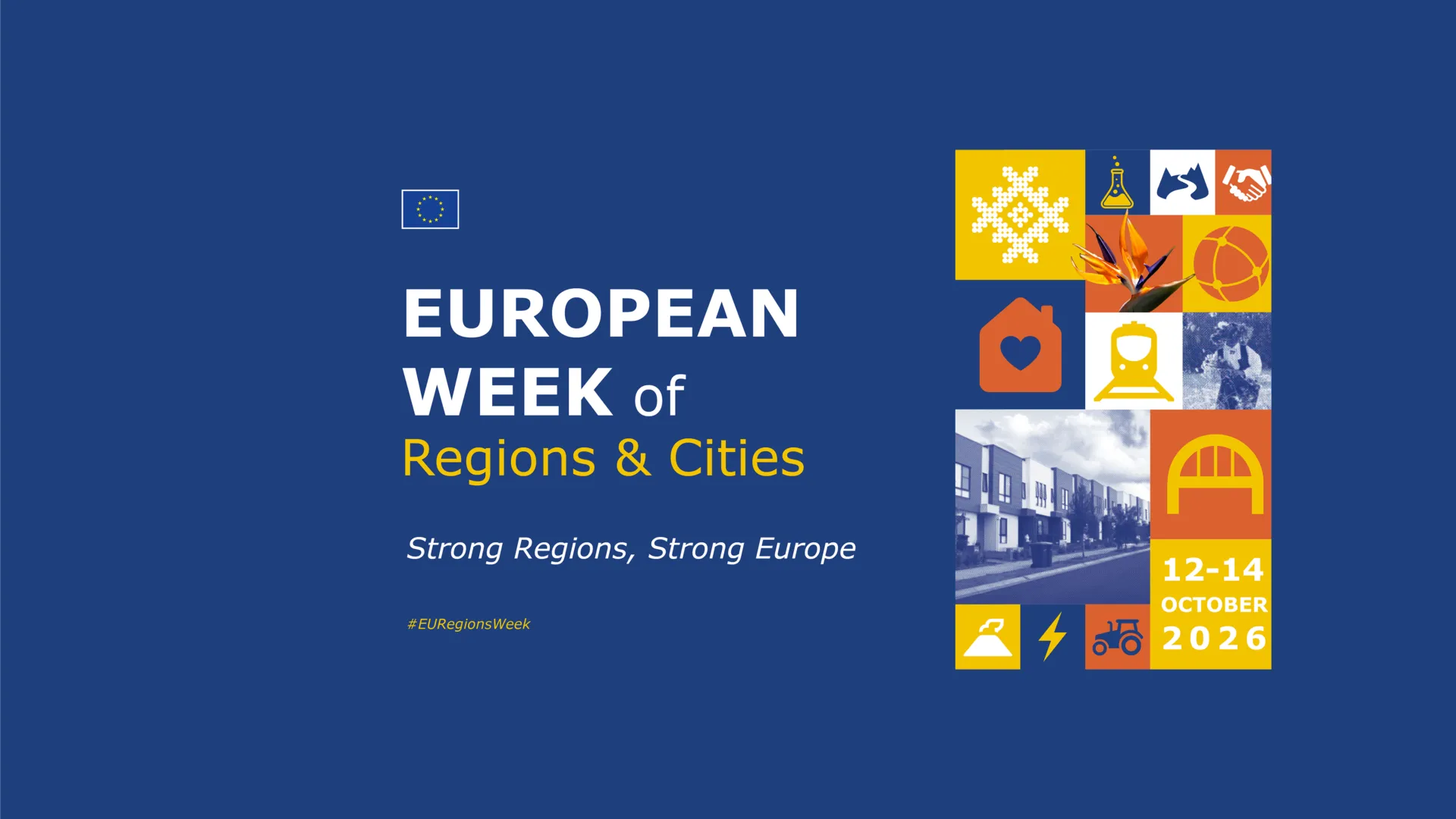
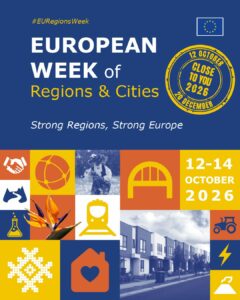
Organised by the European Commission’s Directorate-General for Regional and Urban Policy and the European Committee of the Regions, the European Week of Regions and Cities is the biggest annual Brussels-based event during which cities and regions showcase their capacity to create growth and jobs, implement European Union Cohesion policy, and prove the importance of the local and regional level for good European governance.
If you are a CEMR member and plan to be in Brussels this week, please let us know by completing this form so we can contact you regarding visibility opportunities.
CEMR events taking place during the European Week of Regions and Cities (outside the official programme)
CEMR will organise, co-organise, or take part in several events during the Week, taking advantage of the presence of numerous local leaders in Brussels.
Strengthening the territorial dimension in the future EU Cohesion Policy
Date and time: 12 October 2026, 17:00 – 20:30 CEST
Venue: CEMR, Square de Meeûs 1, Brussels
Organisers: CEMR and the German Association for Housing, Urban and Spatial Development (DV), with the financial support of the German Federal Ministry for Housing, Urban Development and Building
This high-level Brussels event will bring together EU, national and local leaders to discuss the future of Cohesion Policy and its territorial dimension. It will focus on upcoming decisions on the EU budget and investment framework, while promoting balanced, place-based development across urban and rural areas and strengthening cooperation between key European stakeholders.
Making the freedom to stay a reality: The role of services of general interest in strengthening territorial cohesion
Date and time: 14 October 2026, 16:00 – 17:30 CEST
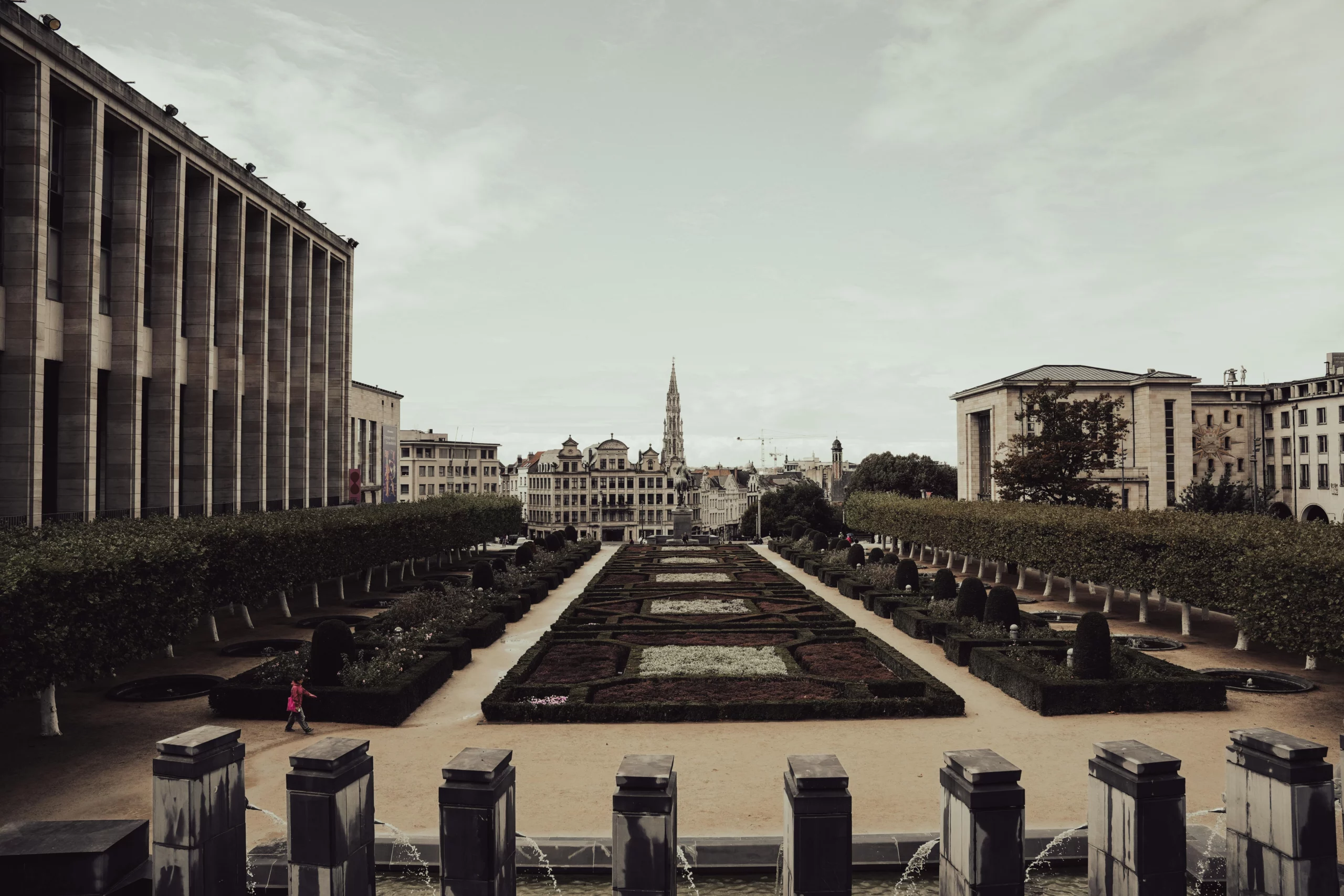
Venue: SQUARE Brussels Convention Centre (Mont des Arts), Brussels
Coorganised with SGI Europe and the Community of European Railway and Infrastructure Companies, this policy debate will explore how people can be supported to live and work in the places they call home. It will focus on the role of essential services such as housing, transport, energy and care in making regions more attractive and resilient.
The following speaker will contribute to the session:
Ethem Pekin – Head of Unit, Community of European Railway and Infrastructure Companies
Bouke Arends – Chair of the Netherlands delegation in the European Committee of the Regions and Mayor of Westland (NL)
Nicola De Michelis – Director, European Commission DG REGIO
Maria Elena Nevado Del Campo – MEP, REGI Committee
Local authorities and their associations are invited to join the Coalition for the Freedom to Stay Coalition for the Freedom to Stay to support the SGI Network’s effort to make the freedom to stay a core European objective.
Cohesion Alliance event
Date and time: 14 October 2026, 16:30 CEST
Venue: SQUARE Brussels Convention Centre (Mont des Arts), Brussels
The conference National and Regional Partnership Plans (NRP plans) with local and regional authorities at the centre: myth or reality? will be held on Wednesday 14 October 2026, from 16:00 to 17:30 at the European Committee of the Regions (Room JDE 52)
The Cohesion Alliance event will focus on the preparation phase of the NRP plans and discuss the extent to which local and regional authorities are being considered in the plans under development.
This event will be divided into 2 sessions:
First session: presentation of studies on the involvement of LRAs in NRP plans
Introduced by moderator (Martin Guillermo Ramírez, Secretary General of the European Association of European Border Regions)
Second session – Cohesion policy 2028-2034: debate with Cohesion Alliance partners
Building on the evidence presented on the planned involvement of local and regional authorities within the NRP plans for the 2028-2034 period – and bearing in mind the ongoing interinstitutional debate on the post-2027 multiannual financial framework and the National and Regional Partnership Plans Fund Regulation (NRPP) – this session will involve a political discussion among Cohesion Alliance partners and contributors from the floor.
The event meeting will be opened by the Committee of the Regions President, Kata Tutto, with the participation of:
Christoph SCHNAUDIGEL, President of the Council of European Municipalities and Regions (CEMR)
Joris BENGEVOORD, President of the Association of European Border Regions (AEBR)
Lilijana MADJAR, Vice-President of the Assembly of European Regions (AER)
Eugenio GIANI, Vice-President in charge of Cohesion Policy and the EU Budget, Conference of Peripheral Maritime Regions (CPMR)
The final words will be by Emil Boc and Vasco Alves Cordeiro, CoR NRPP co-rapporteur(s) (TBC)
The meeting is public and will be web streamed in EN/FR/IT/PL.
Bridges of Trust Annual Gathering
Date and time: 14 October 2026, 13:30 – 17:30 CEST
The fourth edition of the Bridges of Trust Annual Gathering will bring together partners from Local and Regional Government Associations, networks, partner organisations and EU institutions to exchange experiences, strengthen cooperation, and shape joint initiatives on international municipal cooperation between European and Ukrainian towns, cities and regions.
Bridges of Trust Award Ceremony
Date and time: 14 October 2026, 18:00 – 22:30 CEST
Venue: Les Ateliers des Tanneurs, Rue des Tanneurs 60A, Brussels
By invitation only
The Bridges of Trust Partnerships Award Ceremony will recognise five leading EU–Ukraine municipal partnerships as “Bridges of Trust Ambassadors” to celebrate their contribution to recovery, resilience, and EU integration at the local level.
EU Covenant of Mayors Ceremony
Date and time: 15 October 2026, 9:00 – 15:30 CEST
Venue: Charlemagne Building, Rue de la Loi 170, Brussels
Organiser: Covenant of Mayors for Climate and Energy Europe
From high-level political dialogue to practical workshops and peer exchanges, the Ceremony will bring together hundreds of local and regional leaders from across Europe alongside high-level representatives of the European Commission and other key stakeholders to discuss how local action is central to achieving European objectives.
Day 1 – From climate ambition to green competitiveness, what does the evolving EU agenda mean for local and regional governments?
Thursday 15 October | 16:00-17:45 CEST | Open event – In person at CEMR office
Panel discussion with CEMR spokespersons and external speakers, audience exchange and short “Territorial Spotlights” from members showcasing concrete local and regional practices of connecting competitiveness to territorial green policies, including climate adaptation, energy, circular economy, decarbonisation and clean mobility.
Day 2 – Defining CEMR green priorities for 2027
Friday 16 October | 10:00–13:00 CEST | CEMR members only meeting – In person at CEMR office & online
The second day will focus on CEMR’s internal work and priorities for the year ahead. Spokespersons and Expert Group Chairs will provide brief updates on key policy developments, ongoing CEMR activities, and expected priorities for 2027.
Are you organising an event during the European Week of Regions and Cities 2026?
CEMR members and partner associations are invited to share details of their own events taking place during the Week by completing this form, so we can help promote them and coordinate the wider CEMR agenda for the Week.
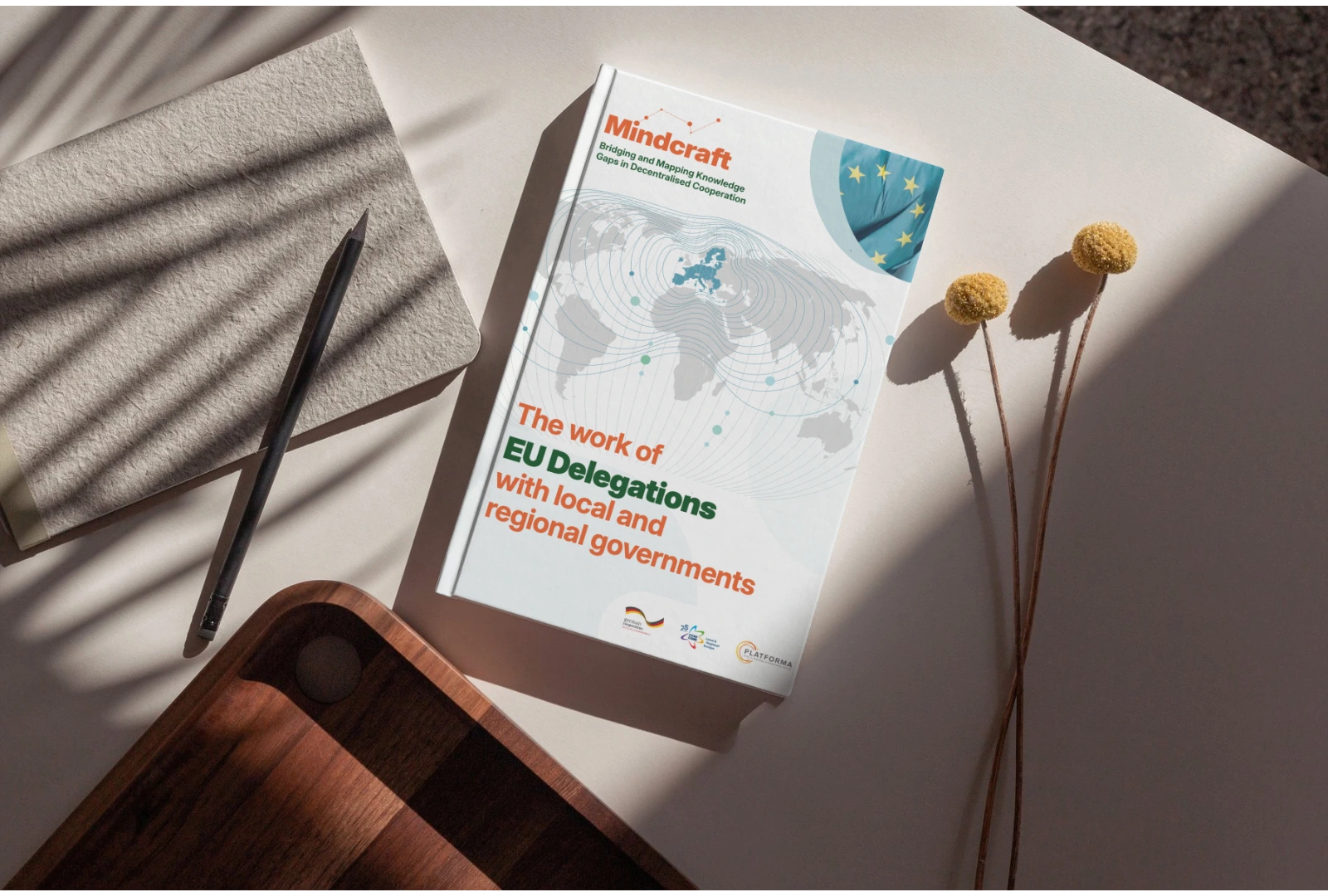
“The Work of EU Delegations with Local and Regional Governments” is a new Mindcraft publication, following on from the report published by PLATFORMA in 2021. Since 2021, the EU’s external action framework has undergone significant change. Under the Neighbourhood, Development and International Cooperation Instrument (NDICI) Global Europe and the Global Gateway strategy, EU international cooperation has moved towards a more geographic, investment-driven approach, with growing emphasis on the localisation of development cooperation.
This new study examines to what extent and how EU Delegations (EUDs) engage with Local and Regional Governments (LRGs) and their associations (LRGAs) in the partner countries. It is based on a 2025 survey of 40 EUDs worldwide and, interviews with five of them in Chad, Guatemala, Madagascar, Nepal and Zambia, as well as additional exchanges with EU Member States development cooperation agencies.
Key findings:
Enabling environment is key for LRG engagement. 62.5% of surveyed EUDs assessed the decentralisation in the partner country as favourable, and 57.5% support decentralisation efforts. Examples across partner countries show that support to local governance and public finance management helps LRGs engage in territorial development and EU-funded initiatives, though access to finance and the preparation of bankable projects remain persistent challenges.
LRG engagement in EU international cooperation remains uneven and rather limited. 57.5% of surveyed EUDs stated they engage with LRGs and LRGAs under the NDICI-Global Europe, while 20% stated they engage with them under the Global Gateway strategy. EUDs point to the lack of a right framework for structured cooperation as an obstacle. 69.2% consider that a specific budget line for LRGs would help.
LRG engagement can be valuable in fragile contexts. Among EUDs working in fragile settings, 76.4% consider that engaging with LRG would facilitate their work.
Decentralised cooperation remains generally underused. Illustrative examples of partnerships between European and partner-country LRGs, along with cooperation through LRGAs and their international cooperation structures, show real potential to strengthen local governance and support the localisation of EU initiatives but require greater visibility and emphasis.
There is an ongoing need to strengthen EUDs capacities to work with LRGs. Only 30% of surveyed EUDs reported having received specialised training or support for engaging with LRGs, which were assessed useful for understanding territorial approaches to local development.
These findings come at a timely moment, as negotiations on the 2028–2034 Multiannual Financial Framework, including its proposed Global Europe Instrument, are underway. CEMR-PLATFORMA calls for a clear engagement framework, dedicated funding mechanisms for LRGs, and stronger support for decentralised cooperation as a route to shared development goals.
With less than four years remaining to achieve the 2030 Agenda, a new CEMR–PLATFORMA report highlights a clear message from local and regional governments across Europe: sustainable development will only succeed if cities, towns and regions are placed at the centre of decision-making, financing and implementation.
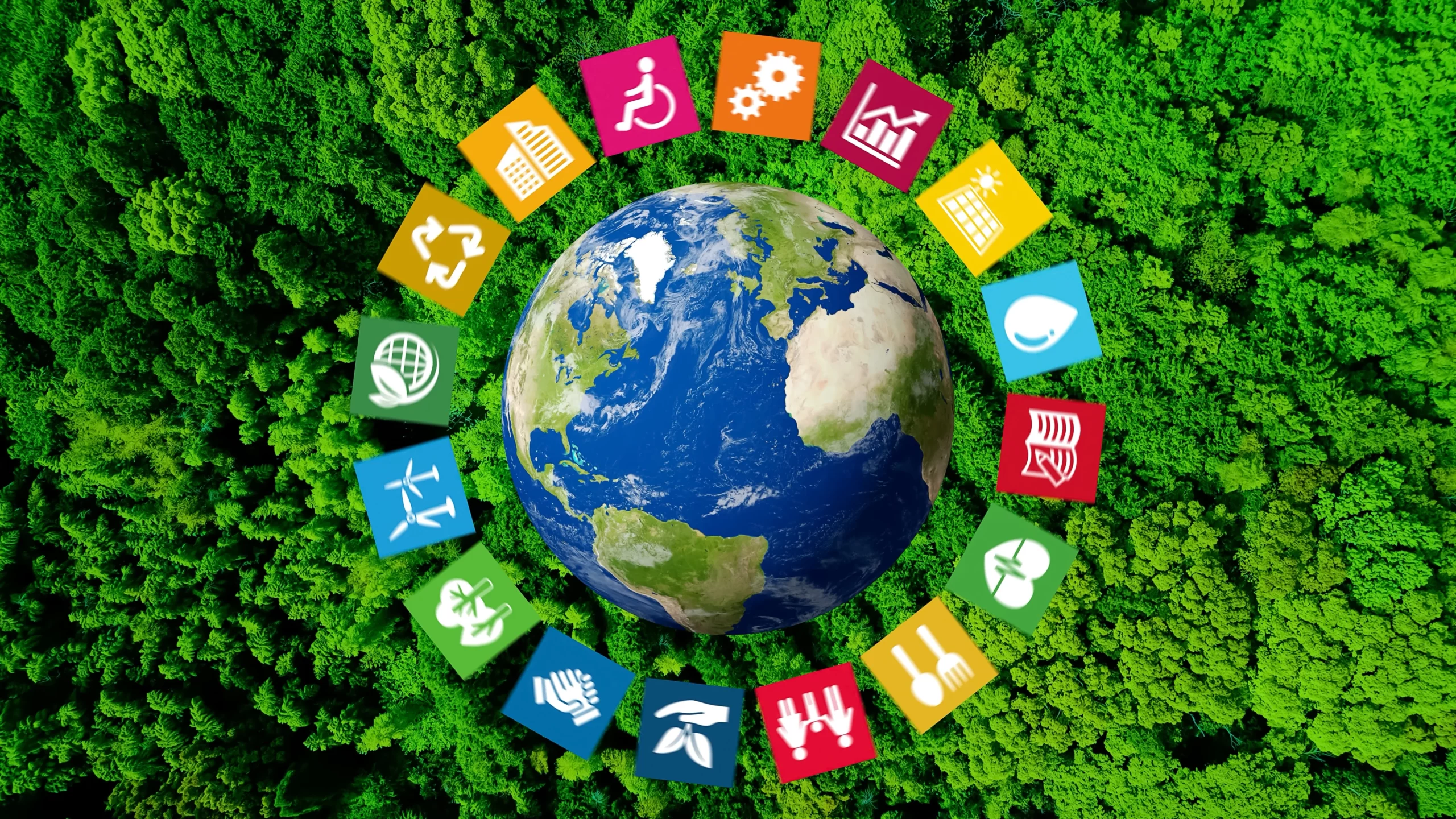
Published by the Council of European Municipalities and Regions (CEMR) and PLATFORMA at the occasion of the High-Level Political Forum on Sustainable Development (HLPF), the 2026 edition of the report European territories localise the SDGs: Cities at the core of the implementation examines how local and regional governments are contributing to the Sustainable Development Goals (SDGs) and what is needed to accelerate progress during the final stretch to 2030.
The study is based on a survey of 23 respondents from 17 countries, including associations of local and regional governments from 15 EU Member States and two non-EU countries.
Local action is essential for global goals
The report comes at a pivotal moment. As both the UN New Urban Agenda and the Urban Agenda for the EU reach their tenth anniversary, local and regional governments are reaffirming their indispensable role in translating global ambitions into concrete results on the ground.
From mobility and housing to climate resilience and social inclusion, towns, cities and regions are responsible for many of the policies that directly affect residents’ daily lives. According to the report, SDG implementation is not primarily a technical matter but a political one, requiring trust, resources and authority to be devolved to the territorial level.
The publication places particular emphasis on SDG 11 – Sustainable Cities and Communities, one of the goals under review at the 2026 HLPF. It argues that sustainable urban development cannot be achieved without strong local democracy, effective multi-level governance and meaningful involvement of subnational authorities in national and international decision-making processes.
Six recommendations to accelerate SDG implementation
Drawing on the experience of local and regional governments, the report puts forward six recommendations addressed to the United Nations, the European Union and national governments.
Among its key messages, the study calls for:
Reinforcing multi-level governance as a political priority for the 2026–2030 period.
Placing the subnational level at the centre of SDG implementation, including stronger participation of local and regional governments in global review processes and improved access to development finance.
Reaffirming the importance of the UN New Urban Agenda as the main global framework for sustainable urbanisation.
Ensuring that cities and towns remain central to Europe’s sustainable development agenda through stronger alignment between EU and UN urban policy frameworks.
Recognising the role of territories in the upcoming EU Multiannual Financial Framework 2028–2034, with more accessible and place-based funding for municipalities and regions.
Accelerating the localisation of the SDGs by fully involving local and regional governments in the design and implementation of sustainable development policies.
A contribution to the global SDG debate
Beyond policy recommendations, the report showcases good practices from across Europe and explores how local and regional governments are advancing the goals under review in 2026 (SDG 6 – Clean Water and Sanitation, SDG 7 – Affordable and Clean Energy), SDG 9 – Industry, Innovation, and Infrastructure, and SDG 17 – Partnerships for the Goals). It also includes a dedicated focus on housing and the outcomes of discussions linked to the World Urban Forum, reflecting growing concerns about affordability, inclusion and sustainable urban growth.
As the international community approaches the final years of the 2030 Agenda, the report sends a strong and consistent message: the SDGs will be achieved — or missed — at the local level. Empowering towns, cities and regions with the necessary political mandate, resources and partnerships is therefore not optional, but essential.
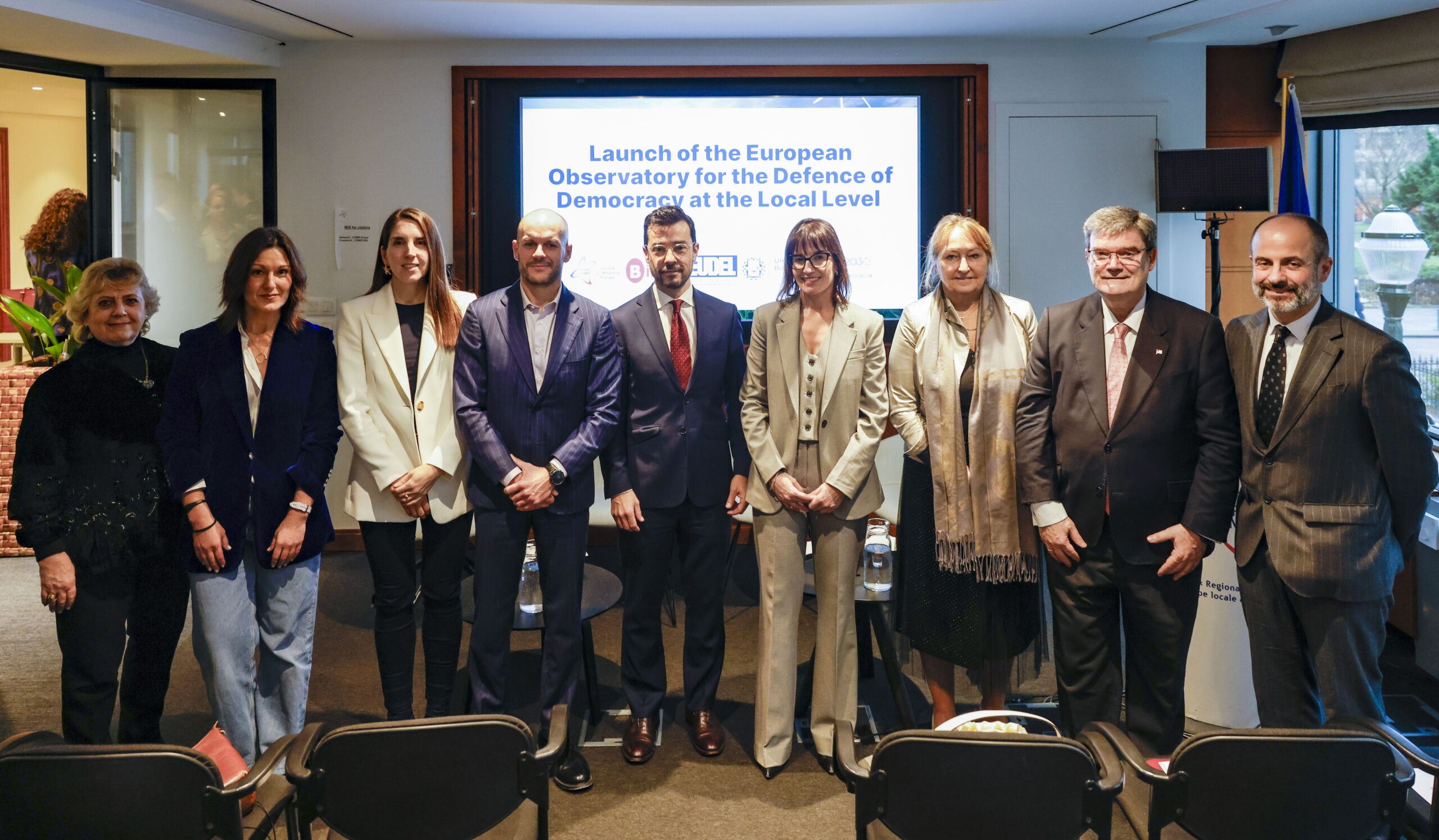
Across Europe, local elected representatives are facing growing pressure, harassment and disinformation at a time when communities need trusted leadership more than ever. In a new article published in Burgemeester (pages 158, 159 and 160), the magazine of the Dutch Association of Mayors, dedicated to local governance, democratic resilience and public leadership. In the article, CEMR presents the work of the Observatory for the Defence of Local Democracy at the Local Level (ODELL), a European initiative created to monitor threats against local democracy, support mayors and councillors, and strengthen public trust through clearer communication, evidence-based advocacy and practical tools for municipalities.
Webinar Defending Local Democracy Together
On 21 May 2026, from 14h to 15h15, the Council of European Municipalities and Regions (CEMR) and partners of the Observatory for the Defence of Local Democracy in Europe will host an online webinar exploring the growing threats faced by local and regional elected representatives across Europe.
The discussion will bring together local leaders, experts and European partners to explore the growing challenges facing democracy at the local level, from harassment and intimidation to disinformation and declining public trust, while sharing practical solutions and experiences from across Europe.
The country profiles offer a short overview of national models of (decentralised) development cooperation frameworks in selected EU Member States. The aim is to provide insights into specific mechanisms and modalities of analysed national frameworks and identify enabling factors as well as challenges related to practical implementation, focusing on the role and opportunities for local and regional governments and their associations.
Based on the study, the Belgian framework for Decentralised Development Cooperation (DDC) is characterised by:
1) Municipal associations are central to DDC in Belgium. Brulocalis, Association of Flemish Cities and Municipalities (VVSG), and the Union of Cities and Municipalities of Wallonia (UVCW) act as key intermediaries in coordinating funded programmes and serving as the primary source of support and guidance for municipalities.
2) Focus on long-term cooperation with selected partners. Sustained partnerships help to ensure the effectiveness and added value of cooperation. There is a prioritisation of the least developed countries and fragile contexts.
3) Awareness-raising of Belgian citizens about international solidarity. Belgian actors, in partnership with NGOs, actively contribute to informing citizens about development cooperation-related topics through awareness-raising and education activities at home.
This article is part of a series of 7 Country Profiles examining DDC frameworks across Europe. The fifth edition, focusing on France, will be published in July. Stay tuned!
Read the Country Profile of Belgium, available in four languages:
You can find the rest of Mindcraft’s publications here.
CEMR encourages Belgian authorities to strengthen the role of Local and Regional Governments in development policy, not only as implementers, but also as strategic partners helping shape a more resilient, inclusive and effective development agenda.
This publication is produced within the Bridging and Mapping Knowledge Gaps in Decentralised Cooperation (Mindcraft), funded by the German Federal Ministry for Economic Cooperation and Development (BMZ) and supported by the Deutsche Gesellschaft für Internationale Zusammenarbeit (GIZ).
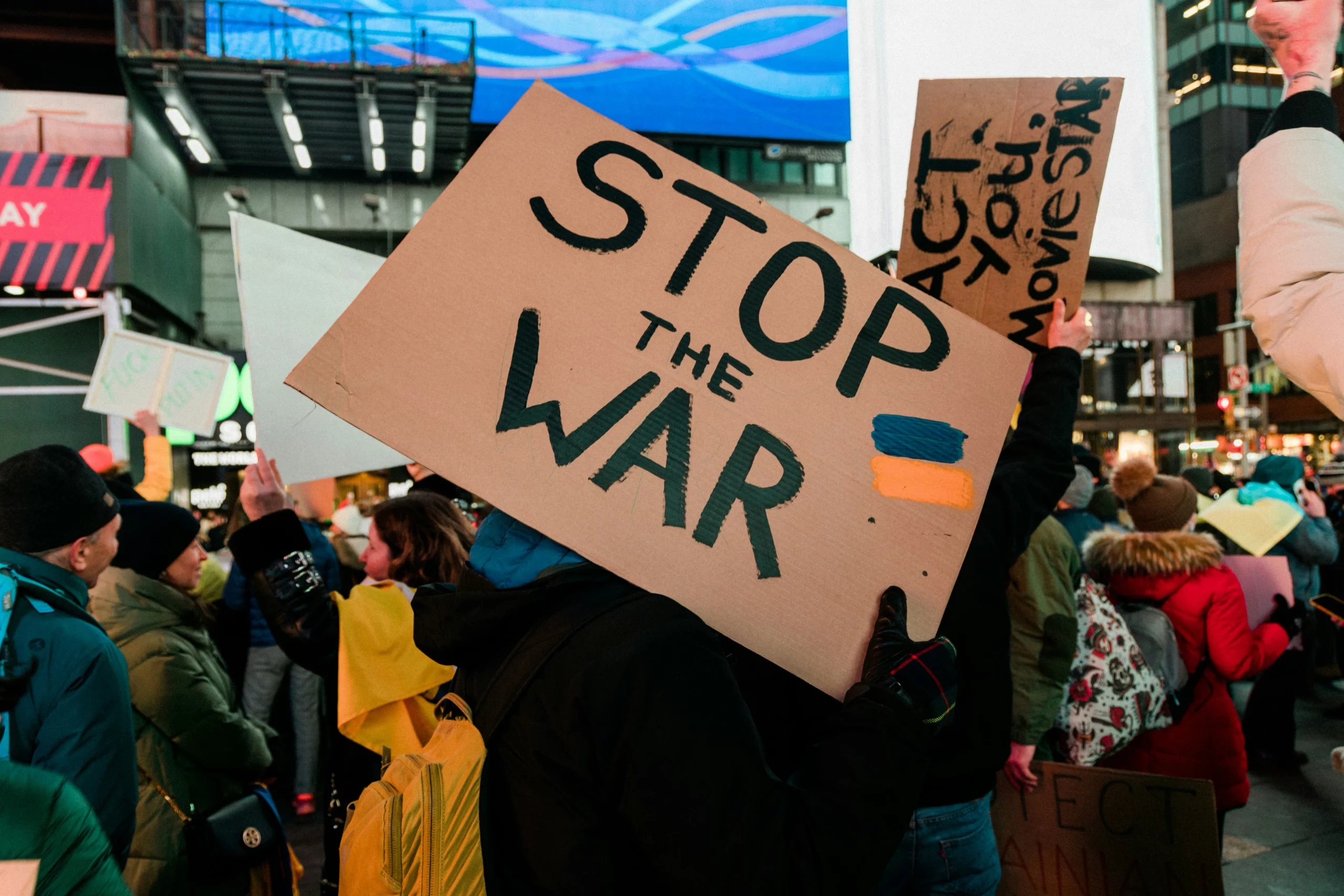
Four years after Russia’s full-scale invasion of Ukraine, local and regional elected representatives from the Council of European Municipalities and Regions (CEMR) once again reaffirm their unwavering support for Ukraine and its people.
On this fourth anniversary of Russia’s aggression, CEMR has issued a formal declaration strongly condemning the war, which continues to claim countless victims, and reiterating the commitment of European local and regional governments to stand alongside Ukraine in its struggle for freedom, reconstruction and European integration.
Call against attacks on Ukrainian mayors
Local and regional elected representatives remain on the frontlines of the war, ensuring the continuity of essential services under extraordinary and often dangerous conditions. Yet they continue to be directly targeted.
CEMR denounces the abduction of Ukrainian mayors and supports the call of the Association of Ukrainian Cities demanding the immediate release of those still detained:
Oleksandr Babych – Hola Prystan City Mayor
Ihor Kolykhaiev – Kherson City Mayor
Anatolii Siryi – Starosta of Novi Borovychi Starosta District, Snovsk City Municipality
CEMR also condemns the arbitrary imprisonment, torture and murder of Ukrainian people in Russian captivity, including:
Yevhenii Matvieiev – Mayor of Dniprorudne
Oleksii Vynnychenko – Starosta of the Hrebenykivka Starosta District of Boromlia Village Municipality
Commitment to peace, reconstruction and EU integration
CEMR calls for the immediate end to the war, and for decisive actions to enable the establishment of a just and lasting peace in Europe and the reconstruction of Ukraine. Achieving this requires full engagement of the European Union and its Member States at every stage of the process. European local and regional governments stand ready to contribute actively to recovery, democratic resilience, and long-term stability.
In its declaration, CEMR reaffirms its dedication to:
Supporting Ukraine’s reconstruction through partnerships, exchanges and decentralised cooperation between towns, cities and regions.
Accompanying Ukraine on its path to full EU membership, strengthening democratic governance and multilevel cooperation across Europe.
Sustaining and expanding cooperation through key initiatives, including:
CEMR’s Matchmaking Platform, connecting municipalities, regions and local governments across Europe to strengthen practical cooperation.
Bridges of Trust Community, bringing together local and regional representatives engaged in cooperation to foster trust, resilience, sustainable development and democratic governance.
As the war enters its fifth year, sustained political, financial and institutional support remains essential. The reconstruction of Ukraine and the achievement of a just and lasting peace demand continued solidarity, coordinated action and long-term commitment.
CEMR stands firm in defending European values of democracy, peace and the rule of law. European local and regional governments remain committed to accompanying Ukraine to full EU membership, contributing to a stronger, more resilient and more secure Europe.
As the European Union prepares its next Multiannual Financial Framework (MFF) for 2028–2034, the Global Europe instrument will define the EU’s external action for the years ahead — encompassing development cooperation, humanitarian aid, enlargement support and Global Gateway. Discover PLATFORMA detailed policy position outlining how this strategic instrument should be shaped to foster sustainable global partnerships and advance inclusive governance.
At a time marked by intersecting global crises — from climate breakdown and shrinking development funds to geopolitical instability — the role of local and regional governments (LRGs) is more critical than ever. PLATFORMA’s paper is thus anchored in the belief that effective global action starts from the ground up.
Local and regional governments as co-decision-makers, implementers and partners
PLATFORMA’s position starts from a stark reality: despite their proximity to citizens and deep knowledge of local contexts, LRGs remain under-recognised in EU external action frameworks. The coalition calls for the Global Europe instrument to move beyond symbolic references to “local authorities” and embed mechanisms that genuinely empower LRGs as co-decision-makers, implementers and partners in EU external policies.
Key recommendations
The Policy Paper makes 9 key recommendations to EU decision makers:
Strengthen multilevel governance in Global Europe and place local and regional governments in the driving seat of territorial development
Pair flexibility and simplification with ambitious official development assistance targets, and enhance accountability and transparency mechanisms
Unlock Global Gateway’s potential through the involvement of local and regional governments
Foster EU delegations’ engagement with local and regional governments
Recognise and empower local and regional governments as unique and effective development partners in fragile contexts
Advance the localisation of the Sustainable Development Goals to achieve decarbonised societies and climate justice
Involve citizens through Global Citizenship Education as a key component of decentralised development cooperation
Foster inclusive and participatory local governance: empower youth, women, and disadvantaged and underrepresented groups
Strengthen local governance through the EU Eastern neighbourhood and enlargement strategy
Through these recommendations, PLATFORMA aims to improve the current proposal for the Global Europe instrument, so that it fully recognises, acknowledges, and supports the contribution of local and regional governments to EU external action, notably through decentralised cooperation as a development aid modality.
PLATFORMA also calls on the European Commission to issue an updated Communication on the structured involvement of local and regional governments and their associations in the new (geo)strategic approach to EU external action.
The country profiles offer a short overview of national models of (decentralised) development cooperation frameworks in selected EU Member States. The aim is to provide insights into specific mechanisms and modalities of analysed national frameworks and identify enabling factors as well as challenges related to practical implementation, focusing on the role and opportunities for local and regional governments and their associations.
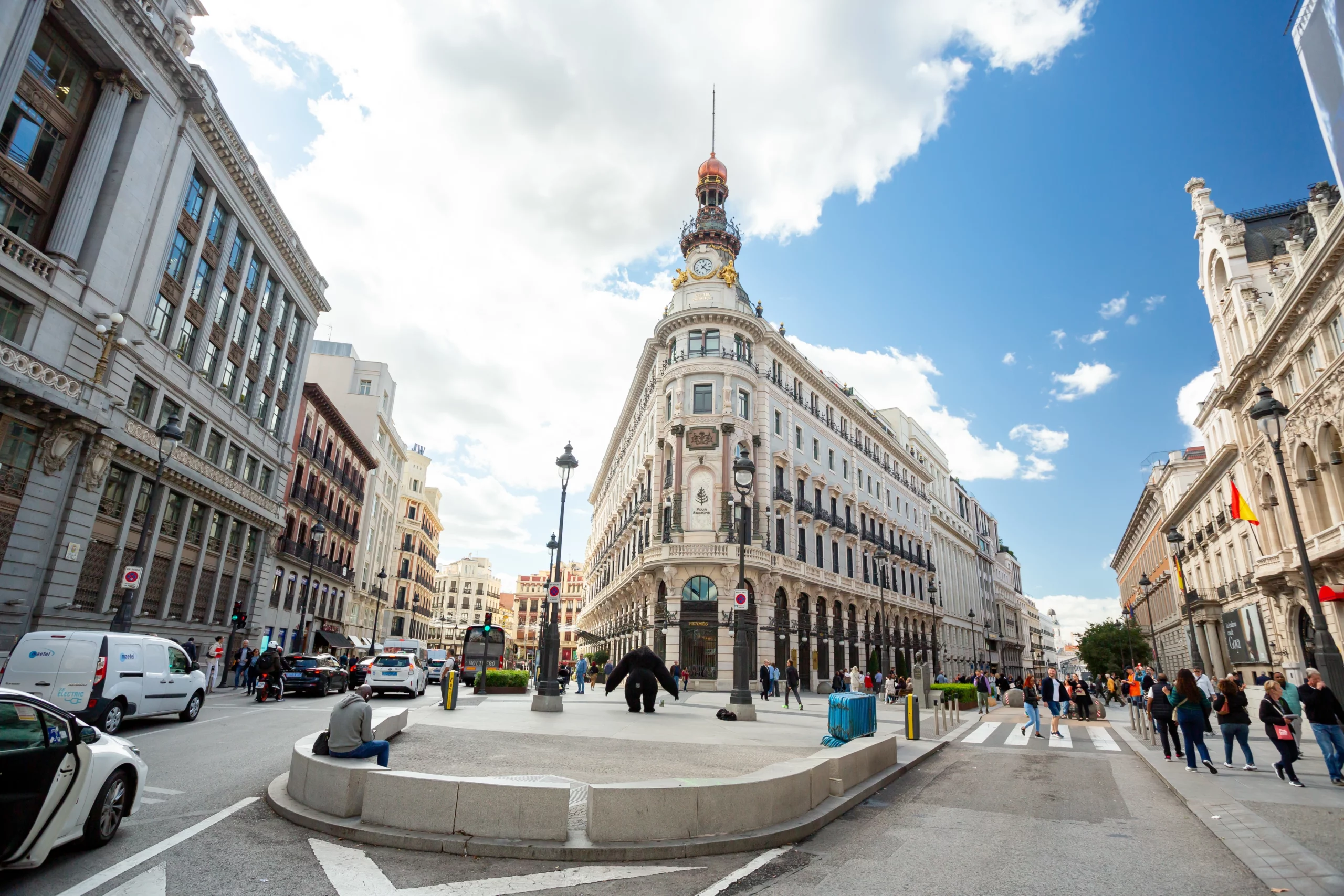
Based on the study, the Spanish framework for Decentralised Development Cooperation (DDC) is characterised by:
Highly decentralised system – enables actors across levels to be active in DDC. The new Law 1/2023 recognises Local and Regional Governments as actors of development and DDC as a modality.
Strong commitment to achieve 0.7% of Gross National Income (GNI) to Official Development Assistance (ODA) across levels – keeping the development cooperation as a priority.
Funds for development cooperation – gathering municipal and supra-municipal actors who pool their resources to implement impactful projects.
This article is part of a series of 7 Country Profiles examining DDC frameworks across Europe. The fourth edition, focusing on Belgium, will be published in March. Stay tuned!
Read the Country Profile of Spain, available in four languages:
You can find the rest of Mindcraft’s publications here.
CEMR encourages Spanish authorities to strengthen the role of LRGs in development policy, not only as implementers, but also as strategic partners helping shape a more resilient, inclusive and effective development agenda.
This publication is produced within the Bridging and Mapping Knowledge Gaps in Decentralised Cooperation (Mindcraft), funded by the German Federal Ministry for Economic Cooperation and Development (BMZ) and supported by the Deutsche Gesellschaft für Internationale Zusammenarbeit (GIZ).
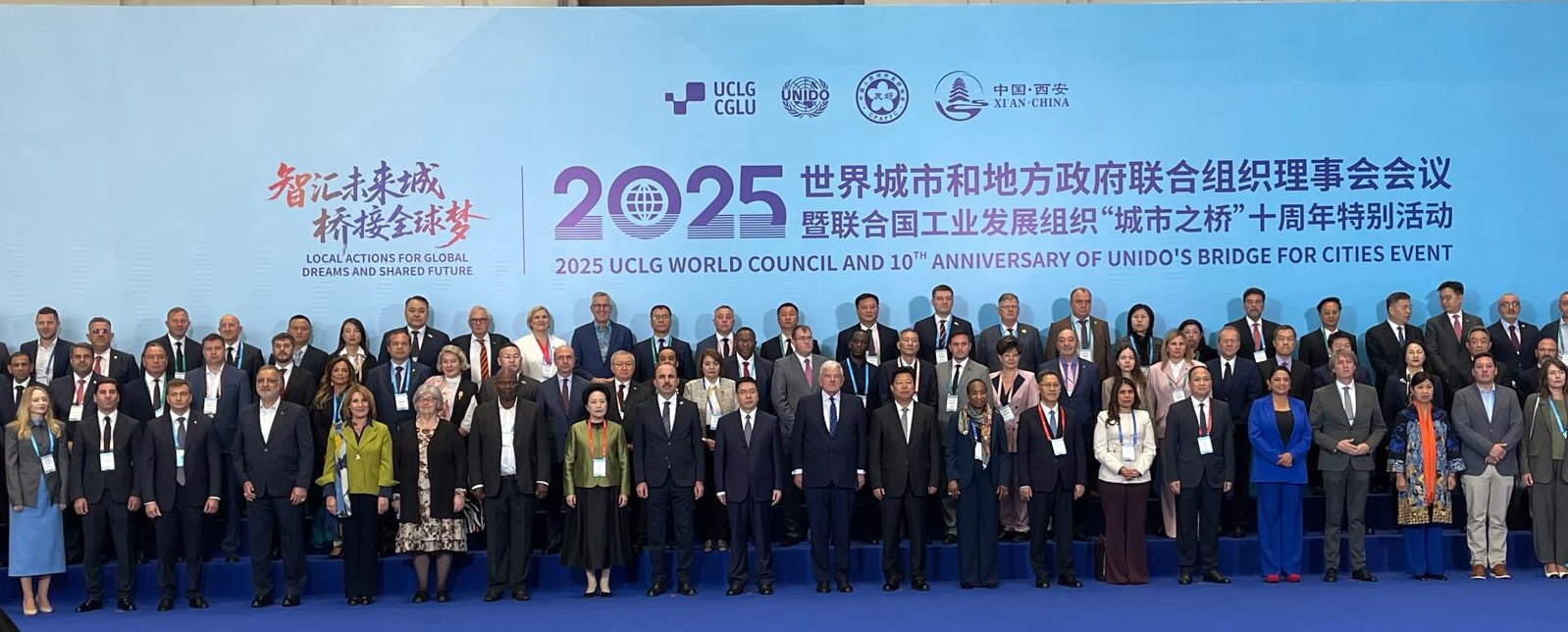
European cities and regions unite for peace and cooperation in Xi’an
As the European section of UCLG, CEMR took part in the UCLG World Council, hosted in Xi’an, and held in synergy with the 10th anniversary of the United Nations Industrial Development Organisation’s (UNIDO) “Bridge for Cities” initiative. Under the motto “Shaping Communities for Current and Future Generations,” the summit brought together more than 300 participants from over 80 cities and local government networks.
The UCLG World Council was also an occasion for European local and regional representatives to engage with counterparts from around the world. During the European caucus meeting, CEMR members exchanged with Bernadia Irawati Tjandradewi, UCLG Asia-Pacific Secretary General, the priorities and potential areas of cooperation, particularly on gender equality.
The opening session, co-organised with UNIDO, reaffirmed the importance of collaboration between cities and international institutions. A joint statement was signed between UCLG, UNIDO and the city of Xi’an to deepen technical cooperation and capacity-building programmes. Speakers underlined that local transformation can only succeed when communities are fully involved as partners, not just beneficiaries.
CEMR also participated in the Bridge for Cities High-Level Plenary, which focused on innovation, sustainable urban development and the contribution of local leadership to global agendas.
During the World Council, a new call for action open to all local and regional governments was approved. Under the title “Call for action on peace and reconstruction”, it expresses the commitment of local and regional governments to peace, human rights and reconstruction, particularly in territories affected by armed conflict. It builds on the values of the Pact for the Future of Humanity — People, Planet and Government — and highlights the unique role of cities in rebuilding coexistence and social ties.
By representing the European perspective and emphasising the key role of cities, towns and regions in democratic resilience and inclusive development, CEMR helped to reinforce this global movement and reaffirm the role of local governance in shaping peaceful and sustainable societies.