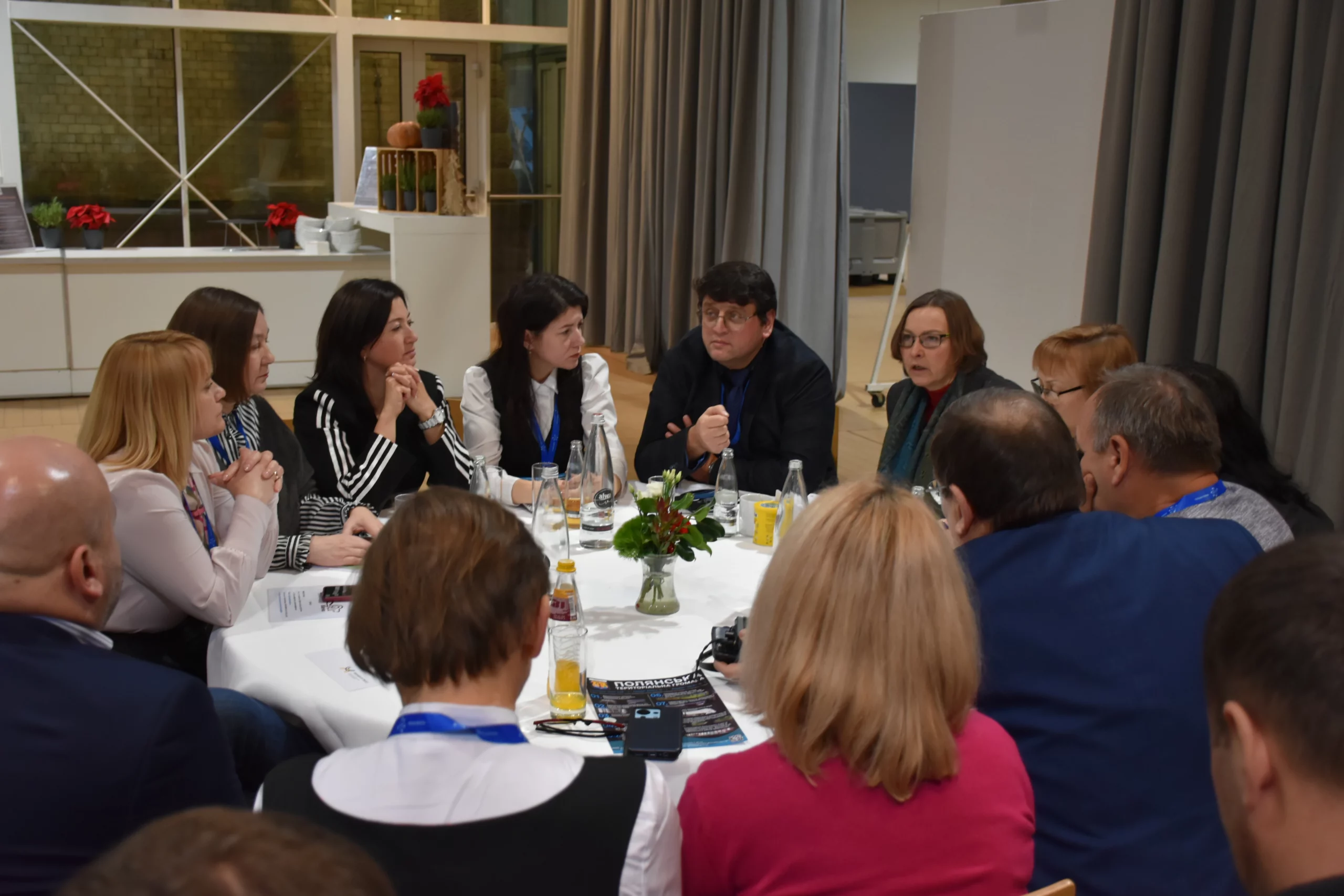
Territorial leaders in action at the COP 27

Climate - News Section

10 key points to prevent the inexorable march toward utter climate disaster


It’s now or never. We must gear up for climate action and advance the Sustainable Development Goals on the ground. This is the core message that PLAFTORMA and CEMR will bring to the COP27 taking place in Sharm El-Sheikh, Egypt.

In a joint position, PLATFORMA and CEMR put forward 10 key points for delegates and representatives from the UN, the EU and national governments who will sit around the COP27 negotiation table. Among the important points raised in the position are the need for a supportive regulatory and governance framework to implement subnational climate action, and the need for sustainable subnational financing.

Read the position paper

For more information, contact:

Annual report on SDGs goes digital

PLATFORMA - banner 3

Our annual report on the SDGs goes digital at the UN High-Level Political Forum on Sustainable Development (HLPF)


Available for the first time in an online format, PLATFORMA and CEMR have just published their fifth annual study on the localisation of the Sustainable Development Goals (SDGs). Released on the occasion of the UN High-Level Political Forum on Sustainable Development (HLPF) in New York, discover this innovative publication today on local-sdgs.eu

This study gathers the most recent information on how and to what extent associations and networks of local and regional governments have been involved in the localisation of the SDGs, both in Europe and with their global peers, and in particular during the COVID-19 pandemic. This year’s survey therefore, included questions on the SDGs’ implementation since 2015 and the impact of the COVID-19 crisis. In the last two sections, there were also additional questions regarding Voluntary Subnational Reviews (VSR) and decentralised cooperation.

It gathers 63 answers from 28 European countries, 37 associations of local and regional governments and 18 municipalities and regions.

Main recommendations

Six main recommendations came out of this study, targeting EU institutions, national governments and local and regional governments and their national associations:

  1. The European Commission should report regularly on any progress made in achieving the Sustainable Development Goals (SDGs) at the EU level and indicate how the different levels of governance have contributed to this process.
  2. We encourage associations of local and regional governments to actively take part in the Voluntary Subnational Reviews (VSR) process.
  3. Local and regional governments (LRGs) are calling for the firm recognition and inclusion by national governments of the role of LRGs and their associations in the monitoring and reporting of progress in the implementation of SDGs at the national level.
  4. European states and the EU need to strengthen their dialogue with the subnational levels and include them in any relevant high-level delegation meetings.
  5. Strengthen international cooperation to achieve the 2030 Agenda at the local and regional levels
  6. There is still a need to localise and territorialise the SDGs, through the deployment of appropriate funds and resources

This study will be presented by a PLATFORMA-CEMR delegation at different events during the second week of the High-Level Political Forum on Sustainable Development (HLPF) taking place in New York between 5 and 15 July 2022.

This delegation is composed of:

  • Fabrizio Rossi, CEMR Secretary General
  • José Hila, Mayor of Palma de Mallorca (Spain, FEMP)
  • Hannah-Lea Braun, Member of Maichingen Council (Sindelfingen, Germany) and the CEMR Young Elected Officials Committee
  • Luis Salaya, Mayor of Cáceres (Spain, FEMP)
  • Valérie Dumontet, Vice-President of Aude Region, (France, Cités Unies France)
  • Pilar Díaz, Mayor of Espluges de Llobregat, Deputy to the Presidency, Delegate for International Relations at the Diputació de Barcelona (Spain, Barcelona Provincial Council – DIBA)
  • Jan van Zanen, Mayor of The Hague (Netherlands, VNG International)

Directors, advisers and technicians from CEMR, the City of Paris, DIBA, FEMP, the Norwegian Association of Local and Regional Authorities (KS), UCLG and VNG International are also attending HLPF this year.

More

For more information, contact:

Statement on Russia’s invasion of Ukraine

Ukraine people - News

European municipalities and regions reaffirm support for Ukraine’s sovereignty and local democracy amid ongoing threats 


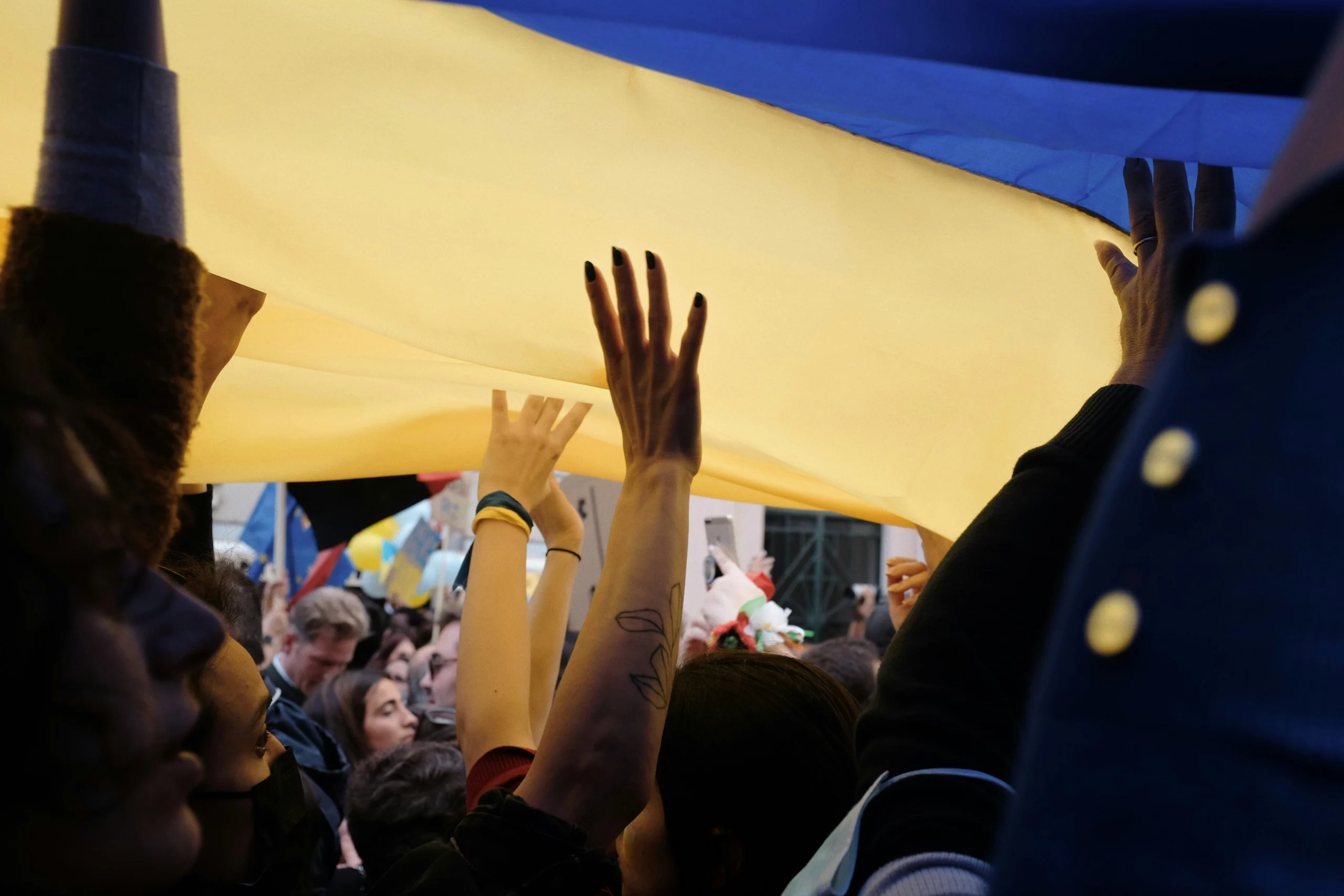
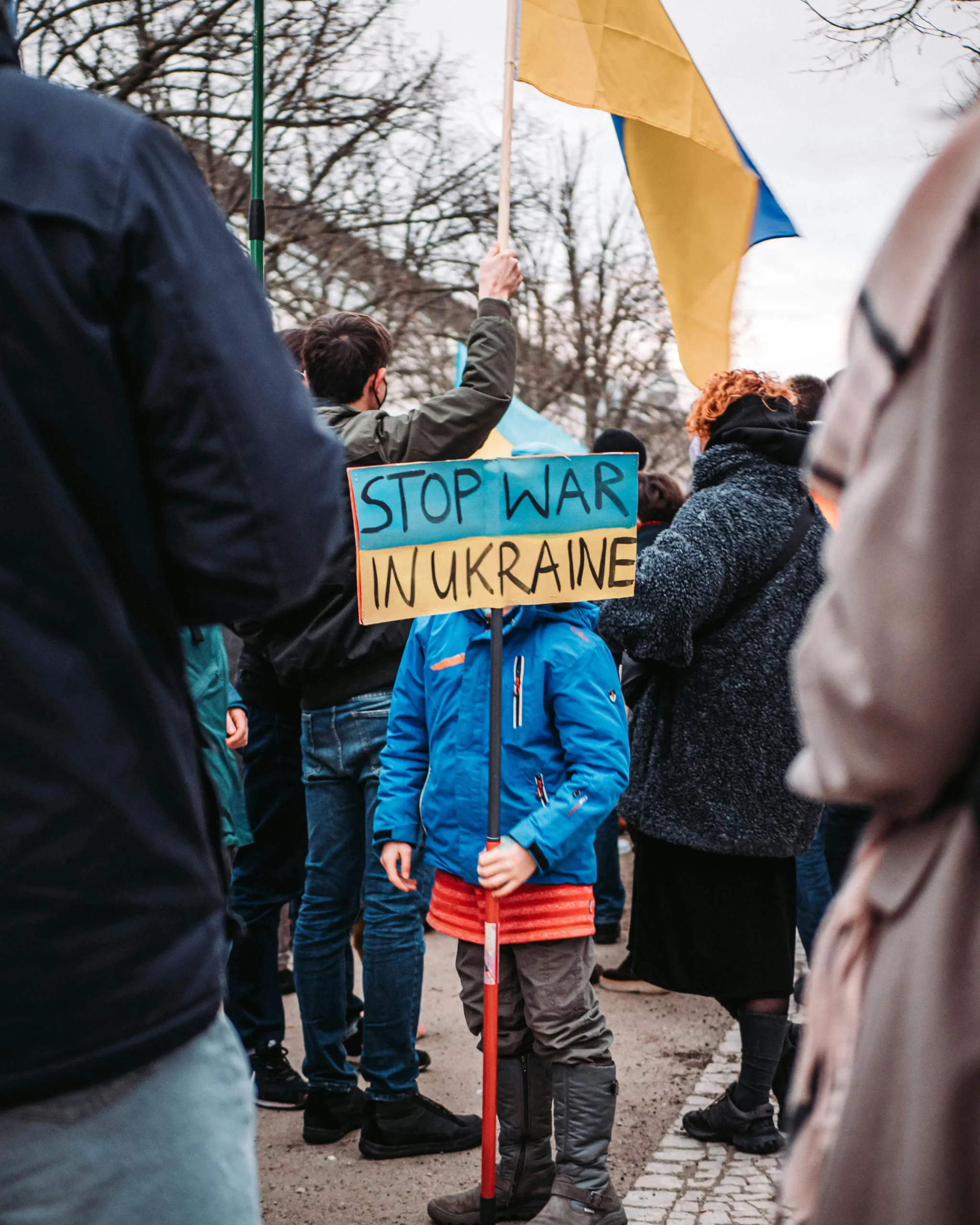
The Council of European Municipalities and Regions (CEMR) has voiced deep concern over the ongoing Russian military build-up around Ukraine. Such actions pose new threats not only to Ukraine’s security and sovereignty but also to peace and democracy across the wider region. 

Local Governments Under Pressure 
Ukrainian municipalities and regions face immense challenges: providing public services under the daily threat of military escalation, sustaining decentralisation and governance reforms, and continuing the democratic development of their cities and communities. These pressures are particularly acute in eastern regions, which have already endured the consequences of war since 2014. 

Standing by Ukraine’s Sovereignty 
European local and regional leaders reaffirm their unwavering support for Ukraine’s independence, sovereignty, and territorial integrity within its internationally recognised borders. These principles, rooted in international agreements and European security, cannot be compromised. 

Support from Europe 
CEMR welcomes the European Commission’s emergency financial assistance package to Ukraine and urges EU institutions and national governments to strengthen their support. Local authorities, directly in touch with citizens, continue to deliver essential services despite threats of conflict and energy blackmail. 

Commitment to Cooperation 
Europe’s municipalities and regions remain committed to supporting their Ukrainian peers through decentralised cooperation, city-to-city and region-to-region partnerships, and international solidarity efforts. Strengthening these ties will help ensure Ukraine’s continued development, resilience, and democratic future. 

Read the declaration here 

For more information, contact: 

European charter for equality  

Gender Equality News

Europe’s towns and regions commit to building fairer societies through the European Charter for Equality 


Equality between women and men is a fundamental right and a cornerstone of democracy. Yet, despite legal recognition, disparities remain in pay, representation, and everyday opportunities across Europe. Recognising the pivotal role of local and regional governments in tackling these inequalities, the Council of European Municipalities and Regions (CEMR) developed the European Charter for Equality of Women and Men in Local Life in 2006. 

By signing the Charter, municipalities and regions make a public commitment to promoting equality across their policies, services and institutions, and to developing Equality Action Plans that transform principles into practice. 

The Charter was drafted with the support of the European Commission and has since become a reference tool for towns and regions seeking to mainstream gender equality. It encourages signatories to act not only within their own administrations but also with local institutions, organisations and citizens. 

Over the years, supporting tools have strengthened their implementation: 

  • An online Observatory launched in 2011 provides resources and examples of good practice. 
  • A toolkit of indicators, developed in 2014, helps monitor and evaluate progress. 
  • A 2022 update, funded by the EU, introduced amendments to strengthen the Charter, clarifying language and emphasising intersectionality under the guiding principle: “always gender, never gender alone.” 

New provisions were also added, including the need to apply a gender lens in crisis management and to address gender perspectives in digitalisation and online life. From 2023 onwards, all new signatories commit automatically to both the original Charter and the 2022 amendments. 

The European Charter for Equality demonstrates how local and regional democracy is crucial for advancing fairness in daily life, whether through housing, transport, health, or political participation. By embedding gender equality into decision-making and governance, towns and regions can both safeguard rights and unlock economic and social potential. 

More than a symbolic document, the Charter is a practical instrument for change, mobilising local authorities across Europe to ensure that equality between women and men is not only a principle on paper but a reality in every community

Read the charter here 

For more information, contact: 

European social partners with Ukraine 

Ukraine people - News

Social partners offer solidarity and support in response to the Russian invasion


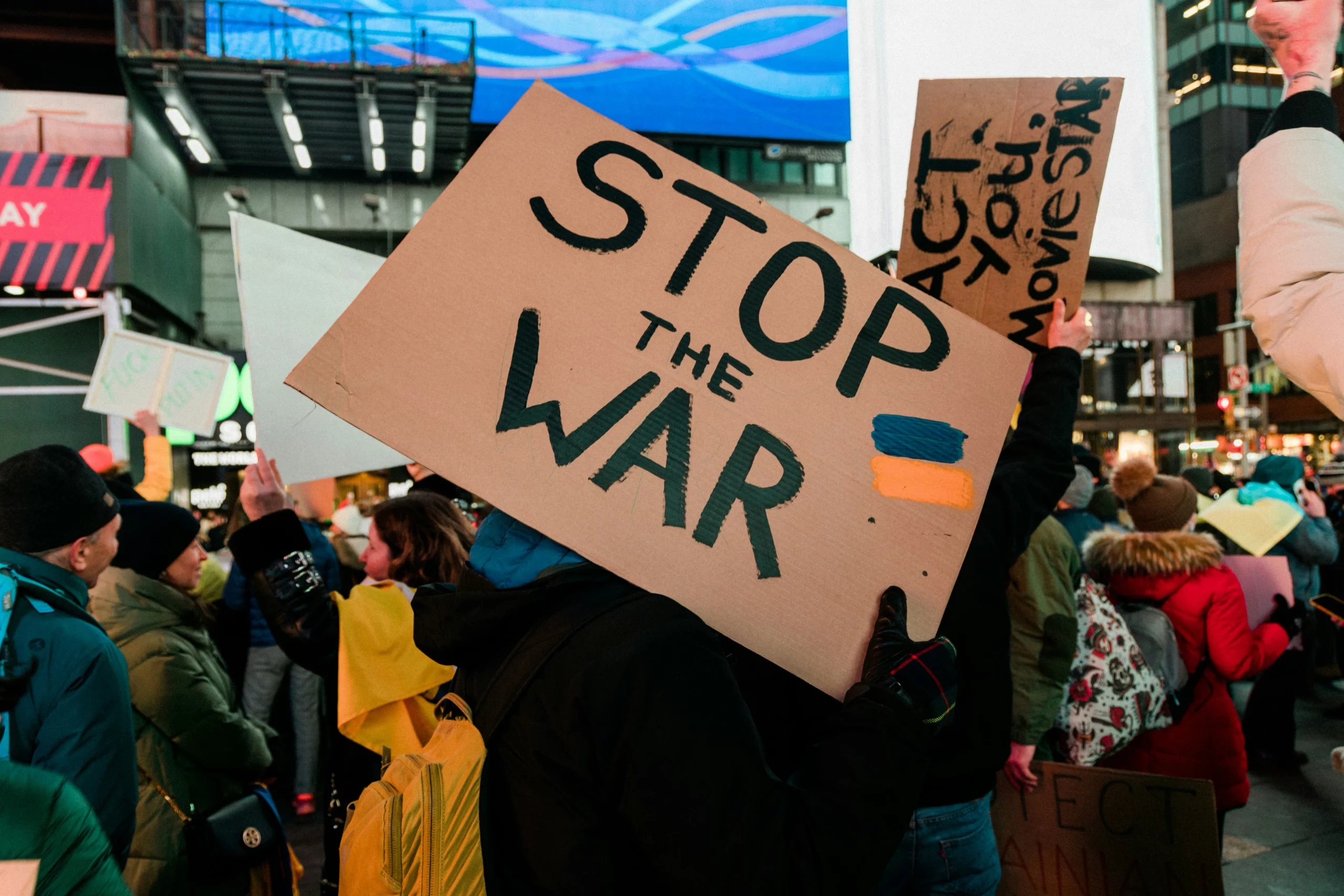
The European social partners for local and regional governments, CEMR and EPSU, have jointly expressed their strong condemnation of Russia’s invasion of Ukraine, calling it a grave violation of international law and a direct threat to democracy and peace in Europe. 

In a statement released through the European Social Dialogue Committee, the two organisations extended full support to the Ukrainian people, especially to workers in cities, municipalities, and local public services, who continue to serve their communities under attack. 

“Our thoughts are with first responders, emergency services workers and municipal staff who are ensuring the delivery of basic services, despite the ongoing destruction,” the statement reads. 

CEMR and EPSU pledged to mobilise both material assistance and technical expertise to support their peers in Ukraine and urged the EU and international community to provide shelter and asylum for those fleeing the war. 

As municipalities across Europe begin to welcome displaced persons, the statement also highlights the importance of supporting local migration services and coordinating with national governments to ensure dignified reception and integration. 

Read the declaration here 

For more information, contact: 

Local support to Ukraine 

Mayors in Ukraine - News 2023

European local and regional governments denounce Russia’s aggression and pledge solidarity with Ukrainian communities 


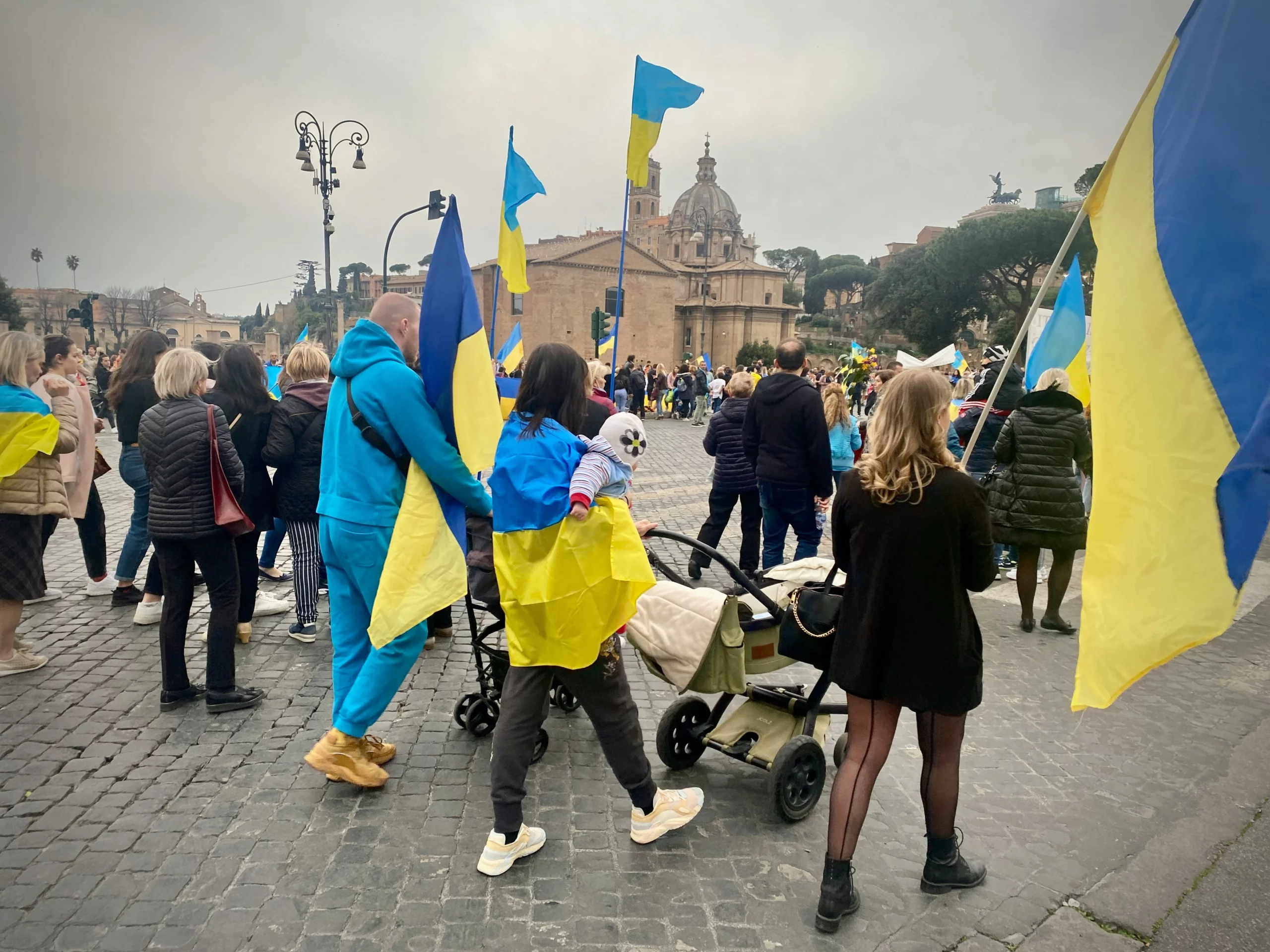
European local and regional governments have expressed their strongest condemnation of Russia’s repeated attacks and violations of Ukraine’s sovereignty and territorial integrity. They reject any attempt to dismantle a free and democratic state in Europe, stressing that these acts threaten peace and democracy across the continent. 

Solidarity with Ukrainian Communities 
Mayors, councils, and regional leaders stand firmly with their peers in Ukraine, municipalities, hromadas, districts, and their associations, who remain on the frontline providing essential services to citizens under the constant threat of bombings and destruction of infrastructure. 

Commitment to Support 
Local and regional governments across Europe, representing 60 national associations in 40 countries, commit to offering Ukrainian communities the materials, expertise, and assistance needed to face the ongoing crisis. They also prepare to respond to the humanitarian consequences, including the likely arrival of refugees, in close coordination with national governments. 

City Diplomacy for Peace 
Rooted in a tradition of local democracy and city diplomacy since 1951, European municipalities reaffirm their belief in peace and cooperation. They call on Russia to cease its aggression, withdraw from Ukraine, including Donbas and Crimea, and respect international law. 

Looking Ahead 
Despite the violence, local leaders remain convinced that diplomacy between cities can once again be a powerful force for unity, peace, and rebuilding across Europe. 

Read the declaration here 

For more information, contact: 

Bringing Equality Closer to Home 

UCLG people banner

2021 Report – CEMR Charter15 Reflection Process 


The European Charter for Equality of Women and Men in Local Life, developed by CEMR, is both a political commitment and a practical tool enabling local and regional governments to integrate gender equality into all aspects of policy and administration. Since its launch in 2006, nearly 2,000 signatories across 36 countries have joined the initiative. 

Marking 15 years in 2021, CEMR initiated a reflection process to ensure the Charter remains relevant, inclusive and fit for the future. The process culminated in a set of recommendations to revitalise and adapt the Charter, supported by the EU’s CERV programme

Key Activities and Participation 

  • 6 online workshops (June–November 2021) 
  • 5 interviews with national gender focal points 
  • 75 participants from 21 countries, including local authorities, associations, and civil society. 

Workshop Themes & Findings 

1. Employment & Economic Development (September 2021) 

Gender gaps persist in pay, part-time work, and parental leave. The Charter update should reinforce equality in employment practices, particularly relevant to local governments as employers. 

2. Climate, Urban Space & Sustainable Development (October 2021) 

There is a demand to strengthen Article 25 on urban planning by including monitoring and evaluation tools, and to align with SDG 5 through the Charter’s indicators. 

3. Violence Against Women and Girls (November 2021) 

Updates should better address violence prevention, include children (especially girls) as victims, and consider the complex issue of honour-based violence

4. Communication, Stereotypes & International Cooperation (June 2021) 

The Charter must adopt an intersectional perspective without weakening its gender focus and show how gender equality benefits men and boys as well. 

5. Multiple Discrimination & Intersectionality (September 2021) 

A call to inclusively reflect diverse experiences of discrimination, guided by approaches like Sweden’s: “always gender, but never gender alone.” 

6. Public Services & Administration (September 2021) 

The Charter should be made more actionable at the local level. COVID-19 showed the need for gender-sensitive crisis planning to avoid backsliding on equality. 

Next Steps 

Based on the rich input from this process, an updated version of the Charter will be developed in 2022. This will ensure that it continues to serve as a dynamic tool for gender equality, adaptable to modern challenges, while respecting the commitments of existing signatories. 

Read the study here 

For more information, contact: 

Revitalising the Equality Charter 

Gender Charter - News

CEMR’s 15-year reflection process sets the stage for a renewed push to advance gender equality in Europe’s local and regional life 


2021 marked the 15th anniversary of the European Charter for Equality of Women and Men in Local Life, a milestone moment to celebrate achievements, reflect on lessons learned, and chart a course for the future. Initiated by CEMR in 2006, the Charter has grown into a powerful instrument for advancing gender equality at the local level, now embraced by nearly 2,000 signatories in 36 countries. 

The anniversary served not only to honour progress but also to examine how the Charter can evolve to remain relevant and impactful for today’s and tomorrow’s local governments. 

To mark the occasion, CEMR launched a wide-ranging reflection process. A series of six online workshops was held between June and November 2021, involving Charter signatories, national associations, gender focal points and other stakeholders. Five in-depth interviews complemented these to deepen the analysis. 

The process revolved around four key areas: 

  • Recognising achievements: Highlighting the tangible improvements in local equality made possible by the Charter; 
  • Reflecting on relevance: Considering how to modernise the Charter and connect it with broader policy frameworks; 
  • Celebrating commitment: Acknowledging the people and organisations driving real change on the ground; 
  • Revitalising tools: Gathering practical insights and suggestions to strengthen the Charter’s implementation. 

Participants emphasised that while the Charter remains a strong and valuable framework, its language, accessibility, and visibility could be improved. There was broad support for clearer, more inclusive, and action-oriented language. Concerns about legal implications for current signatories were addressed with a proposed solution: allowing signatories to either reconfirm or upgrade their commitment, while still validating earlier engagements. 

The 15-year review reaffirms the Charter’s relevance and potential as a living document. CEMR has now put forward a set of concrete recommendations to enhance its clarity, inclusivity and usability, ensuring it remains a cornerstone for gender equality at the local and regional level: 

  • Simplify the language and prioritise clarity and accessibility; 
  • Use assertive, action-driven phrasing to emphasise commitments; 
  • Improve translation quality in coordination with national associations; 
  • Adapt language to gender-inclusive norms, particularly in gendered languages. 

As the Chair of the Standing Committee for Equality put it: 

“Beyond chapters and clauses lies a common goal: bringing equality closer to home.”

Read the study here 

For more information, contact: 

Paris agreement at the local level

Renewable Energy - News

Glasgow Climate Pact calls for “multilevel and cooperative action”


“Disappointment” was a word on the lips of many at the closing on the COP26 UN climate conference in Glasgow in Saturday (13 November). The outcomes leave open many questions regarding national governments’ commitments. Local and regional governments were able however to effectively mobilise during the conference. Thanks to their advocacy efforts, the importance of municipalities, regions and “multilevel and cooperative action” is recognised in the new Glasgow Climate Pact.

“We, local and regional governments, should be proud that the Glasgow final agreement includes the multilevel cooperative model as a way forward to achieve the Paris Agreement objectives”, said CEMR Secretary General Frédéric Vallier, who was present at the COP. “This is a real achievement for municipalities and regions, regardless of the conference’smixed overall results.

The final text has been signed off by 197 countries (from the big emitters such as China and the United States to the small island nations). It aims to keep global temperatures at 1.5 °C above pre-industrial levels by the end of the century, the aspiration of the Paris Agreement, but fails to be more ambitious.

Room for improvement

Reacting on social mediaLéonore Moncondhuy, Mayor of Poitiers (France), spokesperson of PLATFORMA and representative of Cités Unies France said: “The Glasgow Pact does not at all measure up to the climate emergency. While it was supposed to ‘save the 1.5 ° C target’, it is once again mortgaging our future by subjecting it to states’ diluted and disingenuous commitments. Without immediate action, soon + 2.7 °C.”

Earlier last week, Moncond’huy met with UN Secretary General Antonio Guterres and UN Executive Director Maimunah Sharif in Glasgow, expressing the need to support local governments as frontline workers on climate challenges. Her arguments were later echoed in plenary by Sadiq Khan, the Mayor of London: “The involvement of cities now is like day and night … nothing compared with the past.”

Local and regional governments and their associations were widely mobilised. CEMR, PLATFORMA and the Global Task Force led by UCLG were well represented at COP26 and co-organised numerous side events and bilateral meetings.

Enabling local climate action

The Glasgow Climate Pact recognises “the urgent need for multilevel and cooperative action” as well as the important role of local and regional governments in realising the Paris Agreement. As highlighted by Steven Heddle, Member of Orkney Islands Council (COSLA) and CEMR spokesperson on territorial development, this will require facilitating local governments’ access to climate finance.

Local governments need revenue, resources and long-term loans. With these tools, we can contribute more to the objective of reducing emissions before 2050”, said Ronan Dantec, CEMR spokesperson on climate, French senator and president of Climate Chance, during one of the sessions.

The Pact includes many other provisions, such as developed countries agreeing to double funding for climate adaptation and a first global commitment to cut methane emissions by 2030.

What’s next

The next COP will take place in Sharm El-Sheikh, Egypt. Africa being the world’s youngest and most rapidly-urbanising continent, COP27 will focus on booming demography, sustainable urbanisation and financing green plans for sustainable low carbon development. The United Arab Emirates (UAE) was selected to host the COP28 in 2023.

More:

For more information, contact:

Building partnerships with Ukraine

Ukraine partnership - News

Key factors for successful and sustainable partnerships between Ukrainian and EU local governments 


Ukrainian municipalities have a long tradition of international cooperation, especially with their counterparts in European Union (EU) member states. Today, this cooperation is more relevant than ever. Municipalities seek to improve local services, modernise administration, attract investment, and promote tourism and culture by learning from and working with EU partners. 

At the same time, establishing meaningful partnerships is not straightforward. Many municipalities, particularly those with limited international experience and resources, face challenges in sustaining long-term cooperation. To respond to this need, the Bridges of Trust initiative was launched to support exchange, promote best practices, and help local governments in Ukraine and the EU build effective partnerships. 

Mapping cooperation 

Ukraine’s decentralisation reform, launched in 2014, created 1,469 consolidated territorial communities, strengthening local governance and budgets. This has enabled municipalities to take greater responsibility for international engagement. Reports by the European Commission and the European Parliament have recognised Ukraine’s decentralisation as a success story, while also stressing the need to safeguard its achievements through constitutional reform. 

Success factors in municipal cooperation 

Drawing on decades of European experience with twinning and decentralised cooperation, several factors emerge as critical to success

  • Careful partner selection, ensuring shared interests and commitment. 
  • Clear partnership strategies with defined objectives. 
  • Sustainable planning and dedicated support structures (e.g. steering committees). 
  • Joint financing and access to external funding. 
  • Active involvement of schools, youth, and citizens to broaden visibility. 
  • Political leadership and motivated staff, supported by international departments. 
  • A strong European dimension to reinforce unity and common identity. 

Challenges facing Ukrainian municipalities 

Despite progress, obstacles remain. Studies of cooperation with Polish and other EU municipalities highlight recurring issues: 

  • Partnerships that exist only on paper, with little or no joint activity. 
  • Limited staff capacity, foreign language barriers, and a lack of experience in managing international projects. 
  • Insufficient awareness among citizens of the benefits of cooperation. 
  • Irregular contacts and a lack of strategic alignment between partners. 
  • Funding shortages for travel, exchanges, and project implementation. 

The COVID-19 pandemic has created both challenges and opportunities. While some partnerships stalled due to travel restrictions, others adapted by embracing online platforms. Virtual exchanges, such as U-LEAD’s study visits and the Bridges of Trust online forums, demonstrated how digital tools can sustain and even intensify cooperation. 

Looking ahead 

Above all, motivation and leadership remain the decisive factors. As Ukrainian officials note, training and case studies are valuable, but without committed local leaders and engaged staff, partnerships cannot thrive. Conversely, municipalities with strong motivation but little experience can quickly grow if supported with targeted training, funding, and practical guidance. 

International municipal cooperation is not simply an instrument of solidarity: it is a strategic investment in Ukraine’s recovery, resilience, and European future. By learning from each other, municipalities in Ukraine and the EU can build sustainable partnerships that deliver tangible results for their communities and strengthen the foundations of a common European identity. 

Read the study here 

For more information, contact: