Smarter building rules in Europe

Housing - News

EPBD revision: Local flexibility and long-term planning key to success, say CEMR and Housing Europe


EPBD revision: Local flexibility and long-term planning key to success, say CEMR and Housing Europe 

The Council of European Municipalities and Regions (CEMR) and Housing Europe have joined forces to publish a set of recommendations on the European Commission’s proposal to recast the Energy Performance of Buildings Directive (EPBD). While both organisations fully support the ambition to decarbonise buildings across the EU, they warn that the proposal must better reflect the realities on the ground. 

Local and regional governments, as well as providers of public, social, and cooperative housing, are critical actors in delivering the EU’s climate objectives. But a one-size-fits-all approach will not work. 

The joint position paper outlines three key recommendations: 

  1. Respect local differences through subsidiarity and adaptability 
    The EPBD must allow member states and local authorities to tailor building codes to their own context. Setting EU-level definitions for zero-emission buildings without a clear methodology risks creating uncertainty and undermining national efforts. Other areas, such as fire safety and asbestos removal, should remain the competence of national or local governments. 
  1. Provide a stable and realistic framework for renovations 
    Renovating buildings is a long-term process that requires careful planning. The proposed EPBD introduces tight deadlines and shifting labelling systems, making it nearly impossible for local authorities and property owners to comply effectively. CEMR and Housing Europe argue for a more predictable timeline that reflects labour shortages, market dynamics, and tenant affordability. 
  1. Support zero-emission construction with energy system flexibility 
    While new buildings must meet high standards, member states should retain the freedom to choose their energy sources. That includes not only on-site renewables, but also low-carbon energy from the grid, waste heat, and energy recovery, all in line with the EU waste hierarchy. 

Ultimately, the success of the EPBD will depend on how well it enables local and regional actors to deliver results. CEMR and Housing Europe are clear: the path to climate-neutral buildings must be ambitious but flexible, fair and grounded in local realities

Read the full policy paper here  

For more information, contact: 

Bringing Europe closer to its citizens 

EU Cohesion Policy - News

How ITI and CLLD strengthen local democracy, multi-level governance, and place-based development in EU cohesion policy 


The European Union’s Cohesion Policy is one of its most important instruments for promoting economic, social, and territorial cohesion across its member states. With nearly €392 billion allocated for 2021–2027, it tackles inequalities between regions while supporting a greener, more competitive, and more inclusive Europe. Central to this effort are Integrated Territorial Investments (ITI) and Community-Led Local Development (CLLD), two tools designed to put territorial needs and local actors at the heart of EU funding. 

Why integrated tools matter 

The foundations for a place-based approach were laid in the 2009 Barca Report, which argued that EU policy should focus on unlocking the potential of specific territories while addressing persistent exclusion. ITI and CLLD, introduced in 2014, operationalise this vision by giving local and regional governments a stronger role in programming, governance, and project implementation. 

These tools provide flexibility, enable cooperation across levels of government, and ensure that EU funds target the real needs of communities. For municipalities, regions, and their associations, they are among the most valued features of cohesion policy. 

ITI: Integrating strategies across territories 

ITI allows funding from several EU programmes to be combined in support of integrated strategies. It has been especially used for urban development, where at least 8% of ERDF funding is earmarked for sustainable urban projects. While designed to cover any functional area, urban, rural, or mixed, ITI is most common in metropolitan settings, where challenges like mobility, housing, and regeneration demand integrated solutions. 

CLLD: Communities leading the way 

CLLD builds on the LEADER approach to rural development, empowering local action groups of citizens, NGOs, and businesses to design and implement strategies. While most common in rural areas, it has the potential to strengthen participation and ownership in cities, too. CLLD fosters trust, encourages bottom-up innovation, and helps address the needs of vulnerable groups such as youth, migrants, or elderly people. 

What worked well 

CEMR’s analysis highlights several clear benefits: 

  • Flexibility and relevance – ITI and CLLD adapt EU funding to local needs. 
  • Capacity-building – local authorities gain expertise in managing EU programmes. 
  • Stronger governance – fostering trust and cooperation between local, regional, and national levels. 
  • Visibility of EU action – projects close to citizens showcase the value of EU funds. 
  • Community cohesion – encouraging cooperation among local actors and building metropolitan or regional identity. 

Persistent challenges 

Despite their value, integrated tools face obstacles: 

  • Administrative burden remains high, with complex procedures and slow fund absorption. 
  • Limited flexibility – strategies must still align with national operational programmes, sometimes restricting genuine local priorities. 
  • Time pressures – integrated projects require trust and participation, often at odds with the EU’s strict N+3 spending rule. 
  • Uneven use of PO5 (“Europe closer to citizens”) – some member states underfund this priority despite its direct link to ITI and CLLD. 
  • Urban uptake of CLLD – adapting the rural-focused model to cities remains difficult. 

CEMR recommendations 

Looking ahead, municipalities and regions urge the EU to: 

  • Maintain and strengthen integrated tools in cohesion policy. 
  • Simplify procedures at both EU and national levels, avoiding “gold-plating.” 
  • Clarify guidance on multi-funding, project selection, and the use of PO5. 
  • Exempt ITI/CLLD projects from the N+3 rule to allow more time for participatory approaches. 
  • Reintegrate the EAFRD into the Common Provision Regulation to ease multi-fund projects. 
  • Ensure meaningful local involvement in programming, implementation, and evaluation. 

Conclusion 

ITI and CLLD have proven their worth as vehicles for place-based development, democratic participation, and closer cooperation between Europe and its citizens. While challenges remain, strengthening these tools is essential for making the EU’s cohesion policy more visible, more inclusive, and more responsive to local realities. 

Read the study here 

For more information, contact: 

CEMR Statutes

Local leaders - webpage banner

The legal framework guiding CEMR’s mission and governance


The Statutes of the Council of European Municipalities and Regions (CEMR) set out the legal foundation, mission, and governance structure of the organisation. They define how CEMR operates as an international non-profit association based in Brussels and outline its role in representing local and regional governments across Europe.

At the heart of the Statutes is CEMR’s core mission: to protect and strengthen the autonomy of local and regional governments, promote democratic governance, and support their participation in European and international decision-making. Through advocacy, cooperation, and knowledge exchange, CEMR works to ensure that the voice of cities and regions is heard at the European level.

The document also explains how the organisation is structured and governed. The Policy Committee acts as the main decision-making body, setting strategic priorities and approving budgets, while the Executive Bureau oversees the implementation of decisions and the day-to-day direction of the organisation. The President provides political leadership and representation, and the Secretary General manages the daily operations of the Secretariat.

Membership is open primarily to national associations of local and regional governments that share CEMR’s objectives and democratic values, with additional categories for observers and honorary members.

Overall, the Statutes provide the legal and organisational framework that enables CEMR to work collectively with its members to strengthen local democracy and cooperation across Europe.

For more information, contact:

CEMR code of conduct  

Building a safe, respectful, and inclusive environment at all CEMR events and activities 


The Council of European Municipalities and Regions (CEMR) is committed to ensuring that all of its activities, from high-level conferences to informal meetings, take place in an environment that is professional, respectful, and free from harassment, violence, or discrimination. 

The CEMR Code of Conduct establishes a clear, zero-tolerance approach to inappropriate behaviour. It applies to CEMR staff, members of national associations, elected representatives, and third parties who participate in CEMR events, whether in person or online. 

Harassment and discrimination can take many forms, verbal, psychological, physical, or sexual. They may be isolated incidents or systematic behaviours. Regardless of form or setting, such conduct undermines personal dignity and professional integrity and will not be tolerated. 

To ensure effective protection, the Code of Conduct outlines: 

  • Reporting procedures: Incidents can be reported verbally or in writing at any time, without fear of reprisal. Immediate steps will be taken to stop misconduct. 
  • Investigation mechanisms: An independent investigative committee, balanced in gender and composition, will review allegations within 30 days and recommend remedies or sanctions. 
  • Confidentiality guarantees: All parties’ rights and privacy will be respected, with strict confidentiality during proceedings. 
  • Remedies and sanctions: Depending on severity, actions may range from mediation and warnings to exclusion from events or referral to public authorities when criminal offences are suspected. 

CEMR has also introduced trustworthy persons, specially trained staff who act as first points of contact for colleagues facing stress, conflict, or abusive behaviour. They provide guidance, mediate issues, and ensure that concerns are raised constructively and confidentially. 

This Code is a public document, intended not only as an internal standard for CEMR but also as a model that can be adapted by other organisations. By adopting it, CEMR reaffirms its commitment to safeguarding dignity, equality, and inclusivity in every sphere of its work. 

Read the code of conduct here 

For more information, contact: 

Sustainable local finances in Europe

Sustainable local finances - News 2022

CEMR releases landmark study on local finances in European countries


People depend on quality local public services and infrastructure every day. Reliable buses, insulated public housing, good schools or clean energy: all of these and more depend on healthy and sustainable local public finances to be developed and maintained.

That’s why the Council of European Municipalities and Regions (CEMR) is releasing a fully-fledged online report and tool entitled Local Finances and the Green Transition in Europe. This one-of-a-kind study provides data and analysis on the trends in local and regional finances in 40 European countries over the past 10 years. The study offers a bird’s eye view of both changes in subnational finances and the remarkable diversity of national situations.

This report is essential reading for policymakers, politicians and academics. Only by understanding local public finances and unlocking futher investments can we achieve the sustainable and resilient societies our people and planet need”, said CEMR Secretary General, Fabrizio Rossi, who added: “If this report shows one thing, it is that well-funded municipalities, counties and regions are essential to taking care of our people and realising the environmental transition“. 

Revealing figures and trends as observed over the last decade

The study reveals for instance that despite making up 25% of all public spending, local and regional governments finance 54% of all public investment. This reflects the leading role of municipalities and regions in investing in areas such as energy efficient housing, smarter public transport and local environmental protection. The climate and energy transition will only happen by working with local and regional governments.

Also noteworthy is that subnational government debt is at a manageable level in the 36 countries where comparative data was available. In fact, local debt is low and stable, a mere 4.8% of GDP on average. By way of comparison, general government debt increased by the middle of the decade to 67% of GDP (and to 81% in 2020).

While browsing through the online study, you will also come across a special section on the impact of the EU’s €720-billion post-COVID recovery plan on local and regional governments. This chapter looks in particular at the implications for the green transition and territorial cohesion.

The data shows clearly that the share of green transition among the main RRF spending areas is higher in the decentralised countries. Stronger local and regional governments can support more recovery and resilience programmes and actions.

A dynamic and interactive online tool

“Local Finances and the Green Transition in Europe” is available as an interactive online tool  as well as in PDF  format. The online tool contains:

The study is currently only available in English. The French version is under development.

The study was launched on 10 November 2022 at the occasion of a seminar bringing together representatives of many of CEMR’s member associations, the OECD, KDZ and the study’s co-author Gábor Péteri.

For more information:

CEMR projects overview  

CEMR’s externally funded projects foster cooperation, innovation, and sustainability across Europe 


Through its externally funded activities, the Council of European Municipalities and Regions (CEMR) brings local and regional leaders together to exchange ideas, test solutions, and build stronger communities. These projects are more than initiatives: they are platforms where municipalities and regions collaborate on Europe’s most pressing challenges, from climate action to equality, from digitalisation to democratic participation. 

Overview of Projects 
CEMR’s portfolio of externally funded projects reflects its commitment to innovation, sustainability, and inclusion: 

  • Reference Framework for Sustainable Cities (RFSC) – Supporting sustainable cities with a practical tool to plan and assess policies. 
  • IncluCities – Advancing migrant integration through peer learning among municipalities. 
  • Circular Cities and Regions Initiative (CCRI) – Driving circular economy solutions for cities and regions. 
  • Green City Accord – Helping European cities commit to ambitious environmental goals. 
  • Covenant of Mayors – Uniting local leaders in climate and energy action. 
  • PLATFORMA – Strengthening international partnerships and decentralised cooperation. 
  • Bridges of Trust – Building ties between Ukrainian and European municipalities. 
  • EPSU (Local Digital) – Supporting local administrations in navigating digital transitions. 
  • EPSU (Third-Party Violence) – Tackling violence against public service workers. 
  • Go.Li.EU – Promoting youth engagement and European citizenship. 

Together, these projects illustrate how CEMR channels external resources into meaningful action. By bridging local realities with European priorities, they not only empower municipalities and regions but also shape a more sustainable, inclusive, and resilient future for all. 

Read the study here 

For more information, contact: 

How to unlock EU funds

EU financing opportunities - News

A guide to help local and regional governments navigate 2021–2027 funding opportunities and prepare successful proposals 


Accessing European Union funding can be complex, especially for municipalities and regions unfamiliar with project management procedures. To address this challenge, the Council of European Municipalities and Regions (CEMR) has developed a guide within its new External Funded Activities (EFA) Platform. The guide provides practical support for members, including information on funding opportunities, thematic priorities, and tips for writing strong proposals. 

The current Multiannual Financial Framework (MFF) 2021–2027, boosted by Next Generation EU, represents the EU’s largest-ever budget, totalling €2 trillion. More than half is dedicated to research, innovation, digitalisation, and climate action, while one-third supports cohesion policy. For local and regional governments (LRGs), this translates into significant opportunities to finance projects across diverse fields. 

The guide outlines how to navigate the Funding and Tenders Portal, the central entry point for EU calls. It explains how applicants can: 

  • Search funding opportunities and partners; 
  • Check eligibility; 
  • Submit proposals online; 
  • Manage reporting and compliance requirements. 

It also provides advice on preparing successful project proposals. Key recommendations include aligning projects with EU policy goals, ensuring sustainability and impact, and selecting experienced, committed partners. Strong project teams, clear narratives, and realistic budgets are critical for success. 

Finally, the guide emphasises capacity-building. CEMR encourages municipalities to build internal expertise, engage with partners early, and take advantage of available training and support services. 

By simplifying complex procedures, the CEMR guide aims to empower local and regional authorities to fully tap into EU funds and deliver projects that advance Europe’s priorities, from green transition to digital innovation. 

Read the study here 

For more information, contact: 

Escalation of war against Ukraine

Escalation of war against Ukraine Declaration

European local leaders condemn renewed Russian attacks and pledge solidarity with Ukrainian cities and communities


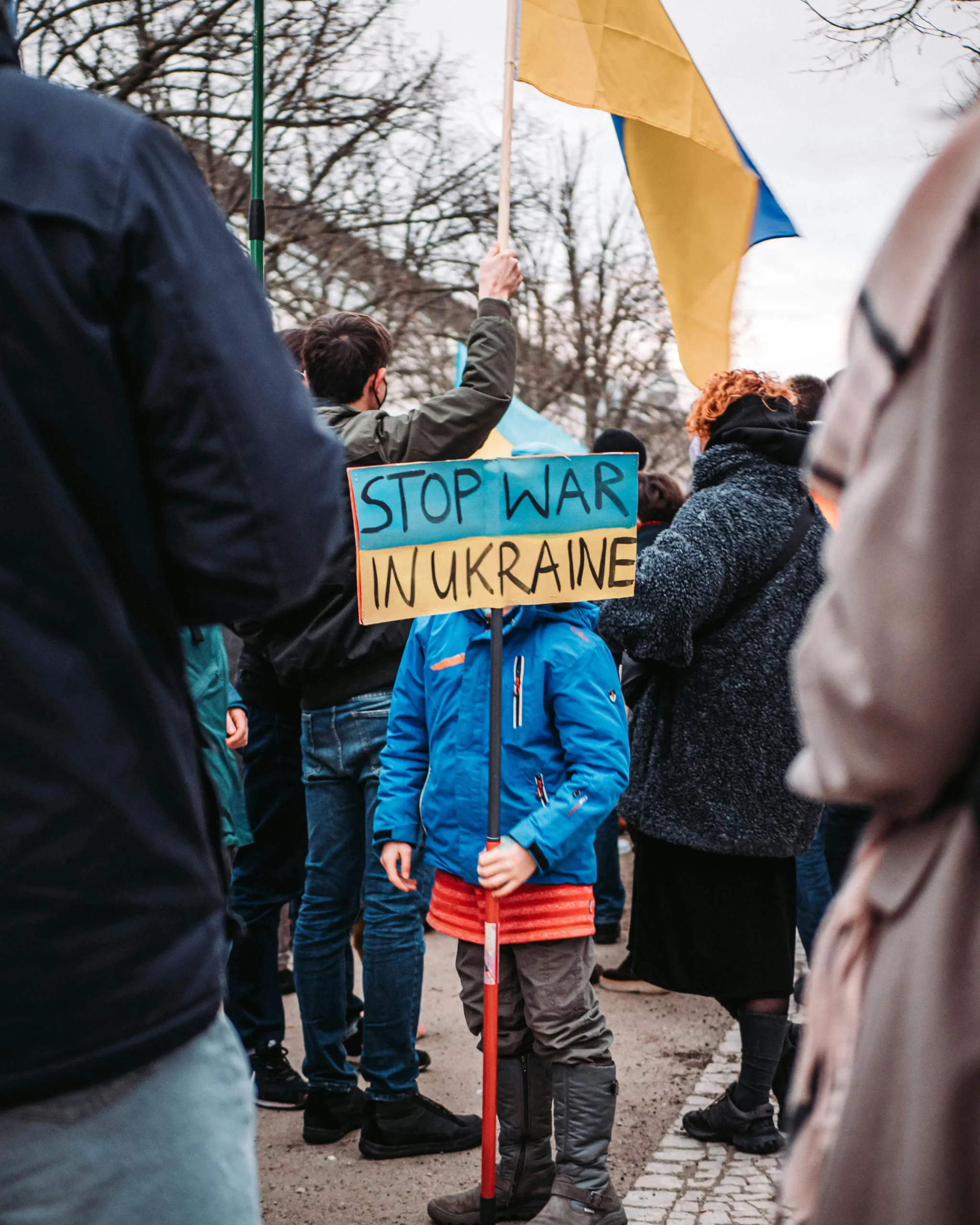
Meeting in Daejeon at the 7th UCLG World Congress and Summit of Local and Regional Leaders, European mayors and councillors expressed their deepest indignation at the recent escalation of Russia’s war against Ukraine. The renewed wave of violence continues to bring devastation to civilian populations and destruction to Ukrainian municipalities. 

Condemning Targeted Attacks 
The declaration strongly denounces deliberate strikes on civilians, including women and children, in violation of the Geneva Conventions. Equally condemned is the destruction of essential urban infrastructure, which deprives communities of the basic services needed to survive in wartime. 

Solidarity with Ukraine 
Local and regional leaders across Europe reaffirm their solidarity with Ukraine’s people, mayors, councillors, and associations of local governments who continue their work under extreme conditions. These partnerships are vital to ensuring communities can endure today’s challenges and prepare for tomorrow’s recovery. 

Shared Values 
The declaration recalls the core values upon which Europe is built—peace, democracy, justice, equality, inclusion, and dialogue. By standing with Ukraine, Europe also defends international law and human rights. 

A Call to Action 
European municipalities are invited to strengthen ties with Ukrainian peers through partnerships, twinning, and reconstruction efforts. The declaration also appeals directly to local leaders worldwide, and especially in Russia, to condemn the war and join the call for peace. 

Reconstruction will require joint efforts. The declaration highlights the need for European institutions to support rebuilding Ukrainian infrastructure through city-to-city cooperation, aligning with Ukraine’s Fast Recovery Plan. European local and regional leaders reaffirm their readiness to work hand-in-hand with Ukrainian communities, ensuring that from the ruins of war, democracy and peace prevail. 

Read the declaration here 

For more information, contact: 

Territorial leaders in action at the COP 27

Climate - News Section

10 key points to prevent the inexorable march toward utter climate disaster


It’s now or never. We must gear up for climate action and advance the Sustainable Development Goals on the ground. This is the core message that PLAFTORMA and CEMR will bring to the COP27 taking place in Sharm El-Sheikh, Egypt.

In a joint position, PLATFORMA and CEMR put forward 10 key points for delegates and representatives from the UN, the EU and national governments who will sit around the COP27 negotiation table. Among the important points raised in the position are the need for a supportive regulatory and governance framework to implement subnational climate action, and the need for sustainable subnational financing.

Read the position paper

For more information, contact:

Annual report on SDGs goes digital

PLATFORMA - banner 3

Our annual report on the SDGs goes digital at the UN High-Level Political Forum on Sustainable Development (HLPF)


Available for the first time in an online format, PLATFORMA and CEMR have just published their fifth annual study on the localisation of the Sustainable Development Goals (SDGs). Released on the occasion of the UN High-Level Political Forum on Sustainable Development (HLPF) in New York, discover this innovative publication today on local-sdgs.eu

This study gathers the most recent information on how and to what extent associations and networks of local and regional governments have been involved in the localisation of the SDGs, both in Europe and with their global peers, and in particular during the COVID-19 pandemic. This year’s survey therefore, included questions on the SDGs’ implementation since 2015 and the impact of the COVID-19 crisis. In the last two sections, there were also additional questions regarding Voluntary Subnational Reviews (VSR) and decentralised cooperation.

It gathers 63 answers from 28 European countries, 37 associations of local and regional governments and 18 municipalities and regions.

Main recommendations

Six main recommendations came out of this study, targeting EU institutions, national governments and local and regional governments and their national associations:

  1. The European Commission should report regularly on any progress made in achieving the Sustainable Development Goals (SDGs) at the EU level and indicate how the different levels of governance have contributed to this process.
  2. We encourage associations of local and regional governments to actively take part in the Voluntary Subnational Reviews (VSR) process.
  3. Local and regional governments (LRGs) are calling for the firm recognition and inclusion by national governments of the role of LRGs and their associations in the monitoring and reporting of progress in the implementation of SDGs at the national level.
  4. European states and the EU need to strengthen their dialogue with the subnational levels and include them in any relevant high-level delegation meetings.
  5. Strengthen international cooperation to achieve the 2030 Agenda at the local and regional levels
  6. There is still a need to localise and territorialise the SDGs, through the deployment of appropriate funds and resources

This study will be presented by a PLATFORMA-CEMR delegation at different events during the second week of the High-Level Political Forum on Sustainable Development (HLPF) taking place in New York between 5 and 15 July 2022.

This delegation is composed of:

  • Fabrizio Rossi, CEMR Secretary General
  • José Hila, Mayor of Palma de Mallorca (Spain, FEMP)
  • Hannah-Lea Braun, Member of Maichingen Council (Sindelfingen, Germany) and the CEMR Young Elected Officials Committee
  • Luis Salaya, Mayor of Cáceres (Spain, FEMP)
  • Valérie Dumontet, Vice-President of Aude Region, (France, Cités Unies France)
  • Pilar Díaz, Mayor of Espluges de Llobregat, Deputy to the Presidency, Delegate for International Relations at the Diputació de Barcelona (Spain, Barcelona Provincial Council – DIBA)
  • Jan van Zanen, Mayor of The Hague (Netherlands, VNG International)

Directors, advisers and technicians from CEMR, the City of Paris, DIBA, FEMP, the Norwegian Association of Local and Regional Authorities (KS), UCLG and VNG International are also attending HLPF this year.

More

For more information, contact: